Annapurna Circuit Trek Cultural Carousel
The Annapurna Circuit Trek reveals a world much richer than mere mountain scenery. As one of the highest hiking routes in the world, it goes through different Himalayan communities where the everyday lives and religious activities of two major world religions, Hinduism and Buddhism, are very visible.
Villages like Manang, Kagbeni, and Marpha still have old-style stone houses, some of which are temples and monasteries, and the prayer wheels placed around them that are considered sacred to local people. Another significant cultural element is the holy area of Muktinath, which is revered by both Hindus and Buddhists.
Local guides accompany trekkers all the way on the journey and provide explanations about the customs, festivals, cuisines, and village life visitors might find difficult to grasp without them. With Holy Kailash Tours, trekkers will get to know not only the beautiful landscapes of Annapurna but also its living Himalayan culture through its people and their way of life.
Thorong La Pass: Holiest Trekking Pass of Nepal.
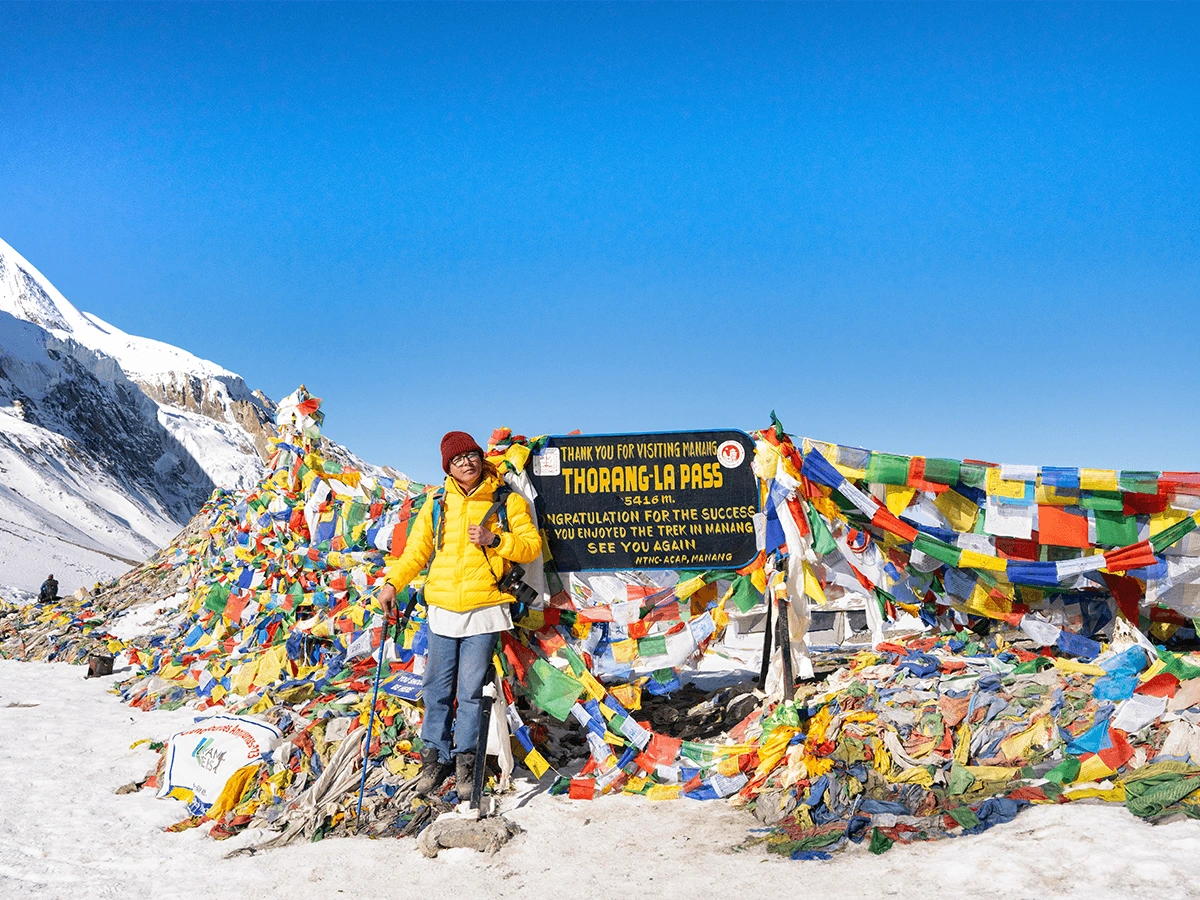
Thorong La Pass, at 5,416 meters above sea level, located along the Annapurna Trail, is a major high point of that trek. The long, arduous climb up to the pass will test your stamina, control, and preparedness at high altitude, while the top will unfold breathtaking vistas of the Himalayan region surrounding you. Skilled and certified local
Mountaineering experts accompany trekkers during this tough and potentially dangerous mountain climb; they guide trekkers through the route and ensure all the necessary precautionary steps.
Because of this, ensuring the journey's utmost safety and comfort. Standing at the prayer flags at the head of this pass will be a moment that one can only describe as 'very strong'. With our travel agents, Holy Kailash Tours, you too can have the pleasure of going through Thorong La with an acclimatization package, practical help, and the right amount of reverence for the high-altitude area.
Geography and Landscape of the Annapurna Circuit
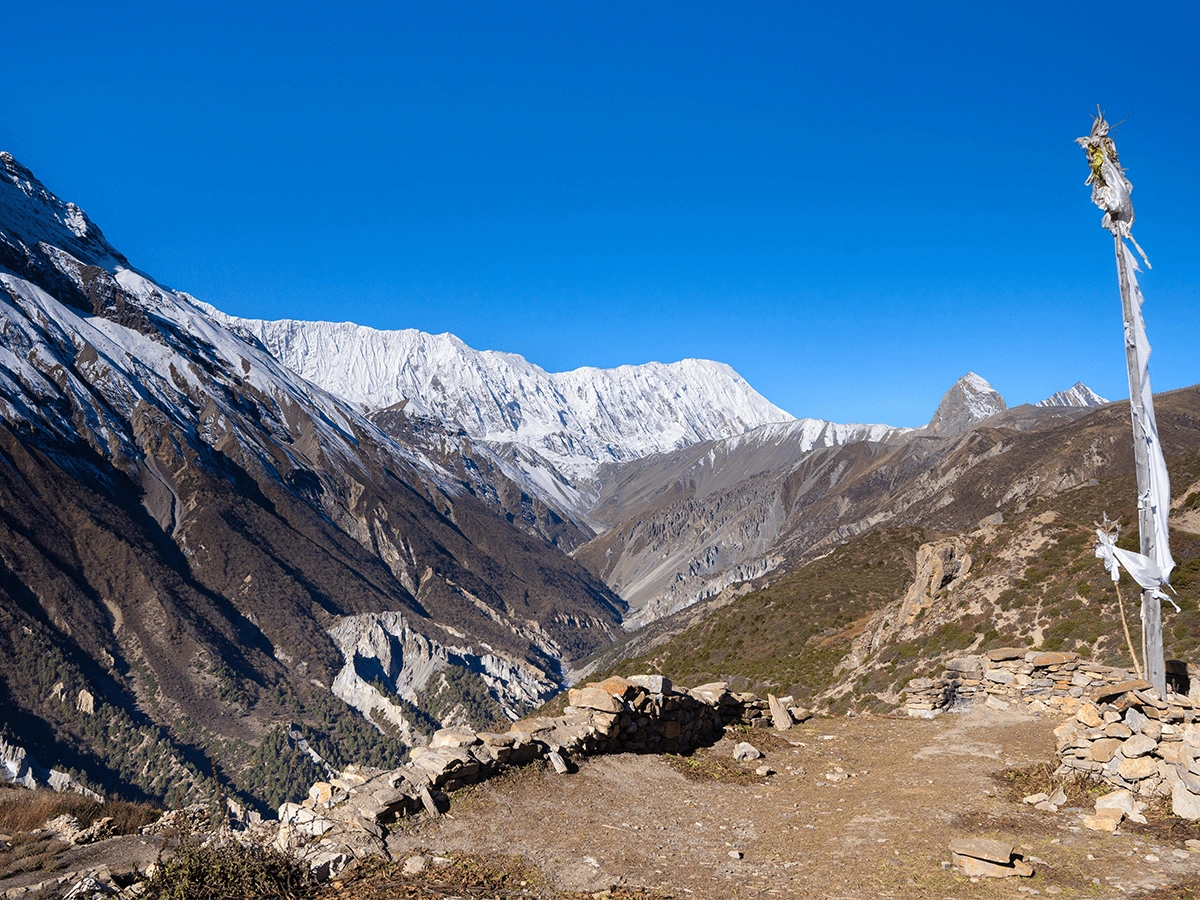
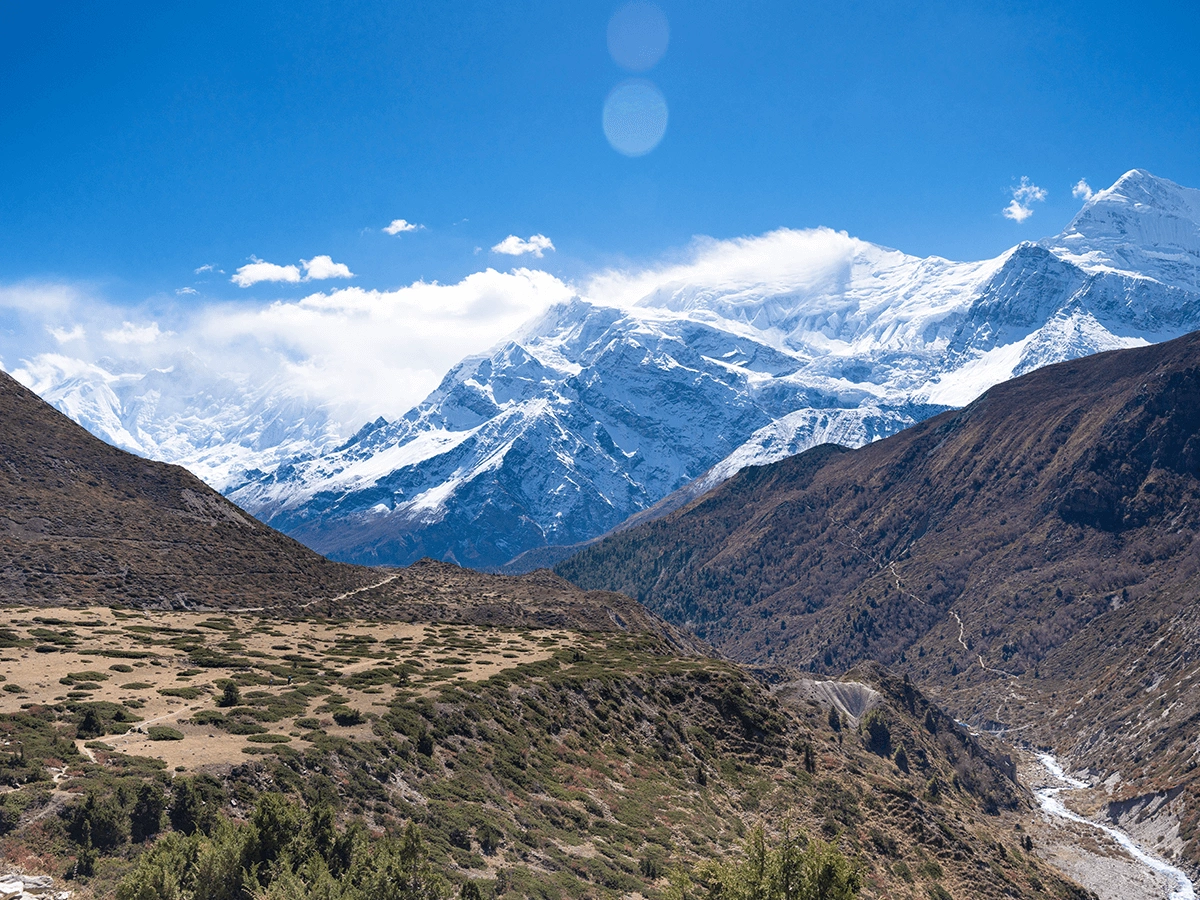
Winding through different mountain landscapes of Nepal, the Annapurna Circuit is one of the most varied trails ever. Starting with a journey through the lush green valleys, the trail leads you to terraced fields and then pine forests. Further up, you find yourself amidst the beautiful alpine meadows while at the same time facing the harshness of the dry Trans Himalayan region.
Kali Gandaki Valley is a remarkable natural corridor that lies between the Annapurna and Dhaulagiri mountain ranges. As you go higher and higher, the vegetation gradually diminishes while the terrain becomes more rugged. Really, you always experience a change of landscapes along this tour, which makes it both visually enjoyable and physically challenging. Holy Kailash Tours supports trekkers in their entire journey by giving them complete information about the topography, trail conditions, and also how the altitude changes throughout the trek.
Cultural Diversity Along the Circuit
Cultural Diversity at Various Stages of the Annapurna Circuit Trail: One can see various aspects of Nepal's Himalayan cultures along the Annapurna Circuit. The communities in the Manang area are very much influenced by the Tibetan Buddhist tradition, whereas in the villages at the lower altitude levels, Hindu customs are prevalent besides the pilgrimage sites in the area. As you journey along, you encounter various religious structures like prayer wheels, monasteries, chortens, temples, and traditional stone houses. Muktinath, for instance, has equal religious significance to Hindus and Buddhists.
Flora and Fauna of the Annapurna Circuit
Moving along the Annapurna Circuit, you can observe different ecosystems that are quite diverse in flora and fauna, which are the major attractions of the route. Lowlands are dominated by subtropical forests with tea, coffee, citrus, and fruit plants grown mainly on terraces. In the hilly region, you can see pine, fir, and juniper trees, rhododendron bushes, and alpine flowers as you climb to higher elevations.
Although the chance to get a wildlife glimpse varies, wildlife species like musk deer, Himalayan thar, and many bird species can be spotted in the Annapurna Conservation Area. The scenery is totally changed by height, as different mountain levels show the unique nature. That said, every day of your trip is an adventure with something different to discover and experience.
If you like to see nature and the wild animals in a natural, undisturbed way, the mountain wildlife will appreciate it when you give it space, stick to the trails, and be aware of protecting the mountains with conservation regulations that you may find along the way.
Annapurna Circuit Trek Elevation
One of the key things along the Annapurna Circuit that trekkers have to think about is elevation change. This is a very gradual hike: it is at the beginning at a low elevation, and the elevation increases to the region of Manang.
Finally, there is a Thorong La Pass at 5,416 meters. Because of this, quick altitude gain should prompt trekkers to take acclimatization, hydration, and rest; walk at a slower pace; and be aware that altitude sickness is serious and be able to recognize symptoms quickly.
A good guide will make sure that his guests are in good health and well-informed about their physical status by providing immediate assistance if they start to feel sick. The main idea of Holy Kailash Tours' route planners is that, in reality, trekkers' altitude awareness will help them avoid altitude sickness.
Experience Local Life and Traditions
The walk on the Annapurna Circuit is a great way for trekkers to get to know mountain people through their culture and way of life. Along the way, old traditional villages give glimpses of stone houses, fields terraced on hills and valleys, monasteries, and prayer flags.
Also, you get to see how ancient cultural practices have been preserved in these parts. When you sleep in local teahouses, it can open up opportunities to have a taste of the hospitality that the Himalayas have a way of offering and even try out local meals like dal bhat, Tibetan bread, and local noodles.
Maintaining a balance with nature is the lifestyle of the villages in places like Manang, Kagbeni, and Marpha, where everything seems to be happening around the mountains. By visiting with Holy Kailash Tours, you are given the chance to respect the communities and enjoy their culture with our local guides, who will take you through the tour while also enriching you with their knowledge about the place and the people.
The journey with Holy Kailash Tours takes into account the local culture and tradition of these communities, which will allow the guests to understand these people from the inside while also showing due respect for them.
Why Choose Us for the Annapurna Circuit Trek?
We, Holy Kailash Tours, offer the Annapurna Circuit Trek with local expert guides who are well acquainted with the mountain trails, altitude, weather, and mountain communities. We emphasize practical planning, safe pacing, proper accommodation, and transparent communication throughout the trek.
The local staff can change the itinerary if needed in case that weather, road, or trail conditions are not favorable. We also assist trekkers in discovering and engaging with the local culture and customs, instead of just passing through villages.
In light of our personal knowledge of Nepal, we can help you make your Annapurna Circuit experience not only safe, enjoyable, and well-informed but also rich in meaning.
Trip Highlights
- Crossing the Thorong La Pass at 5,416 meters will be one of the highlights of your trek, as it marks the highest point along the route.
- The pass is famous for its breathtaking panorama of the Annapurna range, Dhaulagiri, Manaslu, and Nilgiri.
- Get to see for yourself the beauty of Manang Valley and the Tibetan influence there.
- Pay a visit to the holy Muktinath Temple, whose significance both Hindus and Buddhists recognize.
- Take the path through the beautiful Kali Gandaki Valley.
- You will probably end up falling in love with local mountain communities such as Kagbeni, Marpha, and Manang.
- During the walk in the region, you will be surrounded by many landscapes, from verdant forests to arid alpine deserts.
- Besides, you will also see ancient Buddhist monasteries, stupas, and turning prayer wheels.
- You will be able to unwind and get yourself relaxed in one of the beautiful hot springs of Tatopani.
- You have not seen anything yet! This is a real test of physical fitness, but the views are well worth it. You can also get yourself some very warm and friendly mountain hosts in the villages and experience their traditional life first-hand.
- Enjoy the changing mountain scenery during your trek along the famous Annapurna Circuit.
- Finish your trip with a few days of rest and sightseeing in scenic Pokhara.
- We will be with you and your fellow trekkers throughout the entire journey, providing professional assistance with route choices and altitude adjustment. This way, you and we make Holy Kailash Tours, local trek guides who help you the whole way through.