Geographic and Natural Diversity
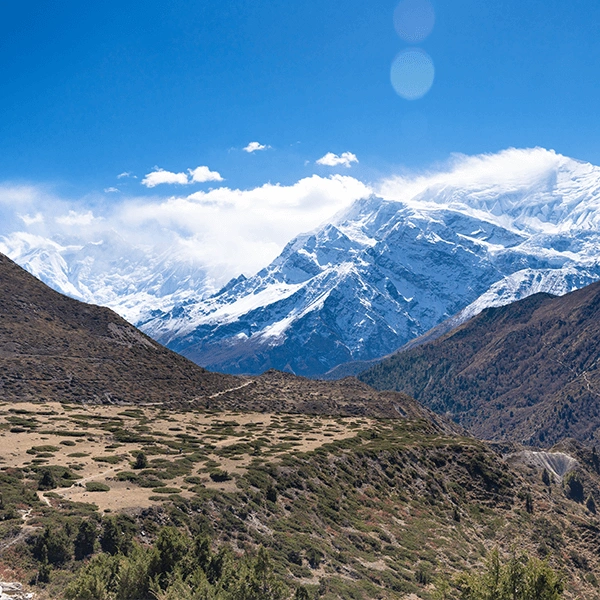
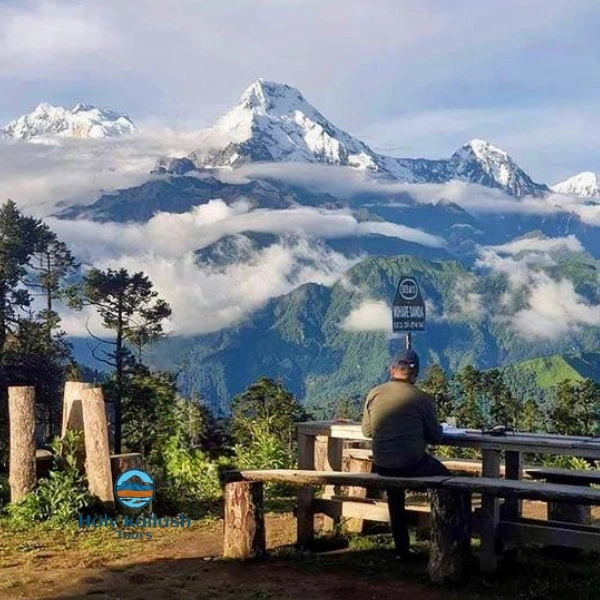
One of the defining features of the Annapurna Region is its extraordinary geographical diversity within a relatively compact area. Treks often begin in low-altitude villages surrounded by rice fields, banana trees, and rhododendron forests. As the trail ascends, the environment gradually changes into pine forests, alpine grasslands, rocky cliffs, and finally barren high-altitude landscapes dominated by snow-covered peaks.
The Annapurna Conservation Area (ACA), Nepal’s largest protected area, covers much of the region. It is home to a wide variety of flora and fauna, including rhododendrons, orchids, junipers, blue sheep, Himalayan tahr, musk deer, and even the elusive snow leopard. Seasonal changes dramatically transform the scenery, making each trek feel unique depending on the time of year.
Rich Cultural Heritage
The Annapurna Region is not just a natural wonder; it is also a cultural treasure. The region is inhabited by diverse ethnic communities such as Gurung, Magar, Thakali, Brahmin, Chhetri, and Tibetan-influenced groups in the higher valleys. Each community has its own language, traditions, architecture, festivals, and lifestyle.
Villages like Ghandruk, Ghorepani, Manang, Marpha, and Kagbeni offer trekkers an authentic glimpse into rural Himalayan life. Stone houses, prayer flags, monasteries, chortens, and mani walls line the trails, reflecting deep-rooted Buddhist and Hindu influences. Warm hospitality in local teahouses and homestays adds a human connection that many trekkers find just as memorable as the mountains themselves.
Popular Trekking Routes in the Annapurna Region
Annapurna Base Camp Trek
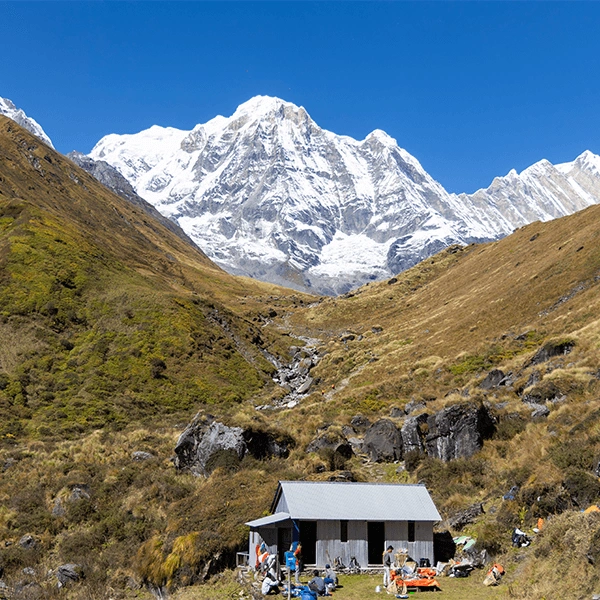
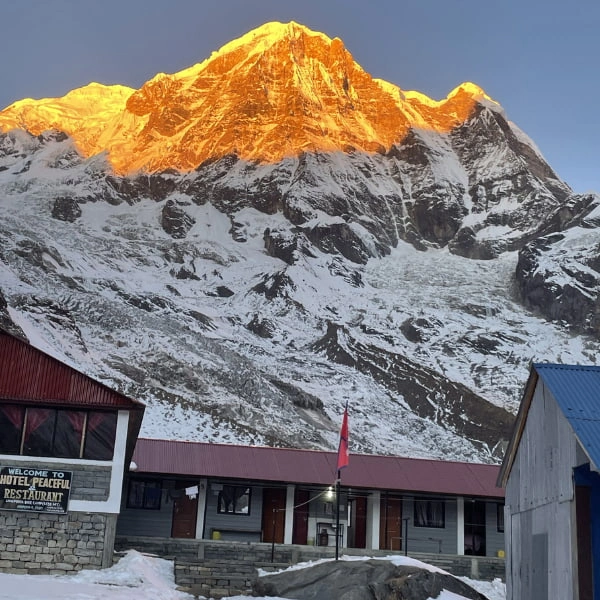
The Annapurna Base Camp (ABC) Trek is one of the most iconic treks in Nepal. It takes trekkers into a natural amphitheater surrounded by towering Himalayan peaks. The journey passes through charming Gurung villages, dense rhododendron forests, and alpine landscapes before reaching Annapurna Base Camp at 4,130 meters.
Standing at the base of Annapurna I, with panoramic views of Annapurna South, Machhapuchhre, Hiunchuli, and Gangapurna, is an unforgettable experience. The trek is moderately challenging and suitable for trekkers with a reasonable level of fitness.
Annapurna Circuit Trek
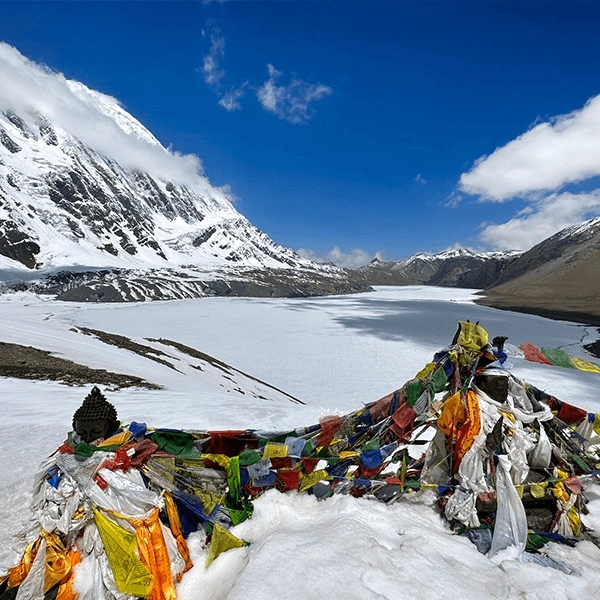
The Annapurna Circuit Trek is often described as one of the best long-distance treks in the world. This classic route circles the entire Annapurna Massif and crosses the dramatic Thorong La Pass (5,416 m), one of the highest trekking passes on Earth.
The trek showcases extraordinary diversity, from subtropical forests to the arid landscapes of the trans-Himalayan region. Cultural contrasts are equally impressive, with Hindu villages in the lower sections and Tibetan-influenced settlements in Manang and Mustang areas. Despite road development in recent years, the Annapurna Circuit remains a rewarding and adventurous journey.
Ghorepani Poon Hill Trek
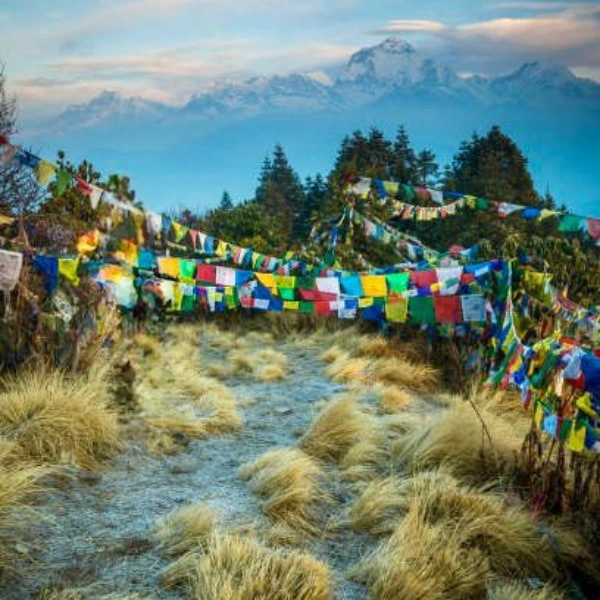
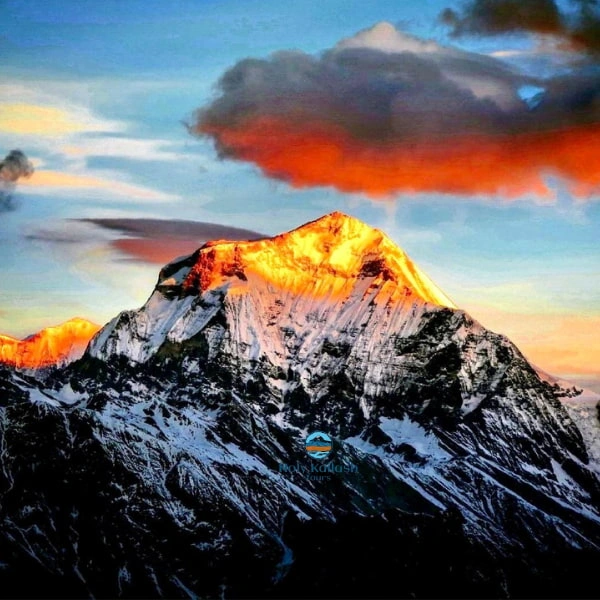
The Ghorepani Poon Hill Trek is a short and relatively easy trek, making it ideal for beginners, families, and trekkers with limited time. The highlight of this trek is the sunrise view from Poon Hill (3,210 m), which offers breathtaking panoramic views of Annapurna and Dhaulagiri ranges.
The trail passes through beautiful rhododendron forests, traditional villages, and terraced hillsides. This trek provides a perfect introduction to Himalayan trekking without requiring extreme physical endurance.
Mardi Himal Trek
The Mardi Himal Trek is a quieter and less crowded alternative to the more popular routes. It follows a ridge trail leading to Mardi Himal Base Camp, offering close-up views of Machhapuchhre, Annapurna South, and Hiunchuli.
This trek is known for its pristine trails, peaceful atmosphere, and stunning high-altitude scenery. It is ideal for trekkers seeking solitude and a more off-the-beaten-path experience while still enjoying excellent mountain views.
Best Time to Trek in the Annapurna Region
The Annapurna Region can be trekked throughout the year, but certain seasons are more favorable.
Spring (March to May) is one of the best times, with stable weather, blooming rhododendrons, and clear mountain views.
Autumn (September to November) is the most popular season due to crystal-clear skies, comfortable temperatures, and excellent visibility.
Winter (December to February) offers quieter trails and snow-covered landscapes but requires preparation for cold conditions, especially at higher altitudes.
Monsoon (June to August) brings lush greenery and fewer trekkers, though trails can be slippery and views may be limited due to clouds.
Accommodation and Trekking Facilities
The Annapurna Region is well known for its teahouse trekking system. Trekkers can find comfortable lodges along most major routes, offering basic rooms, warm meals, and friendly service. This makes trekking more accessible and reduces the need for camping equipment.
Facilities vary depending on altitude and remoteness, but overall infrastructure in the Annapurna Region is among the best in Nepal. This allows trekkers to focus more on the experience rather than logistics.
Why Choose the Annapurna Region for Trekking
The Annapurna Region stands out because it offers something for everyone. Whether you are looking for a short scenic trek, a challenging high-altitude adventure, cultural immersion, or breathtaking mountain views, this region delivers it all.
The combination of diverse landscapes, rich culture, accessible trails, and well-established trekking routes makes the Annapurna Region one of the most rewarding trekking destinations in the world. Every step reveals a new perspective, whether it is a snow-capped peak, a smiling local, or a peaceful mountain sunrise.
Trekking in the Annapurna Region is more than just a journey through mountains; it is a journey through nature, culture, and personal discovery. The region’s unmatched diversity, iconic trekking routes, and warm local communities create an experience that stays with trekkers long after they return home.
For anyone seeking an authentic Himalayan adventure, the Annapurna Region offers timeless beauty, unforgettable moments, and a deep connection to the heart of Nepal’s mountains. It remains, without doubt, one of the finest trekking destinations on Earth.