Trip Overview
Four days in the Kathmandu Valleyis enough time to feel the place, not just tick a checklist. You'll walk the flagstoned alleys of Bhaktapur, stand at the base of the Boudhanath Stupa as monks circle it in the early morning, and climb to Nagarkot before sunrise turns the Himalayas pink. The valley holds seven UNESCO World Heritage Sites within a 30-kilometer radius. That concentration is unmatched anywhere on earth.
Kathmandu Valley tour moves at a real pace — not rushed, not padded. Each morning you're somewhere new. Each evening, you have time to wander, eat, and process what you've seen. By day four, Kathmandu feels less like a destination and more like somewhere you've started to understand.
Explore the Rich Cultural Heritage of Kathmandu
Most travelers arrive expecting temples. They leave, surprised by how alive those temples still are.
Kathmandu's cultural heritage isn't preserved behind glass — it's in daily use. The Pashupatinath Temple on the banks of the Bagmati River receives tens of thousands of Hindu pilgrims every day. Sadhus sit in meditation near ghats where cremations burn openly. Boudhanath draws Tibetan monks from across the Himalayan region. At Swayambhunath, monkeys race across ancient stonework while locals light butter lamps before dawn.
This is the part that separates Kathmandu from most heritage destinations. The history here hasn't been museumified. It's still functioning, still layered, still accumulating new stories on top of old ones. Three civilizations, Newar, Hindu, and Tibetan Buddhist, overlap in the valley, sometimes in the same courtyard. That overlap produces something genuinely hard to find elsewhere.
Nepal's cultural depth also draws spiritual travelers who plan Himalayan pilgrimages through agencies like Holy Kailash Tours, combining valley heritage with sacred Himalayan circuits. The valley serves as both the starting point and a destination in its own right.
Top Attractions to Visit During Kathmandu Valley Tours
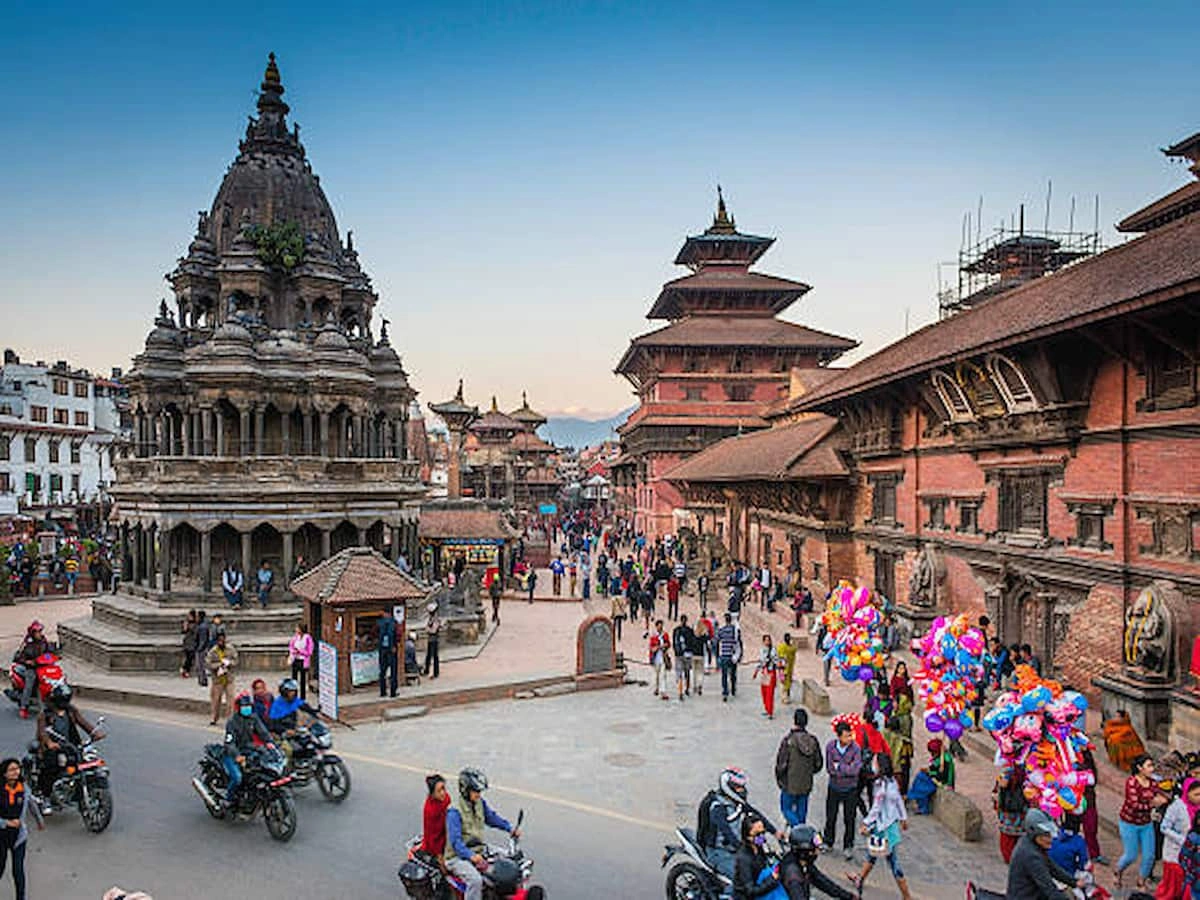
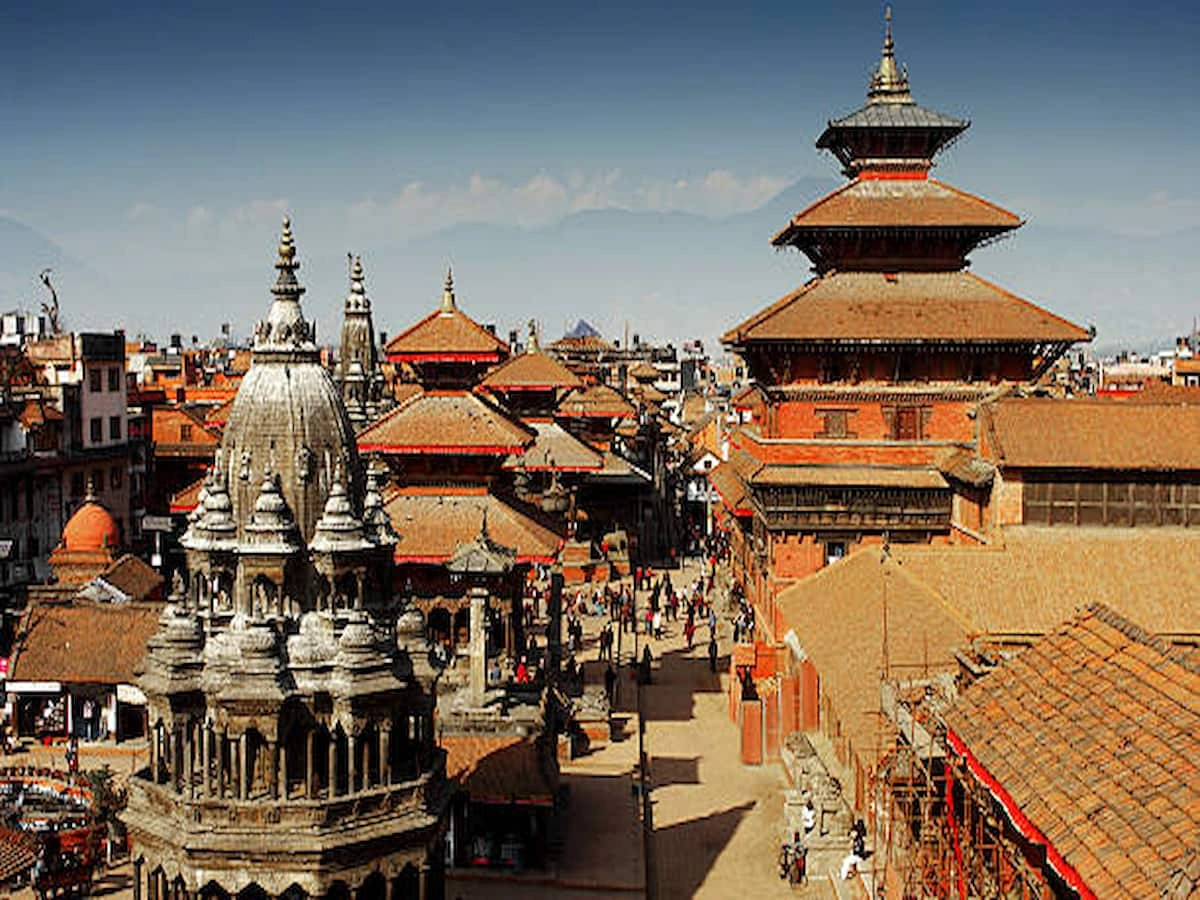
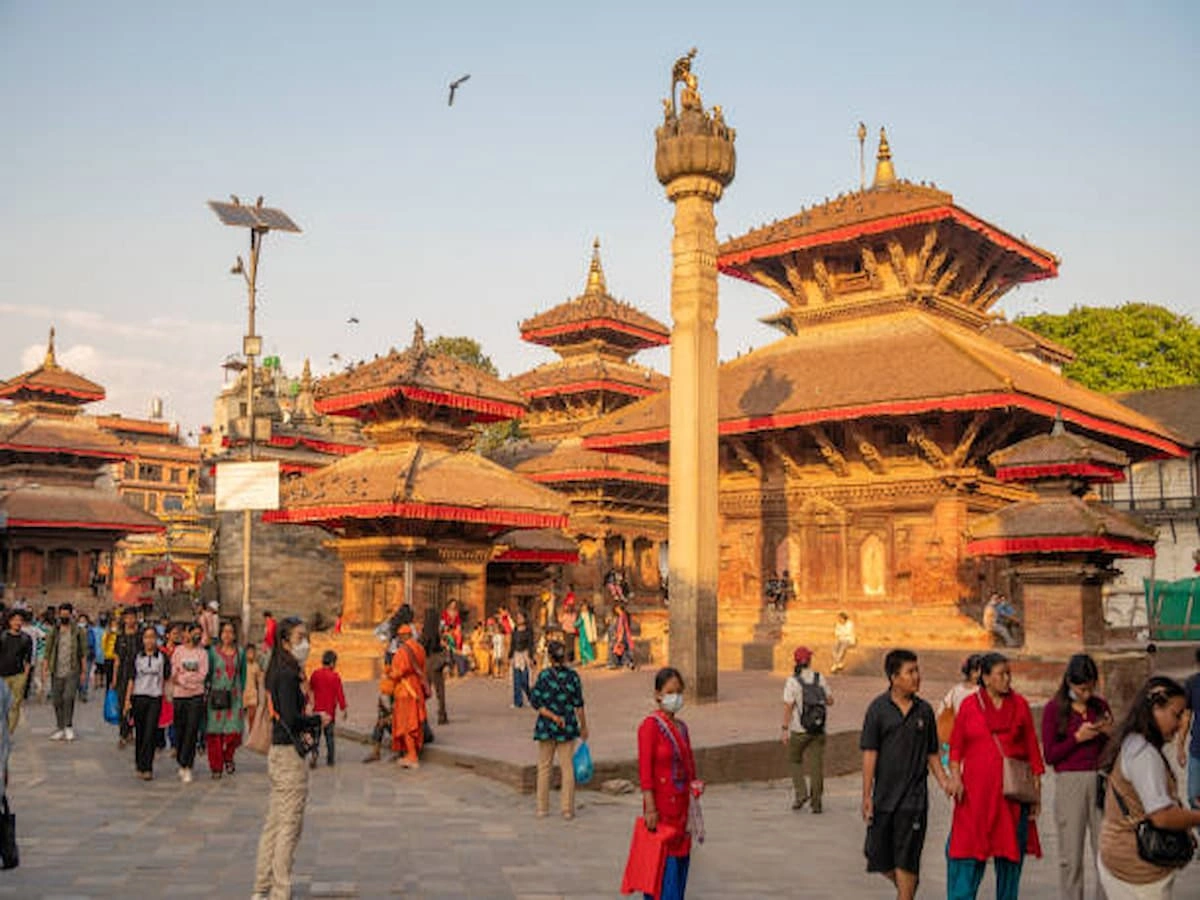
Kathmandu Durbar Square: The former royal palace complex at the heart of the old city. The Kumari Chowk houses the living goddess, a young girl selected through an ancient ritual to embody the deity Taleju. The square took serious damage in the 2015 earthquake, but reconstruction has continued steadily.
Patan Durbar Square: Most visitors say this is the most beautiful of the three Durbar Squares. The Krishna Mandir, an all-stone temple built in 1637, is the one that stops people mid-step. The Patan Museum inside the old royal palace is outstanding — among the best museum experiences in South Asia.
Bhaktapur Durbar Square: The most intact medieval city in Nepal. The 55-window palace, the pottery square where locals still work the clay, and the Nyatapola Temple rising five storeys above the square. Bhaktapur is what the valley looked like before modernity arrived.
Boudhanath Stupa: One of the largest Buddhist stupas in the world. Walk the kora (circumambulation path) with pilgrims at dawn. The painted eyes on the white dome look out in all four directions. Rooftop cafes ring the stupa — sit at one for an hour and watch the rhythm of the place.
Swayambhunath (Monkey Temple): Climb the 365 steps for a view of the valley and the stupa complex at the top. The monkeys are bold. Keep your sunglasses on your face, not your head.
Pashupatinath Temple: Non-Hindus cannot enter the main temple, but the surrounding ghats, smaller shrines, and forested hillside are accessible and give a real sense of what this site means to the people who come here.
Nagarkot: A ridge town 32 km east of Kathmandu. The Himalayan panorama from here, on a clear morning, includes Everest,Langtang, and the Annapurna range. Come the night before, sleep there, and watch the sunrise.
Why Choose Kathmandu Valley Tours in Nepal?
Culture and History: The valley's recorded history goes back over 2,000 years. The Licchavi, Malla, and Shah dynasties each left their mark in stone, wood, and bronze. The arts of woodcarving, metalwork, and thangka painting developed here and spread across the Buddhist world.
Spirituality: Few places in Asia carry this density of sacred geography. Hindus and Buddhists share space here without conflict, often visiting each other's shrines. The atmosphere at Boudhanath at dawn or Pashupatinath during Shivaratri is the kind of thing people find hard to describe without sounding like a brochure.
Architecture: The tiered pagoda style developed in Nepal. The multi-roofed temples, the carved wooden lattice windows, the palace courtyards — this is the source tradition, not a derivative one.
Local Life: Kathmandu has 3.5 million people, and all of them are getting on with their lives around the heritage sites. Old men play cards in Durbar Square. Women carry offerings to temples they've visited since childhood. Children do homework in courtyards older than most European cities.
Accessibility: Kathmandu's Tribhuvan International Airport connects to most Asian hubs. Visas are available on arrival for most nationalities. The valley's main sites are within an hour's drive of each other. It's one of the easier places in Asia to spend four days and come away feeling like you've actually been somewhere.
Trip Highlights
- Sunrise view of the Himalayas from Nagarkot — on a clear day, you see Everest
- Circumambulating Boudhanath Stupa with Tibetan pilgrims at dawn
- Exploring Bhaktapur's medieval city on foot — the best-preserved Newari town in Nepal
- Patan Durbar Square and the Krishna Mandir, carved entirely from stone
- Pashupatinath's riverside ghats and forest shrines
- Swayambhunath Stupa above the valley fog
- Three Durbar Squares, each different, each worth half a day
- Newar cuisine: yomari, bara, juju dhau (Bhaktapur's famous buffalo curd)
- Local tea houses and rooftop cafes around Boudhanath