Everest View Trek Overview
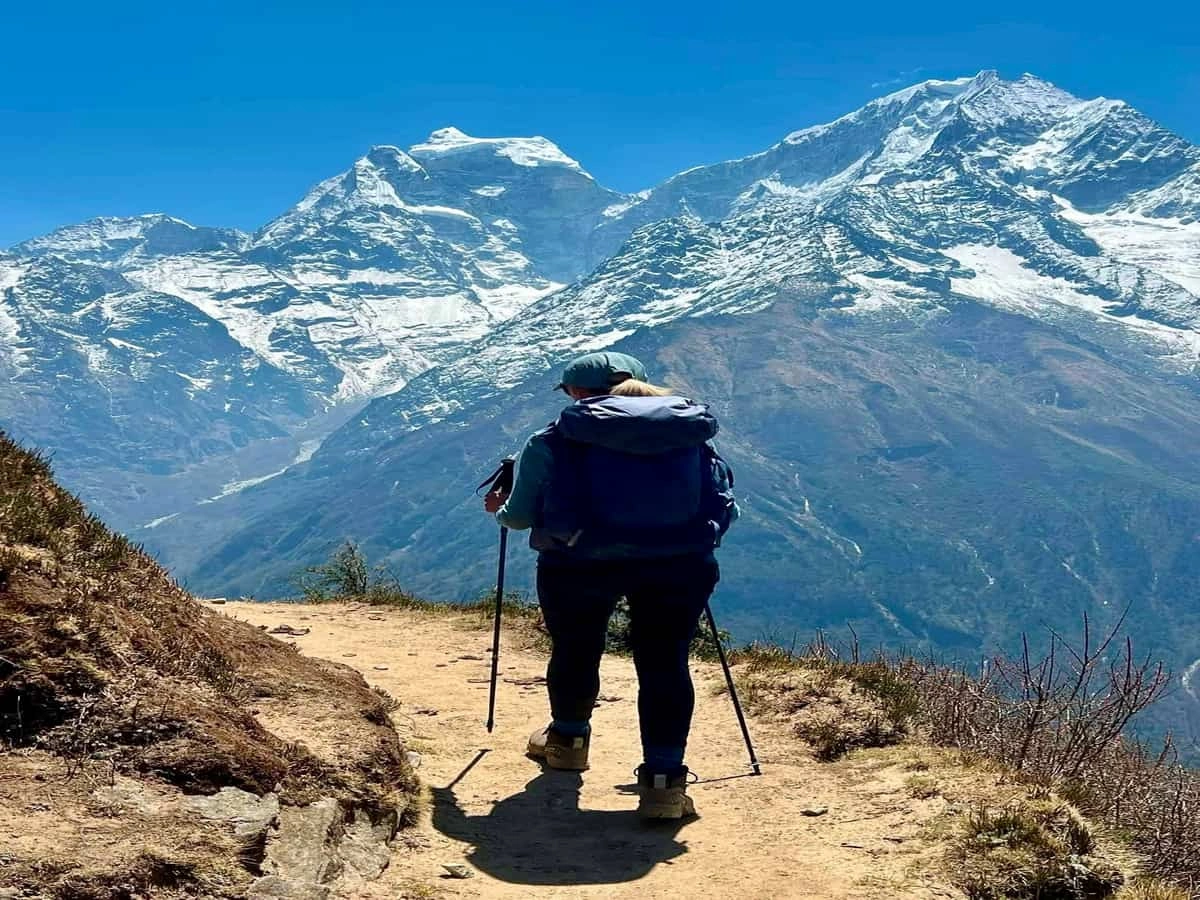
From Lukla, the trail descends gently into the Dudh Koshi river valley before climbing steadily toward Namche Bazaar. You'll cross several suspension bridges, walk through pine and rhododendron forests, and pass through the village of Phakding on the first trekking day.
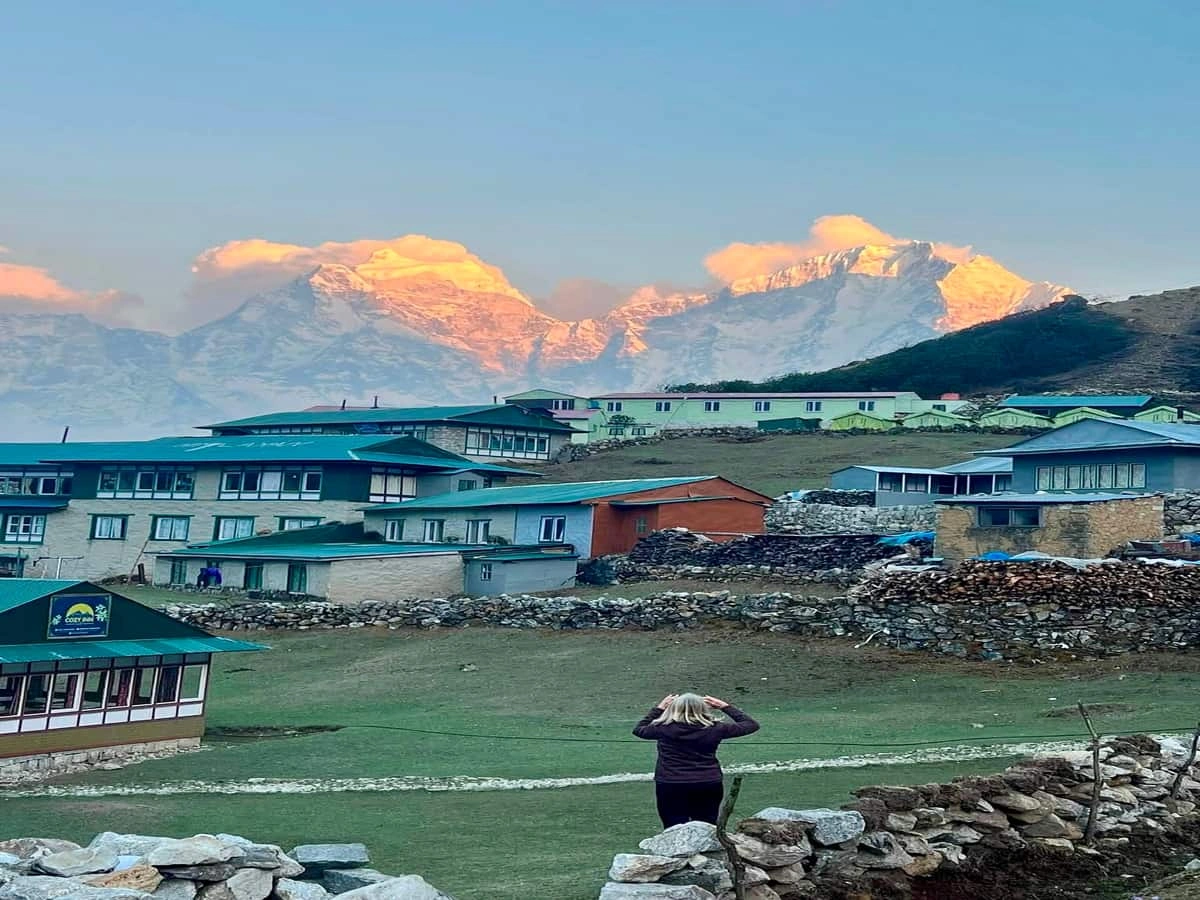
Namche Bazaar sits at 3,440 meters and serves as the commercial and cultural center of the Sherpa world. It's built into a natural amphitheater shape in the hillside, with tea houses, gear shops, bakeries, and a surprisingly good cappuccino scene. The acclimatization day here is not optional. Your body needs time to adjust to altitude before you climb higher, and Namche offers something genuinely interesting to do while you do so. You hike up to the Sagarmatha National Park visitor center for your first clear sighting ofEverest, then head to Syangboche (3,833m) or the famous Everest View Hotel (3,880m) for a panoramic view of the entire Khumbu Himalaya that stops most people mid-sentence.
The trail back to Lukla on days four and five follows the same downhill route, which moves faster and feels completely different, with the peaks behind you and the valley unfolding ahead. Many trekkers say the downhill section is where the whole experience settles in. The cumulative distance across five days is roughly 55 to 60 kilometers. The maximum elevation reached is around 3,880 meters at the Everest View Hotel viewpoint. That keeps you well below the altitude zone where serious illness becomes a risk, provided you maintain a proper pace and drink enough water.
Holy Kailash Tours has designed the Everest View Trek 5-day route specifically for trekkers who want a genuine mountain experience without overextending. The itinerary is spaced to give your body room to adjust, and every lodging stop has been chosen for reliability, warmth, and food quality. This is not a tour that rushes you through for the sake of a tighter price point.
Key facts at a glance:
- Trek duration: 5 days (including Lukla flights)
- Maximum elevation: 3,880m (Everest View Hotel / Syangboche ridge)
- Total trekking distance: Approximately 55 to 60 km
- Difficulty: Moderate (suitable for fit beginners)
- Start and end point: Lukla (via flight from Kathmandu)
- Trek type: Out-and-back along the Everest Base Camp trail
- Accommodation: Tea house lodges
- Group size: Small groups or private departures available
- Minimum age: 12 years (with guardian)
Best Time for Everest View Trek
Timing matters more than most people realize. The Khumbu valley sits at a high altitude, and the weather shifts dramatically across seasons. Two windows give you the best combination of clear skies, stable trails, and good mountain views.
October to November (Autumn) is the most popular season, and for good reason. The monsoon rains clear out by late September, washing the air and leaving the mountains in sharp focus. Daytime temperatures in Namche are pleasant, around 10 to 15°C, and the trail is dry and well-maintained. Visibility at the Everest View Hotel viewpoint is typically excellent. The downside is that trails are busier during peak weeks.
March to May (Spring) is the second-best window. Rhododendrons bloom in the forest sections, adding color to the trail. Temperatures are warming, winter snow is mostly gone at lower elevations, and the mountain views are reliable. Late April and May see more cloud buildup in the afternoons, so morning hikes give the clearest sky.
December to February (Winter) is cold but doable. Temperatures drop sharply at night in Namche, often below -10°C, and some tea houses operate with limited hours. If you're comfortable in cold conditions and want a quieter trail, this window works. Views are often crystal clear in winter.
June to September (Monsoon) is generally not recommended for this trek. Rain, cloud cover, leeches on lower trails, and slippery paths make the experience harder than it needs to be. Views are frequently blocked by mist.
Best months by priority:
- October and November (top choice, clearest views)
- March and April (great for color and warmth)
- December and February (quiet, cold, still beautiful)
- May (workable, watch for afternoon clouds)
- January (very cold, fewer facilities open)
- June to September (avoid if possible)
Why Choose the Everest View Trek
Many people come to Nepal hoping to reach Everest Base Camp. That's a 12 to 14-day trek requiring serious preparation, time off work, and a higher budget. The Everest View Trek gives you the core of that experience in five days. Not a diluted version. The actual Khumbu valley, the same trail, the same peaks, the same Sherpa villages.
Here's why this particular route makes sense for a lot of travelers:
- You see Everest clearly. The view from Syangboche and the Everest View Hotel ridge is arguably better than what you get from Everest Base Camp, where the peak is partially hidden by the Khumbu glacier's walls.
- The altitude is manageable. Reaching 3,880m with a proper acclimatization day in Namche keeps you in a zone where most healthy adults adjust without serious issues.
- It fits a real schedule. Five days is achievable without burning through an entire annual leave allowance.
- The trail is well-marked and well-supported. Tea houses, guides, and medical posts are available throughout the route.
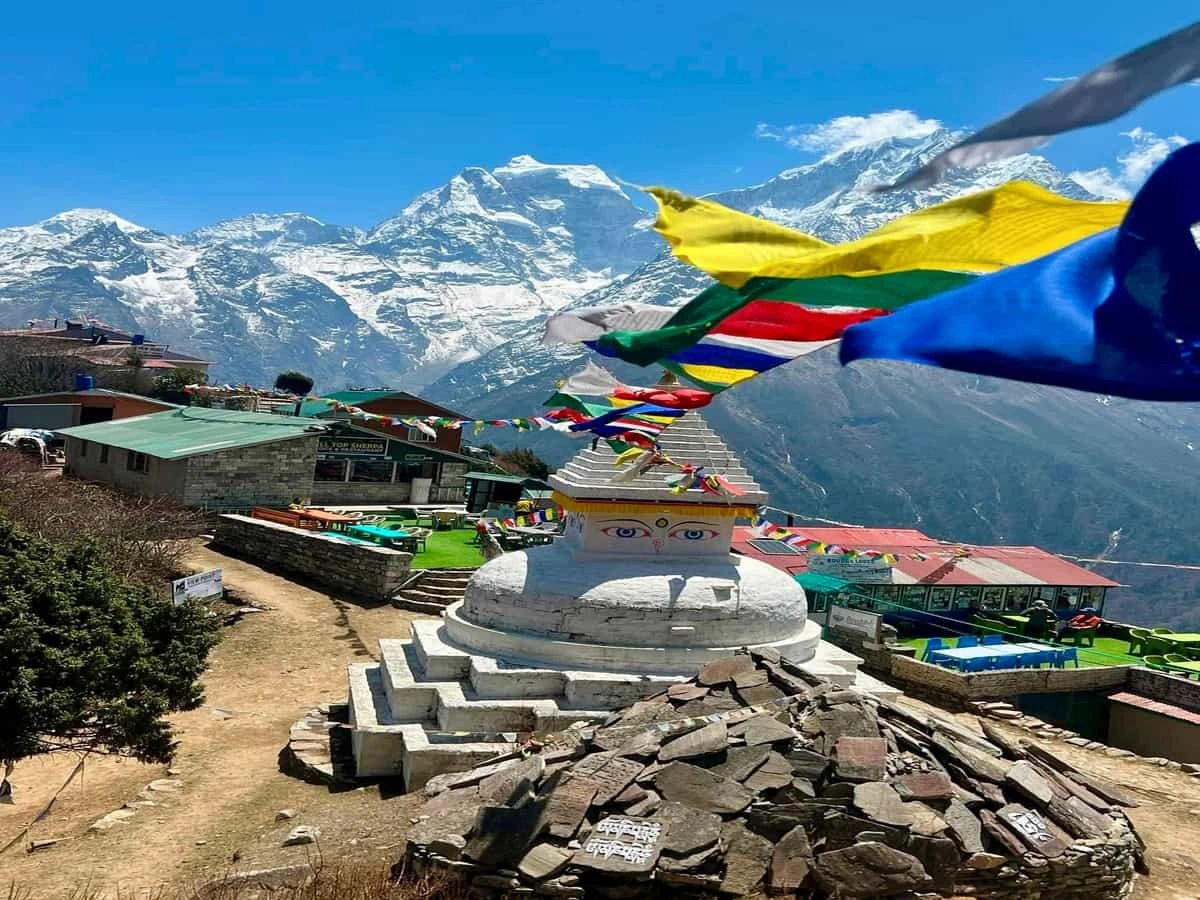
- You still get the culture. Namche's market, the monasteries, the Buddhist prayer flags, and the Sherpa hospitality. It's all there.
- It works as a standalone trip or a warm-up. Some trekkers do this route first, then return later for a longer trek with better preparation.
- The cost is lower than EBC. Fewer days means fewer permits, less accommodation, and a more accessible price point.
Why Book with Holy Kailash Tours
There are dozens of operators offering Everest region treks. What you're really paying for is the judgment and reliability of the people organizing it on the ground.
Holy Kailash Tours is based in Kathmandu and has been organizing Himalayan journeys across Nepal and Tibet for years. The team has direct experience on the Everest trail in every season and knows which tea houses are reliable, where altitude sickness is most likely to appear, and how to adjust an itinerary when weather or trail conditions change.
Here's what that looks like in practice:
- Licensed and government-registered: Holy Kailash Tours is registered with the Nepal Tourism Board and holds all required permits and certifications.
- Experienced mountain guides: Every group is led by a certified trekking guide with first aid training and high-altitude rescue experience.
- Small group sizes: Groups are kept small so guides can give proper attention to every trekker's pace and well-being.
- Transparent pricing: No hidden costs or surprise add-ons at the end. Everything is outlined clearly before departure.
- 24/7 support: The Kathmandu office stays reachable throughout your trek for any changes or emergencies.
- Honest itinerary design: Holy Kailash Tours builds acclimatization rest days into every high-altitude schedule, not as optional extras but as non-negotiable parts of the plan.
- Tibet and Kailash expertise: If this trek sparks a bigger journey, the same team can organize onward travel to Tibet, the Kailash Mansarovar Yatra, or other Himalayan pilgrimages.
Everest View Trek Cost
Everest View Trek Package Price
Holy Kailash Tours offers the 5-day Everest View Trek for group departures starting at USD 650 per person (minimum 2 people). Private departures start from USD 850 per person.
Prices vary slightly based on group size, season, and any add-ons you choose.
|
Group Size
|
Price Per Person
|
|
Solo (private guide)
|
From USD 850
|
|
2 to 4 people
|
From USD 650
|
|
5 to 8 people
|
From USD 580
|
|
9 or more
|
Contact us for a quote
|
Personal Daily Budget on the Trail
Once you're on the trail, plan for USD 20-35 per day for personal spending. That covers water, hot showers, Wi-Fi, a few snacks, and the occasional extra coffee in Namche. It adds up faster than people expect, especially in Namche Bazaar, where the bakeries are genuinely hard to walk past.
Here's a rough daily breakdown at trail prices:
|
Item
|
Approximate Cost (NPR)
|
|
Bottled water (1 liter)
|
100 to 300
|
|
Hot shower
|
200 to 400
|
|
Wi-Fi (day pass, Namche)
|
300 to 500
|
|
Snack or extra meal
|
300 to 700
|
|
Device charging (per device)
|
100 to 300
|
|
Coffee or tea (Namche bakery)
|
200 to 400
|
Tip: Carry NPR 8,000 to 12,000 in cash for five days of personal expenses. ATMs are available in Namche, but they run out of cash during the busy season. Don't rely on them.
Guide and Porter Tips
Tips are not included in the package price and are entirely at your discretion. That said, they're a meaningful part of income for guides and porters and are genuinely expected in Nepal's trekking culture.
Commonly used amounts:
- Trekking guide: USD 8 to 12 per day (total for the trek: USD 40 to 60)
- Porter: USD 5 to 7 per day (total for the trek: USD 25 to 35)
You tip at the end of the trek, usually in Kathmandu or on the last day in Lukla. Nepali rupees or USD are both fine.
Optional Add-Ons and Upgrades
Holy Kailash Tours can arrange the following for an extra cost:
|
Add-On
|
Approx. Cost
|
|
Private room upgrade at tea houses
|
USD 10 to 20 per night
|
|
Helicopter transfer from Kathmandu to Lukla (one way)
|
USD 300 to 450 per person
|
|
Helicopter return from Namche (emergency or comfort)
|
USD 400 to 600 per person
|
|
Extra night in Namche for extended acclimatization
|
USD 40 to 60 per person
|
|
Pre or post-trek hotel in Kathmandu (per night)
|
USD 30 to 80, depending on category
|
|
Kathmandu city tour (half day)
|
USD 40 to 60 per person
|
Permit Costs Breakdown
Your permits are covered in the package, but here's what they cost so you know what you're getting:
| Permit |
Cost |
| Sagarmatha National Park entry |
NPR 3,000 (approx. USD 22) |
| TIMS card (trekking regions) |
NPR 2,000 (approx. USD 15) |
Both are required. Holy Kailash Tours arranges them in Kathmandu before departure. You don't need to do this yourself.
Packing List for Everest View Trek
Pack light. Tea houses provide blankets and basic supplies, but the quality varies. Bring your own sleeping bag liner if you're particular about warmth and hygiene. Here's what you actually need:
Clothing:
- Moisture-wicking base layer (top and bottom)
- Mid-layer fleece or light down jacket
- Windproof and waterproof outer shell jacket
- Trekking trousers (quick-dry)
- Warm hat and sun hat (you need both)
- Gloves (light liner gloves plus one warmer pair)
- 2 to 3 pairs of wool or synthetic trekking socks
- Underwear suitable for multi-day use
Footwear:
- Broken-in hiking boots with ankle support (essential)
- Camp sandals or lightweight shoes for tea house evenings
- Gaiters (optional but useful in snow or mud)
Gear:
- Daypack (20 to 30 liters) for the trail
- Trekking poles (reduce knee strain significantly on the descent)
- Headlamp with extra batteries
- Sleeping bag (rated to -10°C or liner if tea houses supply bags)
- Water bottles or hydration bladder (2-liter capacity minimum)
- Water purification tablets or a filter
Health and Safety:
- Personal first aid kit (blister pads, antiseptic, bandages, ibuprofen)
- Altitude sickness medication (Diamox, on doctor's advice)
- Sunscreen (SPF 50 minimum, UV intensity at altitude is serious)
- Lip balm with UV protection
- Hand sanitizer and wet wipes
- Prescription medications with extra supply
- Travel and trekking insurance documentation
Documents and Money:
- Passport (original, valid for 6+ months)
- TIMS card and Sagarmatha National Park permit (arranged by Holy Kailash Tours)
- Nepal rupees in cash (ATMs in Namche exist but are unreliable)
- Emergency contact card
Electronics:
- A camera or a phone with a good camera
- Universal adapter and power bank
- Charging cables (lodges charge per hour in some places)
What to leave behind:
- Jeans or heavy cotton clothing (heavy and slow to dry)
- Excessive toiletries (save the weight)
- Unnecessary books or heavy items (your porter will carry a limited load)
Related Everest Packages
EBC Gokyo Chola Pass Trek 16 Days
Everest Three High Passes Trek 18 Days
Everest Base Camp Luxury Trek 14 Days
Everest Base Camp Trek With Helicopter Return 11 Days
Gokyo Lake Trek 13 Days
Everest View Trek 5 Days5 Days
Everest Base Camp Helicopter Tour 1 Day
Everest Base Camp Trek 14 Days
Everest View Trek Trip Highlights
You don't need two weeks or a high-altitude fitness regime to see Mount Everest up close. The 5-day Everest View Trek gets you into the Khumbu valley, past traditional Sherpa villages, and onto a ridge with one of the clearest views of Everest you can get without a summit permit. Here's what you actually experience on this route:
- Stand-out views of Everest (8,849m), Lhotse, Ama Dablam, and Thamserku from the Syangboche ridge and Everest View Hotel at 3,880m
- Fly into Lukla on one of the most dramatic mountain airstrips in the world
- Trek through Sagarmatha National Park, a UNESCO World Heritage Site full of rhododendron forests and river valleys
- Explore Namche Bazaar, the main trading hub of the Khumbu region, with its Saturday market, bakeries, and Sherpa cultural museum
- Visit Khumjung village and the Tengboche Monastery area, where Buddhist culture is woven into daily life
- Crossing swinging suspension bridges over glacial rivers, some of the longest pedestrian bridges in Nepal
- Spot yaks, pheasants, and Himalayan wildlife along the forested trail sections
- Acclimatize safely with a well-spaced itinerary built around your body's actual needs
- Return to Kathmandu in five days, rested and with clear photos of the world's highest peaks