Significance of Mount Kailash Mansarovar Yatra Overland
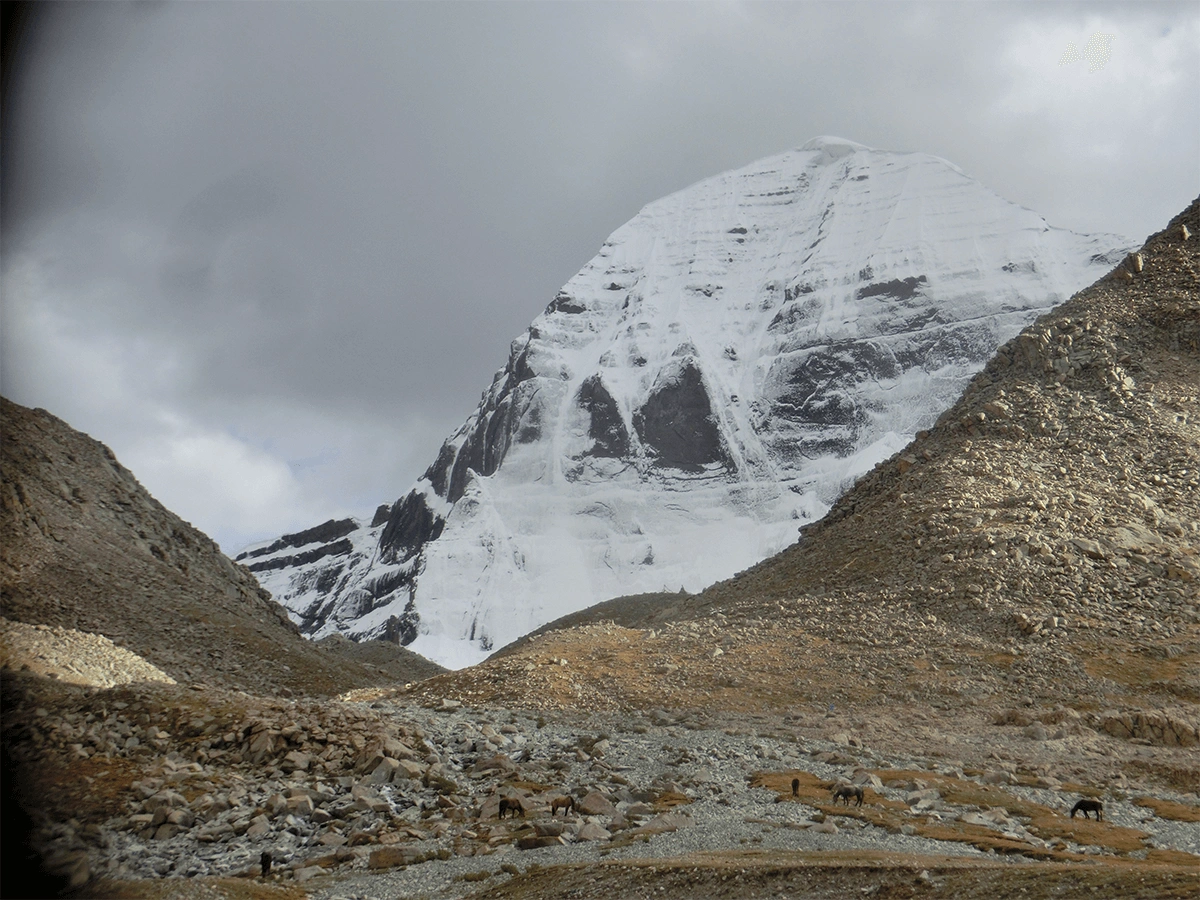
Mount Kailash is seen by people as the palace of Lord Shiva and Goddess Parbati, as many Hindu scriptures and stories. The sacred nature of this peak has attracted not only Hindus but followers of Buddhism, Bon, and Jainism as well. One of the major legends surrounding Mount Kailash explains that a mere walk around the mountain will clean you from all kinds of dirt and sins that you have been carrying with you and will help you achieve the final goal, a state of the soul's freedom. The holiest mountain and the holiest lake symbolize purity and divine creation. Various rituals, prayers, and holy baths are performed on the banks of the lake and the foothills of Mt. Kailash. Visiting these amazing holy places can bring prosperity, blessings, spiritual growth, and accomplishment of lifelong religious aspirations.
Overland Route from Kathmandu
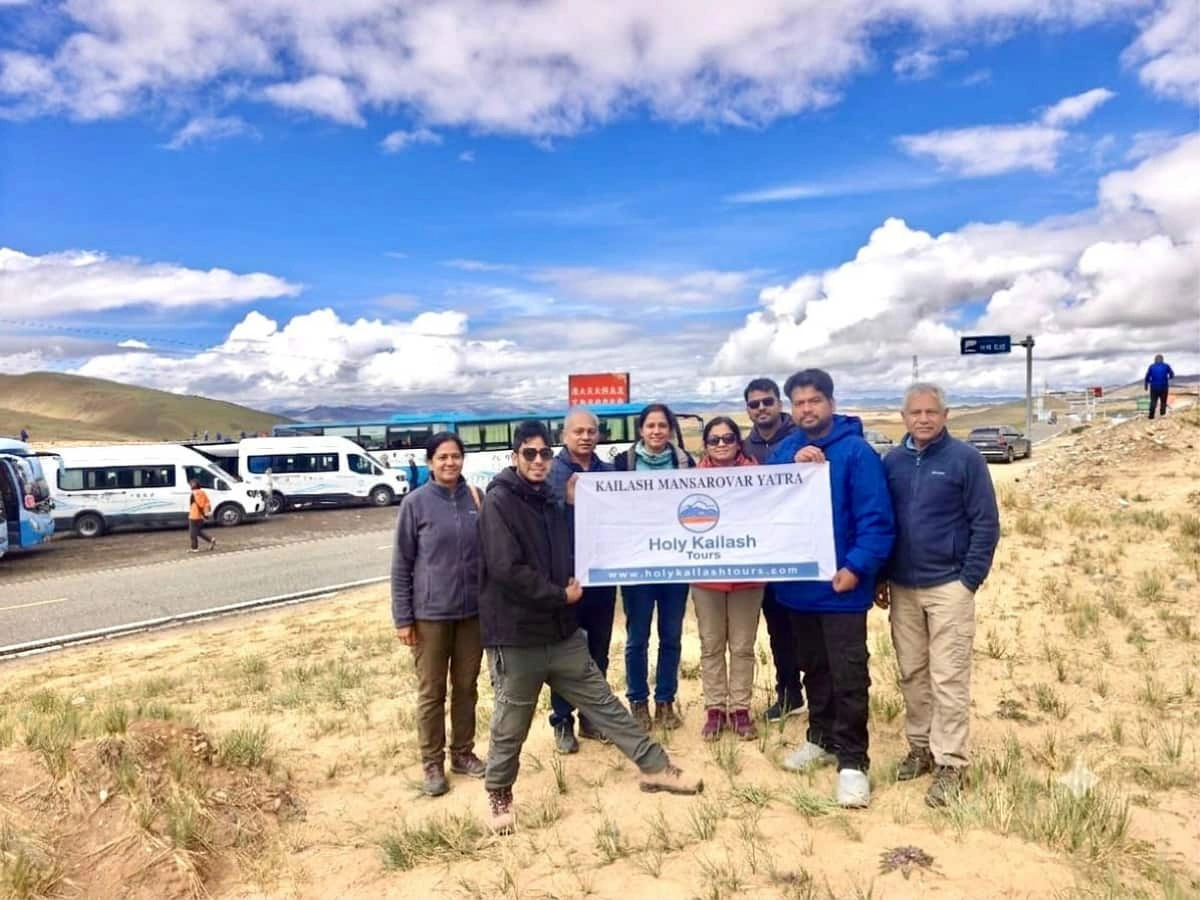
The Kailash Mansarovar Lake Yatra Overland route is preferred by many pilgrims a lot. Adventure and ease are combined through it. The journey starts in Nepal, and the route takes Tibet through the Kerung border as the border between the two countries, where it enters. The most beneficial aspect of an overland tour is that it gives travelers the chance to gradually gain altitude, which helps their acclimatization process. Besides, the Kailash Yatra overland route is easier on the body compared to trekking routes and so is a good option for people of all ages. The landscape and culture you see are extraordinary along the overland Kali route. As Mount Kailash is the divine mountain that draws pilgrims, before the divine destination, travelers are shown the beauty of the Himalayas, monasteries, grassy meadows, towns, and villages.
Best Time for the Overland Yatra
Undertaking the Kailash Mansarovar Yatra overland is best done from May to September. For these months, you will generally benefit from the fairly pleasant weather conditions and the accessibility of the roads. In summer, it is warmer, and one has a clearer view of Mount Kailash, while in the monsoon, one might have to contend with occasional rains, but the crowd will be less. During winter, travel is not recommended, as the freezing cold, as well as closed routes, will hinder the progress of the journey. Season planning is the key to a safe, comfortable, and spiritually meaningful journey.
Altitude and Acclimatization
Changes in the altitude present one of the main obstacles to the Kailash Mansarovar Yatra journey, as it reaches more than 5000 meters. That means it is important that pilgrims understand what measures they should take before and after arrival to deal with high-altitude sickness. The ground transport option allows for a more forgiving mountain pass, as it integrates rest days as part of the acclimatization. Travellers should drink lots of water, avoid drinking alcohol, and, in general, take things slowly. Yet, if your symptoms become so serious that you are unable to function at all, or the symptoms keep getting worse, then you should consult a doctor right away. Well, if you manage to overcome the altitude without being sick, you might be able to get maximum delight out of the trekking. Good health plus the guidance of a local expert is the key that allows one to complete the pilgrimage and also enjoy the spiritual aspects of the whole process.
Kora (Parikrama) Around Mount Kailash
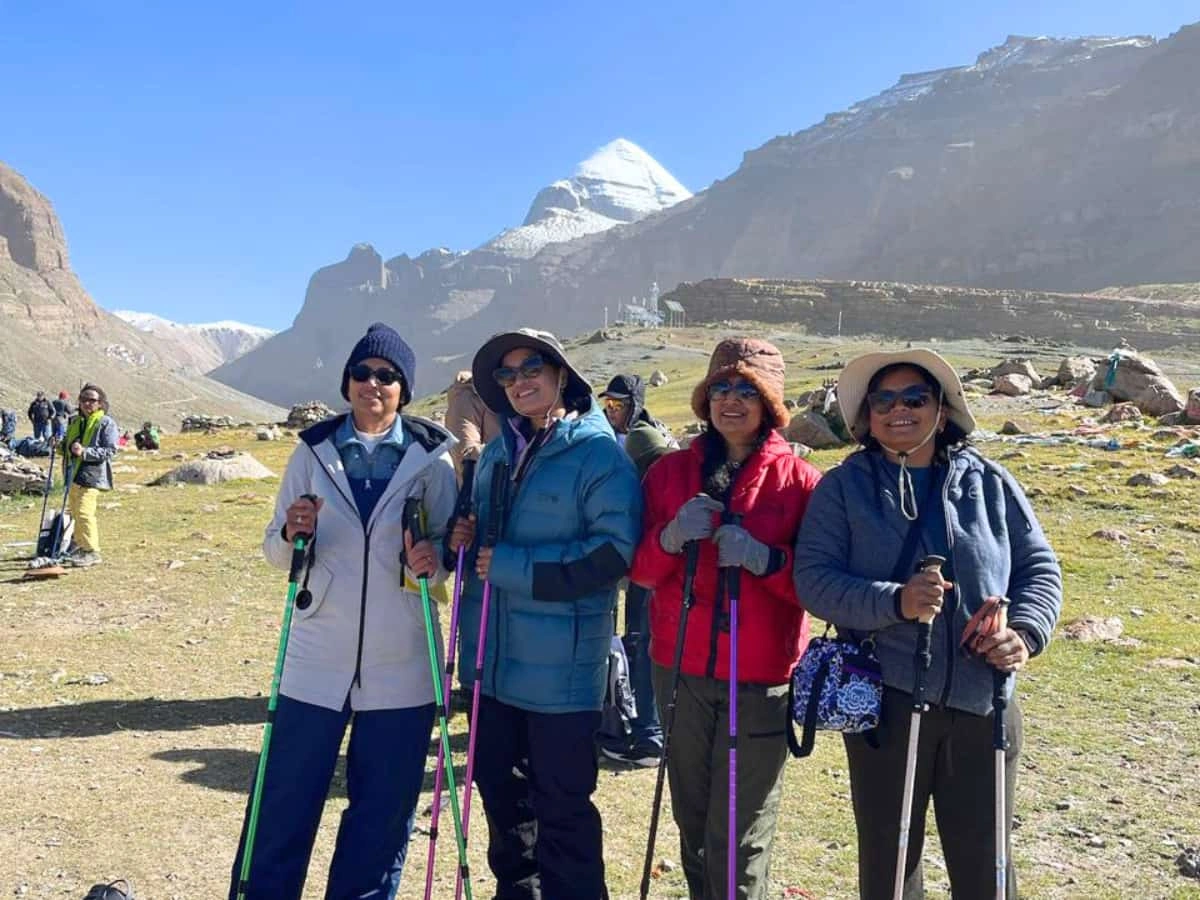
The Mount Kailash Kora, or the circumambulation of Mount Kailash, is the highlight of the spiritual pilgrimage. Going roughly a distance of 52 km, this is a walking route which is often completed in the space of three days. Pilgrims believe that having finished this great journey of the Mt. Kailash Kora will free someone from sins and achieve a spiritual awakening. The difficult section is Dolma La Pass at 5630 meters and upwards. The spiritual walk will definitely make you feel rewarded despite the hardships involved in it because, as you walk, you are surrounded by prayer flags and holy sights, and as you devote time and energy to this walk, you will feel humbled and connected with the Almighty.
Required Permits and Documentation
Travel to the Kailash Mansarovar yatra involves getting more than one permit from the Chinese authorities; you will need to obtain a Chinese visa first, then the so-called "Tibet Travel Permit," and lastly, the special permit needed for areas marked as restricted. All these permits must be obtained via legitimate travel agencies. Solo Adventure is an outright 'NO.' Pilgrims have to hand in passport photographs and completed forms to travel agencies before it is too late. Late documentation is the root cause of delayed or even canceled journeys.
A planned and expertly guided tour would be the only way to handle all kinds of paperwork as well as cross the border hassle-free. Having correct paperwork enables you to have a legal journey not just with the law but also with the peace of mind of being assured of security and following the local regulations for the entire course of your pilgrimage.
Physical Fitness and Preparation
Due to a combination of the Kailash Mansarovar Yatra expedition's high mountain elevations and physically exhaustive nature, pilgrims will find the journey quite an uphill struggle. It is highly recommended that travelers who are going on the Kailash Mansarovar journey should start preparing in advance and get breathing training and the right physical exercise several weeks before their departure. They should also keep on walking and doing light cardio. Besides physical strength, they should also maintain mental strength.
They can undergo medical check-ups, mainly if they already have some existing diseases besides being old. Keeping basic medicines with them and following a healthy routine while traveling can really help increase energy levels and reduce fatigue. Being well-prepared, mainly from a medical perspective, can help the pilgrims carry out the entire pilgrimage comfortably and get rid of all discomforts, which might otherwise distract them and spoil the purpose of the spiritual visit of the Kailash Yatra.
Accommodation and Meals During the Yatra
Pilgrims will get accommodations that are simple and modest to match the Kailash Mansarovar Yatra, which is one of the most difficult pilgrimages in the world. Rooms or even cabins will be given to the pilgrims, where the bathroom is probably communal as well, and the food is vegetarian and made of locally available ingredients. They will be able to get their fill with vegetable soups, warm dishes, and roti, rice, as well as the local dishes from the area. Then again, luxury is scarce, but cleanliness and comfort levels are maintained. Pilgrims are also advised to expect to stay in very simple places with little comfort and make themselves comfortable living the simple life. A simple and humble way of living helps people realize the deeper meaning of religion, as it brings the soul to the forefront and minimizes the role of the physical. In other words, the physical gets downgraded, and the soul gets to have the lead.
Safety Guidelines and Travel Tips
Sermonizing that the main point when you travel these days with the sacred peak of Mount Kailash Mansarovar Yatra is that you stay safe. Take things one step at a time; don't run if it makes you uneasy. If at any point your health is disturbed in a way beyond your understanding, do inform. Bring several types of outerwear (for changes in temperature and wind), don't forget your sunscreen, and keep yourself hydrated. Try the local diet and rest up. There is a big altitude, and you will need physical effort, so insurance to cover high-altitude walking/trekking is recommended. On the same line: being respectful and considerate of local people's environment, as well as not damaging nature, are two important pillars for the conservation of this area. It is possible to complete the yatra safely through awareness and discipline. By doing so, the pilgrims will be able to get the maximum spiritual as well as scenic experience from the holy Kailash yatra.
Spiritual Experience and Cultural Insights
Tibetan culture along the way. The serene, quiet atmosphere inspires a sense of meditation, piety, and realization of the self. Chatting with the monks or the fellow pilgrims makes one's journey more meaningful. The symbols, rites, and customs that we see along the paths are actually the key elements that reveal the spiritual life and mundane life of the Tibetans. It is interesting to know that most of the tourists who return are changed and awakened with inner peace as well as clarity. It usually happens when one is going through the spiritual pilgrimage of Kailash Mansarovar Yatra. It is a pilgrimage which leaves one permanently spiritually marked, and that makes it a truly unique pilgrimage on the world level.
In the Holy Kailash Tour, every client spending money with us is highly appreciated, and we pledge ourselves to offer such a kind of Yatra to you. We make sure that every detail you encounter will be stress-free and will reflect the sanctity of the Yatra through its purity, the hospitality being top-rate, and the services having the best quality. Get in touch with Contact our travel planners to book your spot in the Kailash Mansarovar Yatra Overland Tour.
Elevation Chart:

Kailash Mansarovar Yatra Elevation Profile (13-Day)
|
Day
|
Location
|
Altitude (meters)
|
|
Day 1
|
Arrival in Kathmandu
|
1,400m
|
|
Day 2
|
Kathmandu (Prep Day)
|
1,400m
|
|
Day 3
|
Kathmandu to Syabrubesi
|
1,460m
|
|
Day 4
|
Syabrubesi to Kerung (Tibet)
|
2,700 m
|
|
Day 5
|
Acclimatization at Kerung
|
2,700 m
|
|
Day 6
|
Kerung to Saga
|
4,450m
|
|
Day 7
|
Saga to Lake Mansarovar
|
4,590m
|
|
Day 8
|
Lake Manasarovar to Darchen
|
4,650m
|
|
Day 9
|
Darchen to Dirapuk
|
4,900m
|
|
Day 10
|
Dirapuk to Zuthulphuk (via Dolma La Pass)
|
5,645 m
|
|
Day 11
|
Zuthulphuk to Saga
|
4,450m
|
|
Day 12
|
Saga to Kerung
|
2700 m
|
|
Day 13
|
Kerung to Kathmandu
|
1,400m
|
Trip Highlights
- Sacred pilgrimage to Mount Kailash, revered by Hindu, Buddhist, Jain, and Bon followers
- Holy dip and spiritual rituals at Lake Mansarovar, one of the highest freshwater lakes in the world
- Scenic overland journey via Kerung, offering gradual altitude gain and comfort
- Breathtaking views of the Himalayan and Tibetan Plateau landscapes
- Three-day Kailash Kora (Parikrama) around the holy mountain
- Crossing the spiritually significant Dolma La Pass (5,630 m)
- Close-up view of Mount Kailash North Face from Dirapuk Monastery
- Experience authentic Tibetan culture, monasteries, and nomadic life
- Visits to sacred temples, including Pashupatinath Temple in Kathmandu
- Guided journey with experienced staff ensuring safety and spiritual focus
- A deeply transformative spiritual and personal experience
- Opportunity for meditation, prayer, and self-reflection in a serene environment