

Kathmandu Pokhara Chitwan Lumbini Tour

18 Reviews in TripAdvisor
10 Reviews in Google

Introduction: Kathmandu-Pokhara-Chitwan-Lumbini Tour

The Kathmandu Pokhara Chitwan Lumbini Tour is among the top choices for travel in Nepal as it combines ancientUNESCO World Heritage Sites, amazing Himalayan scenery, wildlife jungle safaris, and the holy birthplace of Lord Buddha all into one incredible trip.

This thoughtfully prepared Nepal travel plan enables tourists to gain insight into the country's history, vibrant culture, geographical diversity, and spiritual heritage without having to undertake strenuous trekking.

Whether it is your first time in Nepal or you are a returnee seeking more of the country's beauty, this tour offers the right mix of cultural sightseeing, natural relaxation, and genuine local experiences.

At Holy Kailash Tours, we, your local travel experts, have extensive knowledge of Nepal as a travel destination and are eager to share its benefits with you through personalized Nepal holiday experiences.

Every plan is the result of a thorough planning process, drawing on in-depth knowledge of the destination, licensed local guides, reliable modes of transport, and high-quality lodging to deliver a travel experience that is safe, comfortable, and memorable. Kathmandu is the capital city of Nepal and at the same time the cultural centre of the country

This way provides a point of connection between Nepal and the world. A visitor may see Nepal's history spanning many centuries, along with its religious practices and various forms of architecture.

The Kathmandu Valley has seven main attractions, each a UNESCO World Heritage Site. The works of the Newar civilization are so outstanding that they become jewels of a single area.

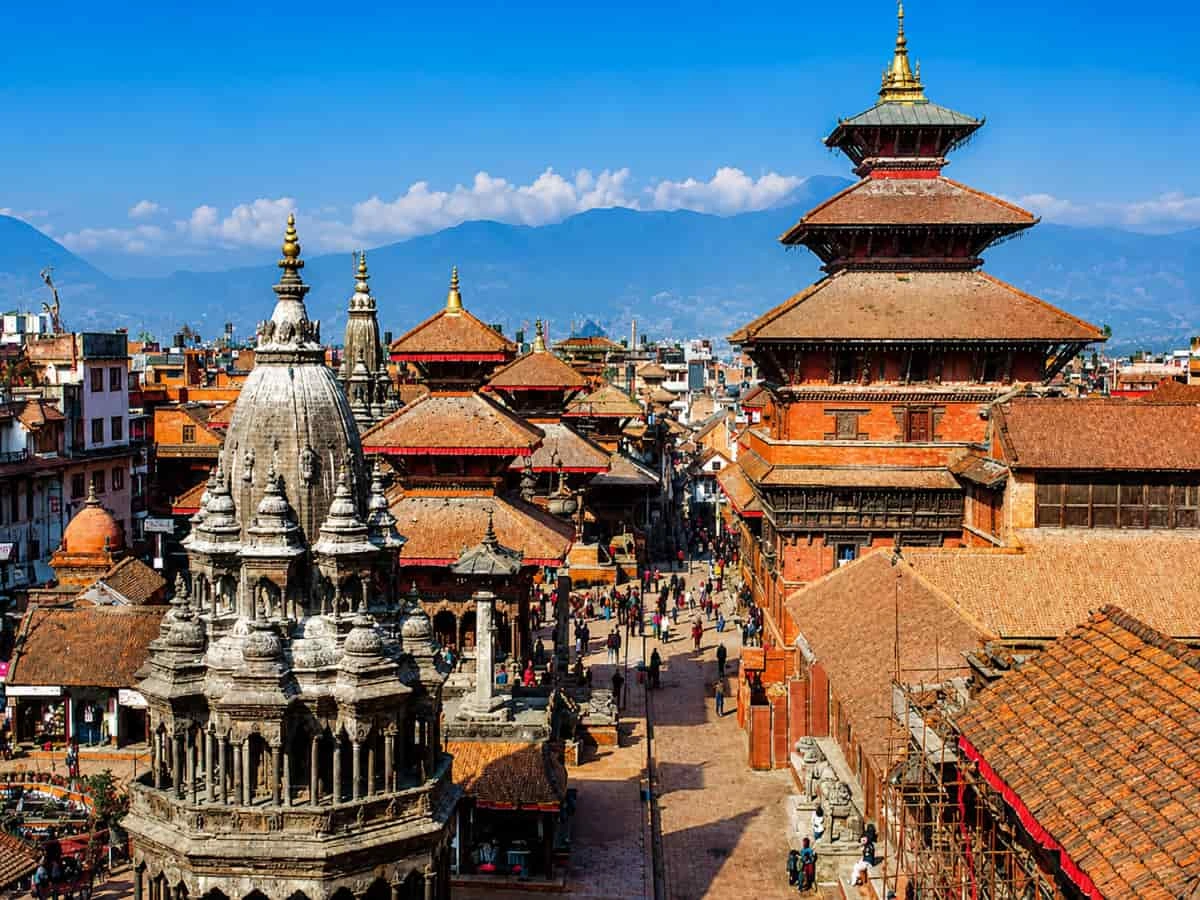
One can walk around the old Kathmandu Durbar Square, where the traces of medieval Nepal are found in the temples, royal palaces, and open courtyards honoring the long-gone kings.

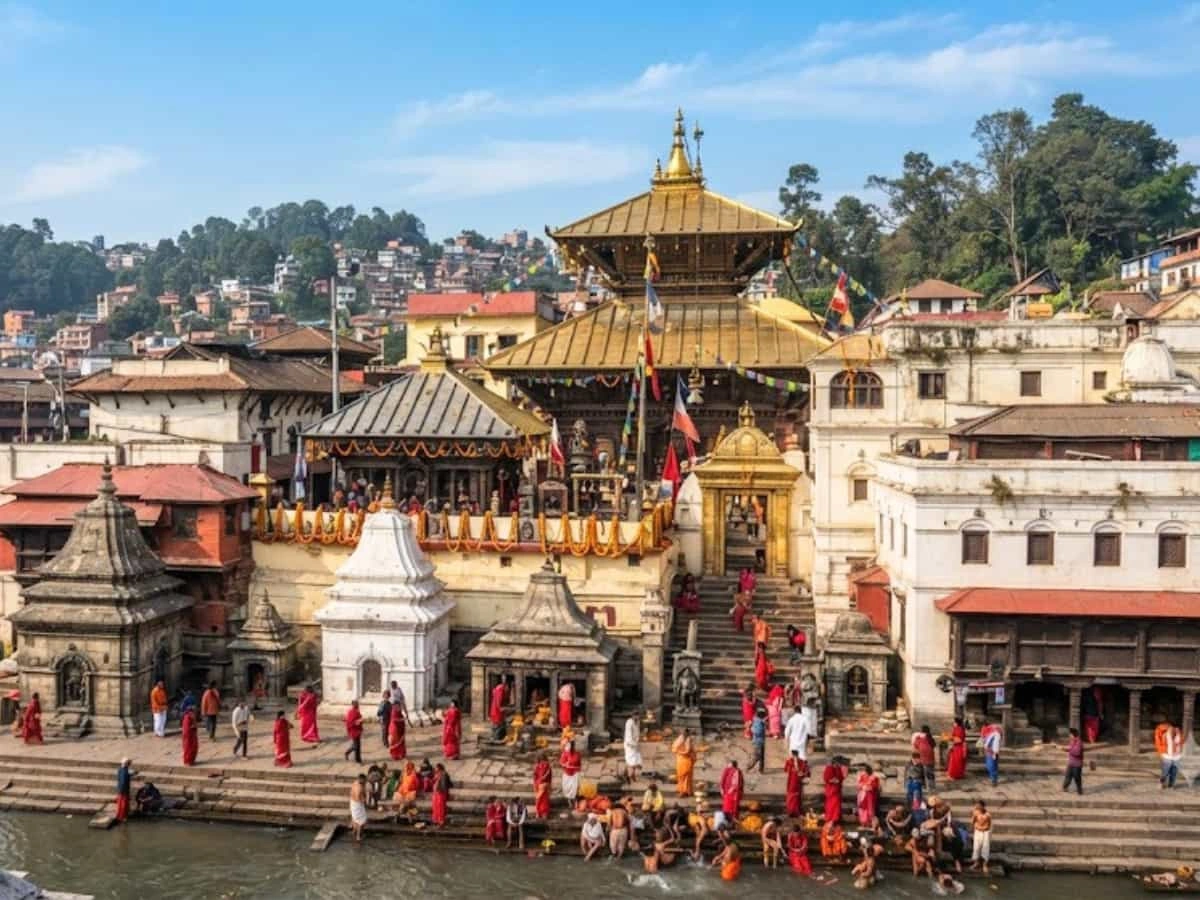
Pashupatinath temple, a place sacred to Hindus dedicated to Lord Shiva and drawing huge numbers of worshippers, is one of the greatest Shiva temples in the entire world. The grand Boudhanath Stupa is one of the largest Buddhist stupas in the world and is a place where monks, pilgrims, and travelers alike come for peace and spiritual reflection.

Often referred to as the Monkey Temple, Swayambhunath Stupa offers not only magnificent views of Kathmandu Valley but also stands as a symbol of the peaceful coexistence of Hinduism and Buddhism.

The travelers have various experiences in store for them, including the exploration of Patan Durbar Square, Bhaktapur Durbar Square, Changunarayan Temple, and the encountering of the hills' homeless or the hill-located town of Nagarkot, which is very well known as the place from where one can see the Himalayas in the morning and again in the evening, and the sunset beside the mountains.

Pokhara Valley is the most aesthetically pleasing lake town in Nepal and a major center for adventure tourism. The Annapurna Himalayas surround the city, offering visitors majestic mountain views, calm lakes, green hills, and innumerable outdoor activities.

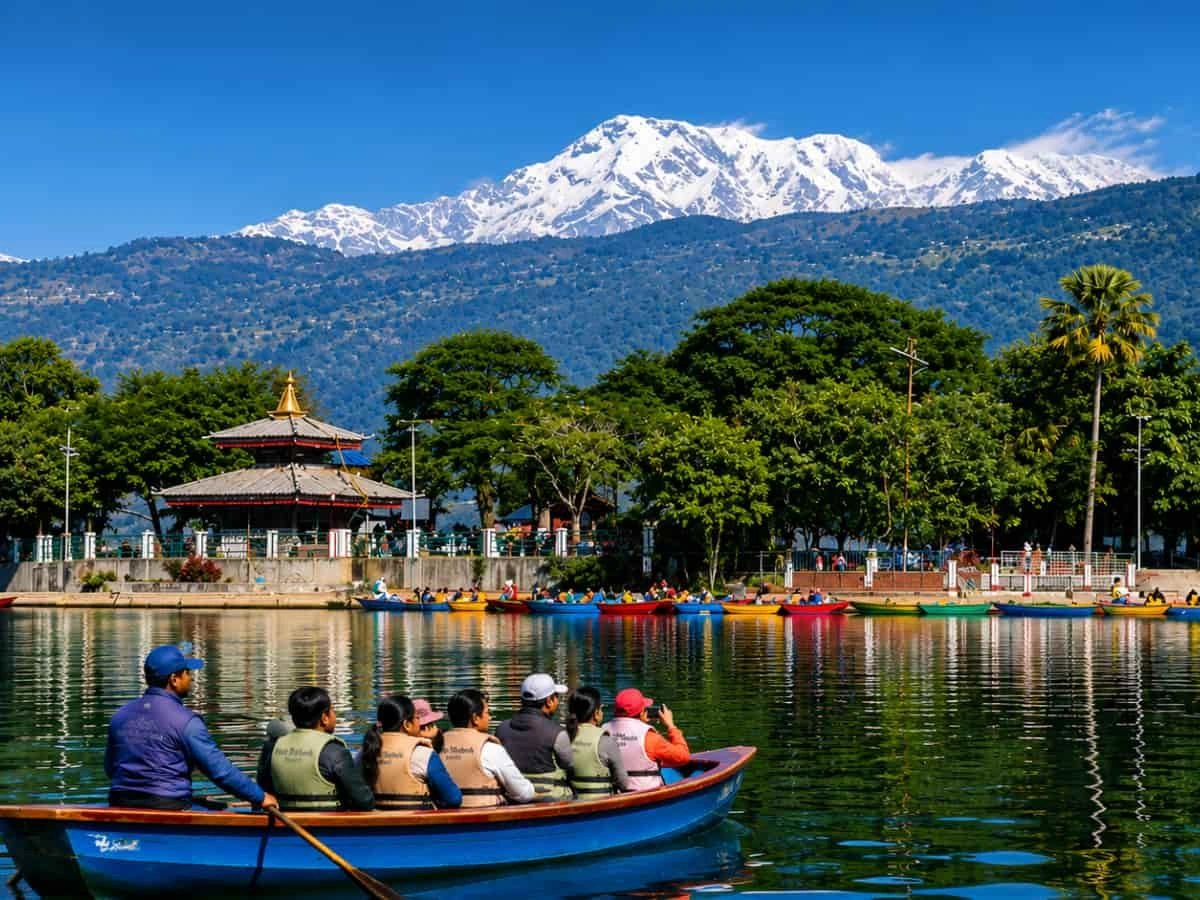
The calmness and clearness of the water of Phewa Lake are such that the example of Machhapuchhre or Fishtail looks like a perfect painted picture.

People mostly enjoy boat rides to the island of Tal Barahi and the temple, then walk up to the World Peace Pagoda, visit Devi's Fall and Gupteshwor MahadevCave, and see Mahendra Cave and Bat Cave.

Besides being a starting point for treks to Annapurna Base Camp, Mardi Himal, Annapurna Circuit, and Ghorepani Poon Hill, Pokhara is a desirable spot for those who want to combine sightseeing with trekking. Outdoor lovers can enjoy paragliding, ziplining, ultralight flights, hot air balloon rides, mountain biking, and helicopter tours of the magnificent Annapurna Range.

The journey then heads to Chitwan National Park, Nepal's first national park and one of the finest wildlife destinations in Asia. Chitwan has been listed by UNESCO as a World Heritage Site.

To conserve various environmental types, the park comprises subtropical forests, grasslands, and wetlands, and is home to a number of endangered species. Visitors enjoy Jeep safari rides, guided jungle walks, canoe rides on the Rapti River, bird-watching tours, and trips to the indigenous Tharu community.

The park is a great place to see rare animals such as the greater one-horned rhinoceros, Bengal tiger, gharial crocodile, Asian elephant, sloth bear, spotted deer, wild boar, and monkeys, and to find over 600 species of birds.

Chitwan National Park offers an experience that is a world apart from Nepal's mountain areas, providing a very diverse travel experience for tourists visiting the country.

The last stop of the journey is Lumbini, which exudes a very peaceful and spiritually fulfilling environment. The birthplace of Lord Gautama Buddha, Lumbini, is one of the world's key Buddhist pilgrimage sites and is visited by people from all continents.

The Sacred Garden, Maya Devi Temple, Ashoka Pillar, Pushkarini Pond, and archaeological remains keep alive the memory of the actual spot where Queen Maya Devi gave birth to Prince Siddhartha more than 2,500 years ago.

The International Monastic Zone displays beautiful monasteries built by Buddhist communities from Thailand, Myanmar, Japan, China, Germany, France, South Korea, Vietnam, Sri Lanka, and many more countries.

Passing through these monasteries offers visitors a rare chance to experience the harmony of Buddhist architecture, meditation practices, and cultural diversity all in one quiet, peaceful place.

The availability of the Kathmandu Pokhara Chitwan Lumbini Tour year-round is definitely one of its biggest advantages. Yes, Nepal opens its doors to tourists year-round, but the best travel seasons are spring (March to May) and autumn (September to November).

During these periods, the skies are clear and blue, the temperature is comfortable, the mountains are spectacularly visible, the festivals are colorful, and the other conditions are perfect, not just for sightseeing and photography but for wildlife safaris and cultural exploration as well.

Winter allows for tranquil travel, with only a few tourists and more wildlife. However, when the monsoon arrives, Nepal is transformed into a rich green landscape, making it a heavenly place for travellers who are quiet and drama lovers of landscapes.

By opting for Holy Kailash Tours, you are supporting a local tour operator whose main values are safety, honesty, genuine experiences, and environmental sustainability. Our team of experts provides flexible Nepal tour packages for travelers, including solo travelers, couples, families, senior travelers, pilgrimage groups, photographers, and adventure seekers.

We offer personalized itineraries, licensed local guides, private vehicles, handpicked hotels, and travel assistance from the time you arrive until the time you leave. Maybe you wish to complement your vacation with the Everest Base Camp Trek, Annapurna Base Camp Trek, Ghorepani Poon Hill Trek, Mardi Himal Trek, or a mountain flight in a luxury plane. We can customize everything to your travel needs.

Our goal at Holy Kailash Tours is to help every traveler experience the real beauty of Nepal while creating unforgettable memories through our professional service, local knowledge, and genuine Himalayan hospitality.

Duration
10 Days
Trip Grade
Moderate
Country
Nepal
Max Altitude
1,400m (4,593ft)
Starts
Kathmandu
Ends
Kathmandu
Group Size
Minimum 1 pax
Activities
Site seeing & Cultural tour
Best Time
January to December

Why Choose the Kathmandu-Pokhara-Chitwan-Lumbini Tour Route?

Most first-time visitors to Nepal ask the same question: where do I actually need to go? The country has hundreds of possible stops, and not all of them are worth the travel time. This particular route solves that problem.

Kathmandu gives you culture and history. Pokhara gives you mountains and calm. Chitwan gives you wildlife and jungle life. Lumbini gives you a quiet, reflective close to the journey. Together, they cover the range of experiences most travelers come to Nepal hoping to find, without wasting days on transit or repeating scenery.

Kathmandu: The Cultural Heart

Kathmandu doesn't ease you in. The city hits you with narrow lanes, temple bells, and centuries of history packed into a few square kilometers. The three Durbar Squares, Kathmandu, Patan, and Bhaktapur, hold the old royal palaces and carved wooden temples that earned the valley its seven UNESCO World Heritage Site listings.

Walking through Bhaktapur's brick courtyards feels like stepping into a different century, and the potters and wood carvers still working there aren't performing for tourists. That's just how the town runs.

Pashupatinath Temple sits on the banks of the Bagmati River and remains one of the holiest Hindu sites anywhere in the world. Cremation ceremonies happen along the ghats in full view, which surprises some visitors, but it's part of daily life here, not a spectacle.

A short drive away, Boudhanath Stupa rises above its own neighborhood, its white dome and painted eyes watching over prayer flags, monasteries, and pilgrims circling the base at all hours. Spend an evening there, and you'll understand why so many travelers say Boudhanath is the one place in Kathmandu they didn't want to leave.

Pokhara: The Gateway to the Himalayas

After a few days of temples and traffic, Pokhara feels like exhaling. The city sits beside Phewa Lake, and on a clear morning, the water reflects the Annapurna range so precisely that photos of it look edited even when they aren't. Rent a boat, row out toward the small Tal Barahi Temple on the lake's island, and take in one of the most peaceful views in the country.

Sarangkot draws most visitors before dawn. The hike or short drive up gets you to a ridge with an open view of Machapuchare (Fishtail Mountain) and the Annapurna peaks, and watching the sun hit those summits first is worth the early alarm.

Pokhara also runs a busier side for travelers who want it: paragliding off the same ridges, zip-lining, and the start of popular trekking routes like Annapurna Base Camp and Poon Hill. Whether you want stillness or adrenaline, Pokhara offers both.

Chitwan: The Wild Jungle Adventure

Chitwan National Park changes the pace again. This is Nepal's subtropical lowland, thick with sal forest, grassland, and rivers that cut through the Tharu communities who've lived here for generations.

A jungle safari, whether by jeep or on foot with a trained guide, gives you a real shot at spotting the one-horned rhinoceros, a species Chitwan has worked hard to protect and bring back from the edge of extinction. Sightings of Bengal tigers happen, too, though they're rarer and never guaranteed, which is part of what makes the park feel wild rather than staged.

Beyond the wildlife, Chitwan offers a close look at Tharu culture. Many lodges arrange a traditional stick dance performance in the evening, and a walk through a nearby Tharu village shows you mud-and-thatch houses built in a style that's held up for centuries. Canoe rides along the Rapti River add another layer, gliding past crocodiles sunning on the banks and birds you won't see anywhere else on the trip.

Lumbini: The Birthplace of Peace

Lumbini slows everything down. This is where Buddha was born over 2,500 years ago, and the Sacred Garden marks the exact spot with a quiet dignity that no amount of tourism has disturbed.

The Maya Devi Temple stands at the center, protecting the Ashoka Pillar and the marker stone believed to pinpoint Buddha's birthplace. Inside, the ruins of ancient monasteries trace the site's long religious history.

Around the Sacred Garden, more than twenty countries have built their own monasteries, each reflecting a different national style of Buddhist architecture. Walking from the Chinese monastery to the Thai temple to the Myanmar pagoda in a single afternoon shows you how differently Buddhism has developed across Asia, all within walking distance in one small town. For a trip that started in the noise of Kathmandu, Lumbini gives you a fitting, contemplative place to end.

Benefits of Booking Tours With Holy Kailash Tours

Planning a multi-city trip across Nepal on your own means juggling permits, transport schedules, park entry fees, and accommodation in four very different regions. Holy Kailash Tours manages all of that groundwork so you don't have to.

Their guides know the terrain, the culture, and the practical details, like which roads slow down in monsoon season or which viewpoints actually deliver a clear mountain view, and they build the itinerary around that knowledge rather than a generic template.

Because the company is based in Kathmandu and works across the Himalayan region regularly, they can adjust plans on short notice if weather or road conditions change, something a traveler booking everything independently would struggle to do.

Their team also brings experience with high-altitude and jungle safety protocols, which matters once you're moving between city streets, mountain viewpoints, and jungle trails in the same week. Booking through Holy Kailash Tours means a single point of contact for the entire trip, rather than four separate bookings that may or may not connect smoothly.

How to Start and End the Kathmandu-Pokhara-Chitwan-Lumbini Tour

Most travelers fly into Tribhuvan International Airport in Kathmandu, which makes it the natural starting point for the tour. From Kathmandu, the route typically continues to Pokhara by road or short domestic flight, then down to Chitwan for the safari portion, and on to Lumbini near the Indian border before looping back to Kathmandu for departure.

Some versions of the trip end directly from Lumbini if your next destination is India, since the border crossing at Sunauli sits close by.

A full circuit generally runs seven to ten days, depending on how much time you want in each location and whether you add extra trekking days around Pokhara. Holy Kailash Tours can adjust the pacing based on your schedule, whether you're working with a tight week off or a more relaxed two-week window.

Climate and Weather During the Tour

Nepal's weather shifts by altitude and region, so packing for this tour means preparing for more than one climate in the same trip. Kathmandu sits at a moderate elevation and stays mild for most of the year, though winter mornings (December to February) can get cold enough for a jacket.

Pokhara runs a bit warmer and more humid, especially in the lowland lake area, but temperatures drop noticeably if you head up toward Sarangkot before sunrise.

Chitwan, in the lowland Terai region, is hot and humid for much of the year, with the hottest temperatures between April and June. Lumbini follows a pattern similar to Chitwan's, given its location in the same lowland belt.

The monsoon season, roughly June through August, brings heavy rain across all four regions and can affect road travel, so most travelers plan this trip for the autumn (September to November) or spring (March to May) months, when skies stay clearer, and the mountain views from Pokhara are at their best.

Kathmandu Pokhara Chitwan Lumbini Tour Packing List

General

  • Medium-sized suitcase or travel backpack
  • Small daypack for daily sightseeing
  • Passport and visa documents
  • Travel insurance documents
  • Printed and digital copies of bookings
  • Wallet with local currency
  • Credit or debit cards
  • Reusable water bottle
  • Sunglasses with UV protection
  • Sun hat or cap
  • Travel umbrella
  • Lightweight rain jacket (Mainly during the monsoon)
  • Neck pillow for road travel
  • Packing cubes or travel organizers
  • Power bank
  • Universal travel adapter (Type C, D, and M plugs are most widely used in Nepal)

Upper Body

  • Comfortable T-shirts (4 to 6)
  • Lightweight long-sleeve shirts
  • Casual shirts or blouses
  • Lightweight fleece jacket
  • Windproof jacket
  • Light sweater (for mornings and evenings)
  • Waterproof jacket during the rainy season
  • Comfortable outfit for dinners

Lower Body

  • Comfortable travel pants
  • Lightweight trekking or hiking pants
  • Jeans or casual trousers
  • Shorts (for Pokhara and Chitwan)
  • Comfortable skirt or dress (optional)
  • Lightweight rain pants (optional)

Hands

  • Lightweight gloves (winter travel)
  • Hand sanitizer
  • Moisturizing hand cream
  • Wet wipes

Feet

  • Comfortable walking shoes
  • Lightweight sneakers
  • Sandals or flip flops
  • Comfortable socks (5 to 7 pairs)
  • Warm wool socks (winter season)

Undergarments

  • Underwear (5 to 7 pairs)
  • Bras or sports bras (if needed)
  • Comfortable sleepwear
  • Lightweight undershirts

First Aid Kits and Medications

  • Personal prescription medicines
  • Pain relievers
  • Motion sickness tablets
  • Cold and flu medicine
  • Anti-diarrhea medication
  • Oral rehydration salts
  • Antihistamines for allergies
  • Antiseptic cream
  • Adhesive bandages
  • Gauze pads
  • Medical tape
  • Blister plasters
  • Tweezers
  • Small scissors
  • Digital thermometer
  • Insect repellent (Mainly for Chitwan)
  • Sunscreen (SPF 30 or higher)
  • Lip balm with SPF

Other Essentials

  • Toothbrush and toothpaste
  • Biodegradable soap or body wash
  • Shampoo and conditioner
  • Deodorant
  • Moisturizer
  • Face wash
  • Quick-drying towel
  • Tissues
  • Toilet paper
  • Nail clippers
  • Hairbrush or comb
  • Camera or smartphone
  • Camera charger
  • Charging cables
  • Extra memory cards
  • Notebook and pen
  • Snacks for long drives
  • Reusable shopping bag

Optional

  • Binoculars for wildlife viewing in Chitwan National Park
  • Travel guidebook
  • Kindle or book
  • Camera tripod
  • GoPro or action camera
  • Extra camera batteries
  • Travel laundry detergent
  • Portable clothesline
  • Small sewing kit
  • Compression bags
  • Eye mask
  • Earplugs
  • Reusable coffee cup
  • Light scarf or shawl for temple visits
  • Swimwear (hotel swimming pools)
  • Yoga mat (if desired)
  • Lightweight blanket for road journeys

This packing list includes essentials for travelers planning to visit Kathmandu, Pokhara, Chitwan, and Lumbini at any time of year. If you are traveling in winter from December to February, you should consider packing warmer layers. The monsoon season is from June to August. At that time, pack waterproof clothing, a rain cover for your luggage, and quick-drying clothes.

Highlights of Kathmandu, Pokhara, Chitwan, and Lumbini Tour

  • This trip covers a lot of ground, and each stop adds something different. Here are the highlights you can expect on this journey with Holy Kailash Tours.
  • Explore the UNESCO-listed Durbar Squares of Kathmandu, including Basantapur, Patan, and Bhaktapur
  • Visit Pashupatinath Temple, one of the holiest Hindu sites in the world
  • Walk around Boudhanath Stupa, one of the largest Buddhist stupas on earth
  • Watch the sunrise over the Annapurna and Dhaulagiri ranges from Sarangkot
  • Row a boat on Phewa Lake and visit the Tal Barahi Temple
  • Take a jeep safari through Chitwan National Park to look for rhinos, deer, and possibly tigers
  • Ride a canoe on the Rapti River and spot crocodiles and birds
  • Spend an evening with a Tharu village and watch a traditional stick dance
  • Stand at Maya Devi Temple in Lumbini, the birthplace of Buddha
  • Walk through international monasteries built by Buddhist communities from Thailand, Myanmar, China, Korea, and more
  • Travel with experienced guides who know the roads, the culture, and the safety needs of each region
Need Help? Call Us+977 9851254672