Why Is the Everest Base Camp to Mount Kailash Tour from Lhasa?
This is one of the longest and most spiritually charged overland journeys you can do in Tibet. The route starts in Lhasa, heads west through Gyantse and Shigatse, stops at Everest Base Camp (on the north side), and continues across the Tibetan Plateau to Lake Mansarovar and Mount Kailash.
The full trip covers roughly 2,000 kilometers of high-altitude road. You cross passes above 5,000 meters, drive through open grasslands, and pass through towns most travelers never see.
Holy Kailash Tours runs this combined itinerary as a 17-day package starting from Kathmandu. It connects two of Tibet's most famous destinations into a single journey, which makes good logistical sense. You already need to cross western Tibet to reach Kailash. Stopping at Everest along the way adds only a day or two and is worth every hour.
The route at a glance:
- Kathmandu to Lhasa by flight
- Lhasa sightseeing and acclimatization (2 days)
- Drive west: Gyantse, Shigatse, Everest Base Camp
- Continue to Old Tingri, Saga, and Paryang
- Arrive at Lake Mansarovar
- Complete the 3-day Kailash Kora (parikrama)
- Return east to Lhasa, then fly back to Kathmandu
Experience the Historic Lhasa City and Acclimatize
Lhasa sits at 3,650 meters. Most travelers from Kathmandu feel the altitude within the first few hours. Headaches, fatigue, and shortness of breath are normal at this stage. The two days you spend in Lhasa are not just sightseeing. They give your body time to adjust before the road climbs higher.
Holy Kailash Tours purposefully builds acclimatization stops into the itinerary. Rushing this stage causes real problems later, especially during the Kora when you're walking above 5,600 meters.
The city itself is worth your full attention. Lhasa is home to some of the most important religious and historical sites in Tibetan Buddhism.
Key places to visit in Lhasa:
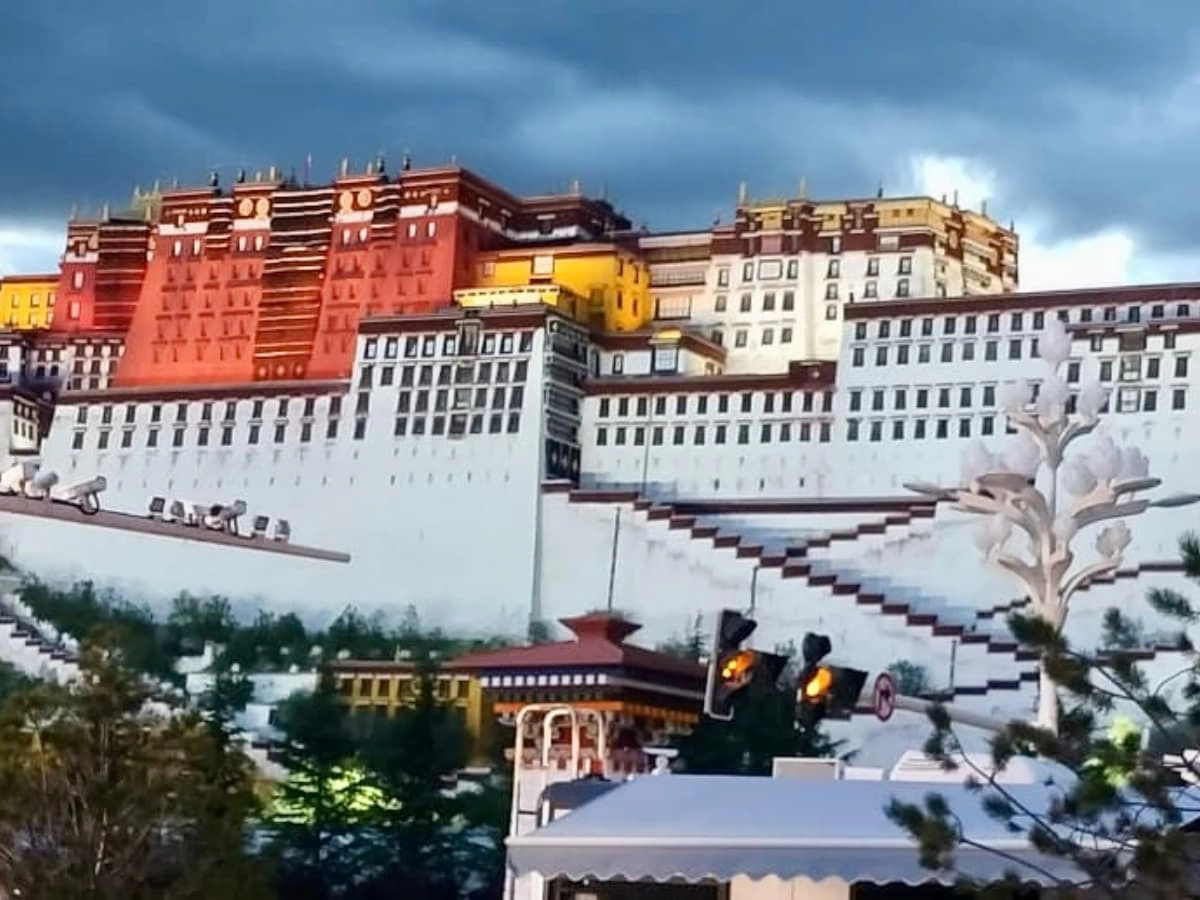
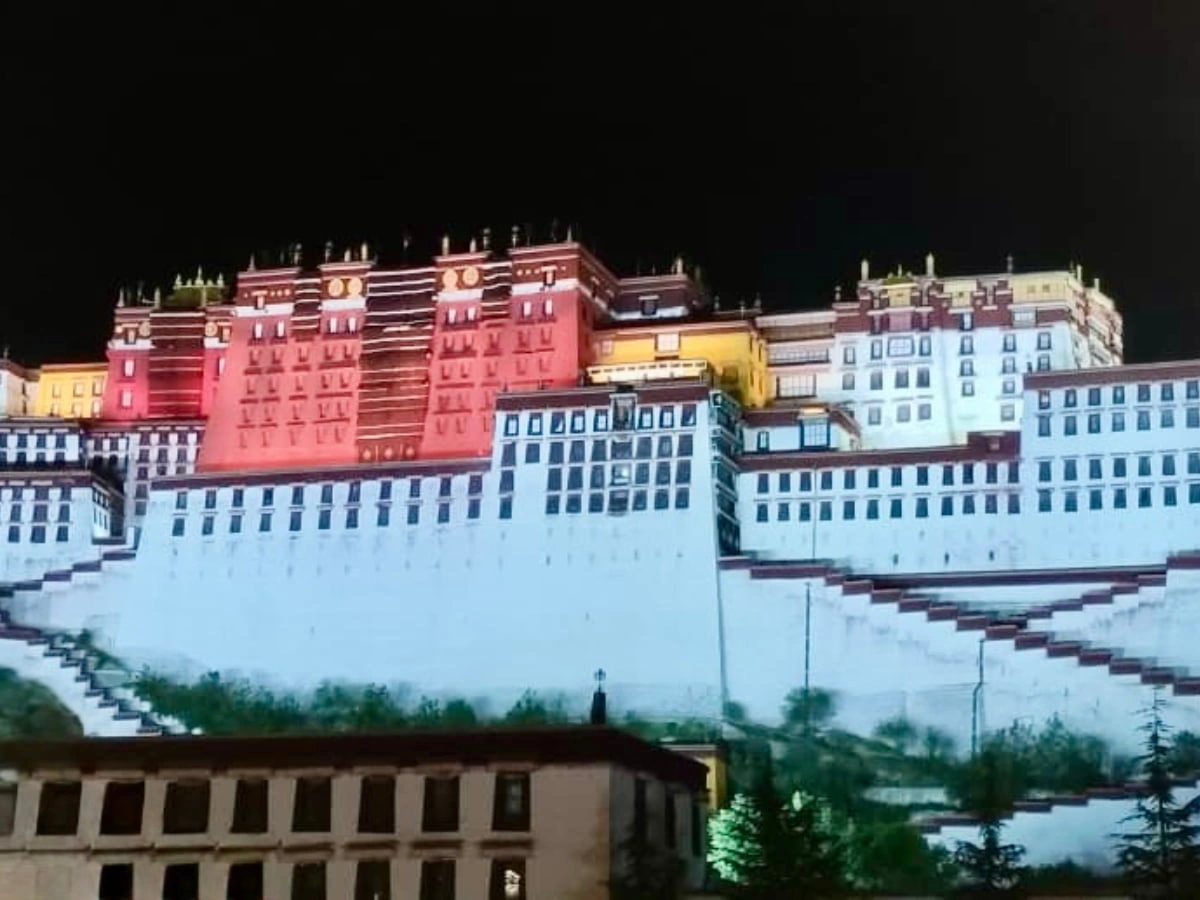
Potala Palace: The Potala Palace, the 17 th century, and Norbulinka at Lhasa (3650m), to familiarize yourself with the city and learn about its history and culture. It has over 1,000 rooms, 10,000 shrines, and centuries of Tibetan history inside its walls. The view from the hill it sits on is unlike anything else in the Himalayas.
Jokhang Temple: Built in the 7th century, this is the most sacred Buddhist temple in Tibet. Pilgrims come from across the plateau and prostrate the entire length of the Barkhor circuit outside it.
Barkhor Street: The circular market street around Jokhang. Prayer flags, yak butter candles, turquoise jewelry, and the smell of incense. It's busy, colorful, and easy to spend hours walking around.
Sera and Drepung Monasteries: Two of Tibet's great Gelug monasteries. Sera is known for its monk debates held in the courtyard each afternoon.
Visit Mount Everest North, And Rongbuk Monastery
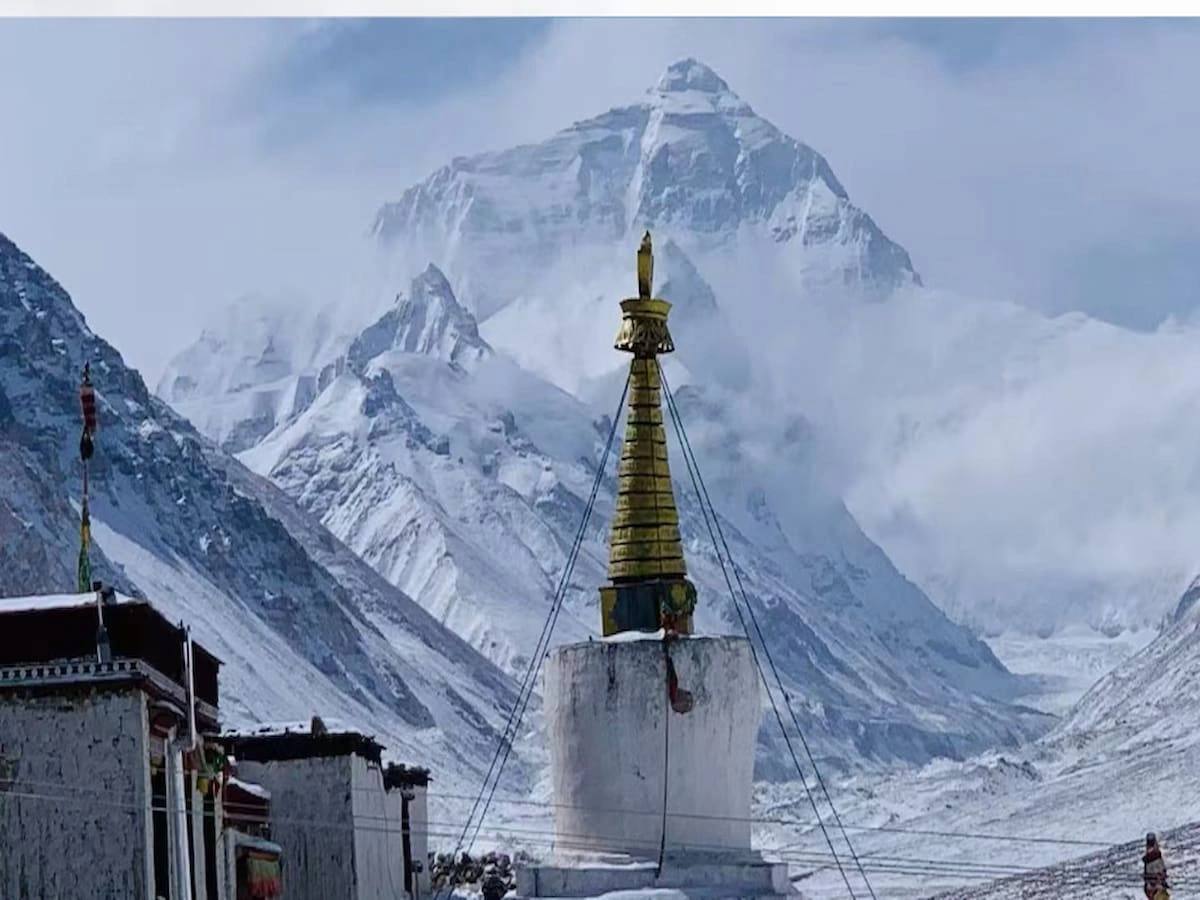
The north side of Everest looks completely different from the south. There are no Hillary Step photos, no bottleneck crowds, no Khumbu icefall. What you get instead is a wide-open view of the northeast ridge and the summit pyramid rising above the Rongbuk glacier. On a clear day, it's hard to process how big the mountain actually is.
Everest Base Camp on the north side sits at 5,200 meters. The road from Old Tingri goes through a wide valley and delivers you right to the camp area. Rongbuk Monastery, at 4,980 meters, is the highest monastery in the world and sits just a few kilometers below the camp.
What to expect here:
Rongbuk Monastery: Founded in 1902, it's an active Nyingma Buddhist monastery with about 30 monks and nuns. The murals inside are well-preserved, and the monks are used to pilgrims and trekkers passing through. The views from the courtyard are extraordinary.
Everest Base Camp (North): You can walk from the monastery or take a short drive. The glacier sits in front of you. The mountain is directly ahead. This is the same base camp used by Mallory and Irvine in 1924.
Photography: Morning light is best. The summit catches gold just after sunrise. Clouds usually build by midday.
This stop is included in the Holy Kailash Tours itinerary. It adds meaningful weight to the journey before the more spiritual section begins at Mansarovar.
Experience the Wonder of Lake Mansarovar
Lake Mansarovar is at 4,590 meters in western Tibet, near the base of Mount Kailash. It's one of the highest freshwater lakes in the world and one of the most sacred bodies of water in both Hinduism and Buddhism.
The first time you see it, the scale surprises you. The lake is about 88 kilometers in circumference. On calm mornings, the water reflects the surrounding mountains with almost no distortion. The color shifts through the day from deep blue to turquoise to silver, depending on light and cloud cover.
Many pilgrims come here specifically to bathe or collect water. The act is considered deeply purifying in both Hindu and Buddhist traditions. Camping or staying overnight near the lake gives you the full experience. The silence at night, combined with the altitude and the stars, is something most travelers describe as one of the most profound moments of their lives.
Holy Kailash Tours includes a full exploration day at Mansarovar Lake before moving on to Darchen and the Kailash Kora.
What to do at Mansarovar:
- Take a ritual bath or dip in the lake (the water is very cold)
- Collect holy water to take home
- Walk along the shoreline at sunrise or sunset
- Visit Chiu Monastery, a small gompa perched on a rocky outcrop near the lake's western edge
- Spend quiet time in reflection or prayer
What Is the Importance of Mansarovar Lake in Hindu and Buddhist Beliefs?
Mansarovar holds a place in both religions that goes back thousands of years. In Hinduism and Buddhism, this is not simply a scenic lake. It has a direct cosmological meaning.
In Hinduism:
- The name comes from Sanskrit: "Manas" (mind) and "Sarovar" (lake). It is believed to have been created in the mind of Lord Brahma before it appeared on earth.
- Bathing in Mansarovar is said to cleanse sins accumulated across many lifetimes. The Skanda Purana describes it as a place where the soul can be purified.
- Lord Shiva is said to reside on Mount Kailash directly above the lake. Mansarovar represents his consort Parvati, and the two are considered inseparable.
- Drinking or carrying the water home is a common act of devotion. Many pilgrims bring containers to take the water back to temples or family members who couldn't make the journey.
In Buddhism:
- The lake is known as Mapham Yumtso in Tibetan, meaning "Invincible Lake." It represents the compassion of the Buddha.
- In Tibetan cosmology, Mansarovar is connected to the mythical lake Anavatapta, where Queen Maya was believed to have bathed before giving birth to the Buddha.
- Circumambulating the lake (the full circuit is about 90 km) is considered meritorious, similar to the Kailash Kora itself.
- The lake also appears in Bon tradition, Tibet's pre-Buddhist spiritual practice.
- For pilgrims on the Holy Kailash Tours Yatra, Mansarovar is not a stop on the itinerary. It's a destination in itself.
Best Time for the Kailash Yatra with EBC
The window for this route is fairly narrow. Western Tibet is remote, the roads are high, and the weather turns fast in both summer and winter.
April to June (best overall window):
April and May are excellent. The weather is stable, the road conditions are good, and the crowds are manageable. June is also solid, though monsoon rains begin to affect the roads in the eastern Himalayan section by late June. Temperatures at Kailash during the day are around 10-15°C, dropping to near freezing at night.
July and August (possible but wet):
The Tibetan plateau itself stays drier than Nepal during the monsoon, but the approach roads from Nepal can become difficult. Flash floods are a real risk. Some tours still run in July and August, but expect delays.
September and October:
Post-monsoon is a good second option. Skies are clear, visibility at Everest is often at its best, and the Kora conditions are comfortable. October can be cold at Kailash, but it's manageable with proper gear.
November to March (not recommended):
Western Tibet in winter is extremely cold, and many of the border crossings and roads are closed. The Kailash area is largely inaccessible.
Recommended months by Holy Kailash Tours: May, June, September, and early October. Most pilgrims travel in May and September for the best combination of weather and spiritual atmosphere.
Spiritual Experience and Cultural Insights
The journey from Lhasa to Kailash passes through a version of Tibet that most people never see. The towns are small, the roads are long, and the landscape alternates between high-altitude desert, grassland, and dramatic mountain passes.
You'll stop in Gyantse, home to a 15th-century stupa (the Kumbum) and a dzong fortress that played a role in the 1903 British expedition. You'll drive through Shigatse and pass Tashilhunpo Monastery.
Tibetan Buddhism is present at every stage. Prayer flags strung across mountain passes. Mani's stone walls on the roadside. Nomads with yak herds. Monks in red robes crossing town squares. The further west you go, the more intact and traditional these communities feel.
The Kailash Kora is the spiritual heart of the whole journey. Walking the 52-kilometer circuit around the mountain takes 3 days. You cross the Drolma La pass at 5,636 meters on day two. It's physically hard. Most people find it one of the most meaningful things they've ever done.
What makes this journey culturally distinct:
- Shared pilgrimage with Hindus, Buddhists, Jains, and Bon practitioners from across Asia
- Daily interaction with Tibetan nomads, monks, and local communities
- Sacred landscapes that have been pilgrimage routes for over a thousand years
- Monastery visits with active religious practice, not just museums
- The psychological experience of remote, high-altitude travel over many days
Holy Kailash Tours provides local Tibetan guides who can explain the religious significance of each stop. This matters a lot. The difference between seeing something and understanding what you're seeing is significant on a journey like this.
Accommodation and Meals During the Yatra
Accommodation on this route ranges from comfortable hotels in Lhasa and Shigatse to basic guesthouses in remote areas like Saga and Darchen.
In Lhasa and Shigatse:
Standard hotels with private rooms, attached bathrooms, and good food. Lhasa has several well-known hotels that cater to international pilgrims and trekkers. These are comfortable and warm.
In Saga, Paryang, and Darchen:
Simple guesthouses. Shared bathrooms are common. Rooms are clean but basic. Heating can be limited. Bring a good sleeping bag rated to at least -10°C for the Kailash area.
During the Kora (Deraphuk and Zuthulpuk):
Basic teahouses with dormitory-style beds. Mattresses, blankets, and simple meals are available. The accommodation is rustic. Most pilgrims are too tired and emotionally moved to care much about the conditions.
Meals:
We do Typical indian food, pure vegetarian. Our kitchen staff serves you the best indian and Nepali cuisine, which is simple (noodle soup), tea Coffee horliks. Along the main route, Chinese-style dishes are also widely available. Holy Kailash Tours includes most meals in the package. Vegetarian options are available throughout the journey.
Carry some snacks and energy bars for the Kora days. Altitude suppresses appetite, and you need to eat even when you don't feel hungry.
What's typically included:
- Hotel accommodation in Lhasa, Gyantse, Shigatse, Saga, and Darchen
- Guesthouse stays in Deraphuk and Zuthulpuk during the Kora
- Breakfast, lunch, and dinner on most days
- Drinking water and basic medical supplies
Mount Kailash Related Package
Kailash Mansarovar Yatra Overland 14 Day
Trip Duration: 14 Days | Max Altitude: 4200m
The Kailash Mansarovar Yatra is one of the most sacred....
Read More
Kailash Mansarovar Tour via Lhasa
Trip Duration: 16 Days | Max Altitude: 4200m
The Kailash Mansarovar Tour via Lhasa, beginning from....
Read More
The Kailash Yatra by Helicopter From Lucknow
Trip Duration: 10 Days | Max Altitude: 4200m
The Helicopter ride to Hilsa from Simikot is one of the most exciting...
Read More
Tibet trek to Advanced Base Camp on Everest, 18 Days
Trip Duration: 18 Days | Max Altitude: 4200m
Walk the world's highest trek from the north face of Tibet....
Read More
Explore the Forbidden City, Lhasa, 5 Days
Trip Duration: 5 Days | Max Altitude: 4200m
The Best of Lhasa, Tibet, 5-day package includes ......
Read More
Trip Highlights
- Clear views of Mount Everest's north face from Rongbuk Base Camp
- The sacred Kailash Kora: the three-day circumambulation at high altitude
- Holy bath and sunrise at Lake Mansarovar
- Guided tour of Lhasa: Potala Palace, Jokhang Temple, and Barkhor Street
- Long drives across the Tibetan plateau with open views of the Himalayas
- Ancient monasteries along the route, including Tashilhunpo in Shigatse
- Kathmandu valley sightseeing before and after the Tibet crossing