Why Trek in the Everest Region?
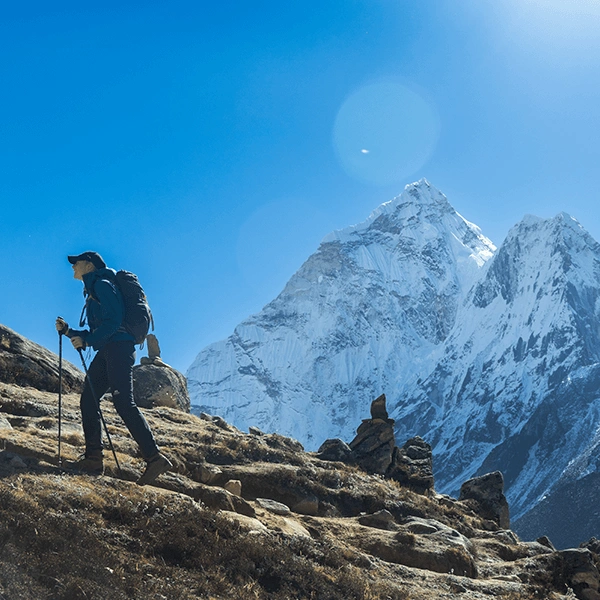
Trekking in the Everest region is more than just a physical challenge; it is a pilgrimage to the rooftop of the world. Unlike other trekking zones, the Khumbu is distinct for its:
World-Class Infrastructure: As one of the most developed trekking regions in Nepal, you will find comfortable teahouses, bakeries (even at 3,440m!), and well-maintained trails.
Sagarmatha National Park: A UNESCO World Heritage Site, the park protects rare wildlife like the snow leopard, Himalayan Tahr, and the colorful Danphe (Impeyan Pheasant).
The Sherpa Heartlands: Experience the authentic lifestyle of the Sherpas, known globally for their mountaineering prowess and warm hospitality.
Popular Trekking Routes in the Khumbu
There is a trail for every type of traveler in the Everest region, ranging from short panoramic hikes to strenuous high-pass crossings.
1. Everest Base Camp Trek (12-14 Days)
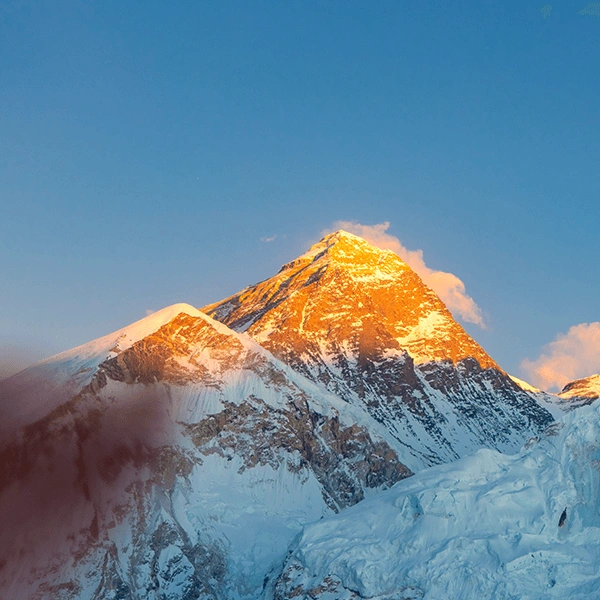
The "Classic" trek. This route takes you through the bustling hub of Namche Bazaar, the spiritual center of Tengboche, and finally to the rocky terrains of Gorak Shep.
Highlight: Standing at the foot of the world’s highest mountain and climbing Kala Patthar ($5,545\text{ m}$) for the best sunrise view of Everest.
2. Gokyo Lakes Trek (12-13 Days)
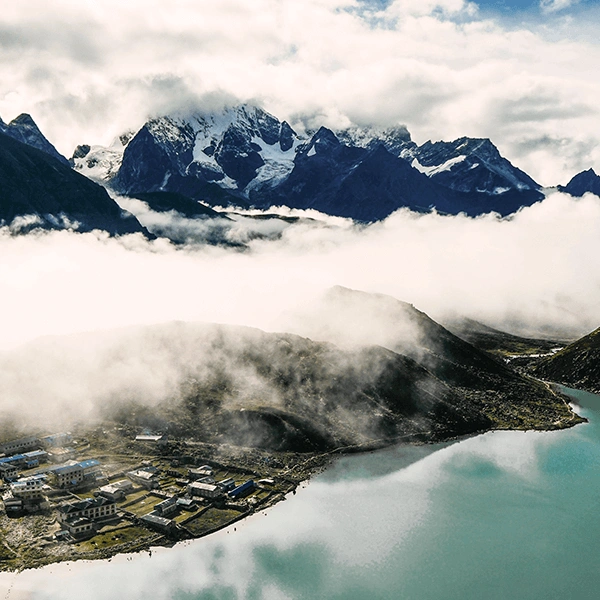
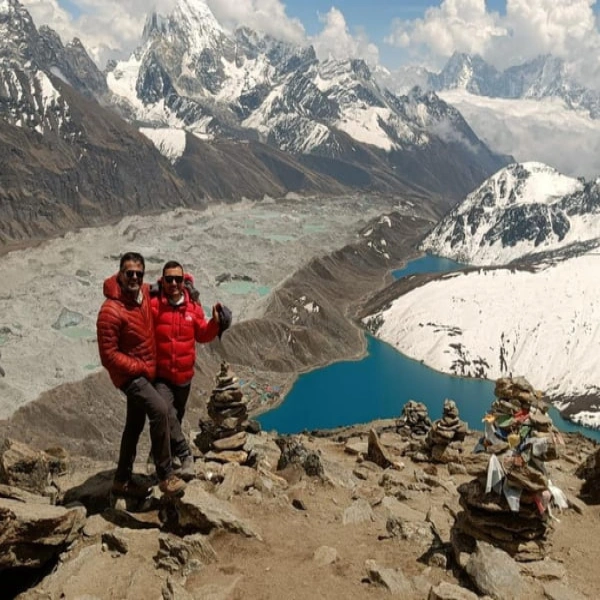
For those who want to avoid the main EBC crowds, the Gokyo Valley offers a stunning alternative. It features six emerald-green glacial lakes and the Ngozumpa Glacier, the longest in the Himalayas.
Highlight: The view from Gokyo Ri ($5,357\text{ m}$), which many argue is superior to Kala Patthar because you can see four 8,000m peaks: Everest, Lhotse, Makalu, and Cho Oyu.
3. Everest Three Passes Trek (18-21 Days)
The ultimate challenge for experienced trekkers. This "Grand Circle" connects the main valleys via three formidable passes: Kongma La ($5,535\text{ m}$), Cho La ($5,420\text{ m}$), and Renjo La ($5,360\text{ m}$).
Highlight: A complete, 360-degree immersion into the Khumbu's most remote and rugged landscapes.
4. Everest View / Panorama Trek (5-9 Days)
Perfect for families or those with limited time. This trek reaches Namche Bazaar and the Everest View Hotel, offering majestic vistas without the risk of extreme high altitude.
Cultural & Spiritual Landmarks
The Everest region is deeply rooted in Tibetan Buddhism. As you trek, you will pass:
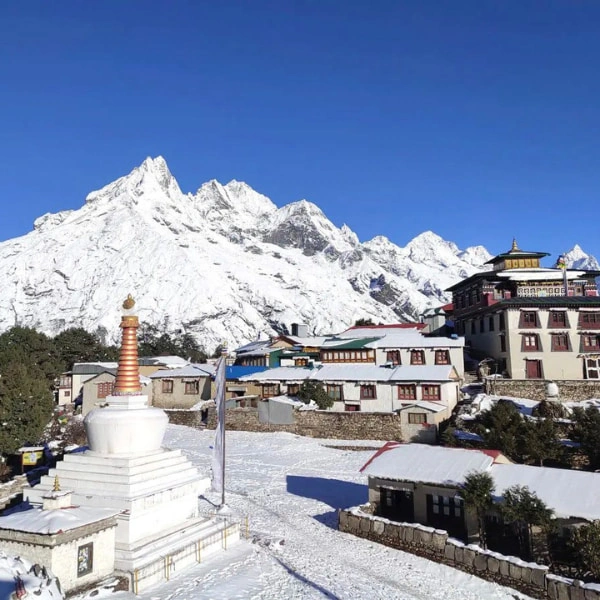
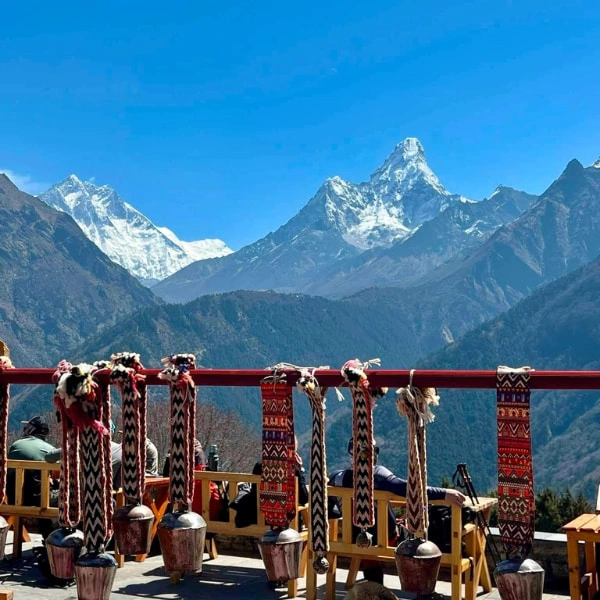
- Tengboche Monastery: The largest and most famous gompa in the Khumbu. Situated at 3,867m, it offers a backdrop of Ama Dablam and hosts the vibrant Mani Rimdu Festival every autumn.
- Mani Walls and Chortens: You will see stones carved with the mantra "Om Mani Padme Hum." Remember to always pass these sacred structures on the left-hand side (clockwise).
- Namche Bazaar: The "Gateway to Everest." This horseshoe-shaped town is a mix of traditional Sherpa life and modern luxuries, featuring museums, Irish pubs, and gear shops.
Best Time to Visit
The weather in the Himalayas is unpredictable, but two distinct seasons offer the best trekking conditions:
Season
Months
Highlights
Spring
March – May
Blooming rhododendrons, warmer days, and the "climbing season" excitement at Base Camp.
Autumn
Sept – Nov
Crystal clear skies, post-monsoon freshness, and the most stable weather for photography.
Winter
Dec – Feb
Very cold but peaceful. The skies are blue, and there are no crowds, but high passes may be closed.
Monsoon
June – Aug
Lush greenery but high risk of flight cancellations and leeches. Not recommended for most.
Preparing for the Journey
1. Physical Fitness
You don't need to be an athlete, but you should be "mountain fit." Cardiovascular endurance is key. We recommend 2-3 months of training, including hiking, cycling, or stair climbing with a light pack.
2. Understanding Altitude Sickness (AMS)
Safety is our priority. Acute Mountain Sickness can affect anyone regardless of age or fitness.
- Acclimatization: Our itineraries include "rest days" in Namche and Dingboche to let your body adjust.
- Hydration: Drink at least 3-4 liters of water daily.
- Motto: "Walk slow, drink more, and climb high, sleep low."
3. Essential Packing List
- Layers: Thermal base layers, fleece mid-layer, and a heavy down jacket.
- Footwear: Broken-in waterproof trekking boots and high-quality wool socks.
- Gear: A -15°C rated sleeping bag, polarized sunglasses, and trekking poles.
Getting There: The Lukla Flight
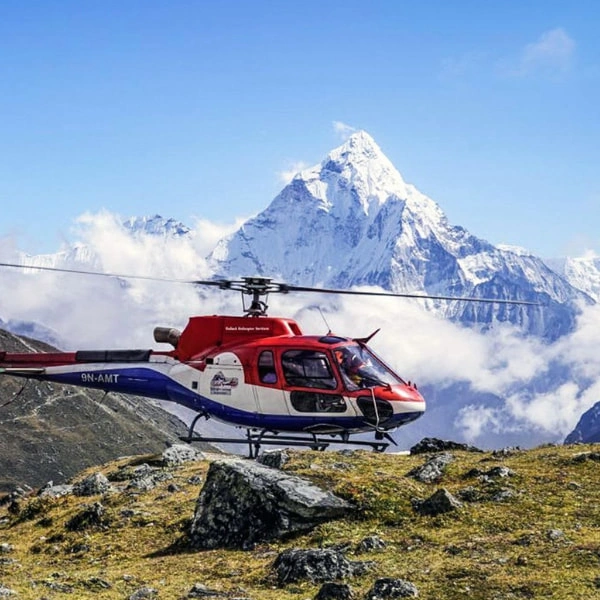
Most adventures begin with a thrilling 35-minute flight from Kathmandu (or Ramechhap during peak season) to Tenzing-Hillary Airport in Lukla. Known as one of the most scenic (and shortest) runways in the world, it provides an immediate "wow" factor as you land at 2,846m.
Trek with Holy Kailash Tour
At Holy Kailash Tour, we bring over two decades of experience to your Himalayan odyssey. We believe in "Eco-friendly" tourism and supporting the local economy by hiring professional Sherpa guides and porters from the region.
What we provide:
- Expert, government-licensed Sherpa guides.
- Customizable itineraries to suit your pace.
- All necessary permits (Sagarmatha National Park & Khumbu Pasang Lhamu Rural Municipality).
- Safety first approach with emergency oxygen and pulse oximeters.
The Everest Region is a place that changes you. Between the silence of the high glaciers and the rhythmic sound of yak bells, you find a perspective that only the "Top of the World" can provide. Whether it's your first time in Nepal or your tenth, the Khumbu always has a new secret to reveal.