Trip Overview
The Tamang Heritage Trek is a moderate trekking route in the Rasuwa District of northern Nepal. It runs through the traditional villages of the Tamang people, an ethnic group with deep Tibetan Buddhist roots. The trail sits inside Langtang National Park, Nepal's first Himalayan national park.
The Heritage trek completes the route in 7 to 12 days, depending on pace and side trips. The standard circuit starts and ends in Syabrubesi (or nearby Thulo Syabru), passing through villages like Gatlang, Tatopani, Nagthali, Timure, and Brim. Unlike theLangtang Valley Trek, this route stays mostly in lower, forested terrain and cultural settlements rather than high glacial valleys.
Quick Facts:
- Location: Rasuwa District, Bagmati Province, Nepal
- Trekking Grade: Moderate
- Duration: 7 to 12 days
- Max Elevation: Around 3,165m (Nagthali Hill)
- Starting Point: Syabrubesi or Thulo Syabru
- Permits Required: TIMS Card, Langtang National Park Entry Permit
- Best Seasons: March to May, September to November
Where Is the Tamang Heritage Trail Located?
The Tamang Heritage Trail is in the Rasuwa District, about 132 km north of Kathmandu. The region shares a border with Tibet (China) at Rasuwagadhi. The trail runs inside Langtang National Park, which covers 1,710 sq km of the Himalayan range
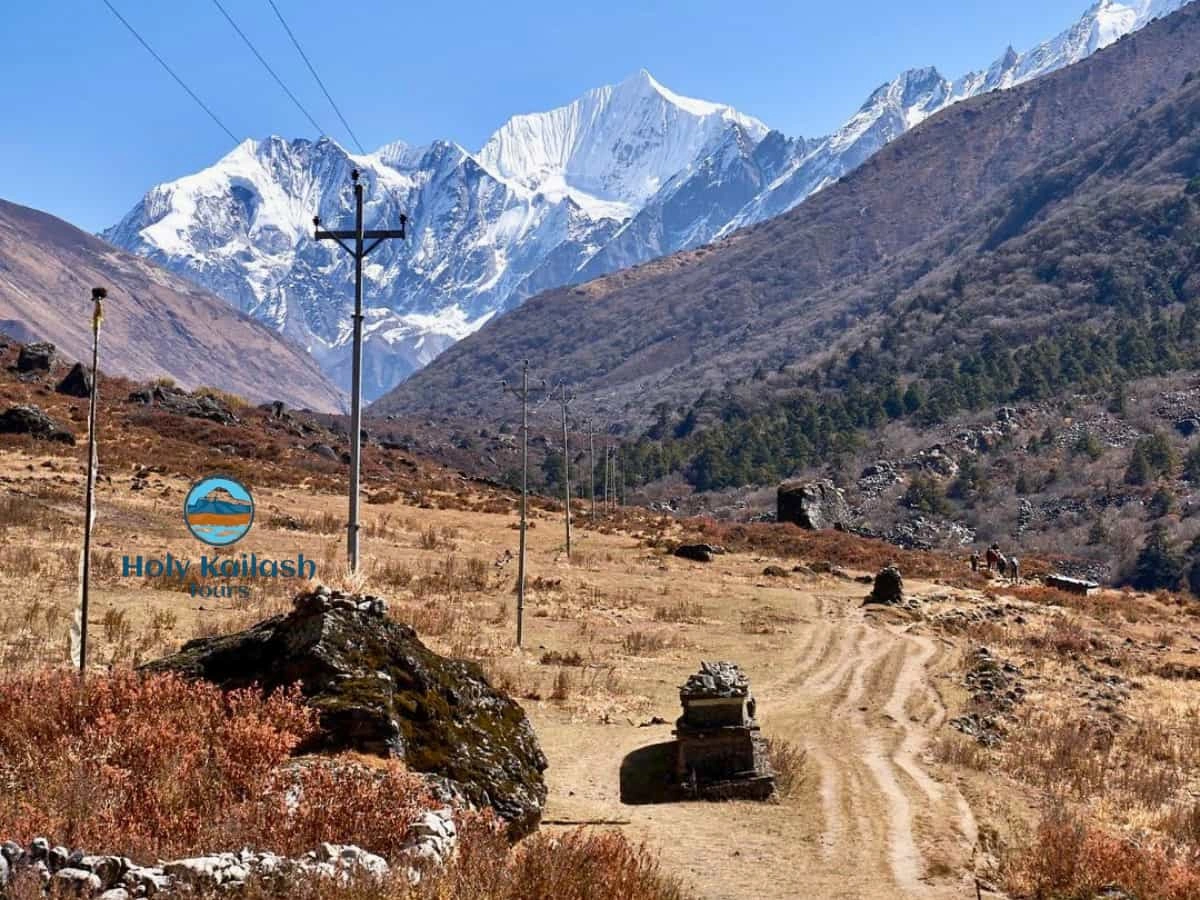
Syabrubesi, the main trailhead, is at 1,503m elevation and is accessible by road from Kathmandu (roughly 7 to 8 hours by local bus or 5 to 6 hours by private vehicle). The trail winds through the Langtang River valley and climbs into forested ridges before reaching Tamang villages perched above terraced fields.
Why Tamang Heritage Trek?
Most Nepal trekking packages focus on dramatic high-altitude scenery. The Tamang Heritage Trek offers that, but it's not why people come back talking about it. They come back talking about the people.
The Tamang are one of Nepal's largest ethnic groups, but they've historically been underrepresented in tourism. Their villages weren't heavily promoted. The trail infrastructure was basic. That's changed in recent years, but the area still feels genuinely local in ways that more developed trekking corridors don't.
A few honest reasons to choose this trek:
- You want cultural immersion, not just mountain views
- You prefer fewer crowds on the trail
- You're looking for a route accessible from Kathmandu without a flight
- You want moderate difficulty without technical climbing
- You're interested in Tibetan Buddhism as practiced in rural Nepal
- You want to combine culture with the Langtang Valley on a longer circuit
Major Villages on the Tamang Heritage Trek
Each village on this route has its own personality. Here's a brief look at the key stops:
Gatlang (2,238m): One of the most photogenic villages in the Langtang region. Gatlang has traditional Tamang architecture, a famous monastery, and a small gompa that's been rebuilt after earthquake damage. It's a good first overnight stop.
Tatopani (2,607m): Famous for its natural hot springs, a welcome treat after days on the trail. The village is small, but the springs draw trekkers. There's also a suspension bridge leading toward the Tibetan border.
Thuman (2,200m): A quieter village where local weaving traditions are still active. Women here often weave wool into traditional garments.
Brim (2,000m): A trading village near the Nepal-Tibet border. It has a distinct Tibetan cultural feel and sits close to Rasuwagadhi Fort, an old fortress with historical significance.
Timure (1,800m): Another border village with a cross-cultural character. You'll notice more Tibetan influence in the architecture and daily life here.
Nagthali (3,165m): A seasonal highland pasture and viewpoint. From here, the views of Langtang Lirung (7,227m), Ganesh Himal, and surrounding peaks are outstanding. It's the highest point of the standard circuit.
Syabrubesi (1,503m): The starting and finishing point for most trekkers. It's a functional town with decent guesthouses, ATMs, and transport connections to Kathmandu.
Tamang Culture, Traditions, and Lifestyle
The Tamang people have lived in the mid-hills and mountains of northern Nepal for centuries. Their culture is a mix of Tibetan Buddhism and animist traditions that predate it. Understanding a little of this before you arrive makes the trek far richer.
Religion: Tamang villages are centered around Buddhism. You'll see prayer flags, mani walls (stone walls carved with Buddhist mantras), chortens, and gompas at almost every settlement. Monks and village lamas still play a central role in community life.
Architecture: Traditional Tamang homes are two-story stone structures with carved wooden windows and flat roofs used for drying grain. The design reflects Tibetan influence. Many villages were damaged in the 2015 earthquake and have since been rebuilt, some using traditional methods and others using newer materials.
Clothing: Older Tamang women often wear traditional dress, including striped woolen aprons (pangden) and silver jewelry. Younger generations dress more casually, but traditional clothing still appears during festivals.
Economy: Most Tamang families in this region farm terraced fields, raise livestock, and increasingly earn income from trekking tourism. Some households are involved in weaving, carpentry, and small trade with Tibetan border communities.
Language: Tamang is a Tibeto-Burman language with several dialects. Most people in the trekking corridor also speak Nepali, and younger people near Syabrubesi speak basic English.
Natural Beauty and Mountain Views on the Trek
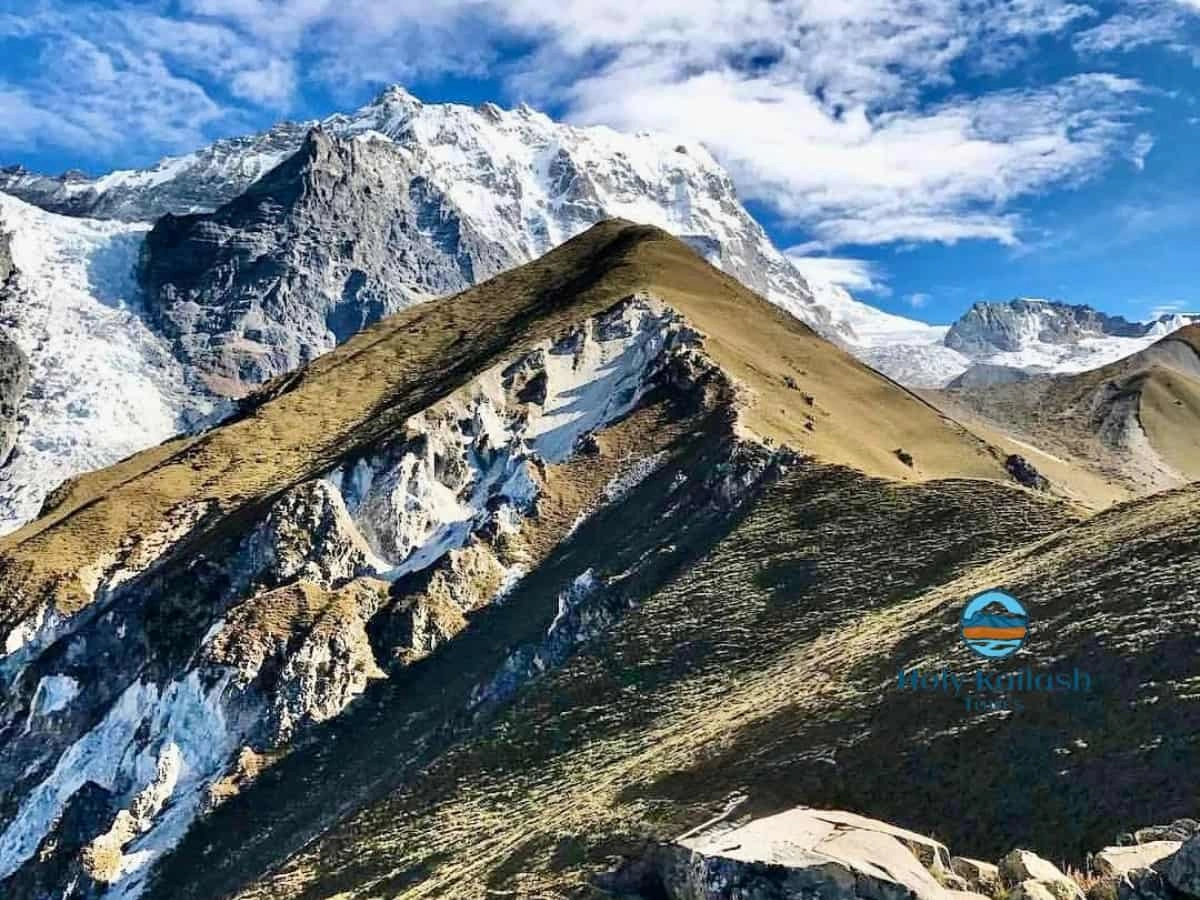
The scenery on the Tamang Heritage Trek doesn't hit you all at once. It layers. You start in a subtropical forest near Syabrubesi, move through rhododendron and oak forest as you gain altitude, and eventually reach open ridges and alpine meadows.
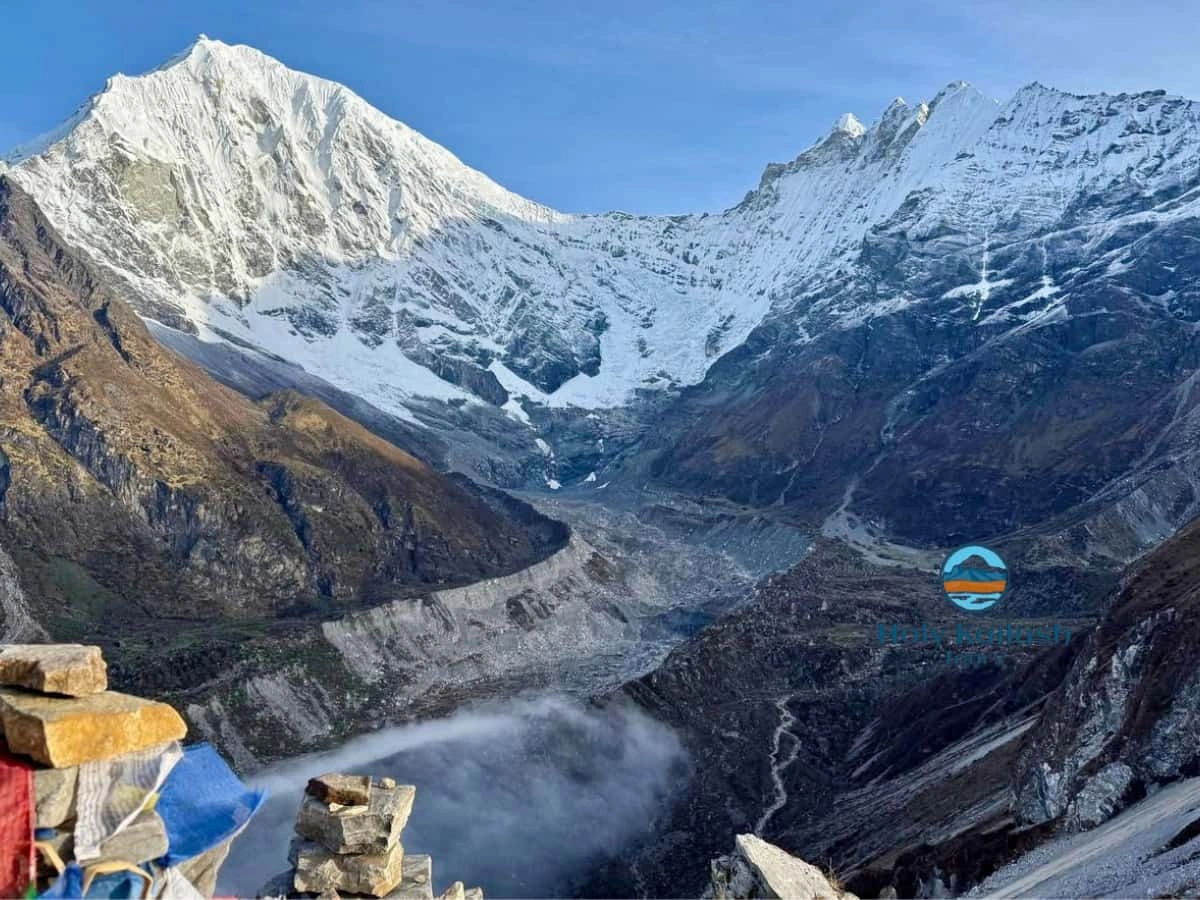
The best views of the mountains are from Nagthali Hill and from certain elevated points near Gatlang. On clear days, you can see:
- Langtang Lirung (7,227m)
- Ganesh Himal range
- Jugal Himal
- Dorje Lakpa (6,966m)
- Parts of the Manaslu range on clear days
The Langtang River valley below adds to the visual depth. Sunrises from Nagthali are particularly good, with peaks catching first light before the valley floor clears.
Langtang National Park Flora and Fauna
The Tamang Heritage Trail runs through Langtang National Park, which is home to a surprising range of wildlife and plant life.
Flora: The park has more than 1,000 plant species. At lower elevations, you'll walk through subtropical forests with fig trees and bamboo. Higher up, rhododendron (Nepal's national flower) dominates, and it's spectacular in March and April when in full bloom. Above that, fir, birch, and juniper take over.
Fauna: The park shelters red pandas, Himalayan black bears, leopards, and the elusive snow leopard. You're unlikely to see large predators on this trail, but red pandas are occasionally spotted in bamboo and rhododendron zones. Deer, langur monkeys, and various pheasant species are more common sightings.
Birdwatching: The park is good for birds year-round. Look for the Himalayan monal (Nepal's national bird), the blood pheasant, the snow partridge, and various raptors. Spring is the best season for bird activity.
Tamang Heritage Trek with Langtang Valley Trek
Many trekkers combine the Tamang Heritage Trail with the Langtang Valley Trek for a longer, more varied circuit. This combination typically takes 12 to 16 days and gives you both the cultural depth of the Tamang villages and the dramatic high-altitude scenery of the Langtang Valley.
A common combined route goes like this:
Syabrubesi > Gatlang > Tatopani > Thuman > Timure > Syabrubesi > Lama Hotel > Langtang Village > Kyanjin Gompa (and side trips) > return via Langtang Valley
This works well because Syabrubesi is the hub for both routes. You don't need to backtrack much. The combined trek naturally adds acclimatization days as you move from lower cultural villages to higher alpine terrain.
Holy Kailash Tours offers combined itineraries for this circuit, which is a smart choice if you want a guide familiar with both routes.
Cultural Experiences and Local Festivals
Timing your trek around a local festival can transform the experience. Here are the main ones in the Tamang calendar:
Losar (Tamang New Year): Usually falls in February or March. This is the biggest celebration in Tamang culture, with traditional dances, food, and religious ceremonies at local gompas. Villages come alive in ways you won't see any other time of year.
Sonam Lhosar: Similar to Losar, this festival is specific to the Tamang community and falls in late January or early February according to the lunar calendar.
Buddha Jayanti: Celebrated in May, this marks the Buddha's birth, enlightenment, and death. Monastery ceremonies are held across the region.
Dashain and Tihar are Nepal-wide Hindu festivals held in October/November. The Tamang also observe them in their own way, adding another layer to the cultural mix.
Even outside festival season, you can experience cultural life through monastery visits, weaving demonstrations, and home stays where local families share meals and stories.
Trip Highlights
- Walking through authentic Tamang villages with traditional stone architecture
- Visiting centuries-old Buddhist monasteries and chortens
- Soaking in natural hot springs at Tatopani village
- Panoramic Himalayan views from Nagthali Hill, including Langtang Lirung and Ganesh Himal
- Crossing into the Langtang Valley for a combined trek option
- Experiencing Tamang festivals, weaving traditions, and local food
- Exploring the Tibetan border trading village of Timure
- Low trekker traffic compared to the Annapurna or Everest routes