What Is the Mohare Danda Trek?
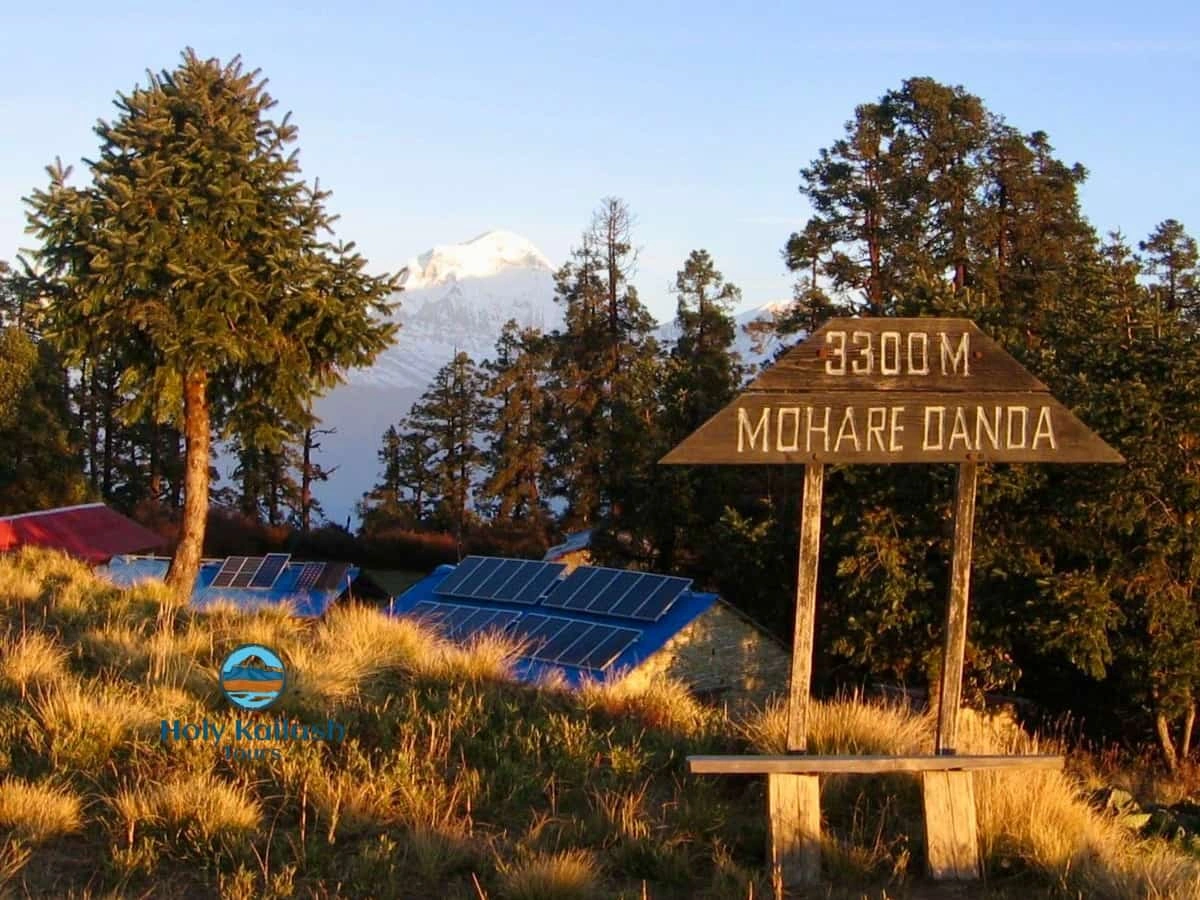
Mohare Danda trek at 3,300 meters in Nepal's Myagdi district, tucked inside the Annapurna region. Local communities built this trail themselves, which tells you a lot about what it actually feels like to walk it. It goes by two other names: the Myagdi Community Eco Tourism and the Annapurna Dhaulagiri Eco Tourism. Both point to the same thing. This is a trail built around real villages, not tourist infrastructure.
How Does It Compare to Poon Hill?
Poon Hill Trek used to be the quiet alternative. Now it's one of the busiest short treks in Nepal. The Mardi Himal Trek followed the same path, gaining popularity quickly. The Mohare Danda trek is where people end up when they want what those two routes used to offer.
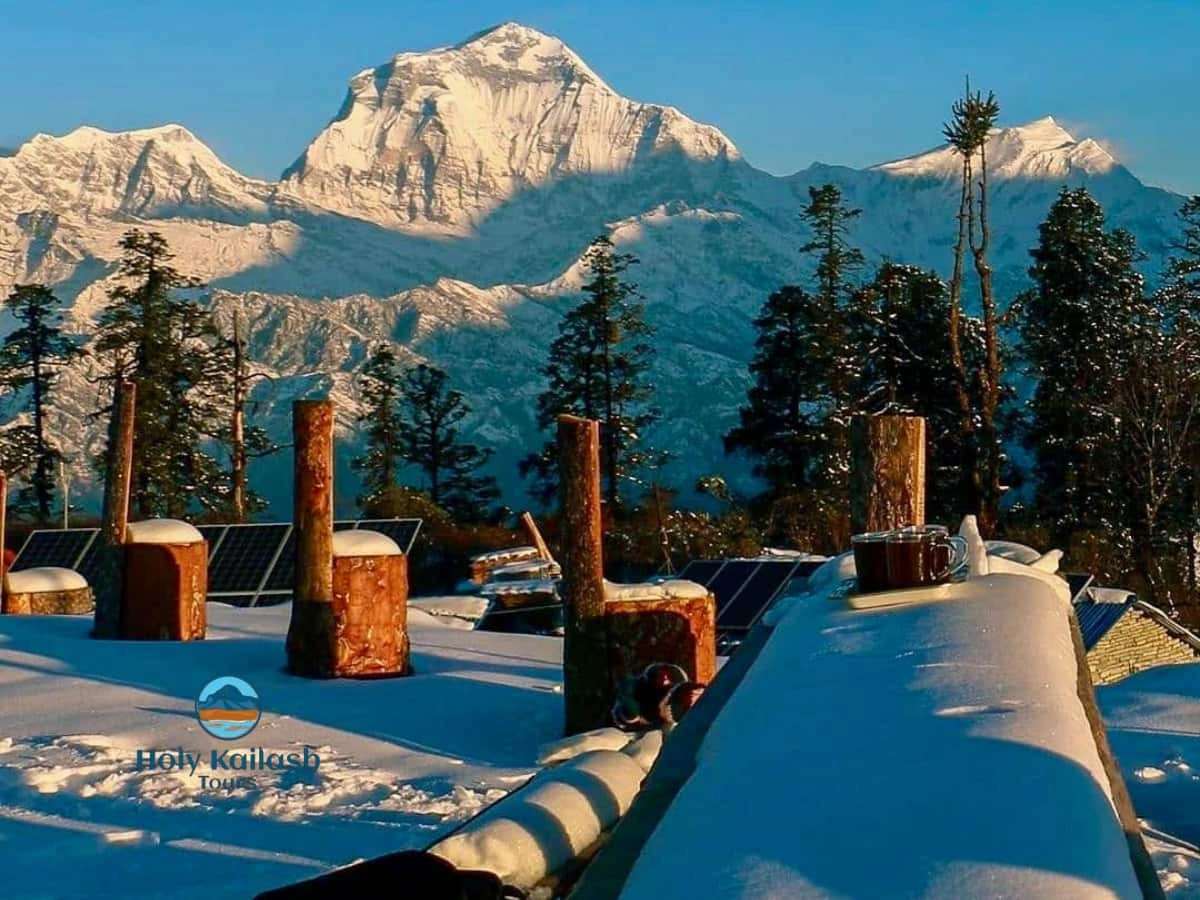
The two summits are about 5 km apart, and the views are nearly identical, with the full Annapurna I and Dhaulagiri ranges spread across the horizon. Some trekkers do both in one trip. If you only have time for one, Mohare Danda gives you the same scenery with a fraction of the foot traffic.
The Mohare Danda Trek Route and What You'll See?
The trail starts near the Galeshwor Temple on the banks of the Kali Gandaki River, close to Beni Bazaar. From there, it winds through terraced farmland, thick forest, and open ridgelines before reaching the summit.
Along the way, you pass through Magar villages, including Nangi, Khibang, Tikot, and Tiplyang. The Magar are one of Nepal's indigenous groups with their own language and traditions. Sharing a meal with a local family or watching daily village life up close is the kind of moment you don't get on a busier trail.
How Hard Is the Mohare Danda Trek?
It's moderate overall, with one genuinely tough day. Here's what to expect across the five days:
- Day 1: Steep stair climb to Banshkharka. Hard on the legs but manageable if you pace yourself.
- Day 2: Mixed terrain with some uphill, flat stretches, and a bit of descent.
- Day 3: The hardest day. A steep push to the Mohare Danda summit at 3,300 m.
- Days 4 and 5: Downhill return. Easier on the lungs, tougher on the knees.
Bring trekking poles if your knees give you trouble. The descent is long and steep in places. Anyone reasonably fit can finish this trek without special training.
Mohare Trek Accommodation and Food
The lodges here are simple and run by local families. No hot showers or printed menus. What you do get is a bed, a warm kitchen, and food cooked by the people who live there.
Dal Bhat is the go-to meal, and it's genuinely good after a long day on the trail. Some lodges can put together basic alternatives if you need them, but this isn't the trek for anyone with specific dining expectations. The trade-off is a meal around a family table, which most people find far more memorable than anything on a guesthouse menu.
Mohare Danda Trek Cost
Holy Kailash offers Mohare Danda Trek packages between $575 and $675. That covers:
- A local trekking guide who knows the route and the communities along it
- A cultural program in one of the Magar villages
- Itinerary planning with proper acclimatization built in
The guide matters more on this trail than on a well-marked popular route. Mohare Danda isn't heavily signposted, and having someone who knows the families and the terrain adds something you won't find on a map.
Is The Mohare Danda Trek Worth It?
Yes, especially right now. Mohare Danda still has what Poon Hill had ten years ago. Real villages, open trails, and views that stop you mid-step. It won't stay quiet forever. These things rarely do. But for now, it's one of the better short treks in Nepal for anyone who wants the mountain experience without the crowd that usually comes with it.
Mohare Danda Trek Highlights
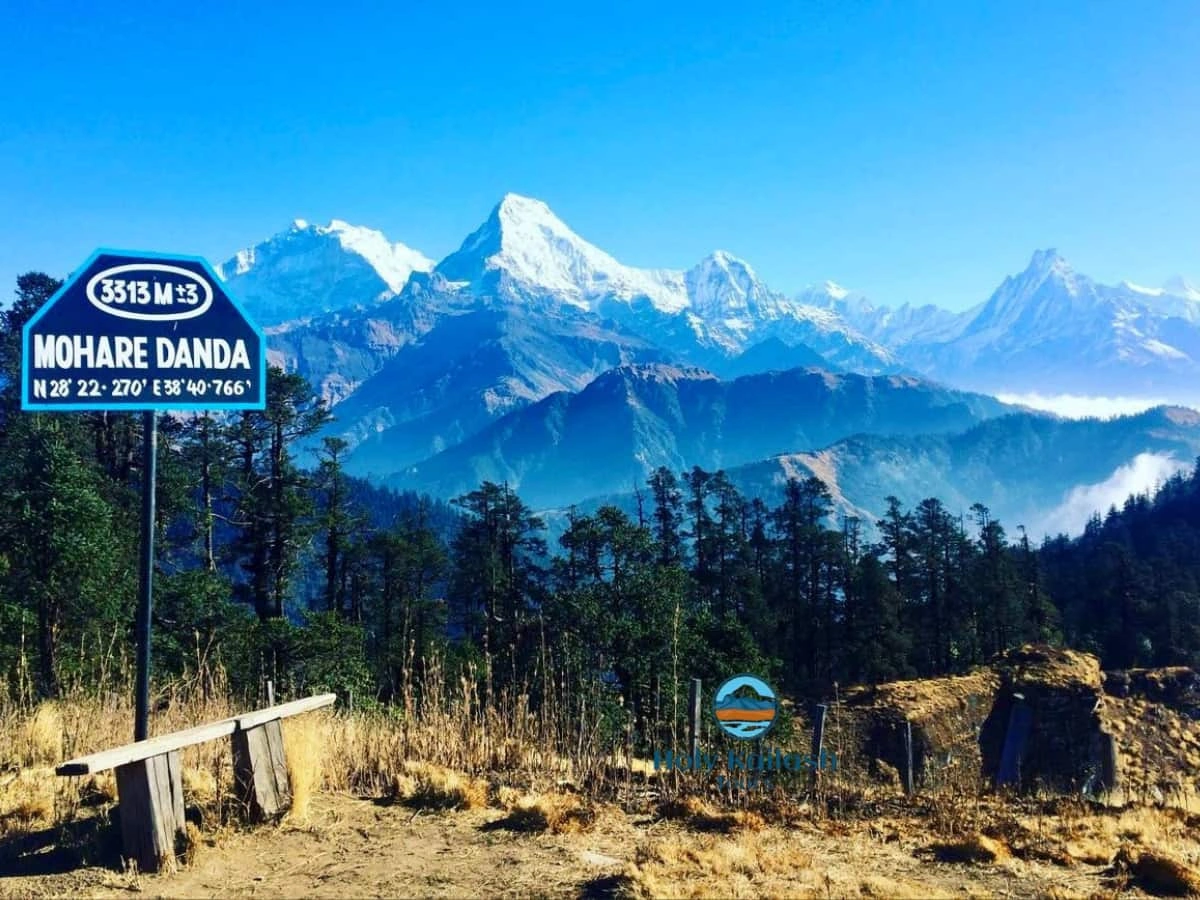
- Panoramic views of Annapurna South, Dhaulagiri, Machhapuchhre, and Tukuche Peak from Mohare Danda summit (3,300 m)
- Authentic Magar and Gurung village stays with home-cooked meals and real local hospitality
- Forest trails through oak, bamboo, and rhododendron, stunning in spring bloom
- Community-built route where your trek directly supports local families
- A stop in Nangi, a village known for rural education and community tourism
- Scenic descent through Ghandruk with close-up views of the Annapurna range
- Same Himalayan views as Poon Hill, with far fewer people on the trail