Gokyo Lake Trek - A Journey Through the High Himalayas of Nepal
The Gokyo Lake Trek, unlike the usual EBC route, leads you deep into the Everest region.
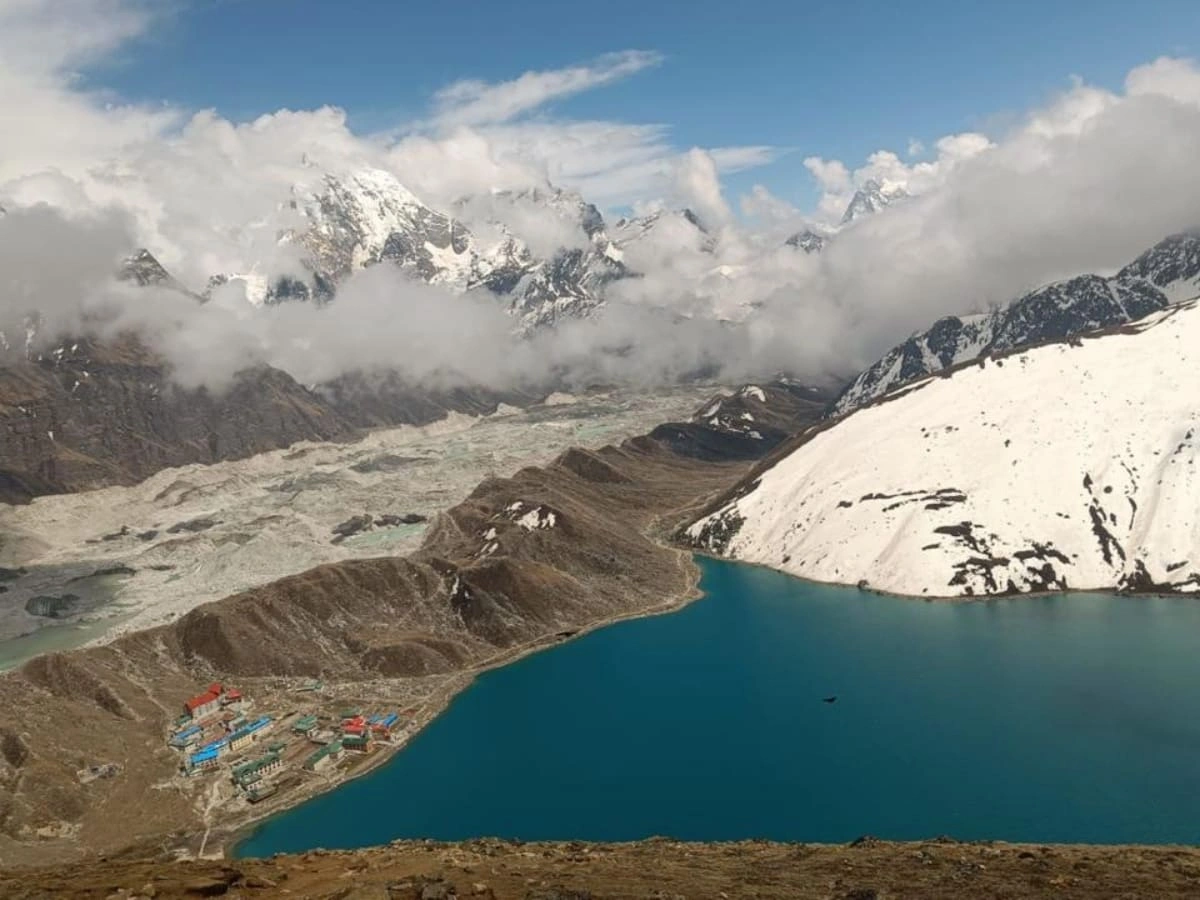
Along the trail, through a few isolated Sherpa villages with their hospitality and culture, one would have the peace and serenity of mountain valleys as well as witness the glacial landscapes ending up eventually in the famous Gokyo turquoise lakes. The last leg is mainly exciting as one gets to the Gokyo Valley surrounded by majestic mountain peaks such as Cho Oyu, Everest, Lhotse, Makalu, and Cholatse.
It will hardly be a simple hiking activity if this trek is planned and done rightly; the most important of which is that of the body's gradual adjustment to high elevation. A smart schedule that gives sufficient acclimatization time, while also enabling you to fully experience nature, not race through a trail, is the solution.
Holy Kailash Tours arranges Gokyo Lake trekking, taking care of all the details such as the route acclimatization accommodation, permits, guides, and porter support.
Gokyo Valley Trails and Amazing Mountain Views
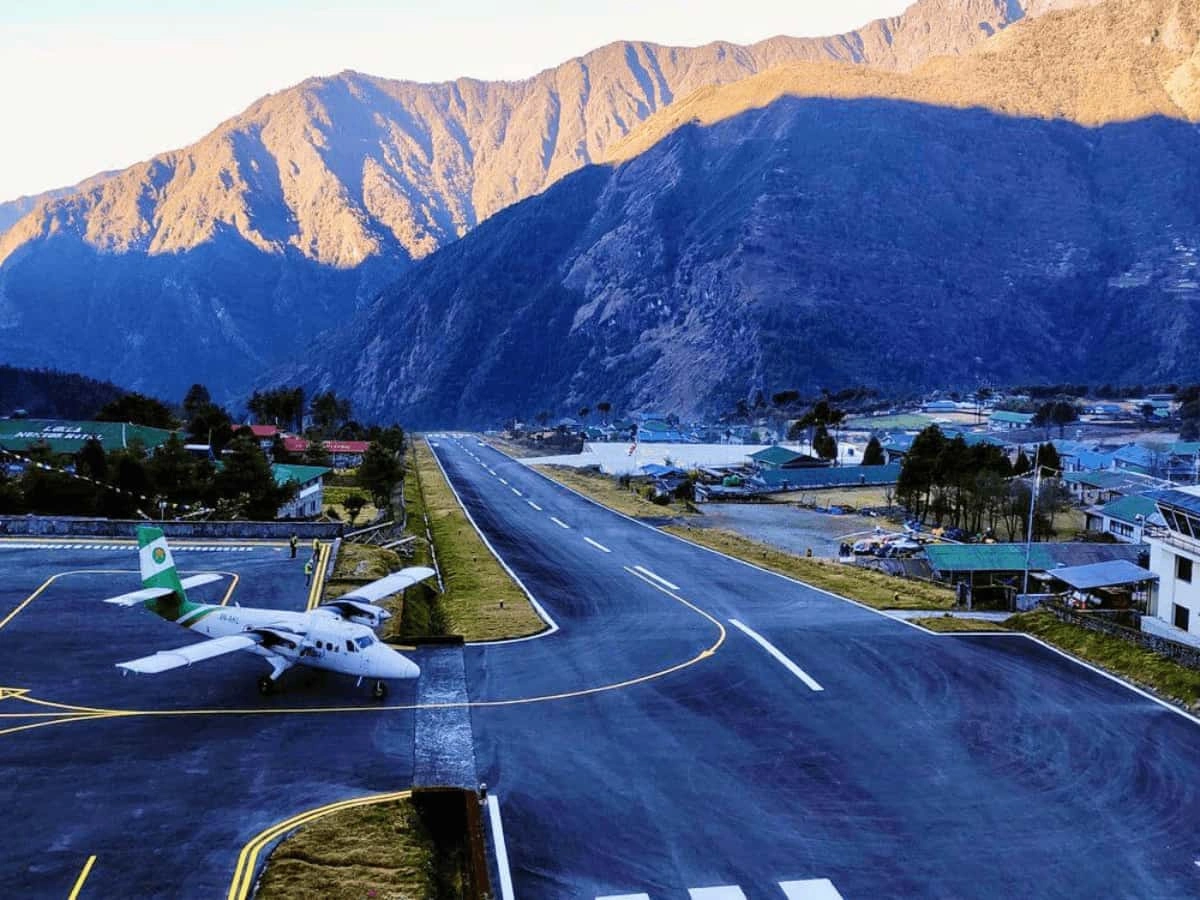
This traditional adventure route begins by boarding a plane from Kathmandu, which will bring trekkers to Lukla. Lukla acts as a base camp from where trekkers start their journey to reach Everest Base Camp by walking through the charming village of Phakding.
Then trekkers are bound to enjoy the scenic route of Namche Bazaar on their way up the mountain. At Namche Bazaar, trekkers usually stop for rest and shopping.
Once the trek is done in Namche, the hiking trail is not only less frequented but also less steep, which makes this part an ideal place if you're searching for some peace and calmness away from the hustle and bustle. The scenery gets more dramatic as the path winds further towards the villages of Dole, Machhermo and Gokyo.
Covering nearly 40km, the Lukla to Gokyo trail is mostly on a highland and the length of the trail is not fixed but will mainly depend upon which stops you make on your way and whether you spend the night at some place.
The trek initially crosses a forest of rhododendron at lower altitudes, then moves on past the forest into high mountain terrain. The number of high-altitude trees gradually decreases, and eventually, the valleys appear more and more open at higher altitude.
Around the village of Machhermo you can find yourself in one the great stops for rest along the entire trek, it's a great chance to get used to the altitude and also prepare for the rest of the climb in good weather and time, which is very crucial.
Gokyo Lakes, the Sacred Turquoise Gems of Everest
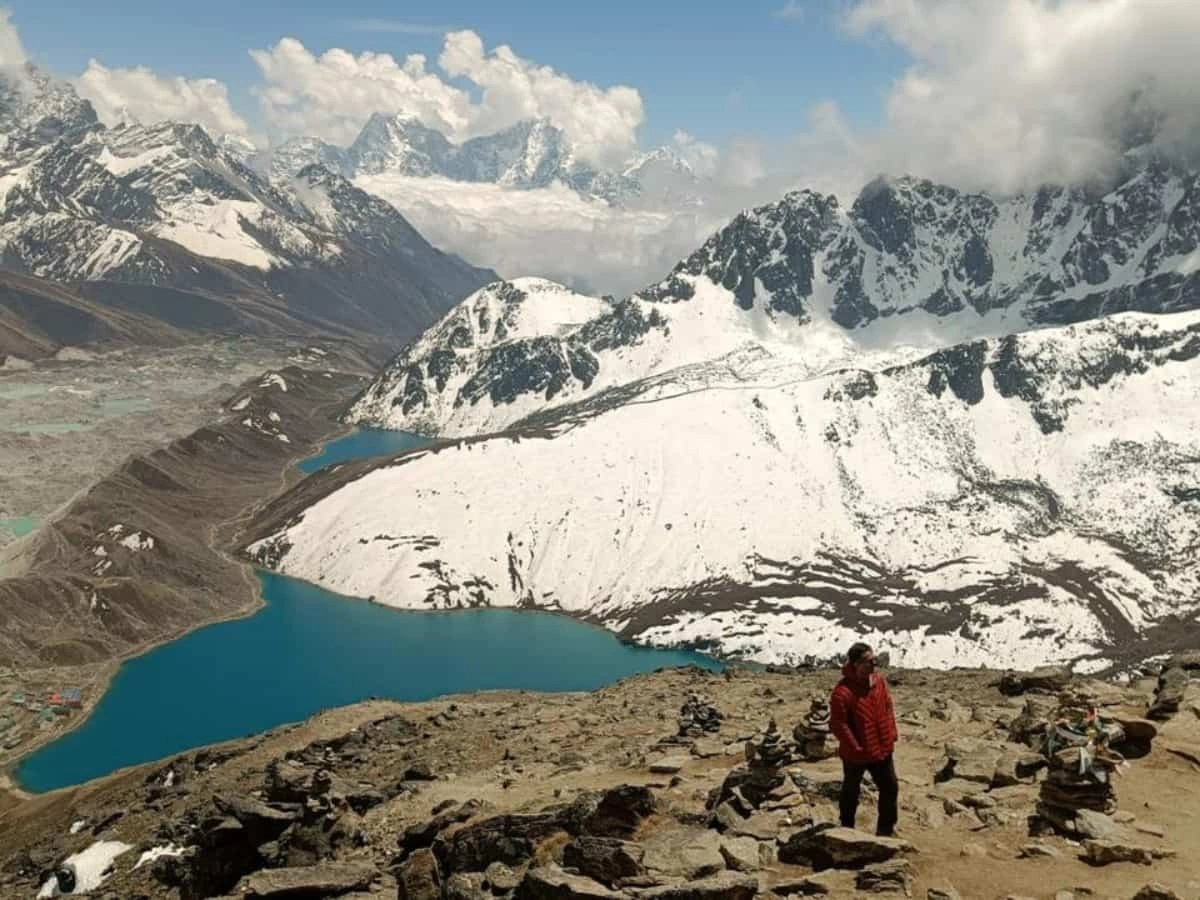
It is no exaggeration to say that Gokyo Lakes are among the natural wonders of the Everest region. The shades of blue and turquoise of the lakes stand out dramatically against the rocks, glaciers, and snow-covered mountain peaks of the area.
The lakes lie high in the Gokyo Valley and receive their water first and foremost from the glaciers, thereby forming an idyllic scene quite removed from the valley areas at the foot of Namche.
Namche Bazaar and the sunrise climb up Gokyo Ri, the lakes represent much more than just a picture-perfect spot. The Gokyo Valley holds great cultural and religious significance for the local population.
A walk around the lakes would also help one discover the less crowded side of the Everest region. The trail to Gokyo is comparatively more peaceful and offers great views if you avoid busy trekking periods.
The best time to visit Gokyo Lakes, Nepal, is mostly in spring and autumn. From March to May, the conditions in the mountains are relatively stable, and the visibility is good. October and November are also good because of the generally very clear skies and great visibility.
Winter can be very cold, but it presents you with snowy landscapes in abundance. But the monsoon season is characterised by cloudy, rainy weather and fewer clear mountain views.
Climbing Gokyo Ri for a Himalayan Panorama
Gokyo Ri is one of the key attractions of a hike. You leave Gokyo for the climb, usually in the early morning as the sun is going to rise, when the sky tends to clear up, and the weather is usually great for the ascent.
The trail is very steep, and the climb is going to leave you completely out of breath. Still, no special mountaineering is necessary for the climb, even though one has to consider physical condition. The real test one is up against when climbing Gokyo Ri is the thin air at the altitude one has to climb through, and in reality one has to walk constantly upslope for hours.
Standing on the peak, you are presented with an awesome variety of Himalayan peaks. Everest is only a small example of a collection of peaks which also includes Lhotse, Makalu, Cho Oyu, Cholatse, and other big peaks.
This panoramic view is one of the main attractions that encourage many trekkers to head for Gokyo rather than just following the traditional route to Everest Base Camp.
Apart from being an enjoyable ascent, the Gokyo Ri climb is a very effective way of acclimatization. During the acclimatization period, instead of simply resting on a couch in a teahouse, you can go high up during the morning and then come down to your lower-altitude accommodation in Gokyo and sleep at a lower altitude.
Best Time and Tips for the Gokyo Lake Trek
Spring and autumn are still the most recommended seasons for tourists who want great visibility of mountains and nice trekking conditions.
Gokyo Lake Trek is not too hard to climb but still demanding enough. Even though one does not have to be an experienced high-altitude trekker, one should make sure that being able to keep walking for multiple hours per day is the case
Altitude is more of a factor to consider than speed. Taking it easy when walking, drinking enough water, eating right and having a well-planned acclimatization schedule can make a huge difference.
The path is very varied - some parts will be rocky, some parts will be uneven, you will come across some steep climbs, and it can rain at any time. Good trekking shoes are crucial. Proper layering is as well.
If deciding between going for the Gokyo Lake trek solo vs joining a package, both choices work. If you hike independently, you set your rhythm and see what you do, while the benefit of a guided tour includes assistance in decision about the trail, availability of beds in lodges, handling of local logistics issues, etc. and also handling of any concerns for high altitude sickness.
A guide is really useful if you have not done Himalayan-style treks before. A porter can also be really helpful as one of the responsibilities is to carry your main luggage, and you can walk with a small daypack.
Why Book with Holy Kailash Tours
One of the ways that sets us apart from regular travel agencies is that we don't treat the Gokyo Lake Trek as just another item we are selling at our online store. Instead, we see it as an invitation to participate in a Himalayan trekking adventure. This is more than just offering a fixed number of day walks; it actually becomes an opportunity for you to be a participant in this wonderful journey in a more active way!
A few practical details that we need to know from you include: your level of walking ability, how long the vacation is for you (the time available), what kind of accommodation you prefer, and how comfortable you can be at ease with higher altitudes.
It's actually the small things that make a journey enjoyable, and we make our customers enjoy their trips by getting the small things right, like the arrangements for getting Lukla flights sorted, trekking permits (required) arranged, accommodation provided to you, the guides for trekking (licensed), and porters who will help you carry your luggage (porter support) will be at your disposal during the trek. All of the ground transportation arrangements as well as services around Kathmandu (ground logistics and Kathmandu services) will be taken care of for the completion of your journey.
If you're looking for a little extra comfort and relaxation on your Himalayan trek then a luxury Gokyo Lake Trek package can also be arranged to your specifications that includes the upgrading of the lodgings if possible, private arrangements (like having your own guide and porter), and the addition of more services in Kathmandu which you will get.
If you would prefer a budget hike, then there are lots of ways you can cut costs, like going for the tea houses, choosing shared arrangements and also going down the service route as much as possible while keeping the main trekking services.
Briefly, we aim simply to let you know what services you are buying before you leave Kathmandu for the trek.
Details of Gokyo Lake Trek
A 13-day Gokyo Lakes trek itinerary from Kathmandu to Lukla, Phakding, Namche Bazaar, Dole, Machhermo, Gokyo, Gokyo Ri, and back to Lukla can be a good one.
Strictly following the itinerary like a race is not a good thing. The weather, your altitude level and other conditions will influence your walking speed, flying, and other daily activities
People who enjoy extended trekking can merge the Gokyo Lakes with one of the two passes, Cho La and the base of Mount Everest. Generally, the Cho La Pass and Gokyo Lakes trek needs more days and better physical condition for crossing such a high mountain pass.
In addition, there is another popular option called the Everest Base Camp via Gokyo Trek. This path merges the Gokyo Valley with EBC (Everest Base Camp) and may also involve Cho La Pass as part of it, making it the most thorough way to tour Khumbu.
About permits, the required amount depends on the actual route and the implementation of local and national regulations at the time. The cost of hiking permits for the Gokyo Lakes trek should then be re-verified after leaving instead of merely looking up an online figure that is most probably outdated.
This trail is designed to be enjoyed by the active traveller who is capable of coping with continuous walks at high elevation. People, for instance, who have very little trekking experience should think carefully before setting foot on the trail and get enough fitness before arriving there.
Gokyo Lake Trek Cost
Gokyo Lake trek cost for nepali / foreigners is $1699 isn't identical always as permits transportation accommodation, guide arrangements, and others can vary by person and level of service.
The Gokyo Lakes trek cost with guide and porter would also come down to whether you are choosing a private trek, joining a group trek, guide and porter services, level of accommodation, arranging Lukla flight, and other Kathmandu services.
Travelers wanting to compare the cost of the Gokyo Lakes trek with the guide and porter should keep in mind that the very cheapest package doesn't mean the most value for money. An ethical and professional trek company should be able to provide an open and detailed account of what services are covered, what isn't and which outlays are to be carried by yourself during the trek.
A budget walk uses standard teahouses and basic services. A private trip comes with much flexibility. A luxury Gokyo Lake trek is all about a high grade of accommodations, private conveyance, individualised pacing, and extra comfort both before and after the trek.
Kailash Holy Tours will create the trip to suit your travel taste.
If you are thinking of the Gokyo Lakes Trek, your big decision is not the trek expenses alone. It also comes down to whether or not the itinerary allows you adequate time for acclimatization, experiencing Gokyo Valley, scaling Gokyo Ri, and responding safely to Himalayan weather changes.
Here, it is all about meticulous planning. The mountains don't move; this way, there is little chance to rush your Himalayan walk.
Related Everest Packages
EBC Gokyo Chola Pass Trek 16 Days
Everest Three High Passes Trek 18 Days
Everest Base Camp Luxury Trek 14 Days
Everest Base Camp Trek With Helicopter Return 11 Days
Gokyo Lake Trek 13 Days
Everest View Trek 5 Days5 Days
Everest Base Camp Helicopter Tour 1 Day
Everest Base Camp Trek 14 Days
Gokyo Lake Trek Highlights
- Trek through Sagarmatha National Park, a UNESCO World Heritage Site
- Reach Gokyo Ri (5,357m) for 360-degree views of Everest, Lhotse, Makalu, and Cho Oyu
- Walk beside the Ngozumpa Glacier, the largest glacier in the Himalayas
- Visit five glacial Gokyo Lakes, each sitting above 4,700m
- Pass through Namche Bazaar, the gateway to the Khumbu region
- Experience authentic Sherpa culture in villages like Khumjung and Phortse
- Maximum elevation: 5,357m (Gokyo Ri) with gradual, well-planned acclimatization
- Fewer crowds than the classic Everest Base Camp route
- Gokyo Lake Trek round trip from Kathmandu, including flights and transfers