Chitwan Jungle Safari Package Overview
Duration: 7 Days (Kathmandu + Chitwan + Return) Park Location: Chitwan District, south-central Nepal, about 150 km from Kathmandu Park Size: 932 sq km (UNESCO World Heritage Site, established 1973) Best for: Wildlife lovers, photographers, families, first-time Nepal visitors Difficulty: Easy (suitable for most fitness levels) Starting Price: From USD $570 per person (group), USD $625 (solo)
Chitwan is Nepal's first national park and one of Asia's best places to see large mammals in a relatively compact, accessible area. You don't need to be an experienced trekker. You don't need high-altitude gear. You just need time, patience, and good binoculars.
Why Visit Chitwan National Park?
Most people come to Nepal for the Himalayas. That's fair. But Chitwan answers a completely different question: what does wild Nepal actually look like on the ground?
Here's the honest case for going:
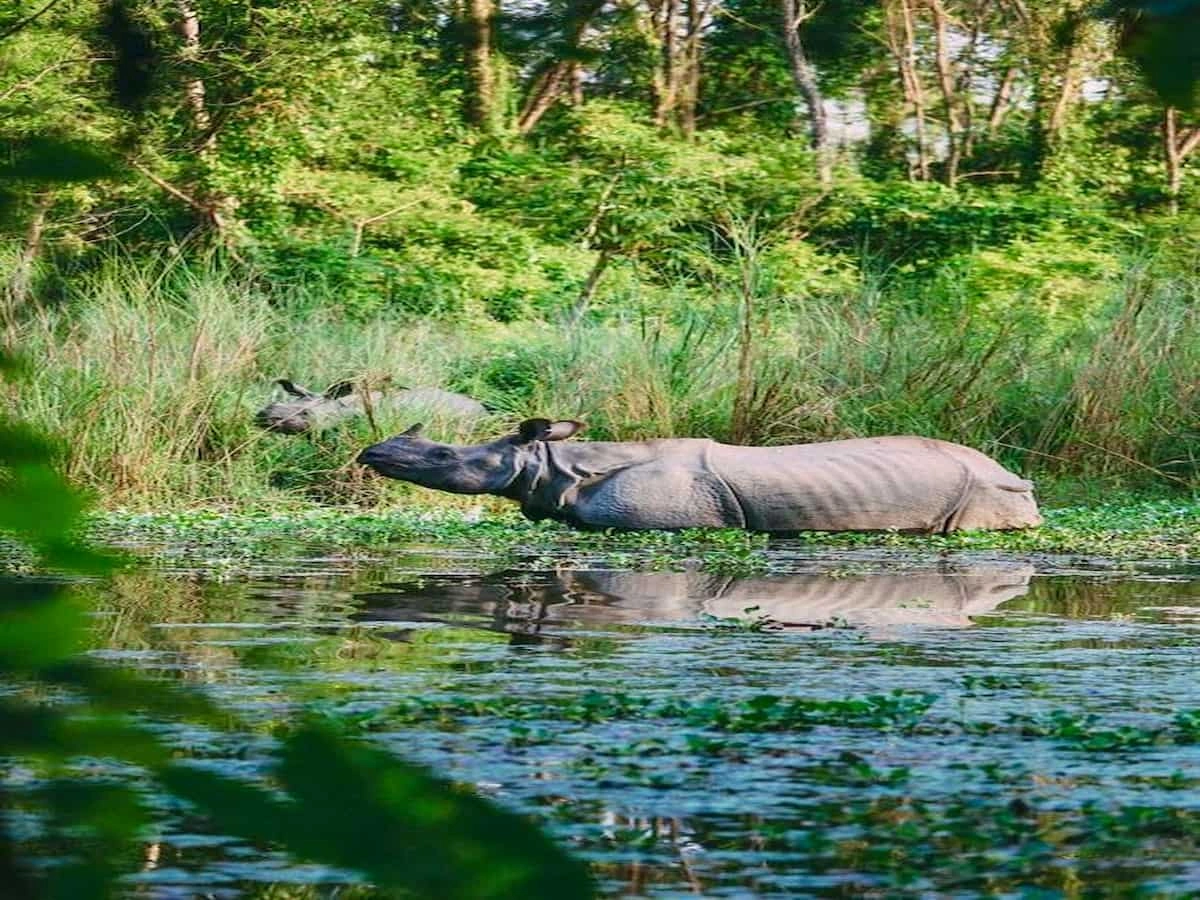
- Rhino sightings are almost guaranteed. The park holds around 694 greater one-horned rhinos, a population that recovered from fewer than 100 individuals in the 1960s. Morning jeep safaris consistently deliver sightings, well over 90% of the time.
- It's a genuineUNESCO World Heritage Site, not just a title. The park protects one of the last intact examples of the Terai lowland forest in Asia.
- The Tharu culture alone is worth the trip. The Tharu people have lived in this region for centuries and developed a unique resilience to malaria that baffled outsiders for generations. An evening in a Tharu village shifts how you think about the place entirely.
- You can combine it with Kathmandu Valley sightseeing in one clean itinerary without backtracking.
- Tiger sightings happen. Not often (roughly 10-15% chance on a 3-day visit), but they do happen. And the possibility makes every morning safari feel like it matters.
Things to Do in Chitwan Jungle Safari
Chitwan isn't just a single jeep ride and done. The park rewards visitors who spend at least two full days inside. Here's what the experience actually looks like across different activities.
Chitwan Jungle Safari Activities
Jeep Safari
The most efficient way to cover ground inside the park. A standard morning jeep safari runs 3-4 hours, starting around 6 AM when animals are most active, and the light is best for photography. Your driver and naturalist guide know which corridors to check: the riverine forest near the Rapti for rhinos, the sal forest tracks for deer and leopard, and the open grassland edges for early-morning tiger movement.
Private jeeps allow you to set your own pace and stay longer at sightings. Shared jeeps are cheaper and still effective. We recommend at least one morning and one afternoon run to see how the park shifts throughout the day.
Elephant Safari
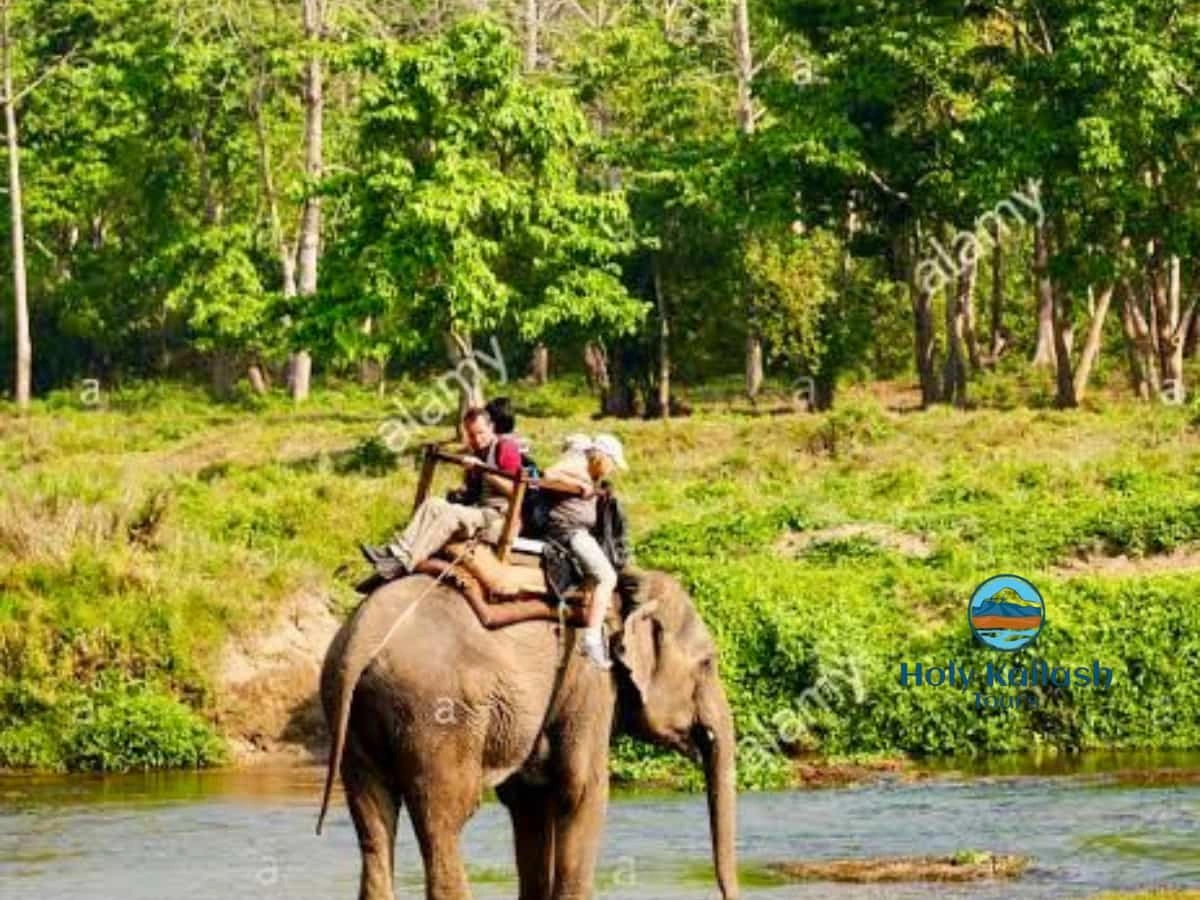
Riding a trained elephant into the grasslands gives you access to terrain a jeep can't reach. You're above the grass, which changes what you can see. The downside: elephant welfare concerns in Nepal's tourism industry are real. Holy Kailash Tours uses only government-registered elephants and avoids operations where animals show signs of distress. If you want an elephant experience without the ethical weight, the Elephant Breeding Centre visit (below) is a better option.
Elephant Breeding Centre Visit
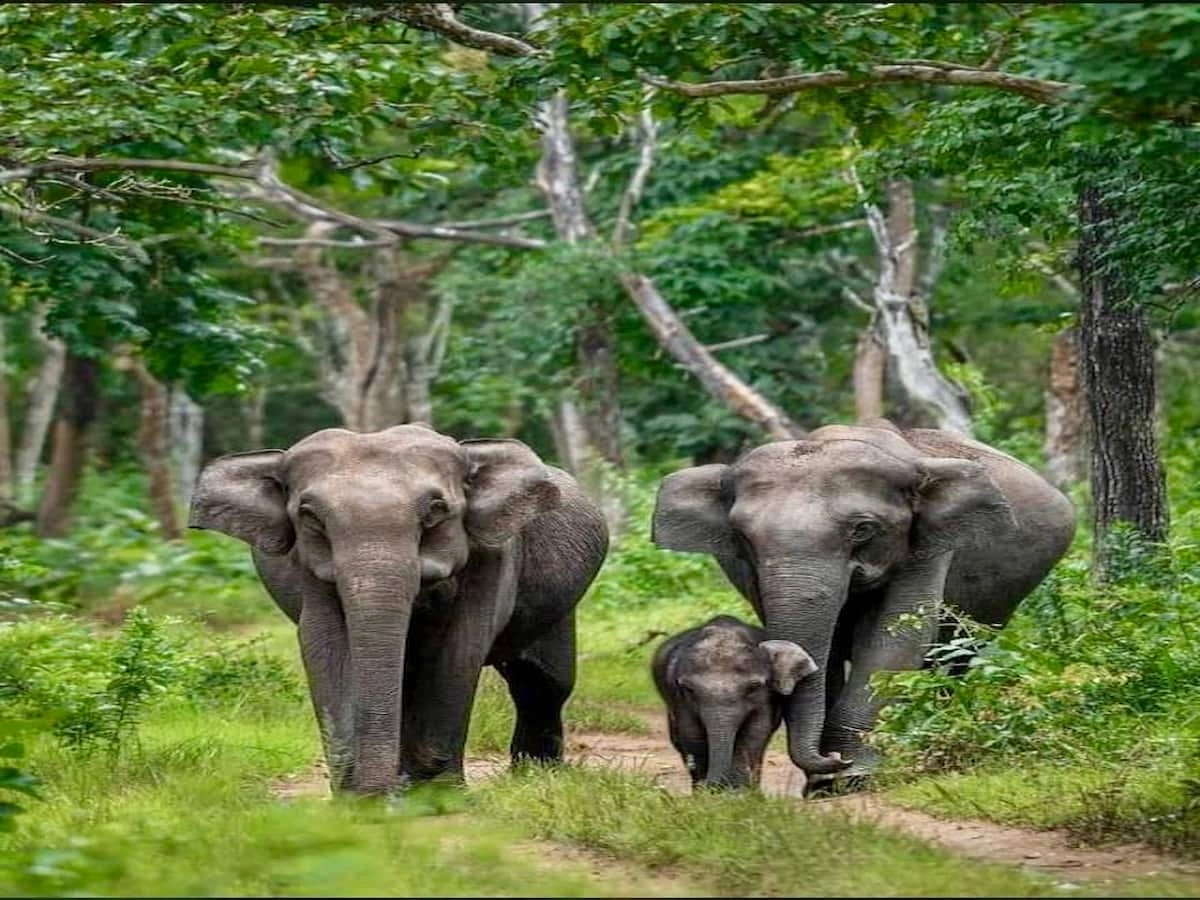
Established in 1985, the Hattisar (elephant stables) near Sauraha is where Chitwan's working elephants are bred and cared for. You can watch the mahouts prepare meals, observe how the elephants eat, and learn about individual animals by name. Naturalists explain elephant behavior, lifespan, and how the captive population contributes to anti-poaching patrols inside the park. It's genuinely interesting, especially with kids.
Canoe Ride
A dugout canoe on the Rapti River is one of the quieter experiences in Chitwan, and that's the point. You float downstream with no engine noise. Gharial crocodiles rest on sandy banks. Kingfishers dart across the surface. Sarus cranes stand in the shallows. Mugger crocodiles watch you pass from the water's edge. Guides identify birds as you move, and the stillness of the whole thing is a sharp contrast to the jeep safari.
Best paired with a short jungle walk after landing on the far bank.
Jungle Walk / Nature Walk
A 2-3 hour guided walk inside the park buffer zone or along the forest edge. Two licensed naturalists accompany every walking safari as a safety requirement. The pace is slow. You stop often. Tracks in the mud, half-eaten fruit, overturned logs, a dung pile that tells you something large passed recently. It's a different kind of attention than a jeep requires.
Birdwatching
Chitwan has 544 recorded bird species. That's not a number to scan past. Great hornbills, Bengal floricans (critically endangered), sarus cranes, pied kingfishers, lesser adjutant storks, and the occasional Eurasian eagle-owl. Early-morning canoe rides and dedicated birding hides near oxbow lakes yield the best sightings. Bring a field guide or ask your naturalist to point out species as you go.
Tharu Village Tour
The Tharu villages surrounding the park are not tourist reconstructions. People live there. The tour is a walk through the community with a guide who explains the architecture of the houses (designed to stay cool in the Terai heat), farming practices, traditional crafts, and the history of how Tharu people negotiated coexistence with a national park on their doorstep. It changes the trip from wildlife-only to something with more context.
Tharu Cultural Program
In the evenings, local Tharu performers put on a traditional dance show that usually runs about an hour. The stick dance, fish dance, and peacock dance are the crowd favorites. It's not an elaborate production theater. It's a genuine community performance, and the energy in the room is warm. Worth going.
Sunset Viewing
The riverbank at Sauraha at dusk. The sky changes fast over the flat Terai, and the silhouettes of trees across the water make for good photographs. Bring a jacket in October through March. The temperature drops sharply after the sun goes.
Elephant Bathing
During scheduled bath times, visitors can join mahouts as they scrub and wash their elephants in the river. It's a hands-on interaction and one of the more memorable moments of the trip for most people. Check with your guide about the current schedule, as times vary by season.
Trip Highlights
- Stand close to a greater one-horned rhino in the wild (almost certain on a morning jeep safari)
- Float the Rapti River by canoe past gharial and mugger crocodiles
- Walk inside the buffer zone with licensed naturalists
- Watch the Tharu cultural performance in Sauraha
- Visit the Elephant Breeding Centre and learn individual elephant histories
- See 500+ bird species across habitats, including endangered species
- Experience the contrast of Kathmandu city and the Terai jungle in one trip