Why Visit Bardiya National Park
Bardiya National Park covers 968 square kilometers in the Terai lowlands of western Nepal. It's the largest protected area in the country's lowlands, and unlike Chitwan (which gets most of the tourist traffic), Bardia still feels genuinely wild.
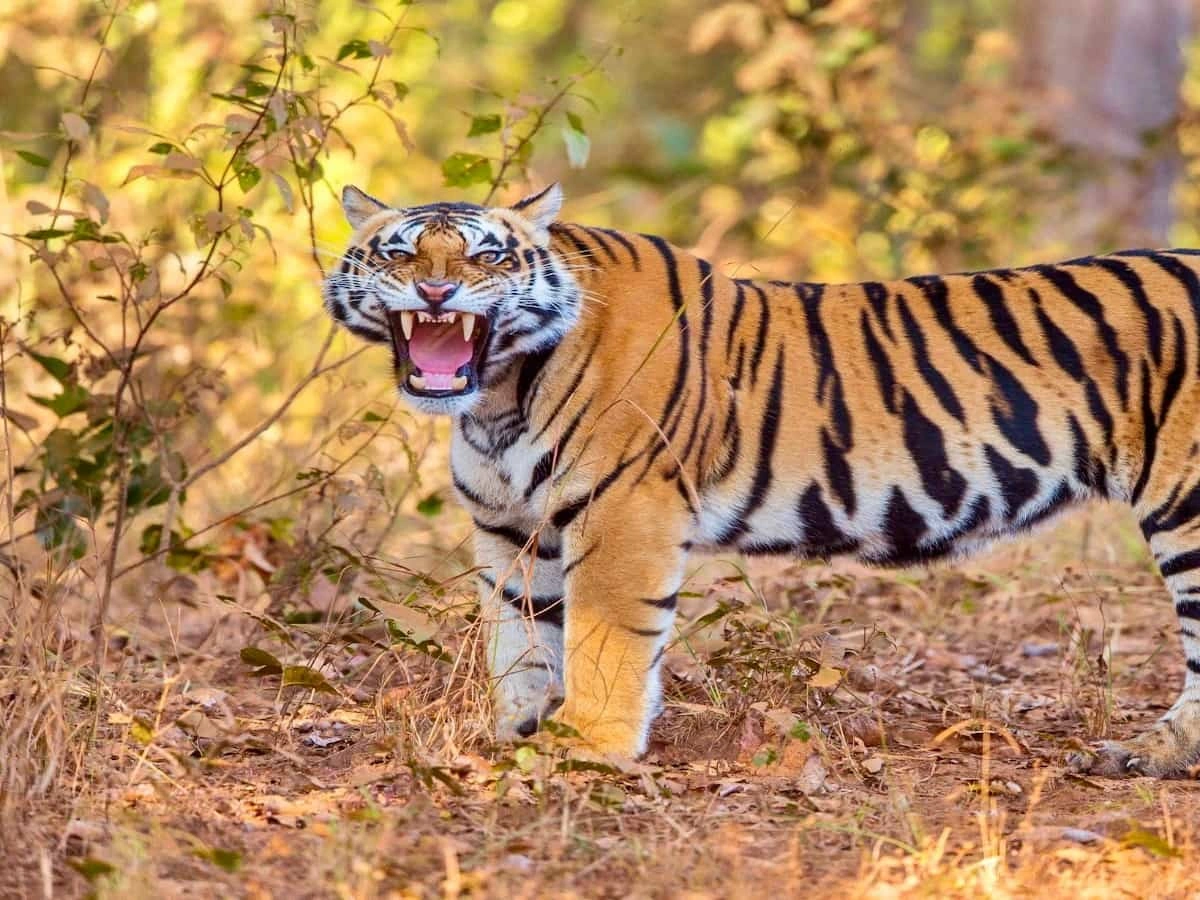
You're more likely to have a tiger sighting here than almost anywhere else in Nepal. The park has seen its Bengal tiger population grow steadily over the past decade, partly because it doesn't get overwhelmed with visitors. The Karnali and Babai rivers run through it, bringing in wildlife that depends on that water year-round.
A few reasons Bardia is worth the extra travel:
- Higher wildlife density, lower visitor numbers. Fewer people means animals behave more naturally.
- Real wilderness feeling. You're not on a tourist trail here.
- Strong tiger and rhino population. Both species have recovered well in recent years.
- Authentic local culture. The Tharu villages around the park have a culture and history worth understanding.
- River and jungle in one trip. The Karnali River adds a dimension most wildlife parks don't have.
Bardiya National Park versus Chitwan
Chitwan gets the visitors. Bardia gets the wildlife.
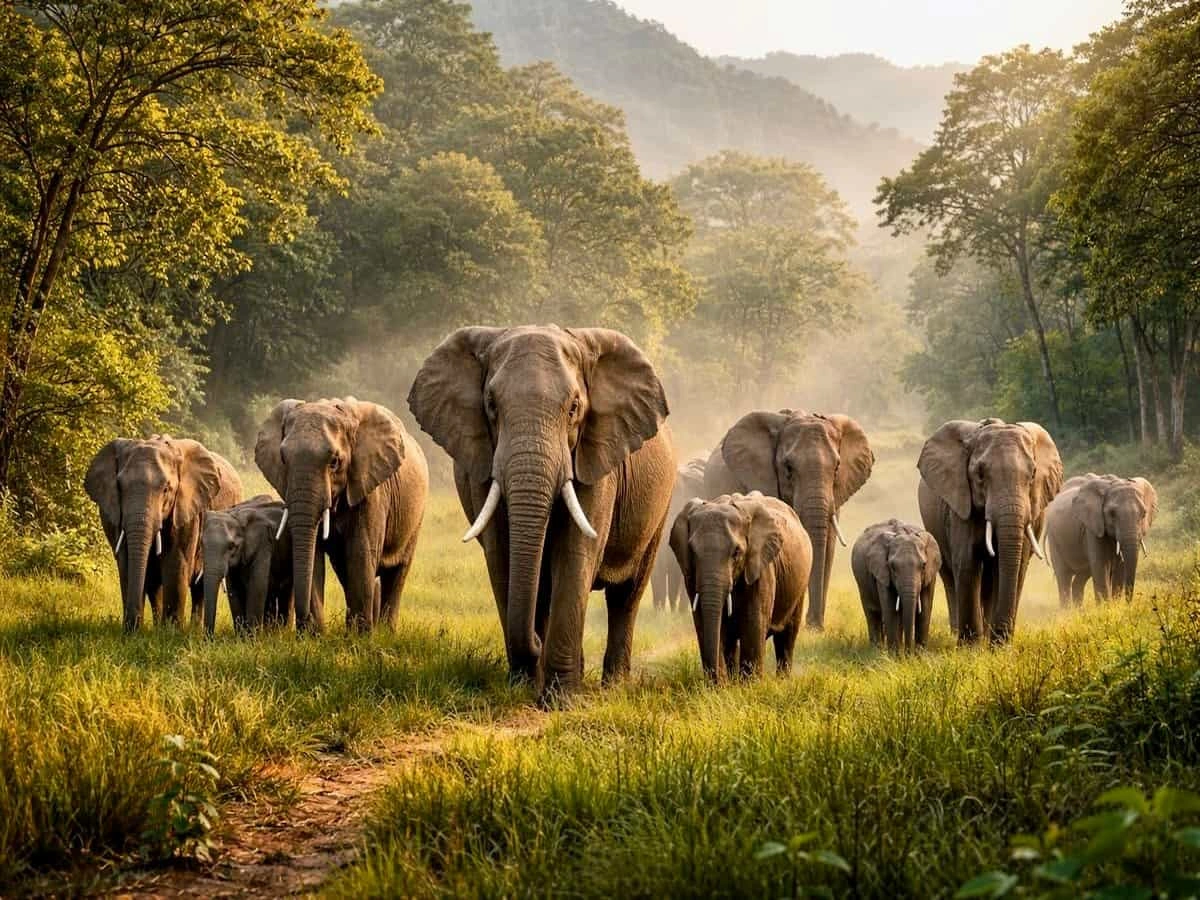
Chitwan National Park is in central Nepal and is easy to reach from Kathmandu or Pokhara. The infrastructure is polished, the lodges are comfortable, and the tourist trail is well-worn. You'll see rhinos. You'll probably see elephants. Tiger sightings happen, but the park gets heavy foot traffic, and the animals know it.
Bardia is different. It's a 12-hour drive or a short flight to Nepalgunj, then another two hours west. Most people don't bother, and that's exactly why the wildlife behaves the way it should. The tigers here are less habituated to humans. Sightings feel earned.
The numbers tell part of the story. Chitwan receives around 150,000 visitors a year. Bardia gets roughly 15,000. Same country, same species, one tenth the crowd.
Both parks have Bengal tigers, one-horned rhinos, wild elephants, and gharial crocodiles. Bardia also has Gangetic river dolphins in the Karnali, which Chitwan doesn't offer in the same way. Bardia's bird list runs over 570 species, with the critically endangered Bengal florican present in small numbers.
If you want comfort and convenience, Chitwan is the easier choice. If you want a genuine wilderness experience with a real shot at seeing a tiger on its own terms, Bardia is worth the extra travel. Holy Kailash Tours runs trips to both, and the difference between them is something guests notice immediately.
Neither park is better in an absolute sense. They just attract different kinds of travelers.
Things to Do in Bardiya National Park
Jungle Walk (On Foot Safari)
Walking through the forest with a trained naturalist guide is the best way to actually understand the jungle. You move slowly. You stop a lot. You learn to read animal tracks, listen for alarm calls, and notice things you'd blow past in a jeep.
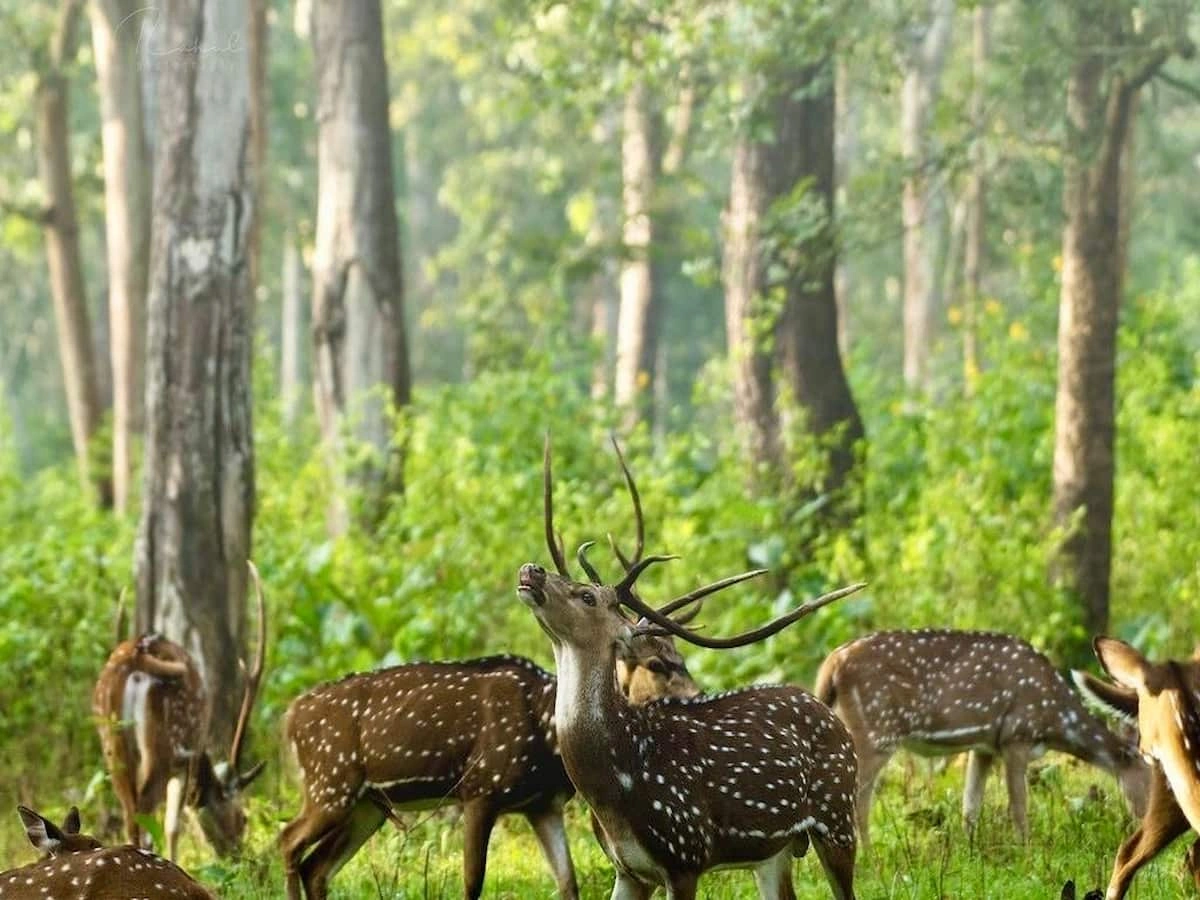
You won't always see the big animals on foot, but you'll have encounters that feel more real. A herd of deer crossing a dry riverbed. A monitor lizard disappears into the grass. Fresh tiger pugmarks in the mud. It's slow-paced on purpose.
Jeep Safari
The jeep gets you deeper into the park faster, which matters for covering ground in the grassland zones where rhinos and elephants tend to move. Early morning is the best time: animals are active, the light is good, and the heat hasn't set in yet.
Guides sit up front and scan constantly. If something's spotted, the jeep stops, and you wait. Some of the best wildlife moments happen when you just sit still and let the animal do what it's doing.
River Boating and Rafting
The Karnali River forms the park's northern boundary, and a float trip on it is one of Nepal's underrated experiences. You drift through jungle corridors, scan the banks for mugger crocodiles, and watch Gangetic river dolphins (yes, freshwater dolphins) surface around the boat.
It's not white-water rafting. It's a calm float, and that's the point. The river gives you an angle on the forest that you can't get on land.
Birdwatching
Bardia has over 570 recorded bird species. That number alone gets serious birders interested, and the variety is hard to match anywhere in the region. The park has Bengal floricans, which are critically endangered and incredibly hard to find outside a handful of places in South Asia. You'll also see:
- Giant hornbills
- Sarus cranes
- Pied kingfishers
- Various raptors, including ospreys and eagles
- Migratory waterfowl in winter
- Bring binoculars. This is one of those places where you'll regret not having them.
Elephant Breeding Center
The Bardia Elephant Breeding Center near Thakurdwara offers visitors a glimpse of how Nepal manages its domestic elephant population and supports breeding programs. You can watch the elephants at close range during bath time, and guides explain the history of elephant conservation in the Terai.
This is not a ride facility. The center focuses on elephant welfare and education, which is the right approach.
Crocodile Breeding Center
The Gharial Conservation and Breeding Center at Bardia raises one of the world's most endangered crocodilian species. Gharials are fish-eating crocodilians with long, narrow snouts, and they nearly disappeared from Nepal's rivers in the 20th century. The breeding program has helped populations recover.
It's a short visit but genuinely interesting. Seeing a juvenile gharial up close makes the conservation work feel concrete.
Trip Highlights
- Chance to spot Bengal tigers in their natural habitat
- One-horned rhinos, wild elephants, and Gangetic dolphins
- Over 570 bird species, including endangered Bengal floricans
- Karnali River float with wildlife on the banks
- Tharu cultural village experience
- Elephant Breeding Center and Gharial Conservation visit
- Small group format with expert naturalist guides
- Far western Nepal, away from mainstream tourist routes