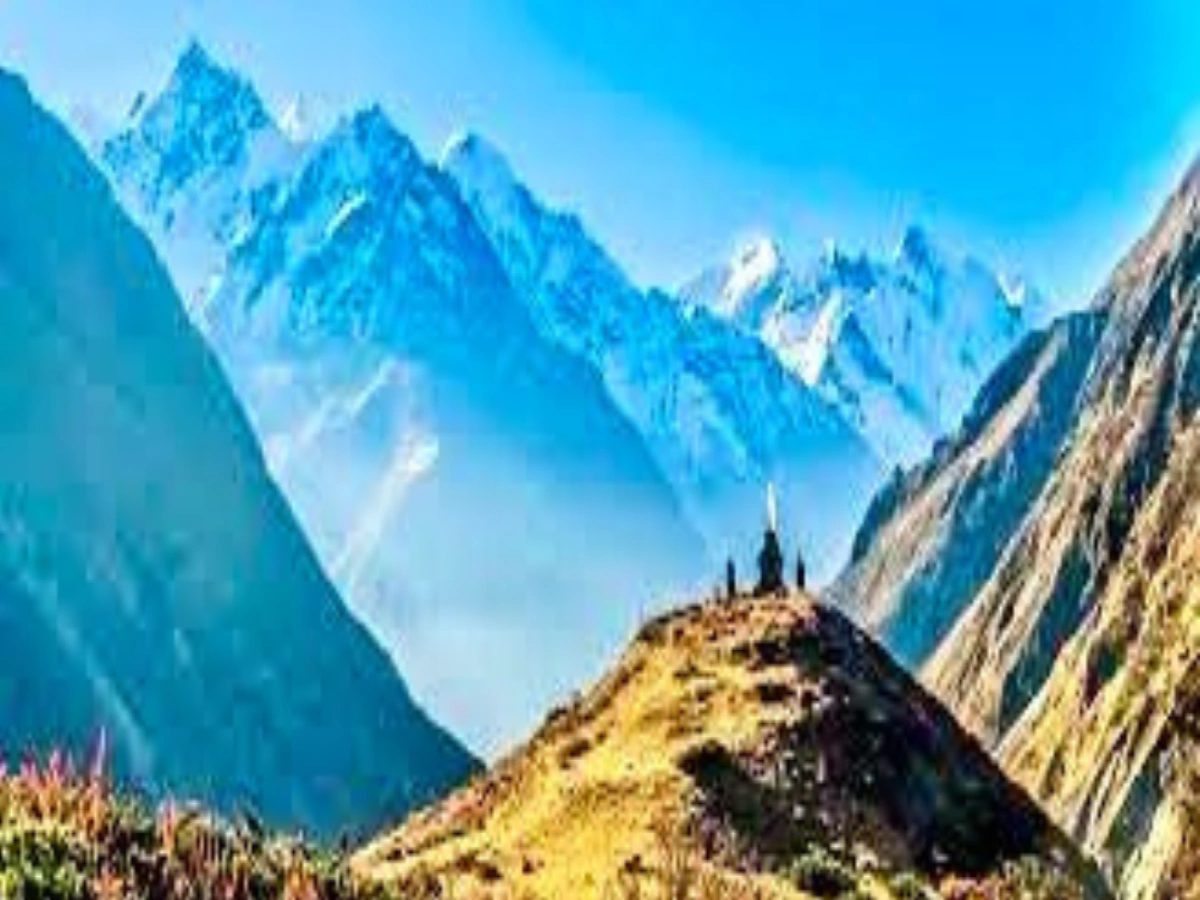

Deep in the northern folds of the Gorkha district, nestled against the Tibetan border, lies a valley so secluded and spiritually charged that it remained closed to the outside world until 2008. This is the Tsum Valley, a Beyul—a sacred, hidden valley blessed by the Buddhist saint Milarepa for meditation and refuge. For the intrepid trekker seeking a path less traveled, far from the bustling trails of Everest and Annapurna, the Tsum Valley offers an unparalleled journey into pristine Himalayan wilderness and living Tibetan Buddhist culture. At Holy Kailash Tour Pvt. Ltd., we specialize in guiding profound journeys like this, where adventure meets spirituality.
What is the Tsum Valley Trek? Understanding the Journey
The Tsum Valley Trek is a remote and culturally immersive hiking circuit that branches off from the lower sections of the Manaslu Circuit. Unlike its more famous neighbors, Tsum is not about a single towering peak but about the valley itself—a sanctuary of peace, ancient monasteries, and communities that have preserved a way of life unchanged for centuries. The trek involves ascending the Shiar Khola River into the heart of the valley, visiting ancient gompas, exploring meditation caves, and interacting with the warm-hearted Tsumbas people before looping back to join the main trail to the Larkya La Pass or returning the way you came.
Why is Tsum Valley considered a sacred "hidden valley"?
In Tibetan Buddhist tradition, a Beyul is a Himalayan sanctuary designated by Padmasambhava (Guru Rinpoche) as a place of spiritual refuge and treasures (termas). Tsum Valley is revered as one of these. The entire landscape is imbued with sanctity. Massive mani walls—some over a kilometer long—line the trails, carved stones proclaim the mantra Om Mane Padme Hum, and prayer flags flutter from every pass and rooftop. This profound spirituality is palpable in the air, making the trek less of a physical challenge and more of a walking pilgrimage.
Key Highlights and Unique Experiences on the Tsum Valley Trail
- Mu Gompa (4,100m): The valley’s largest and most important monastery, perched dramatically on a hillside, housing ancient scriptures and offering a glimpse into monastic life.
- Milarepa’s Caves (Piren Phu & Nunnery Cave): Visit the sacred caves where the 11th-century poet-saint Milarepa is believed to have meditated, sites of deep reverence and stunning views.
- Rachen Gompa (Nunnery): A vibrant nunnery in the village of Chhule, home to a large community of nuns and adorned with intricate murals and statues.
- The Ancient Villages of Chhokangparo, Nile & Chule: Wander through stone-built villages where traditional Tibetan architecture, language, and customs are meticulously preserved.
- The Himalayan Panoramas: While not focused on a single peak, the valley offers staggering views of the Ganesh Himal range (including Buddha Himal and Himalchuli) and the bordering mountains of Tibet.
- Cultural Immersion: Experience genuine hospitality in basic teahouses, witness daily rituals, and observe a culture that has remained untouched by mass tourism.
Best Time to Visit Tsum Valley: Seasonal Guide
The ideal trekking windows align with Nepal’s primary seasons:
- Autumn (September to November): This is the peak and most recommended season. The skies are crystal clear, offering magnificent mountain views. The weather is stable, with mild days and cold nights. Post-harvest, the villages are active, and major festivals like the Tsum Valley Festival often occur during this time.
- Spring (March to May): The second-best season, characterized by warmer temperatures, blooming rhododendron forests at lower elevations, and vibrant landscapes. There is a higher chance of afternoon cloud buildup and the occasional pre-monsoon shower.
- Winter (December to February): Possible for experienced, cold-tolerant trekkers. Days can be sunny and clear, but nights are extremely cold, and higher passes may be snowbound, potentially blocking access to Mu Gompa. Many teahouses may be closed.
- Summer/Monsoon (June to August): Not recommended. Heavy rainfall makes trails slippery and leech-infested, cloud cover obscures views, and there is a high risk of landslides and flash floods.
Required Permits and Regulations for Tsum Valley
As a Restricted Area, Tsum Valley has strict permit requirements designed to protect its fragile culture and environment. All trekkers must be part of an organized group with a licensed guide. Holy Kailash Tour Pvt. Ltd. handles all permit logistics, which include:
- Tsum Valley Restricted Area Permit (RAP): The special permit for the Tsum Valley area itself. Cost varies by season.
- Manaslu Restricted Area Permit (RAP): Required as you must travel through the Manaslu Conservation Area to reach Tsum Valley.
- Manaslu Conservation Area Project (MCAP) Permit.
- Annapurna Conservation Area Permit (ACAP): Required if your itinerary exits via the Thorong La Pass or the Annapurna Circuit.
- Obtaining these permits requires working with a registered Nepali trekking agency like Holy Kailash Tour.
Physical Difficulty and Preparation Required
The Tsum Valley Trek is rated as moderate to challenging. While the daily walking hours (5-7 average) are similar to other treks, the remote nature, basic facilities, and significant altitude gain (up to 3,700m+ at Mu Gompa) increase the difficulty.
- Altitude: Proper acclimatization is non-negotiable. A well-paced itinerary with rest days is crucial.
- Trail Conditions: Expect a mix of well-defined paths, rocky trails, and steep ascents/descents. The remoteness means fewer facilities and no road access beyond a certain point.
- Preparation: You should have a good level of cardiovascular fitness. Prior multi-day trekking experience is highly beneficial. Training should include hiking with a loaded pack, stair climbing, and cardio exercises 2-3 months in advance.
Accommodation and Facilities on the Trail
Accommodation is in basic teahouses and homestays. These are family-run lodges offering simple twin-share rooms with wooden beds and thin mattresses. Toilets are usually shared Asian-style squat toilets. Dining halls are the social heart, warmed by a central stove.
- Food: Menus feature standard trekking fare: dal bhat (lentils and rice), noodles, pasta, soups, and pancakes. Supplies are limited and become more basic as you go higher.
- Amenities: Hot showers (often bucket-style) are available for an extra fee in lower villages, but are scarce higher up. Electricity for charging devices is available in dining halls, typically for a fee via solar systems. Wi-Fi is virtually non-existent in the inner valley—embrace the digital detox.
Combining Tsum Valley with the Manaslu Circuit
The most popular and rewarding itinerary combines Tsum Valley with the classic Manaslu Circuit Trek. This creates an epic 18-21 day journey that offers the best of both worlds: the deep cultural immersion of Tsum and the spectacular high-mountain scenery and pass crossing (Larkya La) of the Manaslu Circuit. This combination is logistically efficient and is considered one of Nepal's most complete and fulfilling trekking experiences. Holy Kailash Tour offers expertly curated combined itineraries with optimal acclimatization schedules.
Why Choose Holy Kailash Tour for Your Tsum Valley Adventure?
- Trekking to Tsum Valley is not a standard tour; it’s an expedition into a fragile and sacred region. Holy Kailash Tour Pvt. Ltd. brings essential expertise:
- Cultural Respect & Sensitivity: Our guides are trained to facilitate meaningful and respectful interactions with local communities, ensuring your visit is positive for both you and the Tsumba people.
- Logistical Mastery: We manage all complex permits, transportation, and accommodations seamlessly in a region where logistics are challenging.
- Expert Local Guides: Our guides are not just navigators but cultural ambassadors with deep knowledge of the valley’s history, religion, and traditions.
- Commitment to Safety: We prioritize acclimatization, carry comprehensive first-aid and emergency oxygen, and have established protocols for remote-area emergencies.
- Sustainable Practices: We advocate for Leave No Trace principles and work with teahouses that practice ethical tourism, ensuring our footprint supports conservation.
The Tsum Valley Trek is not for the luxury seeker or the casual hiker. It is for the spiritually curious, the culturally engaged traveler, and the adventurer who finds beauty in authenticity over comfort. It rewards patience, respect, and an open heart with an experience that is as transformative as it is beautiful. If you are ready to walk ancient trails, connect with a timeless culture, and discover one of the Himalayas' last true hidden gems, then the sacred Tsum Valley is calling.
Ready to embark on your journey to the sacred Tsum Valley? Contact Holy Kailash Tour Pvt. Ltd. today to book your 2024/25 trek or request a detailed custom itinerary.
Highlights of the Tsum Valley Trek
- Explore "The Hidden Valley": Journey into the sacred Tsum Valley, a remote Himalayan sanctuary closed to foreigners until 2008.
- Authentic Tibetan Buddhist Culture: Experience the unique culture of the Tsumbas, who practice pure Tibetan Buddhism with ancient monasteries, mani walls, and chortens at every turn.
- Visit Milarepa's Caves: Trek to the legendary meditation caves of the 11th-century Buddhist saint, Milarepa, at Piren Phu and Nunnery Gumba.
- Ancient Trails & Traditional Villages: Walk on centuries-old trade routes to Tibet and stay in stone villages like Chhokangparo, Nile, and Chule, where the traditional lifestyle remains largely unchanged.
- Stunning & Secluded Valleys: Enjoy the pristine beauty of the Shiar Khola and Siyar Khola valleys, far from the main trekking crowds.
- Spiritual & Cultural Immersion: Witness daily rituals, interact with monks and nuns, and feel the profound peace of this "Beyul" (hidden valley).