

The Langtang Gosaikunda Lake Trek is one of Nepal’s most rewarding Himalayan journeys, combining dramatic mountain scenery, rich cultural encounters, and deep spiritual significance. Located north of Kathmandu in the Langtang Region, this trek takes you through traditional Tamang villages, lush forests, high alpine landscapes, and finally to the sacred Langtang Valley and Gosaikunda Lakes, a group of pristine glacial lakes revered by both Hindus and Buddhists.
What makes this trek special is its perfect balance. It is challenging yet achievable, remote yet accessible, and adventurous while still deeply cultural. The trail offers breathtaking views of snow-capped peaks, peaceful forests, and high-altitude lakes set against a dramatic Himalayan backdrop. For trekkers seeking an authentic experience away from crowded routes, the Langtang Gosaikunda Lake Trek is an excellent choice.
Trek Overview and Highlights
The trek typically begins from Syabrubesi or Dhunche after a scenic drive from Kathmandu. From the very first days, trekkers are immersed in a world of waterfalls, deep valleys, suspension bridges, and terraced hillsides. As the trail climbs higher, dense forests of oak, pine, and rhododendron dominate the landscape, creating a peaceful and refreshing atmosphere.
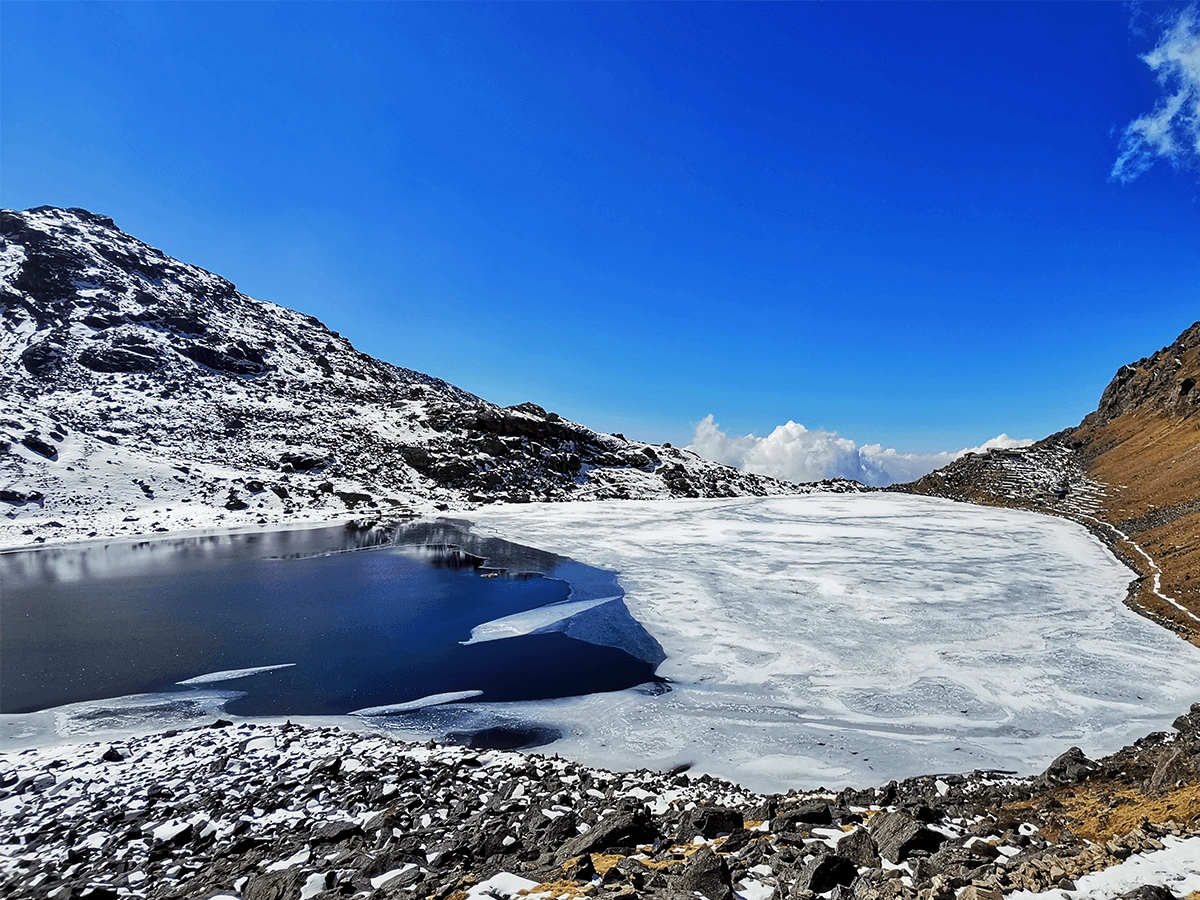
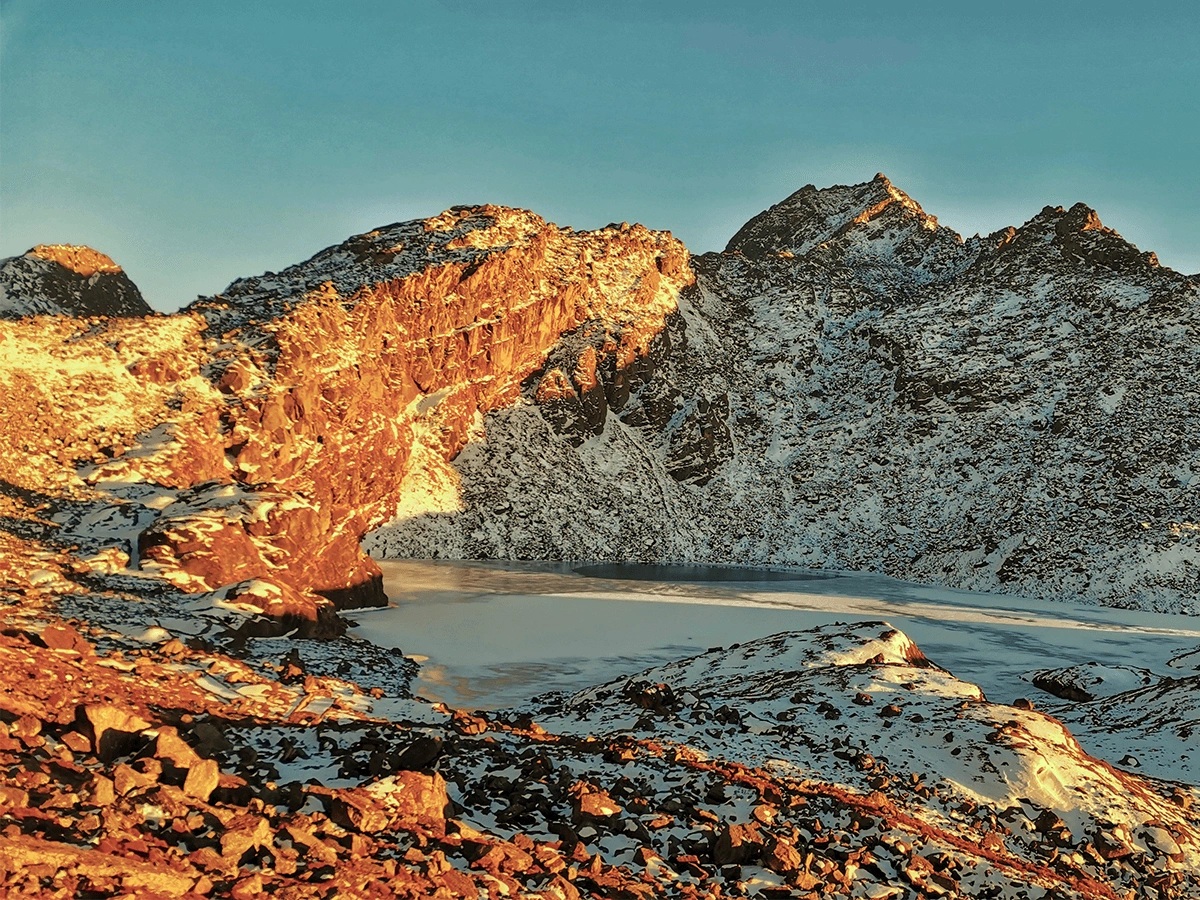
The highlight of the trek is reaching Gosaikunda Lake (4,380 m), a sacred alpine lake believed to have been created by Lord Shiva. Surrounded by rugged mountains and often partially frozen, the lake radiates a powerful sense of calm and spirituality. Pilgrims from across Nepal and India visit the lake, especially during the Janai Purnima festival, adding cultural depth to the journey.
Natural Beauty and Landscape
The Langtang Gosaikunda Lake Trek offers remarkable landscape diversity within a relatively short distance. Lower elevations are rich in greenery, flowing rivers, and fertile farmland. As you ascend, the vegetation gradually thins, giving way to alpine shrubs, rocky trails, and open mountain terrain.
Langtang National Park protects this region and is home to diverse wildlife, including red pandas, Himalayan black bears, langur monkeys, musk deer, and numerous bird species. The changing scenery—from subtropical forests to high-altitude lakes—keeps the trek visually engaging throughout.
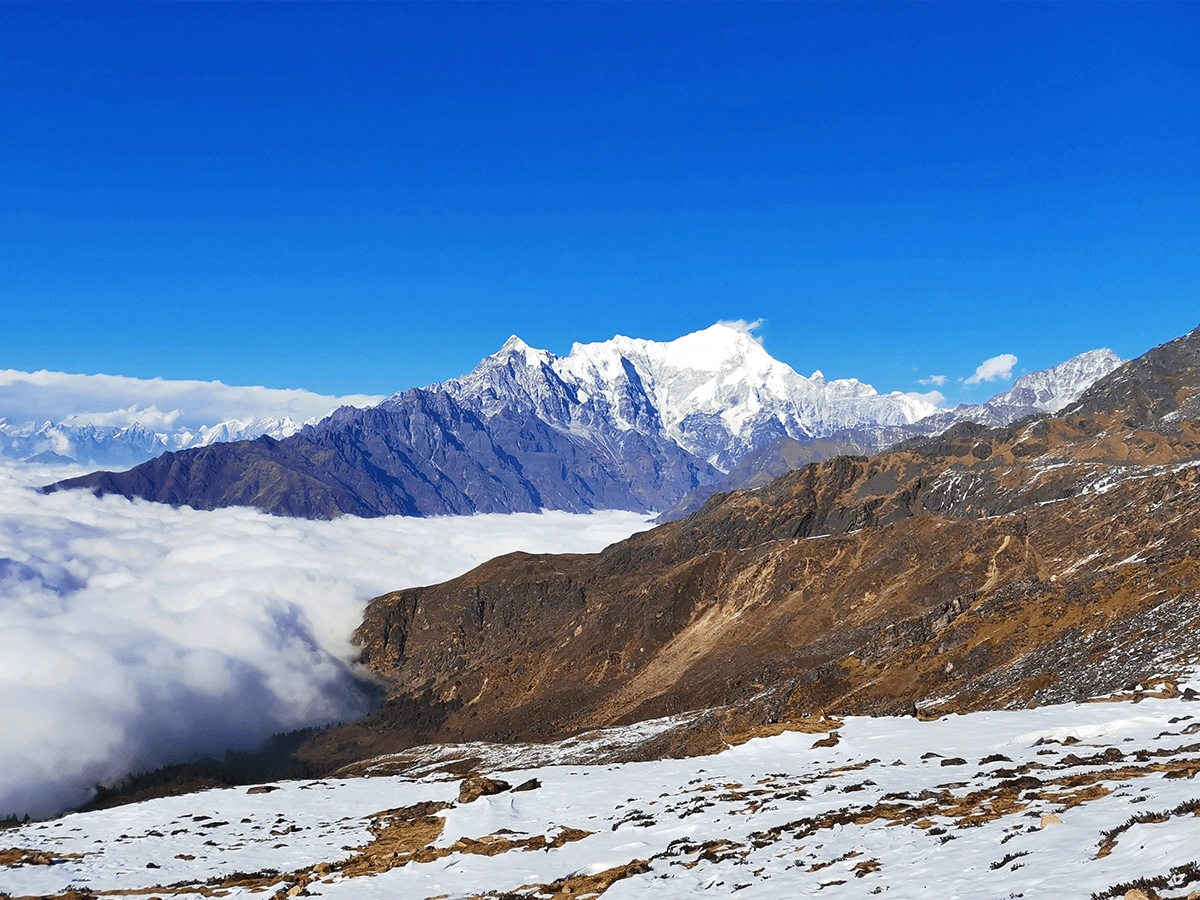
At higher elevations, trekkers are rewarded with stunning views of peaks such as Langtang Lirung, Ganesh Himal, Dorje Lakpa, and other Himalayan giants. The dramatic contrast between the deep valleys below and the snow-covered mountains above creates unforgettable moments along the trail.
Cultural Experience and Local Communities
The trek passes through villages inhabited mainly by the Tamang people, whose culture is closely tied to Tibetan Buddhism. Stone houses, prayer flags, mani walls, and monasteries reflect a way of life shaped by the mountains and centuries-old traditions.
Villages such as Dhunche, Sing Gompa (Chandanbari), and Lauribina offer warm hospitality and insight into rural Himalayan life. Trekkers often stay in local teahouses, where simple meals and heartfelt welcomes create meaningful connections with the local people.
The spiritual atmosphere becomes especially strong as you approach Gosaikunda. The presence of pilgrims, prayer flags, and sacred symbols adds a deep sense of reverence, making the trek not just a physical journey but a spiritual one as well.
Spiritual Significance of Gosaikunda Lake
Gosaikunda Lake holds immense religious importance. According to Hindu mythology, Lord Shiva struck the mountain with his trident to create the lake and drank its icy water to cool his throat after consuming poison. For Buddhists, the lake is equally sacred, associated with spiritual purification and meditation.
The lake remains frozen for much of the year, gradually melting during warmer months. Its crystal-clear waters, surrounded by rugged Himalayan terrain, create a powerful and serene environment that leaves a lasting impression on every visitor.
Difficulty Level and Preparation
The Langtang Gosaikunda Lake Trek is considered moderate to moderately challenging. While it does not require technical climbing skills, trekkers should be physically fit and comfortable walking for several hours a day at high altitude.
Proper acclimatization, steady pacing, and hydration are essential. Weather conditions can change rapidly, especially at higher elevations, so good preparation and appropriate gear are important for a safe and enjoyable trek.
Best Time to Trek
The best seasons for the Langtang Gosaikunda Lake trek are
- Spring (March to May): Clear skies, blooming rhododendrons, and pleasant temperatures
- Autumn (September to November): Stable weather and excellent mountain visibility
Winter trekking is possible but colder, with snow at higher elevations. Monsoon season brings lush greenery but also rain and cloud cover.
Accommodation and Facilities
Accommodation along the route is mainly in teahouses, offering basic but comfortable rooms and warm meals. Facilities become simpler as altitude increases, but the hospitality remains welcoming throughout the trek.
Electricity, hot showers, and internet may be limited in higher areas, allowing trekkers to disconnect and fully immerse themselves in the natural surroundings.
Why Choose the Langtang Gosaikunda Lake Trek
This trek is ideal for those seeking a combination of natural beauty, cultural richness, and spiritual depth. Its close proximity to Kathmandu makes it accessible, yet the trails remain peaceful and less crowded than more famous trekking routes.
The journey to Gosaikunda Lake offers not just stunning views but also a profound sense of tranquility and fulfillment. It is a trek that touches both the body and the soul.
Trip Highlights – Langtang Valley Gosaikunda Lake Trek
- Explore the beautiful Langtang Valley, known as the “Valley of Glaciers."
- Close-up views of Langtang Lirung, Ganesh Himal, Dorje Lakpa, and surrounding peaks
- Visit traditional Tamang villages with rich Tibetan-influenced culture
- Walk through Langtang National Park, home to diverse flora and fauna
- Trek to the sacred Gosaikunda Lake (4,380 m), revered by Hindus and Buddhists
- Cross the high mountain pass Lauribina La (4,610 m) with panoramic Himalayan views
- Experience varied landscapes from lush forests to alpine meadows
- Visit ancient monasteries, chortens, and prayer flag-lined trails
- Less crowded trekking route compared to Everest and Annapurna regions
- Ideal trek combining nature, culture, and spiritual significance