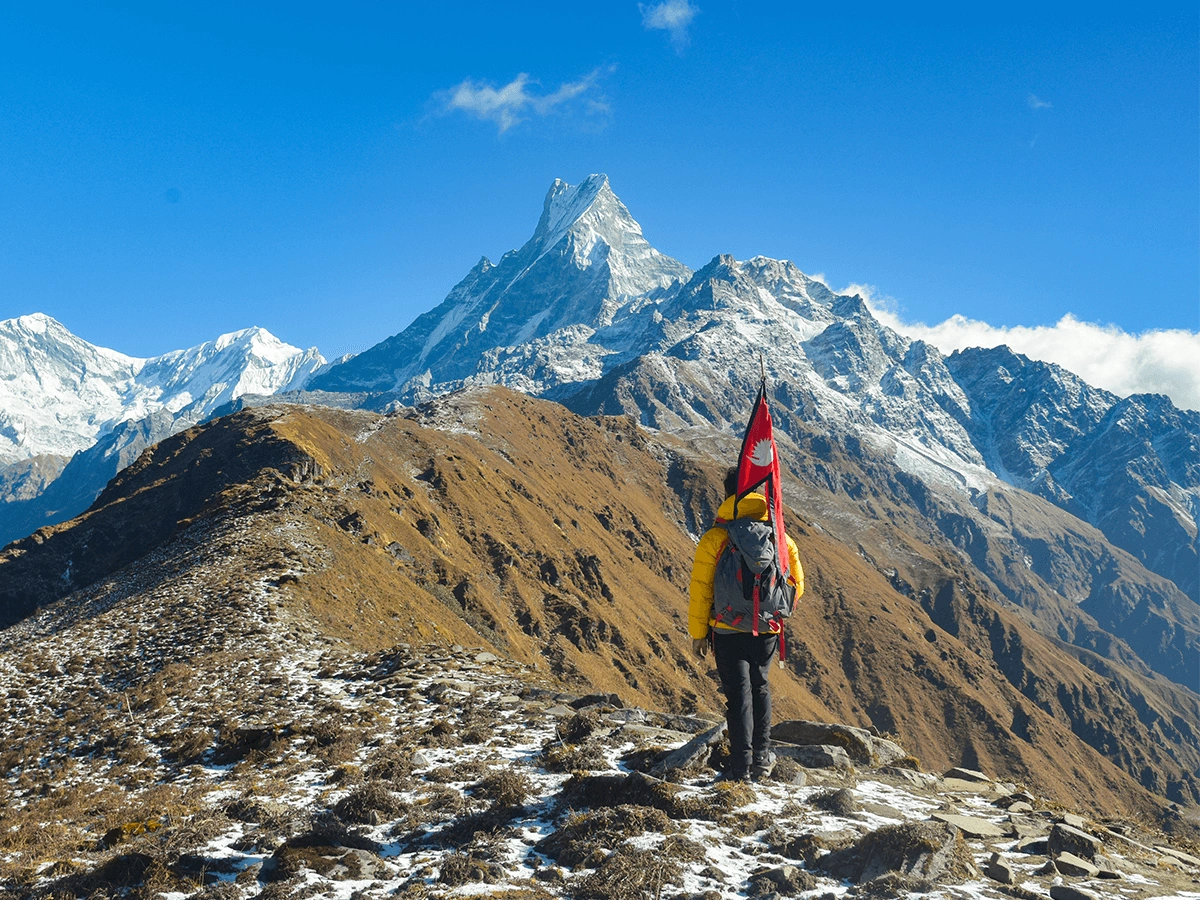
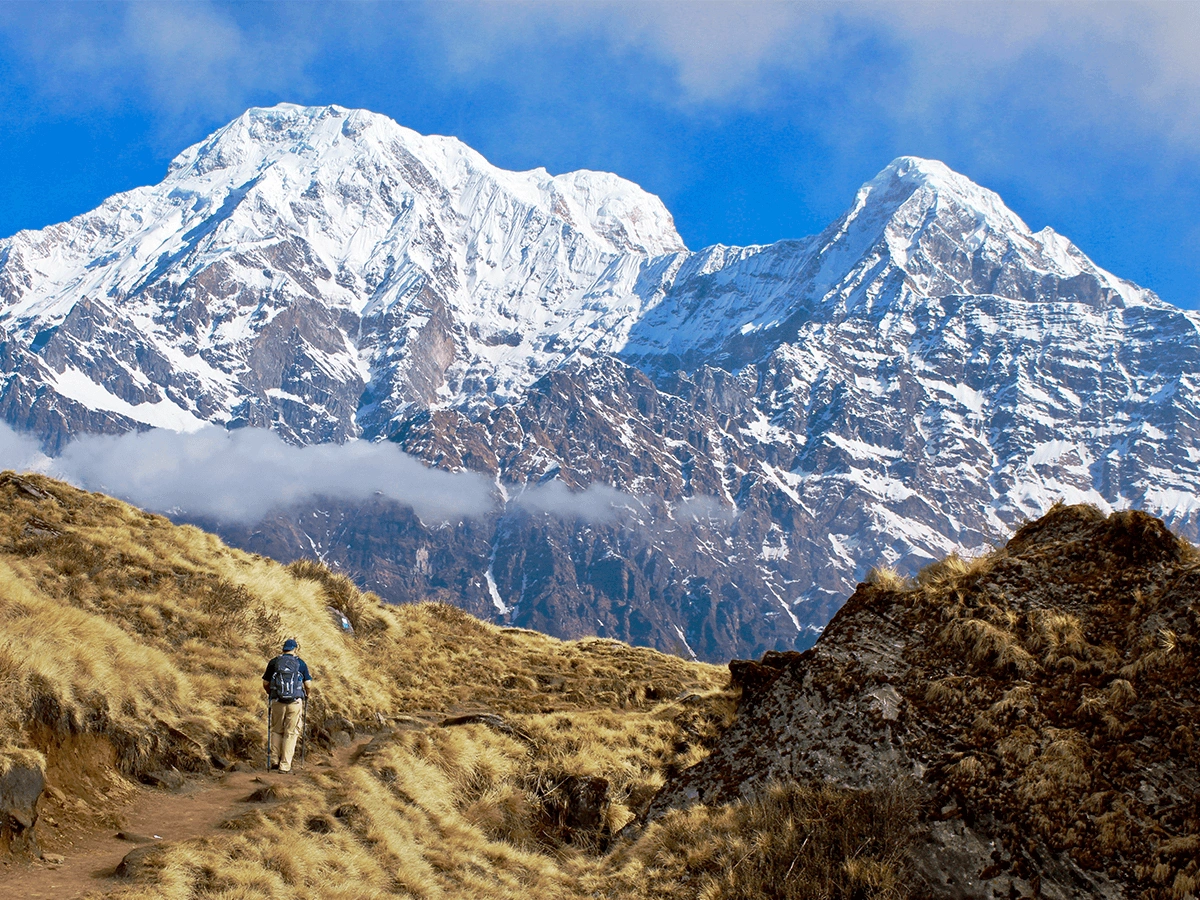
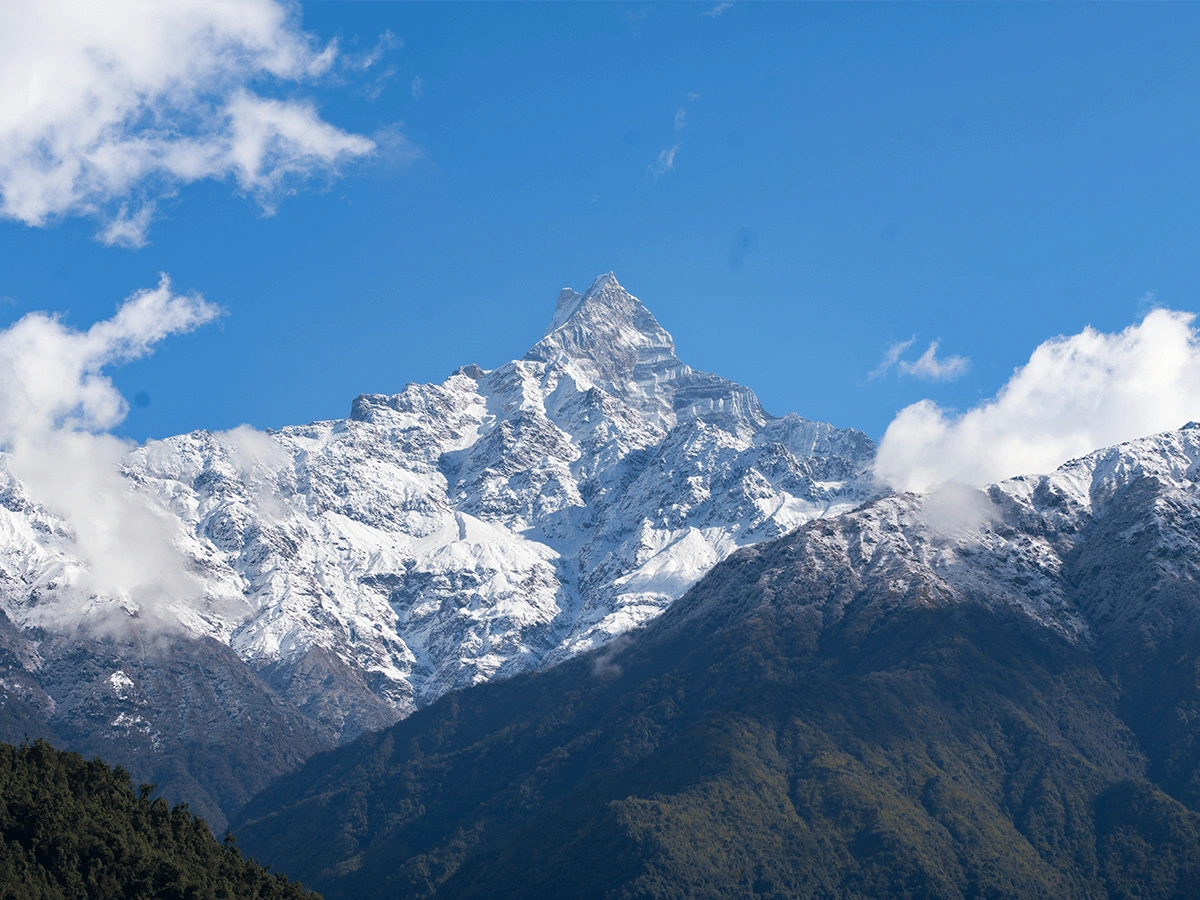
Mardi Himal Trek is the newest addition to an already enticing Annapurna trekking region. If you are searching for the best adventure inside the green, lush forests and a vantage point to get the dwarfed look of cascading hills, then choose Mardi Trek. In the heart of the Annapurna region, the trail offers breathtaking trekking experiences, from cultural to natural attractions. In addition, the trek is surely the most fascinating activity to witness the majestic scenery of Mt. Annapurna South and Mt. Machhapuchhre. Come and join the latest bandwagon of people wanting to leave their footprints in the trending trekking route of Nepal’s wonderful Annapurna Region.
Our travel planners have knitted the best trekking itinerary, which can be customized to meet your standards or preferences. 8 Days itinerary of the Mardi Himal Trek can be the best way to explore the tranquil zone up in the Himalayas in just a week’s vacation.
Why Choose the Mardi Himal Trek in the Annapurna Region
The Annapurna Base Camp Trek route, the Ghorepani Poon Hill Trek route, and the Annapurna Circuit Trek route are the cornerstones of the Nepalese trekking industry. Therefore, these trekking routes are usually crowded with trekkers from across the globe. The Nepal government and trekking authorities realized the need for new and diversified trekking trails. If you are looking for solitude in the wilderness and nature, then the Mardi Himal Trek is highly recommended.
Diverse vegetation from temperate deciduous to alpine meadows, diverse villages, and tranquil nature make it highly recommended. In addition, you get to reach the base camp of the mountain, standing loftily in front of magnificent mountains like the Annapurna South and Machhapuchhre. Therefore, it is highly recommended to collect the diverse attractions of Mother Nature and the grandeur of multi-ethnic culture.
Scenic Views and Himalayan Landscapes on Mardi Himal Trail
Almost all the trekking trails of the Annapurna region of Nepal are full of scenic views and Himalayan landscapes. Similarly, the Mardi Himal Trek route is also not an exception. Trekkers can relish the chance to witness the majestic scenery of mountains, including the world’s 10th-tallest, Annapurna I (8091 m). Over a dozen mountain vistas make this trail a blissful path to those seeking snowy mountains in their walking journey.
Besides the view of mountains, trekkers can also behold the mesmerizing scenery of cascading hills draped in green, lush rhododendron and oak forests. If it snows, then the sight becomes similar to that of a fairyland. Therefore, trekkers and trekking guides call this trail the most iconic and scenic route to spend a walking holiday.
Flora, Fauna, and Natural Beauty of the Mardi Himal Area
What makes the Mardi Himal Trek worth every penny spent on the trip? The answer is obvious. It is the presence of flora, fauna, and the natural beauty of the area. Inside the Annapurna Conservation Area, the trail traverses through blooming forests of rhododendron and oak trees. In fact, the region is known as the biggest forest area of more than 19 species of rhododendron. Similarly, the trail is also home to different wildlife and birds. You get to see the animals and birds like the Himalayan Monal, musk deer, blood pheasant, snow partridge, Himalayan marmot, langur, snow leopard, etc.
Cultural Experience and Local Villages Along the Route
The Majority of people living in the Mardi Himal Trek region are Gurung and Magar. These people are an indigenous community of Nepal who speak their own language and have their own traditions. Most of these people are known for their bravery as the Gurkha soldiers. They follow both Hinduism and Buddhism. Their unique folk instruments and songs echo through the valleys and hills of the region. Besides these people, in the lower elevation, you can find people from Brahmins, Chhetris, and Dalits. Therefore, the journey of the Mardi Himal Trek in Nepal is also a cultural excursion.
Accommodation and Meals During Mardi Himal Trek
Slowly, the Mardi Himal trekking trail is also becoming a commercial trekking route in Nepal. Therefore, trekkers don’t need to worry about the availability of quality tea houses and eateries. Please note that the trail has a limited number of tea houses and eateries. In fact, as you go to higher-elevation places, the number of such facilities decreases. Therefore, it is highly recommended that all trekkers hire a trekking guide from a reliable trekking company. Book the trek package with us and leave all the trip logistics to us to ensure safe and proper trekking experiences.
Best Time to Trek Mardi Himal
Choose the months of the spring and autumn seasons for smooth trekking experiences. However, the months of the winter season are also okay to trek in the Mardi Himal Trek route. The spring season (March – May), autumn season (September – November), and winter season (December – February) are ideal in terms of visibility and overall trekking experiences. Avoid the months of the monsoon season for the trek due to lower visibility and risks of heavy rainfall making the trail muddy and slippery.
Mardi Himal Trek Difficulty Level
The trail ascends, but it doesn’t have steep uphills except on the day of the hike to either Upper Viewpoint or Mardi Himal Base Camp. Even if there are less steep sections, you need to prepare well physically, as you have to walk for about 5 to 6 hours on average every day. Build up the physical fitness level and cardiovascular abilities to avoid any kinds of incidents like exhaustion and altitude sickness.
Why Book the Mardi Himal Trek with a Local Trekking Company
Always travel in Nepal with the locals. Yes, we deploy the local trekking and support crew members on our trekking trip. It ensures the safety and authentic information about the trekking trail. For a hassle-free trekking trip on one of the best trekking trails of the Annapurna region, choose the Holy Kailash Tour company. We will leave no stone unturned to serve you while you enjoy walking on the Mardi Himal trek route of Nepal.
Mardi Himal Trek Elevation Profile
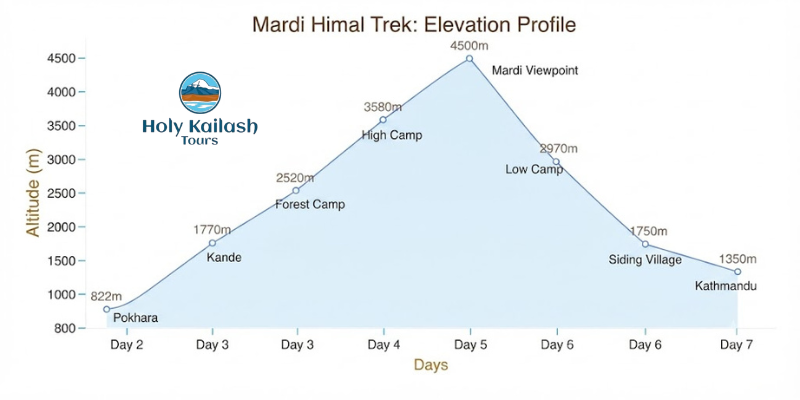
Elevation Summary Table
|
Day
|
Destination / Point
|
Elevation (m)
|
|
Day 2
|
Pokhara
|
822
|
|
Day 3
|
Kande
|
1,770
|
|
Day 3
|
Forest Camp
|
2,520
|
|
Day 4
|
High Camp
|
3,580
|
|
Day 5
|
Mardi Himal Viewpoint
|
4,500
|
|
Day 5
|
Low Camp
|
2,970
|
|
Day 6
|
Siding Village
|
1,750
|
|
Day 7
|
Kathmandu
|
1,350
|
Highlights of the Mardi Himal Trekking
- Spectacular close-up views of Machhapuchhre (Fishtail Mountain)
- Panoramic Himalayan vistas of Annapurna South, Hiunchuli, Gangapurna, and Mardi Himal
- Less crowded and peaceful trekking route compared to Annapurna Base Camp
- Scenic walk through dense rhododendron and oak forests
- Gradual ascent along a beautiful ridge trail with dramatic mountain scenery
- Sunrise and sunset views from Mardi Himal Viewpoint (4,600 m)
- Authentic teahouse trekking experience in remote mountain lodges
- Cultural encounters with Gurung and Magar villages
- Ideal short trek suitable for trekkers with limited time
- Excellent option for both beginners and experienced trekkers
- Diverse landscapes ranging from subtropical forests to alpine terrain
- Easily accessible trek starting from Pokhara, Nepal’s tourism hub