Ruby Valley Trek Overview
The Ruby Valley Trek is a 9-day homestay trek in Dhading District, north-central Nepal. It runs between Langtang National Park, Langtang Valley, and the Manaslu Conservation Area, through a region most trekkers never reach.
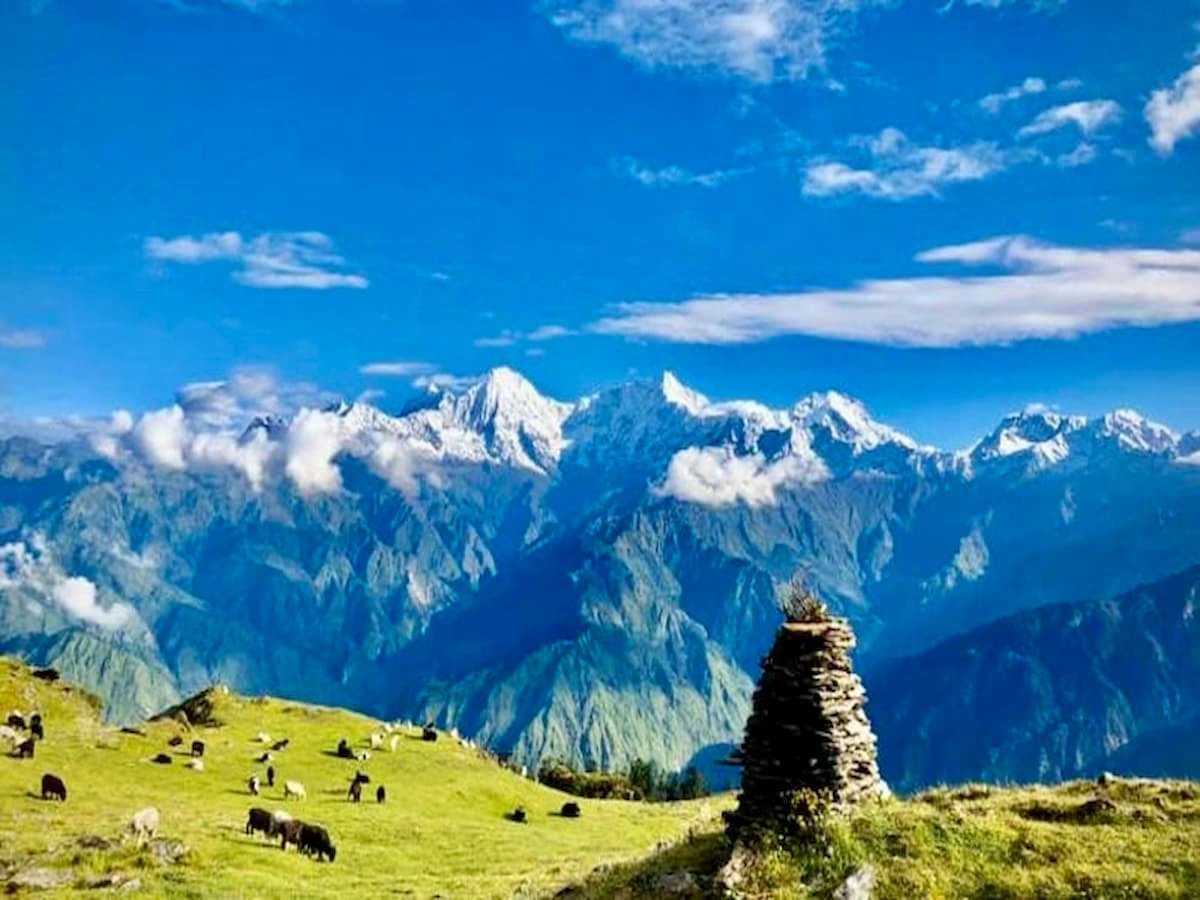
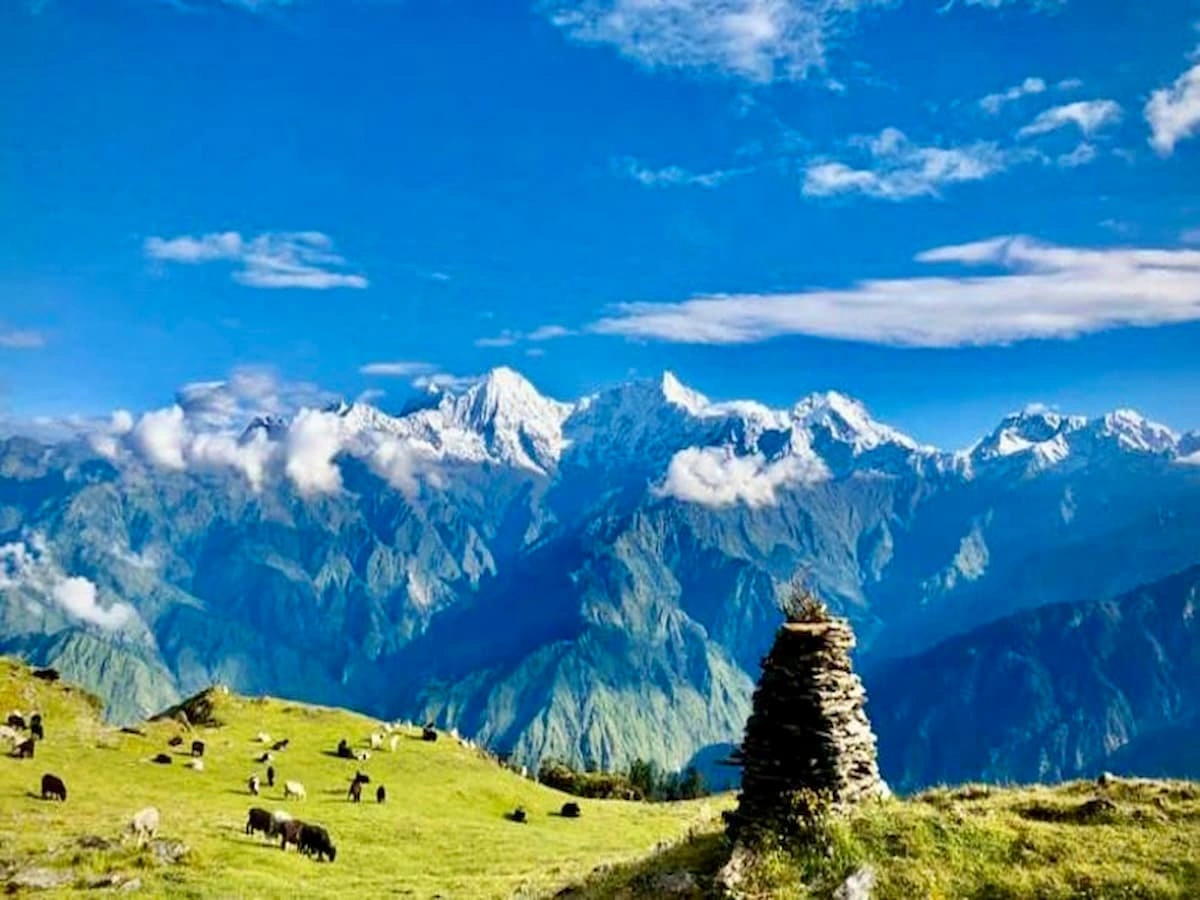
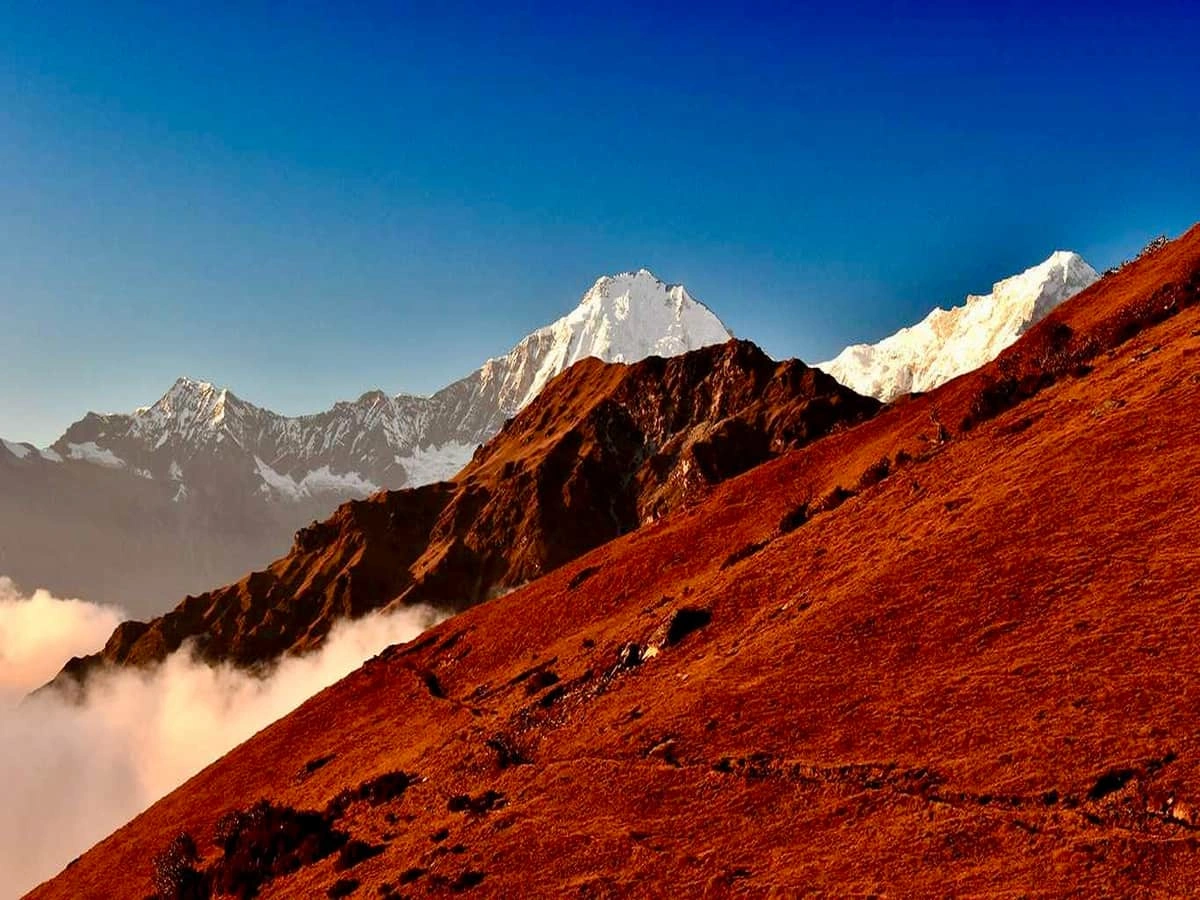
The trail passes through remote Tamang, Gurung, and Ghale villages, dense rhododendron forests, natural hot springs, and three high-altitude lakes near the base of Ganesh Himal. The high point is Pangsang La Pass at 3,850m, where the views stretch across four major Himalayan ranges.
What makes this trek different
- Homestay only: You stay with local families, not in teahouses. The food is home-cooked, the rooms are simple, and the experience is genuinely personal.
- Off the beaten path: No crowds, no queues, no tourist infrastructure. The route is still developing, which keeps it quiet.
- Cultural depth: Five ethnic communities live along this trail. Each village has its own architecture, food, and religious practice.
- Maximum altitude of 3,850m: Challenging but accessible to trekkers with moderate fitness and no prior high-altitude experience.
The trek starts with a bus and jeep ride from Kathmandu to Dundure Khola in Dhading and ends at Syabrubesi, the gateway town for Langtang. Total walking time runs 6 to 7 hours per day.
Holy Kailash Toursorganizes the full package, including permits, an experienced guide, porter support, and all meals. It's one of the most rewarding treks in Nepal for anyone willing to venture a little farther off the beaten path.
The Multivalue Hidden Treasure Valley
The Ruby Valley trek holds more than just good trekking. Tucked beneath the Ganesh Himal, the valley sits on a quiet wealth of natural resources. Three sacred lakes, Kalo Kunda, Seto Kunda, and Ganesh Kunda, feed the Ankhu Khola River below.
The surrounding hills contain ruby and zinc deposits, which give the valley its name. Rare Himalayan herbs grow across the higher slopes, including yarsagumba (caterpillar fungus), Nardostachys, wild asparagus, and Sanjivani Buti. Trekkers passing through with Holy Kailash Tours often say the valley feels like it's hiding something, and in a way, it always has been.
What Is the Ruby Valley Trek?
The Ruby Valley Trek sits between Langtang National Park and the Manaslu Conservation Area in north-central Nepal. The valley gets its name from the ruby and zinc deposits found in the surrounding hills near the Ganesh Himal base.
The trail starts at Dundure Khola in Dhading District (a short jeep ride from Dhading Besi) and ends at Syabrubesi, the gateway town for Langtang treks. You pass through:
- Traditional Tamang, Gurung, Ghale, and Newar villages
- Dense rhododendron and pine forests
- Natural hot springs near Chalishgaon
- Three glacial lakes: Kalo Kunda, Seto Kunda, and Ganesh Kunda
- Pangsang La Pass at 3,850m, the high point of the route
The entire route is a homestay trail, first developed by TAAN (Trekkers' Association of Nepal) in 2013. You stay with local families, not in hotels. That changes the experience completely.
Trek Facts at a Glance
Duration: 9 days
Max altitude: 3,850m (Pangsang La Pass)
Trek grade: Moderate
Daily walking time: 6-7 hours
Best seasons: September to January, March to August
Accommodation: Local homestays (lower sections), basic lodges (Somdang, Gatlang)
Mode of travel: Land
Best Time to Do the Ruby Valley Trek
Autumn (September to November) is the clearest season for mountain views and the most comfortable temperatures at altitude. The trails aren't crowded because most trekkers are on the more famous routes.
Spring (March to May) brings flowering rhododendrons on the forested sections between Borang and Chalish. The colors are worth seeing.
Winter (December to January) is cold at Pangsang Pass, but doable. Snow is possible. Trail traffic drops to almost nothing, which some people prefer.
The monsoon months (June to August) are wetter, but the valley stays green and lush. Leeches are active below 2,000m. Some trekkers enjoy the quiet.
Ruby Valley Trek Permits Required
The Ruby Valley trek itself is not inside a national park or conservation area, so no park permit is needed for the lower sections.
If you cross Pangsang La and continue to Syabrubesi (as in this 9-day itinerary), you enter the Langtang National Park zone and need:
- Langtang National Park Entry Permit
- TIMS Card (required for all trekking regions in Nepal)
Holy Kailash Tours will do both permits as part of the package.
Ruby Valley Trek Accommodation and Food
Homestays in the Ruby Valley trek are family homes, not guesthouses. Rooms are small and basic. They're clean. You share meals with the family and occasionally help with small tasks if you want to. That's part of the deal.
Typical food on the trek:
- Dal Bhat (rice, lentil soup, vegetable curry) - the standard and always filling
- Eggs prepared in various ways
- Chapati with vegetables
- Potatoes (fried, boiled, curried)
- Instant noodles
- Nepali tea, black coffee
At Somdang and Gatlang, you stay in basic lodges with slightly more menu options.
What Makes the Ruby Valley Unique?
Three things separate this trek from the popular Himalayan routes:
The lakes near the base camp of Ganesh Himal. Kalo Kunda, Seto Kunda, and Ganesh Kunda sit at high altitude near the base of Ganesh Himal. They feed the Ankhu Khola River. Not many trekkers visit them. The area also has deposits of valuable Himalayan herbs, including caterpillar fungus (yarsagumba), Nardostachys, and asparagus.
The ethnic and cultural diversity. In nine days, you pass through the villages of Brahmin, Tamang, Gurung, Ghale, and Dalit communities. Each village has different architecture, different religious practices (Buddhism-Bon Po, Hinduism, some Christianity), and different food. It doesn't feel repetitive.
The Pangsang La viewpoint. At 3,850m, the pass gives you a 360-degree look at Ganesh Himal I (7,422m), Ganesh II (7,118m), Ganesh III (7,043m), Ganesh IV (7,104m), the Langtang region range, and the Manaslu region. On a clear morning in October, it's one of the better mountain panoramas in the country.
Trip Highlights: Ruby Valley Trek
- Pangsang La Pass (3,850m): Wide views of Ganesh Himal, Langtang, Manaslu, and Annapurna from one ridgeline.
- Hot Springs at Chalishgaon: A genuine rest day soak in mineral-rich thermal springs that locals actually use.
- Three Sacred Alpine Lakes: Kalo Kunda, Seto Kunda, and Ganesh Kunda near Ganesh Himal base camp, are rarely visited.
- Homestay Living: Sleep and eat inside real Tamang and Gurung family homes, not tourist lodges.
- Gatlang Village: Stone houses, an ancient chorten, and weaving looms on the Tamang Heritage Trail.
- Ganesh Himal Views: The range stays visible for most of the trek, not just one quick summit shot.
- Five Ethnic Communities: Brahmin, Tamang, Gurung, Ghale, and Dalit villages, each with different food and traditions.
- Rare Wildlife and Herbs: Musk deer, Himalayan tahr, yarsagumba, and wild medicinal plants on the upper trail.
- Somdang Village: A quiet overnight stop near ancient copper mines and old Nepal-Tibet trade routes.
- No Crowds: Unlike Everest Base Camp or Annapurna, the Ruby Valley still feels undiscovered.