Muktinath Temple Trip Overview
The Muktinath Temple Tour is a 7-day journey that begins and ends in Kathmandu. Along the way, you pass through Pokhara, fly into the remote Mustang valley via Jomsom, and reach the sacred temple complex at Muktinath.
This is not a physically demanding expedition. The trek portion is minimal. Most travelers reach the temple by jeep or on horseback from Jomsom, and some choose the helicopter option for a faster, bird's-eye approach. But do not underestimate the altitude. At 3,800 meters, Muktinath sits high enough that even fit travelers can feel short of breath.
Key Facts at a Glance:
- Duration: 7 days
- Difficulty: Easy to moderate (mainly due to altitude, not trekking distance)
- Max Altitude: 3,800 m (Muktinath Temple)
- Start/End Point: Kathmandu
- Best Months: March to June, September to November
- Ideal For: Pilgrims, spiritual travelers, families, and first-time visitors to the Himalayas
Holy Kailash Tours has been organizing this route for years, handling everything from permits and transport to guide support and accommodation. The goal is to keep the journey smooth so you can focus on the experience, not the logistics.
Religious and Cultural Significance
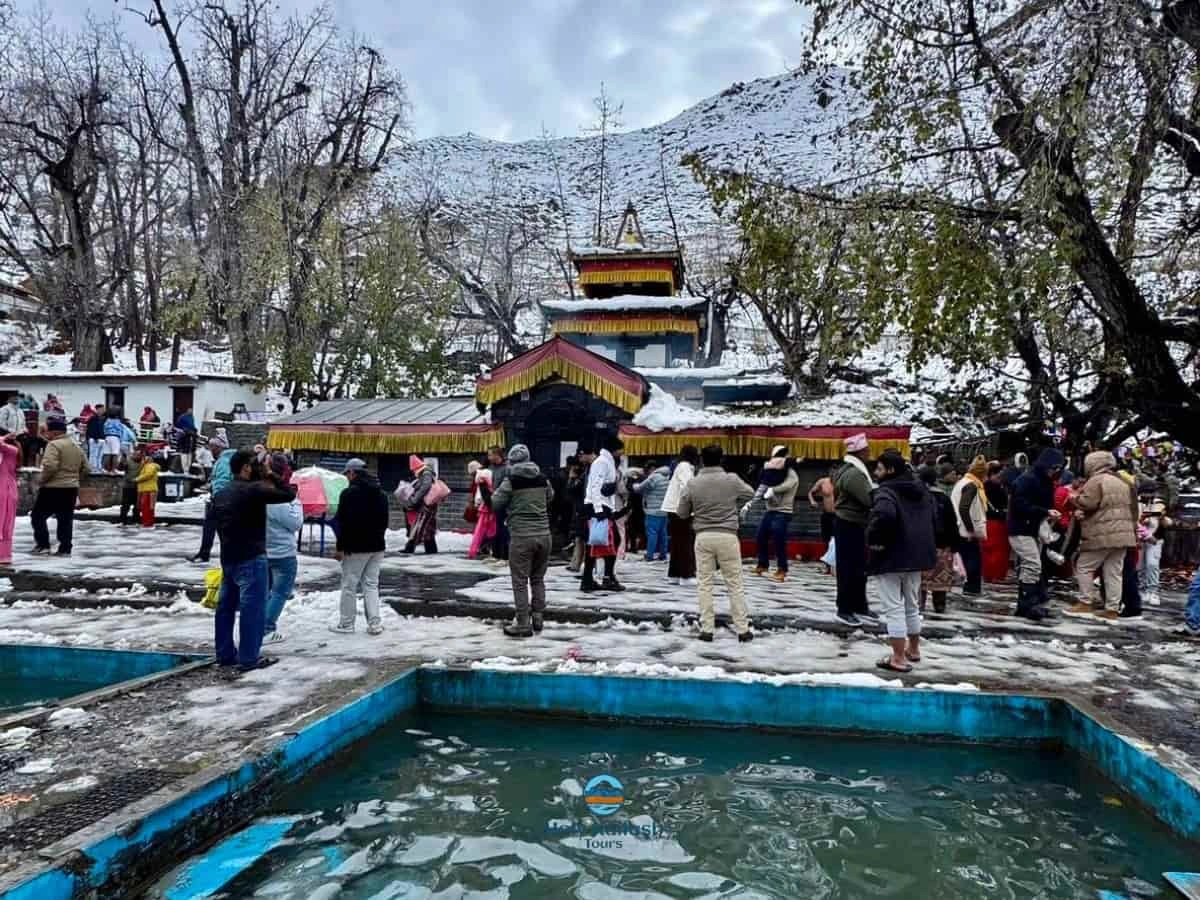
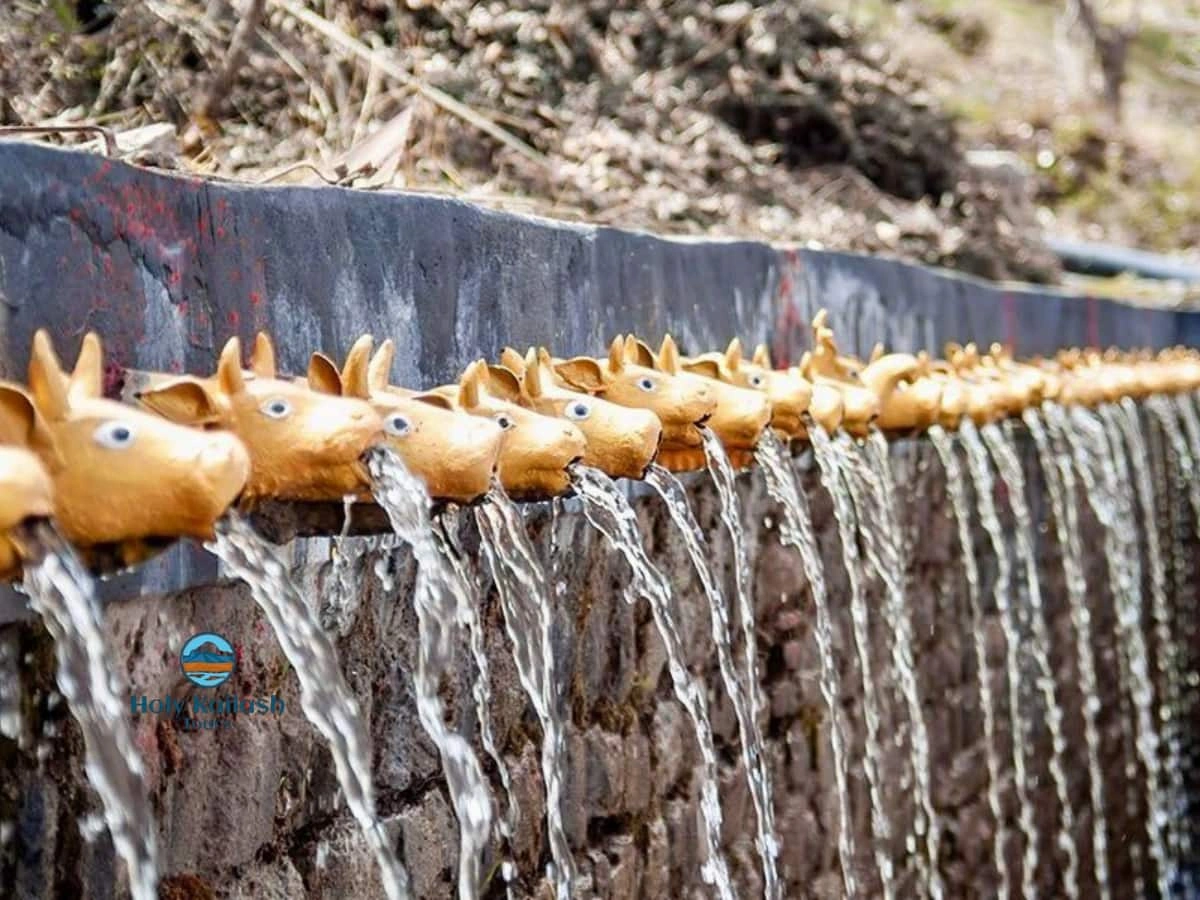
Muktinath is one of the 108 Divya Desams (sacred Vishnu temples) mentioned in the ancient Tamil scripture. The name means "Lord of Salvation" or "God of Moksha." In Hindu tradition, bathing in the 108 waterspouts of the temple complex, passing through the eternal flame of natural gas, and taking a dip in the sacred Muktidhara pool cleanses sins and frees the soul.
For Tibetan Buddhists, Muktinath is the site of Chumig Gyatsa, meaning "Hundred Waters." The Jwala Mai temple inside the complex, where fire burns from water and earth, is seen as a living miracle. Buddhist pilgrims from Tibet have crossed the high passes for centuries to reach this spot.
The cultural blend here is unlike almost anywhere else in Nepal. Tibetan Buddhism and Hindu Vaishnavism coexist in remarkable harmony. You see prayer flags flying beside temple bells. Monks walk past priests. It is ordinary for Muktinath, and extraordinary for everyone visiting.
Why this site holds weight:
- One of the most sacred Vishnu temples outside of India
- Recognized holy site in both Shaivism and Vaishnavism
- Among the 51 Shakti Peethas in some traditions
- A living pilgrimage destination, not a museum, with active rituals daily
- Connected to the ancient Silk Road and trade routes between Nepal and Tibet
Location and Accessibility
Muktinath is in the Mustang district of Gandaki Province, north of the Annapurna range. To the north, the landscape shifts into Tibetan plateau terrain. Brown cliffs, sparse vegetation, and dry wind replace the green valleys of lower Nepal.
Getting there requires some planning. There is no direct road from Kathmandu to Muktinath that most travelers use. The practical route goes from Kathmandu to Pokhara, then either a short flight or a long overland journey to Jomsom, and from Jomsom, a jeep ride to Muktinath (about 18 km, roughly 1.5 to 2 hours on a rocky mountain road).
The road from Jomsom to Muktinath winds through Kagbeni, a beautiful medieval-style village at the confluence of two rivers. Some travelers stop here for tea or a short walk before continuing up.
Key distance facts:
- Kathmandu to Pokhara: 200 km by road (6 to 7 hours) or 25 minutes by flight
- Pokhara to Jomsom: 25 minutes by flight
- Jomsom to Muktinath: 18 km by jeep (1.5 to 2 hours)
- Total elevation gain from Jomsom (2,720 m) to Muktinath (3,800 m): about 1,080 m
Muktinath Temple Tour by Helicopter Option
If time is limited or you want to reduce travel fatigue, the helicopter option is worth considering. Holy Kailash Tours offers helicopter tours to Muktinath that let you fly directly from Pokhara, spend time at the temple, and return the same day.
This is particularly popular with older pilgrims or those with mobility issues who still want the blessing of visiting the temple. The helicopter lands near the temple, so the walk to the complex is short and manageable.
What a helicopter tour looks like:
- Early morning departure from Pokhara airport
- 45 to 50 minutes of flying time with dramatic Himalayan views
- 2 to 3 hours at Muktinath for temple visits and rituals
- Return flight to Pokhara by midday
The aerial perspective of the Kali Gandaki gorge, one of the deepest gorges on earth, is something you cannot replicate from the ground. Mountain views of Dhaulagiri and Annapurna, both above 8,000 meters, come into full view on clear mornings.
Who should consider helicopter access:
- Elderly pilgrims who find long drives difficult
- Travelers with limited time (3 to 4 day Nepal itinerary)
- Anyone who wants a clear aerial view of the Himalayas
- Families with young children who may struggle with the road journey
The cost for helicopter tours is higher than the overland route, but for many pilgrims, the ease and speed are worth it. Holy Kailash Tours can arrange this with advance notice.
Best Time to Visit Muktinath Temple Tour
The temple is open year-round, but not every season is equally good for travel.
March to June (Spring): This is the most popular season. The weather is clear, the trails are accessible, and the rhododendron forests below Muktinath are in bloom. Temperatures at the temple range from -2°C to 15°C. Crowds are manageable early in spring but peak around May.
September to November (Autumn): The second-best season. Skies are clear after the monsoon. Views are sharp. Temperatures are similar to spring. This is also a major pilgrimage season, especially around Dashain and Tihar festivals.
December to February (Winter): Cold and sometimes snowy. Temperatures can drop well below 0°C at night. The road from Jomsom may be impassable at times. Fewer crowds, but travel requires more preparation. Not recommended for first-time visitors.
July to August (Monsoon): The Jomsom-Muktinath area lies in a rainshadow, meaning it receives less monsoon rainfall than the rest of Nepal. Travel is possible but roads can wash out. Flight cancellations from Pokhara to Jomsom are common. Best to avoid if flexibility is limited.
Note: Flights to Jomsom operate only in the early morning. Afternoon winds in the Kali Gandaki valley make flying dangerous, so airlines schedule all Jomsom flights before 10 AM. Arrive in Pokhara the night before your flight.
Planning Your Journey
Permits: You need two permits for Muktinath. The Annapurna Conservation Area Permit (ACAP) and the TIMS (Trekkers' Information Management System) card. If you are going into Upper Mustang (north of Kagbeni), you need a special Restricted Area Permit, which costs $500 for 10 days. Holy Kailash Tours handles permit arrangements as part of tour packages.
Altitude preparation: Muktinath is not an extreme altitude, but 3,800 m is high enough to cause headaches and fatigue if you go up too fast. The itinerary in this guide includes a reasonable pace. Drink plenty of water, avoid alcohol on the first day at elevation, and let your guide know if you feel unusually tired.
Physical fitness: You do not need to be a seasoned trekker. The jeep takes you most of the way. There is a short uphill walk through the temple complex (about 15-20 minutes on stone steps). Basic fitness is enough for most visitors.
What to pack for Muktinath:
- Warm layers (temperatures drop fast after sunset)
- Rain jacket or windproof shell
- Sunscreen and sunglasses (UV is intense at altitude)
- Good walking shoes or light hiking boots
- Water bottle (stay hydrated)
- Personal medication and basic first aid
- Cash (ATMs are not reliable above Pokhara)
Key Attractions Within the Temple Complex
The Muktinath temple complex covers a compact area, but there is a lot packed into it.
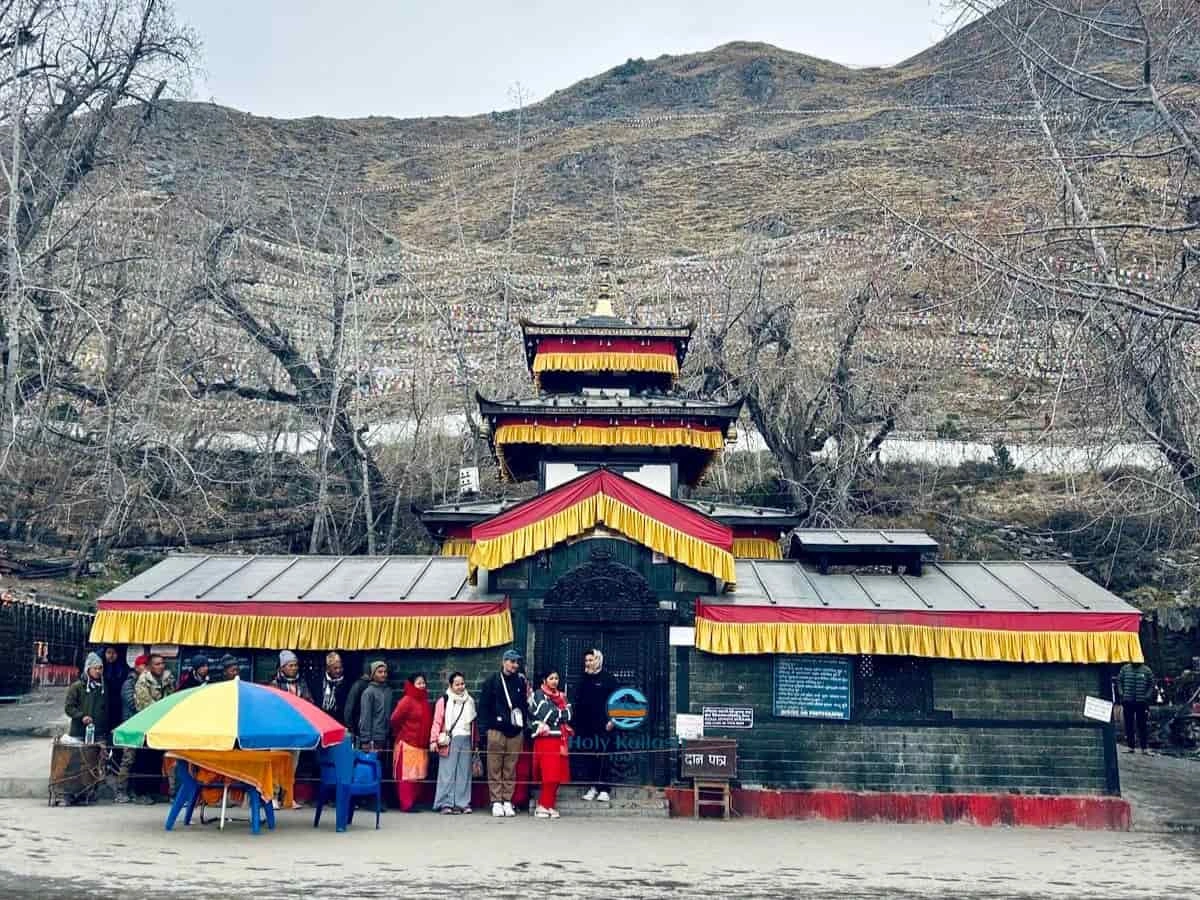
Muktinath Vishnu Temple (Main Shrine): A pagoda-style temple dedicated to Lord Vishnu. Pilgrims line up to enter and receive darshan (sacred viewing). The idol inside is dressed in traditional style, and priests perform morning and evening rituals.
108 Waterspouts (Muktidhara): A long wall of 108 bull-head spouts pours icy glacier water. Pilgrims walk through all 108 and bathe, believing it washes away sins and offers liberation. Be ready for cold water. The water temperature stays just above freezing even in summer.
Jwala Mai Temple (Fire and Water): This small Buddhist gompa (monastery) is one of the most unusual sights in Nepal. A natural gas flame burns from the earth, and water flows from the same ground. Fire and water in the same place. It is mentioned in ancient texts and has been burning for centuries.
Muktidhara Pool: A shallow, sacred pond near the temple where pilgrims take a ritual dip. Combined with the waterspouts, this is the heart of the purification ritual.
Saraswati Kund: A small lake near the complex is considered sacred. Less visited than the main temple, but worth a quiet moment.
Buddhist Monasteries: Two gompa complexes are within walking distance of the main temple. Both are active and in good condition. Monks are often present for morning prayers.
Rituals and Traditions to Experience
At Muktinath, participation is welcomed. You do not need to be Hindu or Buddhist to take part in the experience.
The 108 Spout Walk: Most pilgrims do this early in the morning, right after arrival. You walk along the wall, touch each spout, and let the water pour over you. Wear clothes you don't mind getting soaked. Many pilgrims carry a full change of clothing.
Aarati Ceremony: The evening aarati (lamp offering ritual) at the main temple is a moving experience. Bells ring, lamps circle the deity, and priests chant. If you're visiting around sunset, don't miss it.
Pradakshina (Circumambulation): Walking around the main temple complex clockwise is a traditional act of devotion. You can do this quietly at your own pace.
Offering Flowers and Diyas: Small oil lamps and flower garlands are sold near the entrance. Lighting a diya and placing it before the deity is a common offering.
Buddhist Prayer at Jwala Mai: Lighting incense, spinning prayer wheels, and sitting quietly in the Buddhist gompa are all open to visitors. Dress respectfully, remove shoes before entering.
Local Cuisine and Accommodation Options
The food scene around Muktinath is simple but good. Most lodges serve a mix of Nepali, Tibetan, and basic continental dishes.
What to eat:
- Dal Bhat: The standard Nepali meal. Lentil soup, rice, vegetables, and pickles. Most trekking lodges serve unlimited refills. It will keep you full at altitude.
- Thukpa: Tibetan noodle soup. Warm, filling, and good at high elevation.
- Momo: Steamed or fried dumplings. Available in most lodges.
- Tibetan bread with honey or jam: A simple, good breakfast.
- Apple products: The Mustang Valley is famous for apples. Apple juice, apple pie, and apple brandy are local specialties in Marpha village (on the way to Jomsom).
Where to stay:
Muktinath village has a decent number of teahouses and guesthouses. Rooms are simple, usually with twin beds, shared bathrooms, and a common dining area. Heating can be limited. Bring a sleeping bag liner for extra warmth.
For those doing the 7-day itinerary with Holy Kailash Tours, accommodation is arranged in advance at each stop. Pokhara stays are in proper hotels with attached bathrooms. Accommodations in Jomsom and Muktinath are clean, teahouse-style lodges suited to the high-altitude setting.
Tips for Pilgrims and Tourists
A few things that make a real difference:
- Arrive at Muktinath in the morning. Afternoon winds and the short daylight in winter mean mornings work best.
- The water from the 108 spouts is glacially cold. Prepare mentally for the shock if you plan to bathe fully.
- Carry small denomination Nepali rupees for offerings, entrance fees, and tips. Change is hard to find at altitude.
- Respect the religious atmosphere. Dress modestly, speak softly inside temple areas, and ask before photographing people.
- If you feel dizzy or have a headache, rest. Do not push through severe altitude symptoms. Descend if the guide recommends it.
- Photography is generally allowed in the complex grounds, but not always inside shrines. Check with your guide.
- Horse rides are available from Jomsom to Muktinath for those who prefer not to take the jeep or walk sections of the road.
Nearby Attractions and Extensions
Muktinath does not have to be the only stop in this part of Nepal.
Kagbeni Village: A medieval-looking village at the confluence of the Kali Gandaki and Jhong Khola rivers. Narrow alleyways, mud brick homes, and a 15th-century Buddhist monastery make it worth a short stop. It is also the entry checkpoint for Upper Mustang.
Marpha Village: Known as the apple capital of Nepal. Walk through the whitewashed stone village, try fresh apple products, and visit the local gompa. A 2-hour walk from Jomsom along the river.
Upper Mustang (Lo Manthang): If you have more time and budget, extend your trip to Lo Manthang, the ancient walled capital of the Kingdom of Mustang. This requires a special permit and adds 3 to 5 days. Holy Kailash Tours can arrange this extension.
Dhumba Lake: A small, quiet lake near Jomsom worth visiting in the afternoon.
Jomsom Bazaar: The main town of the Mustang district, with a mix of Nepali and Tibetan market culture. Good place to try local food and pick up souvenirs.
Muktinath Tour Transportation Options
By Road:
The drive from Kathmandu to Pokhara takes 6 to 7 hours by bus or private car along the Prithvi Highway. The road is paved but busy. From Pokhara, a road continues through Beni and Tatopani to Jomsom, but this route takes 8 to 10 hours and is rough. Most travelers skip this in favor of the flight.
From Jomsom to Muktinath, the jeep ride is the standard option. The road is unpaved, bumpy, and scenic. It crosses river beds and passes through Kagbeni. Budget about 2 hours each way.
By Flight:
Pokhara Valley to Jomsom is the most practical option. The 25-minute flight is one of the most scenic in the world. The plane hugs the Annapurna and Dhaulagiri ranges. The Jomsom airstrip sits in a valley, and landings feel dramatic. Flights operate in the early morning only due to wind conditions.
Pokhara can also be reached from Kathmandu by a 25-minute domestic flight. For a 7-day itinerary, flying from Kathmandu to Pokhara on Day 4 saves time for sightseeing.
Trip Highlights
- Aarati at Pashupatinath Temple in Kathmandu in the evening
- Manakamana Goddess Temple visit by cable car en route to Pokhara
- Early morning flight from Pokhara to Jomsom with aerial Himalayan views
- Jeep ride through Kagbeni and the Kali Gandaki valley
- Full darshan at Muktinath Temple complex (main shrine, 108 spouts, Jwala Mai)
- Pokhara sightseeing, including Phewa Lake and World Peace Stupa
- Kathmandu heritage tour including Boudhanath and Swayambhunath