Everest Base Camp Trek with Helicopter Return: Overview
Most people know Everest Base Camp as a destination. What few people realize is that the walk to get there is the whole point. The scenery, the culture, the altitude, the people you meet along the way: all of it adds up.
The Everest Base Camp Trek with Return Heli starts in Kathmandu. On Day 2, a short domestic flight takes you to Lukla, a mountain airstrip at 2,860 m, famous for one of the most dramatic approaches in aviation. From there, the trail threads north through forests, river valleys, and increasingly thin air.
You'll spend a full acclimatization day in Namche Bazaar, a tiered town carved into a mountain bowl at 3,440 m. It has bakeries, gear shops, a museum, and the kind of views that stop you mid-conversation. From Namche, the route climbs to Tengboche Monastery, then up to Dingboche, Lobuche, and eventually Gorakshep, the last teahouse village before Everest Base Camp.
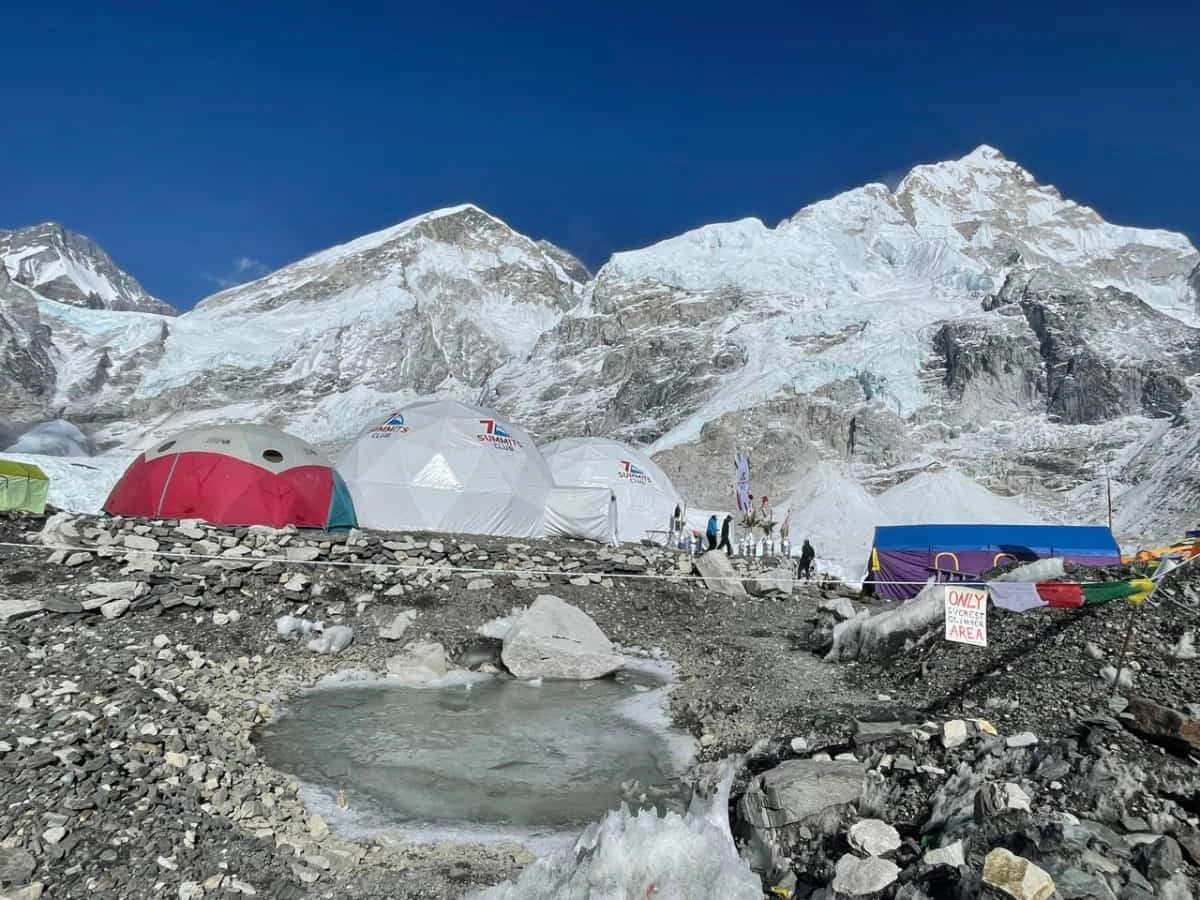
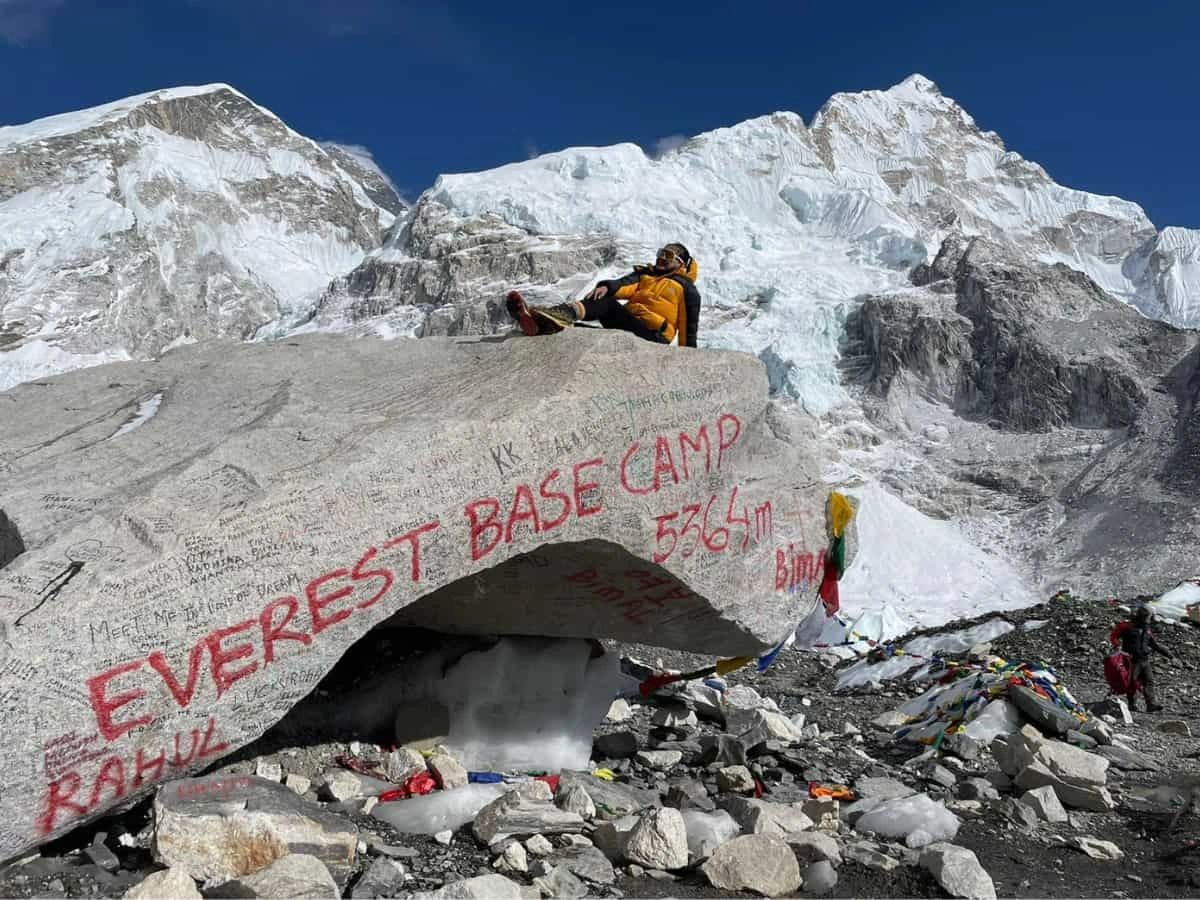
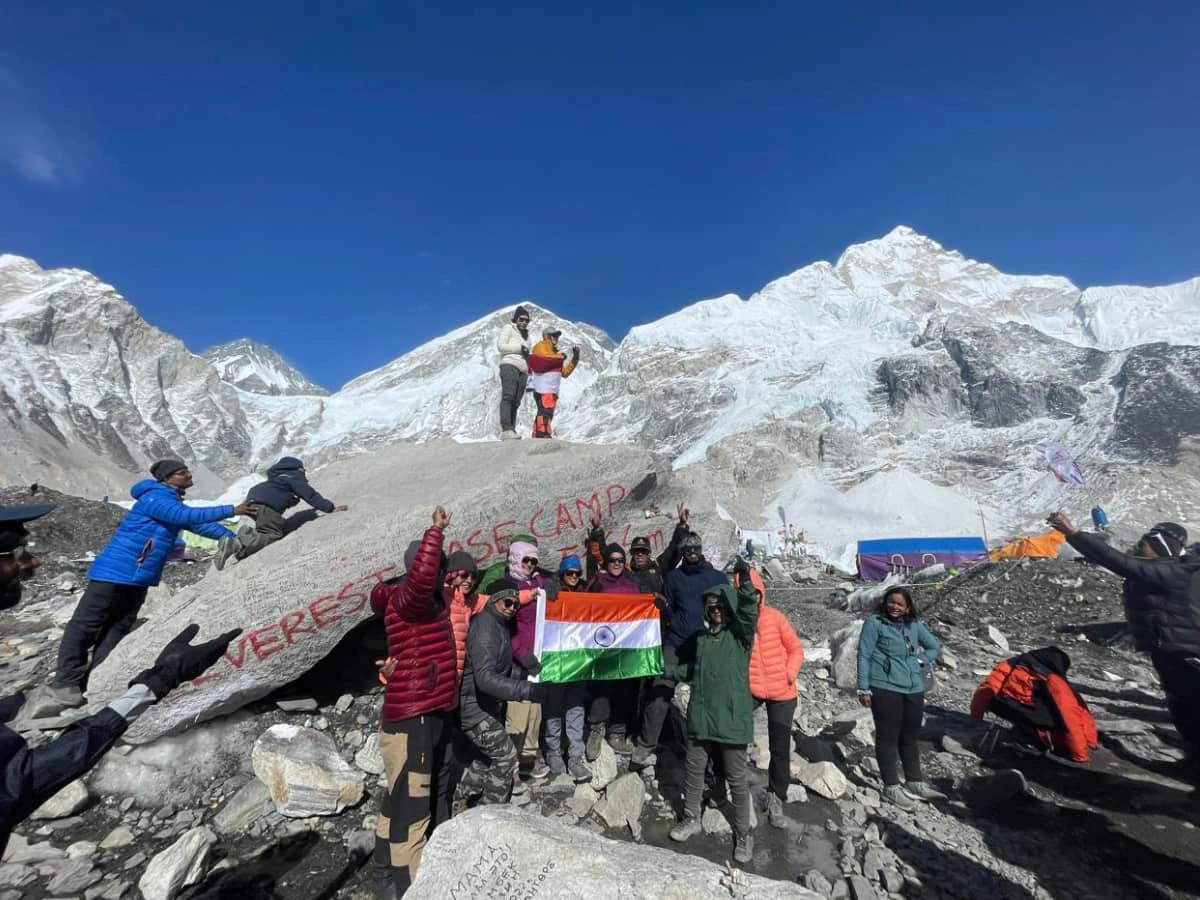
On Day 9, you reach Everest Base Camp. The altitude is real. The glacier underfoot is real. The flags, prayer stones, and the place's silence are real. On Day 10, you wake early, climb Kala Patthar in the dark with a headlamp, and watch the sun light up the south face of Everest from above.
Then the helicopter comes.
The flight from Gorakshep to Kathmandu takes about 45 minutes. In that time, you pass over terrain that took 8 days to walk through. You see the Khumbu Icefall from above, the winding Dudh Koshi river, terraced farms, and then the Kathmandu Valley.
It's the most satisfying commute of your life.
This package is ideal for travelers with 10 days or fewer who want the full Everest Base Camp experience without the extra week of descent. Professionals, families, and people who simply want to save their knees all book this route.
Holy Kailash Tours runs the Everest Base Camp trek year-round in spring and autumn, with private and group options for 2026 and 2027 travelers.
Benefits of Booking Everest Base Camp with Helicopter Return with Holy Kailash Tours
We're a Kathmandu-based trekking company with years of experience on the Khumbu trail. Here's what we actually offer:
- Experienced local guides who know every section of this route, including altitude warning signs and acclimatization schedules
- Safe, well-paced itinerary with proper rest days built in at Namche and Dingboche
- Comfortable teahouse bookings arranged in advance so you're not scrambling for a room at altitude
- Flexible group sizes, from solo travelers to private family groups
- Airport transfers in Kathmandu on arrival and departure
- Helicopter coordination directly with licensed Nepali helicopter operators
- Personalized service, including dietary needs, fitness consultations before the trip, and 24/7 guide support on the trail
- Transparent pricing with no hidden costs on permits, porter fees, or meals
We don't just book your flight and hand you a map. Our team stays involved from your first inquiry to the moment the helicopter drops you back in Kathmandu.
Everest Base Camp Heli Trek Major Attractions
Lukla Airport (2,860 m)
The flight into Lukla sets the tone for everything that follows. The runway is short, tilted, and ends at a cliff. Pilots treat it as routine. You probably won't.
Namche Bazaar (3,440 m)
The Sherpa capital. It's the last town with real internet, hot showers without a surcharge, and a full selection of trekking gear if you've forgotten anything. Your acclimatization day here is not just medically necessary. It's genuinely enjoyable.
Tengboche Monastery (3,867 m)
The most photographed monastery in Nepal. It sits on a ridge with Ama Dablam directly behind it, and on clear mornings, Everest appears above the treeline to the north. If you visit during a puja ceremony, you'll hear the monks chant before sunrise.
Khumbu Glacier
The trail from Lobuche to Gorakshep crosses the lateral moraine of the Khumbu Glacier. The ice is gray and fractured and enormous. This is the same glacier that Everest climbers ascend through the Khumbu Icefall to reach Camp 1.
Everest Base Camp (5,364 m)
There's no summit view from base camp itself. You're standing inside the valley, surrounded by rock and ice. But the emotional weight of the place is hard to explain. Every serious Everest expedition has started right where you're standing.
Kala Patthar (5,545 m)
This is actually a better Everest viewpoint than base camp. You can see the entire south face from here, including the Hillary Step and the summit pyramid. The sunrise from Kala Patthar is one of the best mountain views in the world. Not one of the best in Nepal. One of the best on Earth.
Helicopter Aerial Views
After the Kala Patthar hike, the helicopter picks you up from Gorakshep. The aerial views on the flight back include the Khumbu Icefall, Pumori, Cho Oyu, and the sprawl of the Khumbu Valley. Most passengers go quiet and just look.
Is the Everest Base Camp Helicopter Return Trek Hard?
Honestly? Yes. But it's doable for most reasonably fit adults.
Daily walking hours: 5 to 8 hours per day, depending on the stage. Some days are short. Lobuche to Gorakshep is shorter but at a higher altitude, so it feels harder.
Altitude: The biggest challenge on this trek isn't fitness. It's altitude. Headaches, low appetite, and disrupted sleep are common above 4,000 m. The itinerary includes two rest days (Namche and Dingboche) specifically to give your body time to adapt.
Acclimatization: Follow the golden rule: climb high, sleep low. On rest days, short hikes to higher elevations help. Don't skip them.
Fitness requirements: You don't need to be an athlete, but you should be comfortable walking 5+ hours with a light daypack before you leave home. Regular cardio training in the weeks before the trip helps a lot.
Suitable age: Most healthy adults between 18 and 65 complete this trek without serious difficulty. We've had trekkers in their 60s and 70s do it well with good preparation and a slower pace.
Tips to prepare:
- Walk 3 to 5 times per week for at least 6 weeks before the trip
- Include uphill walking and stair climbing in your training
- Stay well hydrated every day on the trail (at least 3 liters)
- Carry Diamox (acetazolamide) and discuss altitude sickness medication with your doctor before travel
- Don't rush. The itinerary is designed with acclimatization built in. Stick to it.
Everest Base Camp Trek with Helicopter Return: Distance, Duration, and Altitude
|
Detail
|
Figure
|
|
Total trekking distance
|
Approximately 130 km round trip (one way on return)
|
|
Trek duration
|
10 days total (8 trekking days + 1 arrival day + helicopter return day)
|
|
Helicopter flight duration
|
45 to 60 minutes (Gorakshep to Kathmandu)
|
|
Kala Patthar altitude
|
5,545 m / 18,192 ft
|
|
Everest Base Camp altitude
|
5,364 m / 17,598 ft
|
|
Average walking hours per day
|
5 to 8 hours
|
|
Elevation gain from Lukla to Kala Patthar
|
Approximately 2,685 m
|
Preparation for the Everest Base Camp Helicopter Return Trip
Getting to base camp starts well before Kathmandu. Here's what to sort before you travel.
Trekking Gear Checklist
- Trekking boots (broken in before the trip, waterproof, with ankle support)
- Trekking poles (two poles, not one; they make descents significantly easier)
- Daypack (20 to 30 liters for gear you carry yourself)
- Sleeping bag (rated to -10°C / 14°F minimum; teahouses provide blankets but not warmth at high altitude)
- Headlamp with fresh batteries (essential for the 4 AM Kala Patthar hike)
- Water purification (tablets or a filter; boiling water adds to fuel costs at teahouses)
- Sunscreen and lip balm (SPF 50+; UV exposure increases sharply at altitude)
Clothing Layers
- Moisture-wicking base layer (top and bottom)
- Insulating mid-layer (fleece or down jacket)
- Windproof and waterproof outer shell
- Warm hat and gloves (and a backup pair; you'll use both)
- Thermal socks (wool is better than cotton at altitude)
- Sun hat or cap for lower elevations
Medical and Health
- Travel insurance that covers helicopter evacuation (non-negotiable; this is not optional)
- Altitude sickness medication (Diamox is the most common; get a prescription before you travel)
- Personal first aid kit (blister care, pain relievers, anti-diarrheal tablets)
- Your guide will carry a group medical kit, but personal items are your responsibility
Physical Fitness Training
- Start at least 6 weeks before departure. Focus on:
- Long walks with elevation gain (stairs, hills, treadmill incline)
- Cardiovascular endurance (running, cycling, swimming)
- Leg strength (squats, lunges)
The fitter you are, the more you'll enjoy the trail.
Everest Base Camp Trek with Helicopter Return Cost 2026/2027
Pricing depends on group size, season, and package type. Here's a realistic overview.
Group Joining Package (2026/2027)
|
Package Type
|
Approx. Cost Per Person
|
|
Group joining (min 2 pax)
|
USD 1,850 to USD 2,200
|
|
Private trek (1 person)
|
USD 2,400 to USD 2,900
|
|
Luxury private package
|
USD 3,500 and above
|
Prices are per person and include helicopter return sharing (usually 4 to 5 people per helicopter). A private helicopter flight costs USD 1,200 to USD 1,800, depending on the aircraft type.
What Affects the Price
- Season: Spring (March to May) and autumn (September to November) are peak seasons and slightly more expensive
- Group size: Smaller groups cost more per person
- Helicopter sharing: Shared helicopters are the standard option. Private charter costs more but is an option for families and groups wanting exclusivity
- Accommodation upgrades: Kathmandu hotel upgrades add USD 55 to USD 100 per night, depending on the property
Booking Tips
- Book at least 8 to 12 weeks in advance for spring trips, which fill up fast
- Helicopter slots are confirmed closer to the departure date based on weather and group size
- If helicopter weather delays occur, Holy Kailash Tours will arrange accommodation and reschedule the flight at no extra cost
Summit Kala Patthar at Sunrise, Reach Base Camp, Return by Helicopter
Day 10 is the climax of the trip.
You leave Gorakshep at around 4 AM. The temperature at Kala Patthar in the early morning can drop to -15°C or lower, even in spring. You walk in the dark with your headlamp, moving slowly at over 5,000 m. Your breath forms clouds. The stars are shockingly clear.
Then the sky starts to lighten.
The south face of Everest turns gold before anything else. Then Nuptse, then Lhotse, then Pumori, and Ama Dablam, and the whole ridgeline. The view from 5,545 m is not just impressive. It's the kind of thing that makes people cry without knowing why.
After an hour on the summit, you descend to Gorakshep for breakfast. Then the helicopter comes.
The rotors are loud, and the landing area is small. You climb in, the altitude drops fast as the aircraft descends south, and within 45 minutes, the farmland of the Kathmandu Valley appears below you.
You're back.
Everest Base Camp Trek with Helicopter Return Cost
|
Item
|
Estimated Cost (USD)
|
|
Sagarmatha National Park Permit
|
USD 30
|
|
TIMS Card (Trekkers' Information Management System)
|
USD 20
|
|
Lukla domestic flight (round-trip)
|
USD 1050 to USD 2050
|
|
Helicopter return (shared, Gorakshep to KTM)
|
USD 5000 to USD 6000
|
|
Licensed trekking guide (10 days)
|
USD 300 to USD 400
|
|
Porter (up to 15 kg of gear, 8 days)
|
USD 180 to USD 250
|
|
Teahouse accommodation (8 nights on trail)
|
USD 150 to USD 250
|
|
Meals on the trail (breakfast, lunch, dinner)
|
USD 200 to USD 280
|
|
Kathmandu hotel (2 nights, 3-star)
|
USD 80 to USD 160
|
|
Airport transfers
|
Included
|
|
Medical kit (group)
|
Included
|
|
Travel insurance
|
USD 80 to USD 200 (varies by country and coverage)
|
|
Personal expenses (hot showers, WiFi, snacks, tips)
|
USD 100 to USD 200
|
Total estimated range: USD 3,840 to USD 4,710 per person (group joining)
Prices will vary. The figures above are realistic estimates for 2026 and 2027. Holy Kailash Tours provides a full itemized quote before any booking is confirmed.
Related Everest Packages
EBC Gokyo Chola Pass Trek 16 Days
Everest Three High Passes Trek 18 Days
Everest Base Camp Luxury Trek 14 Days
Everest Base Camp Trek With Helicopter Return 11 Days
Gokyo Lake Trek 13 Days
Everest View Trek 5 Days5 Days
Everest Base Camp Helicopter Tour 1 Day
Everest Base Camp Trek 14 Days
Everest Base Camp Trek with Helicopter Return Trip Highlights
- Helicopter returns from Gorakshep to Kathmandu with aerial views of Everest, Lhotse, and the Khumbu
- Sunrise from Kala Patthar (5,545 m) with the clearest Everest view on the planet
- Standing at Everest Base Camp (5,364 m), the starting point of every Everest summit attempt
- Namche Bazaar, the vibrant Sherpa capital of the Khumbu region
- Tengboche Monastery, the highest monastery in Nepal, set against Ama Dablam
- Khumbu Glacier, one of the world's highest glaciers
- Sherpa villages, ancient Buddhist chortens, and fluttering prayer flags throughout the trail
- A time-saving helicopter flight that puts you back in Kathmandu by midday on Day 11