What Is Peak Climbing?
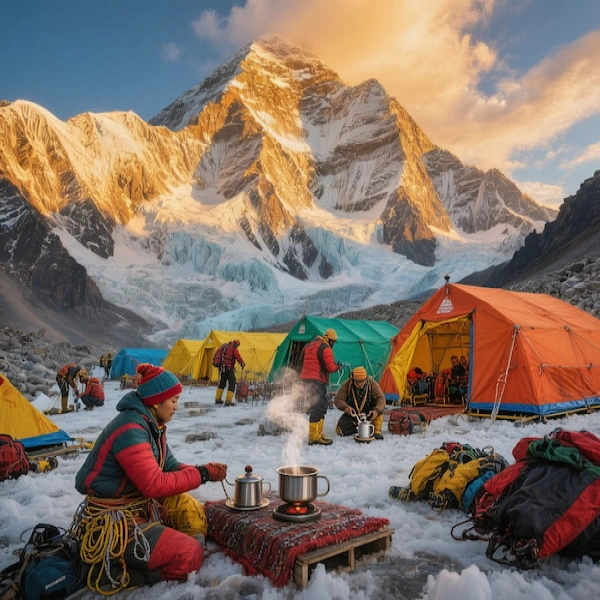
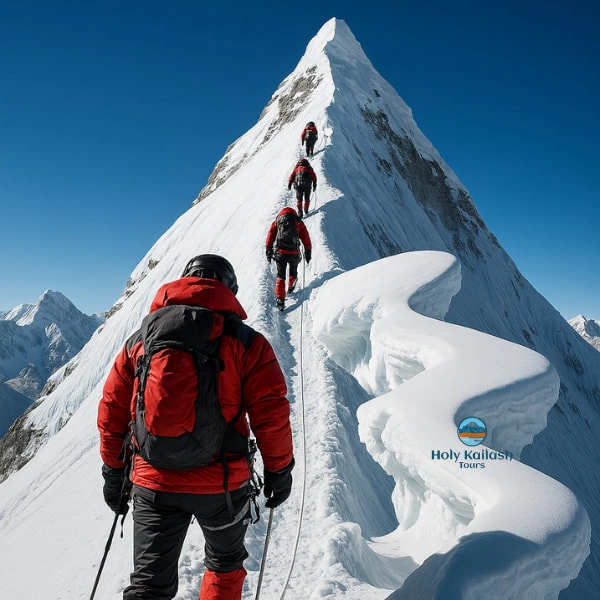
Peak climbing sits between trekking and full-scale mountaineering. It requires physical fitness, mental endurance, and a willingness to learn basic climbing techniques, but it does not usually demand advanced technical skills. Many peaks involve snow slopes, glaciers, and occasional rocky sections, making them ideal for climbers seeking to build experience at high altitude.
In Nepal, trekking peaks are officially classified and regulated, ensuring safe and sustainable climbing practices. These climbs often include acclimatization days, practice sessions, and professional guidance, making them accessible to motivated beginners as well as experienced climbers.
Popular Peak Climbing Regions in Nepal
Everest Region Peak Climbing
The Everest Region is one of the most popular areas for peak climbing in Nepal. Peaks such as Island Peak, Lobuche East, and Mera Peak attract climbers from around the world. These climbs offer stunning views of Mount Everest, Lhotse, Ama Dablam, and other iconic Himalayan giants.
Climbing peaks in the Everest Region combines scenic trekking through Sherpa villages with high-altitude climbing. The region’s well-developed infrastructure and experienced local guides make it an excellent choice for first-time peak climbers.
Annapurna Region Peak Climbing
The Annapurna Region offers a wide range of peak climbing opportunities, blending dramatic landscapes with cultural richness. Peaks like Pisang Peak, Tent Peak (Tharpu Chuli), and Hiunchuli provide challenging yet rewarding climbs.
This region is known for its diverse terrain, which ranges from lush forests to arid high-altitude valleys. Climbers enjoy close-up views of Annapurna, Dhaulagiri, and Machhapuchhre while experiencing traditional mountain culture along the way.
Langtang Region Peak Climbing
The Langtang Region is ideal for climbers seeking a quieter and more intimate Himalayan experience. Peaks such as Yala Peak and Naya Kanga (Ganja La Chuli) are popular in this region.
Langtang peak climbs are often combined with cultural trekking routes, offering scenic glaciers, high mountain passes, and strong Tibetan cultural influences. Its proximity to Kathmandu makes it a convenient and rewarding destination for peak climbing.
Popular Trekking With Peaks in Nepal
Nepal offers numerous trekking peaks suitable for different experience levels. Some of the most popular include:
Island Peak (Imja Tse): One of the most famous trekking peaks, offering a thrilling climb with stunning Everest-region views.
Mera Peak: The highest trekking peak in Nepal, known for its non-technical route and panoramic summit views.
Lobuche East: A more technical climb, ideal for experienced climbers seeking a challenge.
Pisang Peak: A beautiful Annapurna-region peak with varied climbing terrain.
Yala Peak: A beginner-friendly peak in the Langtang Region, perfect for first-time climbers.
Each peak offers a unique climbing experience, scenery, and level of challenge.
Required Skills and Physical Fitness
Peak climbing requires good physical conditioning and mental preparedness. While prior mountaineering experience is not always necessary, climbers should be comfortable trekking for several hours a day at high altitude.
Basic training in the use of climbing equipment is essential. Most peak climbing itineraries include practice sessions where climbers learn how to use crampons, ice axes, harnesses, and ropes. Professional guides provide instruction and support throughout the climb, ensuring safety and confidence.
Best Season for Peak Climbing in Nepal
The best seasons for peak climbing in Nepal are:
Spring (March to May): Stable weather, warmer temperatures, and clear mountain views make spring an ideal season.
Autumn (September to November): Crisp air and excellent visibility create perfect climbing conditions.
Winter climbs are possible on some peaks but require greater experience and preparation due to extreme cold. The monsoon season is generally less suitable due to snow conditions and limited visibility.
Safety and Professional Guidance
Safety is a top priority in peak climbing. Professional guides play a crucial role in route planning, acclimatization, and risk management. They monitor weather conditions, assess climbers’ health, and ensure proper use of equipment.
Peak climbing in Nepal is regulated, and climbers must obtain permits and follow local guidelines. Climbing with experienced guides not only enhances safety but also enriches the overall experience through local knowledge and cultural insights.
Why Choose Peak Climbing in Nepal
Nepal is the world’s premier destination for peak climbing due to its unparalleled mountain landscapes, well-established climbing routes, and experienced guiding community. The combination of trekking and climbing creates a deeply immersive adventure that tests physical limits while rewarding climbers with unforgettable views and personal achievement.
Peak climbing also offers a sense of progression, allowing trekkers to transition into mountaineering in a supportive and inspiring environment. The journey builds confidence, resilience, and a deep appreciation for the Himalayas.
Peak climbing in Nepal is more than just reaching a summit; it is a journey of self-discovery set against the backdrop of the world’s highest mountains. With its diverse range of trekking peaks, supportive infrastructure, and breathtaking scenery, Nepal offers an unmatched environment for climbers of all levels.
Whether you are taking your first steps into mountaineering or seeking a new high-altitude challenge, peak climbing in Nepal delivers adventure, accomplishment, and memories that last a lifetime.