Highlights of the Everest Base Camp Trek in Nepal
Here is the list of the highlights of the Everest Base Camp Trek in Nepal.
- Lukla’s Tenzing Hillary Airport: world’s most extreme airport
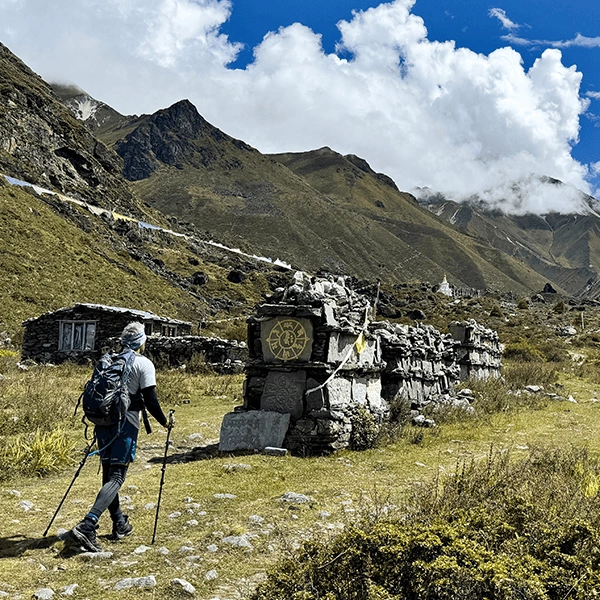
- Sherpa Villages and Monasteries
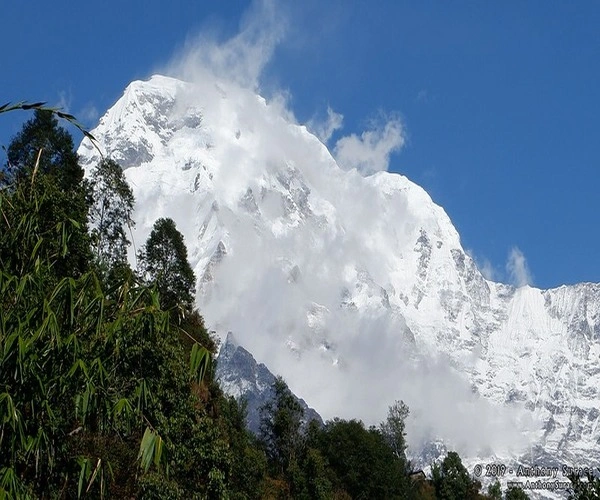
- Diverse Vegetation: Temperate Deciduous to Tundra, including Alpine Forests
- Landscapes Diversity: valleys, gorges, rivers, waterfalls, glaciers, and moraines
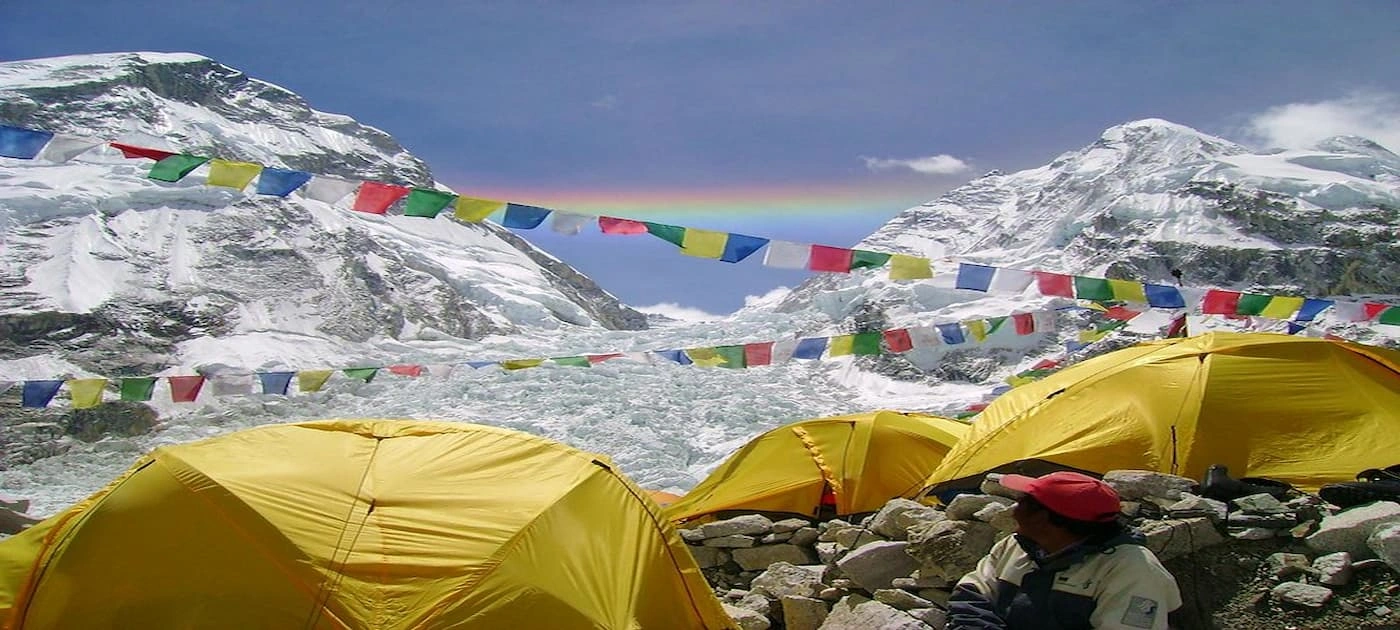
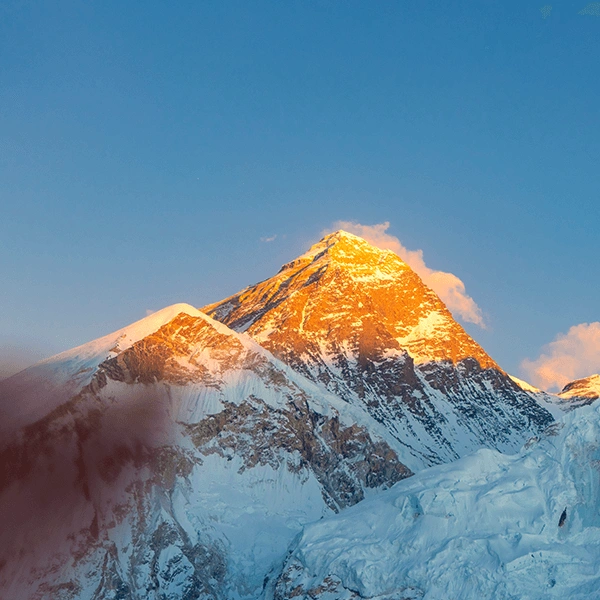
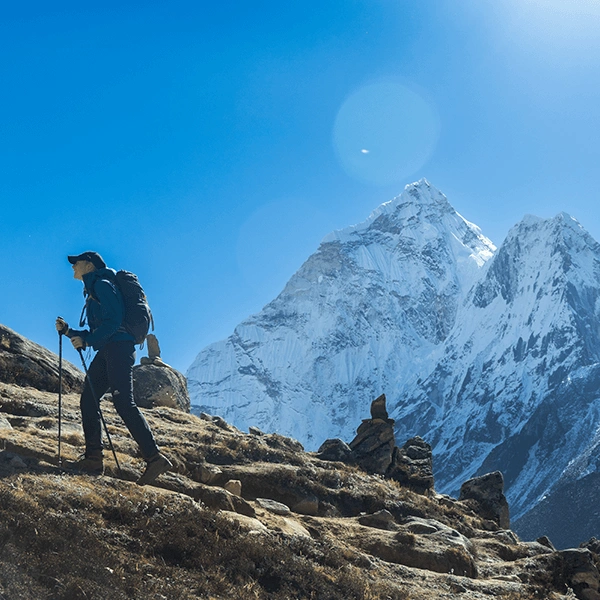
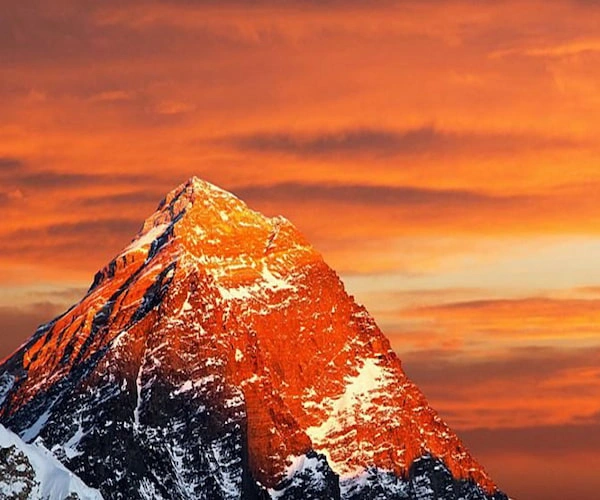
- Everest Base Camp (5364 m) and Kalapathar (5545 m) Sunrise/sunset experiences
- Nepal’s most commercial trekking route
- Superlative things to experience: Everest View Hotel & Sagarmatha National Park
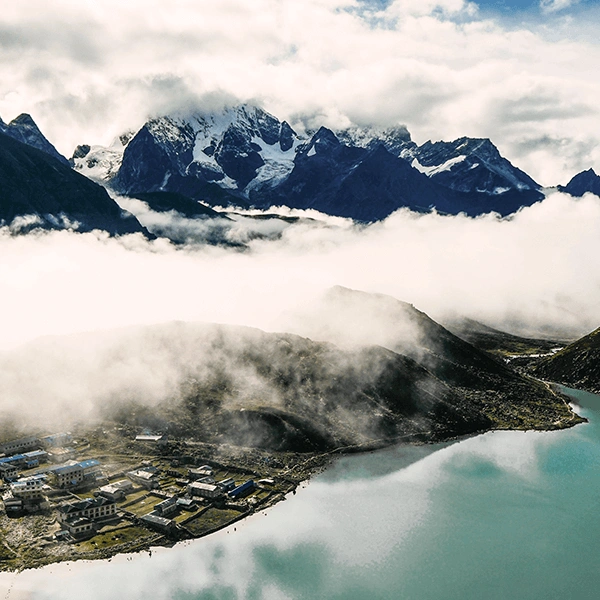
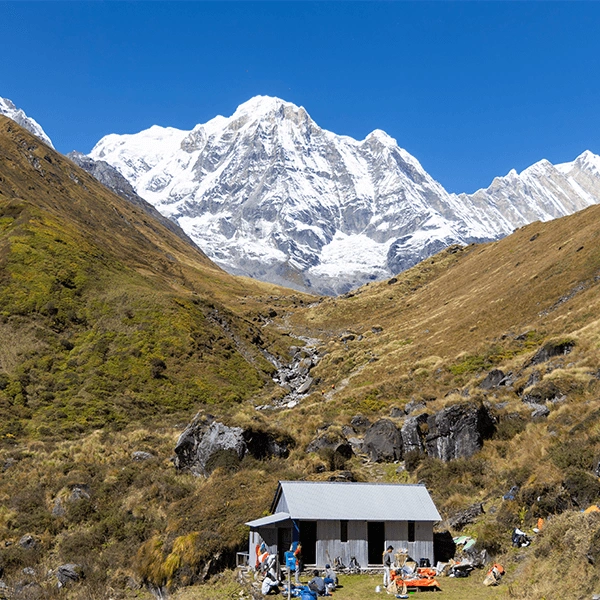
- Over a dozen Mountain Vista
Trip Facts
- Trek Name: Everest Base Camp Trek
- Region: Everest / Khumbu Region, Nepal
- Trek Duration: 12–16 days (depending on itinerary)
- Maximum Altitude: 5,364 m (17,598 ft) at Everest Base Camp
- Kala Patthar Elevation: 5,545 m (18,192 ft) – best viewpoint
- Difficulty Level: Moderate to challenging
- Trek Style: Tea-house (lodge) trekking
- Start / End Point: Lukla
- Transportation: Flight Kathmandu ↔ Lukla
- Accommodation: Tea-houses/lodges during trek, hotel in Kathmandu
- Meals: Breakfast, lunch, and dinner during the trek
- Average Walking Hours: 5–7 hours per day
- Daily Walking Distance: 8–15 km (approx.)
- Best Seasons: March–May (spring), September–November (autumn)
- Minimum Age: Usually 12 years (with guardian)
- Maximum Group Size: 1–12 people (varies by company)
Short Day-to-day Itinerary
Day 1 Arrival in Kathmandu (1,400m)
Day 2: Fly Kathmandu to Lukla (2,840m) & Trek to Phakding (2,610m)3–4 hours
Day 3 Trek from Phakding (2,610m) to Namche Bazaar (3,440m)6–7 hours
Day 4 Acclimatization Day at Namche Bazaar (3,440m)3–4 hours
Day 5 Trek from Namche Bazaar (3,440m) to Tengboche (3,860m)5–6 hours
Day 6 Trek from Tengboche (3,860m) to Dingboche (4,410m)5–6 hours
Day 7 Acclimatization Day at Dingboche (4,410m)3–4 hours
Day 8 Trek from Dingboche (4,410m) to Lobuche (4,940m)5–6 hours
Day 9 Trek from Lobuche (4,940m) to Gorakshep (5,164m) & Visit Everest Base Camp (5,364m); 7–8 hours
Day 10 Hike to Kala Patthar (5,545m) & Trek to Pheriche (4,371m); 6–7 hours
Day 11 Trek from Pheriche (4,371m) to Namche Bazaar (3,440m); 6–7 hours
Day 12 Trek from Namche Bazaar (3,440m) to Lukla (2,840m); 6–7 hours
Day 13 Fly from Lukla to Kathmandu (1,400m)
Day 14 Final Departure from Kathmandu
Understanding the Overall Difficulty of the Everest Base Camp Trek
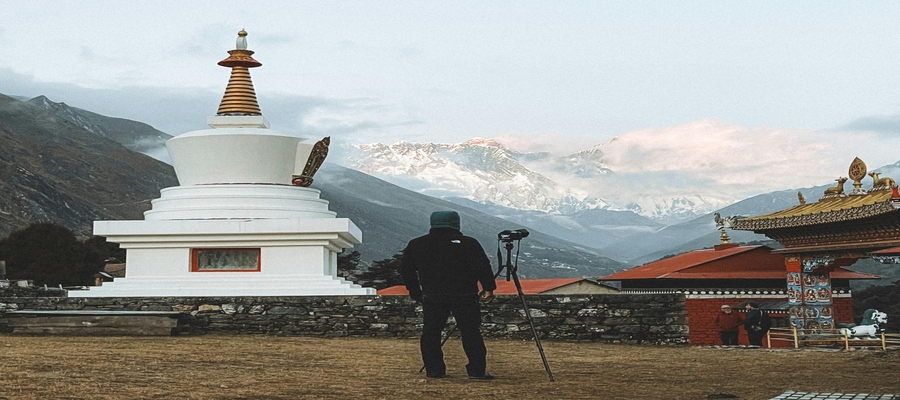
The Everest Base Camp Trek is considered moderate to challenging, but it is not a technical climb. No mountaineering skills are required. The challenge comes from the long walking days, high altitude, cold weather, and basic facilities in remote mountain villages.
Most trekkers complete the journey successfully with proper preparation. The difficulty depends on your physical fitness, altitude tolerance, pacing, and mindset. With a well-planned itinerary and experienced guides from The Holy Kailash Tour, the trek becomes achievable for most healthy individuals.
Is the Everest Base Camp Trek Suitable for Beginners?
Yes, the Everest Base Camp Trek is suitable for beginners who are reasonably fit and mentally prepared. Many first-time trekkers complete the trek every year without issues. However, beginners should not underestimate the trek’s demands.
Daily walking hours range from 5 to 7 hours, and the altitude increases steadily. Beginners must focus on slow pacing, acclimatization days, hydration, and listening to their bodies. Training before the trek significantly reduces difficulty and increases enjoyment.
Altitude: The Biggest Challenge of the EBC Trek
Altitude is the main factor that makes the Everest Base Camp Trek challenging. The trek starts at Lukla (2,860m) and reaches Everest Base Camp at 5,364m. Kala Patthar, often included, climbs to 5,545m.
As altitude increases, oxygen levels drop, making breathing harder. Symptoms like headaches, fatigue, and loss of appetite are common. Proper acclimatization days in Namche Bazaar and Dingboche are essential to minimize the risk of Acute Mountain Sickness (AMS).
How Acclimatization Affects Trek Difficulty
Acclimatization is key to completing the Everest Base Camp Trek safely. The itinerary includes rest days, during which trekkers hike higher during the day and sleep lower at night. This helps the body adapt naturally to altitude.
Skipping acclimatization or rushing the itinerary increases difficulty and health risks. At The Holy Kailash Tour, we design itineraries with enough acclimatization time to ensure safety and comfort, especially for first-time high-altitude trekkers.
Physical Fitness Required for Everest Base Camp Trek
You do not need to be an athlete, but a good level of fitness is important. The Everrest view trek involves long uphill and downhill walks on uneven terrain for nearly two weeks. Strong legs, stamina, and endurance make the trek much easier.
Cardio exercises, hiking practice, stair climbing, and strength training help prepare your body. Trekking becomes difficult if you arrive unprepared, even at lower altitudes. Physical training turns a tough journey into a pleasant adventure.
Daily Walking Distance and Trekking Hours
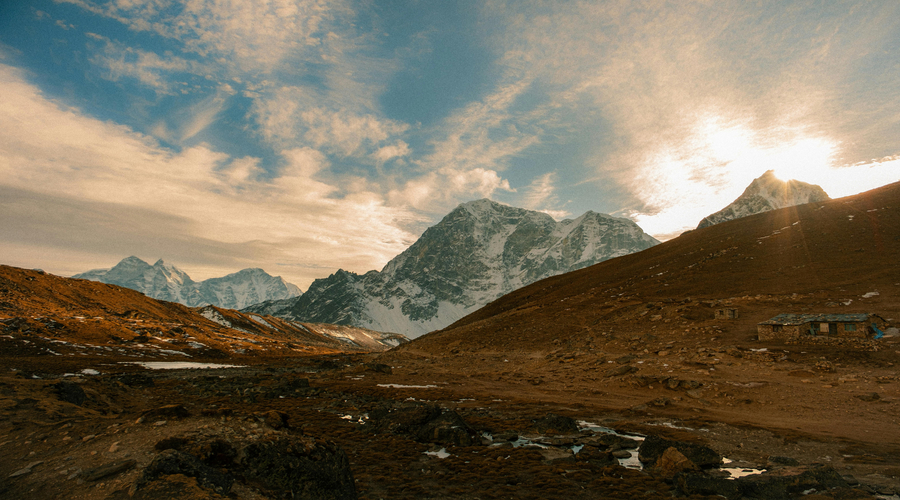
On average, trekkers walk between 8-15 kilometers per day, depending on the route and altitude. Walking hours typically range from 5 to 7 hours daily, with slower pacing at higher elevations.
The trail includes steep ascents, descents, and rocky paths. Walking slowly and taking frequent breaks reduces exhaustion. Trekking poles are highly recommended, especially during long downhill sections, to reduce strain on knees.
Terrain and Trail Conditions on the EBC Route
The Everest Base Camp trail is well-established but varies greatly in terrain. The lower sections feature stone steps, forest paths, and suspension bridges. Higher areas feature rocky trails, glacial moraines, and dry alpine landscapes.
There is no climbing or rope work involved. However, constant elevation changes make the trail physically demanding. The difficulty increases above Dingboche, where the terrain becomes rougher and the oxygen thinner
Weather and Temperature Challenges
Weather plays a big role in trek difficulty. Temperatures drop significantly as altitude increases. At night, temperatures can fall below -10°C near Base Camp, even during peak trekking seasons.
Daytime weather can change quickly, with strong winds and sudden snowfall. Cold mornings and freezing nights add to physical stress. Proper clothing and layering are essential to stay warm and comfortable throughout the trek.
Best Seasons and Their Impact on Difficulty
Spring (March–May) and Autumn (September–November) are the best seasons for the Everest Base Camp Trek. During these months, the weather is stable, the trails are clear, and the visibility is excellent.
Winter treks are colder and more challenging due to snow and extreme temperatures. Monsoon season brings rain, clouds, and flight delays. Choosing the right season greatly reduces difficulty and enhances the overall trekking experience.
Mental Strength and Psychological Challenges
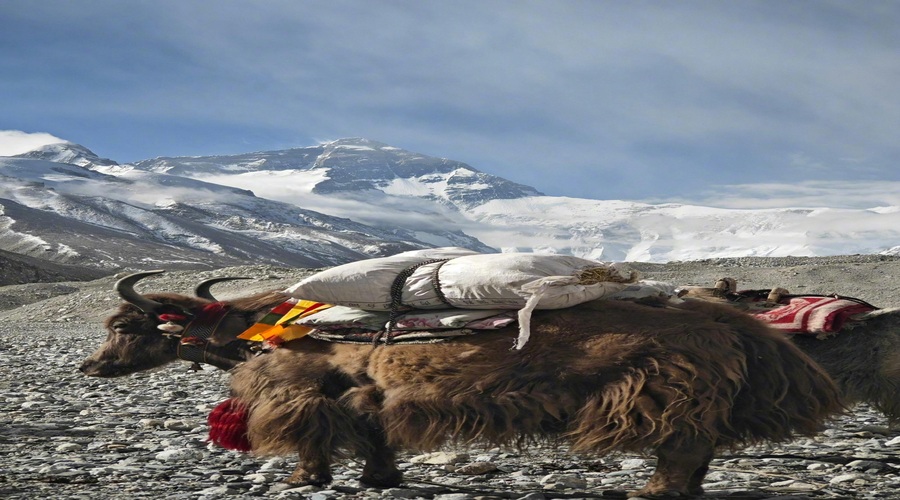
Mental endurance is as important as physical fitness. Long days, cold temperatures, simple meals, and limited comfort can test your patience. Fatigue often builds up in the final days of the trek.
A positive mindset, realistic expectations, and strong motivation help overcome tough moments. Trekking with a supportive group and experienced guides from The Holy Kailash Tour makes the journey more enjoyable and mentally manageable.
Food, Accommodation, and Comfort Level
Accommodation on the Everest Base Camp Trek is in teahouses. Rooms are basic, with twin beds and shared bathrooms. Heating is limited to dining areas, and hot showers may cost extra.
Meals are simple but nutritious, including dal bhat, noodles, soups, and potatoes. As altitude increases, menu options become limited. Understanding and accepting these conditions helps reduce perceived difficulty during the trek.
Role of Guides and Porters in Reducing Difficulty
Hiring experienced guides and porters significantly reduces the difficulty of the trek. Guides manage pacing, monitor altitude symptoms, and handle logistics. Porters carry heavy bags, allowing trekkers to walk comfortably with light daypacks.
At The Holy Kailash Tour, our trained guides ensure safety, cultural insight, and motivation throughout the trek. Trekking with professional support transforms a challenging journey into a safe and memorable experience.
Age Factor: Who Can Do the Everest Base Camp Trek?
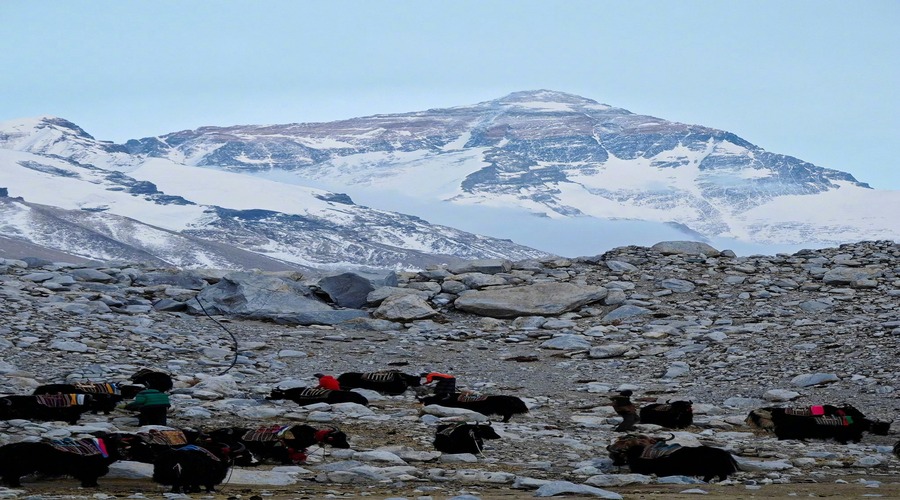
Age is not a major barrier for the Everest Base Camp Trek. Trekkers aged from teenagers to people in their 60s have successfully completed the trek. Fitness and health matter more than age.
Medical clearance is recommended for older trekkers or those with pre-existing conditions. With a flexible itinerary and proper acclimatization, the trek is achievable across a wide age range.
Common Mistakes That Increase Trek Difficulty
Many trekkers make the mistake of walking too fast, ignoring altitude symptoms, or packing unnecessary items. Overexertion is one of the biggest reasons people struggle on the trail.
Other mistakes include poor hydration, inadequate clothing, and skipping meals. Listening to your guide, maintaining a slow pace, and respecting your body reduces difficulty and ensures a safer trek.
How The Holy Kailash Tour Makes the Trek Easier
At The Holy Kailash Tour, we focus on safety, comfort, and realistic itineraries. Our Everest Base Camp Trek packages include proper acclimatization days, experienced guides, and well-planned logistics.
We understand local conditions, weather patterns, and altitude challenges. Our team ensures that trekkers walk at the right pace and receive support whenever needed. This professional approach significantly reduces the overall difficulty of the trek.
Final Verdict: Is the Everest Base Camp Trek Too Difficult?
The Everest Base Camp Trek is challenging but achievable for most people with proper preparation. It is not easy, but it does not require technical skills. The real test comes from altitude, endurance, and mental strength.
With the right mindset, training, and support from The Holy Kailash Tour, the difficulty becomes manageable. The reward—standing beneath the world’s highest mountain—makes every step worthwhile.
Ready to Take on the Challenge?
If you are planning your Everest Base Camp adventure and want a safe, well-organized trekking experience, The Holy Kailash Tour is here to guide you every step of the way.
Let us turn this challenging trek into the journey of a lifetime.