Mount Kailash and Mansarovar Lake
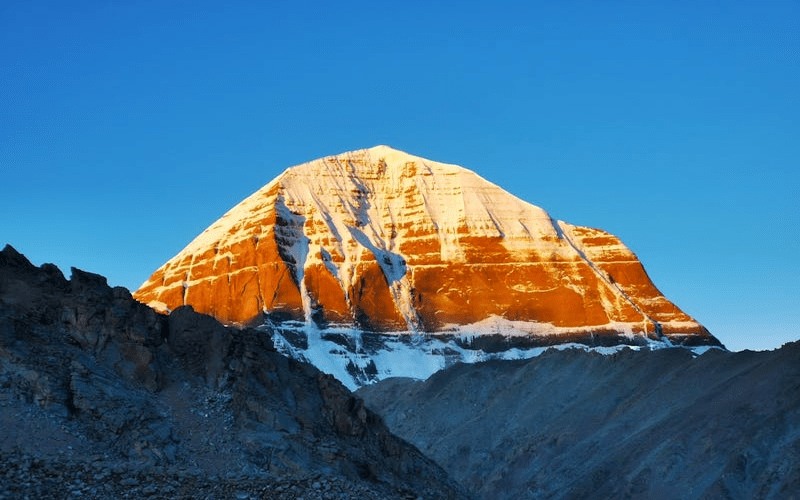
Mount Kailash and Mansarovar Lake hold a unique place in the spiritual and cultural landscape of the world. Located in the remote western region of Tibet, this sacred area has been a destination of faith, devotion, and pilgrimage for thousands of years. Unlike many famous Himalayan peaks known for climbing and adventure, Mount Kailash is revered not for conquest, but for circumambulation, reflection, and inner transformation.
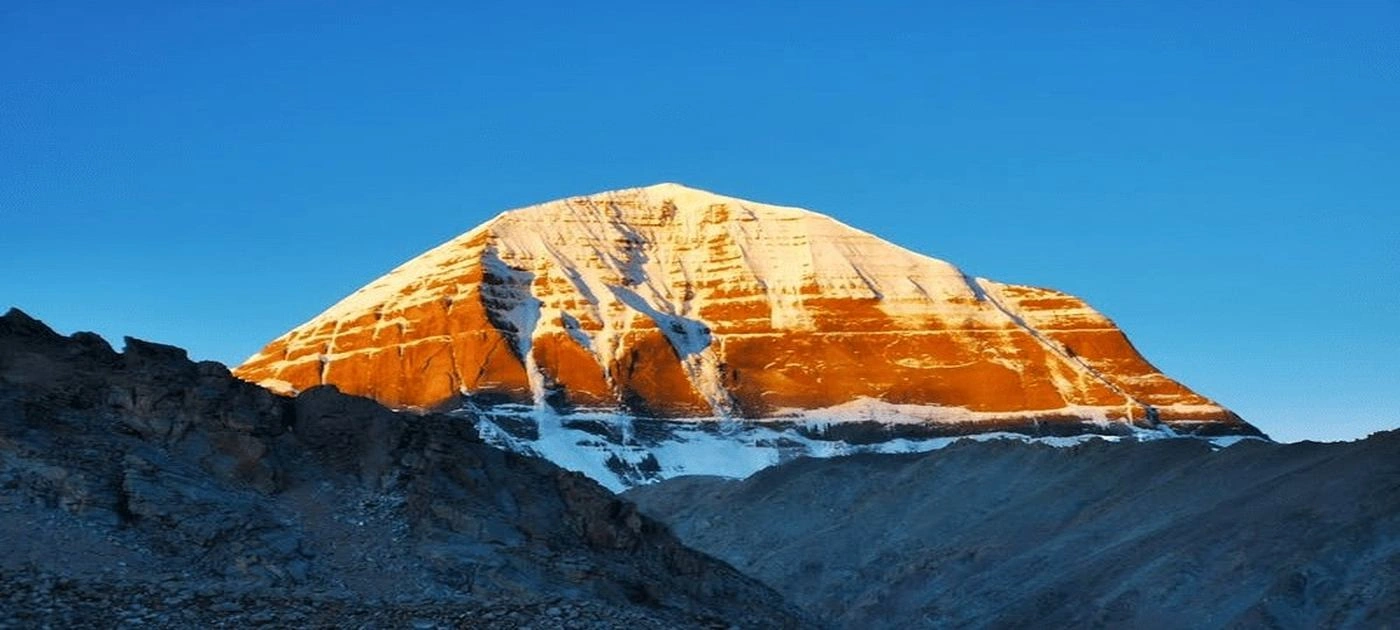
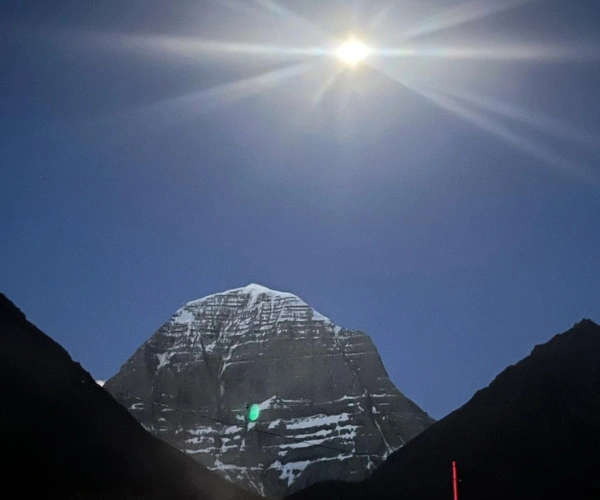
Rising to an elevation of 6,638 meters, Mount Kailash stands isolated and majestic, with a perfectly symmetrical shape that sets it apart from surrounding mountains. What makes Mount Kailash even more extraordinary is that it has never been climbed. For centuries, people from different religions have respected the belief that the mountain is divine and should remain untouched by human feet. Instead of climbing it, pilgrims walk around it in a sacred ritual known as Kora or Parikrama, believing that this act brings spiritual merit and liberation.
Mount Kailash is sacred to four major religions, making it one of the few places in the world that unites diverse spiritual traditions. In Hinduism, Mount Kailash is believed to be the eternal abode of Lord Shiva, where he resides in deep meditation with Goddess Parvati. For devotees of Shiva, a journey to Kailash is the ultimate pilgrimage, symbolizing detachment from worldly desires and a step toward spiritual awakening.
In Buddhism, Mount Kailash is associated with Chakrasamvara, a deity representing supreme bliss. Tibetan Buddhists consider the mountain a powerful spiritual center, and many monks and pilgrims perform the Kora as part of their lifelong spiritual practice. The ancient Bon religion, which predates Buddhism in Tibet, regards Mount Kailash as the seat of their founder, Shenrab Miwo. For Jains, the mountain is linked to Rishabhdev, their first Tirthankara, who is believed to have attained liberation here.
Mansarovar Lake
Just a short distance from Mount Kailash lies Lake Mansarovar, one of the highest freshwater lakes in the world, sitting at an altitude of 4,590 meters. The lake is known for its crystal-clear blue waters, calm surroundings, and powerful spiritual presence. According to ancient scriptures, Mansarovar was created by Lord Brahma in his mind, which is why it is considered the purest and most sacred lake on Earth. Bathing in its holy waters is believed to cleanse sins and purify the soul.
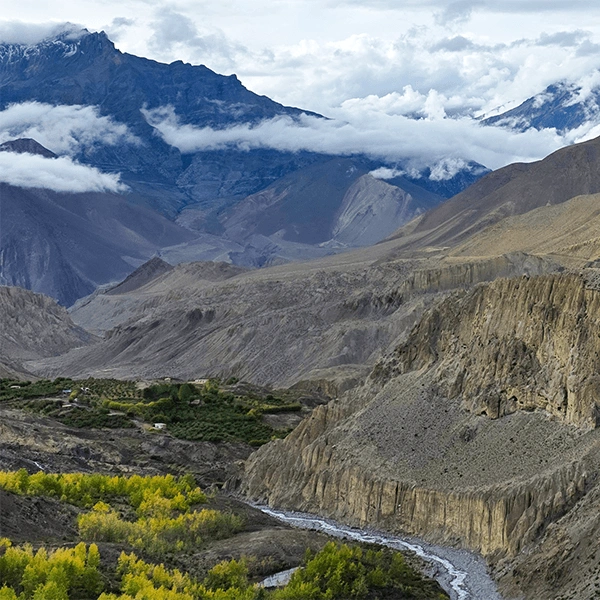
What makes the region even more remarkable is its untouched natural beauty. The landscape around Mount Kailash and Mansarovar Lake is vast, open, and raw. Endless Tibetan plateaus stretch toward the horizon, broken only by snow-capped peaks, high-altitude deserts, and ancient river valleys. The silence of the region is profound, offering pilgrims a rare opportunity to disconnect from modern life and reconnect with themselves.
Lake Mansarovar is often described as a mirror of the sky. On clear days, the reflection of Mount Kailash and the surrounding mountains on the lake’s surface creates a breathtaking sight. Pilgrims gather along its shores to perform prayers, rituals, and meditation. The peaceful environment encourages stillness, making it a place not just for religious rituals but also for deep inner contemplation.
Despite its remoteness, the Kailash–Mansarovar region has been a crossroads of culture and spirituality for centuries. Ancient trade routes, monasteries, and small Tibetan settlements dot the landscape. Nomadic herders continue to live traditional lives with yaks and sheep, preserving a way of life that has remained unchanged for generations. These human connections add depth and authenticity to the pilgrimage experience.
In a world that moves fast and demands constant attention, Mount Kailash and Mansarovar Lake offer something rare: stillness, purity, and timeless wisdom. They remind travelers that some places are not meant to be conquered, but honored. For countless pilgrims, this sacred land is not just a destination—it is a spiritual calling that stays in the heart long after the journey ends.
Spiritual Significance Across Religions
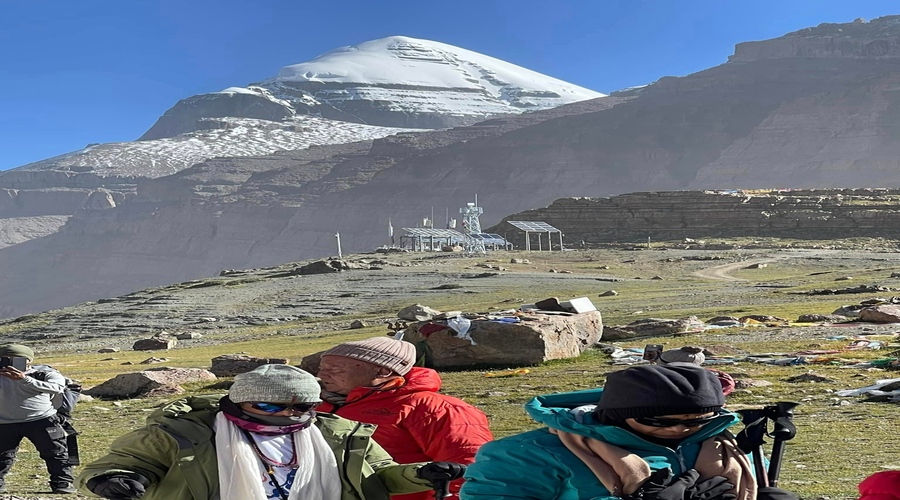
For Hindus, Mount Kailash is the residence of Lord Shiva and Goddess Parvati. Completing one full parikrama is believed to wash away the sins of a lifetime.
Buddhists regard Kailash as the home of Chakrasamvara, a deity representing supreme bliss. Jains associate it with Rishabhdev, their first Tirthankara. Bon followers consider it the seat of their spiritual founder. This multi-faith importance makes Kailash a universal pilgrimage destination.
Kailash Mansarovar Yatra 2026: Eligibility Criteria
For the 2026 Kailash Mansarovar Yatra, pilgrims must be between 18 and 70 years of age. This rule is strictly enforced by Tibetan authorities.
A medical fitness certificate is mandatory for all participants. Due to extreme altitude and remoteness, people with serious heart, lung, or blood pressure conditions are advised not to attempt the yatra.
Why Medical Certificate Is Mandatory
The Kailash region lies at a very high altitude with limited medical facilities. Oxygen levels are low, and weather conditions can change suddenly.
The medical certificate ensures that pilgrims are physically capable of handling altitude stress. It also helps trekking operators and guides plan support more effectively during the journey.
Independent Travel Is Not Allowed
Independent or solo travel to Mount Kailash is strictly prohibited. The Chinese government requires all pilgrims to travel in organized groups under registered operators.
Permits, visas, transport, and guides are issued only through licensed companies. Attempting to travel independently may result in denied entry or deportation.
Required Permits and Visa for Kailash Yatra
Pilgrims need a Chinese Group Visa and a Tibet Travel Permit to enter the Kailash region. These documents cannot be obtained individually.
At The Holy Kailash Tour, all permit and visa processing is handled professionally, allowing pilgrims to focus entirely on their spiritual journey.
Main Routes for Kailash Mansarovar Yatra 2026
There are three officially recognized routes to reach Mount Kailash and Lake Mansarovar. Each route offers a different balance of time, comfort, and cultural experience.
Pilgrims can choose the route that best suits their health, schedule, and budget.
Kailash Mansarovar Yatra via Kathmandu–Kerung Route
The Kerung route is the most scenic and widely used route. The journey begins in Kathmandu and drives toward Timure, the Nepal–Tibet border.
After crossing the Friendship Bridge, pilgrims enter Tibet at Kerung. The drive offers spectacular views of the Bhote Koshi River, rugged rock mountains, and expansive Tibetan plateaus.
Cultural Beauty Along the Kerung Route
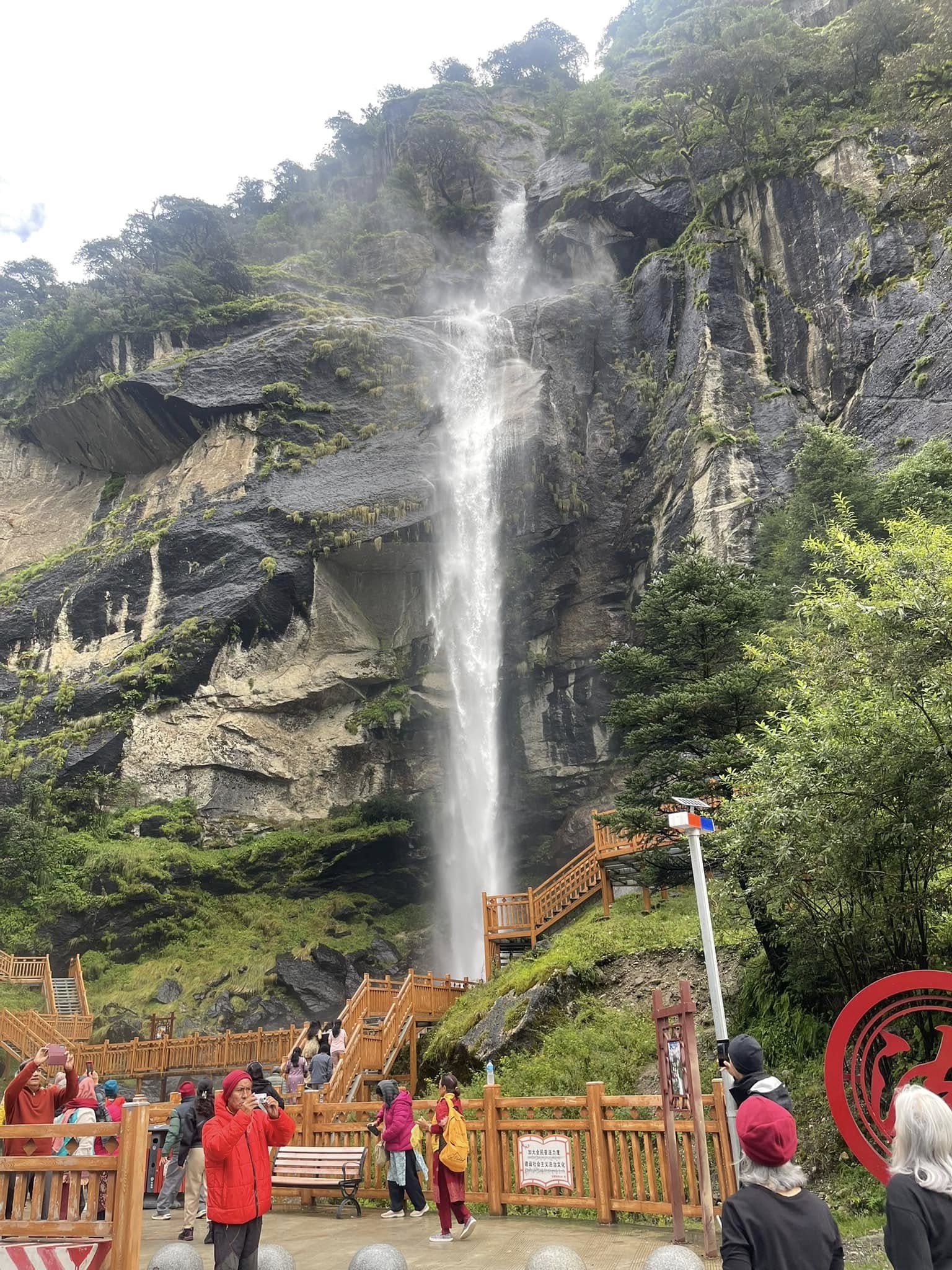
The Kerung region is surrounded by green hills and snow-covered peaks, making it one of the most beautiful border towns in Tibet.
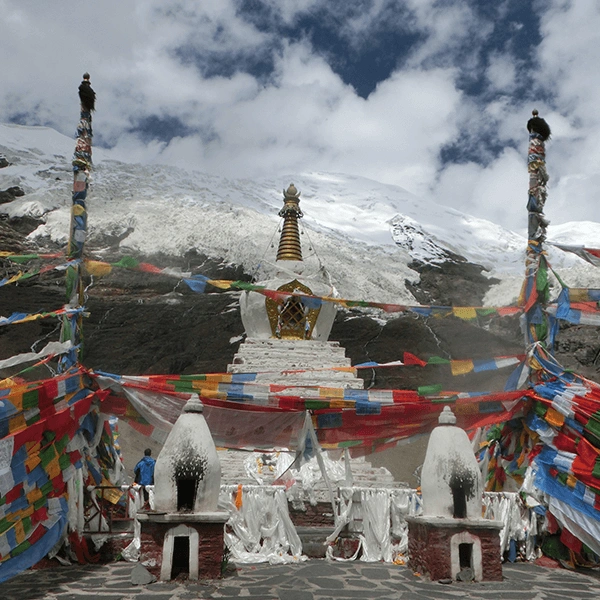
Pilgrims witness Buddhist monasteries, prayer flags, local gift shops, and traditional Tibetan houses. Nomads with yaks and sheep are common sights, offering a rare glimpse into traditional high-altitude life.
Acclimatization and Rest Day at Kerung
Kerung is an ideal place for an acclimatization rest day. The altitude is moderate compared to other Tibetan towns, allowing the body to adjust naturally.
Pilgrims can explore nearby monasteries, interact with locals, and mentally prepare for higher elevations ahead. This rest day plays a crucial role in preventing altitude sickness.
Kailash Mansarovar Yatra via Hilsa Helicopter Route
The Hilsa helicopter route is the fastest and most comfortable option for the Kailash Mansarovar Yatra 2026.
The journey begins with a flight from Kathmandu to Nepalgunj, then onward to Simikot. From Simikot, pilgrims take a helicopter flight to Hilsa, near the Nepal–Tibet border, followed by a short drive into Tibet.
Why Choose the Hilsa Helicopter Option?
This route significantly reduces road travel and physical fatigue. It is especially suitable for elderly pilgrims or those with limited time.
Despite being quicker, the route still offers stunning mountain views, Tibetan culture, and spiritual depth. It is one of the most premium and preferred options for the Kailash Yatra.
Kailash Mansarovar Yatra via Lhasa Route
The Kailash Yatra Via Lhasa route begins with a flight from Kathmandu to Lhasa, followed by an overland journey across central Tibet.
This route allows pilgrims to visit major monasteries, including Potala Palace and Jokhang Temple, before reaching Kailash. It is culturally rich but longer in duration.
Ancient Guge Kingdom and Kyunglung Village
One of the most fascinating highlights of the Kailash region is the ancient Guge Kingdom, known for its unique cliff-side architecture and spiritual heritage.
Nearby Kyunglung Village is believed to be the origin of the Bon religion. This small settlement preserves ancient traditions and offers a deep cultural connection rarely experienced by visitors.
Landscape and Wildlife of the Kailash Region
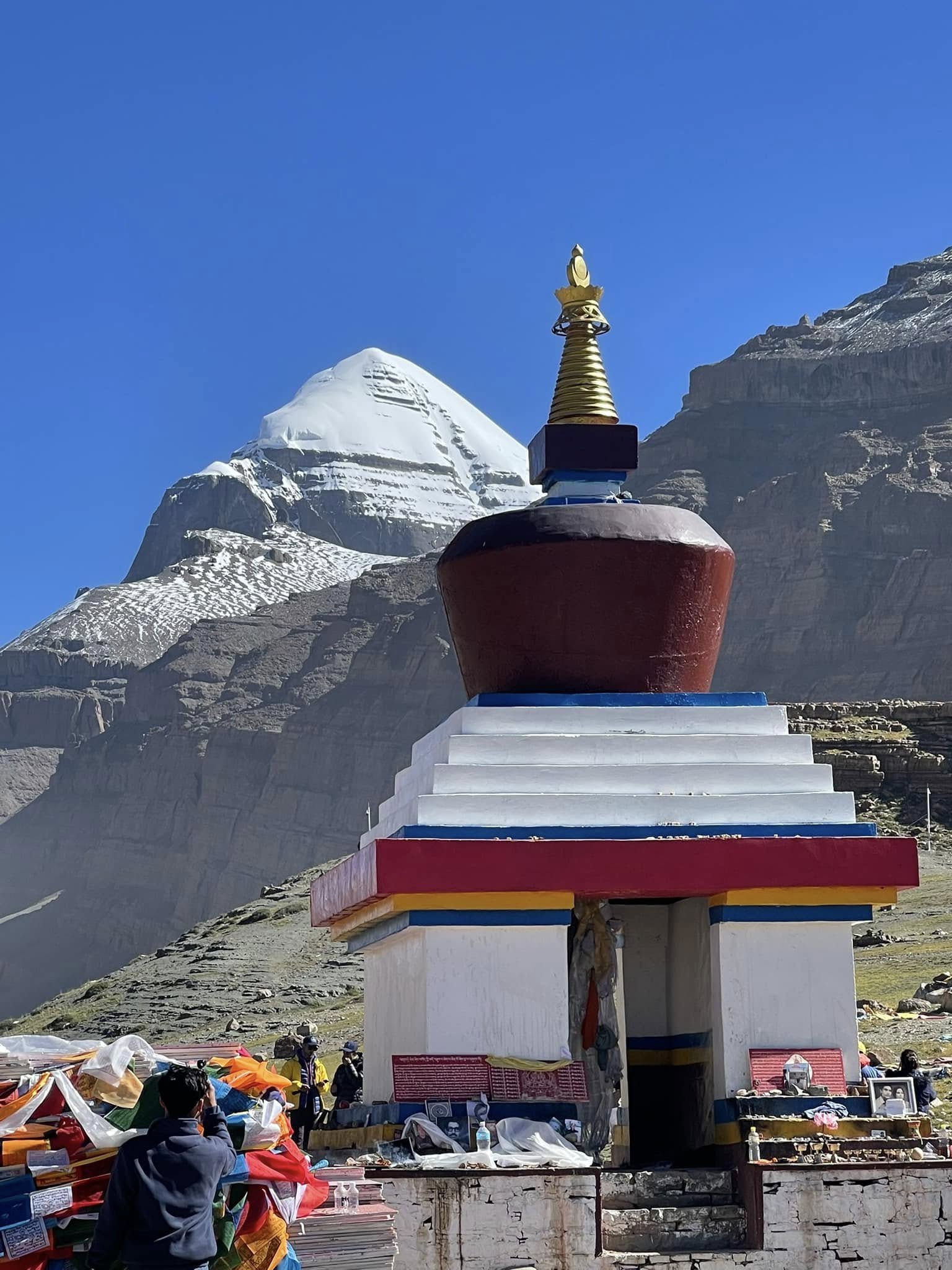
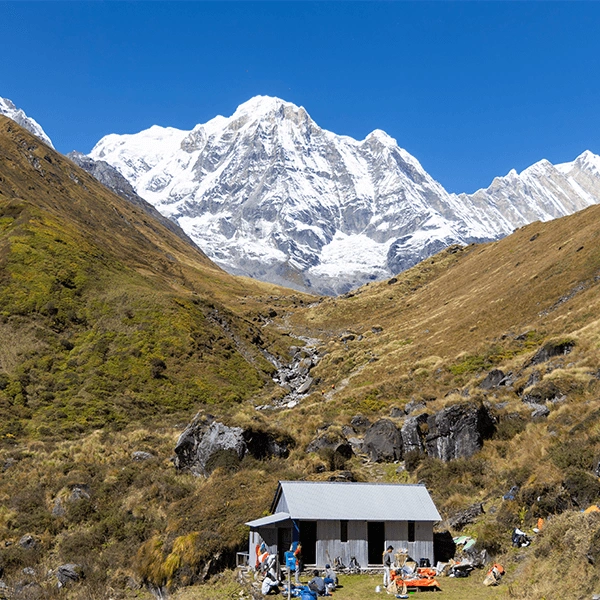
The Kailash region features vast high-altitude plateaus, snow-covered peaks, and wide open skies. The silence of the land feels deeply spiritual.
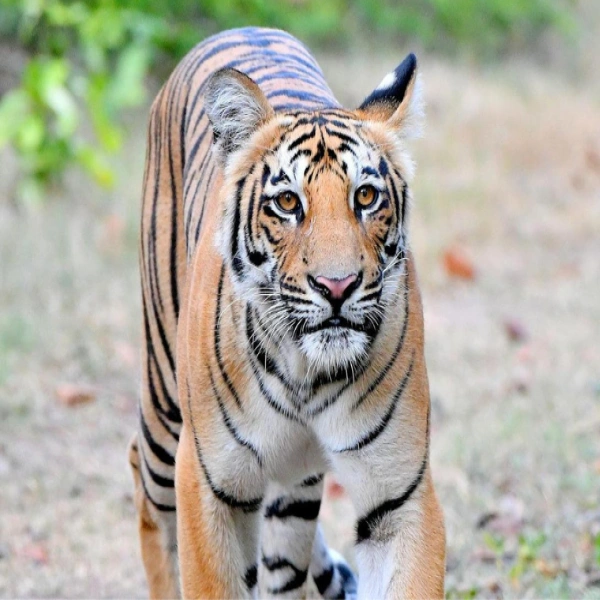
Pilgrims often see wild yaks, Tibetan antelopes, and nomadic herders living traditional lifestyles. The environment feels raw, pure, and untouched.
Kailash Kora (Parikrama): Complete Day-by-Day Explanation
The Kailash Kora is the heart of the yatra. It is approximately 52 kilometers long and usually completed over three days.
While physically demanding, the Kora is spiritually transformative. Every step is considered an act of devotion.
Kailash Kora Day 1: Darchen to Dirapuk
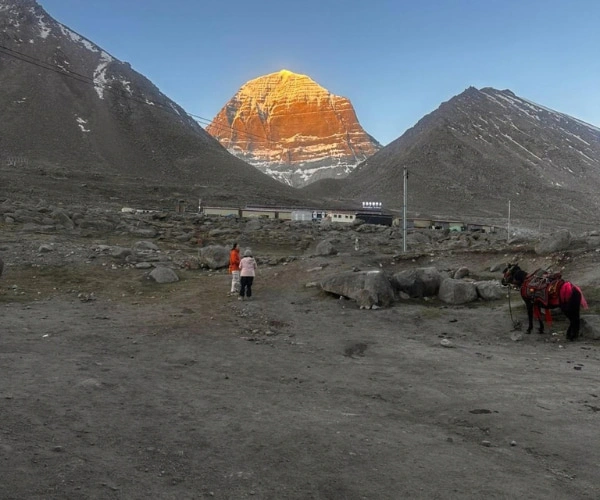
The Kora begins from Darchen, the base town of Mount Kailash. On the first day, pilgrims walk approximately 12–13 kilometers to Dirapuk Monastery.
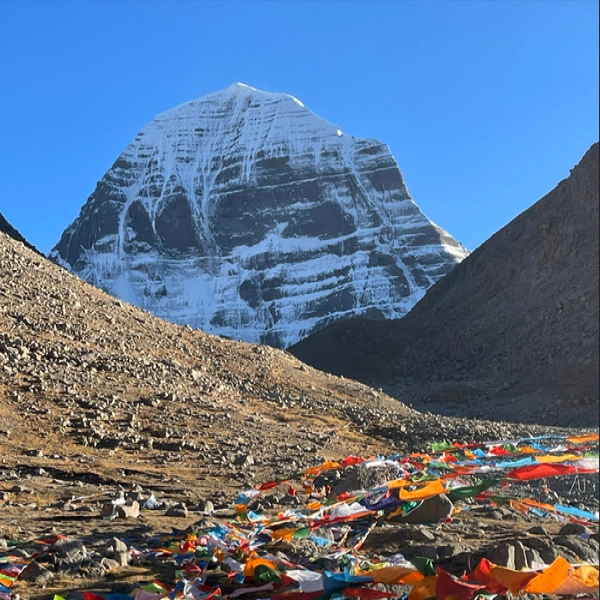
The trail is relatively gentle and follows a wide valley with stunning views of the north face of Mount Kailash. Pilgrims chant mantras, spin prayer wheels, and walk alongside fellow devotees from a
round the world.
Spiritual Experience of Day 1 Kora
The first day sets the tone for the entire parikrama. The sight of Mount Kailash rising majestically ahead fills pilgrims with awe and humility.
Dirapuk Monastery offers a peaceful resting place. Many pilgrims spend the evening in prayer, reflection, and meditation, gathering strength for the most challenging day ahead.
Kailash Kora Day 2: Dirapuk to Zutulpuk via Dolma La Pass
The second day is the most difficult and sacred part of the Kora. Pilgrims start early before sunrise to cross the Dolma La Pass (5,645 meters).
The ascent is steep and physically demanding. Oxygen levels are low, and temperatures are cold. However, faith and determination carry pilgrims forward.
Dolma La Pass: The Spiritual Peak of the Journey
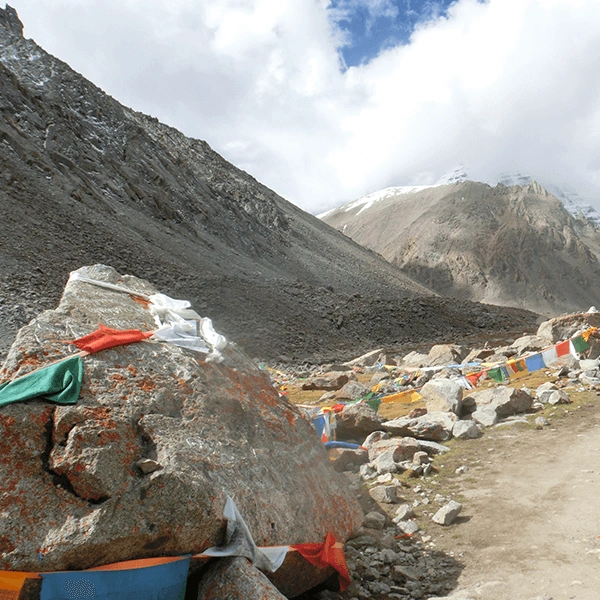
At Dolma La Pass, pilgrims offer prayers, leave personal belongings, and tie prayer flags. Many believe this symbolizes letting go of past burdens and ego.
After the pass, pilgrims descend toward Gauri Kund, a sacred lake associated with Goddess Parvati. The descent is steep and requires careful walking.
Kailash Kora Day 2 Continued: Arrival at Zutulpuk
After crossing Dolma La and descending the rocky trail, pilgrims continue walking to Zutulpuk Monastery.
This day covers around 22 kilometers and is long and exhausting. Zutulpuk provides simple accommodation and a sense of relief after the most challenging section of the Kora.
Kailash Kora Day 3: Zutulpuk to Darchen
The final day of the Kora is relatively easy. Pilgrims walk approximately 8–10 kilometers back to Darchen.
The trail follows a river and offers time for reflection. Completing the parikrama brings a deep sense of accomplishment, gratitude, and spiritual fulfillment.
Physical and Mental Preparation for Kora
While no technical climbing skills are required, pilgrims must prepare physically and mentally. Light walking, breathing exercises, and stamina training are helpful.
Mental strength, patience, and faith are equally important. Walking slowly and listening to guides ensures a safe and successful Kora.
Cost of Kailash Mansarovar Yatra 2026
The cost varies by route and service level:
Kerung Overland Route: USD 2,900 – 4,500
Hilsa Helicopter Route: USD 3,100 – 3,500
Lhasa Route: USD 4,800 – 5,800
Costs include permits, visa, accommodation, meals, transport, guides, and support staff.
Best Time for Kailash Mansarovar Yatra 2026
The best months for the yatra are May to September. Weather conditions are stable, and routes remain accessible.
June and August are particularly popular months. Early booking is recommended due to limited permits.
Essential Travel Tips for Kailash Yatra
Carry warm layered clothing, comfortable trekking shoes, and personal medications. Stay hydrated and eat regularly.
Follow your guide’s instructions strictly, especially during the Kora. Respect local culture and maintain a slow, steady pace.
Why Choose The Holy Kailash Tour
The Holy Kailash Tour specializes in Kailash Mansarovar Yatra with years of experience and trusted logistics.
We offer all route options, experienced guides, proper acclimatization planning, and complete permit support to ensure a safe and spiritually fulfilling journey.
Final Thoughts on Kailash Mansarovar Yatra 2026
The Kailash Mansarovar Yatra is more than a pilgrimage—it is a journey of transformation. With the right preparation and trusted guidance, this sacred path becomes a once-in-a-lifetime experience.
For Kailash Mansarovar Yatra 2026, let The Holy Kailash Tour guide you on this holy journey.