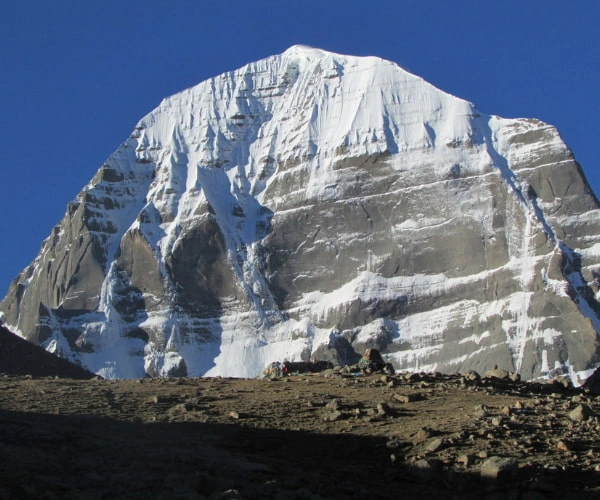
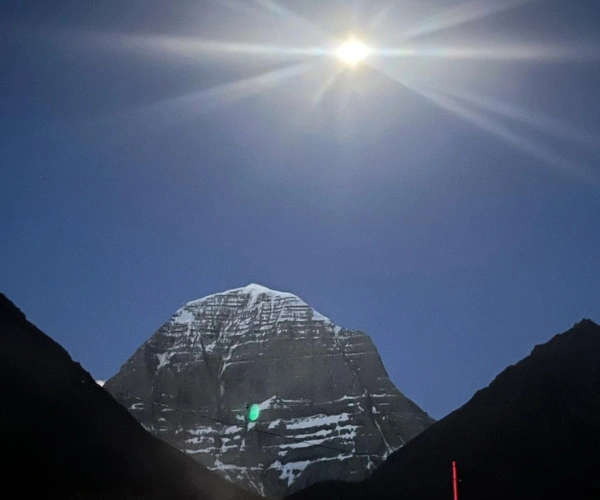
Welcome to Nepal. The best time to trek to Everest Base Camp and Holy Kailash Tours. The Everest Base Camp is where thousands of trekkers from across the world pack their bags and fly into Kathmandu with one goal: reaching Everest Base Camp. Some come for the views. Some come for the challenge. Some just want to stand where so many climbers have stood before, at the foot of the world's tallest mountain, and feel something they can't quite name.
But here's the thing most trekking blogs won't tell you upfront: the timing of your trek matters more than almost anything else. Get it right, and you'll walk through pine forests with rhododendrons in bloom, stop at teahouses packed with fellow trekkers, and reach EverestBase Camp under a wide blue sky. Get it wrong, and you could be slogging through heavy snow, dealing with trail closures, or stuck in a teahouse waiting out a storm.
Holy Kailash Tours guide covers everything you need to know: the best time to trek Everest Base Camp, what the trail actually looks like, how hard it really is, what it costs, and why working with a local team makes the whole experience smoother and safer.
Everest Base Camp Overviews
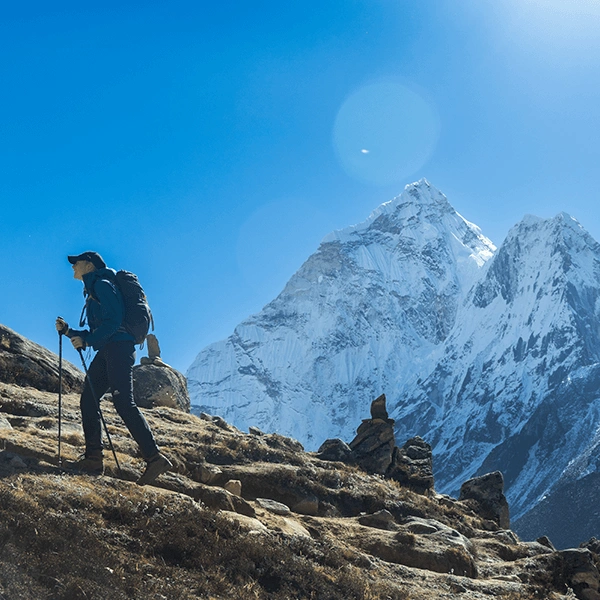
The Everest Base Camp trek is more than just a hike; it is a pilgrimage to the foot of Mount Everest, the roof of the world. For decades, this trail has captivated adventurers with its blend of dramatic high-altitude landscapes, vibrant Sherpa culture, and the sheer adrenaline of standing in the shadow of giants. The journey begins at the bustling mountain airstrip in Lukla and winds through Sagarmatha National Park, a UNESCO World Heritage site known for its unique flora, fauna, and spiritual landmarks.
Everest Base Camp sits in the Khumbu region of northeastern Nepal, in the Solukhumbu district. It's within Sagarmatha National Park, a protected area that's also a UNESCO World Heritage Site. The closest town of any real size is Namche Bazaar, often called the gateway to Everest. The trek starts in Lukla, reached after a short flight from Kathmandu.
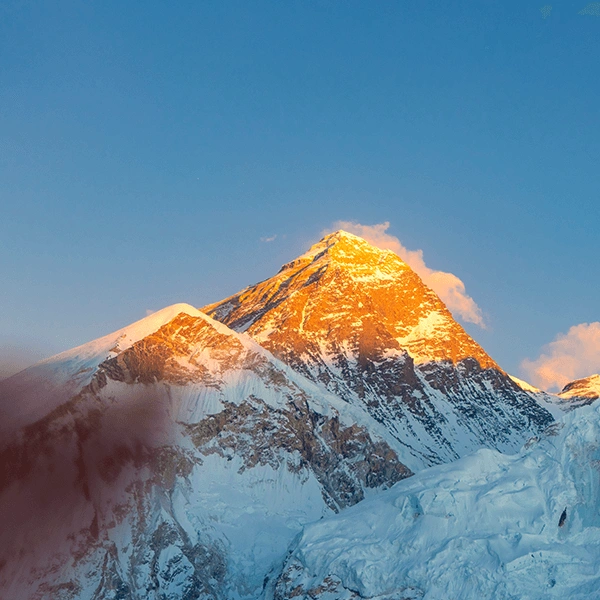
Everest Base Campstands right at the edge of the Khumbu Glacier, just below the Khumbu Icefall. From there, you look up at the West Ridge and the South Col route that climbers use to attempt the summit. It's not a scenic viewpoint in the classic sense. There are no grand Everest panoramas from Base Camp itself. But Kala Patthar, a nearby peak visited on the return route, gives you one of the best views of theEverest trekyou'll find anywhere on Earth without actually climbing it.
What is the height of Everest Base Camp?
The South Base Camp in Nepal sits at 5,364 meters (17,598 feet) above sea level. To put that in perspective, Mont Blanc, the highest peak in Western Europe, reaches about 4,808 meters. You'll be trekking above that altitude for several days on this route.
The height is the main reason altitude sickness is a genuine concern here. Most trekkers don't face serious problems if they follow a proper acclimatization schedule, but it's not something anyone can afford to ignore.
Everest base camp distance
The one-way distance from Lukla to Everest Base Camp is roughly 65 kilometers (40 miles). The round-trip distance is about 130 kilometers (80 miles). Those numbers don't tell the full story, though. You're walking on rocky paths, crossing suspension bridges, climbing ridges, and descending into river valleys. The terrain adds difficulty that flat-distance figures simply can't capture.
Most trekkers take 12 to 14 days for the full round trip, including rest days for acclimatization.
Everest Base Camp Elevation Gain
The total Everest Base Camp elevation gain fromLukla (2,840 meters) to Base Camp (5,364 meters) is roughly 2,500 meters. But the trail doesn't climb in a straight line. It dips and rises constantly, meaning your cumulative elevation gain is much higher than that net figure suggests. There are long descents before big climbs. You'll drop into river valleys just to climb back out again. By the end of the trek, your legs will have worked far harder than the numbers imply.
Highlights of the Everest Base Camp Trek
Caption
Here is the list of the highlights of the Everest Base Camp Trek in Nepal.
Lukla’s Tenzing Hillary Airport: world’s most extreme airport
Sherpa Villages and Monasteries
Diverse Vegetation: Temperate Deciduous to Tundra, including Alpine Forests
Landscapes Diversity: valleys, gorges, rivers, waterfalls, glaciers, and moraines
Everest Base Camp (5364 m) and Kalapathar (5545 m) Sunrise/sunset experiences
Nepal’s most commercial trekking route
Superlative things to experience: Everest View Hotel & Sagarmatha National Park
Day 02: Fly Kathmandu to Lukla (2,840m) & Trek to Phakding (2,610m) 3–4 hours
Day 03: Trek from Phakding (2,610m) to Namche Bazaar (3,440m) 6–7 hours
Day 04: Acclimatization Day at Namche Bazaar (3,440m) 3–4 hours
Day 05: Trek from Namche Bazaar (3,440m) to Tengboche (3,860m), 5–6 hours
Day 06: Trek from Tengboche (3,860m) to Dingboche (4,410m), 5–6 hours
Day 07: Acclimatization Day at Dingboche (4,410m) 3–4 hours
Day 08: Trek from Dingboche (4,410m) to Lobuche (4,940m), 5-6 hours
Day 09: Trek from Lobuche (4,940m) to Gorakshep (5,164m) & Visit Everest Base Camp (5,364m); 7–8 hours
Day 10: Hike to Kala Patthar (5,545m) & Trek to Pheriche (4,371m); 6–7 hours
Day 11: Trek from Pheriche (4,371m) to Namche Bazaar (3,440m); 6–7 hours
Day 12: Trek from Namche Bazaar (3,440m) to Lukla (2,840m); 6–7 hours
Day 13: Fly from Lukla to Kathmandu (1,400m)
Day 14: Final Departure from Kathmandu
This route itinerary is carefully designed to reduce the risk of altitude sickness.
Why Do You Choose the Everest Base Camp Trek?
Caption
The Everest Base Camp trek is not the hardest thing you'll ever do. It's not a technical climb. You don't need ropes or special mountaineering skills. What you need is decent fitness, the right mindset, and enough time to acclimatize properly.
So why do people choose it over other treks in Nepal? A few solid reasons:
The name carries real weight. Mount Everest is the highest point on Earth. Trekking to its base means walking the same approach that Edmund Hillary and Tenzing Norgay took before their 1953 summit. You feel that history on the trail.
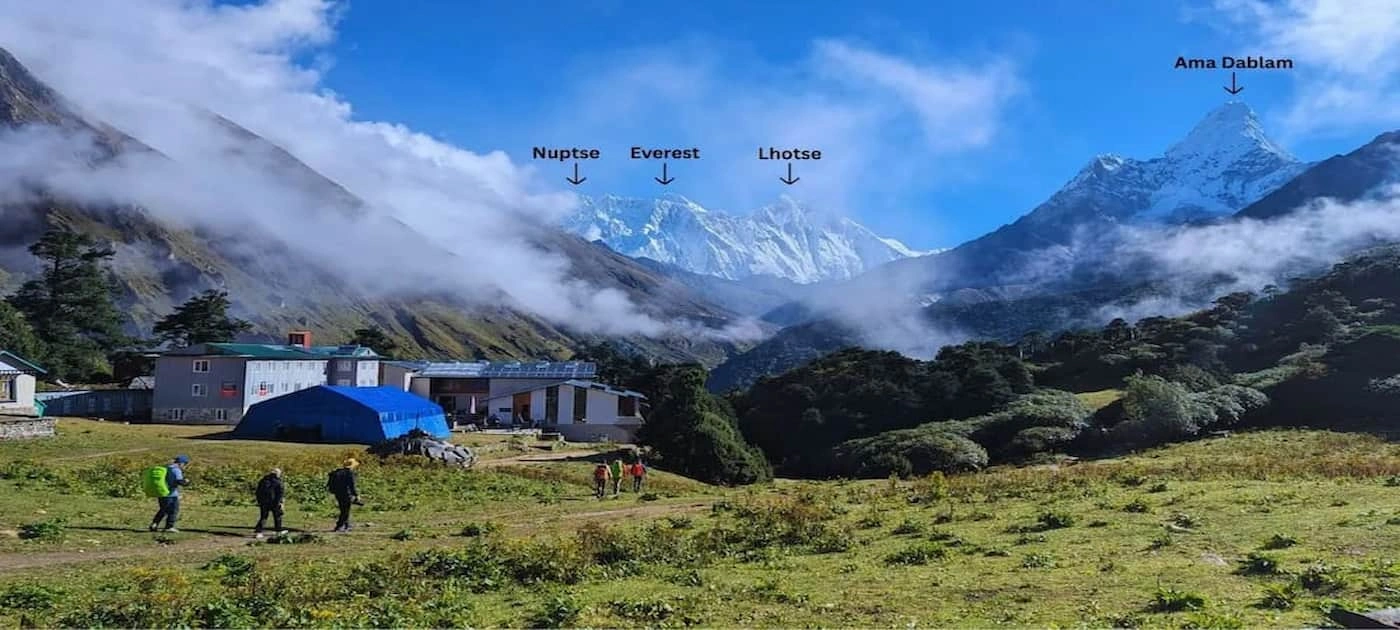
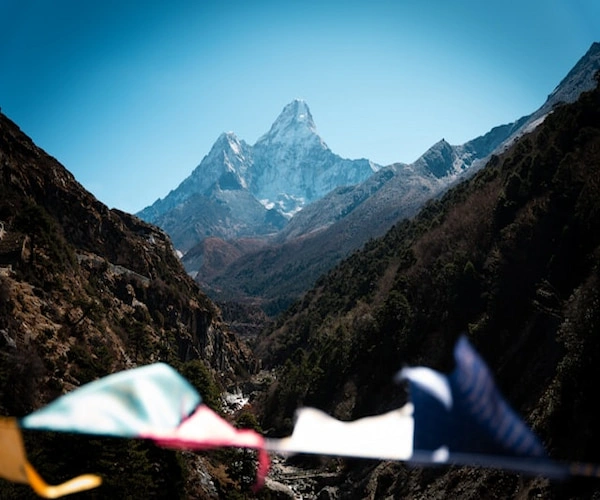
The scenery is genuinely extraordinary. You pass through Sherpa villages, ancient monasteries, and landscapes that shift from forested valleys to barren high-altitude terrain as you climb. Mountains like Ama Dablam, Lhotse, and Nuptse fill your view for days on end.
It's accessible. Compared to technical mountaineering, this trek is within reach for most people with reasonable fitness and a few weeks to spare. No climbing experience is needed.
The culture adds real depth. The Khumbu region is home to the Sherpa people, whose traditions and mountaineering history are worth experiencing in their own right.
It's a proper challenge. You will get tired. Your lungs will work harder at altitude. But the satisfaction of reaching Base Camp after 12 days on the trail is genuine.
Best Time to Trek to Everest Base Camp
Caption
This is the core question, and the answer is clear even if the nuance takes a bit of explaining.
The two best seasons are spring (March to May) and autumn (September to November).
Spring: March to May
Spring is the most popular season for the Everest Base Camp trek, and for good reason. The weather is generally stable, temperatures are warming after winter, and the lower-elevation trail comes alive with rhododendron forests in bloom.
March is cool and quieter than April or May. Snow is still possible above Namche, but the trails are passable, and most teahouses are open. If you want fewer crowds and don't mind cooler mornings, March is a strong option.
April and May are the peak climbing season on Everest. The trail gets busier as expedition teams head to Base Camp, but weather windows are generally good. Temperatures are warmer, visibility is often clear, and overall trekking conditions are excellent. Late May can bring some pre-monsoon cloud buildup, especially in the afternoons.
Spring gives you long days, manageable temperatures, and clear mountain views in the mornings. For most trekkers, it's the best overall season.
Autumn: September to November
The second main season is autumn. The monsoon ends in September, leaving the landscape fresh and the air clean and crisp.
September starts well. Trails aren't yet crowded, the forests are lush and green after the rains, and the skies are often cleaner post-monsoon than in spring. It can still rain early in the month, but it usually clears quickly.
October and November are the golden months. Crisp air, blue skies, and outstanding visibility make this the most photogenic time of year on the trail. October is particularly ideal. Temperatures are dropping, but haven't hit the brutal cold of December or January yet.
By late November, night temperatures at higher elevations get genuinely cold. Still doable, but you'll need proper gear.
What About Winter and Monsoon?
December to February (winter): Trails are open and far less crowded. If you enjoy solitude, winter trekking has real appeal. But temperatures at Base Camp can drop to minus 20 degrees Celsius or lower overnight. Many teahouses at higher elevations close. You'll need serious cold-weather gear and should plan carefully before committing.
June to August (monsoon): This is the one season to avoid. Heavy rainfall makes trails slippery and dangerous. Leeches are common at lower elevations. Cloud cover blocks mountain views for most of the day. Flights to Lukla are regularly delayed or cancelled. Possible, yes. But genuinely unpleasant.
Quick reference:
Best overall: October and November
Great for flowers and climbing season atmosphere: April and May
Good with some compromise: March and September
Challenging but possible: December to February
Avoid if you can: June to August
Why Did You Choose Holy Kailash Tours for the Everest Base Camp Trek?
There are dozens of trekking companies operating in Nepal. Why choose Holy Kailash Tours?
The practical answer is experience and reliability. Holy Kailash Tours is a Kathmandu-based operator with years of experience running treks throughout the Himalayan region. The team knows the Khumbu trail the way you know your own neighborhood. They've handled bad weather, flight cancellations, altitude sickness emergencies, and the hundred small logistical problems that can derail a trek when no one's prepared for them.
Here's what Holy Kailash Tours includes in their Everest Base Camp packages:
Airport pickup and drop-off in Kathmandu
All domestic flights (Kathmandu to Lukla and back)
TIMS card and Sagarmatha National Park entry permit
Teahouse accommodation throughout the trek (twin sharing)
All meals on trail (breakfast, lunch, and dinner)
An experienced, licensed English-speaking trekking guide
A porter, typically one per two trekkers
All trekking staff costs, including insurance, salary, and equipment
A proper acclimatization schedule is built into the itinerary
First aid kit and basic altitude medication
A pre-departure briefing in Kathmandu
What sets them apart isn't just the list of inclusions. It's the local knowledge. When a teahouse is closed, they know an alternative. When the weather shifts, they adjust. When a trekker starts showing early signs of altitude sickness, the guides are trained to spot it and act before it becomes a bigger problem.
Holy Kailash Tours also has a strong track record of treating Sherpa guides and porters fairly. That matters more than most travelers realize. Working with a company that takes staff welfare seriously makes the whole experience feel a little more right.
Everest Base Camp Trek Route
The classic Everest Base Camp trek follows a well-worn path through the Khumbu valley. Here's how it typically unfolds:
Day 1: Fly from Kathmandu to Lukla, trek to Phakding. The Lukla flight is famous for its short runway perched on a mountain slope. Most trekkers spend their first night in Phakding, a small village about three hours down the trail.
Day 2: Phakding to Namche Bazaar. This day is when many people realize what they've signed up for. The climb to Namche is steep and long. You cross several suspension bridges, including the famous Hillary Suspension Bridge, and gain significant altitude. Namche sits at 3,440 meters.
Day 3: Acclimatization day in Namche Bazaar. Not optional. Spending an extra day in Namche before going higher is the single most important thing you can do to avoid altitude sickness. Most guides recommend a short hike to the Everest View Hotel for views and to help your body adjust.
Day 4: Namche to Tengboche: A long but stunning day. The monastery at Tengboche is one of the most atmospheric places on the entire route, and timing your arrival for morning or evening prayers is worth planning for.
Day 5: Tengboche to Dingboche: The valley opens up as you climb. You leave the tree line behind. The landscape becomes more open and barren.
Day 6: Acclimatization day in Dingboche. Another rest day, another acclimatization hike. This one typically goes up to the ridge above the village for views of Makalu and Lhotse.
Day 7: Dingboche to Lobuche A gradual climb past the Thukla Pass memorial, where stone memorials to climbers who have died on Everest line the trail. It's a sobering spot.
Day 8: Lobuche to Gorak Shep, then to Everest Base Camp. The trail to Gorak Shep is rough. Moraine walking is tiring. Then you make the final push to Base Camp. The feeling upon arrival is hard to describe. It's not the most scenic spot, but it means something.
Day 9: Kala Patthar, then down to Pheriche. An early morning hike up Kala Patthar (5,545 meters) gives you the best panoramic view of Everest available without climbing the mountain itself. Then you descend back toward Pheriche.
Days 10 to 12: Descent to Lukla. The descent goes faster than the ascent. Most trekkers are back in Lukla within two to three days, ready for the flight to Kathmandu.
Here's a day-by-day breakdown of typical distances:
Section
Distance
Walking Time
Lukla to Phakding
8 km
3 hours
Phakding to Namche
11 km
5 to 6 hours
Namche to Tengboche
10 km
5 hours
Tengboche to Dingboche
13 km
5 to 6 hours
Dingboche to Lobuche
10 km
5 hours
Lobuche to Gorak Shep and EBC
12 km
6 to 7 hours
EBC to Lukla (return)
~65 km
3 to 4 days
The full trek is 12 to 14 days, including acclimatization days. Trying to rush it under 10 days significantly increases your risk of altitude sickness. It's not a shortcut worth taking.
Everest Base Camp Trek Difficulty Level
Caption
Let's be straightforward about this. The Everest Base Camp trek is moderate to strenuous. It's not a casual walk, but it's also not beyond most reasonably fit adults.
Here's what actually makes it hard:
Altitude. This is the main factor, full stop. Above 3,500 meters, your body works harder to get enough oxygen. Headaches, fatigue, and nausea are common, especially in the first few days at altitude. Serious altitude sickness is rare if you follow proper acclimatization, but it can still occur and be dangerous.
Cumulative fatigue. You're walking every day for 12 to 14 days. Even if the daily distances aren't huge, the cumulative tiredness adds up. By day 8 or 9, your legs are tired, and you still have days ahead.
Terrain. The trail is rocky and uneven in places. There are long climbs, rough moraine paths near the glacier, and suspension bridges that take some getting used to. None of it is technically difficult, but it demands constant attention.
Cold. Even in peak season, nights above Namche get very cold. At Lobuche and Gorak Shep, temperatures can drop below -15 °C in October and November.
Who should feel comfortable with this trek:
Anyone who hikes regularly, even at lower altitudes
People who can walk 6 to 8 hours a day for multiple consecutive days
Anyone with a reasonable base level of cardiovascular fitness
Who should prepare more carefully:
First-time trekkers with no mountain experience (still possible, but give yourself more preparation time)
Anyone with pre-existing respiratory or heart conditions (get clearance from a doctor first)
Trekkers over 60 (absolutely possible, but more preparation and a slower pace are needed)
Everest base camp trek weather
The weather on the Everest Base Camp trail varies widely depending on the season and elevation.
At Lukla (2,840 m): Temperatures in October and November range from around 5 to 15 degrees Celsius during the day. In the monsoon season, it rains heavily and frequently.
At Namche Bazaar (3,440 m): Spring daytime temperatures average 5 to 12 degrees Celsius. Winter nights drop well below freezing. Autumn is similar to spring but noticeably drier.
At Base Camp (5,364 m): Even in October, daytime temperatures hover near 0 degrees Celsius and drop to minus 15 or lower at night. In April and May, it's slightly warmer but still cold enough to be genuinely cold. Winds can be fierce.
One thing worth knowing: weather changes fast at altitude. A clear morning can turn into an afternoon snowstorm with little warning. Always carry a rain layer and extra warm layers.
The Lukla airport is notoriously weather-dependent. Flight cancellations and delays are common in peak seasons when traffic is heaviest. Build in one or two buffer days at the end of the trek to Kathmandu. Holy Kailash Tours always advises clients to keep international flights flexible enough to absorb a short delay on the Lukla leg.
Everest Base Camp Trek Cost Breakdown
The cost varies depending on how you organize the trek. Here's a realistic breakdown:
Typical package range: USD 1,500 to USD 2,500 per person
This usually includes:
Kathmandu to Lukla flights (round trip): USD 200 to USD 350 per person
Guide fee: USD 25 to USD 35 per day
Porter fee: USD 20 to USD 25 per day (usually one porter shared between two trekkers)
Teahouse accommodation: USD 5 to USD 15 per night (rises with altitude)
Meals on the trail: USD 30 to USD 50 per day, covering three meals
Sagarmatha National Park permit: USD 30
TIMS card: USD 20
Trekking insurance: USD 100 to USD 200, depending on your policy
A mid-range organized package with Holy Kailash Tours, including all the above, typically runs USD 1,500 to USD 1,800 per person. That's fair pricing for a fully supported 12 to 14-day trek in one of the world's most demanding environments.
What's usually not included:
Travel insurance from your home country
International flights to Kathmandu
Tips for guides and porters (customary and expected)
Porter(s) to carry luggage (wages, food, and insurance included)
Tea-house / lodge accommodation during the trek (twin sharing)
Meals during the trek (typically breakfast, lunch, and dinner)
Basic first-aid kit and medical supplies carried by the guide
Trekking gear on loan (e.g., down jacket, sleeping bag) in some packages
Government and local taxes/service charges
Cost Excludes
International airfare to/from Nepal
Nepal entry visa fee
Meals in Kathmandu (unless specified)
Bottled water, beverages, hot drinks, and alcohol
Travel insurance (including helicopter evacuation and emergency coverage)
Personal trekking gear (boots, poles, clothing)
Tips/gratuities for guide(s), porter(s), and drivers
Hot showers, Wi-Fi, and battery charging fees during trek
Laundry, phone calls, snacks, and extra menu items
Extra porter(s) or additional services beyond the package
Additional accommodation due to delays (weather, flight delays)
Emergency evacuation costs are not covered by insurance
Unforeseen costs due to itinerary changes (strikes, natural events)
Required Permits
Caption
You need two permits to trek the Everest Base Camp route:
1. Sagarmatha National Park Entry Permit: This covers your entry into the national park and is issued by the Department of National Parks and Wildlife Conservation. The fee is approximately NPR 3,000 (USD 23-25). You can get it at the Nepal Tourism Board office in Kathmandu or at the park entry checkpoint in Monjo, about two days into the trail.
2. TIMS Card (Trekkers' Information Management System) Required for almost all trekking routes in Nepal. It costs USD 10-20, depending on whether you're trekking independently or with a registered agency. Available from the Nepal Tourism Board office in Kathmandu or through your trekking company.
Both permits require passport-sized photos and a copy of your passport. Your guide from Holy Kailash Tours handles the paperwork and will remind you to bring the photos before you leave Kathmandu. It's straightforward but worth sorting before you hit the trail.
The Everest Base Camp route is famous for its teahouse culture. Unlike more remote Himalayan routes, where you camp every night, this trail has teahouses at every stop. They're small guesthouses run by local families, usually built from stone, and they form the backbone of the trekking experience.
What to expect:
Rooms are simple, usually with two single beds and thin mattresses
Most rooms above Namche don't have attached bathrooms
Shared toilets, often squat style, at higher elevations
Hot showers are available at most teahouses below Dingboche, scarcer above that
Electricity is available but sometimes limited. Charging your devices often costs extra
Wi-Fi is available in most teahouses below Namche, slower and patchier above
In peak season, especially October, teahouses fill up fast. Your guide typically books rooms ahead or knows which spots have space. Going with an organized team like Holy Kailash Tours is a real practical advantage here.
Food
The food on the Everest Base Camp trail is genuinely good, more varied than you'd expect at this altitude.
Common options:
Dal bhat (lentil soup with rice and vegetables), the most calorie-dense and popular choice
Tibetan bread, porridge, and eggs for breakfast
Noodle soups and fried rice for lunch
Pasta, pizza (yes, at teahouses above 4,000 meters), and momos (Tibetan dumplings)
Garlic soup, which many veteran trekkers swear helps with acclimatization
Prices increase with altitude. A meal costing USD 5 in Namche might cost USD 10 or USD 15 in Gorak Shep. Everything gets carried up by a porter or a yak, so the markup is fair.
Drink plenty of water. At altitude, dehydration accelerates the onset of altitude sickness. Carry water purification tablets or a filter. Bottled water is available, but it adds to the plastic waste already building up on the trail.
Packing List
Getting your gear right matters. Wrong footwear or inadequate layering can make the trek genuinely miserable. Here's what to bring:
Clothing:
Moisture-wicking base layers (2 to 3 sets)
Fleece mid-layer
Down jacket for evenings and high altitudes
Windproof and waterproof outer shell
Trekking trousers (2 pairs)
Warm hat and sun hat
Buff or neck gaiter
Gloves: thin liner gloves plus a warmer outer pair
Wool or synthetic trekking socks (5 to 6 pairs)
Footwear:
Sturdy waterproof trekking boots, broken in before the trip
Lightweight sandals or camp shoes for teahouses
Gear:
Daypack (20 to 25 liters) for daily use
Trekking poles (highly recommended, especially on descents)
Headlamp with extra batteries
Sleeping bag rated to minus 15 Celsius
Sunglasses with UV protection (high-altitude sun is intense)
Sunscreen and lip balm
Two-liter water bottle capacity minimum
Health and hygiene:
Hand sanitizer
Blister plasters
Paracetamol, ibuprofen, and rehydration salts
Diamox (acetazolamide) for altitude sickness prevention (consult a doctor first)
Personal prescription medications
Documents:
Passport and two photocopies
Travel insurance documents with emergency contact numbers
Your permit documents (your guide will often carry the originals)
Altitude and Safety Tips
Altitude sickness is the main safety concern on this trek. Here's what you actually need to know, beyond the vague advice you'll find on most trekking websites.
Know the symptoms:
Mild: Headache, fatigue, loss of appetite, disturbed sleep
Moderate: Persistent headache not improved by painkillers, nausea and vomiting, dizziness, shortness of breath at rest
Severe (HACE or HAPE): Confusion, inability to walk straight, coughing up frothy or pink mucus, extreme breathlessness
The rule that matters most: never go higher if you have moderate symptoms. If your headache doesn't improve with rest, water, and a painkiller, you need to descend. Don't wait it out. Going down even 300 to 500 meters can make a significant difference very quickly.
How to acclimatize properly:
Follow the standard guideline: don't gain more than 300 to 500 meters of sleeping altitude per day above 3,000 meters
Take rest days seriously. They're not wasted days. They're the reason you make it to Base Camp
Drink 3 to 4 liters of water per day on the trail
Avoid alcohol for the first few days at altitude
On Diamox: Many trekkers take acetazolamide as a preventive measure. It can reduce the risk and severity of altitude sickness. Talk to your doctor before the trek. Common side effects include increased urination and tingling in fingers and toes.
Your guide is your best safety asset. A good, licensed guide from Holy Kailash Tours will monitor your health daily, ask how you slept, and notice early signs of altitude problems before you do. If they say you need to rest or descend, they're almost certainly right.
Travel insurance is not optional. Make sure your policy covers high-altitude trekking above 5,000 meters and includes helicopter evacuation. A helicopter rescue from Base Camp costs between USD 5,500 and USD 8,000, or more. Without insurance, that's a bill that can wipe out your savings.
Why should you book with a Local Nepal-Based Company?
You can book an Everest Base Camp trek through international agencies based in Europe, the US, or Australia. Many people do. But there are real, practical advantages to booking directly with a Nepal-based company.
Cost. International agencies mark up their Nepal packages significantly, sometimes 40 to 60 percent above what a local company charges for the same experience. That extra money often stays offshore rather than in Nepal.
Local knowledge. Holy Kailash Tours operates on the ground. Their guides live and work in Nepal. When a teahouse is damaged, when a route is temporarily closed, when the weather is coming in from the west, the local team knows before any international booking platform does.
Direct communication. When you book with a local operator, you're talking to the people who actually run your trek. No middlemen, no call centers. If something changes, you hear about it immediately.
Flexibility. Need to extend a day in Namche because you're not feeling well? Need to swap accommodation? Local operators can make those calls on the spot. International agencies often can't and won't.
Supporting the local economy. Trekking is one of Nepal's most important sources of income. Booking with a Nepali company means your money stays in Nepal, supporting guides, porters, teahouse owners, and local suppliers throughout the Khumbu valley.
Fair treatment of staff. Holy Kailash Tours is committed to fair wages, proper insurance, and adequate equipment for all its guides and porters. Not every operator in Nepal prioritizes this. It's worth asking any company you consider how they treat their field staff before you book.
Final Thoughts
The Everest Base Camp trek is one of those rare experiences that actually lives up to its reputation. Not because it's easy or comfortable, but because it demands something real from you and gives you something real in return.
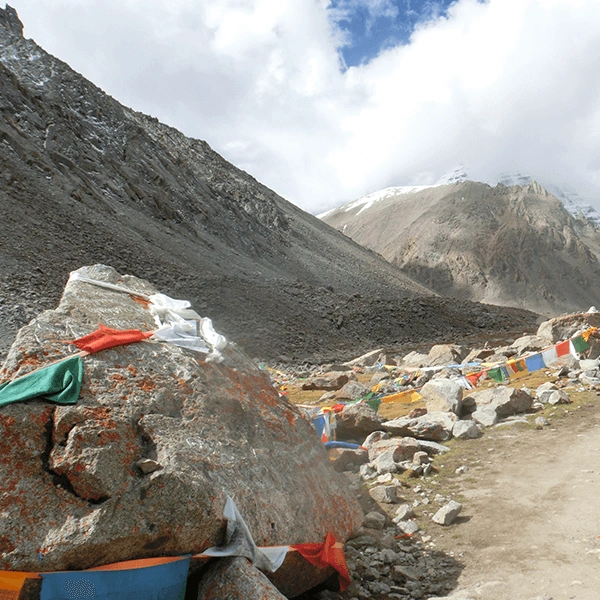
You'll walk through villages where prayer flags snap in the wind, and yaks block the trail. You'll sit in teahouses at 4,500 meters drinking ginger tea while snow falls outside. Your legs will protest on the eighth day of climbing. And then, on a cold morning in October or April, you'll stand at 5,364 meters and look at the mountain that humans have spent a century trying to conquer.
It'll be worth every step.
The timing matters. Go in October if you can. April works well, too. Avoid the monsoon months unless you have a very good reason.
And when you go, consider working with Holy Kailash Tours. Not because they're the only good operator in Nepal, but because they know this trail deeply, they take care of their clients, and they take care of the people who work for them. For a trek this meaningful, those things matter quite a bit.
Sort your permits, your gear, and your fitness before you arrive in Kathmandu. Give yourself enough time to acclimatize. Drink water, listen to your guide, and go slow.
Contact us. Holy Kailash Tours is ready to guide you when you are ready to go to Everest Base Camp.
FAQS
1. What's the best month to trek to Everest Base Camp?
The ideal months are March to May (spring)and September to November (autumn) due to clear sky, moderate temperatures, and safer trekking conditions
2. How long does the Everest base camp trek take?
The scheduled trek is 12 to 14 days, including Acclimatization days, Kathmandu, Lukla, Kathmandu return the same route
3. What is the difficulty level of the Everest Base Camp trek?
The trek is moderate to challenging. Key difficulties include high altitude, long hour walking steeo ascents, and cold temperatures. Proper fitness and preparation are essential
4. How should I prepare physically?
Cardio workouts, fitness running, hiking, cycling, Strength training for legs, core, and back exercises, practice hiking multiday with lodded backpack
5. What is the weather at Everest base camp trek?
Spring/Autumn: 5°C to 20°C at lower altitudes.below 0°C at higher elevations.
Winter: Extremely cold −15°C to −20°C.
Manson: Rainy at lower altitudes, cloudy at higher altitudes
6. How much does it cost?
Budget trekking: $800 to $ 5,000 per person, depending on the packages you choose.
Guided trekking $1500 to $5500 perperson, depending on service, luxury lodge trek, or helicopter tours
7. Do I need a guide and potters?
Yes, you need a guide and porters because of the trekking route if you miss, you will miss the himalayas potter helpful for carrying heavy bags
8. What gear should I carry?
Trekking boots, warm layers, waterproof jackets, gloves, hats, sunglasses, sleeping bags, trekking poles, a headlight, and a daypack