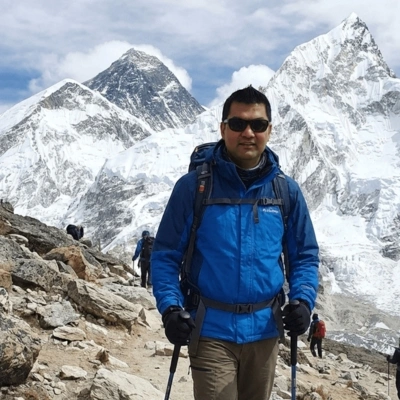
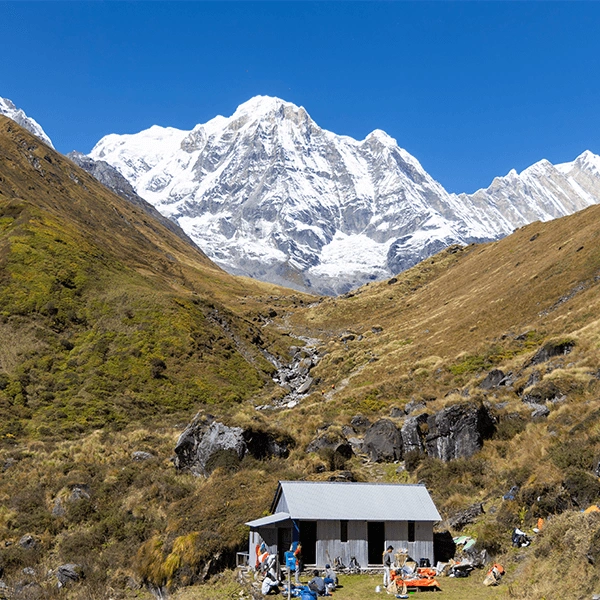
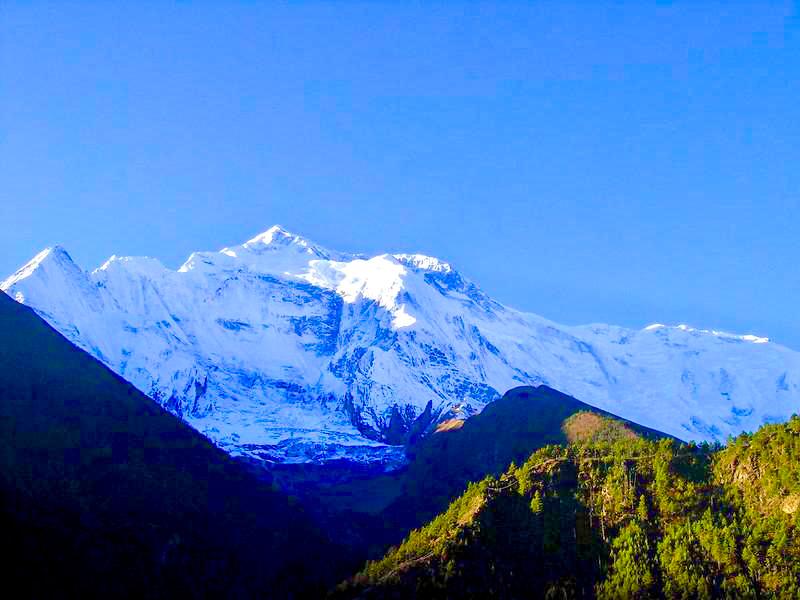
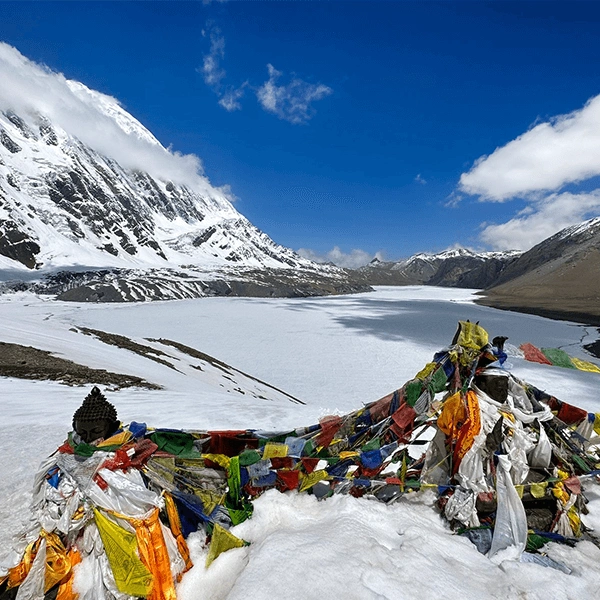
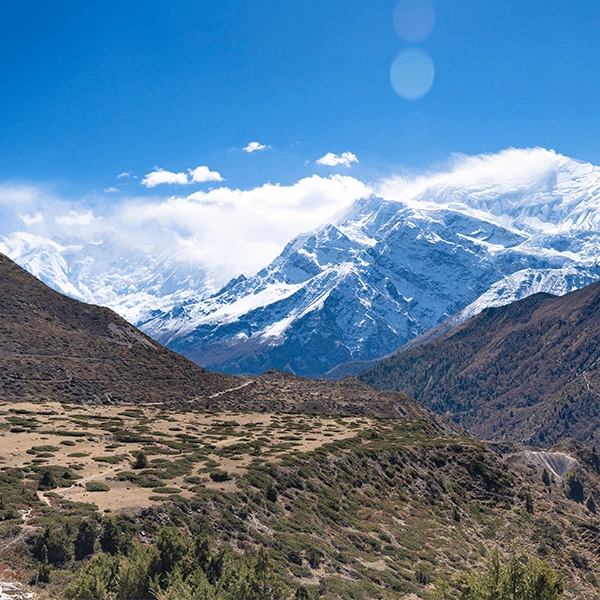
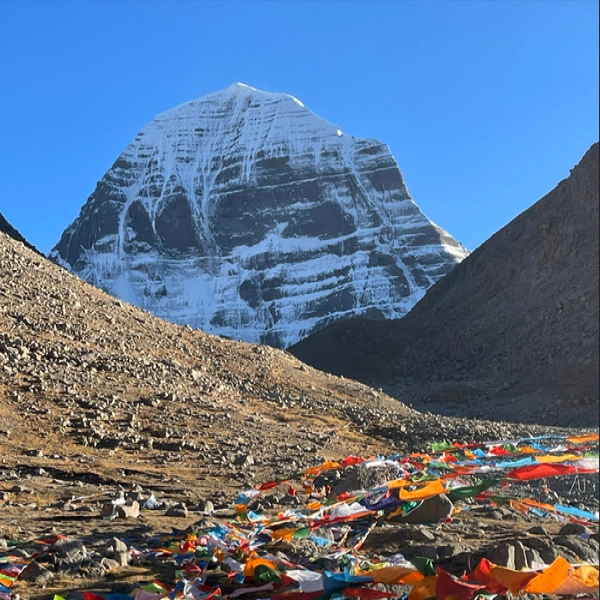
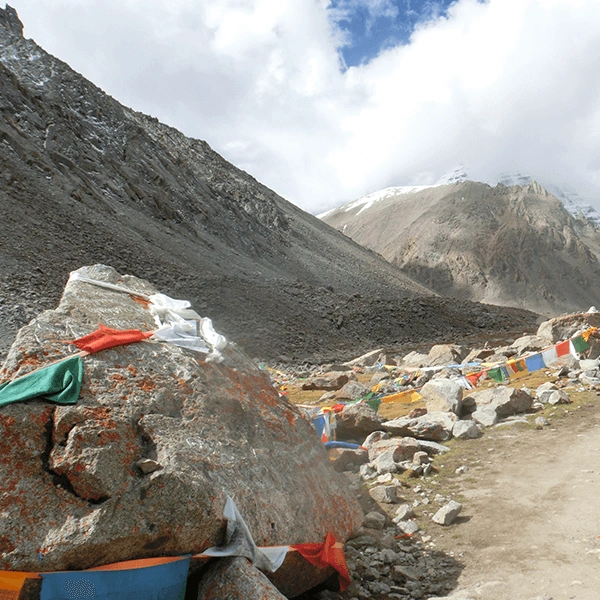
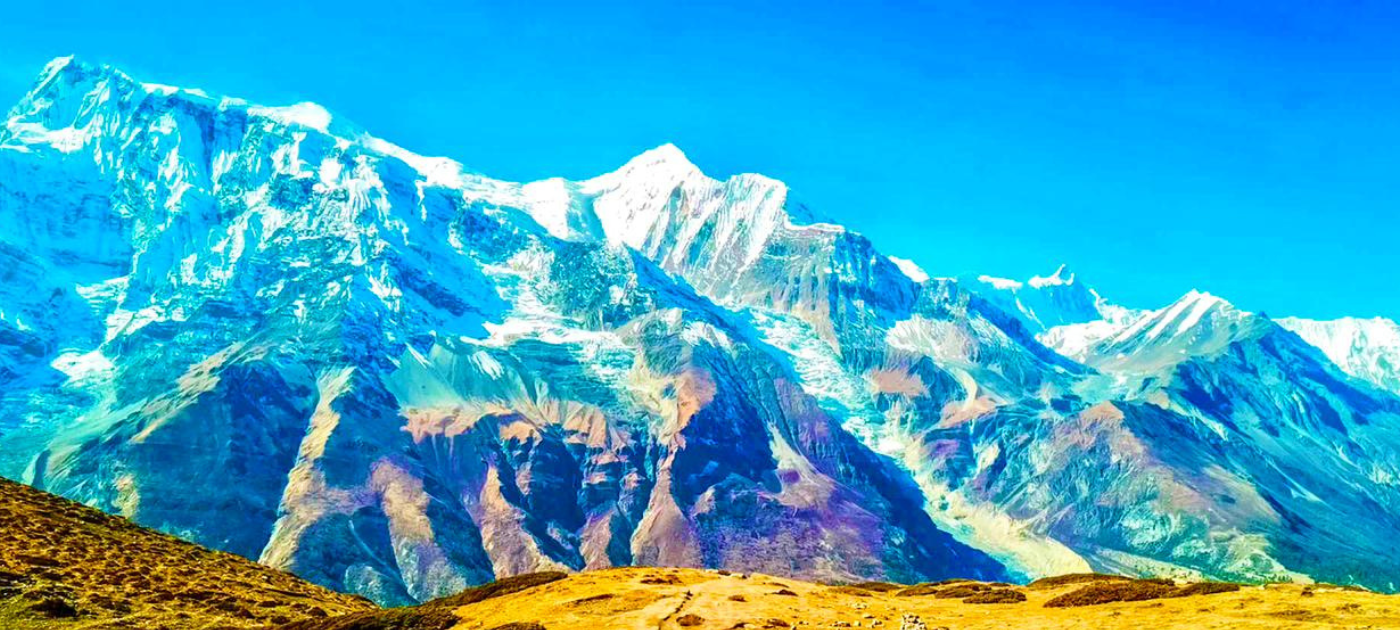
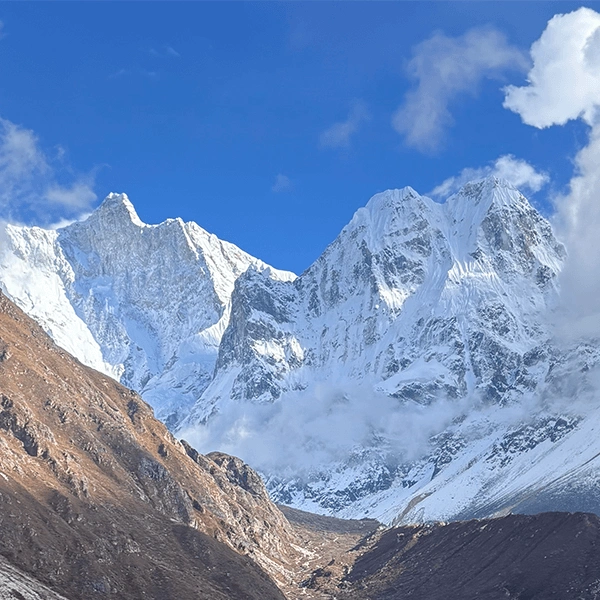
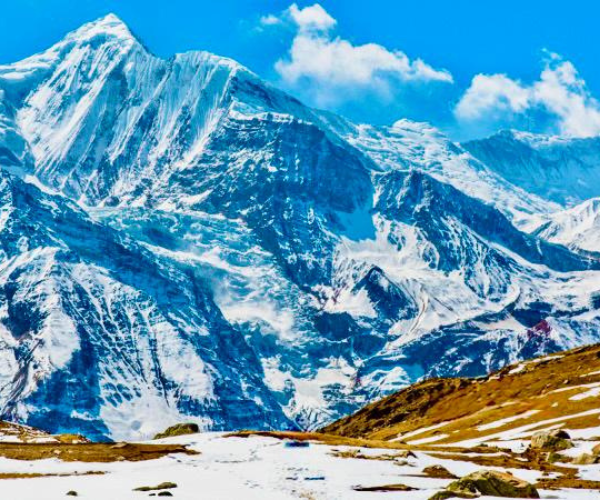
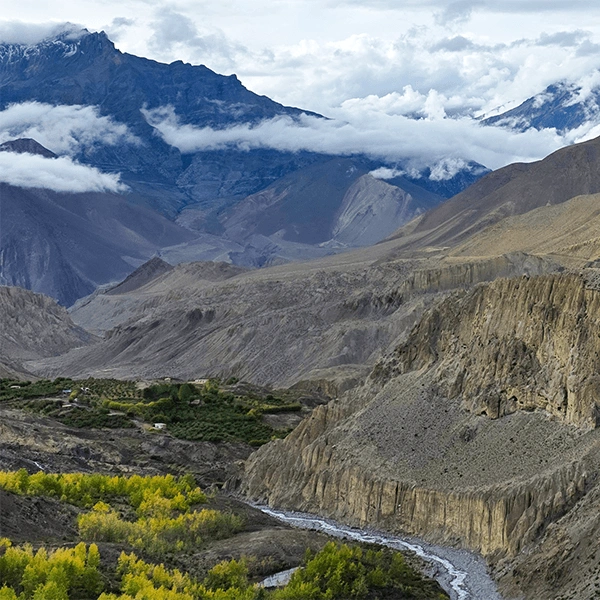
Nepal is home to some of the most spectacular trekking landscapes in the world, yet few areas can offer a natural diversity as great as that found in the Annapurna Base Camp, Annapurna Circuit trek, and ABC regions. Within a one-and-the-same trekking passage, you will encounter a range of environments such as subtropical forests, terrace farms, rhododendron forests, alpine meadows, and glaciers. Such a variety in geography is pretty rare anywhere in the world.
Caption
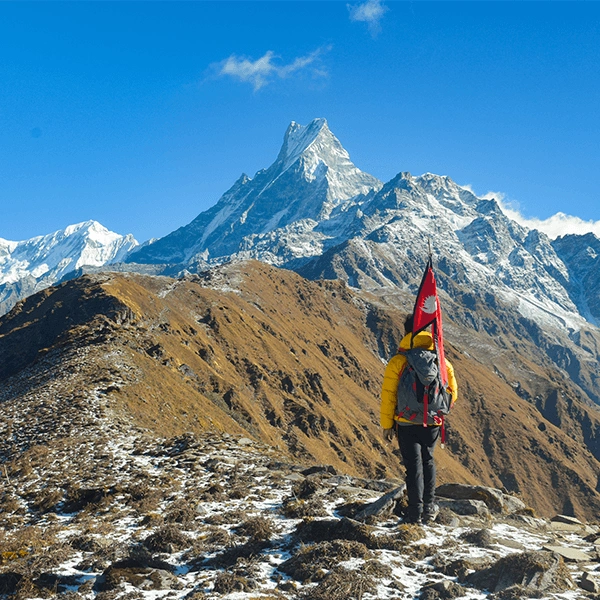
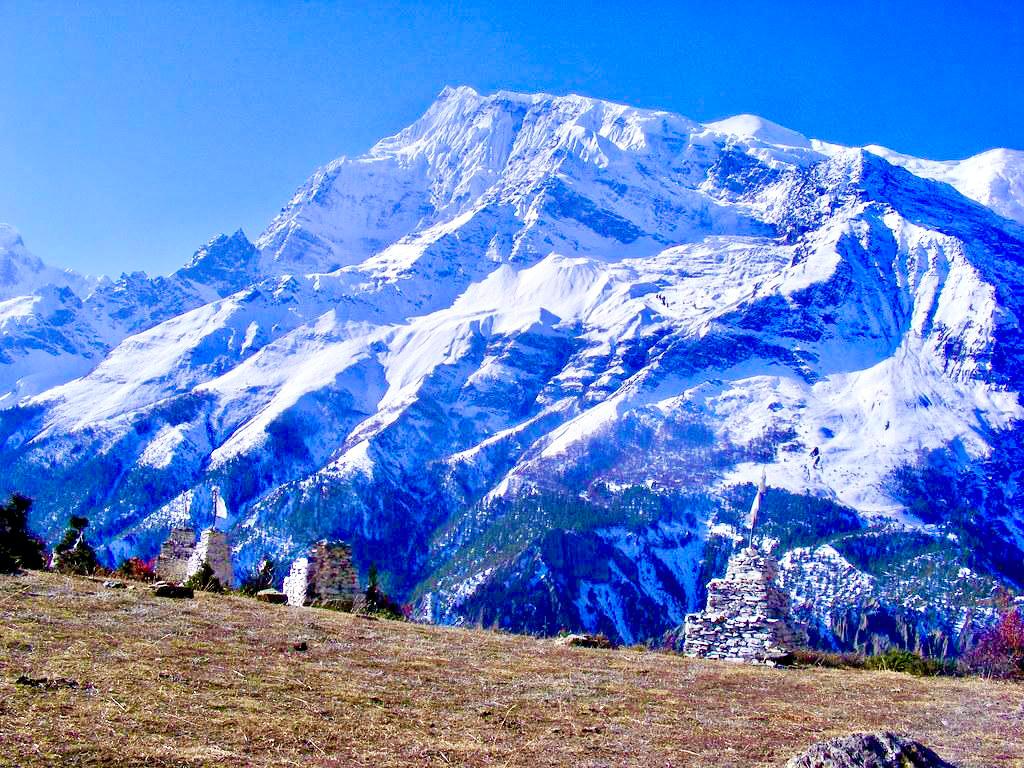
The Annapurna Region is located in the north-central part of Nepal, covering about 7,629 square kilometers of the Annapurna Conservation Area. The peaks in this region include Annapurna I (8,091 m), one of only 14 8,000-meter peaks in the world, along with other giants such as Machapuchare (Fishtail),Dhaulagiri and Nilgiri. The trekking routes traverse various ethnic groups including Gurung Magar Thakali, and Tibetan-like villages that give a cultural richness at every stage.
There are several reasons why tourists choose to visit this place: to experience the incredible scenery of the mountains, use the well-maintained footpaths and enjoy the changing nature that makes each day different. The lovers of nature are specifically attracted by the variety of birds, wild flowers and animals that exist in the area under protection
Holy Kailash Tours, a seasoned organizer of Himalayan journeys, understand that trekking Annpurna is not just a hiking, rather it entails immersing yourself in one of the mountain ecosystems living treasures. Mountains
The shift in vista along the Annapurna trekking paths is probably one of the biggest in the world. Most trekkers begin from Pokhara, which is located at an altitude of approximately 800 meters, where the valleys are green and rich, the air is warm, and the terraces of rice fields are scattered on the hillsides.
However, as you move upward, the scenery changes entirely. In the altitude range of 800 to 2,000 meters, one encounters dense subtropical forest and cultivated fields. Rivers have formed deep gorges in this area.
The Modi Khola River, which passes through the Annapurna Sanctuary, is a case in point. It has cut a narrow gorge with high ridges on either side. During the monsoon season, waterfalls cascade down these walls.
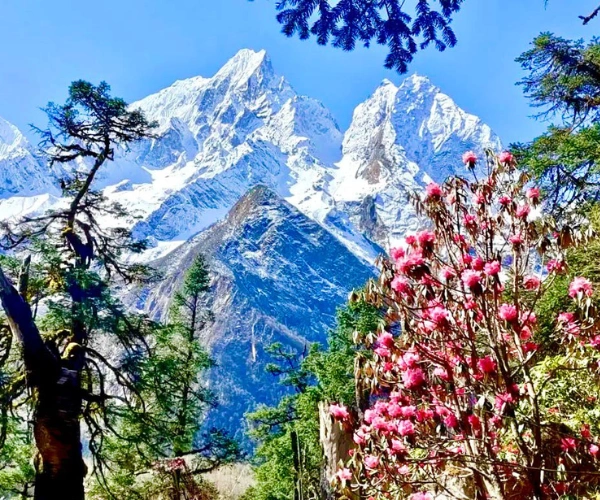
Going up from 2,000 to 3,500 meters, the vegetation transforms into a dense forest of rhododendron, oak, and bamboo. It is during this time that the rhododendrons are in full bloom and the area is ablaze with red, pink, and white colors.
The air is getting quite fresh now; the mist drifts in and out of the trees, and the birds' singing is never silent. Once you reach 3,500 meters, trees start to disappear and alpine shrubs and wild grasses emerge.
The landscape is mostly open, the breeze becomes stronger, and you even start to notice the effects of the high altitude on your body. Beyond 4,000 meters, plants become very rare; only mosses, lichens, and tough grasses manage to live there.
Annapurna Base Camp lies at the heart of the Annapurna Sanctuary, a giant natural bowl surrounded by towering mountains. It is without question one of the most popular trekking destinations in Nepal.
Elevation of Annapurna Base Camp: ABC is located at 4,130 meters (13,550 feet) above sea level. The peaks that surround it are over 7,000 meters tall, which gives the base camp a very dramatic and almost enclosed atmosphere. Besides you, there are glaciers and nearly vertical rock walls on all the sides
Annapurna Base Camp height and views: The base camp is a great spot for viewing the mountains Annapurna I, Annapurna South, Gangapurna, Machapuchare, and Hiunchuli up close. The sunrise is especially beautiful here as the first light touches the high snowfields and gradually spreads along the glacier.
Annapurna Base Camp Trek cost: This largely depends upon the route duration time of year, and level of services one chooses. For a simple guided trekking including permits, lodging, and meals, the pricing usually remains between 800 and 1500 US dollars only per person.
If one wants comprehensive options including private guides, porters, and higher-class lodging, then the cost would be more. The only two official permits one needs are the Annapurna Conservation Area Permit (ACAP) and the TIMS (Trekkers' Information Management System) card, which combined cost about 35 to 40 US dollars.
Annapurna Base Camp hike: The regular path from Pokhara can last 7 to 11 days, based on the starting point and walking speed. Usually, Nayapul or Ghandruk serves as the starting point of the trek. The route goes via Chhomrong Sinuwa Bamboo, Deurali, and Machhapuchhre Base Camp going to ABC. Total trekking distance is approximately 110 to 115 kilometers (round trip).
Annapurna Base Camp weather: Very big changes in the weather happen during the different seasons.
Spring (March - May), the ABC daytime temperatures vary between -5 C and 10 C. Night time is very cold.
Autumn (September - November) is the season of stable, clear skies and temperatures are almost the same. Winter is marked by heavy snowfall and extremely cold weather and closure of the trail is possible.
monsoon season (June to August), During the monsoon season (June to August), the rains are complemented by leeches in the lower trails, and the visibility is reduced. However, the landscape is turning vigorously green.
Rich Cultural Heritage
EBC Trek flora, Fauna
The Annapurna Region is not just a natural wonder; it is also a cultural treasure. The region is inhabited by diverse ethnic communities such as Gurung, Magar, Thakali, Brahmin, Chhetri, and Tibetan-influenced groups in the higher valleys. Each community has its own language, traditions, architecture, festivals, and lifestyle.
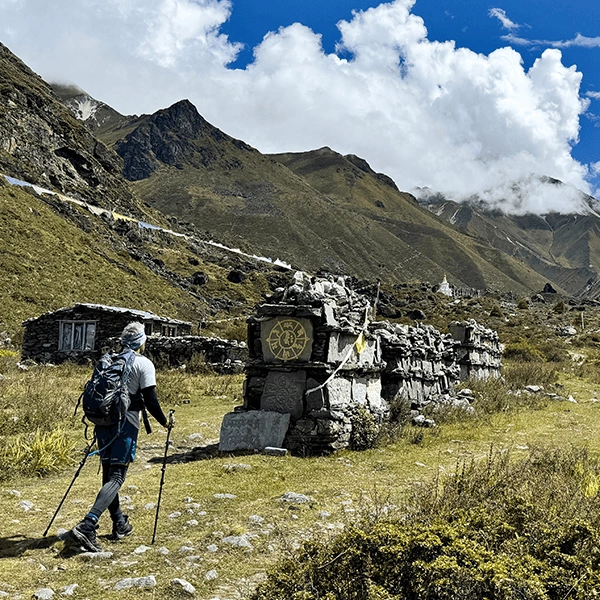
Villages like Ghandruk, Ghorepani, Manang, Marpha, and Kagbeni offer trekkers an authentic glimpse into rural Himalayan life. Stone houses, prayer flags, monasteries, chortens, and mani walls line the trails, reflecting deep-rooted Buddhist and Hindu influences. Warm hospitality in local teahouses and homestays adds a human connection that many trekkers find just as memorable as the mountains themselves.
Conquer Thorong La Pass: Stand atop one of the world's highest trekking passes (5,416m) for breathtaking 360-degree Himalayan vistas.
Incredible Landscape Diversity: Trek from lush subtropical forests and rice terraces through pine forests, into the arid high desert of the Tibetan Plateau, and down the world's deepest gorge (Kali Gandaki).
Rich Cultural Tapestry: Experience a unique blend of Hindu and Tibetan Buddhist cultures, visiting ancient monasteries, medieval villages, and holy sites like Muktinath.
Iconic Mountain Views: Enjoy spectacular, close-up panoramas of the entire Annapurna Massif, Dhaulagiri, Machhapuchhre (Fishtail), Manaslu, and Nilgiri.
Warm Tea House Hospitality: Immerse yourself in the famous Nepali tea house culture, staying in family-run lodges with cozy communal dining areas.
Natural Hot Springs: Relax your muscles in the natural hot springs at Tatopani or Jhinu Danda—a perfect reward after days of trekking.
Short Day-to-day Itinerary of Annapurna Circuit
Day 1 Drive from Kathmandu to Besisahar (760 m | 6–7 hours)
Day 2 Drive from Besisahar to Chame (2,670 m | 6–7 hours)
Day 3 Trek from Chame to Pisang (3,300 m | 5–6 hours)
Day 4 Trek from Pisang to Manang (3,540 m | 5–6 hours)
Day 5 Acclimatization Day in Manang (3,540 m)
Day 6 Trek from Manang to Yak Kharka (4,050 m | 4–5 hours)
Day 7 Trek from Yak Kharka to Thorong Phedi (4,525 m | 4–5 hours)
Day 8 Trek from Thorong Phedi to Muktinath via Thorong La Pass (5,416 m | 8–9 hours)
Day 9 Trek from Muktinath to Jomsom (2,720 m | 5–6 hours)
Day 10 Flight or Drive from Jomsom to Pokhara (820 m)
The national flower of Nepal, the rhododendron, is the main feature of the mid-altitude forests of the Annapurna Region. Those aren't small decorative shrubs. At these heights, the rhododendrons develop into large trees, measuring 10 to 15 meters, with thick trunks twisted and covered in moss. In March and April, the entire forest is a blaze of flowers. Red ones are the most common, but at higher elevations, you can find pink and white ones.
The rhododendron zone extends approximately from 2,000 to 3,500 meters and is the forest layer with the highest biodiversity in the region. The thick canopy and the multitude of insects provide food for many bird and mammal species. A walk in a blooming rhododendron forest on a crisp morning, with Annapurna South seen through the trees, is one of those moments that you really remember.
Bamboo, Oak, and Pine Forests
There is bamboo growing under the rhododendron line in the form of thick bamboo groves together with oaks, alders, and chestnut trees. Those stretches of the trail that are lined by bamboo, especially the ones leading from Bamboo village to Sinuwa, have a warm and humid, almost tropical atmosphere.
The stalks reach the sky, making the light come through in pieces and having the effect of a cool and green tunnel. Red pandas live in this area, but they are seldom spotted. In contrast to the rhododendron forest, pine and fir dominate the landscape.
As the forest opens up, you get an interplay of filtered sunlight and a squishy needle carpet at the feet. At the boundary between the trees and the crying, juniper grows, nearby rocks being usually covered in dense and twisted mats of it.
Alpine Vegetation and Medicinal Plants
Flowering alpine plants through the cracks in the rocks make their debut at 4,000 meters. This is where you can find Edelweiss alongside various species of primula and gentian.
These flowers tend to be quite small and can easily be overlooked; however, they are very hardy. The Annapurna Region is also famous for herbal medicines in traditional Ayurvedic and Tibetan medicine, among others, like Yarsa Gumba (caterpillar fungus), which grows above 4,000 meters and is one of the most valuable natural products in Nepal.
The plant world changes strongly according to seasons:
Spring (March to May): Rhododendrons at full bloom; cherry blossom flowering at lower altitudes; wildflowers blooming at mid-altitude.
Monsoon (June to August): Green-up becomes so fast at each elevation that the forest turns almost impervious; mosses and ferns are at their best.
Autumn (September to November): Vegetation dries up gradually; forests at low-levels become yellow and amber; alpine areas are naked and clear.
Winter (December to February): Snow blankets high routes; silence falls on the low-level forests; nature comes out naked, but the view is dramatic nonetheless.
Fauna of the Annapurna Region
Snow Leopard
The snow leopard is the most well-known animal in the Annapurna Conservation Area and the most difficult to find. These felines live at elevations greater than 3 000 m; their prey are the blue sheep (bharal) and Himalayan tahr, and they are naturally very shy.
Sightings do occur, but they are very rare. Scratches on rocks, tracks, and kills are what the knowledgeable guides usually find. The snow leopard is listed as vulnerable by the IUCN, and the Annapurna Area is one of the snow leopard's major habitats in Nepal.
Himalayan Tahr
The Himalayan tahr is a lot more noticeable. These wild mountain goats prefer to live in steep, rocky places at altitudes of 3,000 to 5,000 meters. It's common to encounter small groups near the trail above Chhomrong or near Machhapuchhre Base Camp. The males are very strong-built and shaggy, having a dense mane around their necks and shoulders. They are quite naturally talented at walking even on the most difficult vertical surfaces.
The red panda inhabits the bamboo and rhododendron areas between 2,200 to 4,800 meters. It is a nocturnal creature, and it is very likely that it spends most of the time in the trees, eating bamboo shoots, berries, and insects. The chances of spotting one on the trail are quite slim, though. It is said that the stretch between Bamboo and Sinuwa is one of the best places. They are listed as endangered, and their numbers are declining due to habitat loss and poaching.
Danphe (Himalayan Monal)
Danphe (Himalayan Monal), the national bird of Nepal, becomes very obvious once you enter the higher forests. A male is truly a sight to behold: head and back plumage are brilliantly iridescent blue-green, the tail is coppery, and there is a white patch on the back. Females are brown and streaked. They mainly eat on the ground, digging through leaf litter and snow for bulbs and roots. Usually, you will come across them in small groups at an altitude of 2,500 to 4,500 meters.
Birds of the Annapurna Region
The Annapurna Region is a paradise for birdwatchers. In Nepal, more than 500 species of birds are documented, and a big chunk of them happens to live in this region. Some of the major species are:
Impeyan Monal (or Danphe): It is the national bird of Nepal, shining and quite dramatic.
Blood Pheasant: It lives around the tree line and usually appears in pairs.
Lammergeier (or Bearded Vulture): It is the biggest bird of prey in the area with a wingspan of more than 2. 5 meters. It glides above the ridgelines.
Himalayan Griffon: Frequently seen circling in rising air currents near high cliffs.
Khalij Pheasant: Present in the lower forests; the male is black with white streaks.
Sunbirds and Warblers: Hundreds of species in the lower subtropical zones, most active in the morning.
Fire-tailed Myzornis: A tiny, bright-colored bird of the rhododendron belt.
Birdwatching in springtime is optimal since migratory birds pass through, resident birds wear their best breeding plumage, and the whole forest is alive with the sound of birds.
Other Wildlife Annapurna Region
Other animals present in the conservation area include:
Besides those mentioned above, a number of other animals can be found in the conservation area. For example, one will come across the.
Blue Sheep (Bharal): These can be spotted in herds on the high-altitude pastures (above 4,000 meters). They can be easily confused to be goats rather than sheep.
Ghoral: Usually, this little goat-antelope occupies the rocky slopes at the mid-altitude level.
Barking Deer (Muntjac): It goes up in the trees of the lower subtropical forest. Most of the time, people will only be able to hear its distinctive bark rather than see the animal itself.
Wild Boar: Inhabits the lower valleys.
Common Leopard: However, hardly a few experience the leisure that a leopard in the lower woodland gives them a sight through its eyes.
Annapurna Conservation Area, the largest protected area in Nepal, is a critical habitat corridor for Himalayan wildlife. Species such as snow leopard, red panda, and Himalayan tahr are some of the animals experiencing pressure from habitat loss and the changing climate. In this area, glaciers that are the source of the rivers are disappearing gradually.
It not only disrupts wildlife but also the human populations relying on these rivers for their water supply. Conservation efforts in the Annapurna Region are not a matter of theory. They are integrally linked to the future well-being of all flora and fauna here.
Best Time to Experience Nature in the Annapurna Region
Spring (March to May)
Spring (March to May) is regarded by many as the best time to go Annapurna trekking and for nature lovers, the season offers a spectacular view of nature. Rhododendrons will be at their peak, usually around March and April. Besides, birds migrating will also come from lower elevations and other regions. The paths are dry and in good condition. Temperatures are pleasant during the day and mountain views are generally clear in the morning before clouds appear in the afternoon.
What to expect:
Rhododendron forests displaying their colors at their best, very impressive in the area between Ghorepani and Chhomrong.
Birdwatching is great in the forest areas.
Animals are more visible as most of them go to higher altitudes for pasture in summer.
Almost every day some rain falls in the afternoon.
The trail can be quite crowded in the popular parts, especially Poon Hill and the Annapurna Circuit.
Autumn (September to November)
Here are the reasons why the autumn season is the second peak season and why many seasoned hikers are opting for this season. The rain of monsoon removes dirt from the sky and therefore one can see very far. Since the rains, the vegetation is lush and green; on the other hand, the paths are getting dry. Specifically, the October month records the clearest days of the year. Some advantages of hiking in autumn:
What to expect:
Clear mountain views for most of the day.
Comfortable temperatures at all elevations.
Wildlife visible as animals move lower before winter.
Fewer flowers than spring, but the landscape has a golden, post-monsoon quality.
The highest trekker traffic of any season, so book accommodation in advance.
Monsoon and Winter
Monsoon (June to August) is tough, but it definitely has its own charm. The forests are extremely green, the waterfalls are breathtaking, and on the lower trail, leeches are a reality of the environment. It is quiet on the direction, and therefore, for people willing to experience rain, it can be very rewarding.
Winter (December to February) at heights above 3,000 meters is very cold and snowy. The Annapurna Base Camp trail can be unsafe due to the snow and sometimes even closed, but the lower routes l
Annapurna Conservation Area (ACA) was established in 1986 and is spread over 7,629 square kilometers, which makes it the largest protected area in Nepal. It is managed by the National Trust for Nature Conservation (NTNC) via the Annapurna Conservation Area Project (ACAP). Most protected areas ignore the presence and problems of local communities while implementing conservation measures however ACAP is working hand in hand with the local people and it understands that conservation is sustainable only when local communities can derive benefits from it.
ACAP's work includes:
Managing the trail infrastructure and waste disposal systems.
Funding community forestry programs that have restored large sections of degraded forest.
Supporting alternative energy projects to reduce the use of firewood in lodges and homes.
Running environmental education programs in local schools.
Monitoring wildlife populations and habitat health.
The permit fees that trekkers pay (the Annapurna Conservation Area Permit) are used to directly support the funding of these initiatives. It's a pretty good model of conservation financing in the Himalayas.
Responsible Trekking Practices
The Annapurna Region attracts more than 150,000 trekkers every year. This level of visitation definitely puts the environment under serious pressure. As a trekker, you influence not only the trails but also the fauna and the communities around you. There are just a few simple things that can make a big difference. like Ghorepani Poon Hill trek are still accessible and provide breathtaking views of the snow-covered nature with hardly any other trekkers.
Make sure you follow the designated paths always. Vegetation gets destroyed and soil erodes when you cut through the switchbacks unplanned.
Take your rubbish with you. Mt. Plastic waste is the biggest Mt. Problem. Bring a reusable water bottle, and then use water purification tablets or a filter.
Never pick wildflowers or get in the way of the animals. It seems like something that should go without saying, but it really needs to be said.
Instead of the traditional wood burning lodges, use kerosene or gas ones. Needs of firewood have traditionally destroyed forests near the most popular campsites.
Honor the traditions of the locals. A lot, if not most, of the villages on the trail are Buddhist or animist in their ways. When near a stupa or mani wall, walk clockwise. If you want to Photograph People, first ask.
Work locally. Hiring local guides and porters will keep the money in the local communities and support people who have a direct interest in maintaining a healthy environment.
Why you should Trek with Holy Kailash Tours
Holy Kailash Tours has a deep and extensive understanding of organizing Himalayan treks which is why they are able to give you the best Annapurna trekking experience.
Experienced local guidesTheir staff not only knows the terrain and altitude but also the cultural aspects that lead to a really great time for you.
Careful acclimatization planning.Some of the things you get when you go trekking with Holy Kailash Tours are:
Logistics handled completely Being completely prepared to handle sudden changes in plans is a challenge that the Holy Kailash Tours team accept.
Sustainable travel practices They take care of permits, hotel reservations transport equipment and the use of emergency protocols are all organized before you arrival.
Small groups or private options. Smaller groups have less impact on the environment and a better experience on the trail.
Having the right support team means that you can focus all of your energy on the experience instead of logistics and uncertainties, whether it's your first time trekking or you are already an experienced traveler in the Himalayas.
Truly one of the most diverse natural environments in the world, the Annapurna Region offers you an incredible variety of climate zones within one trek alone, something that at lower latitudes would require crossing thousands of kilometers. Besides rhododendron forests teeming with birds, you also get to experience high alpine meadows where snow leopards keep their watch, and glaciers at 4,000 meters. The landscapes keep changing, and it is that very change which makes the whole thing worthwhile.
It is crucial to protect this place. Conservation work in the Annapurna Conservation Area is really important. Every responsible trekker who travels through the area is contributing to the story. So, travel wisely, help the local communities, and take only pictures.
If you have the plan of traveling to Annapurna base camp, Annapurna circuit trek,Tilicho lake with annapurna circuit trtek, Mardi Himal trek, Holy Kailash Tours is second to none to assist you in having a complete, safe, and respectful experience of this truly special place so dont hessitate to contact us and we will help you in sort everything you need for your trekking.
Frequently Asked Questions (FAQs)
1. What is the best time of year to trek in the Annapurna Region for wildlife and nature?
Spring (March to May) is the best time of the year for everything. Besides rhododendrons flowering, birds on migration are everywhere and animals are moving up to the higher levels. Besides the mountain views being very clear in autumn (September to November), it is also a good time for seeing wildlife as the animals are coming down before winter.
2. What is the elevation of Annapurna Base Camp?
Annapurna Base Camp is located at a height of 4,130 meters (13,550 feet) above the sea level. The highest peaks around the camp exceed 7,000 meters, and this, along with the spectacular mountain scenery, makes it one of the most outstanding base camps at altitude in Nepal.
3. How much does the Annapurna Base Camp trek cost?
A guided trek with permits, accommodation, and meals usually falls between USD 800 and USD 1,500 per person. The price depends on how long you will be staying, what kind of services you want, how big the group is, and what time of the year it is. Permits (ACAP and TIMS) are approximately USD 35 to 40.
4. Are there any dangerous animals on the Annapurna trek?
There are snow leopards, common leopards, and wild boar in the Annapurna Region, but it is very rare for them to be seen by trekkers. These animals generally do not come near human habitation. In fact, on the way, the main wildlife problem could be leeches during the monsoon season on the lower parts.
5. What kinds of plants grow in the Annapurna Region?
In fact, the region has an amazing diversity of plants. At lower elevations, there are subtropical forests, and thick bamboo groves and oak forests at mid-altitude. From 2,000 to 3,500 meters, there are rhododendron forests, and near the tree line, there are alpine shrubs and medicinal herbs. The rhododendron is Nepal's national flower, and it is the most visually stunning component of the mid-altitude forest.
6. What kinds of birds will I see on the Annapurna trek?
The Danphe (Himalayan Monal, Nepal's national bird) Lammergeier Himalayan Griffon, Khalij Pheasant, Blood Pheasant, and many species of warblers and sunbirds at lower elevations will be seen most often. More than 500 species of birds have been recorded in Nepal, and a large portion of the birds either live in or come through the Annapurna Region.
7. What is the Annapurna Conservation Area Project (ACAP)? ACAP is an organization designated to the management of the Annapurna Conservation Area.
It is a part of Nepal's National Trust for Nature Conservation. Its main focus areas are community-based conservation, trail management, alternative energy, and wildlife monitoring. A significant portion of this work is financed by the permit fee paid by trekkers.
8. How difficult is the Annapurna Base Camp hike?
The trek is categorized as moderate. While it does not necessitate technical climbing skills, it does require long hours of walking, a substantial increase in elevation, and the highest point being over 4,000 meters.