Why Mount Kailash Is Considered the Spiritual Center of the World?
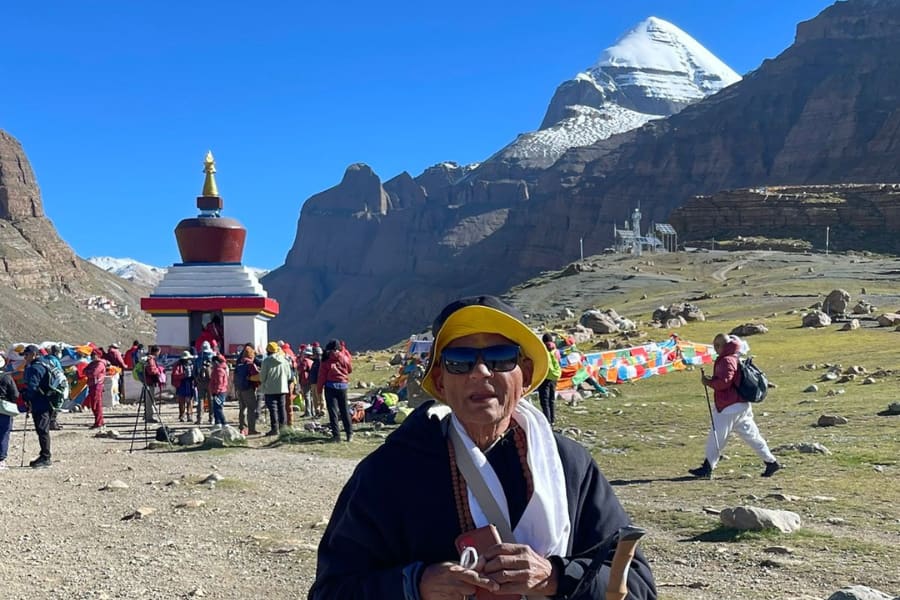
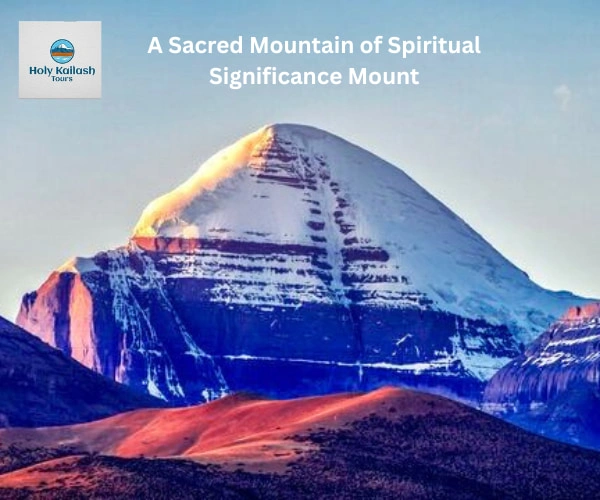
Most sacred sites belong to one religion. Kailash belongs to four.
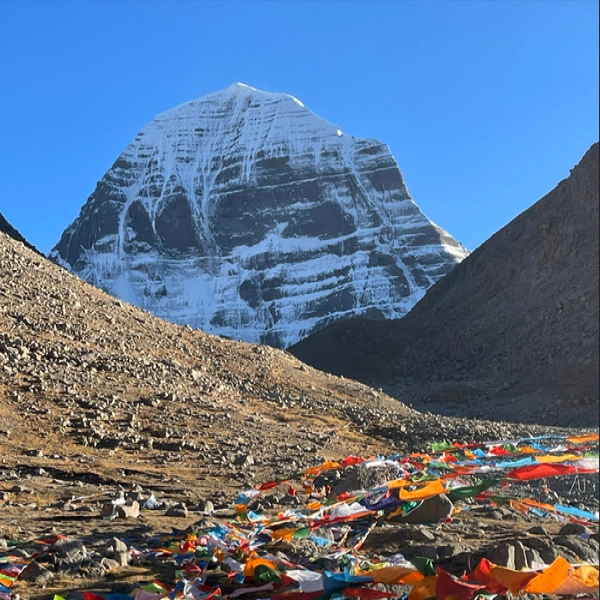
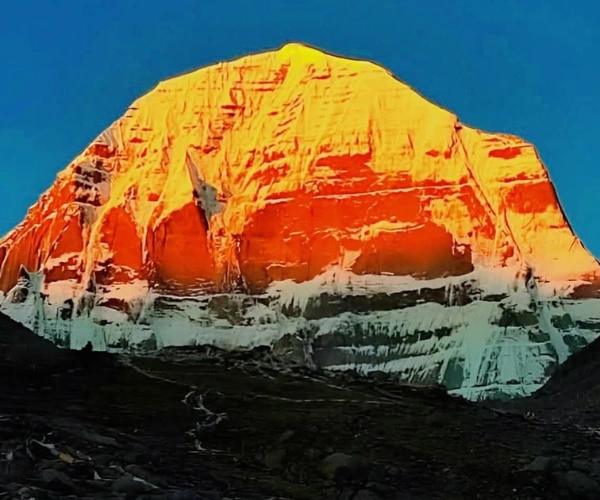
Hindus, Buddhists, Jains, and followers of Bon(Tibet's pre-Buddhist tradition) all consider this mountain the axis of the universe, the point where heaven and earth meet. They use different names and different stories, but the core belief is the same: this mountain is not just geography. It's a place of divine energy.
In Hindu cosmology, it's called Mount Meru, the center of all creation. In Buddhist texts, it's Kangrinboqê, the navel of the world. The Bon tradition calls it the nine-story Swastika Mountain. Jains know it as Astapada, the site of their first Tirthankara's liberation.
Four traditions, one mountain. That convergence isn't a coincidence. It's why people walk hundreds of kilometers just to circle it once.
Religious Importance in Hinduism, Buddhism, Jainism, and Bon
In Hinduism, Mount Kailash is the eternal home of Lord Shiva and his consort Parvati. Shiva is the god of destruction and transformation, and Kailash is where he sits in meditation, holding the cosmos in balance. For devout Hindus, reaching this mountain is among the most meaningful acts of a lifetime.
In Buddhism, the mountain is the dwelling place of Buddha Demchok(Chakrasamvara), a tantric deity who represents supreme bliss. Tibetan Buddhists believe the entire region around Kailash is a mandala, a sacred diagram in physical form.
In Jainism, the first Tirthankara, Rishabhadeva, achieved liberation (moksha) at this site. It's one of the most sacred spots in Jain geography.
In Bon, Tibet's oldest spiritual tradition, Mount Kailash is the soul of the land itself. The Bon circumambulation goes counterclockwise, the opposite of every other tradition, a small detail that shows how ancient and distinct this practice is.
Four religions, four different stories, same mountain. That's unusual anywhere. Here, it feels deliberate.
The Sacred Mount Kailash Kora (Parikrama)
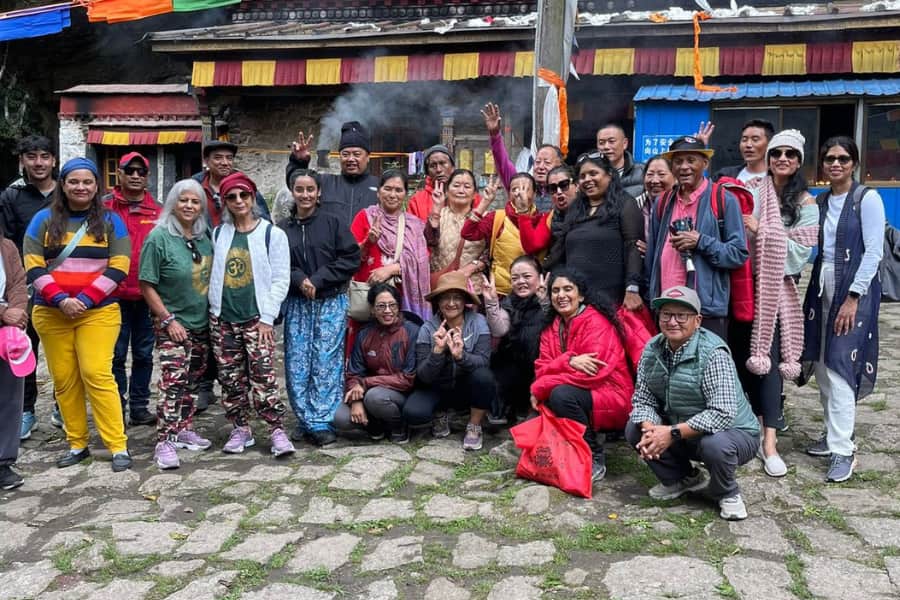
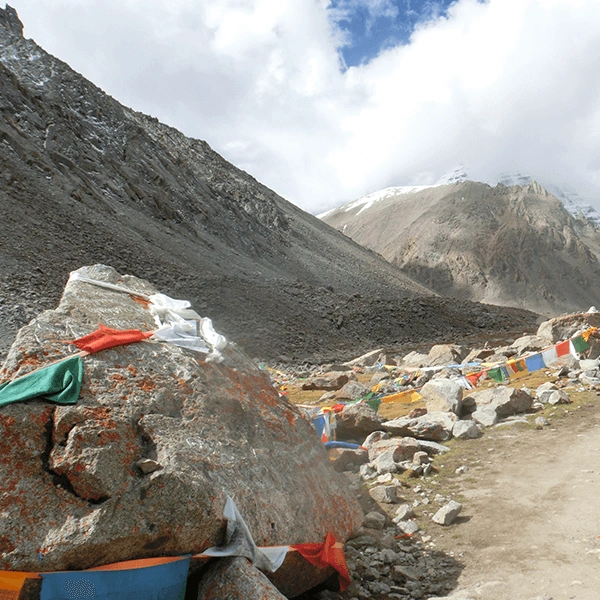
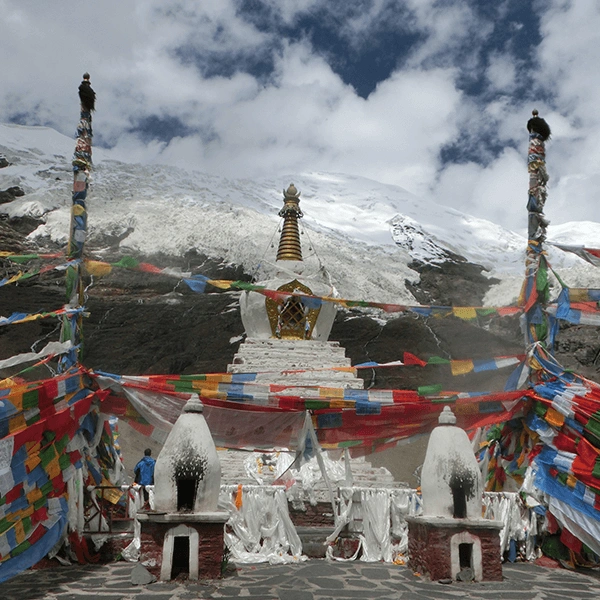
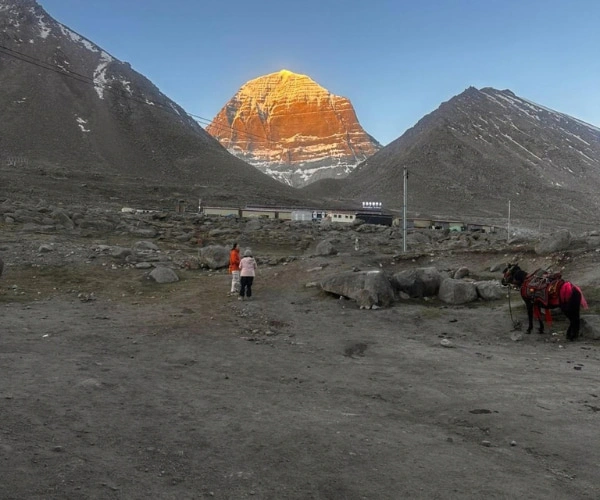
The Kora is a 52-kilometer circuit around the base of Mount Kailash. Most people complete it in three days. Some devoted pilgrims, especially Tibetan Buddhists doing full-body prostrations, take weeks.
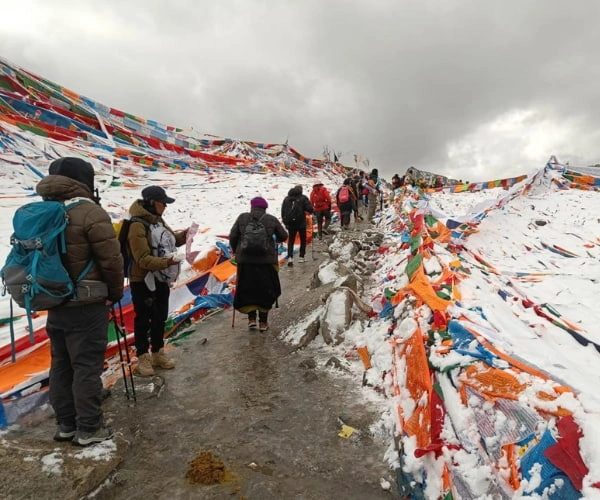
The route passes through open plains, river crossings, and narrow gorges. The highest point is Dolma La Pass at 5,636 meters, which comes on day two and is genuinely hard, even for fit travellers. There's no way around it.
What pilgrims believe they gain:
- One complete Kora is said to erase the sins of one lifetime
- 108 Koras in a single lifetime is believed to bring liberation from the cycle of rebirth
- Completing the Kora on the auspicious full moon of Saga Dawa is considered especially powerful
- Simply standing in Kailash's presence, many pilgrims say, brings a feeling that's hard to put into words
The physical difficulty is part of the point. This isn't a tourist walk. People come here having prepared for months, and they leave changed. That's not marketing. It's what travelers consistently report.
Lake Mansarovar and Spiritual Purification
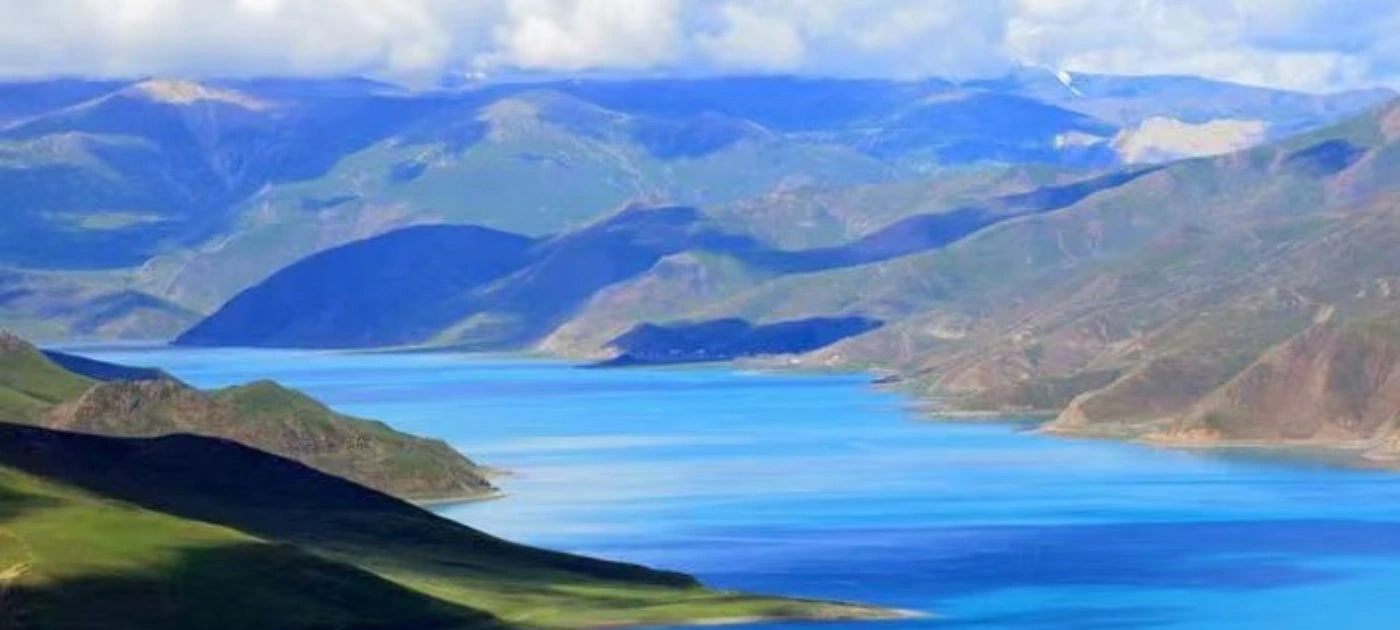
About 30 kilometers from the mountain lies Lake Mansarovar, one of the highest freshwater lakes in the world at 4,590 meters. It sits impossibly blue against the brown Tibetan plateau, and on clear days, Kailash reflects in its surface.
For Hindus, bathing in Kailash Mansarovar washes away sins accumulated over 100 lifetimes. Many pilgrims walk into the freezing water at dawn, a ritual that's quiet and deeply personal. Some collect the water to carry home.
Buddhist texts describe the lake as Brahma's mind. The name itself, Mansarovar, comes from Sanskrit: "manas" (mind) and "sarovar" (lake). It's the lake of the mind.
Common rituals at Mansarovar include:
- Early morning bathing, even in near-freezing temperatures
- Offering flowers and prayer lamps on the water
- Sitting in silent meditation facing the lake
- Collecting water in copper vessels to bring home as a blessing
The lake feels different from other high-altitude lakes. Quieter. Pilgrims who have visited other sacred sites often say that Kailash Mansarovar is the one that has stayed with them the longest.
Best Time to Visit Mount Kailash for Pilgrimage
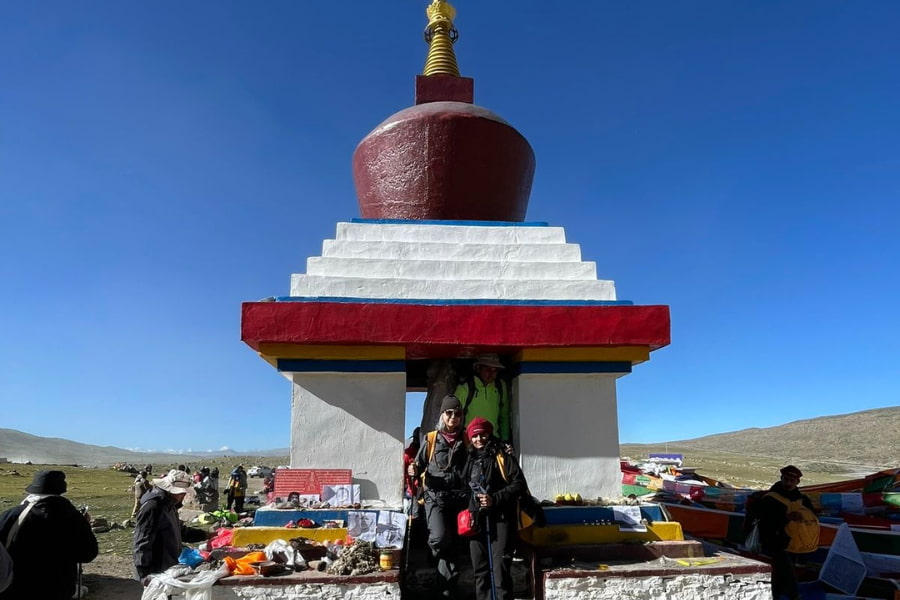
The Mount Kailash region is only accessible for a few months each year. Tibet's winters are severe, and roads close. Most pilgrims visit between May and September.
The ideal window by month:
- May to June: The trails open. The weather is still cold but manageable. Smaller crowds.
- Late June (Saga Dawa): The most sacred month in Tibetan Buddhism. The full moon falls on the day Shakyamuni Buddha was born, achieved enlightenment, and passed away. Tibetan pilgrims come in large numbers. Spiritually significant, but logistics are busy.
- July to August: Peak season. The weather is most stable. Expect more travelers.
- September: Crowds thin. The weather starts turning. Still doable for experienced trekkers.
Avoid October onward. Passes can become dangerous, and permits get harder to arrange. Holy Kailash Tours typically recommends May or September for travelers who want the experience without peak-season pressure.
Altitude, Land, and Physical Challenges of the Kailash Yatra
This trip is not easy, and it's worth being honest about that.
The entire region sits above 4,500 meters. Lhasa, where most trips begin, is already at 3,650 meters. By the time you reach Darchen (the starting point for the Kora), you're at 4,575 meters. Dolma La Pass on day two of the Kora hits 5,636 meters.
At those heights, altitude sickness is a real risk. Symptoms include headaches, nausea, fatigue, and in serious cases, fluid in the lungs or brain. Most cases can be managed with rest and acclimatization. Some require descent.
Key terrain challenges:
- Rocky, uneven trails with few facilities along the Kora route
- River crossings can be strong depending on the season
- Sudden weather changes, including snow even in summer
- Long daily walking distances (15 to 25 kilometers per day during the Kora)
None of this should scare you off. Millions of people have done this across thousands of years. But go prepared, not just spiritually.
Permits and Travel Rules for Tibet and the Kailash Yatra
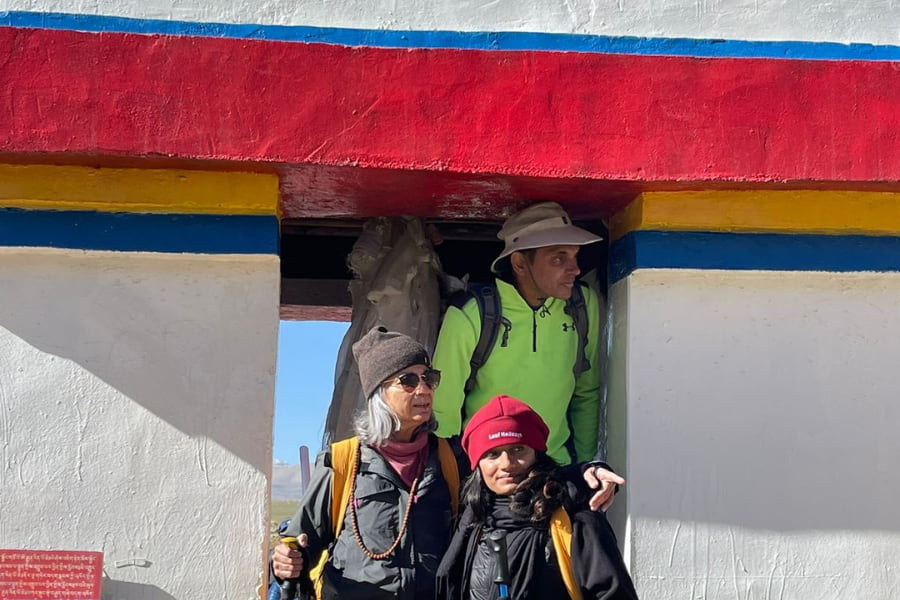
Tibet is not open in the same way as other travel destinations are. Foreign nationals cannot enter independently. You need:
- Chinese Group Tourist Visa (individual visas are not issued for Tibet)
- Tibet Travel Permit (TTP): Required for all foreign visitors to Tibet
- Alien's Travel Permit (ATP): Required for travel beyond Lhasa to the Ngari region
- Military Area Permit: Required for the Kailash and Mansarovar area, specifically
Kailash Yatra permits are not available on arrival. They must be arranged in advance through a registered tour operator. Your passport, visa, and itinerary all need to align perfectly, or permits won't be issued.
Indian pilgrims have a separate bilateral agreement with China that enables the official Kailash Mansarovar Yatra through the Ministry of External Affairs, with specific quotas each year.
Working with an experienced operator isn't optional here. It's the only practical way to get the permits sorted correctly.
How to Prepare for Kailash Mansarovar Yatra?
Most people underestimate how much preparation this trip takes. The mountain itself doesn't test your faith. It tests your body, your patience, and your ability to be uncomfortable for extended periods.
Physical preparation (start at least 3 months before):
- Walk or hike regularly, building up to 15 to 20 kilometers per session
- Practice on inclines and uneven terrain
- Add altitude training if you have access to it
- Cardiovascular fitness matters more than strength here
What to pack:
- Warm layers, including a down jacket for nights and high passes
- Waterproof outer shell (weather changes fast)
- Sturdy broken-in trekking boots
- Trekking poles (genuinely useful at altitude)
- Personal medications and a first aid kit
- Sunscreen and UV-protective sunglasses (high altitude UV is intense)
- Water purification tablets or a filter
Mental preparation:
- Know that you'll have hard days. That's expected.
- Practice sitting with discomfort. The Kora is meditative partly because it's hard.
- Research the cultural and religious context before you go. It makes the experience richer.
Acclimatization is not optional. Plan at least two to three days in Lhasa before heading to the Kailash region. Your body needs time to adjust.
Spiritual Benefits and Beliefs of Completing the Kailash Yatra
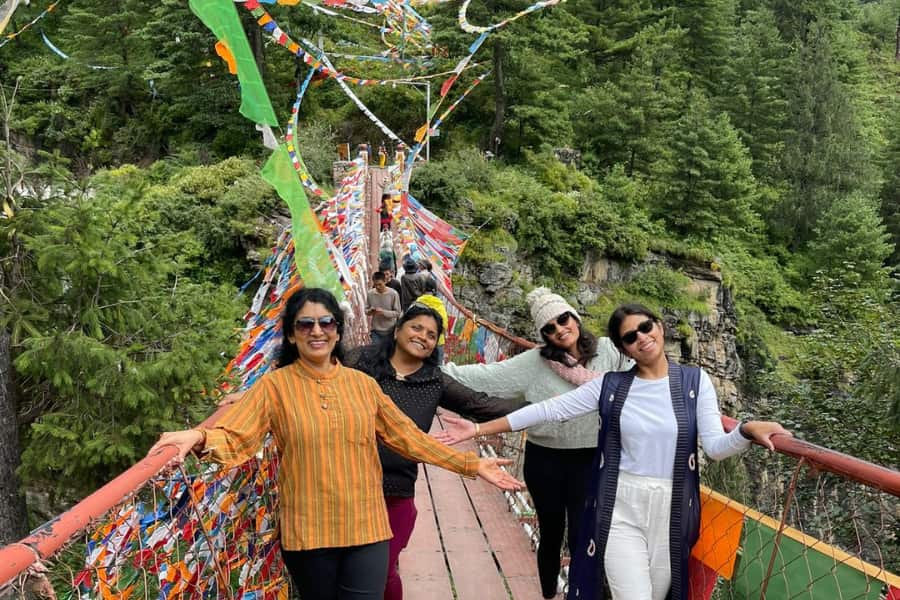
People come back from the Kailash Mansarovar yatra changed. Not always in dramatic, describable ways. Sometimes it's quieter than that.
Across traditions, the beliefs about what the Yatra offers are consistent:
- One Kora is said to cleanse the negative karma of one full lifetime
- The journey tests and strips away ego in a way that ordinary life rarely does
- Many pilgrims describe a feeling of clarity that persists long after returning home
- The physical hardship is inseparable from the spiritual value. Ease doesn't produce the same result.
What's interesting is that these accounts come from people across cultures and belief systems: Hindu pilgrims from South India, Tibetan monks, Western trekkers with no particular religious affiliation. The specifics differ. The sense of transformation is consistent.
Whether you interpret that spiritually or psychologically, something happens here that doesn't happen at sea level.
Why Choose Guided Tours for Mount Kailash Yatra
Some trips you can figure out as you go. This isn't one of them.
The permit system alone is reason enough to work with an operator. Getting any single permit wrong means your trip doesn't happen. Beyond that, the region has limited infrastructure, extreme altitude, and few English speakers. If something goes wrong medically or logistically, having experienced support nearby matters enormously.
Holy Kailash Tours will manage the full permit process, including the Tibet Travel Permit, Alien's Travel Permit, and Military Area Permit, as part of their packages. They work with guides who know the Kora route, understand altitude sickness management, and can communicate with local authorities and monasteries.
What a good guided tour actually covers:
- Permit acquisition and coordination with Chinese authorities
- Accommodation along the route (guesthouses, basic lodges)
- Transportation from the Nepal border or Lhasa to Darchen
- English-speaking and Tibetan-speaking guides throughout
- Emergency support and evacuation protocols, if needed
- Cultural briefings so you understand what you're experiencing
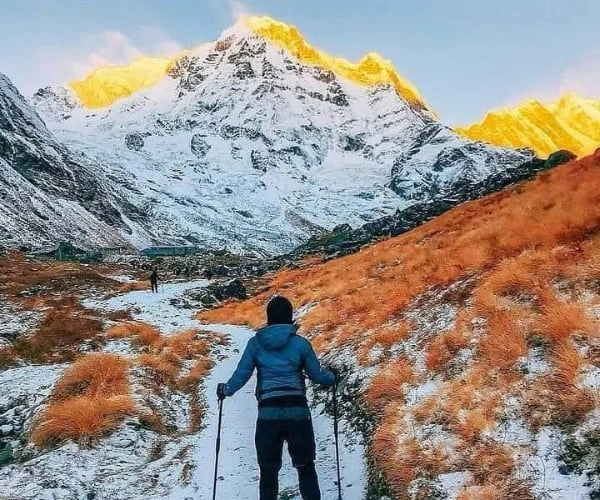
Holy Kailash Tours also runs Everest Base Camp and Annapurna treks for travelers, combining the Yatra with broader Himalayan exploration. If you're making the journey to Nepal, Tibet, and Bhutan, it often makes sense to extend the trip.
The Kailash Mansarovar Yatra is a once-in-a-lifetime journey for most people. The permits, the altitude, the distance, all of it means that going once with proper support is a better bet than trying to piece it together and risking a cancelled trip.
Final Thought
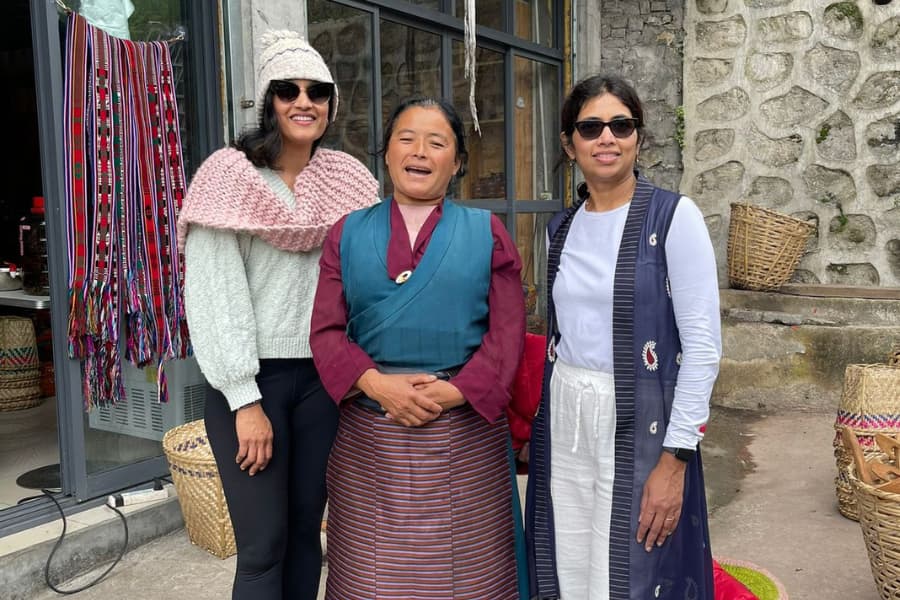
Mount Kailash doesn't reward casual interest. It rewards people who show up prepared, physically and mentally, and are willing to be moved by something they didn't fully expect.
The mountain has drawn pilgrims for centuries without a single marketing campaign. That track record is worth paying attention to.
If you're considering the Yatra, start your research early. Get your fitness up. Work with people who know the permits and the terrain. And go in understanding that what you find there might be hard to explain when you get home.
Most people who've been there say that's fine. Some things don't need to be explained.