Why the Trek Starts at High Altitude
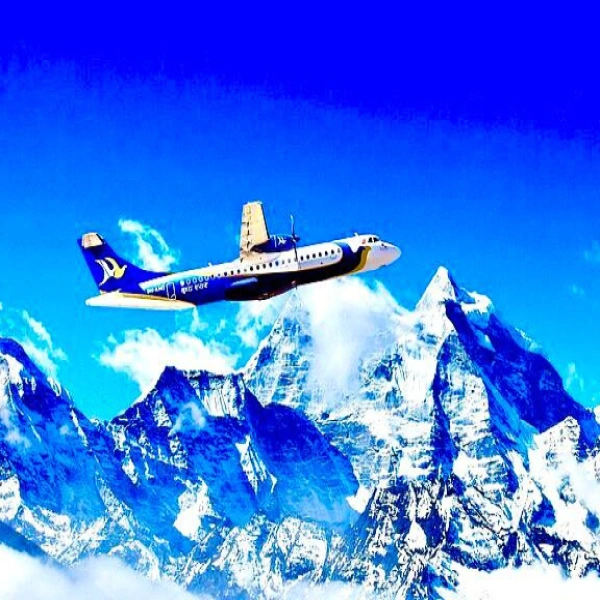
Most trekkers fly into Lukla Airport, which sits at 2,860 meters (9,383 feet). That already puts you above the elevation of many alpine resorts in Europe. The flight from Kathmandu to Lukla takes around 35 minutes, and in that short hop, your body jumps from 1,400 meters to nearly 2,900 meters. You have not walked a single step yet, and altitude is already a factor.
This matters because altitude sickness does not care how fit you are. A first-time trekker who goes slowly can outperform an experienced athlete who rushes. Lukla is your starting gun, and the way you treat the first two days on the trail often decides how the rest of your trek plays out. Mild headaches, shortness of breath during climbs, and slower digestion are all normal at this early stage. Panic is not necessary. Awareness is.
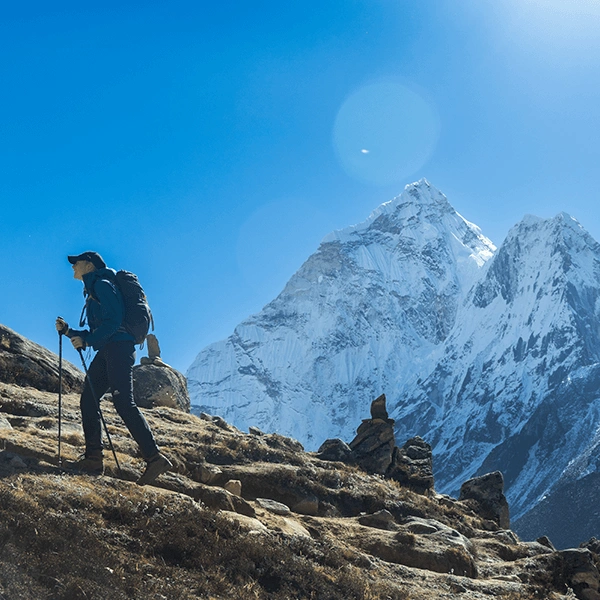
The trail from Lukla follows the Dudh Koshi River valley upward, threading through pine and rhododendron forests, across suspension bridges, and through Sherpa villages that have hosted trekkers for decades. The terrain is real mountain terrain, not a manicured path. Roots, loose stones, steep steps cut from rock, and narrow sections along valley walls are all part of daily life on the Everest trek.
Everest Base Camp Elevation Gain Profile: Day by Day Breakdown
The genius of the classic Everest Base Camp itinerary is that it does not rush you upward. Elevation gain is spread across 12 to 14 days, with deliberate rest and acclimatization stops built in. The trail follows a rhythm: climb, rest, climb higher, rest again. That rhythm is what keeps most trekkers healthy all the way to Base Camp.
Here is how the elevation unfolds, day by day.
Lukla to Phakding Elevation
Start: 2,860 m (9,383 ft) | End: 2,610 m (8,563 ft)
This is the one section of the trek where you actually lose elevation. The trail from Lukla drops down into the Dudh Koshi valley, crossing several suspension bridges before reaching the small settlement of Phakding. The descent is gentle, and the walk takes about 3 to 4 hours.
Do not let the downhill fool you. Your lungs are still adjusting to the altitude, and even on flat or descending terrain, you may feel slightly more breathless than usual. Use this first day to get your legs moving, eat a good meal in Phakding, drink plenty of water, and sleep well. Your body is beginning its adjustment, even if you cannot feel it yet.
Phakding to Namche Bazaar Elevation
Start: 2,610 m (8,563 ft) | End: 3,440 m (11,286 ft)
This is the day the trek gets serious. The climb from Phakding to Namche Bazaar gains around 830 meters in elevation over roughly 5 to 6 hours of walking. The trail crosses the famous Hillary Suspension Bridge at around 3,400 meters, which sways above the river gorge and gives you your first clear view of Everest if the sky is clear. The final push up to Namche is steep, relentless, and exactly the kind of climb that separates those who have trained from those who have not.
Namche Bazaar is the commercial hub of the Khumbu region. It has lodges, bakeries, gear shops, and even a few Wi-Fi cafes. It is also the first major checkpoint at which altitude begins to demand respect. Many trekkers feel the altitude here for the first time, especially on the first night.
Namche Bazaar Acclimatization Elevation
Elevation: 3,440 m (11,286 ft) | Rest Day
Every well-planned Everest Base Camp itinerary includes at least one full rest day in Namche. Spending two nights at the same elevation gives your body time to produce more red blood cells and adapt to the lower oxygen levels. But a rest day does not mean lying in your sleeping bag. The golden rule of acclimatization is: sleep low, climb high.
On your rest day, hike up to the Everest View Hotel, which sits at around 3,962 meters (12,999 feet). From there on a clear morning, you can see Everest, Lhotse, Ama Dablam, and Thamserku all at once. The view is genuinely one of the most extraordinary sights you will ever see. Then walk back down to Namche Bazaar and sleep. That single acclimatization hike makes a measurable difference to how your body handles the days ahead.
Namche Bazaar to Tengboche Elevation
Start: 3,440 m (11,286 ft) | End: 3,870 m (12,697 ft)
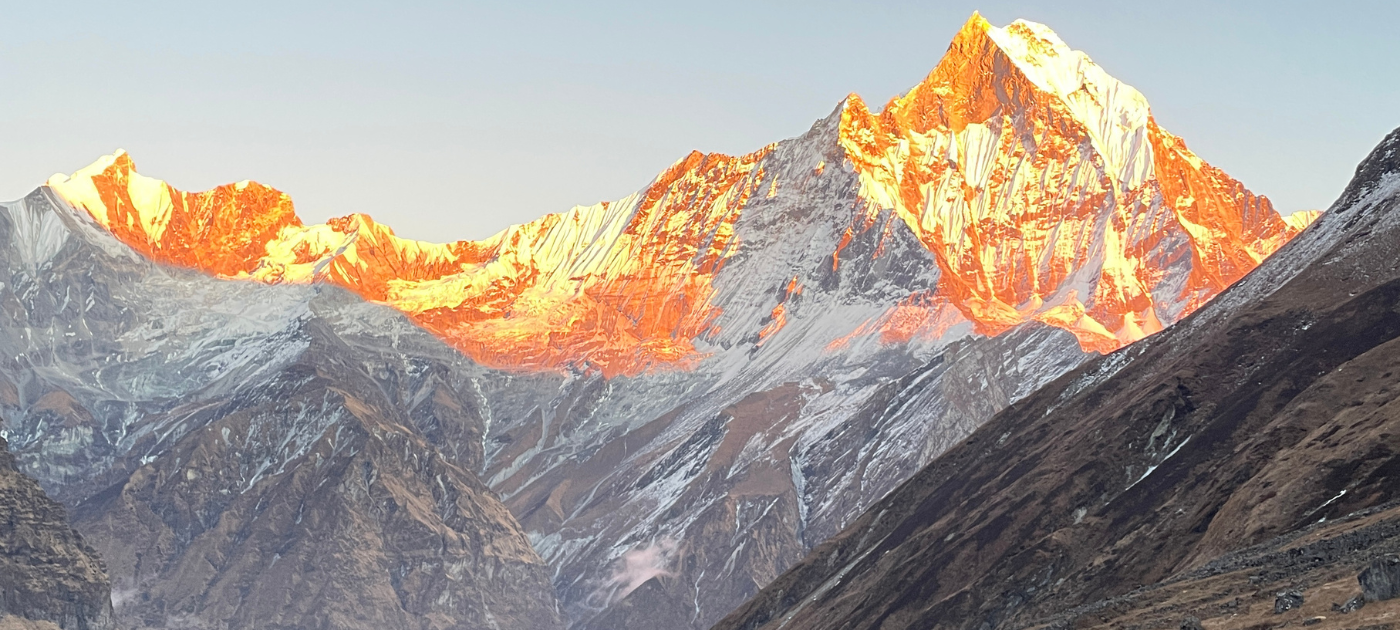
The trail from Namche to Tengboche is one of the most beautiful sections of the entire trek. You gain around 430 meters of elevation, but the walk takes you across high ridgelines with panoramic views of the entire Khumbu Himalaya. Ama Dablam, Everest, Nuptse, and Lhotse all appear in sequence as you move along the trail.
Tengboche itself is home to the largest Buddhist monastery in the Khumbu region. Many trekkers arrive in time for the evening prayer ceremony, which is one of those quiet, memorable moments that has nothing to do with altitude and everything to do with why people make this journey. The air at Tengboche is noticeably thinner than at Namche, and nighttime temperatures drop sharply.
Tengboche to Dingboche Elevation
Start: 3,870 m (12,697 ft) | End: 4,410 m (14,469 ft)
This day gains around 540 meters and takes 5 to 6 hours. The trail descends briefly from Tengboche before climbing again through rhododendron and juniper forest, past the villages of Pangboche and Shomare. By the time you reach Dingboche, the treeline is behind you. The landscape opens into wide, windswept valleys, and the scale of the mountains becomes overwhelming.
Dingboche sits in a side valley off the main Khumbu trail and is sheltered from the wind by a ridge. It is a beautiful, quiet spot, but at 4,410 meters, the altitude is firmly in the zone where your body is working hard even at rest. Drink water constantly. Eat even if your appetite has dropped. Take it slow.
Dingboche Acclimatization Elevation
Elevation: 4,410 m (14,469 ft) | Rest Day
A second acclimatization day, this time in Dingboche, is standard on most 14-day EBC itineraries. The classic acclimatization hike here goes up to Nagarjun Hill or toward the ridge above the village, reaching around 5,100 meters before descending to sleep at 4,410 meters. This is a hard walk. Your legs will feel it. But the payoff in acclimatization is real.
At this elevation, altitude sickness becomes a genuine concern for some trekkers. Headaches, nausea, and disrupted sleep are all possible. Pay attention to how you feel. Talk to your guide honestly. The mountain is not going anywhere, and there is no shame in an extra rest day.
Dingboche to Lobuche Elevation
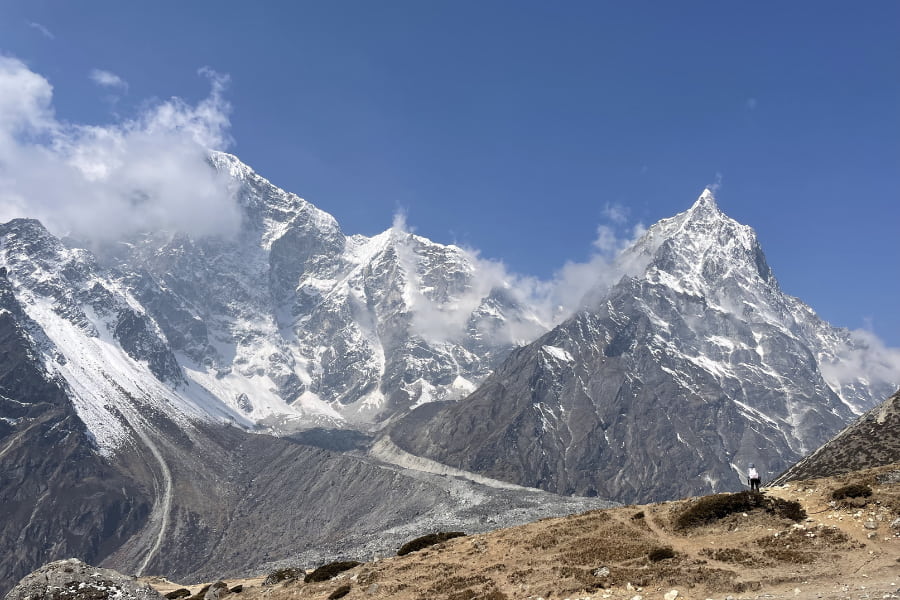
Start: 4,410 m (14,469 ft) | End: 4,910 m (16,108 ft)
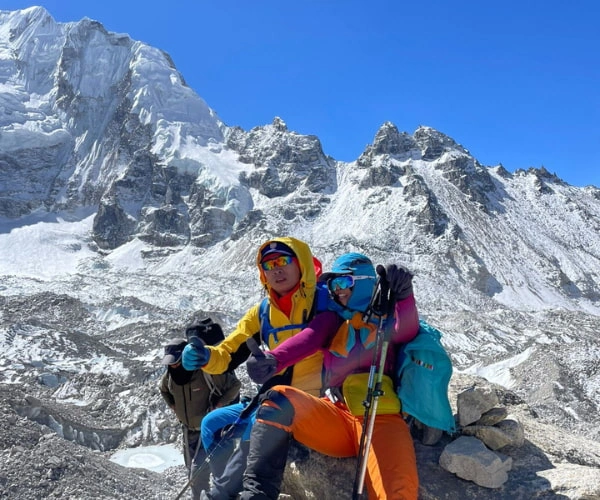
The climb to Lobuche gains around 500 meters and takes 4 to 5 hours. The trail leaves the Dingboche valley and climbs onto the lateral moraine of the Khumbu Glacier. This section is rocky, exposed, and stark. There are no trees. The wind picks up. Trekkers pass a memorial site for climbers who have died on Mount Everest and nearby peaks, and the atmosphere becomes quietly solemn.
Lobuche is small, with basic lodges. The rooms are cold. Nights at nearly 5,000 meters are not as comfortable as those at lower altitudes. This is where the trek feels most demanding for many people. Keep eating, keep drinking, keep your layers on, and remember: you are one day from Base Camp.
Lobuche to Gorakshep to Everest Base Camp Elevation
Start: 4,910 m (16,108 ft) | Gorakshep: 5,164 m (16,942 ft) | EBC: 5,364 m (17,598 ft)
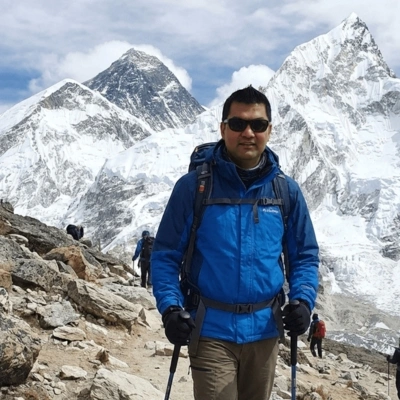
This is the big day. Most trekkers leave Lobuche early, reach Gorakshep in about 3 hours, drop their bags, eat a quick lunch, then push on to Everest Base Camp.The final section from Gorakshep to Base Camp takes 2 to 3 hours and crosses the moraine of the Khumbu Glacier. The terrain is rough, the altitude is real, and every step feels earned.
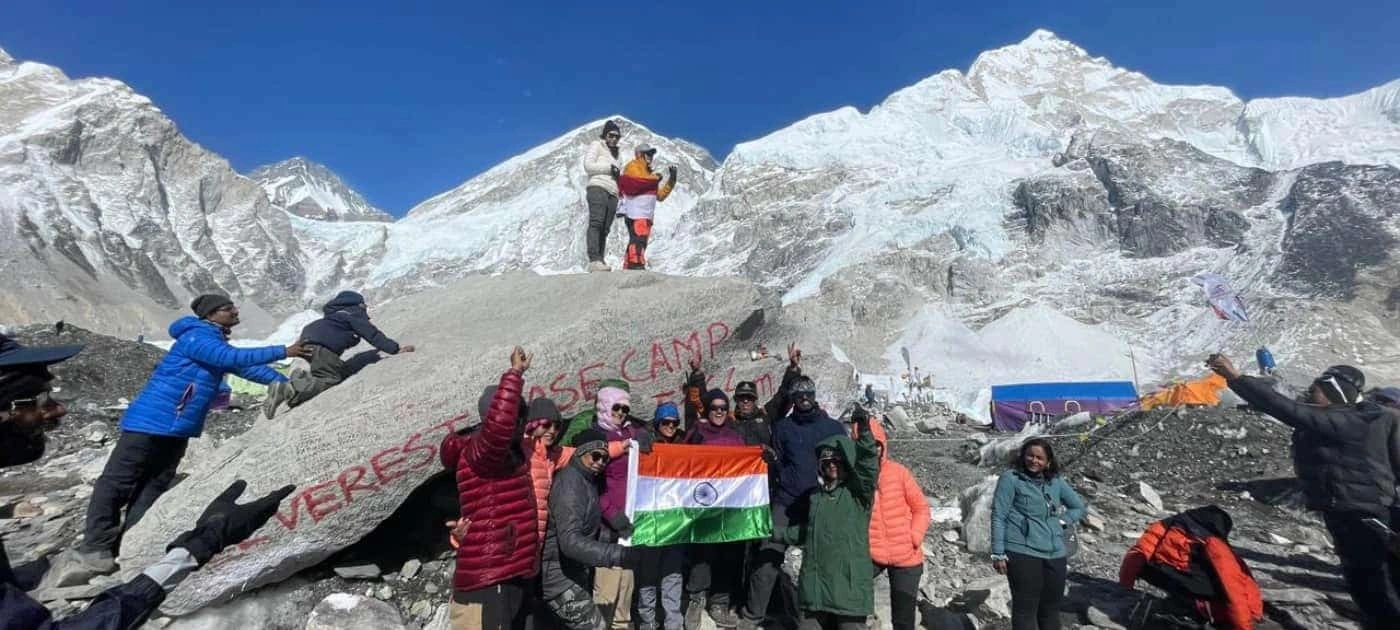
The base camp elevation of Mount Everest on the Nepal side is 5,364 meters (17,598 feet). This is the famous orange and yellow tent city you have seen in photos, the same place where climbers prepare for summit attempts in April and May. When you arrive, the feeling is hard to put into words. It is remote, cold, otherworldly, and strangely moving.
The Everest Base Camp elevation in feet is approximately 17,598 feet, making it one of the highest points most non-climbers will ever stand.
Gorakshep to Kala Patthar Elevation
Start: 5,164 m (16,942 ft) | Summit: 5,644 m (18,519 ft)
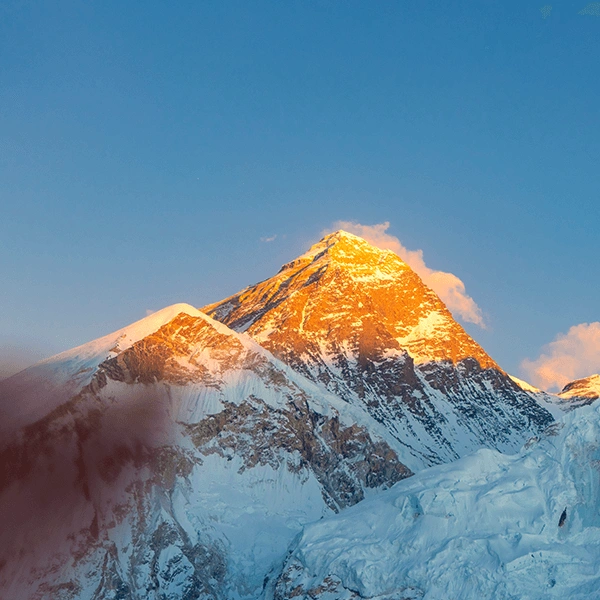
Kala Patthar is the highest point on the standard EBC trek, and the view from its summit is the one most photographers chase. You see the full south face of Everest, Nuptse, Lhotse, and the Khumbu Icefall without anything blocking the line of sight. It is, simply, spectacular.
Most trekkers climb Kala Patthar either in the late afternoon after reaching Everest Base Camp, or very early the following morning before sunrise. The sunrise ascent is cold (we are talking well below freezing), but the light on the peaks is worth every minute of discomfort.
At 5,644 meters (18,519 feet), Kala Patthar is higher than any peak in the Alps, higher than Kilimanjaro, and sits well within what altitude medicine calls the "high altitude" zone. The climb from Gorakshep gains around 480 meters and takes 2 to 3 hours at altitude pace.
Return Everest Base Camp Trek Elevation Changes
The descent from the EBC Trek back to Lukla takes 3 to 4 days and generally retraces the route you came up. Trekkers drop around 2,500 meters of elevation total. The descent is faster but not without its own challenges: knees take a beating on the long downhill sections, and fatigue is real after two weeks at altitude.
Most itineraries descend via Pangboche, Namche, and Monjo before reaching Lukla for the flight back to Kathmandu. Some trekkers take an alternate route through Khumjung village, adding cultural interest. The descent also brings a noticeable improvement in breathing, appetite, and energy levels as oxygen levels rise with each lower camp.
Everest Base Camp Elevation Gain Table
|
Location
|
Elevation (Meters)
|
Elevation (Feet)
|
|
Kathmandu
|
1,400 m
|
4,593 ft
|
|
Lukla
|
2,860 m
|
9,383 ft
|
|
Phakding
|
2,610 m
|
8,563 ft
|
|
Namche Bazaar
|
3,440 m
|
11,286 ft
|
|
Tengboche
|
3,870 m
|
12,697 ft
|
|
Dingboche
|
4,410 m
|
14,469 ft
|
|
Lobuche
|
4,910 m
|
16,108 ft
|
|
Gorakshep
|
5,164 m
|
16,942 ft
|
|
Everest Base Camp
|
5,364 m
|
17,598 ft
|
|
Kala Patthar
|
5,644 m
|
18,519 ft
|
Highest Elevation on the Everest Base Camp Trek
Everest Base Camp Elevation
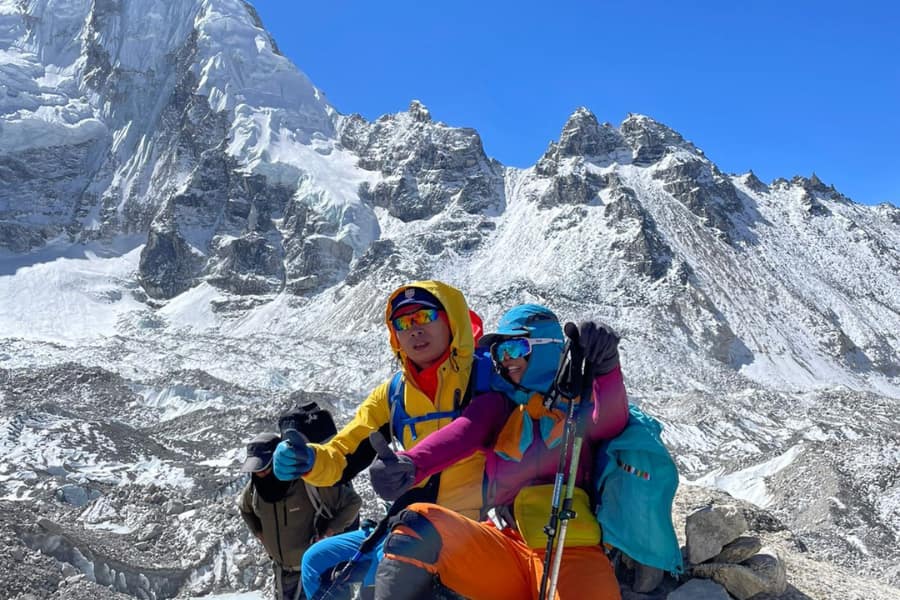
The Nepal-side Everest Base Camp sits at 5,364 meters (17,598 feet). This is the base camp used by all expedition teams attempting Everest from the south. There is also a Tibet-side base camp at a slightly different elevation. The Everest Base Camp in Tibet is at an altitude of approximately 5,200 meters (17,060 feet) and is accessible by road from Lhasa, offering a very different experience from the Nepal trekking route.
Most trekkers walking in from Lukla are aiming for the Nepal-side camp. The Mt. Everest Base Camp Height is one of the most frequently searched facts among people planning this trek, and for good reason. It defines the physical challenge of the entire journey.
Kala Patthar Elevation
At 5,644 meters (18,519 feet), Kala Patthar is the highest point on the standard EBC itinerary and is higher than Base Camp itself. It is a rocky peak on the shoulder of Pumori, and it offers the best above-ground view of Everest available to trekkers without climbing equipment.
Highest Sleeping Elevation on the Trek
The highest place most trekkers sleep is Gorakshep, at 5,164 meters (16,942 feet). Sleeping at that altitude is tough for many people. The body does not recover as effectively above 5,000 meters, sleep is often disrupted, and mornings feel rough. It is manageable with proper acclimatization, but you will not sleep as deeply as you did in Namche.
Everest Base Camp Trek Distance vs Elevation
The total round-trip distance of the Everest base camp trek is roughly 130 kilometers (80 miles). On paper, that sounds manageable spread across 12 to 14 days. In practice, every kilometer at high altitude feels longer than at sea level.
At 5,000 meters, you are working with around 50% of the oxygen available at sea level. A flat 2-kilometer walk at Gorakshep takes about the same effort as a 4-kilometer walk at home. Uphill sections that would take 20 minutes at low elevation can take 45 minutes at altitude. Trekkers who arrive expecting the distances to feel like a normal hiking holiday are often surprised by how slow and deliberate the pace becomes in the upper Khumbu.
The key insight here is this: do not measure the trek in distance. Measure it in elevation gain and days. The elevation gain is the real metric, and managing that gain gradually is what determines whether you make it to Base Camp in good health.
How Altitude Actually Affects Your Body
When you climb above 2,500 meters, the air pressure drops and each breath delivers less oxygen to your blood. Your body responds by breathing faster, sending more blood to your brain, and eventually producing more red blood cells to carry the available oxygen. That adaptation takes days, which is exactly why acclimatization stops in Namche, and Dingboche is not an optional extra. They are the whole strategy.
Here is what you will likely notice at different elevations on the trek:
- Below 3,500 m: Mild breathlessness on uphill sections. Otherwise, mostly normal.
- 3,500 to 4,500 m: Clear increase in breathing effort. Possible headaches, especially on arrival days. Appetite may decrease.
- Above 4,500 m: Breathing is a constant awareness. Sleep is lighter. Fatigue accumulates. Digestive slowdown is common.
- Above 5,000 m: Everything takes more effort. Even sitting upright in bed feels like mild exercise on bad mornings.
None of this is a reason to panic. It is reason to respect the altitude and follow the itinerary your guide and operator have planned.
Altitude Sickness and Acclimatization on the EBC Trek
Symptoms of Altitude Sickness
Altitude sickness, also called Acute Mountain Sickness (AMS), can affect anyone regardless of age, fitness, or previous trekking experience. Knowing the symptoms is your best defense.
Mild AMS symptoms include:
- Headache (the most common early sign)
- Nausea or loss of appetite
- Fatigue beyond what the day's walking would explain
- Dizziness or light-headedness
- Difficulty sleeping
Serious warning signs (descend immediately):
- Persistent vomiting
- Loss of coordination or difficulty walking straight
- Confusion or unusual behavior
- Persistent dry cough or frothy mucus (signs of fluid in the lungs)
- Extreme fatigue or difficulty breathing even at rest
The rules are simple. Never ascend if you have symptoms. Never ignore worsening symptoms. Descent is the cure.
Tips to Avoid Altitude Sickness
The following practices reduce your risk significantly:
- Follow the "climb high, sleep low" rule. Acclimatization hikes on rest days are not optional.
- Gain no more than 300 to 500 meters per day above 3,000 meters.
- Drink 3 to 4 litres of water per day. Dehydration makes altitude sickness worse.
- Avoid alcohol, especially in the first few days.
- Eat carbohydrate-rich foods. Dal bhat, rice, and pasta are standard trail fuel for a reason.
- Communicate with your guide. Tell them exactly how you feel every morning.
- Consider Diamox (acetazolamide). Consult your doctor before the trek. It is not a cure, but it helps many people acclimate more effectively.
- Do not rush. The number one cause of altitude sickness on the EBC trek is moving too fast.
How to Prepare for Trekking at High Elevation
The best preparation you can do for the Everest Base Camp trek elevation gain happens months before you land in Kathmandu. Here is a realistic, practical training plan:
Cardiovascular fitness: Build your aerobic base with running, cycling, swimming, or stair climbing 4 to 5 times per week for at least 8 to 12 weeks before the trek. The goal is not speed. It is a sustained effort over time.
Leg strength and endurance: Hiking with a loaded pack on hilly terrain is the most specific preparation you can do. Find trails with significant elevation gain in your area and do them regularly. Your knees and ankles need practice on uneven ground, not just a treadmill.
Altitude-specific preparation: If you have access to altitude training facilities, use them. If not, some trekkers spend a night or two in a high-altitude location before the trek. Even a few days at 3,000 to 4,000 meters before arriving in Lukla can help your body start adapting earlier.
Gear and equipment: Layering is everything. You need a moisture-wicking base layer, an insulating mid-layer, and a windproof and waterproof outer shell. Quality sleeping bags rated to at least -10°C are standard for the upper section of the trek.
Hydration habits: Start drinking more water in the weeks before your trek so it becomes a habit. On the trail, you need to stay ahead of dehydration.
How Difficult is the Everest Base Camp Elevation?
Here is an honest answer, not a marketing one. The Everest Base Camp trek is challenging but not technical. You do not need ropes, crampons, or climbing experience. The difficulty comes almost entirely from the altitude and the cumulative physical effort over two weeks.
A reasonably fit person who trains consistently and follows the acclimatization schedule can complete this trek. You do not need to be an athlete. You do need to be consistent with your training, patient on the trail, and willing to listen to your body and your guide.
The sections most trekkers find hardest are the climb from Phakding to Namche, the exposed moraine walking above Dingboche, and the final push from Gorakshep to Base Camp. None of these is dangerous in normal conditions. All of them are physically demanding at altitude.
The return is mentally harder for some people. After reaching Base Camp, motivation can dip, and tired legs make the long descent feel grinding. Plan mentally for the return journey and the ascent.
FAQs About EBC Trek Elevation
What is the exact elevation of Everest Base Camp?
Everest Base Camp Trek on the Nepal side sits at 5,364 meters (17,598 feet). The Tibet-side base camp is approximately 5,200 meters and is accessible by road. Most trekkers refer to the Nepal-side camp when searching for the base camp elevation of Mount Everest.
How much elevation do you gain on the Everest Base Camp trek?
From Lukla (2,860 m) to Everest Base Camp (5,364 m), the net elevation gain is around 2,504 meters (8,215 feet). If you include Kala Patthar, the total gain from Lukla reaches about 2,784 meters (9,134 feet).
Is Everest Base Camp higher than Kilimanjaro's summit?
Yes. Kilimanjaro's summit (Uhuru Peak) stands at 5,895 meters, which is actually higher than both Everest Base Camp and Kala Patthar. However, Kilimanjaro is climbed over 5 to 7 days with very limited acclimatization time, which increases the risk of altitude sickness. The EBC trek's longer timeline and built-in acclimatization days make it safer for most people, even though the summit elevation is lower.
What is the altitude of Camp 1 on Everest?
Camp 1 on Everest sits at approximately 6,065 meters (19,900 feet), just above the Khumbu Icefall. This is well beyond the reach of standard trekkers and is part of the mountaineering route used by expedition teams. Standard EBC trekkers do not go above Kala Patthar at 5,644 meters.
How many days do I need to trek to Everest Base Camp?
Most standard EBC packages take 12 to 14 days round-trip from Lukla. Shorter itineraries exist, but they significantly increase the risk of altitude sickness. A 14-day itinerary with two acclimatization days is the safest and most commonly recommended option.
What is the highest elevation you sleep at on the EBC trek?
The highest sleeping point on the standard route is Gorakshep at 5,164 meters (16,942 feet). Most trekkers spend one or two nights here before and after visiting Everest Base Camp and Kala Patthar.
Plan Your Everest Trek With Confidence
The Everest Base Camp elevation gain is one of the most significant physical challenges in trekking, but thousands of people complete it every year with the right preparation and support. Understanding the elevation profile before you go transforms this Everest Hike from intimidating to manageable. You know what to expect. You know how to prepare. And you know what your body will be going through at each stage.
Holy Kailash Tours, we have guided trekkers of all fitness levels and backgrounds along this route. We know where people struggle, where they find their second wind, and what makes the difference between a successful summit and a reluctant descent. Our team handles everything from permits and accommodation to acclimatization planning and emergency support so that you can focus entirely on the experience in front of you.
Whether you are eyeing a classic EBC trek package, the EBC and Gokyo Lakes Everest extension, or the demanding Everest Three Passes Trek, we build every itinerary around the elevation data that actually matters for your safety and enjoyment. The mountain is patient. Your preparation does not have to be rushed.
Start planning your Everest Base Camp tour with a team that has been on the trail, not just behind a desk.