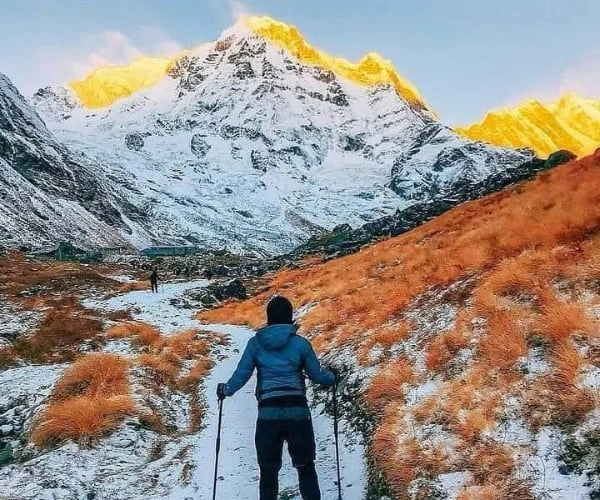
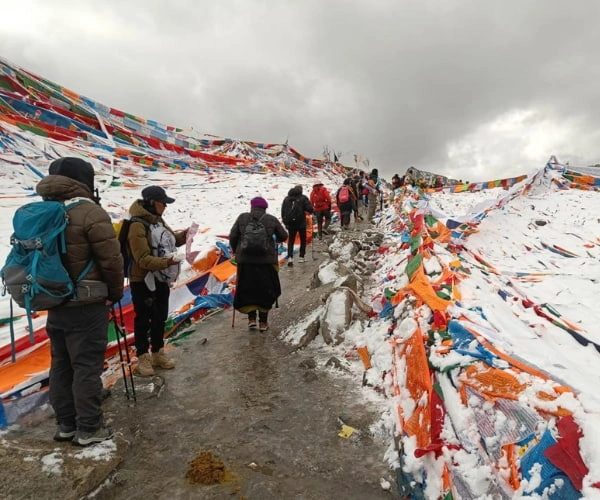
Understand Your Fitness Level and Trekking Experience
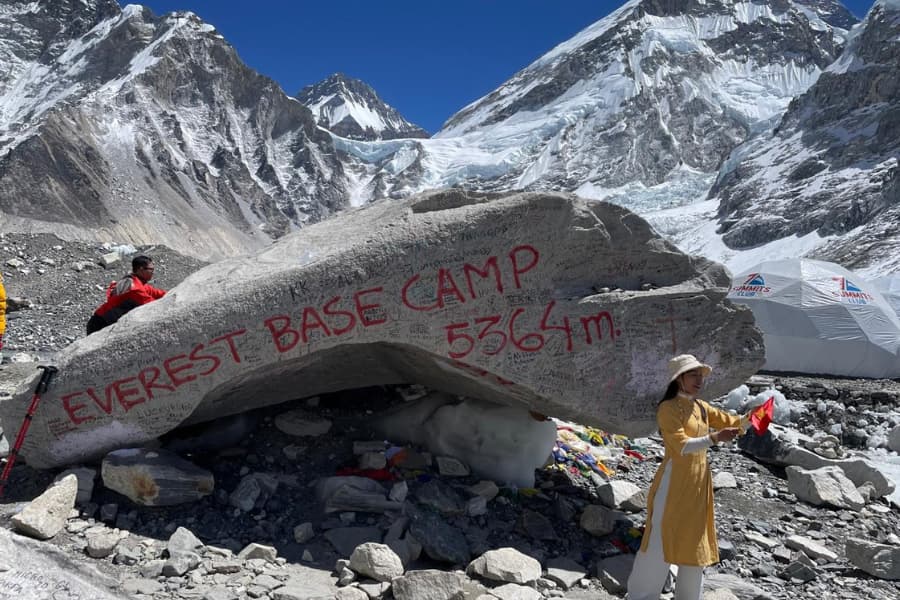
This is the first question to answer honestly. Not the question you wish was true, the question that's actually true.
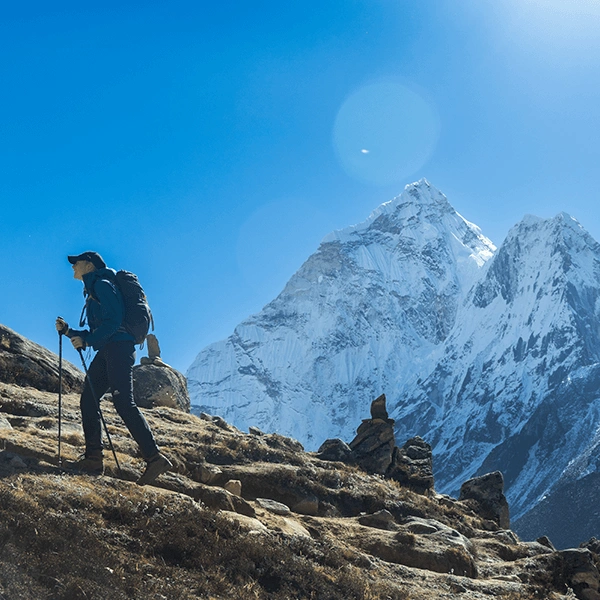
Mount Everest trekking is not technical mountaineering. You don't need ropes or crampons for most routes. But it is sustained physical effort at altitude, day after day, with heavy packs (or at least a daypack), on rocky uneven terrain, in cold weather. Your legs, your lungs, and your mind all take a beating.
The biggest differentiator between a successful trek and a miserable one is usually altitude tolerance, which is partly genetics and partly acclimatization. But fitness matters too. If you're already fit, your body deals with the extra stress better. If you're not, altitude compounds every weakness.
Beginner-Friendly vs. Challenging Routes
Here's a rough breakdown of how the main routes match different fitness levels:
- Everest Base Camp trek (standard 14-day itinerary): Suitable for moderately fit trekkers with some hiking experience. Daily walks average 5-7 hours. The trail is well-used and well-supported. You don't need to have done anything like this before, but you shouldn't be starting from zero fitness either.
- EBC and Gokyo Lakes trek (combined route, 18-20 days): A step up. You're adding extra days, extra elevation gain, and a high pass (Cho La, 5,420m). Good for trekkers who've done multi-day hikes before and feel confident at altitude.
- Three Passes trek (20-22 days): This is the demanding one. Three high passes above 5,000m, long days, remote sections with fewer tea houses. Best for experienced trekkers with prior high-altitude experience.
Daily Walking Hours and Elevation Gain
On the EBC trek, you're typically walking 4-7 hours per day. Some days are shorter, especially on acclimatization days where you hike high and come back down. Everest Elevation gain can hit 600-900 meters on tough days, then drop on descent days. Your total ascent from Lukla (2,860m) to Everest Base Camp (5,364m) is roughly 2,500 meters, spread over 8-10 days of climbing.
Why Prior Experience Helps
If you've never done a multi-day hike with a pack, the Everest region is a hard place to learn. You'll discover quickly whether your knees can handle 6 hours of downhill, whether your shoulders can manage a daypack for 7 hours, and whether you can push through discomfort. These are learnable things, but it's better to learn them somewhere closer to sea level.
Recommended minimum: two or three multi-day hikes (2-5 days each) at elevation if possible, or consistent aerobic exercise (running, cycling, swimming) for at least three months before the trek.
Choosing the Right Duration for Your Trek
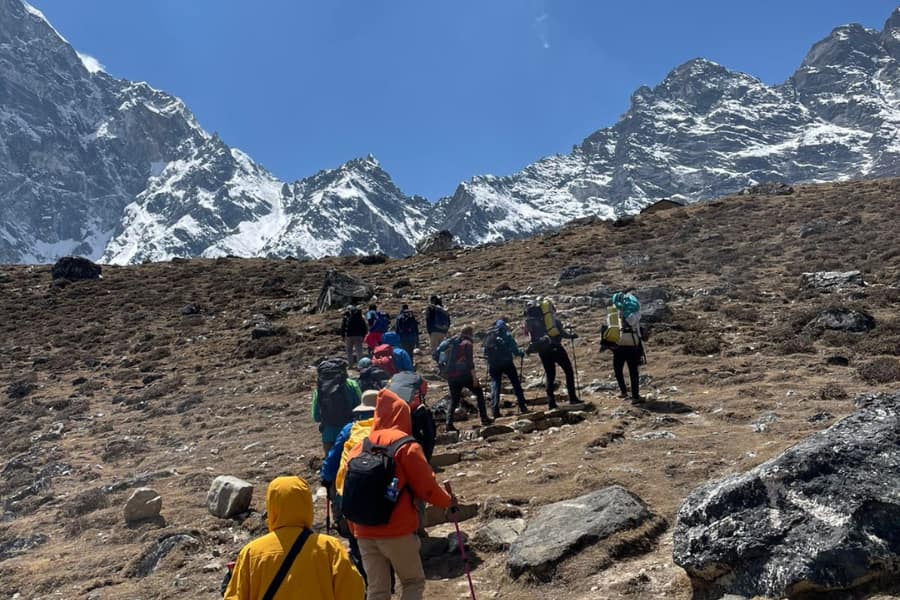
Time is usually the limiting factor. Most people have two to three weeks. Some have more. A few try to squeeze Everest Base Camp into 10 days, which is possible but not recommended.
Short Treks vs. Long Expeditions
The shortest meaningful Everest trek is around 12-14 days. That gets you to Base Camp and back, with enough acclimatization days built in to reduce altitude sickness risk. Going shorter than that forces you to ascend faster than your body handles well.
On the longer end, 18-22 days opens up the Gokyo Lakes loop, the Three Passes, and side trips to places like Ama Dablam Base Camp or Kala Patthar (the classic viewpoint above EBC). These longer treks give you a much richer experience of the Everest area.
14 Days vs. 21 Days
Here's the core difference:
- 14 days: EBC standard route. Lukla to Base Camp and back. Two acclimatization days built in (Namche Bazaar and Dingboche). This is the itinerary most people do, and most EBC trek tour operators run.
- 21 days: Enough time for a combined EBC and Gokyo Lakes trek via Cho La pass, or a full Three Passes circuit. You get more of the region, more variety in terrain, and a fuller picture of what makes this area special.
If you have the time, take it. The extra days aren't wasted. They reduce altitude risk, give you rest days you'll want, and let you slow down to actually look at what's around you.
Time Needed for Acclimatization
This isn't optional. Acclimatization days aren't rest days in the usual sense. You still hike (you typically walk higher than your sleeping altitude, then descend to sleep), but you don't push toward Base Camp. Skipping or shortening these days is the fastest way to end your trek early with a medevac flight.
Standard acclimatization stops:
- Namche Bazaar (3,440m): one full day minimum
- Dingboche (4,410m): one full day minimum
- Some itineraries add a rest at Lobuche or Gorak Shep
Everest Region Trek Options Overview (EBC, Gokyo Lakes, Three Passes)
The Everest region has more than one route. Most people only know EBC. Here's a clear look at the main options.
Everest Base Camp Trek Overview
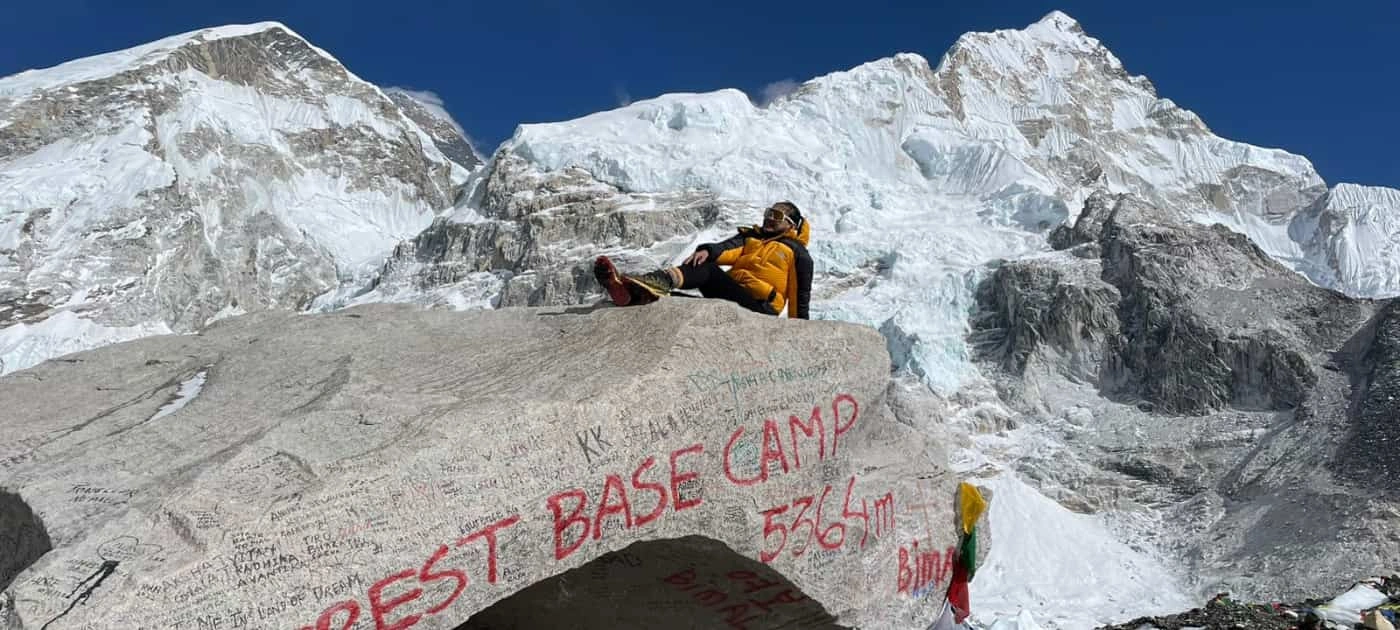
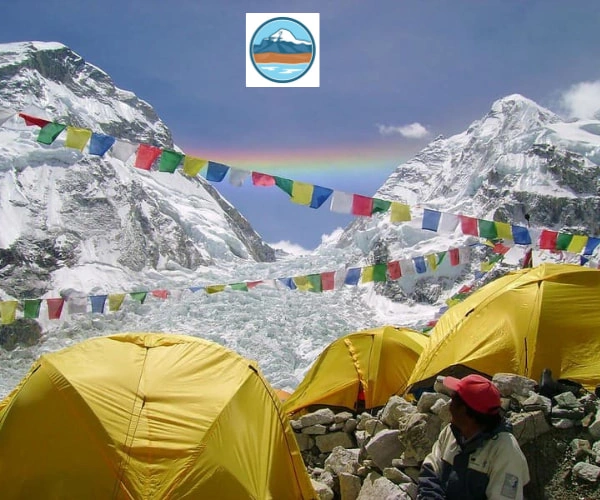
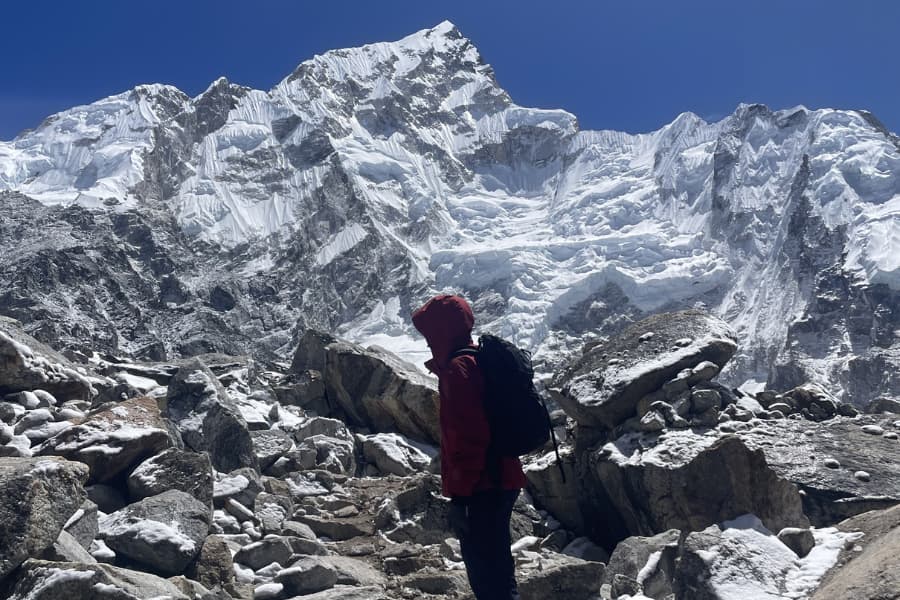
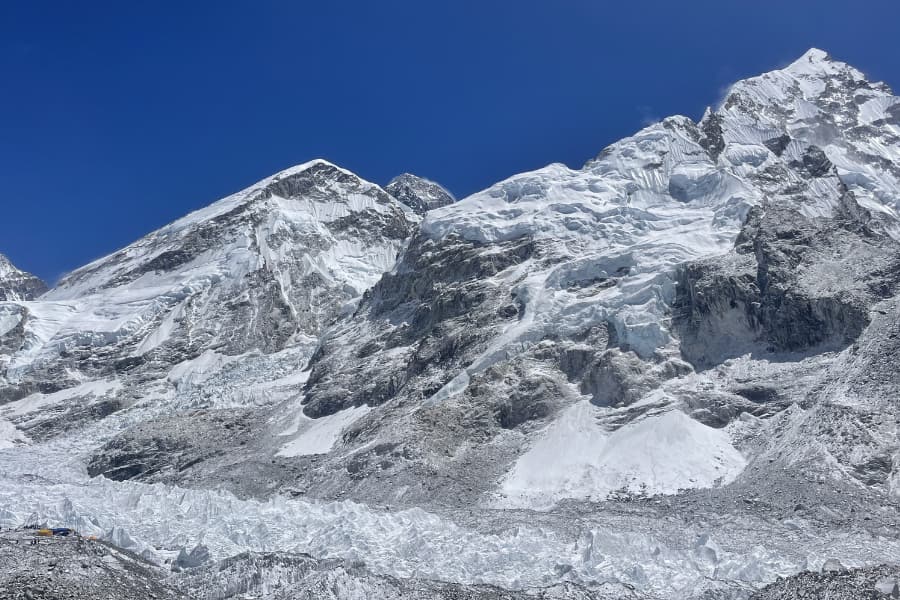
This is the classic. You fly into Lukla, walk northeast through the Khumbu Valley, pass through Phakding, Namche Bazaar, Tengboche, Dingboche, Lobuche, and Gorak Shep to reach EBC at 5,364m. The views of Khumbutse, Nuptse, and the Khumbu Icefall are extraordinary. The endpoint, Base Camp itself, is a rocky glacier with prayer flags and the sound of ice cracking. It's not a summit view, but it's earned.
- Difficulty: Moderate to challenging
- Duration: 12-16 days round trip
- Max elevation: 5,364m (Base Camp), 5,545m (Kala Patthar)
- Best for: First-time Everest trekkers with moderate fitness
Everest Base Camp and Gokyo Lakes Trek
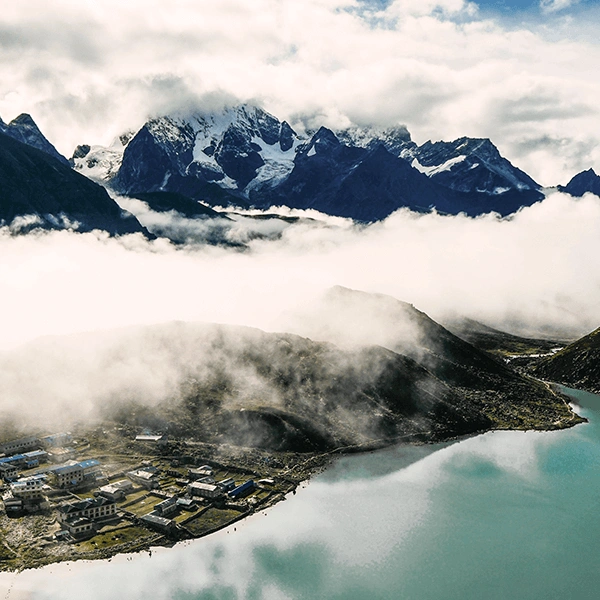
This combines the standard EBC route with a detour to the Gokyo Valley, which sits west of the main Khumbu route. Gokyo Lakes are a series of turquoise glacial lakes at around 4,700-5,000m, and Gokyo Ri (5,357m) offers arguably the best panoramic view in the region, better than Kala Patthar for some people.
To connect EBC and Gokyo, you cross Cho La pass at 5,420m. It's not technical, but it's steep on both sides and can have ice or snow. You need trekking poles and steady legs.
- Difficulty: Challenging
- Duration: 18-21 days
- Max elevation: 5,545m (Kala Patthar)
- Best for: Fit trekkers who want more depth and variety
The Everest Base Camp and Gokyo Lakes trek is one of the most rewarding things you can do in Nepal. The Gokyo Valley is quieter than the main EBC trail, the lakes are beautiful, and Gokyo Ri gives you Everest, Lhotse, Makalu, and Cho Oyu all at once.
Three Passes Trek for Experienced Trekkers
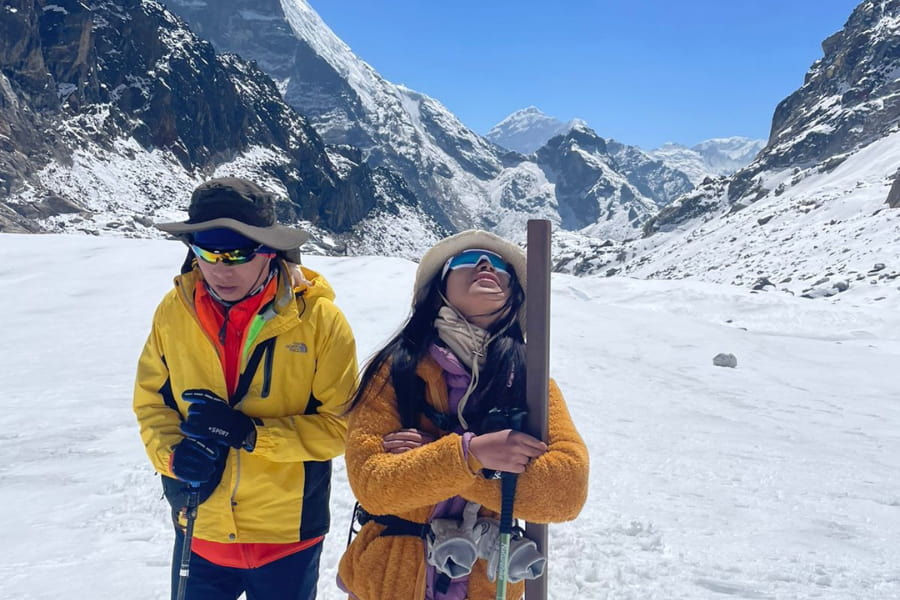
The Three Passes circuit crosses Renjo La (5,340m), Cho La (5,420m), and Kongma La (5,535m). It covers the most ground of any standard Everest trek, passes through the main villages of the region, and gives you a complete picture of the Khumbu.
This is a route for people who've been to altitude before and know their bodies. The passes are demanding. Some sections are remote. The weather on the passes can change fast.
- Difficulty: Very challenging
- Duration: 20-24 days
- Max elevation: 5,545m (Kala Patthar)
- Best for: Experienced trekkers with prior high-altitude experience
Differences in Scenery and Difficulty
|
Route
|
Main Draw
|
Hardest Part
|
Best For
|
|
EBC standard
|
Khumbu Icefall, Base Camp
|
Altitude above 4,500m
|
First-timers
|
|
EBC + Gokyo
|
Lakes, panoramic views, Cho La
|
Cho La pass crossing
|
Intermediate trekkers
|
|
Three Passes
|
Full Khumbu circuit
|
Multiple high passes
|
Experienced hikers
|
Best Time to Trek in the Everest Region
Timing matters more than most people expect. The Everest area has two good seasons and two difficult ones.
Spring (March to May)
Spring is the most popular season. The weather is generally stable, temperatures are warmer than in autumn, and the rhododendron forests below Namche are in bloom. The downside is crowds: Everest Base Camp in April is busy. You'll share tea houses, wait in lines for permits, and deal with congestion on the trail.
- Best months: Late March, April, early May
- Visibility: Good, with morning clarity and afternoon clouds
- Temperature at Base Camp: Around -10°C to 0°C at night
Autumn (Late September to November)
Autumn is the other good season. Post-monsoon skies are often clearer than in spring, and the landscapes are green after the summer rains. Temperatures drop faster as November arrives, and by late November, the higher elevations get genuinely cold.
- Best months: October, early November
- Visibility: Often excellent
- Temperature at Base Camp: -15°C to -5°C at night in November
Winter (December to February)
Winter trekking is possible but demanding. Tea houses on the upper trail thin out or close. Temperatures drop hard. The trail from Lobuche to Base Camp can be icy. On the plus side, it's quiet. If you're fit, experienced, and well-equipped, a winter trek to Everest Base Camp is achievable and peaceful.
Monsoon (June to August)
This is a difficult season. Rain is heavy below 3,000m. Leeches on the lower trails. Clouds obscure views most days. Landslides sometimes close sections of the trail. The Lukla flights are more unpredictable. Most people avoid this window. That said, if you go above 4,000m, the skies often clear and the views are good. Some trekkers specifically come in the monsoon for the solitude.
Altitude and Acclimatisation Planning
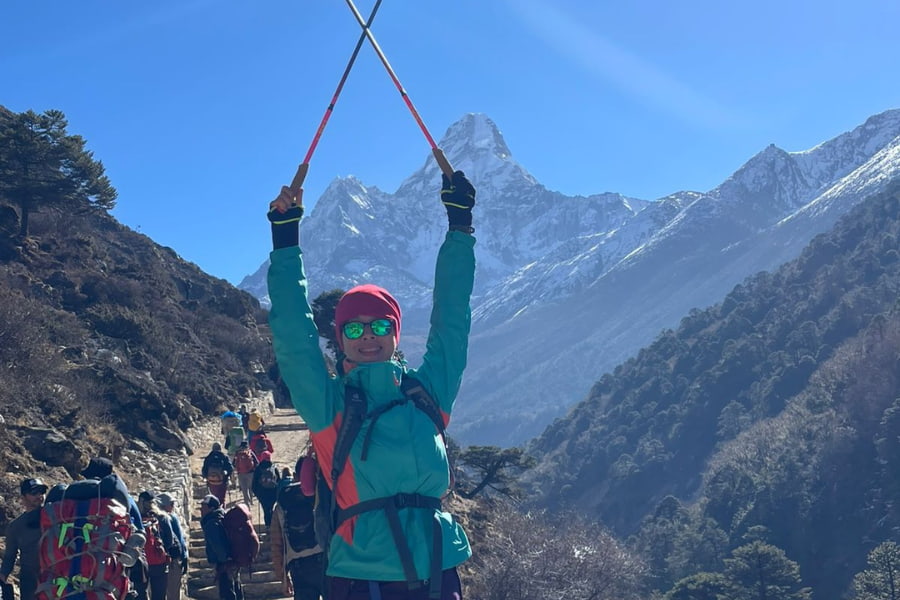
Altitude sickness is real, and it doesn't discriminate by fitness level. Fit people get it. Experienced trekkers get it. The key is pace, not power.
Importance of Gradual Ascent
The standard rule is this: above 3,000m, don't gain more than 300-500m of sleeping altitude per day. That's why good itineraries build in slow ascents and rest days. When you try to gain altitude faster, you outpace your body's ability to adjust, and the result is Acute Mountain Sickness (AMS).
Rest Days in Namche Bazaar and Dingboche
These two rest days are the backbone of any safe EBC itinerary:
- Namche Bazaar(3,440m): One full day here lets your body start adapting to reduced oxygen. A hike up to the Everest View Hotel (3,880m) for views and then back down is the classic acclimatization walk.
- Dingboche (4,410m): From here, you can hike up to Nagarjun Hill or toward Island Peak Base Camp for the day, both around 5,000m, before returning to sleep at 4,410m. This "climb high, sleep low" pattern works.
Symptoms of Altitude Sickness
Know these before you go:
- Mild AMS: headache, nausea, fatigue, dizziness, poor sleep
- Moderate AMS: severe headache not helped by ibuprofen, vomiting, difficulty walking straight
- Severe AMS (HACE or HAPE): confusion, inability to walk, coughing blood, frothy pink sputum
Mild AMS: rest, hydrate, don't ascend. Moderate to severe AMS: descend immediately. Do not wait to see if it gets better. This is not a drill.
Diamox (acetazolamide) can help prevent altitude sickness, but it's not a cure and shouldn't replace proper acclimatization. Talk to a doctor before your trek about whether to carry it.
Budget Planning and Cost Factors
The cost to get to Everest Base Camp varies widely depending on the style of trip you want. Here's an honest breakdown.
Permits, Flights, Accommodation
- Sagarmatha National Park permit: NPR 3,000 (approximately USD 22-25)
- Khumbu Pasang Lhamu Rural Municipality permit: NPR 2,000 (approximately USD 15)
- Flight Kathmandu to Lukla (return): USD 480-550 depending on season and booking time
- Tea house accommodation: USD 5-15 per night (most tea houses include a meal deal)
- Meals on trek: USD 10-12 per meal at a tea house
So basic on-trail costs excluding permits and flights run roughly USD 30-50 per day if you're eating at tea houses and sharing rooms.
Guide and Porter Costs
- Guide: USD 25-40 per day (plus their accommodation and food)
- Porter: USD 18-25 per day (plus their accommodation and food)
A good guide is worth every dollar. They navigate route decisions, handle emergencies, communicate with locals, and keep you on pace. A porter means your pack stays light, which matters enormously at altitude.
Budget vs. Luxury Everest Base Camp Options
Budget EBC trek:
- Basic tea houses, shared rooms, simple food
- Total cost (including flights, permits, guide): USD 1,200-1,800 for 14 days
- Best for independent travelers comfortable with basic conditions
Luxury Everest Base Camp:
- Private rooms, better food options, and lodges with heating
- Helicopter return option from EBC or Kala Patthar
- Total cost: USD 3,500-6,000+
- Best for travelers who want comfort and are willing to pay for it
A full package from a company like Holy Kailash Tours typically covers permits, guide, porter, accommodation, transport, and airport assistance. This usually works out cheaper and less stressful than booking each piece yourself.
Tea House vs. Camping Trek Options
Almost every Everest trek runs as a tea house trek. Camping is an option, but it's rarely necessary or cheaper.
Tea House Comfort and Accessibility
For the Everest hike, tea houses are family-run lodges along the main trails. They offer a bed, blankets, meals, and hot drinks. Quality varies. In Namche Bazaar, you can find decent wifi and real coffee. Higher up, the rooms get colder, the food gets simpler, and the showers (where they exist) are often solar-heated and cold by evening.
Tea houses work because:
- You carry less (no tent, sleeping bags, cooking gear)
- You eat cooked food every day
- You meet other trekkers (which is often valuable for route information)
- They're available along all the main EBC routes
Camping for Remote Routes
For truly remote routes in the Everest area, camping becomes necessary. If you're going off the main trail, camping adds cost and weight but opens up areas that tea house trekkers never reach.
Cost and Logistics Differences
Camping treks in the Everest region cost more, not less. You need a full support crew: guide, cook, kitchen staff, horse handlers or extra porters. Expect USD 100-150 per day per person for a fully supported camping trek. This is why most people choose tea houses.
Permits and Documentation Required
Nepal has streamlined the permit system somewhat, but you still need specific documents before heading into the Sagarmatha National Park.
Sagarmatha National Park Permit
This is the main entry permit for the park that covers Everest Base Camp and the Gokyo Valley. You can get it in Kathmandu (at the Nepal Tourism Board office) or at the park entrance in Monjo. Cost: NPR 3,000.
Khumbu Pasang Lhamu Rural Municipality Permit
This local government permit was introduced in 2018. It's checked at Lukla and a few other points. Cost: NPR 2,000. You can arrange this in Lukla.
If you're trekking to restricted areas like the Upper Dolpo or Upper Mustang, you'd need a restricted area permit (much more expensive). Standard EBC doesn't require this.
Passport and Visa Basics
- You need a valid passport (6 months validity recommended)
- Nepal tourist visa: USD 30 for 15 days, USD 50 for 30 days (available on arrival at Tribhuvan International Airport)
- Bring multiple passport photos for permits
A good Everest Base Camp trek tour operator handles all permit arrangements on your behalf. This is one of the genuine conveniences of going with an organised group.
Travel Logistics, Flights to Lukla Airport
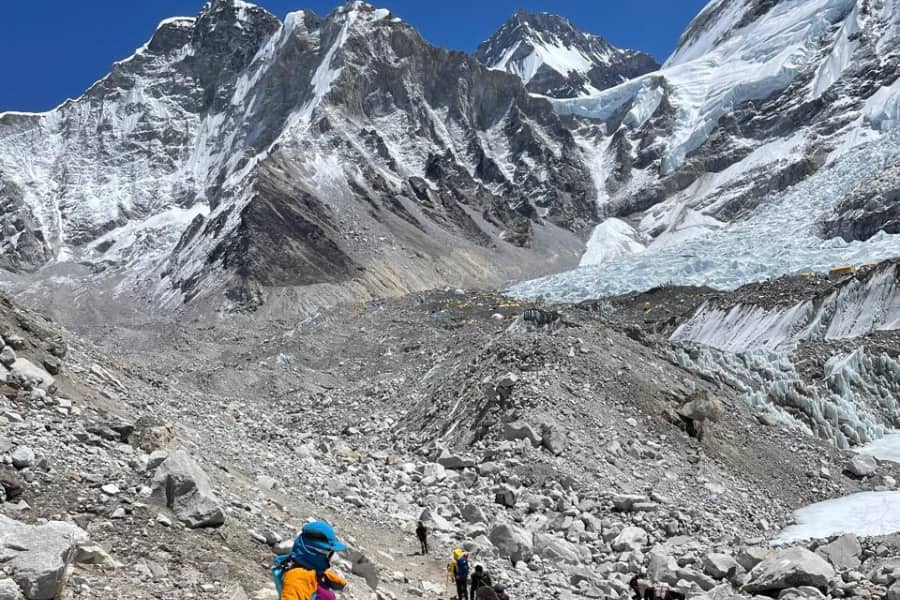
Getting to the trailhead is its own adventure. Tenzing-Hillary Airport (Lukla) sits at 2,860m and has one of the world's most infamous runways: short, sloped, with a cliff on one end and a mountain wall on the other.
Flight to Lukla Details
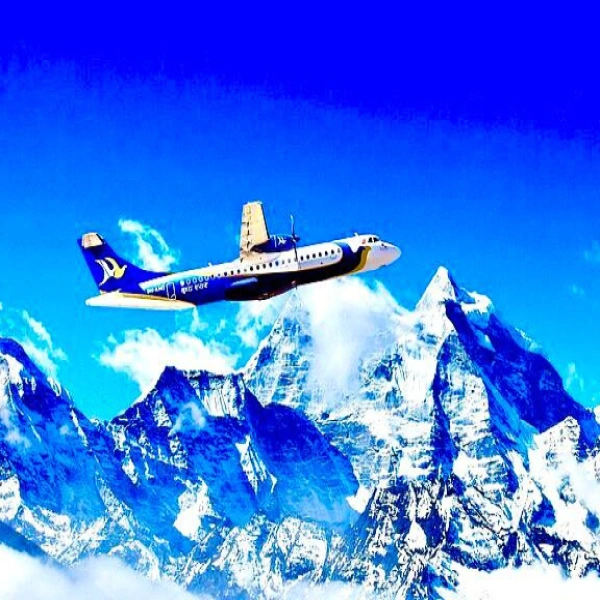
Flights to Lukla take about 35-40 minutes from Kathmandu and offer views of the Himalayan foothills as you climb. Most flights depart early morning (6 am-9 am) because afternoon clouds and turbulence make flying unreliable. Airlines operating the route include Tara Air, Summit Air, Buddha Air, Yeti Air, and others.
Cost: USD 240-280 one way per person.
Weather Delays and Alternatives
Lukla flights are frequently cancelled. Wind, clouds, and low visibility can ground everything for a day or more. Build 1-2 buffer days into your Kathmandu schedule for this. It happens to almost everyone.
If Lukla is closed, you have options:
- Wait it out in Kathmandu
- Fly to Ramechhap (Manthali Airport), which is a 5-6 hour drive from Kathmandu and sometimes has better weather access
- Helicopter transfer (expensive but reliable)
Kathmandu to Lukla Route Tips
Most EBC trekkers fly both ways. Some walk out from Lukla along longer routes that descend to Jiri or Salleri, adding another 5-7 days to the trek. This is the traditional approach to EBC, and it's much less traveled than the Lukla route.
Your Holy Kailash Tours guide or operator will help you understand the current flight situation and book accordingly.
Solo Trekking vs. Guided Trekking
This question comes up a lot. The short answer: guided is better for most people, especially for a first EBC trek.
Benefits of Guided Trekking
- A good guide does more than show you the way:
- They know which tea houses are clean and which aren't
- They read the weather and trail conditions
- They recognize early signs of altitude sickness
- They handle communication with locals (most speak Sherpa or Nepali as first languages)
- They deal with unexpected problems: a torn pack, a lost document, a trail closure
- They add cultural context you'd otherwise miss entirely
Risks of Solo Trekking in Remote Areas
Solo trekking on the main Everest Base Camp trail is possible and legal. Many people do it. But:
- If you get altitude sickness at 5,000m alone, your options narrow fast
- Route junctions can be confusing in bad weather or at night
- Tea houses sometimes fill up, and a guide can find alternatives
- If something goes wrong (injury, illness), having someone responsible for your welfare matters
The Everest Three Passes and Everest Gokyo routes have more remote sections where the risk of going solo is meaningfully higher.
Why Many Choose Everest Base Camp Trek Companies
The convenience factor is real. When you book with Everest Base Camp trek companies like Holy Kailash Tours, you arrive in Kathmandu, and the logistics are handled. Permits, flights, accommodation bookings, guide assignment, porter arrangement: done. You concentrate on walking and acclimatizing.
For first-time trekkers, especially, this peace of mind is valuable. The Everest region is forgiving of mistakes in some ways and unforgiving in others. Having professionals who've done this dozens of times is good insurance.
Packing Essentials for Everest Treks
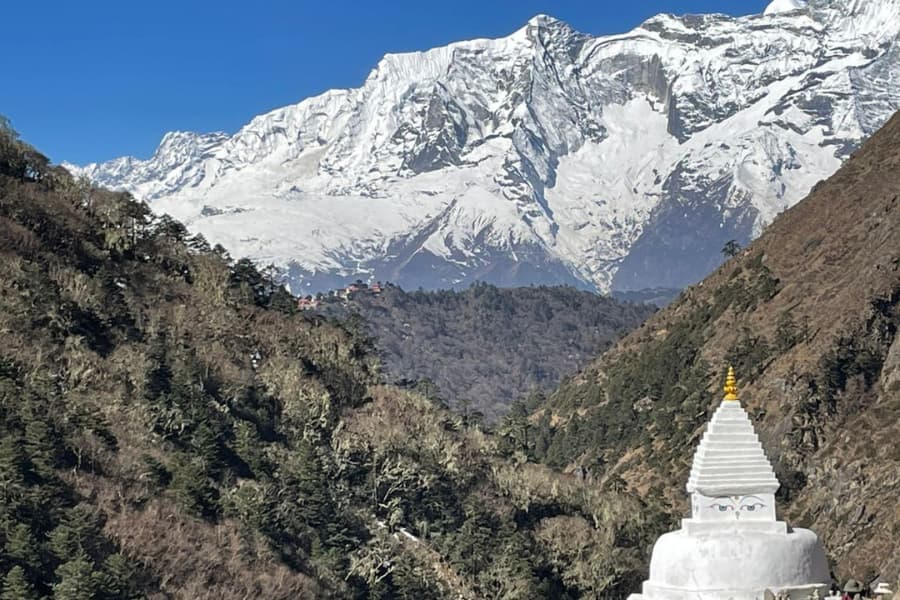
Getting the gear right matters. You'll be carrying whatever's in your daypack for 6-8 hours a day, sometimes in wind and cold. Keep it light and functional.
Clothing for Cold Weather
Temperatures vary wildly between low elevations (warm, 15-20°C daytime) and Base Camp (below -10°C at night). You need layers:
- Moisture-wicking base layers (2 sets minimum)
- Mid-layer fleece
- Down jacket (600-fill or better, insulated, water-resistant)
- Shell jacket (waterproof, windproof)
- Warm hat, gloves (liner gloves plus insulated outer gloves)
- Neck gaiter or buff
- Trekking pants (quick-dry, not denim)
Trekking Gear and Boots
This matters more than almost anything else:
- Well-broken-in trekking boots (waterproof, ankle support)
- Trekking poles (reduce knee strain significantly on descents)
- Sleeping bag rated to -15°C (tea houses provide blankets but they're variable)
- Headlamp with extra batteries (power outages are common)
- Sunglasses (UV protection, important above 4,000m)
- Sunscreen and lip balm (SPF 50+)
First Aid and Personal Items
- Diamox (if prescribed)
- Ibuprofen (for headaches)
- Blister treatment
- Water purification tablets or a filter
- Rehydration salts
- Hand sanitiser
- Personal medications
- Water bottles (2 x 1L, or a hydration bladder)
Don't overpack. If you're using a porter, you can send a duffel ahead. Your daypack should stay under 8-10 kg.
Safety Tips and Emergency Planning
Emergencies happen in the Everest region. Being prepared doesn't mean being paranoid; it means being realistic.
Travel Insurance
Non-negotiable. Your insurance must cover:
- High-altitude trekking (specifically above 5,000m)
- Helicopter evacuation (can cost USD 3,000-8,000+)
- Medical treatment in Kathmandu
- Trip cancellation (for Lukla flight delays, illness, etc.)
Read the policy carefully. Many standard travel insurance policies exclude high-altitude trekking. World Nomads and similar adventure-specific insurers cover it.
Emergency Evacuation Options
The Himalayan Rescue Association has aid posts at Pheriche (4,240m) and Manang. Trained medic staff at these posts during trekking seasons. If someone in your group shows signs of moderate or severe AMS, this is your first stop.
Helicopter evacuation is available from most points on the Everest Base Camp trekking route. It's expensive, it requires clear weather, and it takes time to arrange. A good guide will make the call and handle the communication.
Carrying a satellite communicator (like a Garmin inReach) is increasingly common and genuinely useful if you're heading into remote sections.
Communication and Weather Awareness
- Nepali SIM cards with data work in most villages up to around Gorak Shep
- Tea houses have wifi (slow, expensive, sometimes just for WhatsApp)
- Above Lobuche, connectivity becomes unreliable
- Check weather forecasts each morning: Mountain Forecast and Windy are useful apps
Cultural Experience in Sagarmatha National Park
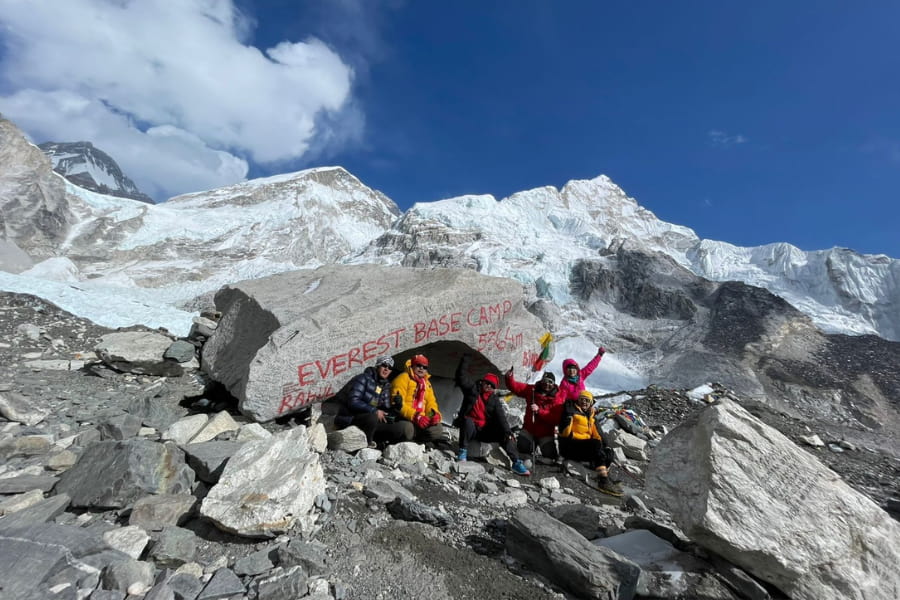
The Everest Base Camp trekking route through the Khumbu isn't just a physical journey. It passes through living communities with their own rich culture, and that culture is worth engaging with.
Sherpa Lifestyle
The Sherpa people have lived in the Khumbu valley for centuries. Their culture is rooted in Tibetan Buddhism, trade, and a deep relationship with the mountains. The word "sherpa" has become generic in trekking circles (any porter or guide gets called a sherpa), but Sherpas are an ethnic group with specific traditions.
In villages like Namche Bazaar, Tengboche, and Khumjung, you'll see this culture in daily life: prayer wheels, mani stones, chortens, and the rhythm of village work. The weekly market in Namche on Saturdays draws traders from across the region.
Monasteries and Festivals
- Tengboche Monastery (3,867m): The most famous monastery in the region. The Mani Rimdu festival held here every November is one of the most beautiful events in Nepal: masked dances, butter sculptures, and religious ceremonies.
- Khumjung Monastery: Houses a yeti scalp (debated by scientists, venerated by locals).
- Pangboche Monastery: The oldest in the region, simple and quiet.
If you're trekking in October or November, ask your guide about local festival dates. Some are public, and visitors are welcome.
Respecting Local Customs
A few things worth knowing:
- Walk clockwise around mani stones, chortens, and prayer wheels. This is a religious practice, and it costs you nothing to respect it.
- Ask before photographing people, especially monks or during ceremonies.
- Remove boots before entering a monastery or private home.
- Don't hand out sweets or money to children. It encourages begging and undermines local community dynamics. If you want to contribute, donate to a school or clinic.
- Bargaining is fine in markets, but don't push it aggressively on items with small margins.
Choosing a Reliable Trekking Company Like Holy Kailash Tours
This decision matters as much as the route you pick.
There are hundreds of trekking companies in Kathmandu. Quality varies enormously. Some have excellent safety records, experienced guides, and honest communication. Others cut corners on permits, hire untrained guides, and disappear if something goes wrong.
Experienced Guides and Safety Focus
A good company's guides have:
- Wilderness first aid certification
- Altitude sickness training
- Genuine knowledge of the route (not just the popular sections)
- Experience handling emergencies
Ask your operator directly about guide qualifications. A reputable company will be happy to answer. A vague or evasive answer is a red flag.
Custom Everest Base Camp Trek Packages
Not everyone fits a standard group itinerary. Holy Kailash Tours builds custom EBC trek packages based on your fitness, time, and interests. A solo traveler who wants a private guide and a flexible schedule gets a different package than a group of friends on a fixed budget.
Custom itineraries can include:
- Flexible acclimatization days
- Side trips (Ama Dablam Base Camp, Island Peak)
- Helicopter returns from Gorak Shep or Kala Patthar
- Cultural extensions in Kathmandu or Pokhara
- Combination with other Nepal adventures
Support with Permits, Logistics, and Planning
Holy Kailash Tours handles the entire operational side:
- Permit applications and fees
- Lukla flight bookings (and rebooking when weather delays happen)
- Tea house reservations along the route
- Guide and porter assignment with background checks
- Emergency protocols and insurance guidance
- Airport transfers and Kathmandu accommodation
The value of this isn't just convenience. When Lukla flights are cancelled, and you're stressed in Kathmandu, having a team that handles the rebooking while you eat breakfast is worth a lot. When your guide spots early AMS symptoms and adjusts the plan accordingly, that expertise comes from experience you can't replicate by reading a guide online.
Popular Questions Trekkers Ask Before Booking
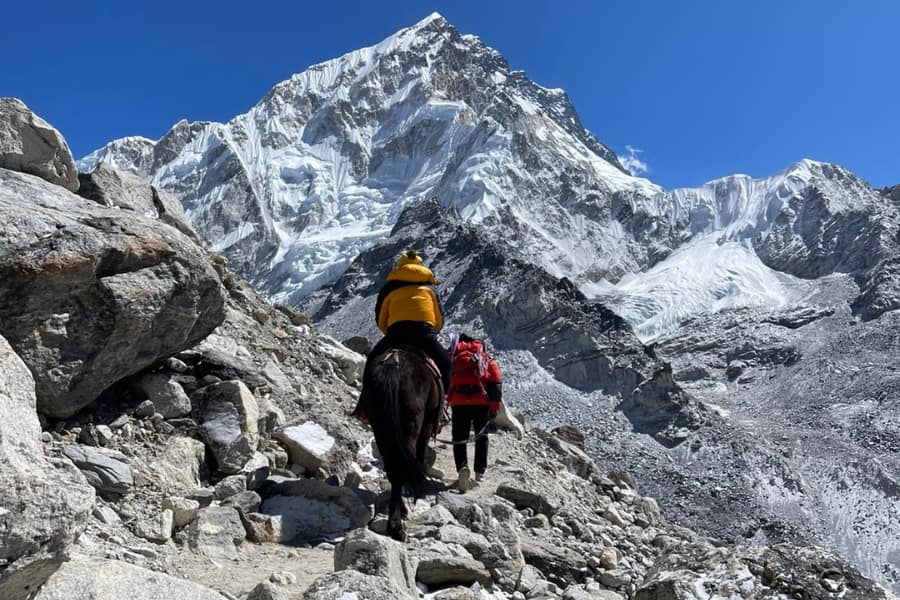
Is EBC harder than Kilimanjaro?
Different kind of hard. Kilimanjaro goes higher (5,895m vs. 5,364m for EBC) but takes fewer days to summit. EBC is a longer sustained effort at altitude. Most people find EBC more physically demanding overall because of the duration, but Kilimanjaro's summit push is more intense in a single day.
Can I trek EBC without a guide?
Yes, legally. But read the section above on solo trekking risks first.
What's the difference between EBC and Kala Patthar?
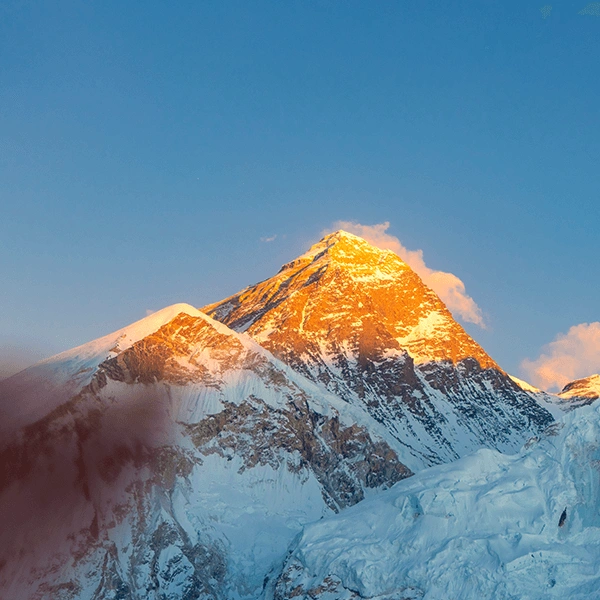
Everest Base Camp walk (5,364m) is a rocky flat area at the foot of the Khumbu Icefall. You can see the icefall, hear it creak, and feel the scale of the mountain above you, but Everest's summit isn't visible. Kala Patthar (5,545m) is a hill 90 minutes from Gorak Shep that gives a direct view of Everest's south face. Most trekkers do both.
How much does an EBC trek actually cost?
Including flights from Kathmandu to Lukla, permits, guide, porter, accommodation, and food on the trail, a budget of USD 1,500-2,500 for a 14-day independent or group trek. A private guided package from a reputable operator typically runs USD 2,000-3,500. Luxury options with better lodges and helicopter return run USD 4,000-6,000+.
What's the hardest day on the EBC trek?
Most trekkers point to the section from Gorak Shep(5,140m) to EBC (5,364m) and Kala Patthar (5,545m) as the hardest. You're at maximum altitude, the air is thin, the ground is rocky, and many people have accumulated fatigue by this point. The day from Lobuche to Gorak Shep is also tough.
Comparison Table: Main Everest Trek Routes
|
Trek
|
Duration
|
Max Elevation
|
Difficulty
|
Highlights
|
|
EBC Standard
|
12-16 days
|
5,545m
|
Moderate-Hard
|
Base Camp, Kala Patthar
|
|
EBC + Gokyo Lakes
|
18-21 days
|
5,545m
|
Hard
|
Lakes, Cho La, panoramic views
|
|
Three Passes
|
20-24 days
|
5,545m
|
Very Hard
|
Full Khumbu circuit
|
|
Gokyo Lakes only
|
14-16 days
|
5,357m
|
Moderate
|
Peaceful valley, lake views
|
|
Jiri to EBC
|
25-30 days
|
5,545m
|
Hard
|
Traditional route, fewer crowds
|
Final Planning Checklist
Before you book:
- Decide on the route based on fitness and time
- Choose season (spring or autumn for most people)
- Book flights to Nepal (Kathmandu is the hub)
- Select a trekking company or plan independent logistics
- Apply for a Nepal visa
- Get travel insurance with helicopter evacuation cover
- Book a pre-trek fitness assessment or start a training program
- Consult a doctor about altitude medications
- Arrange gear (buy or rent in Kathmandu's Thamel district)
Once booked with Holy Kailash Tours or another operator:
- Confirm permit requirements and let the operator handle applications
- Share dietary restrictions and medical information
- Discuss custom itinerary options if the standard doesn't fit
- Get emergency contact protocols from your operator
- Download offline maps (Maps.me or AllTrails for Nepal)
Final Thought
Choosing the right itinerary for the Everest region trekking isn't complicated once you ask the right questions. How fit are you, really? How much time do you have? What do you actually want to see and experience? Is this about a bucket list photo at Base Camp, or a deeper experience of the Khumbu valley and its people?
The EBC standard route works for most people with reasonable fitness in 14 days. The EBC and Gokyo Lakes trek rewards those who have more time and want more. The Three Passes trek is for people who want the full challenge of the Mount Everest region and have the experience to back it up.
What matters most is that you plan properly. Acclimatization isn't optional. Insurance isn't optional. Knowing your body's limits isn't optional. The mountains are beautiful, and they're also indifferent to preparation mistakes.
Holy Kailash Tours has guided trekkers on every one of these routes. We know what works, what trips people up (literally and figuratively), and how to match an itinerary to the person taking it. If you're unsure where to start, reach out, and we can talk through the options based on your specific situation.
A well-planned walk to Everest Base Campis one of the most memorable things a person can do. Do it right, and you'll come back changed. Do it sloppily, and you'll come back early. Take the planning as seriously as the adventure itself, and the mountain will take care of the rest.
Holy Kailash Tours is based in Kathmandu, Nepal, and specializes in pilgrimage travel and Himalayan trekking, including Everest Base Camp trek packages, Kailash Mansarovar Yatra, and custom Himalayan itineraries. Contact Us for a personalized itinerary consultation.
Frequently Asked Questions: Everest Region Trekking
1: How fit do I need to be for the Everest Base Camp trek?
Honestly, fitter than most people think. You don't need to be an athlete, but you do need a real base. We're talking 6-7 hours of walking per day, sometimes on steep rocky terrain, at elevations where every step takes more effort than it would at home. If you've been mostly sedentary for the past year, two weeks of light walking before flying to Kathmandu won't cut it.
The best preparation is consistent cardio over several months: hiking with a loaded pack, stair climbing, cycling, or running. Your legs need to be ready for long descents, too, not just the uphill. Downhill is where knees give out, and a bad knee at 4,500m is a serious problem.
Moderate fitness is enough for the standard 14-day EBC route. If you're targeting the Three Passes or a combined EBC and Gokyo Lakes trek, you need more. Simple as that.
2: What's the difference between trekking to Everest Base Camp and actually climbing Everest?
Night and day. The Everest Base Camp trek is a walking route through the Khumbu Valley to the foot of the mountain. No ropes, no crampons, no technical climbing skills needed. You're hiking, not mountaineering.
Climbing Everest itself is one of the hardest and most dangerous things a human can attempt. It requires years of mountaineering experience, specific technical skills, months of preparation, a full expedition team, and roughly USD 50,000-100,000+ in permits and logistics alone.
Most people on the EBC trail are trekkers, not climbers. In April and May, you might pass actual Everest expedition teams heading up through Base Camp, which is a strange and memorable thing to witness. But you and they are doing entirely different activities.
3: Is altitude sickness something I should genuinely worry about, or is it overblown?
It's real, and it's worth taking seriously. That's not the same as saying it should scare you off.
Mild altitude sickness, a headache, some fatigue, and trouble sleeping affect a large percentage of trekkers somewhere above 3,500m. Most people push through mild symptoms with rest, hydration, and ibuprofen. The problems come when people ignore symptoms and keep ascending anyway.
Severe altitude sickness (HACE or HAPE) is less common but genuinely life-threatening. It can develop fast. The fix is always the same: descend immediately. Not tomorrow. Not after one more night. Down.
A well-paced itinerary with proper acclimatisation days in Namche Bazaar and Dingboche reduces your risk significantly. Going with a guide who recognises the symptoms and makes conservative decisions reduces it further. Holy Kailash Tours builds acclimatisation days into every EBC itinerary for exactly this reason. It's not padding, it's the plan working as it should.
4: Can I do the Everest Base Camp trek without a guide?
Legally, yes. The Nepali government doesn't require solo trekkers to hire a guide on the main EBC route, though regulations have shifted back and forth over the years and may continue to change.
Practically, there are real tradeoffs. The trail from Lukla to EBC is well-marked and busy enough that navigation isn't usually the issue. The bigger considerations are safety and logistics. If you develop altitude sickness alone at 4,800m, your options narrow fast. A guide makes the call to descend, handles communication, and knows who to call. Solo, that falls entirely on you.
That said, plenty of experienced trekkers do it independently each year without incident. If you have solid prior high-altitude experience, good judgment, comprehensive insurance, and a satellite communicator, it's a reasonable choice. If this is your first time above 4,000m, go with a guide.
5: How much does the Everest Base Camp trek actually cost, all in?
This one varies more than most trekking websites admit. Here's a realistic breakdown for a 14-day EBC trip:
- Nepal tourist visa: USD 50
- Sagarmatha National Park permit: approximately USD 22
- Khumbu Pasang Lhamu municipality permit: approximately USD 15
- Return flights Kathmandu to Lukla: USD 180-350
- On-trail accommodation and food (tea houses): USD 30-50 per day
- Guide (if hired): USD 25-40 per day plus their food and lodging
Porter (optional but recommended): USD 15-25 per day plus their food and lodging
Add it up on the budget end: roughly USD 1,200-1,800 for a fairly independent trek. A full package from an operator like Holy Kailash Tours, covering permits, guide, porter, and accommodation bookings, typically runs USD 2,000-3,500. Luxury options with better lodges and a helicopter return go from USD 4,000 upward.
One cost people forget: travel insurance with helicopter evacuation coverage. Budget at least USD 100-200 for a good policy. Don't skip it. A helicopter out of the Khumbu can cost USD 5,000-8,000 without coverage.
6: What's the best time of year to trek in the Everest region?
Spring (March to May) and autumn (late September to November). Those are your windows.
Spring is slightly warmer, and the rhododendron forests below Namche are in bloom. The downside is crowds: April especially is busy on the trail and at tea houses. Book ahead.
Autumn is the personal preference of many guides. Skies are often cleaner after the monsoon clears, temperatures are crisp but manageable, and the light is good for photography. October is the sweet spot. By late November, it gets cold enough that the upper trail becomes genuinely uncomfortable, and some higher-elevation tea houses close.
Winter (December to February) is quiet and cold. It's doable, but you'll need serious cold-weather gear, and some tea houses won't be operating. Monsoon (June to August) is possible, but the views are mostly hidden, and the lower trail gets wet and leech-y. Most people avoid it.
If you have flexibility, go in October. If you're set on spring, aim for late March or early April before the main rush hits.
7: What should I actually pack? The gear lists online seem overwhelming.
They are overwhelming, mostly because they try to cover every possible scenario. Here's what actually matters:
The most important things are your boots and your layering system. Boots need to be broken in before you arrive. Blisters at 5,000m are miserable. Layers need to cover a range from 15°C in the lower valleys to -15°C at Base Camp at night: moisture-wicking base layers, a mid-layer fleece, a down jacket, and a waterproof shell.
Beyond that: trekking poles (your knees will thank you on the descents), a headlamp with spare batteries, sunglasses rated for high-altitude UV, sunscreen you'll actually apply, a sleeping bag rated to -15°C, and a water bottle or hydration bladder. You can buy or rent most gear in Kathmandu's Thamel district at reasonable prices, so don't panic if you're missing something before you fly.
Keep your daypack light, under 10 kg if possible. If you hire a porter through Holy Kailash Tours, your main duffel travels separately, and you just carry what you need for the day. That makes a real difference after a week on the trail.
One thing people consistently overpack: clothes. You'll smell on the trail. Everyone does. Two trekking shirts, one for walking and one for evenings, are enough. Tea houses don't have laundry services above Namche anyway.