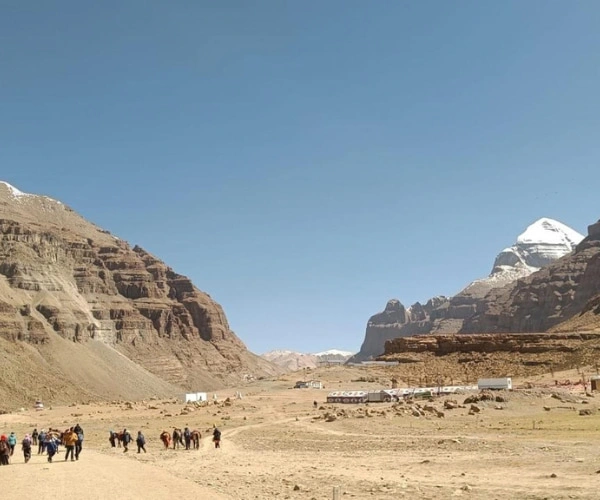
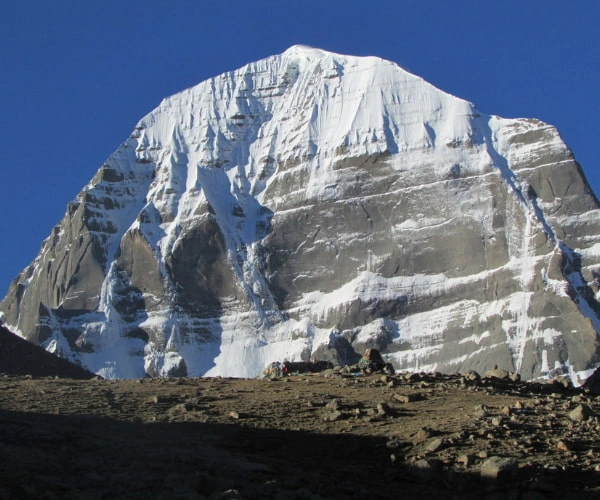
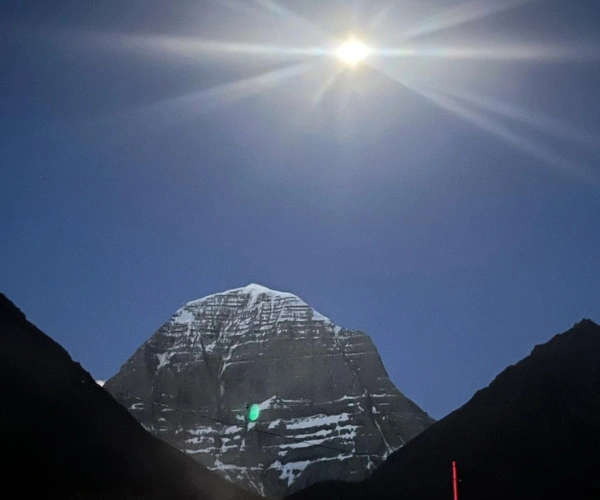
The Journey to the Roof of the World
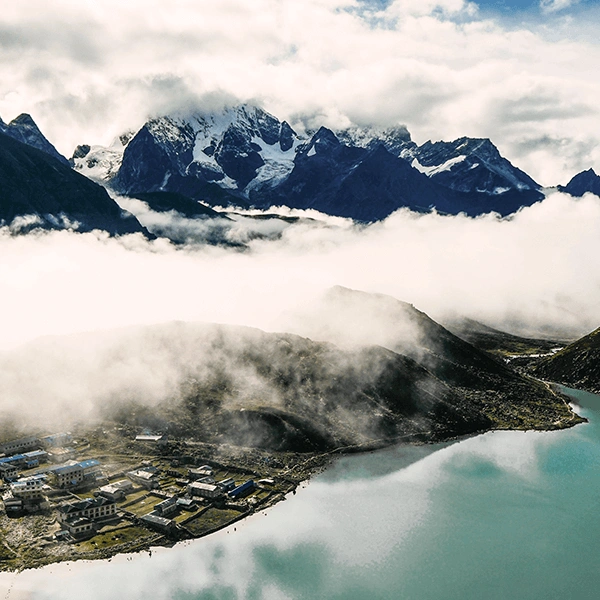
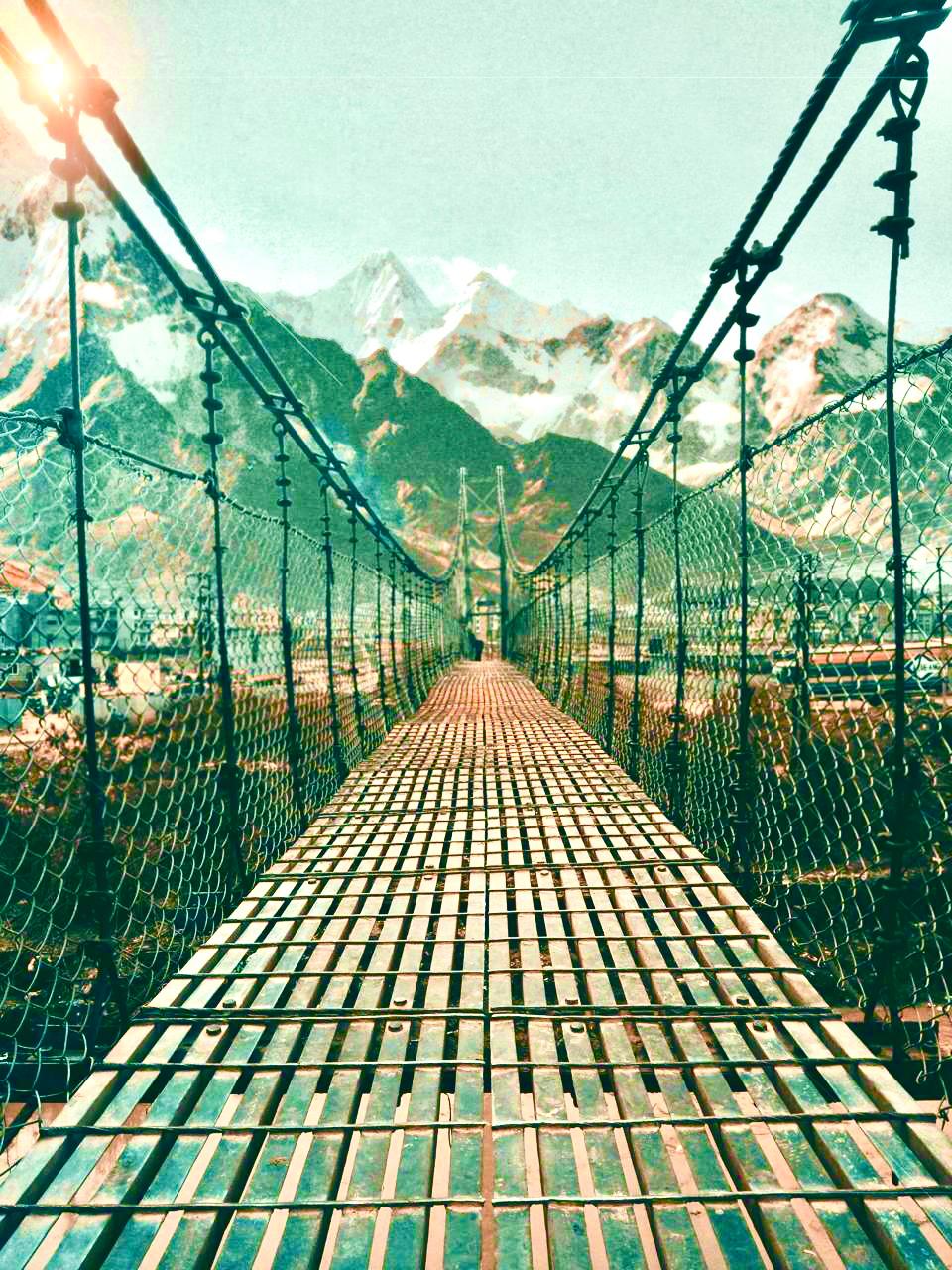
The Everest Base Camp trek is a round trip of about 130km (80 miles). The route starts with the Lukla mythical airstrip mountain, into the Sagarmatha National Park, which is a UNESCO World Heritage site. You will come out of the green pine-scented forests of the lower Khumbu, above huge hanging bridges of colored prayer flags, into the bare and spectacular deserts of the high Himalayas.
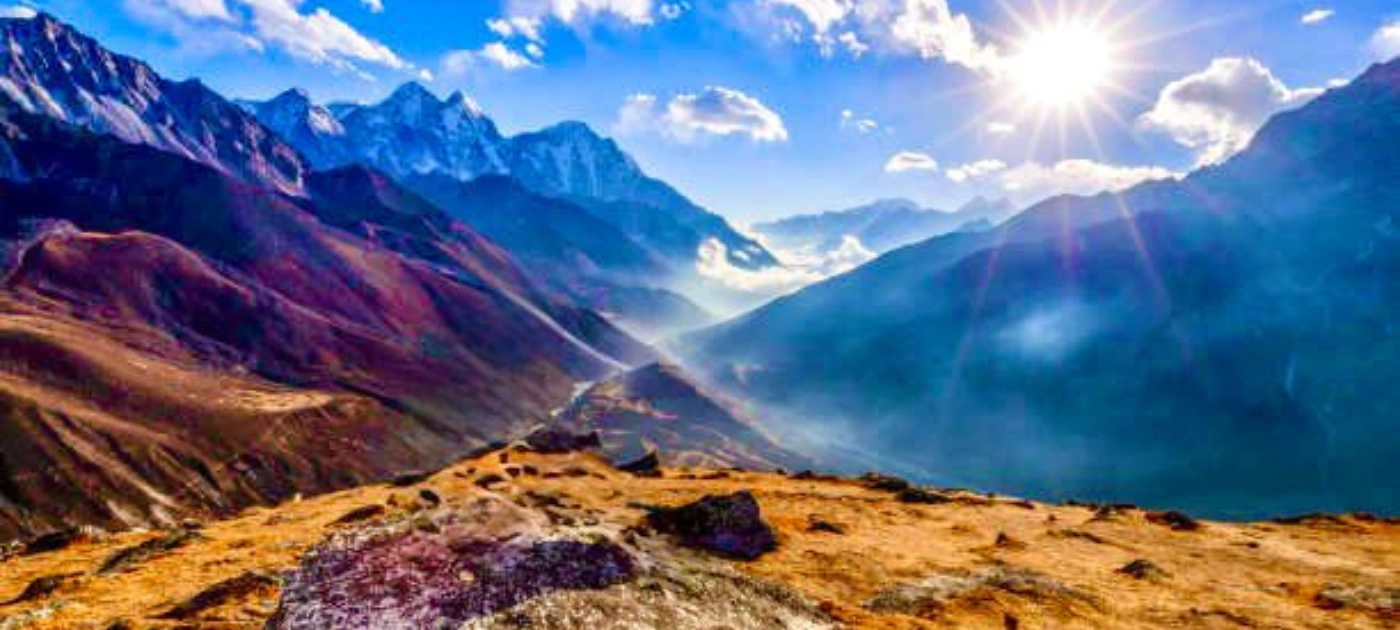
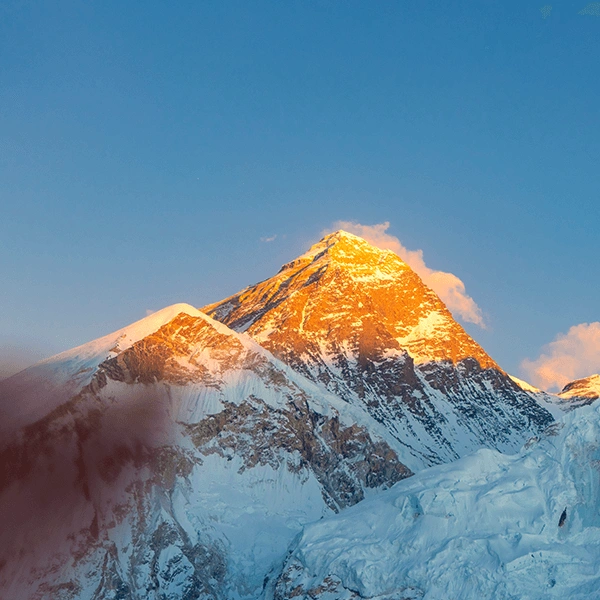
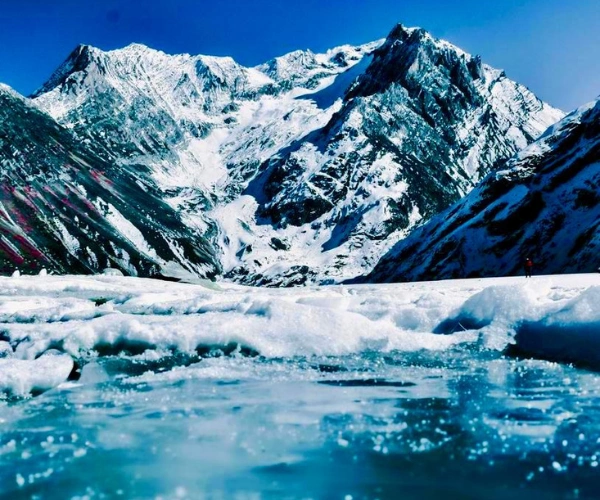
The destination is not the one that makes the trek, but the legendary peaks such as Lhotse, Mount Everest (8,848.86m), Nuptse, and Ama Dablam, landmarks located along the way. Beginning with the bang of Sherpa Capital of Namche Bazaar to the religious refuge of the Tengboche Monastery, each second is a perseverance and exquisiteness. Looking up the Western Cwm when you are on Khumbu Glacier, and at the sheer bulk of Lhotse and Nuptse, the world is enormous and very silent.
Everes
Why you should choose to trek to Everest Base Camp?
Nepal is home to hundreds of trekking routes. Just one hike will lead you to the Everest base camp of the tallest peak on the planet. The Kathmandu to Everest Base Camp is not simply your typical bucket list item. It is a cultural exploration of the Sherpas, ancient monasteries, and some aspects of spectacular mountain scenery that few places in the world can offer.
What that connection gives you:
- A sense of scale that no photograph can fully capture
- Walking the same route as some of the greatest climbers in history
- A deep appreciation for what humans are capable of at altitude
The Mountain Views Are Like Anything Else
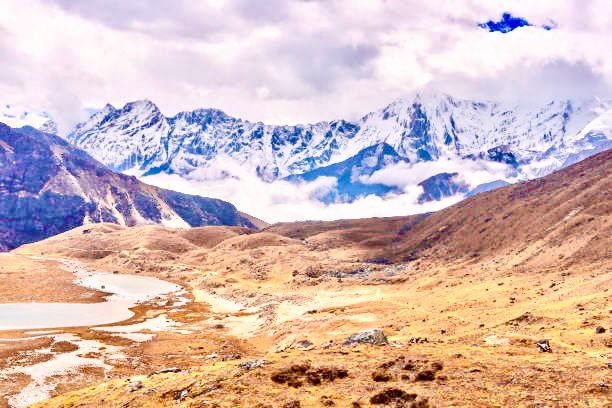
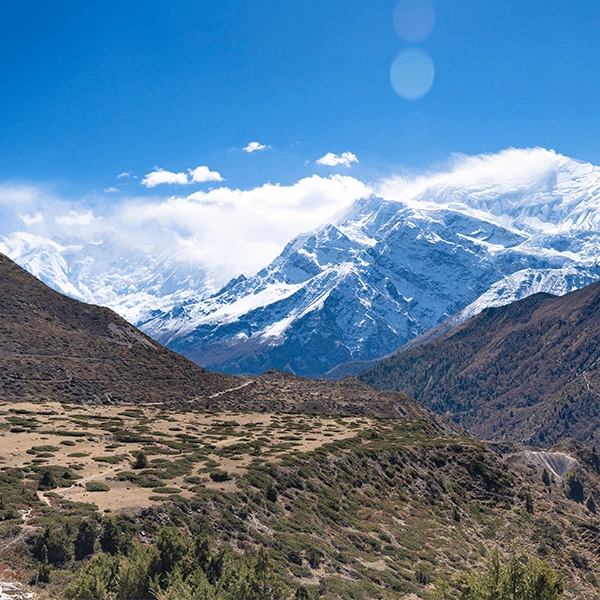
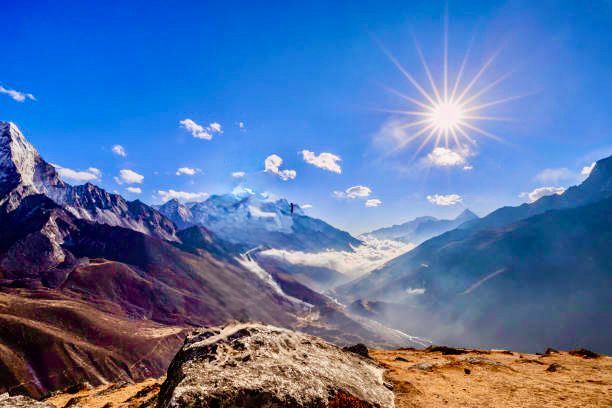
On the hike, you will have a chance to see Everest, Lhotse, Nuptse, Ama Dablam,Pumori, and Island Peak congregating together, amongst others. At first glance, they may seem like mere shapes on the horizon. But in fact, they are close, striking, and their appearance varies with the time of day and your location.
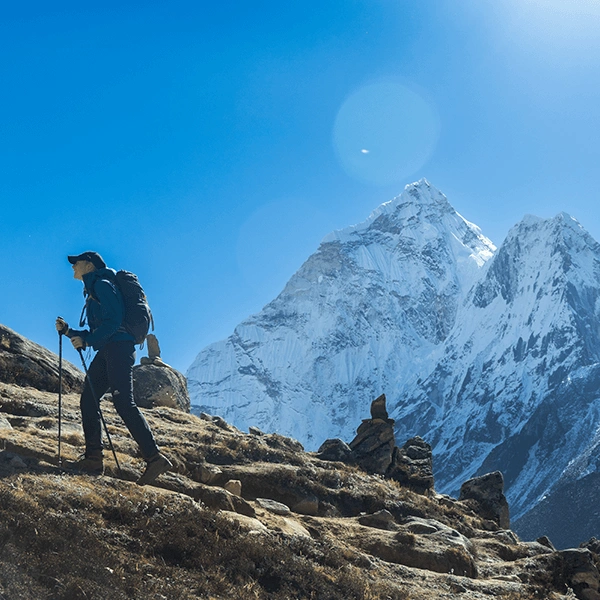
- Specifically, Ama Dablam halts trekkers even in the middle of their steps.
- Countless people admit that it is the most gorgeous mountain they have ever laid eyes on.
- Major scenic spots on the path:
Why Choose Holy Kailash Tours?
The quality of your support team is the most important factor in success on the Everest Base Camp trek. The distinctiveness of Holy Kailash Tours lies in the combination of professional mountaineering principles with an incredibly spiritual approach to travel.
Logistical Mastery in 2026: Peak seasons. Preference will be given to Kathmandu air traffic; most flights to Lukla will leave Manthali Airport (Ramechhap) in 2026. We are handling the entire 4-hour private transfer from Kathmandu to Ramechhap to ensure your flight has a smooth transition.
Safety & Health Monitoring: Our guides are not mere pathfinders, but they are high-altitude, medically trained. We check your oxygen levels (SpO2) during daily check-ups (Oximeter check) to ensure that you are acclimatizing, and we also have supplemental oxygen in case of an emergency.
The Spiritual Edge: We honor the name, Holy Kailash. Our itineraries include visits to sacred sites and monasteries, providing a cultural depth that standard tours often skip.
Small Group Dynamics: Our group sizes are limited to make our group a personalized attention. This will enable us to control daily speed to suit the team's requirements and dramatically increase the chances of reaching Base Camp.
Highlights of the Everest Base Camp Trek in Nepal
Here is the list of the highlights of the Everest Base Camp Trek in Nepal.
- Lukla’s Tenzing Hillary Airport: world’s most extreme airport
- Sherpa Villages and Monasteries
- Diverse Vegetation: Temperate Deciduous to Tundra, including Alpine Forests
- Landscapes Diversity: valleys, gorges, rivers, waterfalls, glaciers, and moraines
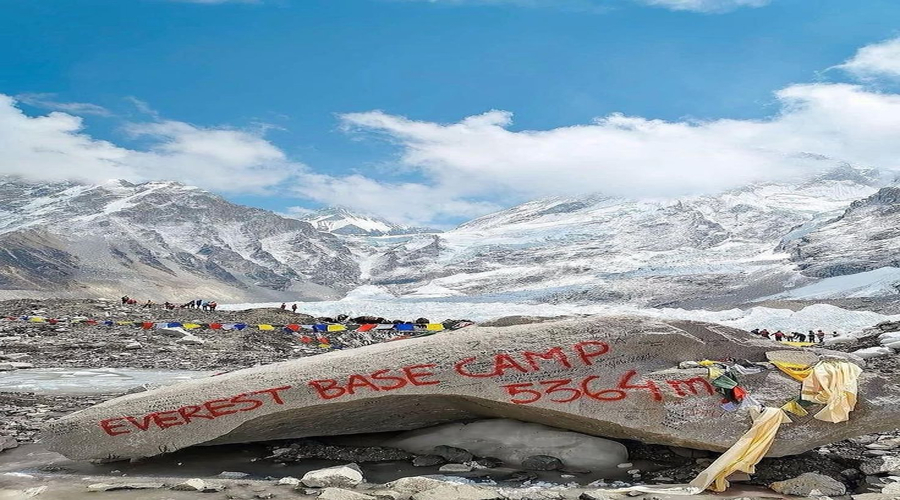
- Everest Base Camp (5364 m) and Kalapathar (5545 m) Sunrise/sunset experiences
- Nepal’s most commercial trekking route
- Superlative things to experience: Everest View Hotel & Sagarmatha National Park
- Over a dozen Mountain Vista
Short Day-to-day Itinerary
Day 1: Arrival in Kathmandu (1,400m)
Day 2: Fly Kathmandu to Lukla (2,840m) & Trek to Phakding (2,610m)3–4 hours
Day 3: Trek from Phakding (2,610m) to Namche Bazaar (3,440m)6–7 hours
Day 4: Acclimatization Day at Namche Bazaar (3,440m)3–4 hours
Day 5: Trek from Namche Bazaar (3,440m) to Tengboche (3,860m)5–6 hours
Day 6:Trek from Tengboche (3,860m) to Dingboche (4,410m)5–6 hours
Day 7: Acclimatization Day at Dingboche (4,410m)3–4 hours
Day 8:Trek from Dingboche (4,410m) to Lobuche (4,940m)5–6 hours
Day 9:Trek from Lobuche (4,940m) to Gorakshep (5,164m) & Visit Everest Base Camp (5,364m); 7–8 hours
Day 10:Hike to Kala Patthar (5,545m) & Trek to Pheriche (4,371m); 6–7 hours
Day 11:Trek from Pheriche (4,371m) to Namche Bazaar (3,440m); 6–7 hours
Day 12:Trek from Namche Bazaar (3,440m) to Lukla (2,840m); 6–7 hours
Day 13:Fly from Lukla to Kathmandu (1,400m)
Day 14:Final Departure from Kathmandu
What’s Included
Sagarmatha National Park entry permit
3 nights’ accommodation in Kathmandu with a bed and breakfast basis.
Kathmandu sightseeing with a private guide and private transportation
Khumbu Pasang Lhamu / rural municipality permit & TIMS card
Domestic flights (Kathmandu -Lukla) with airport taxes
Airport arrival and departure transfers in Kathmandu
All ground transportation as per the itinerary
Government-licensed English-speaking trekking guide
Porter(s) to carry luggage (wages, food, and insurance included)
Tea-house / lodge accommodation during the trek (twin sharing)
Meals during the trek (typically breakfast, lunch, and dinner)
Basic first-aid kit and medical supplies carried by the guide
Trekking gear on loan (e.g., down jacket, sleeping bag) in some packages
Government and local taxes/service charges
What’s Not Included
International airfare to/from Nepal
Nepal entry visa fee
Meals in Kathmandu (unless specified)
Bottled water, beverages, hot drinks, and alcohol
Travel insurance (including helicopter evacuation and emergency coverage)
Personal trekking gear (boots, poles, clothing)
Tips/gratuities for guide(s), porter(s), and drivers
Hot showers, Wi-Fi, and battery charging fees during the trek
Laundry, phone calls, snacks, and extra menu items
Extra porter(s) or additional services beyond the package
Additional accommodation due to delays (weather, flight delays)
Emergency evacuation costs are not covered by insurance
Unforeseen costs due to itinerary changes (strikes, natural events)
Everest Base Camp Weather and Seasons:
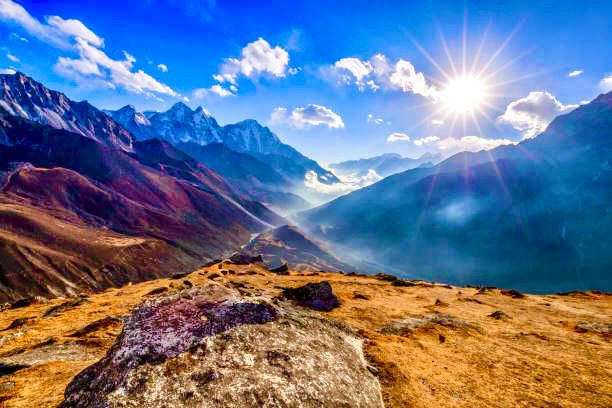
The Khambhu weather is the final usher. It is essential to know the peculiarities of the seasons both in terms of safety and the quality of your sight.
1. Spring (March to May) - The Climber's Season
Spring is arguably the most vibrant time to trek. As the winter snow melts, the lower trails come alive with blooming Rhododendron forests.
The Vibe: This is when the elite climbing expeditions are at Base Camp. The trail is buzzing with energy, and you’ll likely share tea with people preparing to summit Everest itself.
Weather: Daytime temperatures at mid-altitudes are pleasant (15°C to 20°C), though it remains cold at night.
2. Autumn (September to November) -The Visibility King
Post-monsoon Autumn is the Golden Window. The heavy rains have washed the dust and pollution from the air, leaving the atmosphere incredibly transparent.
The Vibe: If you are a photographer, this is your season. The contrast between the deep blue sky and the white peaks is at its sharpest.
Weather: Stable and predictable. It is colder than Spring, especially in November, but the clear days make it worth the extra layers.
3. Winter (December to February) -The Cold Solitude
Winter is for the hardy traveler who seeks total silence.
The Vibe: You will have the world’s most famous trail almost entirely to yourself. The mountains look massive under heavy snow.
Weather: Brutally cold. Nighttime temperatures at Gorak Shep can plummet to -20°C (-4°F).
Weather
The weather along the Everest Base Camp Trek route varies greatly depending on the season. So, it drastically affects how comfortable and safe your journey can be. Spring (March to May) and autumn (September to November) are considered the best times to trek as the skies are mostly clear, the temperatures are neither too hot nor too cold, and the mountain views are sharp and spectacular.
In springtime, you will also get to see the rhododendron forests turning red along the trails at lower altitudes. Summer (June to August) is the monsoon season, when heavy rains, cloudy skies, slippery paths, and flight delays to Lukla due to weather are the norm, making trekking difficult.
Winter (December to February) is very cold, especially above 4000m, where temperatures at night can fall below -15 °C; however, the trails are deserted, and the views can be crystal clear.
Since the trek starts at approximately 2800m in Lukla and goes up to over 5300m at Everest Base Camp, you will have exposure to several climate zones in a single journey, starting from the mild forest weather, going all the way to the freezing alpine conditions. To make your trek safe and enjoyable, proper clothing and planning are essential.
Best Time to EBC Trek: Our Verdict
In case you are interested in moderate weather and spectacular scenery, we suggest mid-October to early November. To view the tented city of Everest Base Camp in full blast, get to the end of April.
The Cost: A Transparent Investment
At Holy Kailash Tours, we believe in honest, upfront pricing. The Everest Base Camp Trek is $1,650 per person.
This is an all-inclusive package designed to provide a premium, worry-free experience. This cost covers:
Round-trip flights from Kathmandu/Ramechhap to Lukla.
All required trekking permits and national park fees.
Three nutritious meals a day (Breakfast, Lunch, Dinner) throughout the trek.
Standard teahouse accommodation (twin-sharing).
A licensed, English-speaking professional guide and a team of porters.
All ground transfers and airport pickups.
Difficulty Level of Everest Base Camp: How Hard is it?
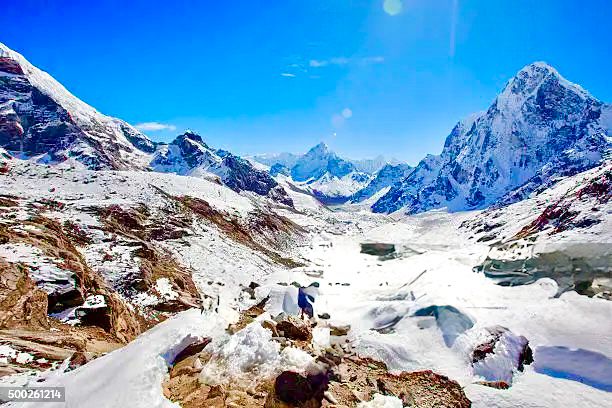
The Everest Base Camp trek is regarded as Grade 4 (Moderate to Challenging). No technical climbing skills, ropes, or ice axes are required. Nevertheless, you require a great degree of endurance of the heart.
The daily activities you will be involved in will include 5-7 hours spent on rocky, steep, and frequently icy ground. The psychological strain of the thin air is usually much greater than the physical burden on your legs.
Altitude Sickness (AMS): Prevention is Key
Acute Mountain Sickness is the primary reason people fail to reach EBC. As you ascend, the atmospheric pressure drops, and there is less oxygen available with every breath.
Symptoms: Headache, dizziness, nausea, and loss of appetite.
Our Protocol: We never rush. We include two mandatory acclimatization days—one in Namche Bazaar (3,440m) and one in Dingboche (4,410m).
Advice: Drink 4 liters of water daily, avoid alcohol entirely, and listen to your guide's slow and steady (Pole-Pole) instructions.
Everest Base Camp Altitude Sickness
Altitude sickness is definitely one of the toughest issues you can face on the Everest Base Camp trek, and every trekker should be aware of it before going to the Himalayas. As you ascend from Lukla at 2,860 meters to Everest Base Camp at 5,364 meters, the oxygen level decreases dramatically. This makes it very difficult for your body to cope, even if you are in great physical condition. However, with good planning and a little help from holy kailash tours, the vast majority of trekkers are able to handle altitude changes safely and have a good time on the trek.
What is Altitude Sickness?
Altitude sickness, or Acute Mountain Sickness, is a condition that occurs when your body is not able to get used to the reduction of oxygen at high altitude.
Generally, it appears at altitudes above 2,500 meters, indicating the risk is present from the start of the Everest region.
Physical Fitness & Training
You should start preparing at least 3 months before your flight to Lukla.
- Cardio: Focus on activities that build lung capacity, such as running, swimming, or cycling.
- Leg Strength: Hiking on hills with a weighted backpack (5kg-10kg) is the best way to mimic the pressure on your joints.
- Consistency: Aim for at least 4-5 days of active training per week.
Everest Base Camp Trek Food and Accommodation
Food: Forget roughing it. The EBC trail food is rather varied. From the mythical Dal Bhat (which offers bottomless portions of energy) to pasta, garlic soup (great in the altitudes), and pancakes. Our guests are fed on nutrient-dense meals that are high in carbs to maintain their energy levels.
Accommodation: You will stay in the teahouses. These are locally run lodges. Although the rooms are simple (usually two single beds and a common bathroom), during community meals, the entire communal dining area is warmed using yak-dung stoves and is home to warmth and the communal spirit of the trek.
Everest base camp trek Required Permits:
If you are considering doing the Everest Base Camp trek, one of the main things you'll have to do is obtain the necessary permits. Though it might be surprising to some, there are actually quite a few different permits needed for this trek. And they can be quite complex to navigate without someone by your side.
This is why it is common for trekkers to complete most of their permit paperwork with the support of a trekking company. If you decide to work with holy kailash tours, they will take care of the permit arrangements so you can give all your attention to the trekking itself.
This permit is necessary because the hiking trail runs through Sagarmatha National Park, a conservation area and UNESCO World Heritage Site.
Where to obtain it:
This is a recent local permit that covers the entire Everest area.
It was set up to be a replacement for the use of the old TIMS cards.
- Khumbu Pasang Lhamu Rural Municipality Permit: The local government permit is required for entry.
- Sagarmatha National Park Entry Permit: The conservation permit required for the UNESCO site.
Is a TIMS Card Required?
No, the TIMS (Trekkers' Information Management System) card is no longer compulsory for the Everest Base Camp trek. The Khumbu local permit has replaced it
The Ultimate Packing List
Layering is your best friend in the Himalayas. You will experience "four seasons in one day."
- Layers: Moisture-wicking base layers, a warm fleece mid-layer, and a heavy-duty down jacket (rated for -15°C).
- Shell: A high-quality GORE-TEX waterproof/windproof outer layer.
- Footwear: Sturdy, broken-in trekking boots and plenty of woolen socks.
- Gear: A 30L-40L daypack, trekking poles, a headlamp, and a -15°C rated sleeping bag.
- Personal: High-SPF sunscreen, polarized sunglasses, and a 10,000mAh+ power bank (charging in teahouses is expensive).
Clothing Essentials for ABC Trek
Here we present clothing items from different categories. Make sure to pack these items in your bag to keep you warm on cold-weather journeys. Look out for the listing we provide:
Headwear
- Warm insulated winter hat / Woolly hat
- Sun hat / Wide-brimmed hat
- Scarf
- Neck gaiter or Fleece Buff (Optional)
- Neoprene face mask (Optional)
- Balaclava / Bally ski mask / Monkey cap (Optional)
- LED Headlamp × 2 and extra batteries
Hand Wear
- Lightweight Gloves (wool or fleece)
- Heavyweight Gloves or Mittens
Bodywear
- Hiking shirts (2 pairs)
- Full-sleeved thermal undershirts (2 pairs)
- Fleece jacket
- Waterproof and windproof hooded rain jacket
- Down jacket (thick down jacket for winter treks)
- Polypropylene underwear (5-6 pairs)
- Synthetic material hiking pants (2 pairs)
- Long johns (2 pairs)
- Sweater
- Waterproof jacket and pants
- Lightweight cotton pants
- Light thermal trousers
- Sports Bra (for women)
footwear
- Woollen socks (6 pairs) (thick light socks)
- Lightweight shoes/scandals
- Hiking Boots
Final Word:
Everest Base Camp Trek is not a simple hiking adventure; it is a challenge of your soul, an unpaid first-seat-view of the most stunning architecture in the world. In 2026, the adventure will be affordable, provided the right amount of preparation is done, and with the aid of a partner like Holy Kailash Tours.
We beseech you come out of the noise of the civilized world and of the thin, clear air of the Himalayas.
FAQs
1: Why do I have to fly from Ramechhap instead of Kathmandu?
The Kathmandu International Airport is busiest during these months, and to reduce congestion and delays, the Civil Aviation Authority of Nepal (CAAN) redirects Lukla flights to Manthali Airport in Ramechhap. Holy Kailash Tours has a personal shuttle, so as to make sure that you are not late to your flight.
2: Can I charge my phone and use Wi-Fi?
Yes, it is true that most teahouses provide charging points and Wi-Fi (through "Everest Link") at the minor charge (typically, 3-7 dollars). But the signal becomes highly unreliable beyond 4,000 meters.
3: What if I can't finish the trek?
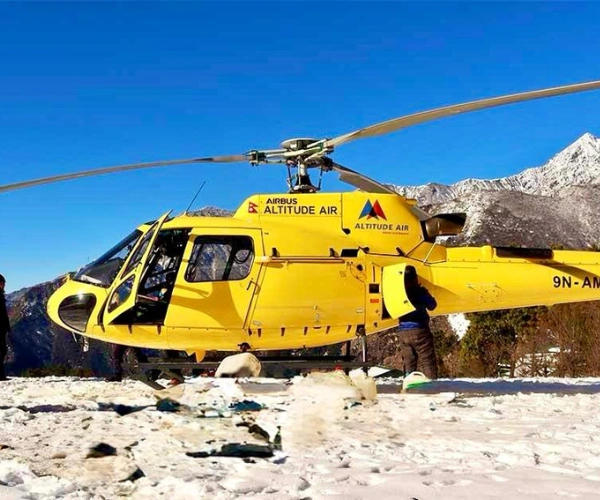
In case of AMS or injury, our guides will examine you. We also organize helicopter evacuations if needed. That is the reason why it is obligatory to have travel insurance that provides travel emergency evacuation to a distance of 6,000m.
4: Is the water safe to drink?
We do not advise drinking tap water. Boiled water may be purchased at teahouses, or tap water may be purified with water purification pills/filters.
5: Is $1,650 a all-in price?
Yes. It takes care of all your large bills from the time you land in Kathmandu to the time you leave. Personal spending money is just additional cash for Wi-Fi, a hot shower, charging, and guide and porter tips.