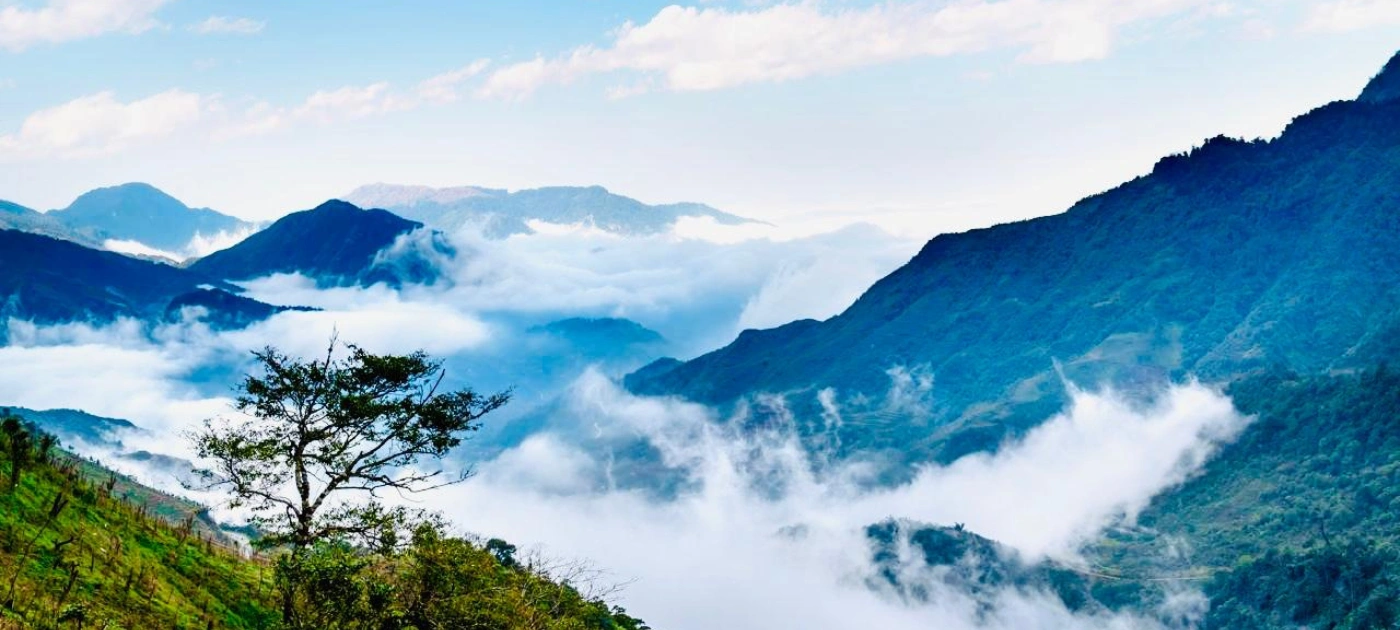
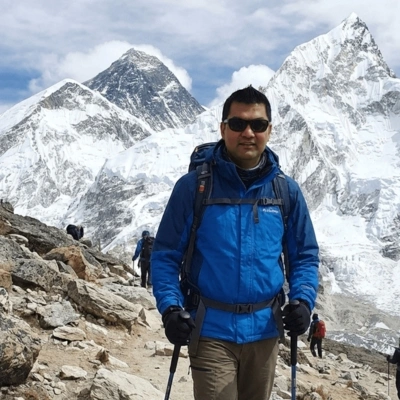
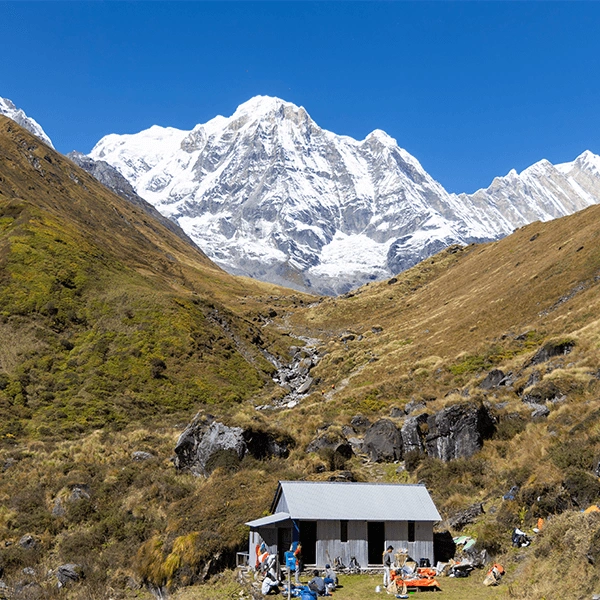
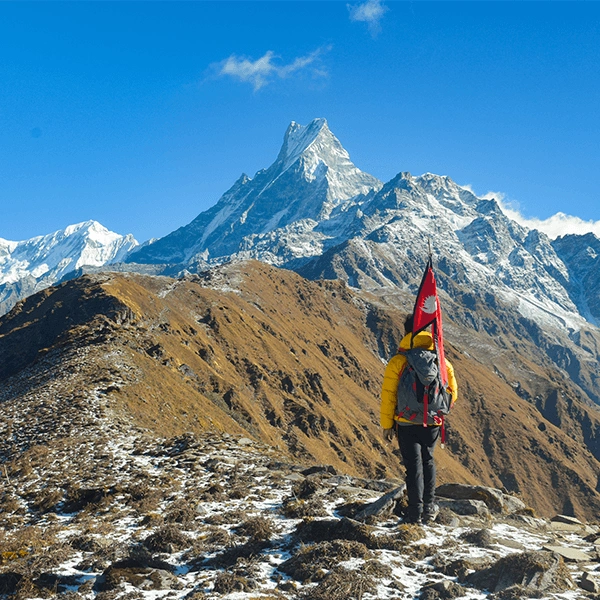
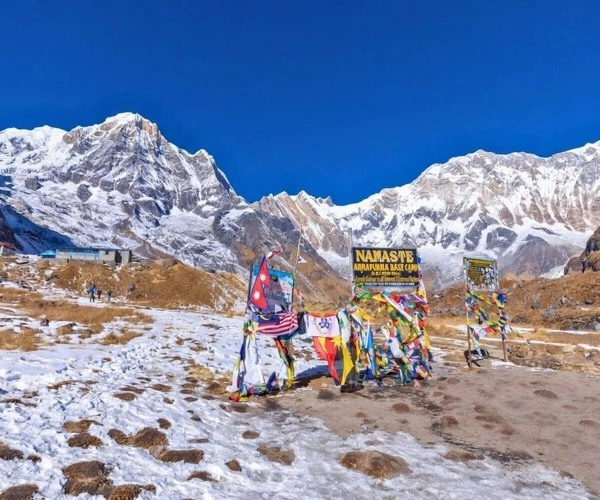
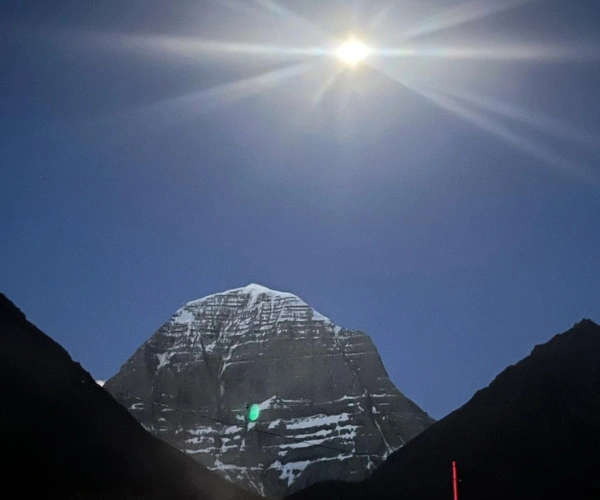
However, the Himalayas are as temperamental as they are majestic. A trek through the Annapurna Circuit trek is a journey through multiple climate zones, from the subtropical heat of the lowlands to the arctic-like conditions of the high-altitude desert. To ensure your journey is transformative rather than a struggle against the elements, timing is everything. This comprehensive guide, curated by Holy Kailash Tours, provides everything you need to know about the seasons, weather, and logistical essentials for a perfect 2026 trek.
The Annapurna Circuit is a legendary 160km to 230km trek (depending on transport) that circles the massive Annapurna mountain range. It is famous for its incredible diversity, not just in terms of landscapes, but in culture.
You begin in lush green valleys populated by Hindu farming communities and ascend into the high-altitude, Tibetan-Buddhist-influenced regions of Manang and Lower Mustang. The pinnacle of the trek is the crossing of Thorong La Pass, a high-altitude challenge that rewards you with some of the most expansive mountain views on the planet.
Trip Highlights
Conquer Thorong La Pass: Stand atop one of the world's highest trekking passes (5,416m) for breathtaking 360-degree Himalayan vistas.
- Incredible Landscape Diversity: Trek from lush subtropical forests and rice terraces through pine forests, into the arid high desert of the Tibetan Plateau, and down the world's deepest gorge (Kali Gandaki).
- Rich Cultural Tapestry: Experience a unique blend of Hindu and Tibetan Buddhist cultures, visiting ancient monasteries, medieval villages, and holy sites like Muktinath.
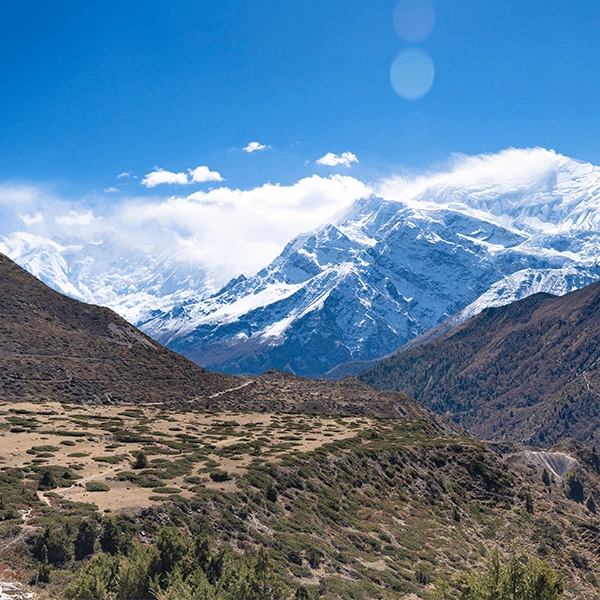
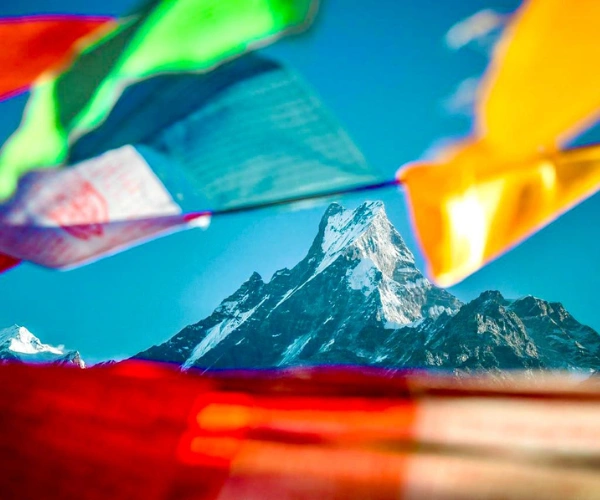
- Iconic Mountain Views: Enjoy spectacular, close-up panoramas of the entire Annapurna Massif, Dhaulagiri, Machhapuchhre (Fishtail), Manaslu, and Nilgiri.
- Warm Tea House Hospitality: Immerse yourself in the famous Nepali tea house culture, staying in family-run lodges with cozy communal dining areas.
- Natural Hot Springs: Relax your muscles in the natural hot springs at Tatopani or Jhinu Danda—a perfect reward after days of trekking.
Short Day-to-day Itinerary
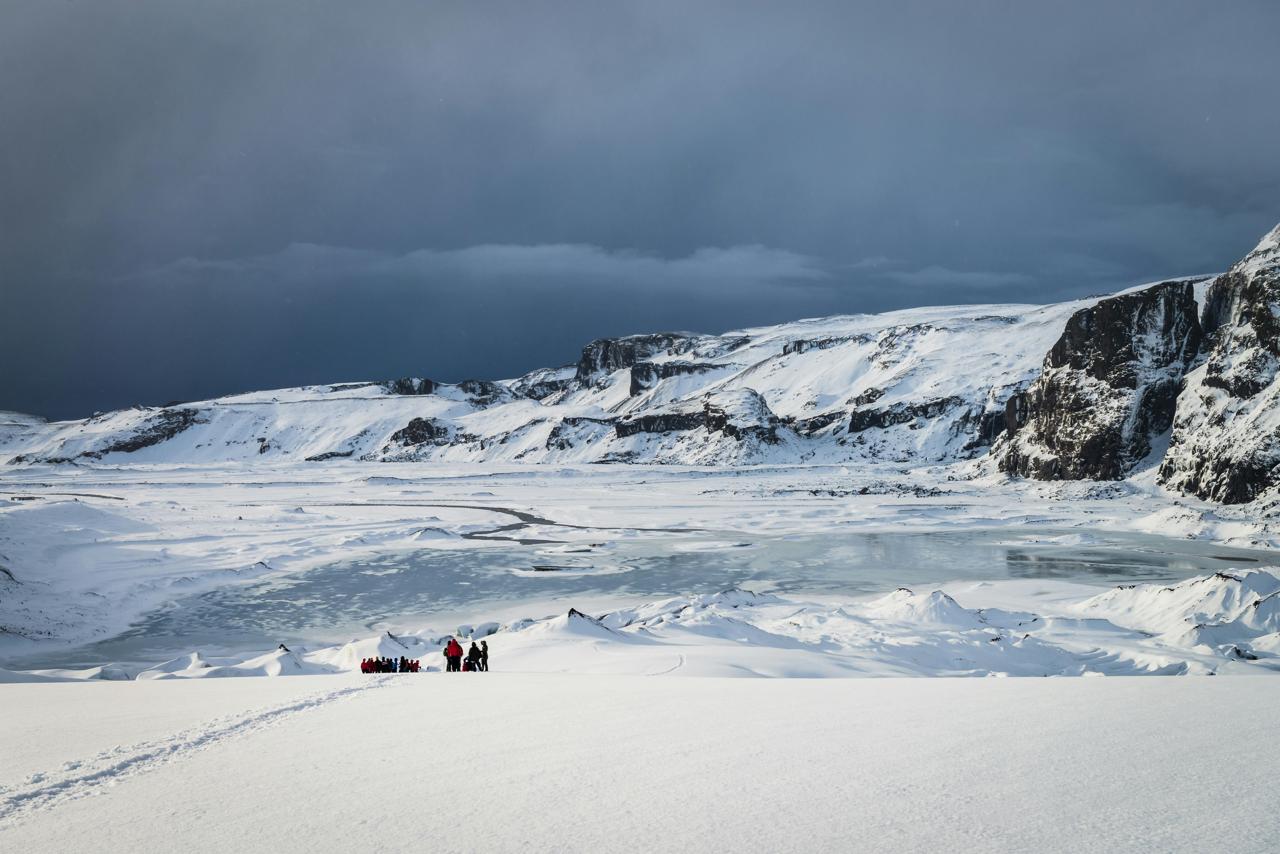
Day 1: Drive from Kathmandu to Besisahar (760 m | 6–7 hours)
Day 2: Drive from Besisahar to Chame (2,670 m | 6–7 hours)
Day 3: Trek from Chame to Pisang (3,300 m | 5–6 hours)
Day 4: Trek from Pisang to Manang (3,540 m | 5–6 hours)
Day 5: Acclimatization Day in Manang (3,540 m)
Day 6: Trek from Manang to Yak Kharka (4,050 m | 4–5 hours)
Day 7: Trek from Yak Kharka to Thorong Phedi (4,525 m | 4–5 hours)
Day 8: Trek from Thorong Phedi to Muktinath via Thorong La Pass (5,416 m | 8–9 hours)
Day 9: Trek from Muktinath to Jomsom (2,720 m | 5–6 hours)
Day 10: Flight or Drive from Jomsom to Pokhara (820 m)
Why you should choose the Annapurna Circuit trek
Some treks give you some mountain areas. The Annapurna Circuit gives you the entire Nepal Himalayas. That's the real reason so many trekkers, from beginners to long-time Himalayan hikers, pick this path over any other in Nepal. It is not just about height or how hard it is. It is about what you actually see along the way.
You get more than one Nepal.
Most treks keep you in one area. The Annapurna Circuit is different. Over 160 to 230 kilometers, the ground changes each day. You begin in warm lowlands with rice fields and banana plants. Midway, you pass pine woods and villages with Tibetan-style homes. Near the top, the view matches the Tibetan plateau instead of what most expect in Nepal. That variety delivers:
- Subtropical forests, alpine meadows, and a high-altitude desert all on one trail.
- The Kali Gandaki Gorge is bordered by two 8,000-meter peaks:
- Dhaulagiri and Annapurna. A slow, satisfying change that makes each day feel new and real
Why Choose Holy Kailash Tours?
In a region as vast and unpredictable as the Himalayas, the quality of your guidance defines your experience. Holy Kailash Tours is not just a trekking agency; we are your local companions and cultural bridge.
- Deep Local Wisdom: Our guides are natives of these mountains. They don't just read weather patterns from an app; they read the clouds and the wind, ensuring your safety at every turn.
- A Spiritual Approach: We believe every trek is a pilgrimage. True to our name, we incorporate visits to ancient monasteries and sacred sites like Muktinath, offering a deeper connection to the land than a standard tour.
- Seamless 2026 Logistics: From securing your 2026 permits to ensuring you have a room in the best-insulated teahouses during peak season, we handle the complex details so you can focus on the trail.
- Safety-First Mentality: We carry oxygen saturation monitors and first-aid kits on every trek, and our guides are highly trained in identifying early symptoms of altitude sickness.
The Cultural Experience Is Unmatched.
The Annapurna Circuit travels through villages that have used this trade path for many years. You don't just see culture. You live in it. Villages such as Manang, Kagbeni, and Marpha show strong Tibetan-Buddhist traditions. Old monasteries stand next to new teahouses. Residents speak Nepali, Gurung, and Tibetan, depending on their location.
You'll find many walls,
- Prayer flags and spinning prayer wheels across the trail.
- Traditional Gurung and Thakali customs appear in the central stretches.
- In higher areas, villages reflect Mustang styles with flat stone roofs.
- The Muktinath Temple is a major site for both Hindus and Buddhists.
Holy Kailash Tours includes cultural moments in each plan, so trekkers don't just go by them. They actually stay and engage in daily life.
People meet elders in quiet courtyards. Over twenty hours of trekking can reveal one simple truth: real culture isn't observed, it's experienced.
The Best Time to Trek: Weather and Seasons
When should you go? The answer relies on your destination, how much rain you can handle, and the kind of experience you're seeking. Here's what actually matters. Timing probably has more influence than you think.
Nepal and Tibet are located at high elevations. Weather there isnt just unpleasant when things go wrong, it can block trails, cancel permits, and turn a spiritual trip into a survival situation. Choosing the right season means smoother paths, clearer mountain views, and a safer
Holy Kailash Tours designs each route based on seasonal changes, so both pilgrims and trekkers aren't suddenly faced with snow-covered mountain passes or monsoon-caused floods. (This helps avoid delays that can ruin the whole trip.)
Starting with a weather check might be more important than planning detailed itineraries. After all, bad conditions can happen fast in these areas.
Timing your trek determines your visibility, comfort, and safety. Here is how the year unfolds on the circuit.
1. Autumn (September to November) – The Peak Window
This is the "Golden Season." After the monsoon clears the air of dust, the visibility is at its absolute peak.
- Weather: Crisp, clear blue skies. Daytime temperatures are mild (10°C to 15°C at mid-altitudes), though nights become freezing above 4,000m.
- Why Go: It offers the most stable conditions for crossing Thorong La Pass.
2. Spring (March to May) – The Floral Odyssey
Spring is the second-best time, characterized by the "Great Awakening" of the wilderness.
- Weather: Warming temperatures and longer days. Expect some haze in the lower valleys in late May.
- Why Go: The blooming Rhododendron forests are a sight to behold, and the wildlife is most active.
3. Winter (December to February) – The Crystal Solitude
For the experienced trekker who hates crowds and loves the cold.
- Weather: Deeply cold. High-altitude nights can drop to -20°C.
- Why Go: The air is the driest of the year, providing piercingly blue skies and total solitude. Note: Thorong La Pass can close due to heavy snow.
4. Monsoon (June to August) – The Rain Shadow Secret
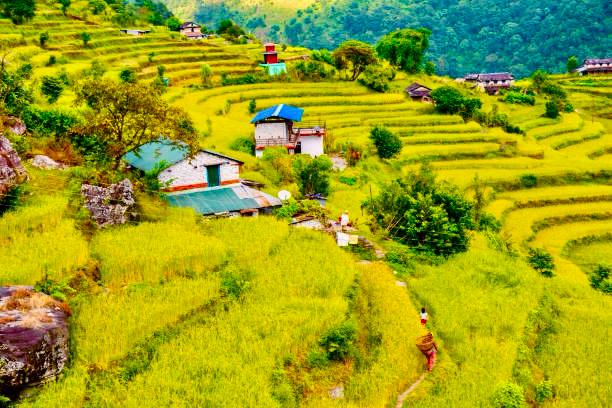
While much of Nepal is drenched, the northern parts of the circuit (Manang/Mustang) sit in the "Rain Shadow."
- Weather: Wet in the lower sections; dry and lush green in the high-altitude desert.
- Why Go: To see the desert bloom and avoid the crowds entirely.
Quick Season Summary
Season Months Best For
Spring March to May, Kailash Yatra, EBC, ABC
Summer/Monsoon June to August Kailash (Tibet side), budget travel
Autumn, September to November EBC, ABC, all Nepal treks
Winter December to February Low-altitude only
Difficulty Level: Annapurna Circuit Trek?
The Annapurna Circuit is classified as a Grade 4 (Challenging) trek. While it does not require technical climbing or mountaineering skills, it is a test of endurance. You will be walking for 5 to 8 hours a day for nearly two weeks. The high altitude and the steep ascent to Thorong La Pass are the primary challenges. However, with a steady pace and proper acclimatization, it is achievable for any healthy, motivated hiker.
Altitude Sickness: Prevention and Safety
Altitude sickness, or Acute Mountain Sickness (AMS), is a serious consideration. As you ascend above 3,000 meters, the oxygen level drops significantly.
Symptoms: Headache, nausea, dizziness, and loss of appetite.
- The Golden Rule: "Climb high, sleep low." We design our itineraries with built-in rest days in Manang (3,540m) to allow your body to adjust.
- Hydration: Drink at least 3-4 liters of water daily. Avoid alcohol and tobacco during the ascent.
Physical Fitness Requirements
You don't need to be an ultramarathoner, but you should have a solid foundation of cardiovascular fitness.
- Training Tips: Start 2-3 months before your trek. Focus on hiking with a weighted pack, stair climbing, and swimming or cycling for lung capacity.
- Leg Day: Squats and lunges will help your knees handle the steep descents after the pass.
Food and Accommodation Annapurna Circuit trek
The "Apple Pie Trek" is famous for its teahouses. In 2026, the facilities have improved significantly.
- Food: You will find a mix of local "Dal Bhat" (lentil soup and rice—the ultimate fuel), pasta, pancakes, and even yak steaks.
- Accommodation: Expect twin-sharing rooms. While lower elevations may have attached bathrooms, high-altitude lodges are more basic. Most now offer Wi-Fi and solar-powered showers for a small fee.
Permits Required for the Abbapurna Circuit Trek
Trekking in the Annapurna region requires two main documents, which Holy Kailash Tours handles for you:
- ACAP (Annapurna Conservation Area Project) Permit: Vital for the preservation of the region.
- TIMS (Trekkers' Information Management System) Card: For trekker safety and tracking.
The Essential Packing List
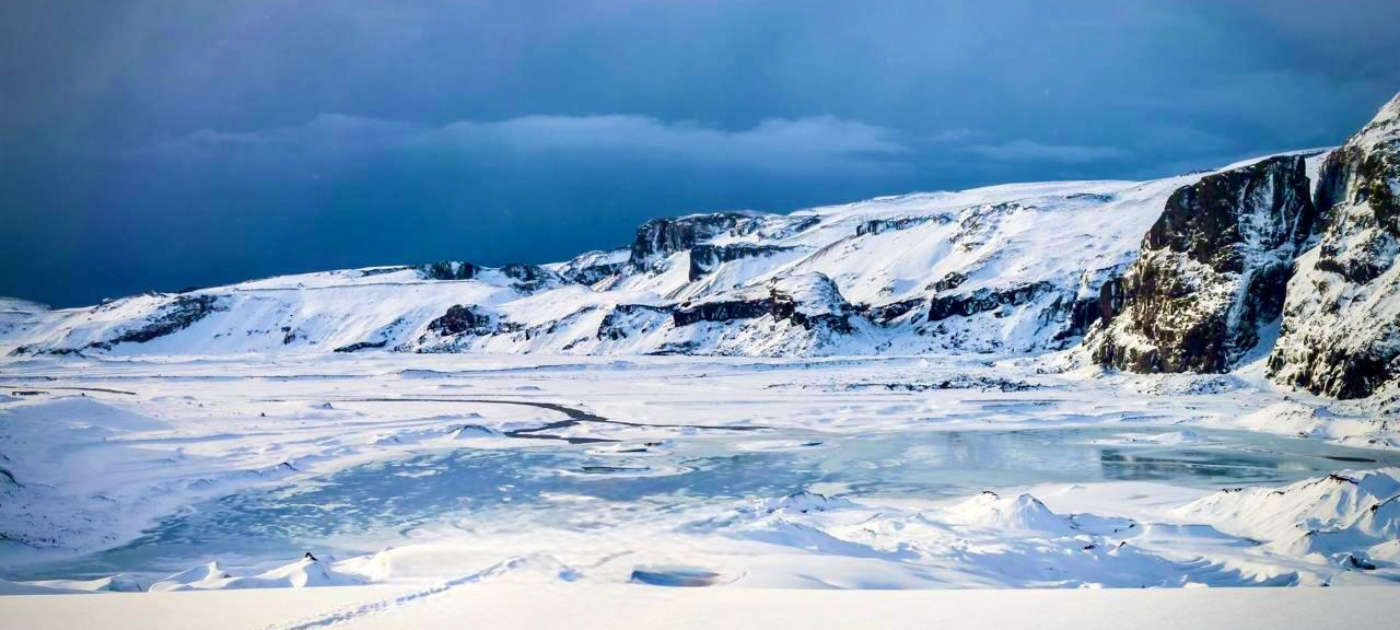
Layering is the key to comfort in the Himalayas.
- Clothing: Moisture-wicking base layers, a warm fleece mid-layer, and a high-quality down jacket. Don’t forget a waterproof/windproof outer shell.
- Footwear: Broken-in trekking boots with good ankle support and plenty of woolen socks.
- Accessories: A 30L-40L daypack, trekking poles (essential for the descent), a -15°C rated sleeping bag, and a headlamp.
- Personal Care: High SPF sunscreen, polarized sunglasses, and water purification tablets.
Conclusion
The Annapurna Circuit is more than just a trail; it is a profound encounter with the raw power of nature and the enduring spirit of the Himalayan people. Whether you choose the blooming trails of Spring or the crisp clarity of Autumn, the mountains will change you.
At Holy Kailash Tours, we are dedicated to making that change a positive, safe, and deeply spiritual one. The peaks are waiting. Are you ready to answer the call?
FAQs
1: How long does the Annapurna Circuit Trek take?
Most hikers finish the loop in 12 to 21 days. The time varies based on how fast you walk, how many rest days you schedule, and if you add side excursions such as Tilicho Lake or ice Lake near Manang. A 14 to 16-day plan fits most travelers well.
It offers enough time to adjust to high altitudes before crossing Thorong La Pass without rushing through cultural spots. Holy Kailash Tours designs the length based on your fitness and interests. You're not stuck with a set timeline that doesn't match your goals.
2: How difficult is the Annapurna Circuit Trek?
The trek is considered moderate to tough. You don't need climbing skills or a mountaineering background, but you must stay physically fit and mentally focused for several weeks on foot.
Crossing Thorong La Pass at 5,416 meters is the toughest segment, mainly the early morning hike from Thorong Phedi. Altitude causes the biggest issues, not rugged terrain. People who walk regularly, exercise a few times a week, and treat acclimatization as seriously as health can finish this route. Proper training before arriving in Nepal changes outcomes greatly.
3. What permits do I need for the Annapurna Circuit?
The ACAP and the TIMS card. And. The ACAP covers access to the conservation area and costs about NPR 3,000 for visitors from outside Nepal.
The TIMS card is a safety registration form that costs roughly NPR 2,000 for solo trekkers.
Both can be obtained in Kathmandu at the Nepal Tourism Board office or in Pokhara. Holy Kailash Tours manages the permit process for travelers on their organized trips, so you don't have to handle the paperwork yourself.
4: When is the ideal time to hike the Annapurna Circuit?
Spring, from March to May and autumn, from September to November, are the top seasons. Autumn is often preferred because rainfall ends by late September, leaving dry paths, steady weather, and clear mountain views. October stands out as one of the best months of the year.
Spring also works well with milder temperatures and colorful rhododendron forests spreading across lower trail areas. It seems difficult to beat October with the conditions. Avoid June through August if you can, since trails become slippery, leeches show up at low elevations, and clouds block mountain sights for several days straight.
5: Can I walk the Annapurna Circuit without a guide?
Yes, the Annapurna Circuit doesn't legally require a licensed guide. Teahouses are available at most stops along the path. Signs help show the way through most areas. Still, a guide brings real benefits. They assist in choosing when to rest to adjust to altitude. Also, they deal with changes from landslides or storms.
They speak with villagers and keep communication open. Also, and they manage supplies and daily tasks that can delay your progress or increase stress.
Holy Kailash Tours has guides who know this trail well. They understand local customs that add depth to the journey. For many hikers, the guide contributes heavily to their trip experience. At least in theory, this helps make the trek more enjoyable and safe.
6: Can I trek the Annapurna Circuit solo?
While possible, the Nepal government has introduced regulations requiring guides in many regions for safety. Trekking with a guide from Holy Kailash Tours ensures you never lose the trail and have immediate help in case of AMS.
7: Is there a mobile signal and Wi-Fi?
Yes, Ncell and Nepal Telecom have decent coverage in most villages, though it can be spotty between Manang and Muktinath. Most teahouses provide Wi-Fi for a few dollars.
8: How many days does the trek take?
Standard trek takes between 12 and 15 days, allowing for proper acclimatization and a manageable daily pace.