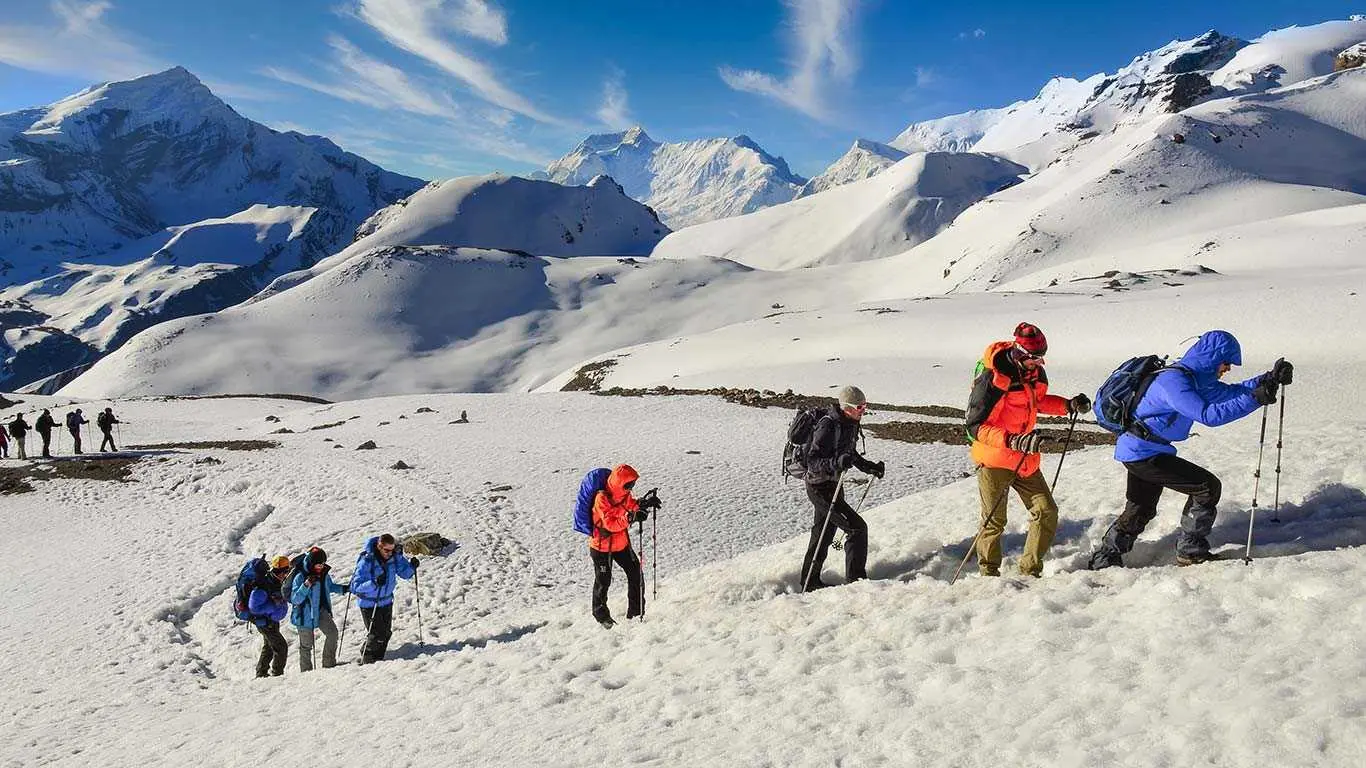
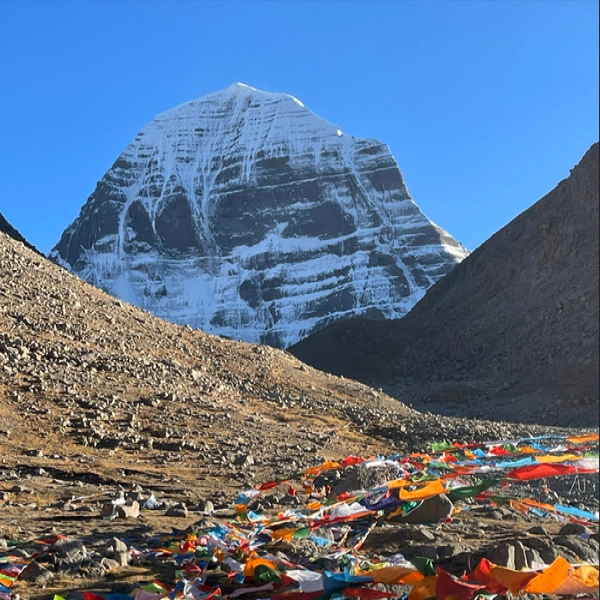
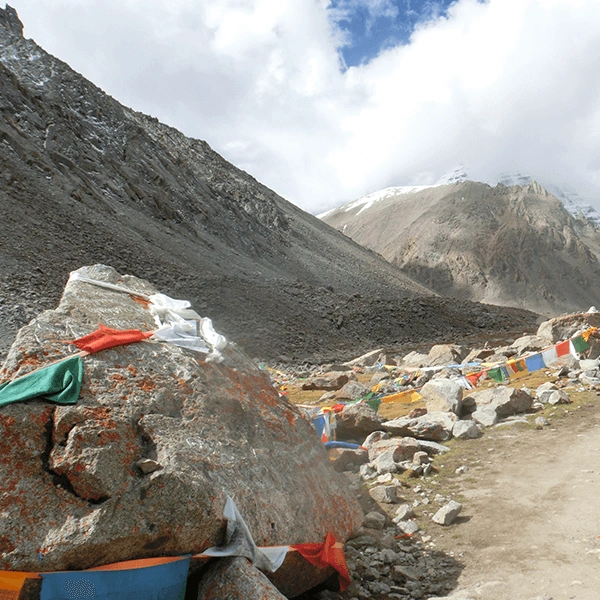
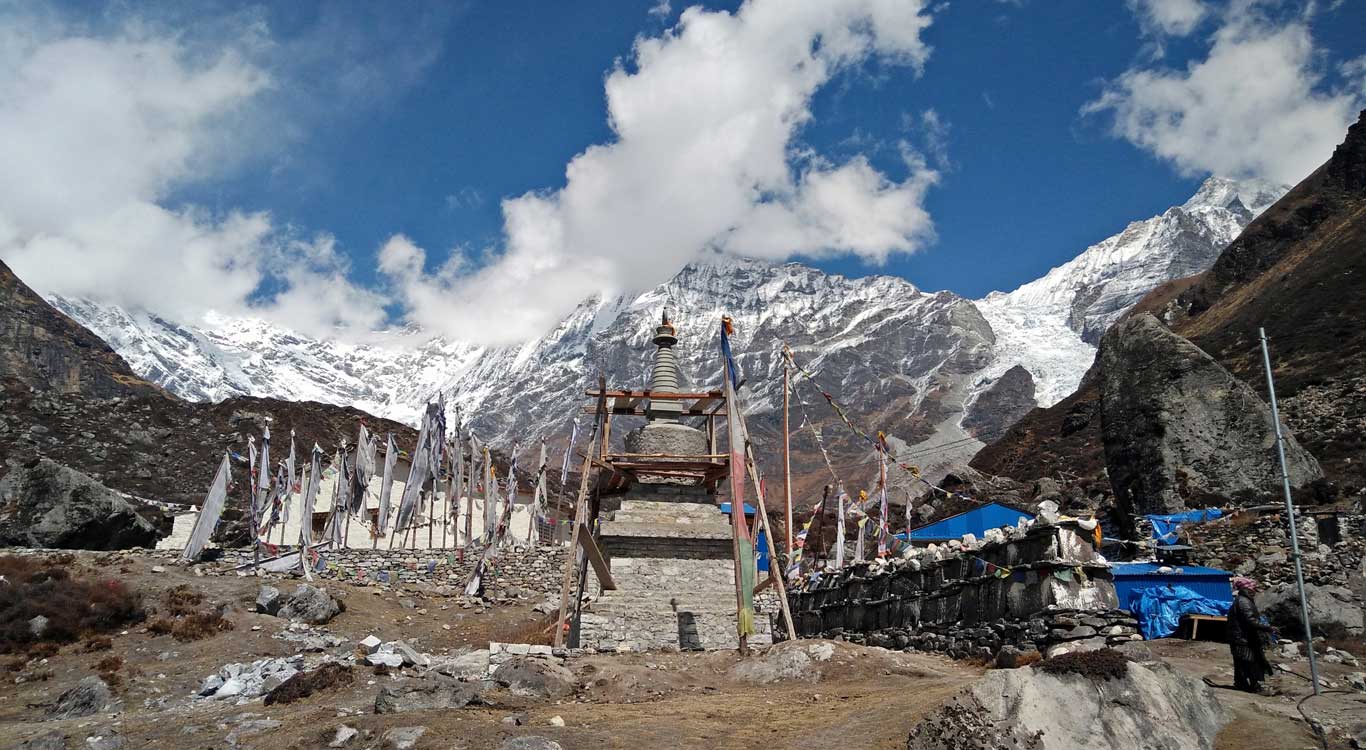
Nepal doesn't lack for trekking options. There are hundreds of trails, dozens of regions, and about a thousand opinions on which route is "the best." But five treks keep selling out, year after year, across every type of traveler. Budget hikers, first-timers, experienced mountaineers, and pilgrims. They all show up for these.
Here's an honest look at what each one actually involves, and why people keep choosing them.
Nepal isn't just a destination; it’s a pilgrimage for the soul. Home to eight of the world’s fourteen highest peaks, including the mighty Mount Everest, it offers a unique blend of high-altitude adventure and deep-rooted spirituality. What makes trekking here truly unique is the "teahouse culture," the ability to walk for weeks through the clouds while finding a warm bed and a hot meal in remote mountain villages.
Whether you are looking for the challenge of a lifetime or a serene walk through rhododendron forests, Nepal’s trails offer a global reputation for safety, hospitality, and unparalleled Himalayan views
This guide explores the top 5 best-selling treks in Nepal, trusted by global trekkers and expertly organized by Holy Kailash Tours.
Why Nepal Is One of the Best Trekking Destinations in the World
Everest base camp
Nepal attracts trekkers from every continent because it offers an unmatched variety and authenticity.
What makes trekking in Nepal unique?
Home to 8 of the world’s 14 highest mountains
Scenic diversity from forests to alpine glaciers
Ancient Buddhist and Hindu traditions
Friendly tea house trekking culture
Trails for beginners and experienced trekkers
Affordable compared to other mountain destinations
Trekking here is not only an adventure. It is a journey into nature, culture, and inner peace
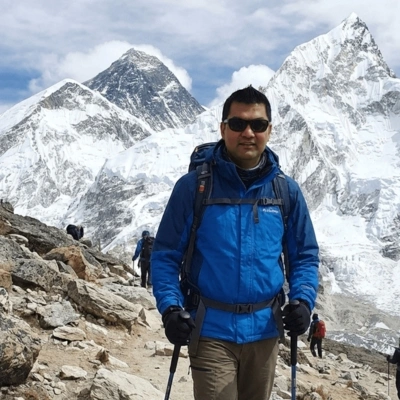
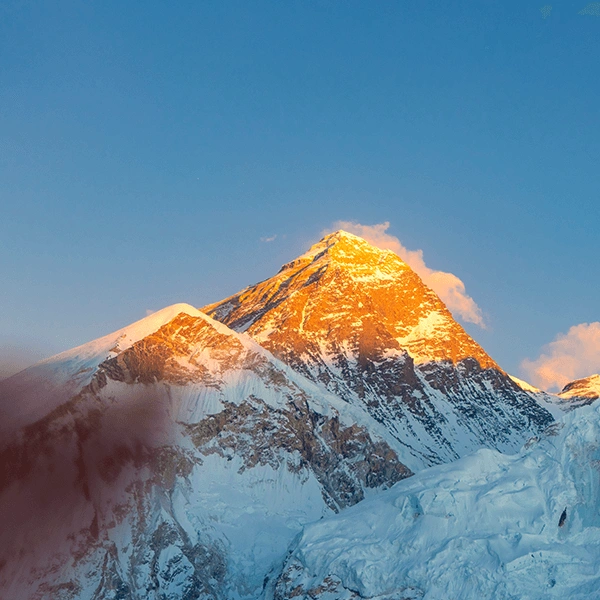
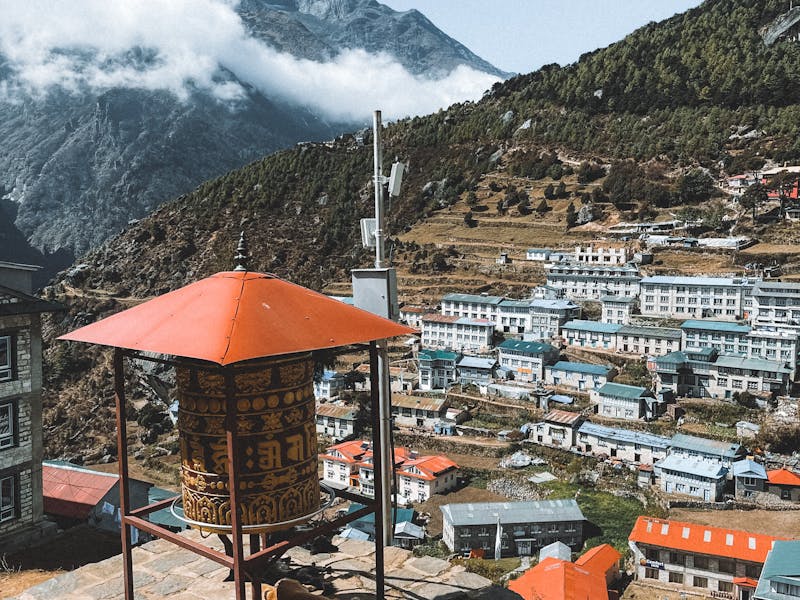
Most people who dream of the Himalayas picture this one. You fly into Lukla (one of the world's more nerve-racking airports), then walk through Sherpa villages, past stone stupas and fluttering prayer flags, toward the base of the tallest mountain on earth.
It's not a technical climb. No ropes, no ice axes. But the altitude is real. The stretch between Namche Bazaar and Dingboche is where most people feel it, and where most problems start if you skip acclimatization days. The classic itinerary builds in two rest days for a reason.
What most trip reports skip: Tengboche Monastery at sunrise, with Ama Dablam in the background, is one of those views that makes people stop mid-sentence to look.
Holy Kailash Tours operates EBC treks with experienced high-altitude guides who understand acclimatization pacing and emergency protocols. The itinerary includes proper rest days in Namche and Dingboche, not just token stopovers.
What to know before you book:
Elevation gain from Lukla to EBC is roughly 2,800 meters
Teahouse food gets repetitive after day five (dal bhat, dal bhat, dal bhat)
A TIMS card and a Sagarmatha National Park permit are mandatory
Helicopter rescue insurance is worth buying, not skipping
Glaciers, icefalls, suspension bridges, and dramatic views of Everest, Lhotse, and Ama Dablam.
Highlights & Culture:
You’ll experience the famous Sherpa hospitality in Namche Bazaar and visit the Tengboche Monastery. The trail is globally popular because it allows travelers to stand at the foot of the highest point on Earth.
Why Trek with Holy Kailash Tours?
We provide expert local guides who understand the nuances of altitude sickness prevention, ensuring you reach the base camp safely and comfortably.
Experienced high altitude guides
Strong acclimatization planning
Safety first approach
Personalized trekking support
Why It Is Popular Globally
Mount Everest’s global fame and the sense of achievement draw trekkers from around the world.
2: Annapurna Base Camp Trek
Duration: 7 to 12 days
Max Elevation: 4,130m
Difficulty: Moderate Best Season:
March to May, October to November
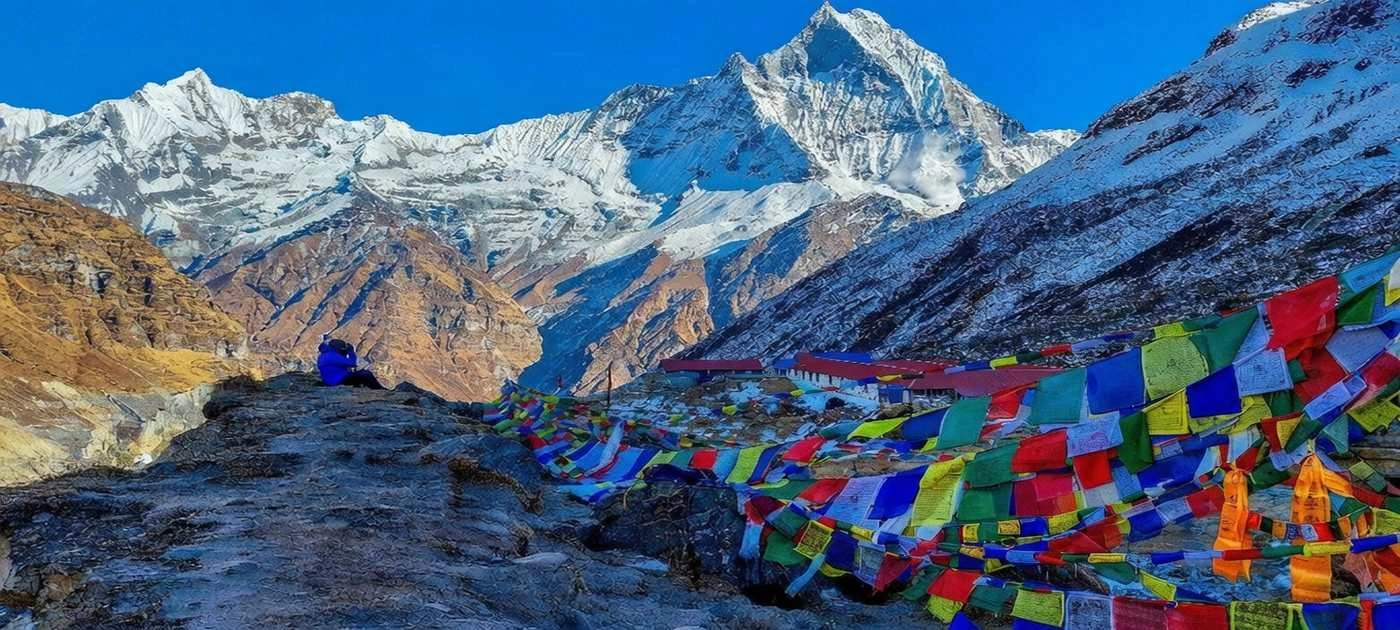
If the circuit feels too long, most people opt for the Annapurna Base Camp trek instead. It goes straight into the Annapurna Sanctuary, a natural amphitheater ringed by 7,000 and 8,000-meter peaks. At base camp, you're surrounded by Annapurna I, Machapuchare, Hiunchuli, and Gangapurna on all sides.
The approach via Ghorepani Poon Hill (a classic sunrise viewpoint over Dhaulagiri) adds a day or two, but most guides recommend it. The route passes through Gurung villages, where the culture and cuisine are distinct from those of the Khumbu region.
Shorter duration makes this the go-to trek for people with limited time. Seven or eight days is doable. The elevation is manageable. This is the trek most people finish and then immediately start planning to come back for something longer.
Holy Kailash Tours offers both the direct ABC route and the Ghorepani loop option. Guides on this trail know the rhododendron blooming schedule (March is peak color) and can adjust pacing for groups with mixed fitness levels.
What to know:
Shorter than EBC but still requires physical fitness
Ghorepani to Poon Hill is a 45-minute predawn hike (3,210m) worth setting the alarm for
Risk of leeches on the lower sections during the monsoon season
Good teahouse infrastructure throughout
Highlights of the Annapurna Base Camp Trek
Explore the numerous natural landmarks of the Pokhara valley
Observe the panoramic views of the Dhaulagiri and Annapurna ranges along with Mt. Machhapuchhre (6997m)
Enjoy Gurung culture and hospitality on the trek
Trek through the enchanting Annapurna Conservation Area
Short Day-to-day Itinerary
Day 1: Arrival
Day 2: Fly to Pokhara; Drive to Ulleri
Day 3: Trek to Ghorepani
Day 4: Poon Hill Hike (3210 m); Trek to Tadapani (2630 m)
Day 5:Trek to Chhomrong (2170 m)
Day 6:Trek to Dovan or Himalaya (2500 m – 2900 m)
Day 7:Trek to Machhapuchhre Base Camp (3700 m)
Day 8:Trek to Annapurna Base Camp (4130 m); Trek back to Deurali or Dovan
Day 9:Trek to Jhinu Danda (1780 m) & Drive to Pokhara
Dense forests, waterfalls, alpine meadows, and panoramic mountain amphitheater views.
Highlights & Culture:
The trek transitions from lush subtropics to alpine landscapes. You’ll walk through Gurung and Magar villages, experiencing their unique traditions and warm "Namaste" greetings. Its popularity stems from its accessibility and the sheer variety of scenery in a short timeframe.
Why Trek with Holy Kailash Tours?
Our ABC itineraries are designed with a flexible pace, allowing you to enjoy the natural hot springs at Jhinu Danda without feeling rushed.
Expert local guides
Comfortable lodges
Well-paced itineraries
Cultural insight along the route
Why It Is Popular Internationally
Short duration combined with dramatic scenery makes it ideal for global travelers.
3: Annapurna Circuit Trek
Duration: 14 to 21 days
Max Elevation: 5,416m (Thorong La Pass)
Difficulty: Moderate to Challenging
Best Season: March to May, October to November
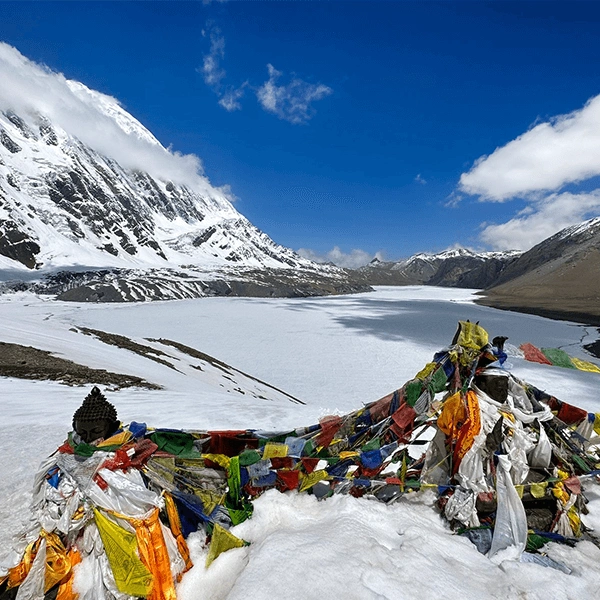
Before Everest Base Camp became Nepal's flagship trek, this was the one everyone talked about. It still holds up. The Annapurna circuit loops around the entire Annapurna Massif, crossing one of the highest passes in the world at Thorong La.
What makes it different from other big treks is the variety. You start in subtropical lowlands with banana trees and rice paddies. Over two weeks, you pass through apple orchards in Manang, high desert terrain that looks like Tibet, and finally subtropical forests again on the descent into Pokhara. No two days look the same.
The Thorong La crossing (usually done pre-dawn, before the wind picks up) is genuinely demanding. Most people make it, but altitude sickness turns some back. It's not the place to push through symptoms.
Jeeps now access stretches of the trail that were once only walkable. Purists find this annoying. Everyone else appreciates it when the weather turns.
Why travelers choose Holy Kailash Tours for this route: the team knows the teahouse network well, books ahead during peak season when guesthouses fill fast, and has contingency plans if the Thorong La crossing is blocked by snow.
Key facts:
Total distance: roughly 160 to 230km, depending on the route variation
Elevation gain on Thorong La crossing day: around 1,600m
Required permits: ACAP (Annapurna Conservation Area Permit) and TIMS
Side trip to Tilicho Lake adds two days and is worth it
Conquer Thorong La Pass: Stand atop one of the world's highest trekking passes (5,416m) for breathtaking 360-degree Himalayan vistas.
Incredible Landscape Diversity: Trek from lush subtropical forests and rice terraces through pine forests, into the arid high desert of the Tibetan Plateau, and down the world's deepest gorge (Kali Gandaki).
Rich Cultural Tapestry: Experience a unique blend of Hindu and Tibetan Buddhist cultures, visiting ancient monasteries, medieval villages, and holy sites like Muktinath.
Iconic Mountain Views: Enjoy spectacular, close-up panoramas of the entire Annapurna Massif, Dhaulagiri, Machhapuchhre (Fishtail), Manaslu, and Nilgiri.
Warm Tea House Hospitality: Immerse yourself in the famous Nepali tea house culture, staying in family-run lodges with cozy communal dining areas.
Natural Hot Springs: Relax your muscles in the natural hot springs at Tatopani or Jhinu Danda—a perfect reward after days of trekking.
Short Day-to-day Itinerary
Day 1: Drive from Kathmandu to Besisahar (760 m | 6–7 hours)
Day 2: Drive from Besisahar to Chame (2,670 m | 6–7 hours)
Day 3: Trek from Chame to Pisang (3,300 m | 5–6 hours)
Day 4:Trek from Pisang to Manang (3,540 m | 5–6 hours)
Day 5: Acclimatization Day in Manang (3,540 m)
Day 6: Trek from Manang to Yak Kharka (4,050 m | 4–5 hours)
Day 7: Trek from Yak Kharka to Thorong Phedi (4,525 m | 4–5 hours)
Day 8: Trek from Thorong Phedi to Muktinath via Thorong La Pass (5,416 m | 8–9 hours)
Day 9: Trek from Muktinath to Jomsom (2,720 m | 5–6 hours)
Day 10: Flight or Drive from Jomsom to Pokhara (820 m)
From subtropical forests to high-altitude desert terrain.
Highlights & Culture:
This route takes you through the world’s deepest gorge (Kali Gandaki) and into the rain-shadow region of Manang, which feels more like Tibet. It’s popular because it offers a complete 360-degree view of the mountains and a massive diversity in flora and fauna.
Why Trek with Holy Kailash Tours?
The Thorong La Pass requires precise timing and weather monitoring. Our team provides the logistical support and equipment necessary to cross the pass safely.
Proper altitude management
Experienced mountain leaders
Emergency preparedness
Why It Is Popular
Its variety and high pass adventure attract experienced trekkers worldwide.
4: Langtang Valley Trek
Duration: 7 to 10 days
Max Elevation: 4,984m (Kyanjin Ri)
Difficulty: Moderate Best Season:
March to May, October to November
Langtang Valley trek sits north of Kathmandu, closer to the Tibetan border than any other major trekking region. It gets fewer visitors than Everest or Annapurna, which is part of the appeal. You see fewer large group tours. The trails are quieter.
The valley was hit hard by the 2015 earthquake. The village of Langtang itself was almost completely destroyed. Rebuilding has happened, and trekking here supports a community that genuinely needs the income from tourism. That context matters.
The cheese at Kyanjin Gompa (made by the local cheese factory) is legitimately good. It sounds like a minor detail. After six days of dal bhat, it is not a minor detail.
Kyanjin Ri, the optional peak above base camp, gives views across the glaciated Langtang range that rival anything you'll see on more crowded routes.
Holy Kailash Tours includes a cultural visit to Kyanjin Gompa Monastery in the Langtang itinerary and works with local guides from the valley community.
Key details:
Starting point: Syabrubesi (about 7 to 8 hours from Kathmandu by road or 25 minutes by flight to Trishuli)
Required permits: Langtang National Park permit and TIMS
Less infrastructure than the Annapurna or Everest regions (fewer teahouse options above Langtang village)
Good acclimatization profile with a gradual elevation gain
A drive through scenic vistas of rivers, hills, and small towns in Kathmandu.
Forest Trekking within the boundaries of Langtang National Park, which contains thick foliage of rhododendron, pine, and bamboo.
High opportunities to view diverse wildlife, including red pandas, langurs, and many bird species, in the Himalayas.
The typical Tamang rural lifestyle is reflected in stone homes and unique traditions that are part of local culture.
Broad and open valleys that are predominantly filled with gentle rolling alpine meadows, in addition to thousands of yaks grazing peacefully throughout.
Views of the majestic Langtang Lirung and its surrounding snowcapped mountains are available to all trekkers from elevations throughout their trek.
Kyanjin Gompa is viewed as spiritually and culturally central to the Langtang valley.
Short excursions to Tserko Ri and Kyanjin Ri provide excellent panoramic views of the Himalayas.
Natural waterfalls, streams, and glacial moraines are found along the trail as hikers move along.
This trekking path is significantly less travelled than those found in the Everest and Annapurna regions.
Atthesame time, local teahouses continue to provide an extremely warm hospitality to all hikers.
Trekking in a peaceful manner with equal amounts of nature and culture.
Short Day-to-day Itinerary
Day 1: Arrival in Kathmandu – 1,400 m
Day 2: Kathmandu to Syabrubesi – 1,550 m | 7–8 hrs drive
Day 3: Syabrubesi to Lama Hotel – 2,380 m | 6–7 hrs trek
Day 4: Lama Hotel to Langtang Village – 3,430 m | 5–6 hrs trek
Day 5: Langtang Village to Kyanjin Gompa – 3,870 m | 3–4 hrs trek
Day 6: Acclimatization / Hike to Tserko Ri – 4,984 m | 6–7 hrs round trip
Day 7: Kyanjin Gompa to Lama Hotel – 2,380 m | 6–7 hrs trek
Day 8: Lama Hotel to Syabrubesi – 1,550 m | 5–6 hrs trek
Day 9: Syabrubesi to Kathmandu – 1,400 m | 7–8 hrs drive
Glaciers, alpine meadows, and peaceful mountain valleys.
Highlights & Culture:
You’ll explore the Tamang heritage, visit local cheese factories, and see the stunning Langtang Lirung. International trekkers love this route for its resilience—the valley has been beautifully rebuilt after the 2015 earthquake, and visiting supports the local community directly.
Why Trek with Holy Kailash Tours?
We focus on sustainable tourism. By trekking in Langtang with us, you are ensured a meaningful connection with the local Tamang people and their history.
Flexible itinerary options
Local cultural insight
Affordable trekking support
Why It Is Popular
Ideal for trekkers seeking scenic beauty and cultural authenticity.
5: Manaslu Circuit Trek
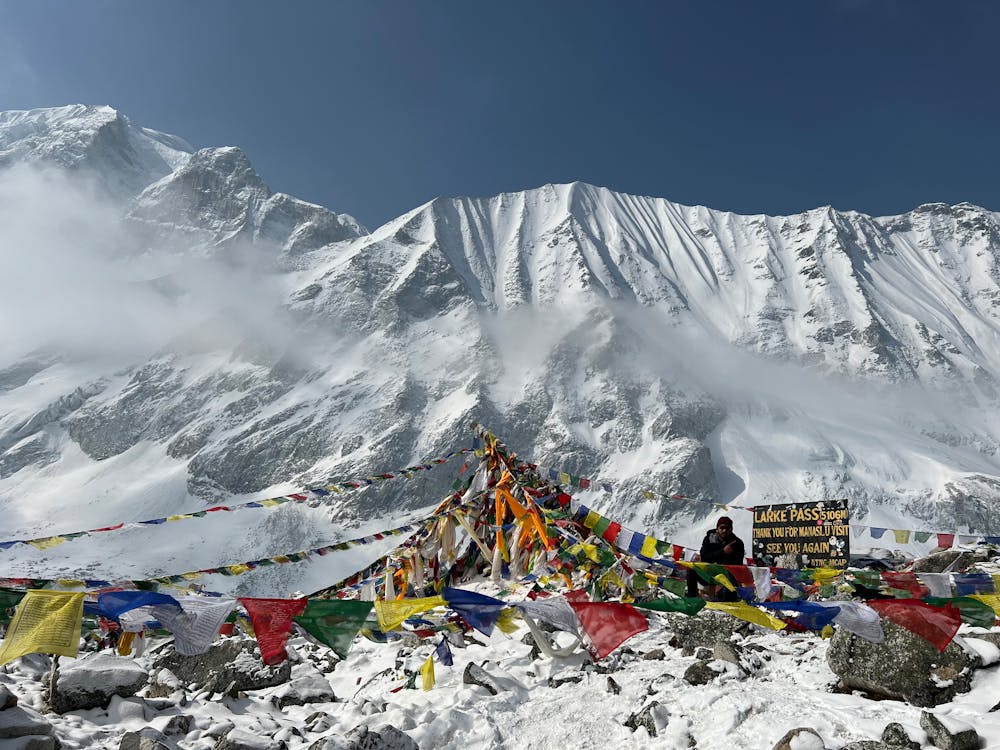
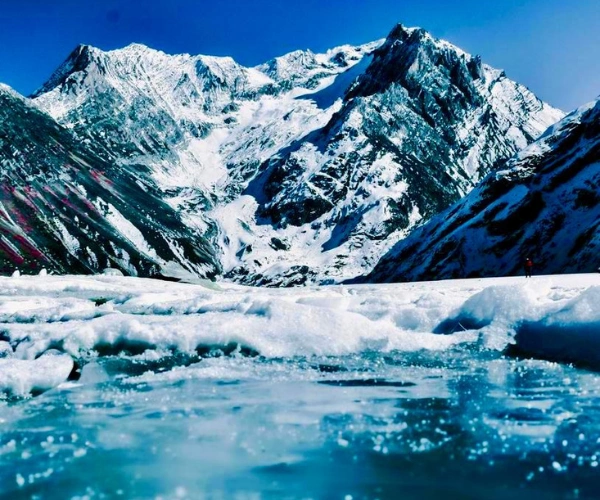
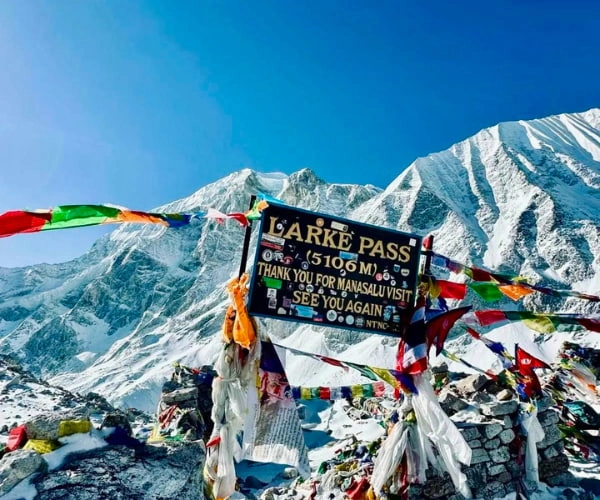
The Manaslu Circuit Trek is a remote and highly respected Himalayan trekking route in Nepal that circles Mount Manaslu, the world’s eighth-highest mountain at 8,163 meters. Known for its off-the-beaten-path experience, this restricted area trek offers dramatic landscapes, deep river gorges, high suspension bridges, and the challenging Larkya La Pass at 5,106 meters.
The Manaslu Circuit trek is ideal for experienced trekkers seeking authentic Tibetan-influenced culture, ancient monasteries, and trails less crowded than those on Everest and Annapurna. With controlled permit regulations, professional guide requirements, and structured acclimatization planning, this trek reflects strong safety standards and responsible mountain tourism.
When organized by experienced operators like Holy Kailash Tours, trekkers benefit from local expertise, altitude acclimatization, and reliable logistics, ensuring a safe, culturally respectful, and truly immersive high-altitude trekking adventure in Nepal.
Deep gorges, glaciers, remote valleys, and pristine mountain scenery.
Highlights & Culture:
The trek follows the Budhi Gandaki River and offers stunning views of Mt. Manaslu, the eighth-highest mountain in the world. The cultural experience is deeply Tibetan-influenced. It’s popular among experienced trekkers looking to avoid the crowds of EBC.
Why Trek with Holy Kailash Tours?
Manaslu is a restricted area requiring special permits and a registered guide. We handle all the complex paperwork and logistics so you can focus on the trail.
Special permit arrangements
Remote trekking expertise
Safety-focused planning
Why It Is Popular
Trekkers seeking less crowded, authentic Himalayan experiences choose Manaslu.
Why These Treks Attract Thousands of Visitors Each Year
These routes enjoy worldwide recognition because they offer:
Monsoon season, Tibetan culture, and unique terrain
Every one of these treks can be done safely with proper preparation, the right permits, and a guide who knows the terrain. Holy Kailash Tours arranges all five, including logistics, permits, and guide support from Kathmandu.
If you're not sure which route fits your fitness level, timeframe, or interests, reach out before you book. The right trek for you depends on more than just the photos.
Why Choose Holy Kailash Tours?
At Holy Kailash Tours, we believe a trek is more than just a walk; it’s a life-changing event. We prioritize safety through rigorous guide training and oxygen monitoring. Our deep roots in the local communities ensure that your journey is not just a tour, but a meaningful cultural exchange that supports the people of the Himalayas.
No. Several treks are suitable for beginners with good fitness.
2. What is the best trekking season in Nepal?
Spring and autumn provide the best weather and visibility.
3. Is altitude sickness a concern?
Yes. Proper acclimatization and gradual ascent are essential.
4. Are guides necessary?
Guides improve safety, navigation, and cultural understanding.
5. What permits are required?
TIMS card and conservation area permits are required for most routes.
6. How cold does it get?
Temperatures can drop below freezing at higher elevations.
7. Are tea houses available?
Yes, especially on popular trekking routes.
8. Is Nepal safe for international trekkers?
Nepal is considered a safe trekking destination with proper planning and guidance.
Conclusion
Holy Kailash Tours offers some of the most rewarding trekking experiences on Earth. Whether standing beneath Everest, walking into the Annapurna Sanctuary, or crossing remote Himalayan passes, each trek reveals extraordinary landscapes and rich cultural traditions.
If you dream of exploring the Himalayas, this is your moment. Choose your trail, prepare wisely, and let Holy kailash tours guide you toward a safe, meaningful, and unforgettable trekking adventure.