
US$950
US$1000
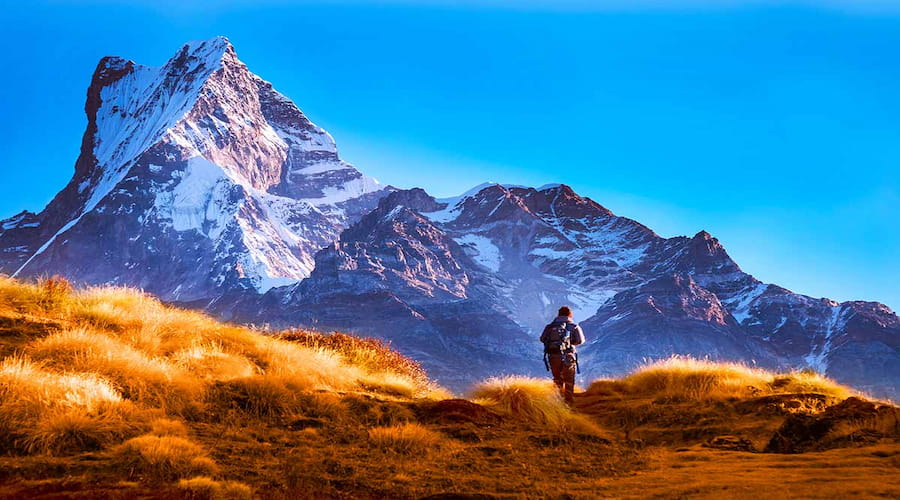
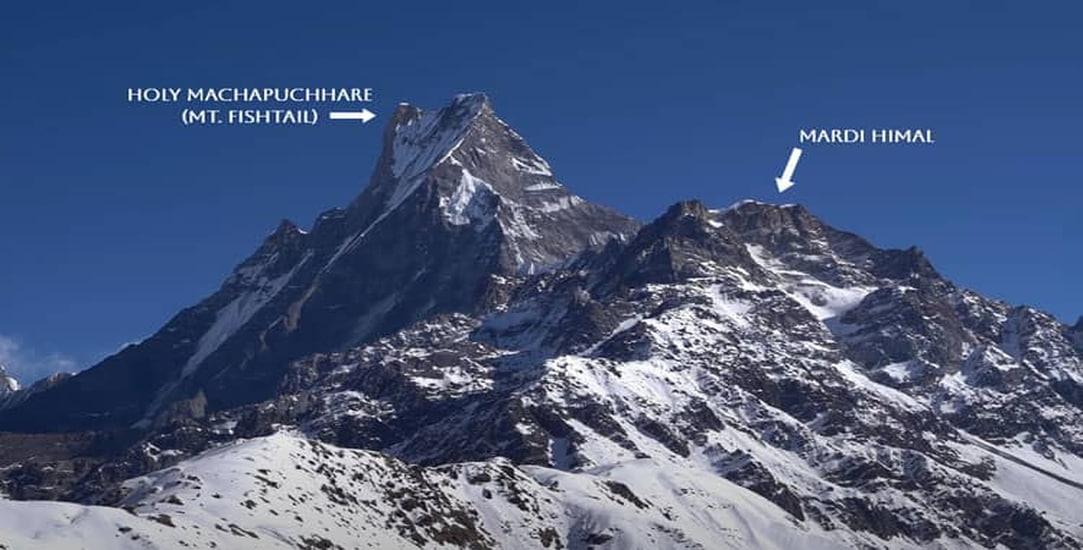
The Mardi Himal Trekis not a long day and easy trek; it is just a quiet alternative to the Annapurna Base Camp. It has evolved into a premier destination for those seeking a high-altitude ridge walk with iconic views of Mt. Machhapuchhre (Fishtail). Since its official opening to trekkers in 2012, this trail has captivated the hearts of adventurers who want a shorter, more intimate connection with the Himalayas.
At Holy Kailash Tours, we specialise in turning this trek into a life-changing experience. Whether you are a solo traveller, a couple on a honeymoon, or a photography enthusiast, this guide blog provides every detail you need for a successful journey in 2026.
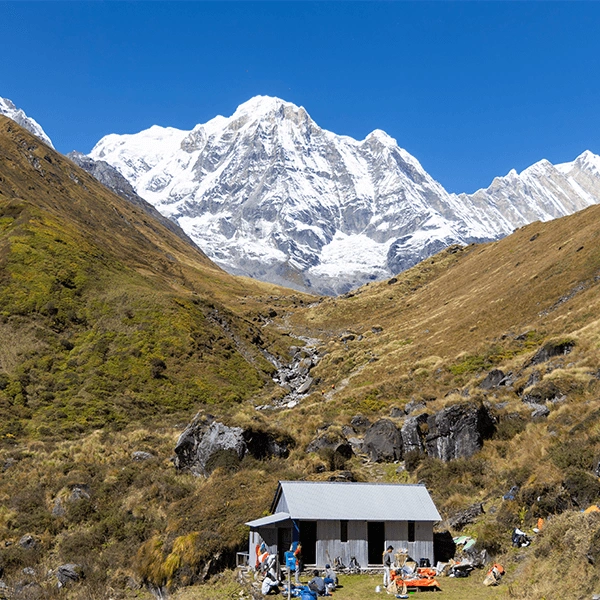
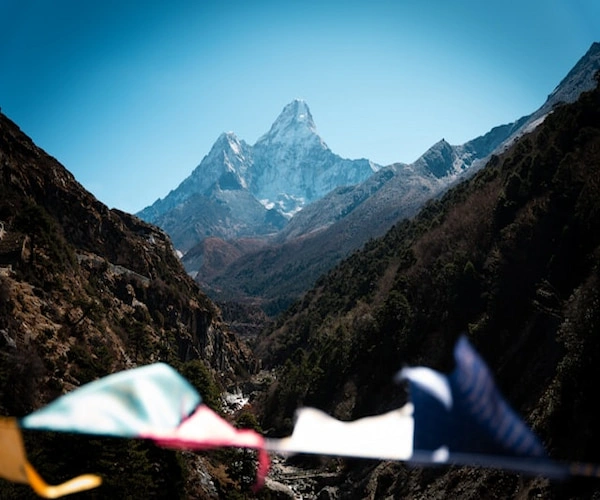
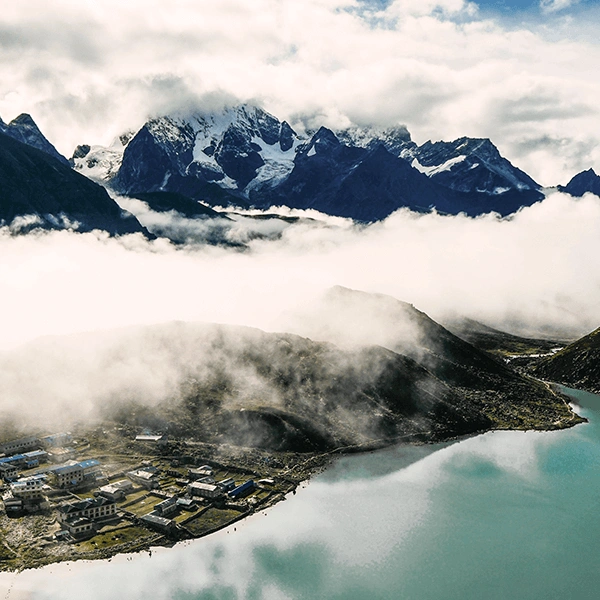
While many treks in Nepal wind through deep river valleys where the mountains remain hidden for days, the Mardi Himal Trek is unique. It follows a high mountain ridge, meaning the higher you go, the more the world drops away beneath you. By the time you reach Mardi Himal High Camp, you are literally walking "on top of the world" with the Annapurna massif on your left and the deep, misty valleys of the Seti River on your right.
Mardi Himal itself is a trekking peak reaching 5,587 meters, but the trek typically culminates at the Mardi Himal Base Camp (4,500meters). This provides a high-altitude experience without the extreme technical requirements of peak climbing.
Navigating the Himalayas requires more than just a map; it requires local intuition.
Safety First: Our guides are trained in Wilderness First Aid and carry oximeters to monitor your oxygen saturation at high altitudes.
Cultural Connection: We don't just walk; we introduce you to the Gurung and Magar families who run the teahouses, giving you a glimpse into the "Pahadi" (mountain) lifestyle.
Logistical Ease: From your landing at Tribhuvan International Airport to your final farewell dinner, we handle permits, transport, and the best available rooms in a region where accommodation can be scarce during peak season.
This itinerary is designed for optimal acclimatization and maximum "golden hour" photo opportunities.
Welcome to Nepal for an epic trekking trip to the Mardi Himal Base Camp! Our airport representative will greet you at the airport and transfer you to the agreed hotel. You will be introduced to your trekking guide and you will also be briefed about the trekking trip. Welcome dinner will be served and we will also discuss about last minute changes that you may would like to add in the trekking itinerary. Overnight in a hotel
Day 2
On this day, we will travel to Pokhara via Prithivi Highway. Early in the morning, you will be picked up from a hotel and we will head to Pokhara. On the way, we will drive through scenic highway villages along the Trishuli River and Marshyangdi River. It is the best way to understand the rural and suburban lifestyle of Nepal. You will see the true beauty of Nepal once you step outside the Kathmandu Valley. Upon reaching Pokhara, you will have free time to roam around the clamor of the Lakeside Pokhara on the shores of Phewa Lake. Overnight in a hotel
Day 3
After breakfast, we will travel to Kande which is about 1 hour drive from Lakeside Pokhara. We will begin the trekking after making a short coffee or tea break. The first phase of the trek is uphill all the way to the Australian Camp. Our permit will be checked in the Australian Camp and we continue our journey to the Deurali via Pothana. The trail from Deurali to Forests Camp is uphill through green lush forests. There is another option for trekkers that they can take a jeep directly to Deurali instead of taking the trekking route of Australian Camp and Pothana villages. Overnight in a tea house
Day 4
We will wake up early in the morning to get the best feel of first morning in the forest camp. After breakfast, we will start our trekking through the green lush forests listening to the chirping sound of the birds and smelling the unique forests smell combined by the mud. Once we reach the Badal Danda, the tree lines vanish and the view opens up. We will have lunch and then walk through the grassy meadows all the way to the Mardi High Camp. Overnight in a tea house
Day 5
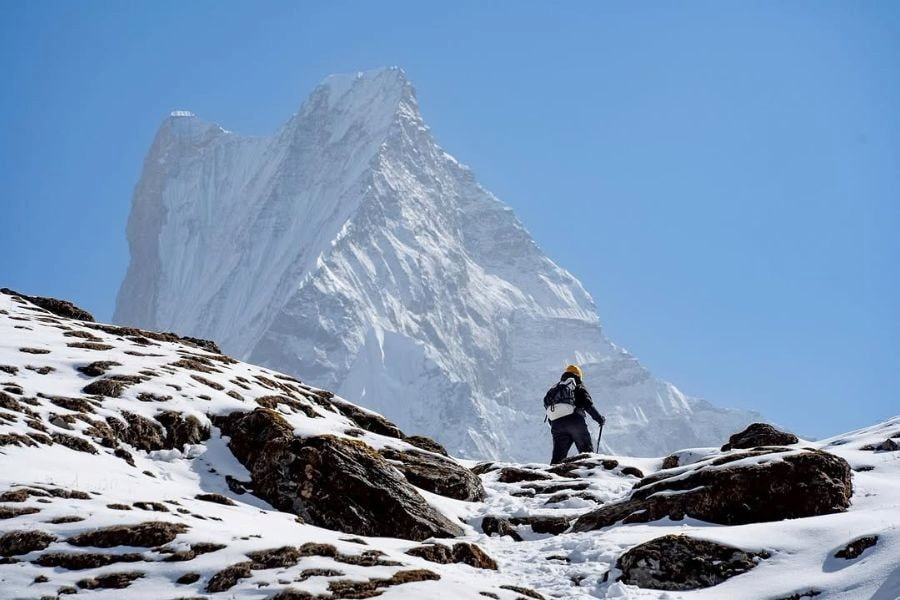
Early in the morning before dawn, we will start our hike to the Mardi Himal Viewpoint. It takes about 2 hours to reach the viewpoint. Once at the top, we will enjoy the sip of tea which our porter will take to the place as there are no tea houses and eateries in the trail. We will get the mesmerizing scenery of Mt. Machhapuchhre, Annapurna South, and cascading hills. After spending about half an hour, we will descend down to High Camp and have breakfast. Then, we will retrace the same trail back to Low Camp. Overnight in a house
Day 6
After breakfast, we will trek steep downhill to the Sidding Village. Upon reaching the village, we will have lunch and take a jeep back to Pokhara. You can have free time in Pokhara where you can stroll around the various attractions of the valley. The best recommended action is to experience sunset from Pumdikot Shiva Statue. Overnight in a hotel
Day 7
We will either drive or fly back to Kathmandu from Pokhara. Consult with our travel planners about the transportation means. Upon reaching Kathmandu, trip reviews will be done over a farewell dinner organized by the company representative. Overnight in a hotel
Day 8
We will bid you farewell at the Tribhuwan International Airport with promise to meet again.
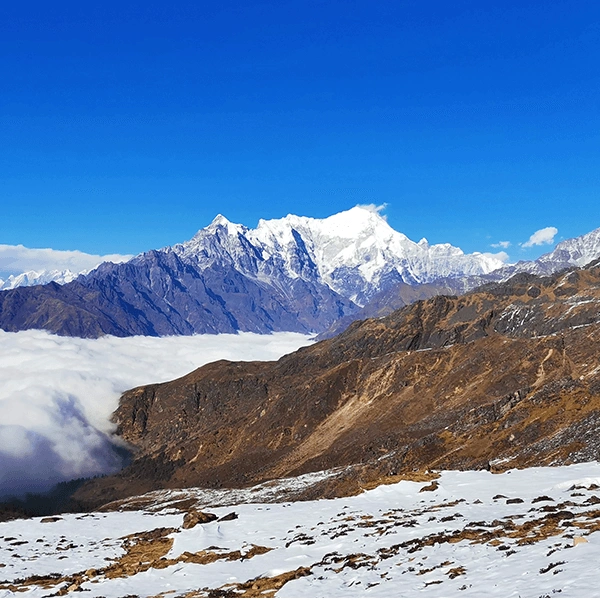
The Mardi Himal Trek is a biological corridor.
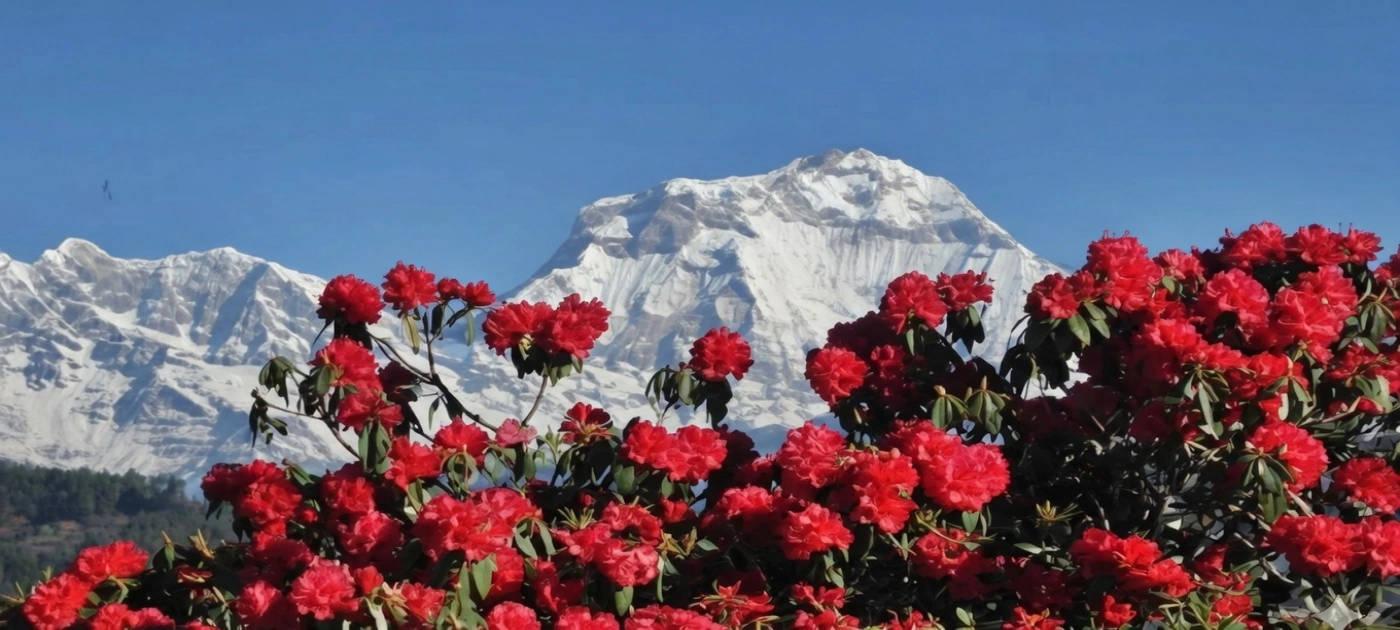
The Forests: In March and April, the Rhododendron (Nepal’s national flower) blooms in shades of blood-red, pink, and white.
Wildlife: While elusive, the region is home to the Red Panda and Musk Deer. You will frequently see Himalayan Tahrs (wild goats) grazing on the vertical cliffs near High Camp.
The Geology: The ridge is composed of metamorphic rock and offers clear views of the "Fishtail" shape of Machhapuchhre, which is a sacred mountain and has never been legally climbed to the summit.
The "Teahouse Trekking" experience is the backbone of Nepalese tourism. In 2026, many teahouses have upgraded to include solar-powered charging and even limited Wi-Fi.
What’s on the Menu?
The most important phrase you will learn is "Dal Bhat Power, 24 Hour."
Dal Bhat: A platter of lentil soup, rice, vegetable curry, and pickles. It is nutritious, filling, and—best of all—comes with free refills.
Sherpa Stew (Syakpa): A thick vegetable and noodle soup that is perfect for cold nights at High Camp.
Garlic Soup: Widely believed by locals to help with blood circulation and altitude acclimatization.
Tibetan Bread: Deep-fried, puffy bread served with honey or jam for breakfast.
Sleeping Arrangements
Rooms are generally "twin-share" with two single beds. clean room and bed. In peak season (October/November), teahouses can get crowded, and you might find yourself sharing a dining hall or "sleeping dormitory" style if you don't book in advance with a company with Holy Kailash Tours.
When planning your budget, consider that prices increase with altitude because everything—from gas cylinders to eggs—must be carried up by porters or mules.
ItemEstimated Cost (USD)Notes
Permits (ACAP & TIMS) $50. Essential for entry.
Guide salarry $25 - $30 per day. Includes their insurance and meals.
Porter salarry $20 to $25 per day
Daily Meals & Water. $40 - $60. Higher at High Camp.
Accommodation $10 - $15 per night. Varies by comfort level.
Transport $70 - $150. Depends on the Private Jeep vs. Public Bus.
Kathmandu Hotel. $40 - $150 Depends on hotel category
Total Estimate: For a 8 day trek, expect to spend between $500 and $900 USD for a comprehensive, stress-free package.
Acute Mountain Sickness is a real risk when you cross the 3,000-meter mark.
Don't overpack, but don't skimp on quality. Aim for a total weight of 10kg to 12kg for your main bag.

The Annapurna region is sacred to the local Gurung and Magar people.
The Mardi Himal Trek is the perfect marriage of challenge and beauty. It is short enough for the busy professional but deep enough into the mountains to satisfy the hardcore adventurer. In 2026, as the world looks for more sustainable and "slow" travel options, this trek stands as a beacon of what Himalayan adventure should be.
Holy Kailash Tours is ready to guide you through the rhododendrons and up the rocky ridges to the base of the sacred Fishtail.
Would you like me to generate a personalised gear checklist based on the specific month you plan to trek?