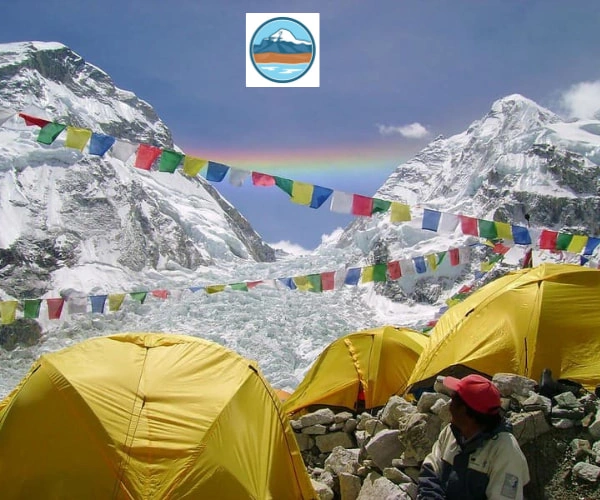
Kailash Yatra Trip Highlights
- Sacred pilgrimage to Mount Kailash, revered by Hindu, Buddhist, Jain, and Bon followers
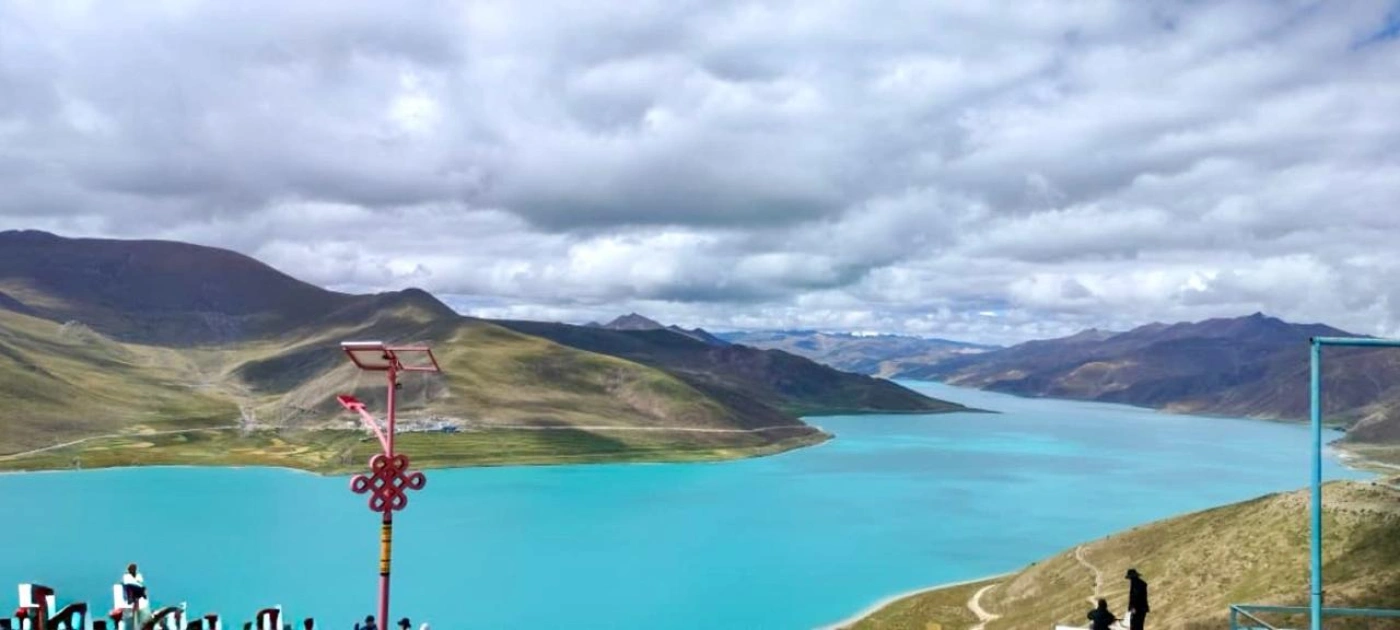
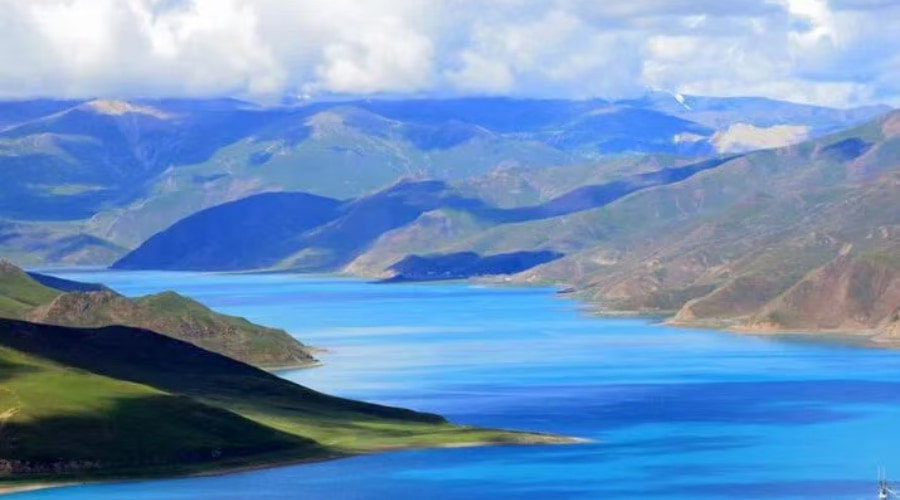
- Holy dip and spiritual rituals at Lake Mansarovar, one of the highest freshwater lakes in the world
- Scenic overland journey via Kerung, offering gradual altitude gain and comfort
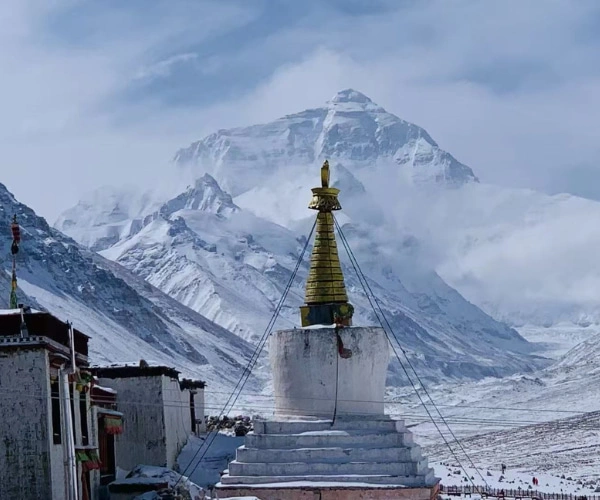
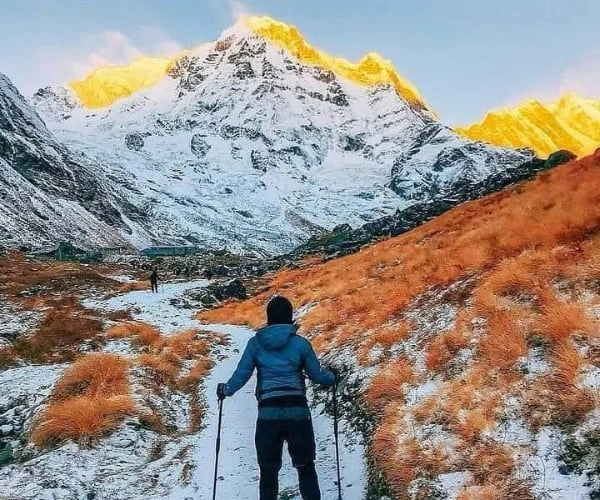
- Breathtaking views of the Himalayan and Tibetan Plateau landscapes
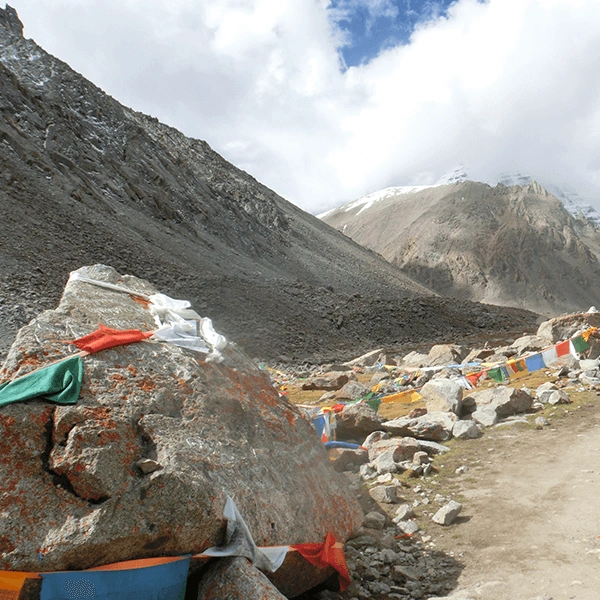
- Three-day Kailash Kora (Parikrama) around the holy mountain
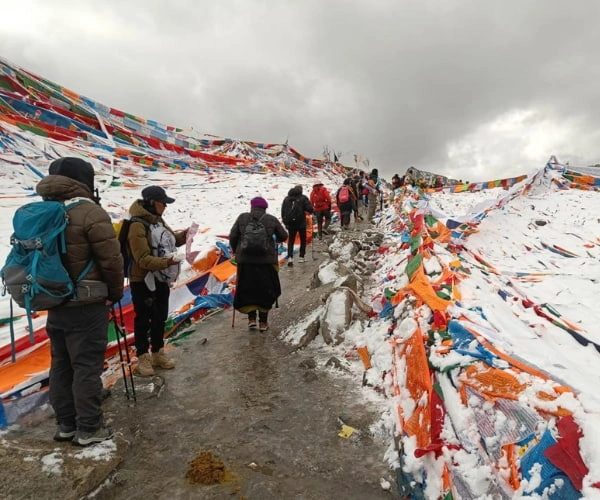
- Crossing the spiritually significant Dolma La Pass (5,630 m)
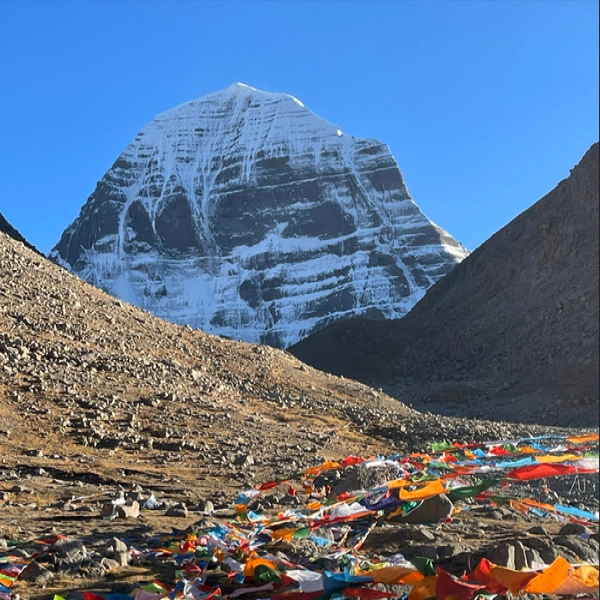
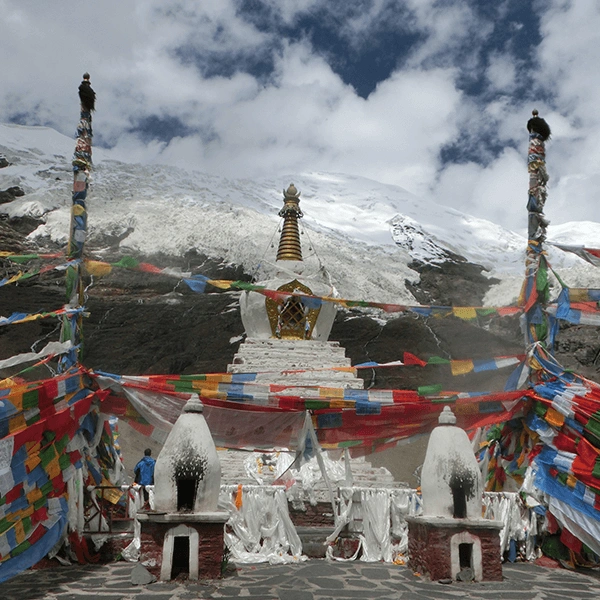
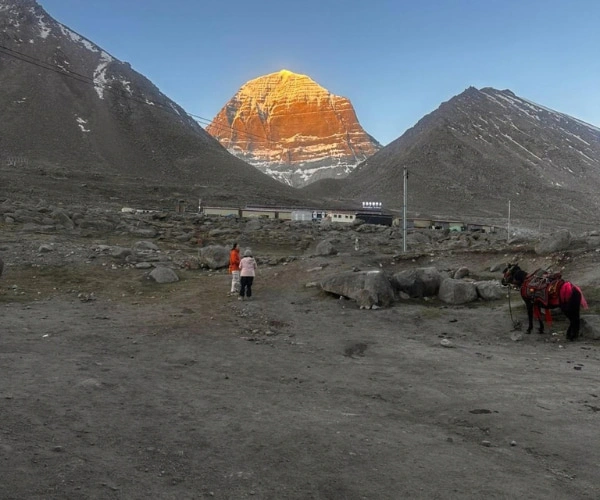
- Close-up view of Mount Kailash North Face from Dirapuk Monastery
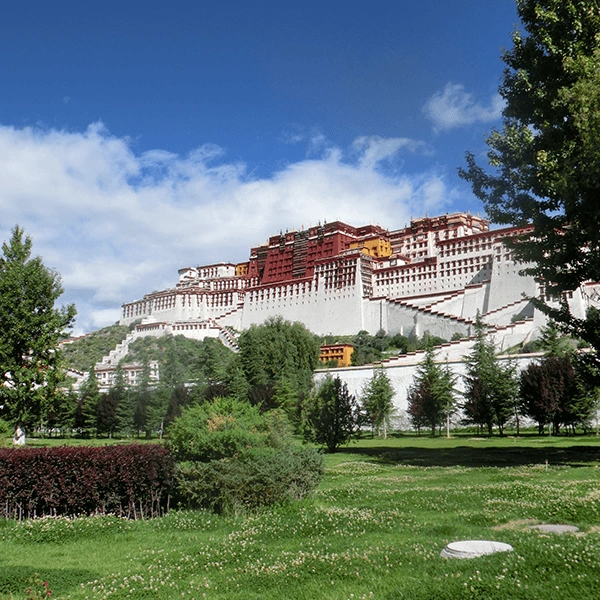
- Experience authentic Tibetan culture, monasteries, and nomadic life
- Visits to sacred temples, including Pashupatinath Temple in Kathmandu
- Guided journey with experienced staff ensuring safety and spiritual focus
- A deeply transformative spiritual and personal experience
- Opportunity for meditation, prayer, and self-reflection in a serene environment
Kailash Yatra Trip Fact
Duration: 14 Days
Trip Grade. Moderate
Country. Tibet
Max Altitude. 5,630 meters (Dolma La Pass)
Starts. Kathmandu
Ends. Kathmandu
Best Time. May to September
Kailash Mansarovar Yatra Overland: Complete Journey Overview
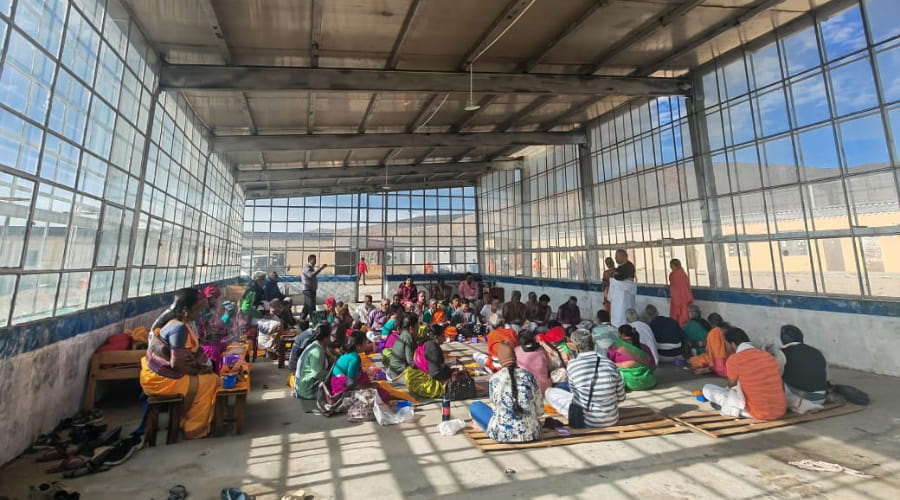
The overland Kailash Manasarovar yatra starts in Kathmandu and ends at the same place, but you will not be the same person. Total journey time ranges from 15 to 21 days, depending on the route and your acclimatization plan.
The distance from Kathmandu to Mount Kailash is roughly 1,200 kilometres by road. That number sounds simple. The road is not. You climb from Kathmandu at 1,400 metres above sea level to the Tibetan plateau, sitting above 4,500 metres. You cross mountain passes. You drive through river valleys and across barren plains where the wind comes at you sideways, and the sky is a colour blue you have never seen before.
Key highlights of the overland Mansarovar Kailash yatra include:
- The border crossing at Kerung (also called Gyirong), Nepal's main land border with Tibet
- The drive across the Tibetan plateau through towns like Saga and Paryang
- First sight of Lake Mansarovar, one of the highest freshwater lakes in the world
- The sacred parikrama (circumambulation) of Mount Kailash, a 52-kilometre trek done over three days
- Cultural stops at ancient Tibetan monasteries along the route
- The spiritual experience of bathing in or simply sitting beside the Mansarovar Lake
The overland route gives you time. Time to gradually adjust to the altitude. Time to watch the landscape shift from green Himalayan foothills to the raw, treeless expanse of Tibet. That gradual shift matters a lot, both physically and spiritually.
Route and Itinerary of Kailash Mansarovar Overland Tour
Here is a realistic day-by-day outline of how the journey typically unfolds. Dates shift depending on departure, but the structure stays consistent.
Day 1-2: Kathmandu (1,400m) Arrive in Kathmandu. Permit processing, briefing, and gear check. Holy Kailash Tours handles Tibet Travel Permits and Group Visa paperwork here. Rest and acclimatize.
Day 3: Kathmandu to Kerung Border (2,800m). Drive north through the Trishuli valley. Road quality is decent for the first few hours, then gets rougher near the border. The border town of Kerung on the Tibetan side sits much higher than the Nepal side.
Day 4: Kerung to Saga (4,500 m). This is your first full day in Tibet. The altitude jump is significant. Many travelers feel a mild headache in the evening. Drink water. Move slowly. The landscape opens into wide, flat valleys, with snow-capped peaks all around.
Day 5: Acclimatization day in Saga. Do not skip this day. Saga is where most altitude-related problems show up—rest, short walks, no exertion. The body needs time at 4,500 metres before going higher.
Day 6: Saga to Paryang (4,600m) A long drive across an open plateau. Few towns. Occasional yak herder camps. The sky feels enormous, and the horizon has no trees to interrupt it.
Day 7: Paryang to Mansarovar (4,590m). This is the day most pilgrims remember for the rest of their lives. You round a bend and there it is, Mansarovar Himalaya stretching out below a perfect blue sky, the lake impossibly turquoise, Kailash visible in the distance to the north. Many people weep. Nobody is embarrassed about it.
Day 8: Lake Mansarovar Full day at the lake. Morning prayers, a ritual bath in the cold water (optional but common), and walks along the shore. This is the Mansarovar Lake yatra in its purest form, sitting with the water, watching the light change, saying whatever you came here to say.
Day 9: Drive to Darchen (4,600m), base of Kailash. Darchen is the starting point for the Kora. It is a small town with basic facilities and many pilgrims from Tibet, India, Nepal, and beyond, all preparing for the circumambulation.
- Day 10-12: The Kailash Kora (3 days, 52 km total)
- Day 10: Darchen to Dirapuk (5,100m), 20 km
- Day 11: Dirapuk to Zuthulphuk over Dolma La Pass (5,630m), the highest point of the Kora
Day 12: Zuthulphuk back to Darchen, 10 km
The Dolma La Passe Crossing is the physical and emotional peak of the entire journey. At 5,630metres, the air is thin, and the walking is hard. Most people find the descent into Zuthulphuk deeply moving. Some sit and stare at nothing for a long time. That is the right thing to do.
Day 13: Rest in Darchen or Mansarovar Recovery day. Many groups return to the lake for a final visit before the long drive back.
Day 14-16: Return drive from Mansarovar to Kerung. The return route follows the same road. As the body descends in altitude, it feels noticeably better. Colors look different. Food tastes better.
Day 17-18: Border crossing back to Nepal, drive to Kathmandu. Cross back into Nepal at Kerung and drive south through the Himalayan foothills to Kathmandu.
Travel Experience from Kathmandu to Tibet by Road
People who expect smooth roads will be disappointed. People who expect an adventure will not be.
The road from Kathmandu to the Kerung border is largely paved, but sections are under construction and areas are damaged by monsoons or landslides each year. After the border, Tibetan roads are generally in better shape. China has invested heavily in infrastructure on the plateau, and most of the route from Kerung to Kailash runs on paved or graded roads.
That said, the terrain is unforgiving. Roads follow cliff edges. River crossings happen. The plateau wind can reduce visibility and push vehicles to the side. At altitude, distances take longer than the map suggests because drivers have to go slowly.
Here is what the experience actually feels like:
- Kathmandu to Kerung: Narrow mountain road, green and steep, usually 6 to 8 hours
- Kerung to Saga: Wide Tibetan plateau, sparse and flat, roughly 6 hours
- Saga to Mansarovar: Long open drives, stunning emptiness, 8 to 10 hours total across two days
- Darchen area: Short transfers by jeep
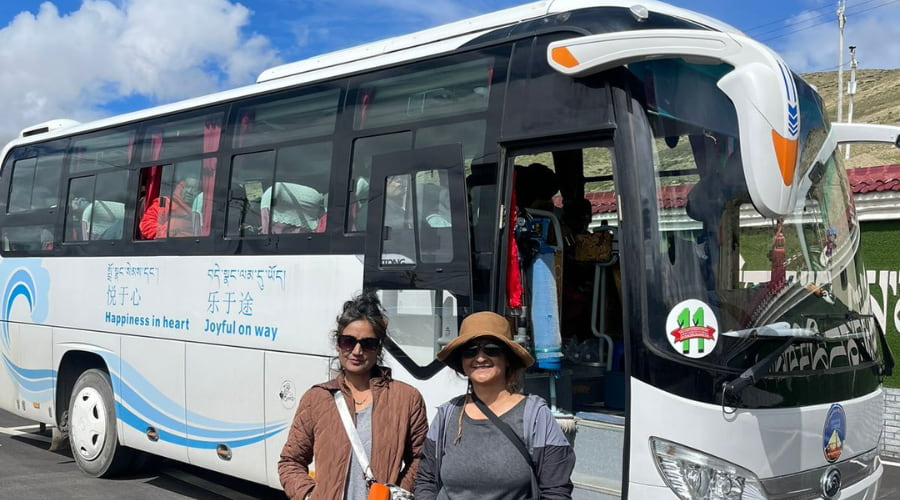
The vehicles used are typically buses and Toyota Land Cruisers, the standard transport for overland travel in Tibet. They seat four to five passengers plus a driver. A convoy of vehicles travels together for safety.
The landscapes change completely every few hours. Dense rhododendron forest. Bare rock face. Brown plateau. Bright lake. Snow peak. Each hour of driving is genuinely different from the last.
Permits and Documentation for Kailash Overland Yatra
Tibet is not like other destinations. You cannot simply buy a ticket and show up. Documentation for the Kailash Mansarovar yatra overland route requires several layers of approval.
Chinese Group Visa: Individual tourist visas are not issued for Tibet. Instead, travelers join a group and receive a Chinese Group Visa, which is processed through a registered Tibet travel agency like Holy Kailash Tours. Your passport must be valid for at least six months beyond your travel date.
Tibet Travel Permit (TTP) Issued by the Tibet Tourism Bureau. This is the primary permit required to enter Tibet. It takes 7 to 10 working days to process and must be arranged before departure.An
Alien Travel Permit (ATP) is required for travel beyond Lhasa into more restricted areas. Kailash falls in a restricted zone, so this permit is mandatory.
Military Area Permit Kailash is near a sensitive border region. A military permit is required in addition to the documents listed above.
All of these are processed together when you book through a registered operator. For the Mansarovar yatra booking, most pilgrims handle everything through their tour company rather than attempting to arrange permits individually, which is both complicated and not always possible.
Indian citizens have a separate government-organized Kailash Mansarovar Yatra run by the Ministry of External Affairs (MEA). However, many Indian pilgrims also travel via Nepal-based private operators such as Holy Kailash Tours because the private route offers greater flexibility in timing, group size, and accommodation.
Important: Check the current Tibet permit rules before you book. China periodically adjusts access policies for Tibet, and what applies one season may not apply the next.
Best Time for Kailash Mansarovar Overland Journey
The Tibetan Plateau has a short travel window. Most overland yatra trips run from May through September. For the rest of the year, the roads into western Tibet are either closed by snow or made inaccessible by weather.
May and June: Good weather, fewer crowds, lower accommodation prices. Nights are cold (below freezing at altitude), but days are clear. Some snow remains on the Kora trail, especially at Dolma La.
July and August are peak season. The weather is warmest, and the plateau turns unexpectedly green. This is when the Mansarovar yatra booking fills up fastest. Expect more pilgrims on the Kora. Accommodation needs to be reserved well in advance.
September: Excellent month. Post-monsoon clarity means the views are sharp and the air feels freshly washed. Crowds thin out after August. Cold comes faster, but September days are usually stable and warm enough.
October Late season. Possible but risky. Road conditions become uncertain after mid-October. Some years it works fine; other years, early snowfall closes access. Not recommended for first-time pilgrims.
Monsoon Note: The Tibetan Plateau receives far less rainfall than Nepal, so Tibetan roads are generally usable in July and August. However, the Nepal side of the border (the drive from Kathmandu to Kerung) is more affected by the monsoon, and landslides can cause delays.
Accommodation and Food During the Overland Tour
Accommodation on the overland Kailash and Mansarovar yatra varies from comfortable hotels in Kathmandu and Kerung to basic guesthouses on the plateau.
Kathmandu: Three-star and four-star hotels. All standard amenities, good food, warm showers.
Kerung and Saga: Small guesthouses and traveler lodges. Rooms are basic but clean. Shared bathrooms are common. Hot water availability varies.
Paryang and Darchen: More basic. Think twin beds, heavy blankets, and no central heating. Nights at 4,600 metres are cold year-round. Layer up.
At Mansarovar: The Mansarovar Guest House is the main option. Rooms are simple, pilgrims are many, and the setting outside the window makes up for everything the room lacks.
During the Kora, Tea houses along the route provide basic dormitory accommodation and simple meals. Most pilgrims carry a sleeping bag rated to at least -10°C.
Food: Holy Kailash serves pure vegetarian food. We have staff to cook like rice, roti, vegetable soup indian styal and Tibetan food, which is nourishing but not varied. Staples include tsampa (roasted barley flour), thukpa (noodle soup), momos (dumplings), boiled eggs, and rice. Chinese-style dishes appear in larger towns. Vegetarian options are generally available and are often the safer choice at high altitude. Heavy or oily food at altitude can cause nausea, so most experienced travelers eat light during the trek portion.
Holy Kailash Tours recommends that pilgrims carry their own snacks (energy bars, dry fruits, nuts, electrolyte sachets) for the Kora days when tea house food may be limited.
Spiritual Significance of Mount Kailash and Lake Mansarovar
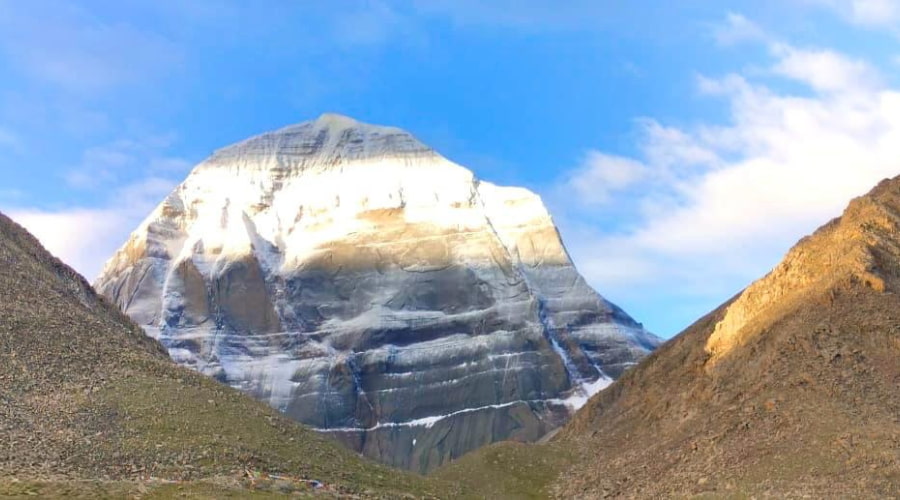
For the devout, no description is adequate. For everyone else, here is the context.
Hinduism: Mount Kailash is believed to be the home of Lord Shiva and his consort Parvati. The mountain is called Kailash Parvat Mansarovar in many Hindu texts. A parikrama of the holy peak is believed to wash away the sins of a lifetime. Bathing in Lake Mansarovar is said to cleanse the soul and ensure liberation.
Buddhism: In Tibetan Buddhism, Kailash is called Gang Rinpoche and is the home of the meditational deity Chakrasamvara. The Kora (also called kora in Tibetan and parikrama in Sanskrit) is a form of circumambulatory meditation. Completing 108 rounds is said to lead to Nirvana, though most pilgrims aspire to complete just one.
Jainism: Jains believe that Rishabhadeva, the first Tirthankara, achieved liberation at this mountain, which they call Mount Ashtapada.
Bon: The Bon religion, Tibet's indigenous spiritual tradition predating Buddhism, considers Kailash the soul of the universe and the source of four great rivers that flow out across Asia.
What strikes most pilgrims, regardless of religious background, is that no one has ever climbed Kailash. Reinhold Messner, probably the greatest mountaineer of the 20th century, reportedly received permission from China to climb it. He declined out of respect. The mountain remains unclimbed by choice, and that fact carries its own weight.
Challenges and Road Conditions on the Overland Route
This is the section most travel blogs soften. We are not going to do that.
Altitude Sickness: This is the biggest risk on any Manasarovar Himalaya journey. Acute Mountain Sickness (AMS) can affect anyone regardless of fitness level. Symptoms include headache, nausea, dizziness, and sleep disruption. Severe altitude sickness (HACE or HAPE) is rare but serious and requires immediate descent.
The overland route is actually safer than the helicopter option in one specific way: you gain altitude gradually over several days, which gives your body time to adjust. Still, acclimatization days in Saga and near Darchen are not optional extras. They are necessary.
Most operators, including Holy Kailash Tours, carry supplemental oxygen and recommend consulting a doctor about Diamox (acetazolamide) before departure.
Road Conditions: The roads on the Tibetan Plateau are better than expected in most sections. Rough patches exist, especially in the spring before annual road repairs. The last stretch before Darchen involves some unpaved road. River crossings after heavy rain can delay the convoy.
Long Driving Days: Some drive days are 8 to 10 hours. At altitude, a long day in a vehicle is more tiring than it sounds. Bring a neck pillow, dress in layers, and accept that your legs will be stiff.
Physical Demands of the Kora: The Kailash Kora is a 52-kilometre trek over three days. Day two, which crosses Dolma La at 5,630 metres, is hard. Not technically difficult (no climbing, no special equipment), but hard in the way that thin air and emotional weight combine to make every step an effort.
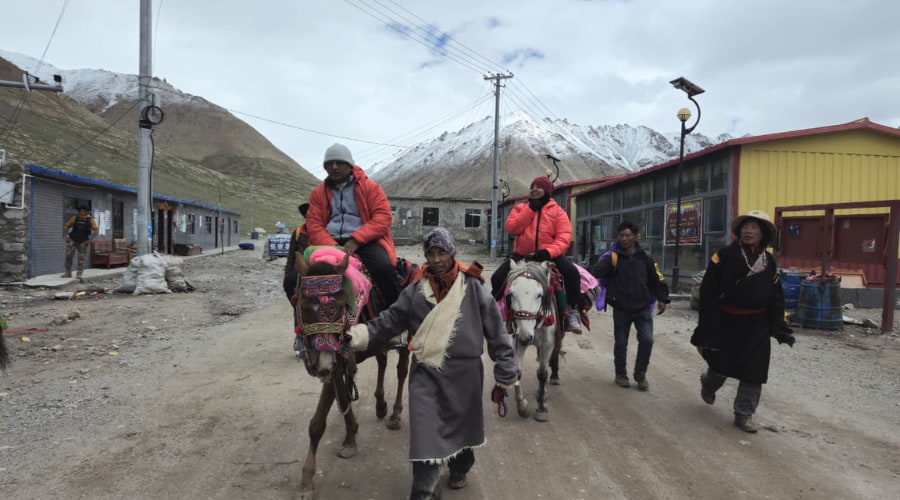
Most people in reasonable health can complete it. Age is less of a barrier than fitness. Holy Kailash Tours has successfully guided pilgrims in their 60s and 70s. Horses and porters are available for those who need them.
Weather: Sudden snowstorms are possible even in summer. Temperature swings of 25 to 30 degrees Celsius between afternoon and midnight are normal on the plateau. Pack for both.
Cost Breakdown of Kailash Mansarovar Overland Yatra
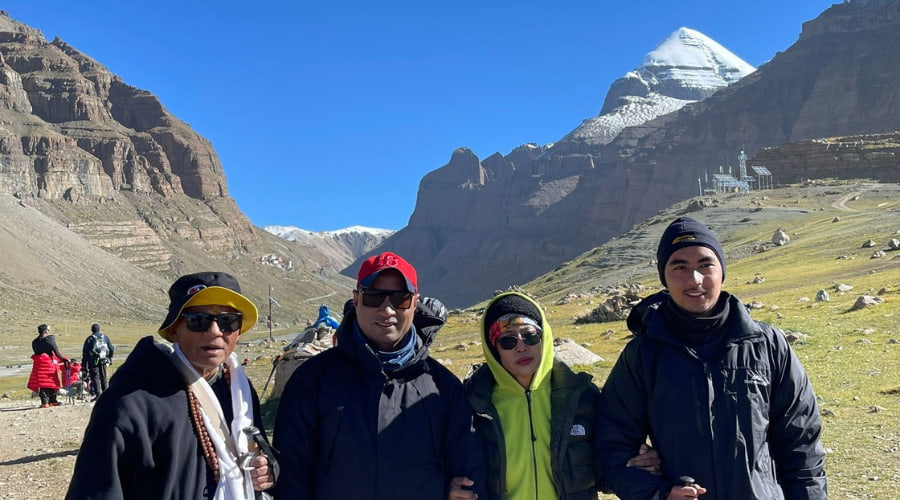
Mansarovar yatra package cost varies depending on several factors: group size, departure date, route, accommodation level, and whether helicopter support is included for emergencies.
Here is a general breakdown for the Nepal-based overland route:
Component Estimated Cost (USD)
Tibet permits (all combined) $500 - $700 per person
Transportation (Land Cruiser, fuel) $600 - $800 per person
Accommodation (full tour). $610 - $1200 per person
Meals (breakfast to dinner) $1020 - $1350 per person
Guide and support staff are included in the package
Kora porter/horse (optional) $680 - $1050 extra
Total package range $2,800 - $3,750 per person
Most organized packages from Holy Kailash Tours fall in the $2,800 to $3,400 range for a 17 to 21-day tour, covering most inclusions. International flights to Kathmandu are not included.
What affects cost:
- Smaller private groups cost more per person than larger group departures
- Peak season (July-August) prices are higher than May-June or September
- Premium accommodation upgrades in Kathmandu or Kerung add cost
- Travel insurance is strongly recommended and is a separate expense
For people considering the helicopter option: the cost of the Mansarovar yatra by helicopter is generally higher, in the range of $4,000 to $6,000 or more per person, and the journey is faster but skips the overland experience entirely. Some people combine helicopter access to Kailash with an overland return, which is worth asking about during the Mansarovar yatra booking.
Why Choose Overland Yatra with Holy Kailash Tours
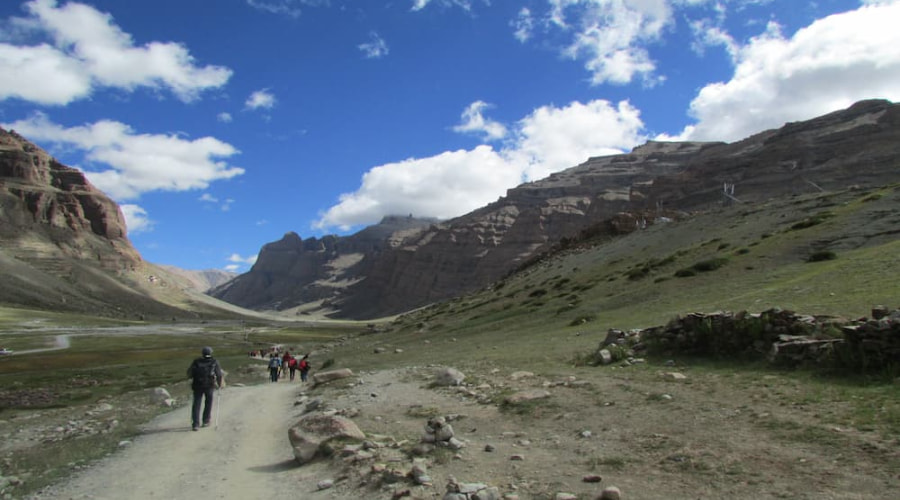
Many Nepal-based operators offer this route. Here is what separates a good experience from a great one.
Local expertise that comes from years on the ground, Holy Kailash Tours has been arranging this journey long enough to know which roads close early after rain, which guesthouses have hot water that actually works, and how to handle the permit process when bureaucratic complications arise, as they sometimes do. That kind of knowledge is not available in a brochure.
Small group sizes. Large groups are harder to manage at altitude, harder to move quickly in an emergency, and harder to give personal attention to. We keep groups small enough that no one gets lost in the crowd.
Medically prepared teams: Our trek leaders carry oxygen cylinders, pulse oximeters, and first aid kits. More importantly, they know when to use them and when to push forward. Experience matters more than equipment in this regard.
Culturally informed guidance: The Kailash Manasarovar yatra is not just a trek. It is a religious journey through living Buddhist culture. Our guides can explain what you are seeing at monasteries, what the prayer flags mean, why pilgrims prostrate the entire length of the Kora, and dozens of other details that make the experience meaningful rather than scenic.
Honest itineraries: We do not promise we can deliver or acclimatize; we cannot guarantee it. Our itineraries build in real buffer days and real flexibility for road or weather delays.
Tips for a Safe and Comfortable Kailash Overland Journey
Before you go
- Get a health check, specifically a cardiovascular and respiratory fitness assessment.
- Consult your doctor about altitude sickness medication (Diamox)
- Train with walks at elevation if possible, at a minimum, do regular cardio for 8 to 12 weeks before departure
- Book early. Mansarovar yatra booking for peak months fills up months in advance, and permits take time to process
Packing basics
- Warm layers (down jacket, thermal base layers, fleece)
- Waterproof outer shell
- Trekking boots broken in before the trip
- Sleeping bag rated to -10°C minimum
- Sunscreen (SPF 50+), lip balm, and UV-blocking sunglasses (the plateau sun is intense)
- Headlamp with extra batteries
- Personal medications plus a basic first aid kit
- Water purification tablets or a filter
- Snacks: energy bars, nuts, dried fruit, electrolyte powder
During the journey
- Drink - 4 litres of water daily at altitude. More than you think you need.
- Walk slowly. Seriously, slower than you think is necessary.
- Tell your guide immediately if you have a headache that does not go away with rest and water.
- Do not push through symptoms of altitude sickness
- Eat light during high-altitude days; heavy food makes nausea worse
- Accept that cell service is limited or nonexistent in most of Tibet
On the Kora
- Start each day early to avoid an afternoon cold and wind
- Hire a horse or porter if you need one. There is no virtue in suffering unnecessarily
- Carry cash in small denominations for tea houses and porters
- Leave enough warm clothing accessible (not packed at the bottom of your bag) for Dolma La
Final Thought
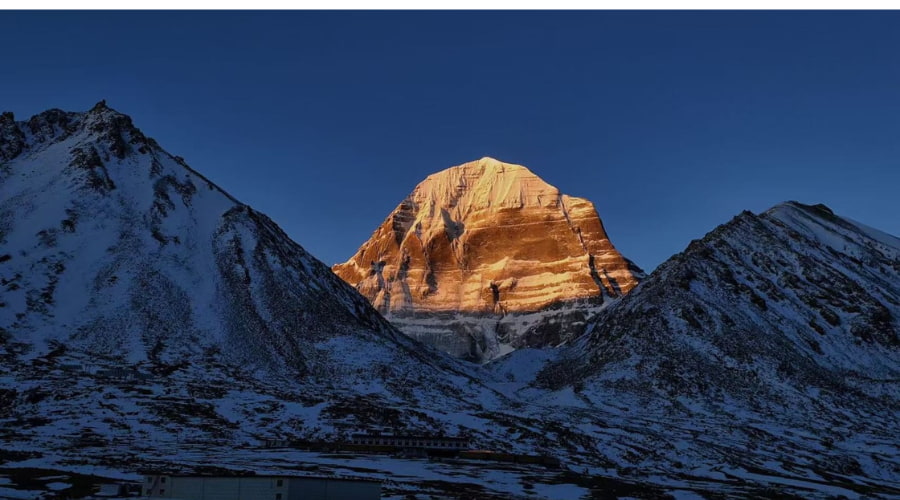
People who have done the Kailash Mansarovar Yatra by overland tour tend to describe it in one of two ways. Either they say it was the hardest thing they have ever done, or they say it was the most meaningful. Most say both in the same breath.
The Manasa Sarovar Yatra by road is not a package holiday. The altitude is real. The distances are long. The comforts are basic. But none of that is why people come back from this journey quieter, more patient, more settled with things they could not resolve before they left.
Mount Kailash has drawn pilgrims for thousands of years. The Kailas Manas Sarovar has been called the most sacred lake in the world for just as long. There is something about arriving at a place that has absorbed that much devotion, from that many people, across that many generations, that does not translate well into words. It translates when you are standing there.
If you are thinking about making this journey, prepare properly. Choose a guide you trust. And then go.
Holy Kailash Tours, based in Kathmandu, has been helping pilgrims visit Mansarovar Lake and complete the Kailash Kora for years. For route details, current permit information, and departure dates, contact our team directly. We will give you honest answers.
For inquiries about Mansarovar yatra bookings, permit questions, or help choosing between the overland and helicopter options, contact us, Holy Kailash Tours in Kathmandu.