Year of the Horse: Once in 12 Years
The Tibetan calendar is based on a 12-year rotation, with each year represented by an animal, and 2026 is the Year of the Horse.
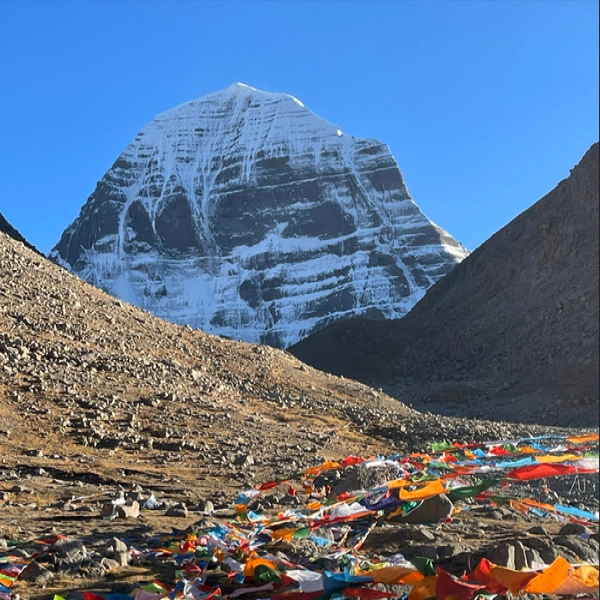
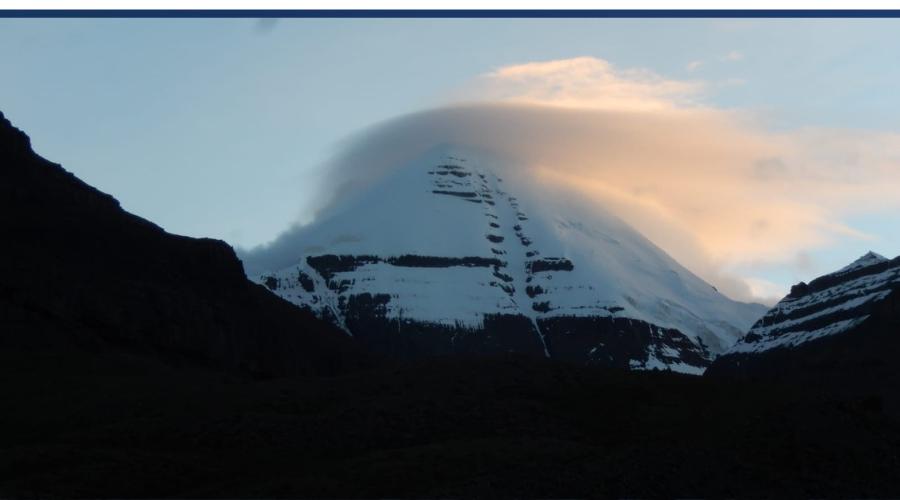
In Tibetan Buddhist tradition, Mount Kailash is said to be the earth-reincarnation of Demchok (Chakrasamvara), who rides a horse. Hence, doing the Kailash Kora in the Year of the Horse is said to garner the same merit as 13 Koras. Some teachings multiply this even more. Many practitioners believe that completing ONE KORA in the Year of the Horse will accumulate the same merit as a lifetime of practice.
While the legend may be folklore to some, to the people of the Himalayan region, it is much more than that. In fact, it has attracted such a large crowd of pilgrims to western Tibet that the event has been held only once in 12 years. The last time it occurred was in 2014. Before that, it occurred in 2002.
For Hindus, the connection between Kailash and its spiritual significance is hard to ignore: Lord Shiva is said to reside at Kailash with his consort Parvati, and though he is also often depicted riding on the back of his faithful bull Nandi, the mountain itself brims with so much divine energy. That's many Hindu pilgrims: the Year of the Horse is also one of those special karma-busting moments when cosmic energy lines up to connect seekers to the divine in an intense and meaningful way.
The experience of the past few years shows that the number of pilgrims applying for Yatra permits for the Kailash Mansarovar Yatra 2026 will be much higher than in any other year. All groups will fill up quickly, and the competition for permits will be tremendous. If you are planning the Kailash Mansarovar Yatra 2026, register as early as possible. This is going to be the single most important decision.
Powerful Full Moon Departures
Most people plan their trip to Kailash at the time of year that suits them best - whether summer, winter, or whatever. But many also travel at the time of the full moon. It seems that this adds an extra layer of spiritual significance to the trip.
In both the Hindu and Buddhist calendars, the full moon is viewed with great significance. The Ekadashi (the eleventh lunar day) and the Purnima (the full moon) are seen by many as the two most auspicious days to carry out spiritual activity, travel, or worship. Due to this significance, any departure from Kathmandu or arrival at Lake Mansarovar will be especially holy when they occur during the full moon.
Guru Purnima is an important full-moon day celebrated throughout the year, usually in July. For many, completing the Kailash Kora or a bath at the hallowed shores of Lake Mansarovar on or around Guru Purnima becomes an even more special and rewarding spiritual journey. Many travelers incorporate their trekking itinerary so it coincides with this auspicious day.
Every year, on or around the full moon in May, Buddhist pilgrims worldwide celebrate Buddha Purnima, the day of the Buddha's enlightenment and death, supposedly occurring on the same full moon day. For Tibetan Buddhist pilgrims visiting sacred sites around the world, including the Kora at Namchabaw, performing this circuit at this time is especially meaningful.
We offer several "Full M" on" depar" ures throughout the season. These groups tend to fill up first, so please inquire about specific dates during the booking process. There is a world of difference between a Yatra at any time and a Yatra under a full moon over Lake Mansarovar with Mount Kailash's shadow dancing upon its waters. This is what pilgrims think about for the rest of their lives.
What Makes the 2026 Yatra Different from Previous Years
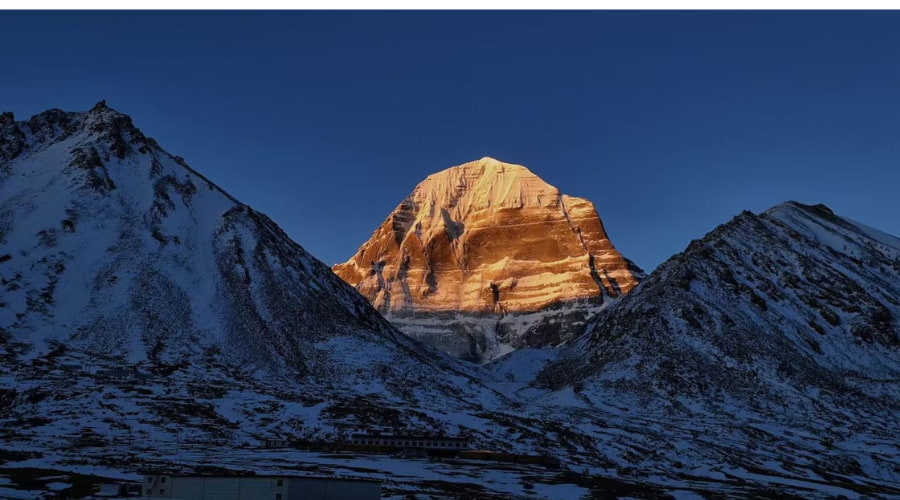
While 2014 is the Year of the Horse, several tangible as well as not-so-tangible factors could make the Kailash Mansarovar Yatra 2026 one-of-a-kind.
There has been a sudden spike in interest for Pilgrim Yatra services from clients planning to undertake this sacred journey in 2022. Although the services were paused in 2018 due to the global health crisis, many clients who were scheduled to travel in 2020 and 2021 have missed out and are now itching to undertake the Yatra. Additionally, the fact that 2026 is a horse year means that registration numbers for the Yatra have far exceeded those for 2023 and 14. According to our seasoned tour guides, these high levels of intention and energy create an amazing atmosphere during the Kora itself.
In recent years, considerable investment has been made in the basic infrastructure around the border crossings between Tibet and Nepal. The road up the west side of the Himalayas from Kathmandu to the Kerung (Gyirong) pass is a lot easier to travel than it was ten years ago. Accommodations have also sprung up at a variety of 'stopover' towns along the way, such as Saga, Paryang, and Darchen, where most trekkers find a place to rest for the night.
Paralleling the swelling numbers of "traditional" ms to Kailash are the increasingly large contingents of younger, 'advent'rous' trave'lers to the region. Some of these visitors are seeking their own spiritual awakening, and whilst they may not have a formal religious allegiance, their sense of devotion is no less sincere for that. The resulting mix on trek is varied, enquiring, and very much alive.
New Travel Routes and Accessibility in 2026
Many pilgrims start their Kailash Mansarovar Yatra from Kathmandu, the capital of Nepal. The two major routes actually go through Kathmandu, so it is a major center for pilgrims. The Kerung (Gyirong) route is said to be the yatra route that gets the most foot traffic as of now. The journey starts with a road trip from Kathmandu to the Nepal-Tibet border at Kerung, then crossing the border into Tibet, and finally driving to Darchen, the base village for the Kailash Kora. This path can take around five to six days with an altitude acclimatization plan built in. Scenic mountain views, several beautiful Himalayan landscapes, and prominent Tibetan towns, including Saga and Paryang, are among the places pilgrims see on this route.
The Purang Route, also known as the Simikot-Hilsa Route, is an ancient path favored by several Indian pilgrims. You can catch a flight from Kathmandu or Nepalgunj to Simikot, then trek for a few days to the Humla Karnali border at Hilsa, take a helicopter tour to cross into Tibet near Purang, and then travel by road to Mansarovar and Kailash. This route is longer and more strenuous, but many pilgrims like it because of the sense of accomplishment they get from the effort.
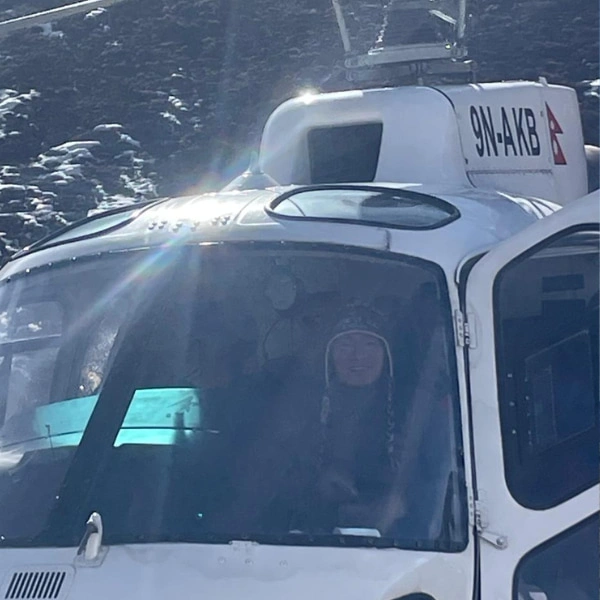
In recent years, helicopter tour serviceshave become more available in the Kailash area, primarily from Simikot. For people who do not have much time or are physically unable, the helicopter can be an option to participate in Kora without spending several days or being exhausted by the journey to the starting point. The Chinese government assists with travel permits for Tibet and with aliens' permits for the Kailash area. Tour operators registered with the government must arrange these permits; individuals cannot do it independently. Holy Kailash Tours handles all permit logistics for its pilgrims, including the Group Visa for Tibet, which most travelers crossing from Nepal into the Tibet Autonomous Region are required to obtain.
Weather Conditions and Best Time to Visit in 2026
The Kailash Mansarovar Yatra season typically runs from May to September. During the rest of the year, the mountain passes and roads on the plateau are blocked by snow, and a Tibet travel permit to Kailash is rarely granted.
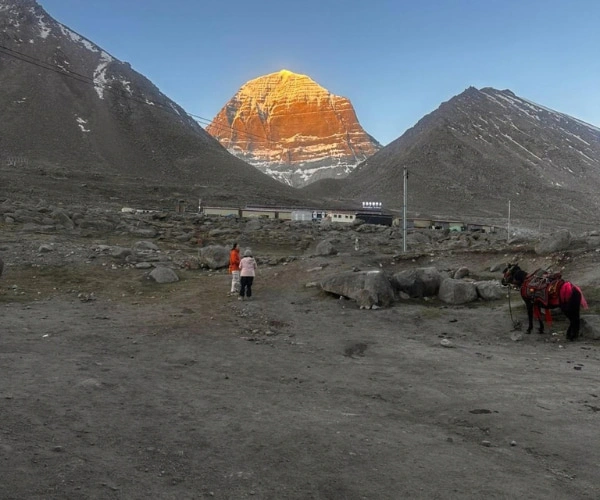
May and the first half of June are when the sky is clearest throughout the season. The Tibetan plateau is parched, the air is crisp, and visibility from the south side of Kailash, which includes the Diamond Face of Kaila and the ice wall, is at its peak most of the time. The temperatures in Darchen (4,560m) range from -2°C to 2°C, depending on the time of day. No matter the month, nights will be cold.
India's Himalayas receive the monsoon during the latter part of June and through July. Considering that Kailash is in western Tibet, which is in the monsoon shadow, it is thus drier than Nepal at that time of year. Having said that, water crossings along the Kora can be dangerous, and occasional afternoon thunderstorms can occur. It is also peak Yatra season, i.e., when Guru Purnima groups travel, and the Saga Dawa Festival is held at Kailash. Saga Dawas, the 15th day of the fourth Tibetan lunar month, is the day when Buddha was enlightened, and is one of the most sacred days in the Tibetan calendar. A large number of Tibetan pilgrims carry out the Kora on this day.
August is still warm and quite easy, although at times thick clouds can hide the mountain. September is wonderful: the monsoon ends, the sky becomes clear, and there are fewer tourists. For this exact reason, many highly skilled trekkers choose September.
The most popular times for the Kailash Mansarovar Yatra 2026 are late May (for those wanting to get permits early and enjoy clear weather), July for Guru Purnima and Saga Dawa, and mid-September, when it is quieter, and the sky is clearer.
Registration Process and Permit Updates for 2026
Registration for the Kailash Mansarovar Yatra 2026 is a multi-step process. None of the steps is difficult, but each one counts, and if you skip or delay a step, you might lose your chance.
Residents of India can register by applying through the Ministry of External Affairs (MEA) of India, which is running the official government-coordinated Yatra program. This option has a limited number of places, and a formal application usually opens in January or February for the next season. Meanwhile, private tour operators offer a quicker, more flexible alternative that does not require going through the MEA line.
Those going on the pilgrimage through Nepal, whether Indian, Nepali, or from other countries, use a different system. With a tour operator registered in Nepal, such as Holy Kailash Tours, travelers arrange the group visa application, the Tibet Travel Permit, the Alien Permit for Ngari Prefecture, and the Kailash area permit through the operator. Individual permits are not issued.
Usually, the documents you need are a valid passport with at least 6 months of validity remaining, recent passport-sized photos, a completed visa leaflet, proof of travel insurance including high-altitude trekking coverage, and a simple health declaration. Some tour operators also require a doctor's certificate stating that you are medically fit for high-altitude travel.
Since 2026 is the year of the Horse, the permit quotas might fill up a few months before the travel dates. Holy Kailash Tours recommends that pilgrims secure their place and submit all required documents by January or February 2026 for peak-season departures.
Fitness and Preparation Tips for a High Altitude Journey
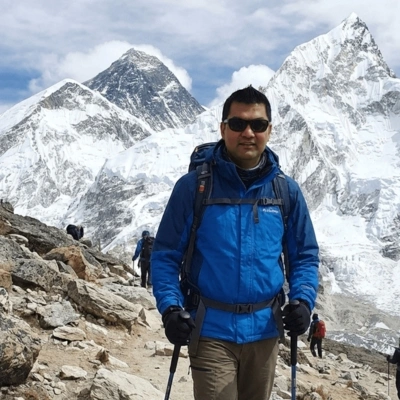
Doing a Kailash Kora involves walking about 52 kilometers over three days. The highest point is Dolma La Pass, which stands at 5,636 meters above sea level. This is even higher than Everest Base Camp. You don't have to be an athlete to do it, but you do need to be realistic about your current fitness level and to prepare well.
Proper acclimatization is the key factor in this trip. Acute Mountain Sickness (AMS) can occur at an altitude, and even healthy, fit people can be affected. The basic rule is to ascend slowly, take breaks when the body asks for them, and never ignore symptoms such as severe headache, persistent nausea, loss of coordination, or confusion. If symptoms are serious, then going down is the correct decision.
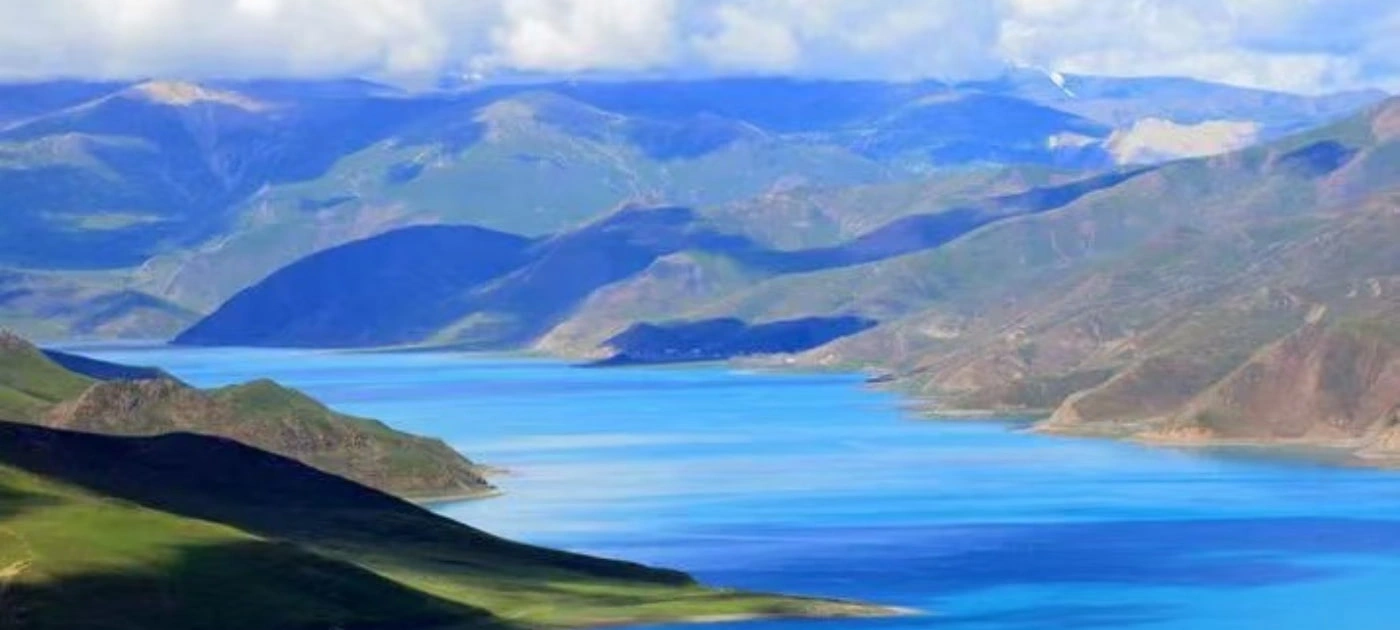
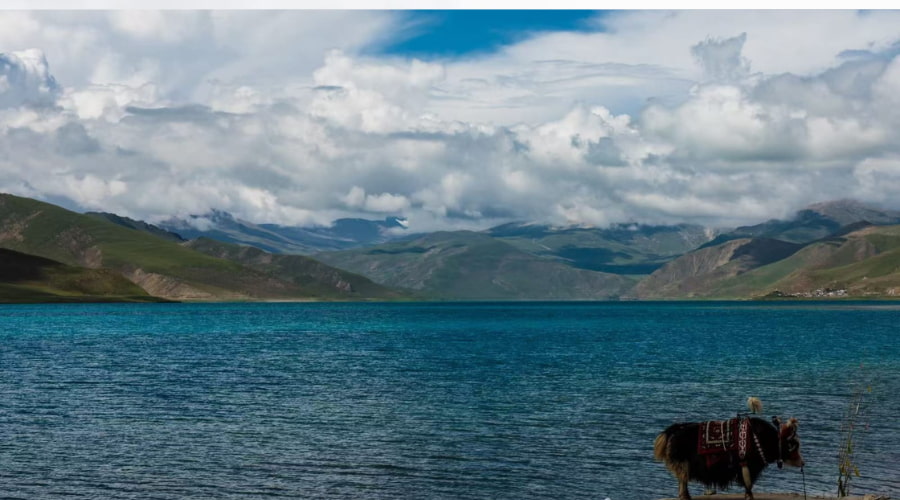
The acclimatization plan that is included in the majority of Holy Kailash Tours itineraries is very well thought out. The road trip from Kathmandu through Kerung, Saga, and Paryang to Darchen takes several days, precisely so the body can gradually adjust to the increasing altitude. After completing the Kora, pilgrims will also have a rest day at the beautiful Lake Mansarovar.
One of the first steps to physically prepare for the trek is to engage in a regular cardio regimen for three to four months before the departure date. Going for a walk or hike, daily biking, swimming, and stair climbing are a few examples of activities that enhance one's cardiovascular fitness, a crucial factor in coping with high altitudes. Practicing yoga, especially pranayama and breath exercises, is very beneficial for the lungs, which will have to operate in thin air. In fact, the importance of hydration is greater than most of the faithful will imagine. Drink water continuously throughout the pilgrimage, even if you are not thirsty. Abstain from alcohol while being at a high altitude. If your doctor has given you the go-ahead, always keep Diamox (acetazolamide) on hand, as it can greatly alleviate the symptoms of AMS.
In fact, the importance of hydration is greater than most of the faithful will imagine. Drink water continuously throughout the pilgrimage, even if you are not thirsty. Abstain from alcohol while being at a high altitude. If your doctor has given you the go-ahead, always keep Diamox (acetazolamide) on hand,d as it can greatly alleviate the symptoms of AMS. Since temperatures can get really low, it's advisable to bring warm clothes that you can layer even in the summer months. It should be noted that the temperature at Dolma La Pass could plunge to -10 °C or less during the night or in bad weather.
Sturdy trekking boots that are waterproof and offer very good ankle support are an absolute must. Using trekking poles will be a great help when descending from Dolma La, as the path is steep, loose, and long.
Why Choose Holy Kailash Tours for Kailash Mansarovar Yatra 2026
A pilgrimage to Mount Kailash is not the kind of trip you can plan on your own. The permits are complicated. The altitude is dangerous. The logistics of travelling through two countries, several border crossings, and weeks of remote mountain travel are so complex that only someone who has done it many times would have the know-how.
Holy Kailash Tours is one of the companies that have been offering Kailash Mansarovar Yatras for a long time. After forming a team very familiar with the routes, border protocols, local authorities, and the landscape, it has been offering these Yatras for a long time. The guides are polyglots, and not only understand the logistical and spiritual aspects of the trip but also remain with the group at all times. If a pilgrim gets sick due to altitude, the team is fully prepared to handle the situation and even knows who to contact.
One cannot say that the itineraries made by Holy Kailash Tours are just like any standard ones. Every package reflects a keen eye for detail, such as realistic acclimatization, meaningful time at Lake Mansarovar, proper pacing around the Kailash Kora, and flexible buffers for weather or permit delays. The team refrains from speeding up the trip, as they know its essence.
For the Kailash Mansarovar Yatra 2026, Holy Kailash Tours is offering you the opportunity to make a journey to the sacred Mount Kailash via the Kyerung overland route, the Lucknow Simikot-Hilsa route, or heli-assist options, and Kailash Yatra via Lhasa for pilgrims who need them. All Tibet permits and visas are included in the packages, as well as accommodations, meals, ground transportation, English-speaking guides with experience, porters for the Kora, and oxygen support at the high camps.
What Holy Kailash Tours offers is not only a full understanding of your purpose for visiting Kailash, but also a team that does not see this as just a commercial trek. The guides see the whole journey of a pilgrimage as a sacred way that requires one-pointed care, respect, and genuine preparation.
Final Thoughts on Kailash Mansarovar Yatra 2026
Coming back from Kailash is like coming back from a different planet, but not in a ver,y very explicit manner. It is an internal change. A person is gradually transformed, without even realizing it, in their way of dealing with difficulties, the thoughts at that point no longer worrying about, and their comfortable attitude toward the very questions they have been needing answers to for so long.
The mountain does not give explanations but presence instead. When you circumambulate the mountain, you feel the wind from Dolma La, you see the sunrise illuminate the south face of Kailash, and at that moment, you find a kind of calmness within you.
The Kailash Mansarovar Yatra 2026 has the exceptional effect of a horse year. It only happens once every twelve years. The pilgrims who undertake this journey this year will have the opportunity to experience that time with them for the rest of their lives. Irrespective of whether you see Kailash as a Hindu, a Buddhist, a Jain, a Bon, or just a person who is drawn to the mountain without even knowing why, the journey is out there for you to take.
Holy Kailash Tours is ready and willing to support you on your way to seeing this vision come to life. Make contact early. Prepare your papers. Prepare yourself. And have faith that the mountain chooses to meet pilgrims at their level.
Frequently Asked Questions About Kailash Mansarovar Yatra 2026
1. Why is 2026 seen as a very lucky year for the Kailash Mansarovar Yatra?
2026 is the Tibetan Year of the Horse. Mount Kailash is considered the dwelling place of the deity Demchok, who is associated with the horse. Doing the Kailash Kora in the Year of the Horse is said to grant you the merit of thirteen ordinary Koras. This time only comes once every twelve years, so pilgrim interest surges dramatically during Horse Years.
2. When is the best time to take the Kailash Mansarovar Yatra in 2026?
The season is from May to September. The end of May and the beginning of June have the clearest skies. July is the busiest time as it is also the time for Guru Purnima and Saga Dawa Festival. September is less crowded, and the visibility is very good. Depending on your priorities (crowd levels, religious timing, weather predictability), the best time can vary.
3. How hard is the Kailash Kora trek, and who is it suitable for?
The Kora is a 52-kilometer, three-day trek reaching up to 5,636 meters at Dolma La Pass. It can be either moderate or quite challenging. Most reasonably fit pilgrims aged 18 to 7, who have done proper preparation and acclimatization, will be able to complete it. Those with heart or lung problems should talk to their doctor before making a decision.
4. What permits are required for the Kailash Mansarovar Yatra from Nepal?
Pilgrims traveling via Nepal need a China Group Visa, a Tibet Travel Permit, an Alien Permit for Ngari Prefecture, and an area permit for the Kailash region. Your registered tour operator will organize all these. You cannot apply for these permits on your own. Holy Kailash Tours handles the entire permit issuance as part of its Yatra packages.
5. When is the right time to book the Kailash Mansarovar Yatra 2026?
Demand is quite high in 2026 as it is a Horse year. The most popular departure dates are usually booked months in advance. To get the best choice of dates and group sizes, you should book by January or February 2026. If you wait until April or May, you may end up with no choice of your favored window at all.
Holy Kailash Tours | Kathmandu, Nepal | Specializes in Kailash Mansarovar Yatra, Everest Base Camp Trek, Annapurna Base Camp Trek, Langtang Valley Trek, Manaslu Circuit Trek, Mardi Himal trek, and Himalayan Pilgrimage Journeys