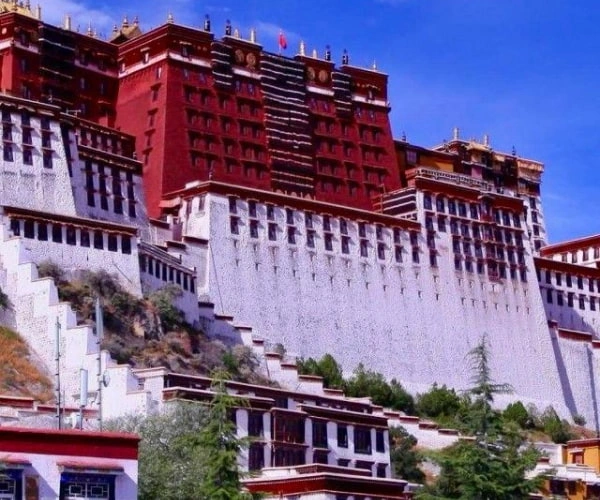
Overview of Kailash Mansarovar Yatra Cost
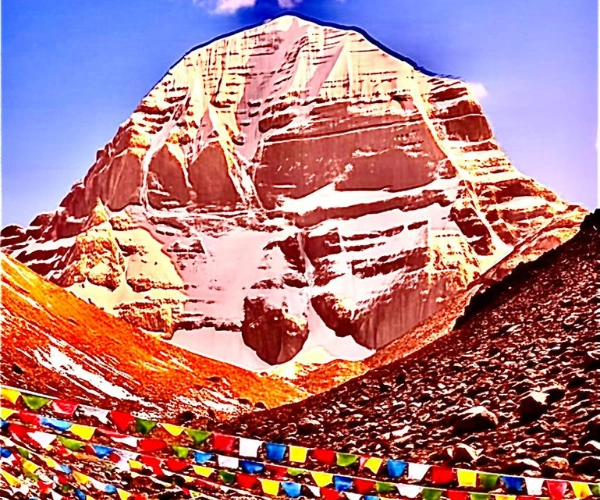
The Kailash Mansarovar Yatra is not just a picnic. You are walking in the high Tibetan mountains, crossing the border in the middle of nowhere, and doing the holy 52 km Kora (circumambulation) of Mount Kailash. Such a degree of planning and logistics requires a big budget.
The overall Kailash Yatra budget varies depending on various factors. The biggest one is the route. Are you coming by land from Nepal, flying to Lhasa, or taking a helicopter? Each has its own cost. Then we should not forget permits, accommodation, food, guides, and personal expenses.
On average, a budget Kailash Yatra from Nepal costs about USD 2,600-3,500 per person. A mid-range trip costs between USD 2,600 and USD 4,000. A luxury Kailash Mansarovar Yatra package can cost from USD 4,80 to USD 8,000, or more.
Helicopter packages from Nepal typically cost between USD 3,500 and USD 5,500, depending on the itinerary and inclusions. These are approximate figures. The following chapters detail each category so you are well-informed about where your money is going.
Trip Highlights
- Sacred pilgrimage to Mount Kailash, revered by Hindus, Buddhists, Jains, and Bon followers
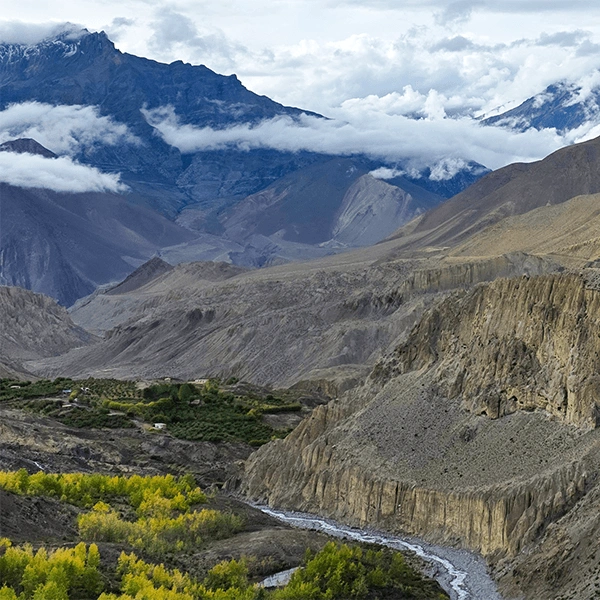
- Beautiful Views from Simikot to Hilsa along the Karnali River
- Holy Kailash Parikrama (Kora) covering all three spiritual days around the divine mountain
- Visit and spiritual immersion at Lake Mansarovar, one of the highest freshwater lakes in the world
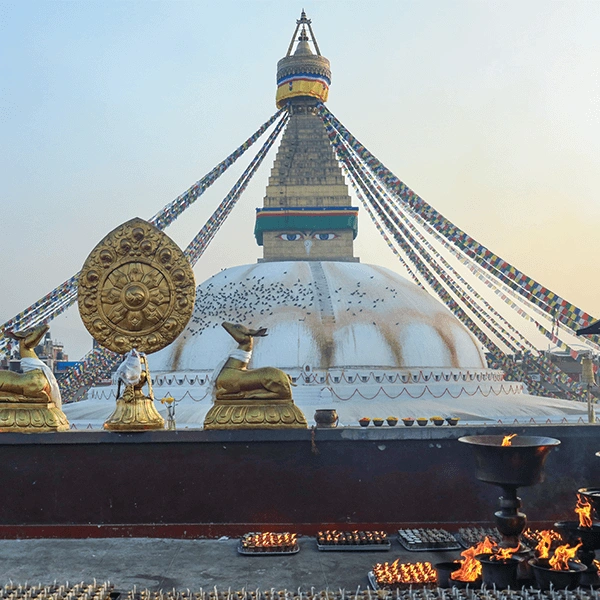
- Darshan at Pashupatinath Temple in Kathmandu before entering Tibet
- Crossing the sacred and challenging Dolma La Pass (5,630 m)
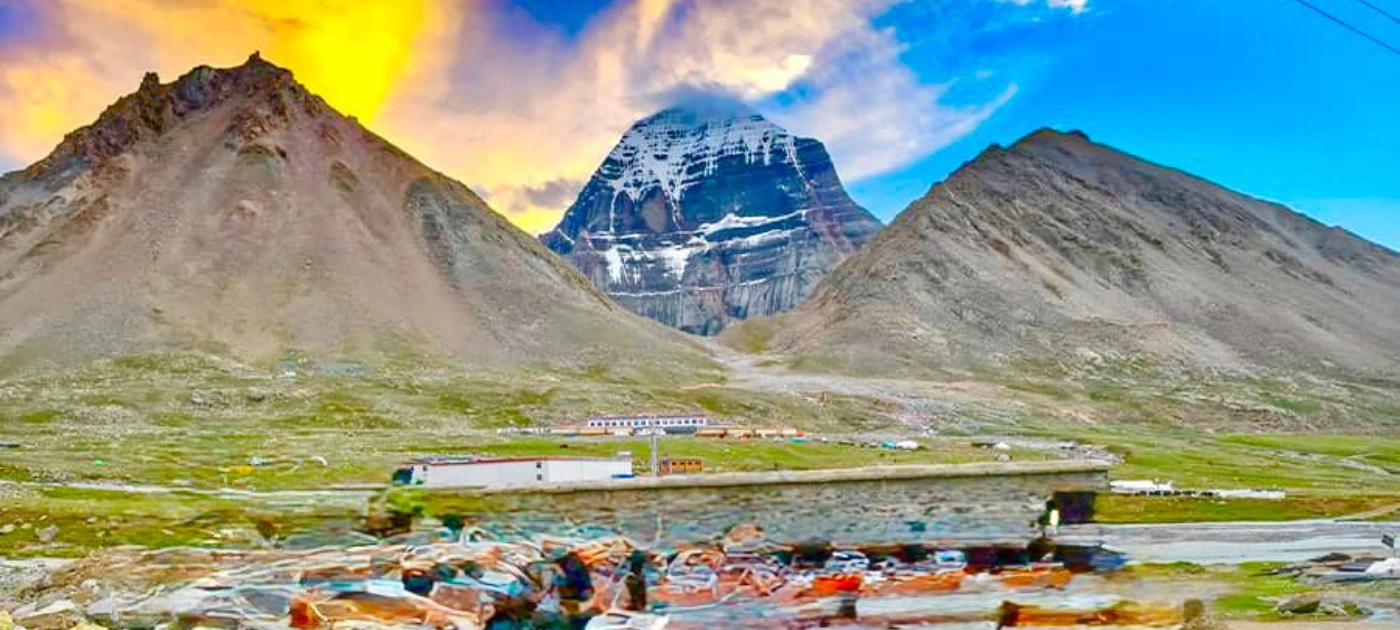
- First breathtaking glimpse of Mount Kailash from Darchen
- Carefully planned acclimatization days for safe high-altitude travel
- Experienced Nepali and Tibetan guides with deep knowledge of the route and rituals
- Scenic overland journey through the vast Tibetan Plateau
- Supportive pilgrimage environment with group prayers and puja opportunities
- Ethical travel practices with fair treatment of staff and porters
- Well-coordinated logistics, including permits, visas, and border formalities
The Kailash Yatra Day-to-Day Detailed Itinerary
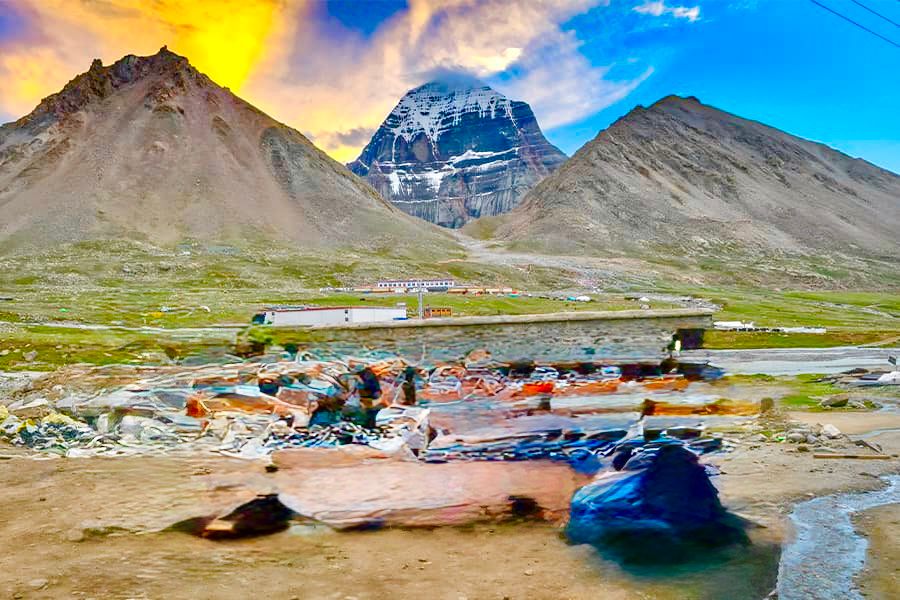
Day 1 Lucknow to Nepalgunj (Drive: approx. 6–7 hours)
The Kailash Mansarovar Yatra with Holy Kailash Tour Pvt. Ltd. begins with a comfortable overland journey from Lucknow to Nepalgunj. This drive passes through the fertile plains of northern India before crossing into Nepal at the border. Nepalgunj serves as a key gateway for pilgrims heading toward the remote western Himalayas. Upon arrival, guests are transferred to a well-appointed hotel. The remainder of the day is reserved for rest after the long drive. In the evening, our team conducts a detailed briefing covering flight schedules, helicopter procedures, altitude awareness, and safety guidelines. Pilgrims are encouraged to stay hydrated and prepare mentally and physically for the sacred journey ahead. Dinner and an overnight stay will be arranged in Nepalgunj.
Duration: Drive: approx. 6–7 hours
Day 2 Nepalgunj to Simikot (Flight: approx. 1 hour) | Acclimatization Day
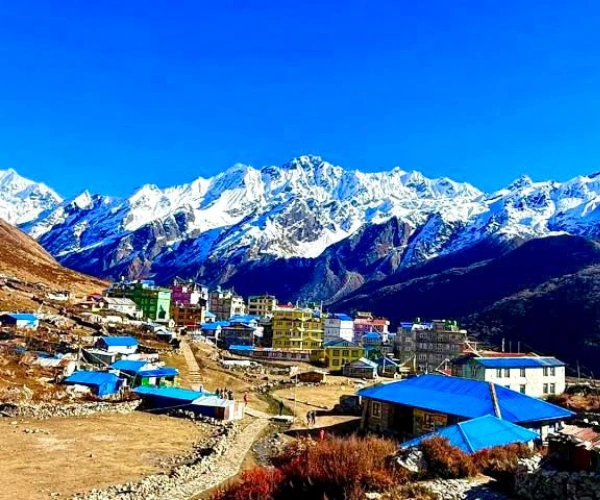
After an early breakfast, pilgrims transfer to Nepalgunj airport for a scenic mountain flight to Simikot, the headquarters of Humla district. This flight offers stunning views of hills, deep valleys, and distant Himalayan peaks. Simikot is located at an altitude of 2,900 meters, making acclimatization essential. Upon arrival, Holy Kailash Tour Pvt. Ltd. arranges hotel or lodge accommodation. The rest of the day is dedicated to acclimatization and light exploration of Simikot town. Gentle walks are recommended to help the body adjust to the altitude. Guests can visit local monasteries, interact with locals, and observe the unique Himalayan lifestyle. Proper rest, hydration, and minimal exertion are strongly advised. Overnight stay will be in Simikot.
Duration: Flight: approx. 1 hour
Day 3 Simikot to Hilsa (Helicopter Flight: 20 minutes) – Taklakot (Drive: approx. 1 hour)
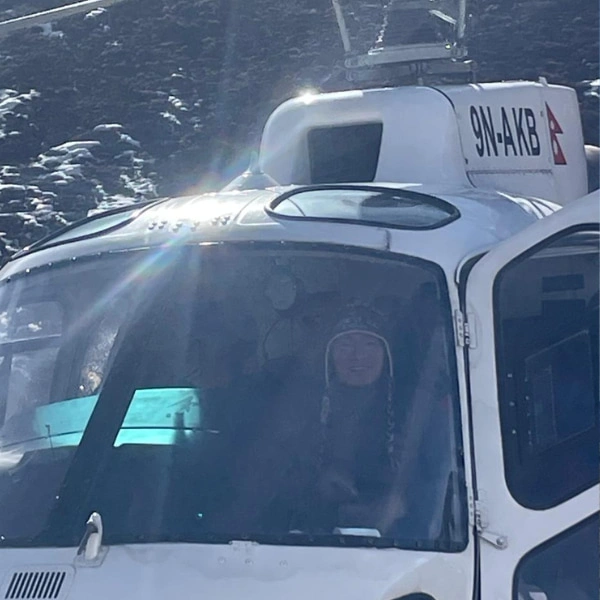
Today’s journey begins with an exciting helicopter flight from Simikot to Hilsa, dramatically reducing walking time and physical strain. The helicopter ride offers spectacular aerial views of the Karnali River gorge and rugged Himalayan terrain. Upon landing at Hilsa, pilgrims complete Nepal–Tibet border immigration formalities with assistance from the Holy Kailash Tour Pvt. Ltd. team. After crossing into Tibet, the journey continues by road to Taklakot (Purang). Taklakot is a modern Tibetan town situated at approximately 3,900 meters altitude. Upon arrival, guests check into a comfortable hotel equipped with modern amenities. The evening is free for rest and short acclimatization walks. Dinner and overnight stay will be in Taklakot.
Day 4 Taklakot to Mansarovar Lake (Drive: approx. 4–5 hours)
After breakfast, pilgrims set out on a scenic drive across the vast Tibetan plateau toward the sacred Mansarovar Lake. The route passes through wide open landscapes, high mountain passes, and grazing grounds of yaks and sheep. Along the way, pilgrims may catch their first clear view of Mount Kailash, a deeply emotional and spiritual moment. Upon reaching Mansarovar Lake at an altitude of approximately 4,590 meters, pilgrims are welcomed by its serene turquoise waters. Time is allocated for spiritual rituals, meditation, and prayer along the lakeshore. Holy Kailash Tour Pvt. Ltd. ensures sufficient rest time due to the high altitude. Dinner and overnight accommodation will be arranged near Mansarovar Lake.
Duration: Drive: approx. 4–5 hours
Day 5 Mansarovar Lake to Darchen (Drive: approx. 1–2 hours)
Early in the morning, pilgrims have the opportunity to perform holy rituals, puja, and meditation at Mansarovar Lake. Some may also collect sacred water as a blessing for family members back home. After breakfast, the journey continues by vehicle to Darchen, the base camp of Mount Kailash Parikrama. The drive is short but offers magnificent views of Mount Kailash’s southern face. Upon arrival in Darchen, pilgrims check into their guesthouse and rest. Holy Kailash Tour Pvt. Ltd. conducts a briefing about the upcoming Parikrama, including walking distances, altitude challenges, and safety measures. Light walks are encouraged to maintain acclimatization. Dinner and overnight stay will be in Darchen.
Duration: Drive: approx. 1–2 hours
Day 6 First Day Parikrama – Drive to Yam Dwar (30 minutes) & Trek to Dirapuk (Trek: 5–6 hours)
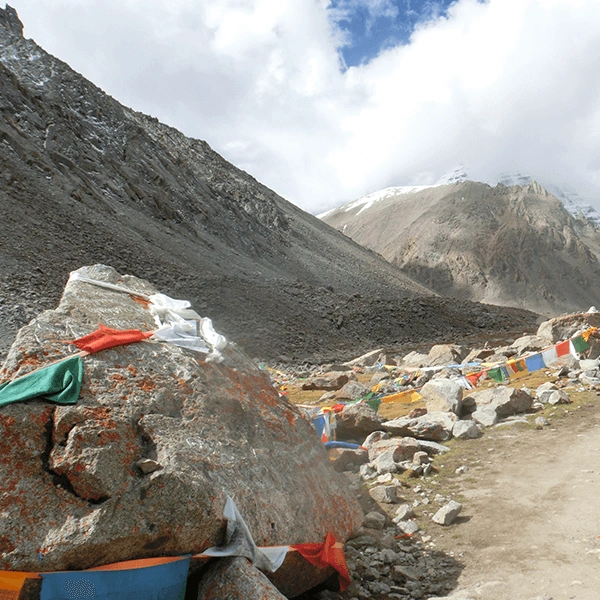
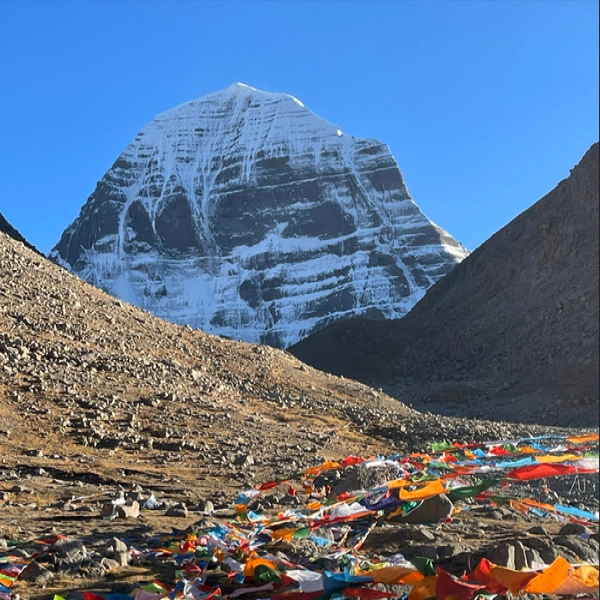
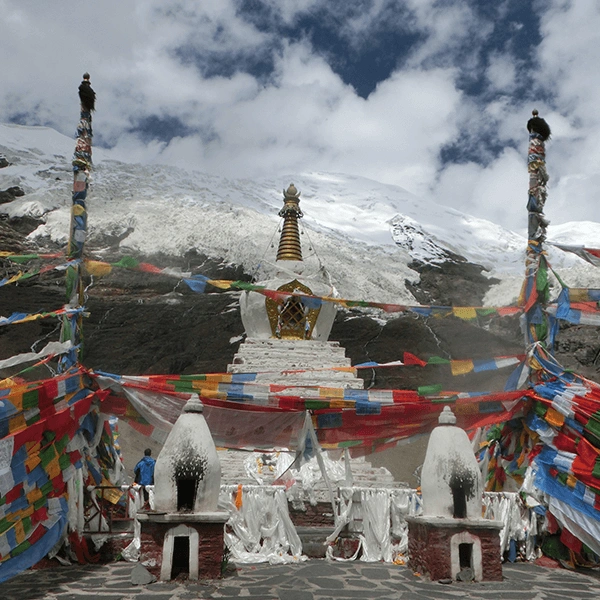
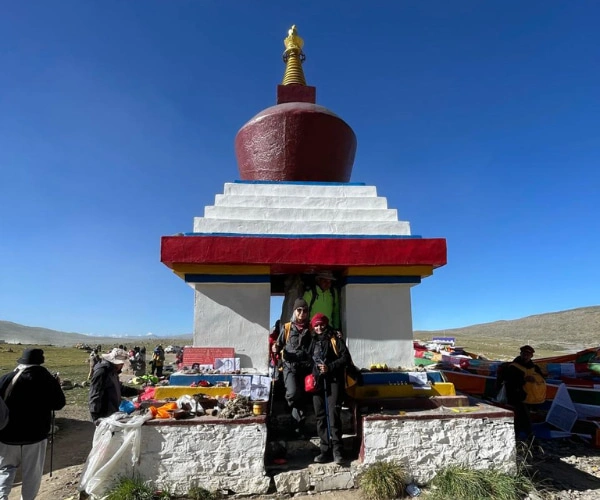
The sacred Mount Kailash Parikrama begins today. After breakfast, a short drive takes pilgrims to Yam Dwar, known as the “Gate of Death,” which marks the official starting point of the circumambulation. From here, the trek gradually ascends along the Lha Chu River toward Dirapuk. The trail is spiritually charged, with prayer flags, mani stones, and stunning views of Mount Kailash’s north face. Pilgrims often chant mantras while walking, creating a powerful devotional atmosphere. The trek is long but steady, suitable for those who maintain a slow and consistent pace. Upon arrival at Dirapuk, located at an altitude of 4,900 meters, pilgrims rest and acclimatize. Overnight stay will be in a guesthouse at Dirapuk.
Day 7 Second Day Parikrama – Dirapuk to Zuthulpuk via Dolma La Pass (Trek: 8–9 hours)
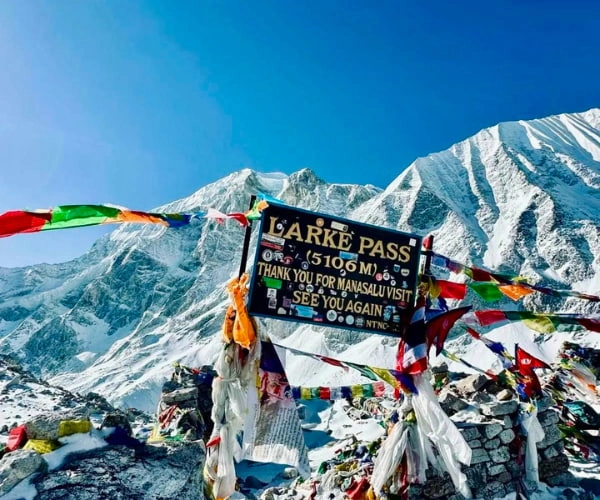
This is the most demanding yet spiritually rewarding day of the Kailash Mansarovar Yatra. The trek starts early in the morning with a steep ascent toward Dolma La Pass, which stands at approximately 5,630 meters. This section requires physical endurance and mental strength. At the pass, pilgrims offer prayers and hang prayer flags before descending toward the sacred Gauri Kund. The descent can be challenging due to loose rocks and icy paths, followed by a long gradual walk to Zuthulpuk. Completing this day is believed to cleanse past karma and bring spiritual liberation. Upon arrival at Zuthulpuk (4,670 meters), pilgrims rest and recover. Dinner and overnight stay will be at a guesthouse.
Duration: Trek: 8–9 hours
Day 8 Zuthulpuk to Darchen (Trek: 2–3 hours) – Taklakot (Drive: approx. 4–5 hours)
After breakfast, pilgrims complete the final section of the Kailash Parikrama with an easy walk from Zuthulpuk to the road point near Darchen. This gentle trail allows time for reflection on the sacred journey. After reaching the vehicle point, pilgrims drive back to Darchen and continue onward to Taklakot. The scenic drive across the Tibetan plateau offers relaxation after the demanding trek. Upon arrival in Taklakot, guests check into their hotel and enjoy a warm meal. Holy Kailash Tour Pvt. Ltd. ensures a comfortable rest after the successful completion of the Parikrama. Overnight stay will be in Taklakot.
Day 9, Taklakot to Hilsa (Drive: approx. 1 hour) – Simikot (Helicopter Flight: 20 minutes)
After breakfast, pilgrims drive back to the Hilsa border point. Following exit immigration procedures in Tibet and entry formalities in Nepal, guests board a helicopter for the return flight to Simikot. The helicopter journey once again provides spectacular aerial views of the Himalayan terrain and Karnali River valley. Upon arrival in Simikot, pilgrims are transferred to their lodge or hotel. The remainder of the day is free for rest and relaxation after the long pilgrimage. Overnight stay will be in Simikot.
Day 10, Simikot to Nepalgunj (Flight: approx. 1 hour) – Transfer to Lucknow (Drive: 6–7 hours)
On the final day, pilgrims take an early morning flight from Simikot to Nepalgunj. After arrival, Holy Kailash Tour Pvt. Ltd. arranges a comfortable road transfer back to Lucknow. As the journey concludes, pilgrims depart with a deep sense of spiritual fulfillment and lifelong memories of Mount Kailash and Mansarovar Lake. Arrival in Lucknow marks the official end of the Kailash Mansarovar Yatra.
Total Cost of Kailash Mansarovar Yatra in 2026
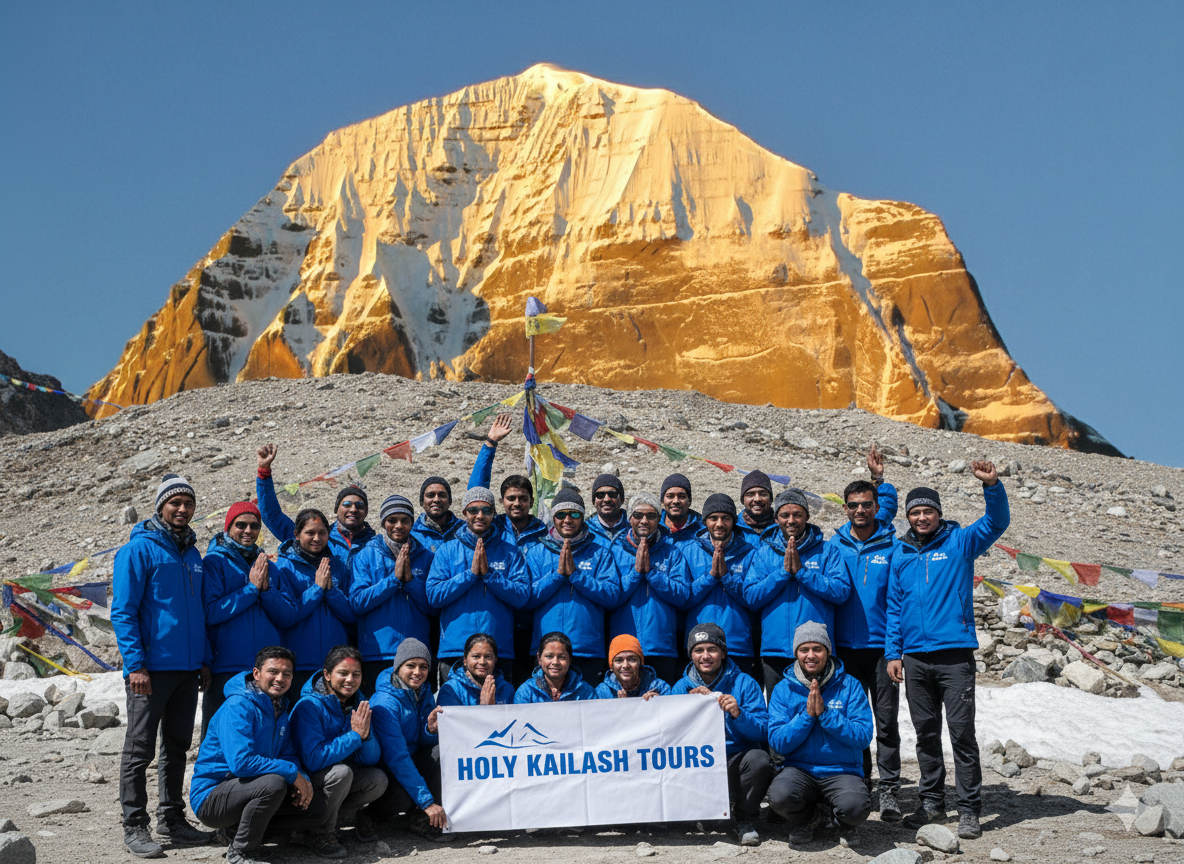
Here is an at-a-glance guide to likely total expenditure in 2026:
- Budget overland Yatra (from Nepal): USD 2,600 to USD 3,600 per person
- Mid-range overland Yatra (from Nepal): USD 2,900 to USD 4,000 per person
- Luxury overland Yatra (from Nepal): USD 5,000 to USD 8,000 per person
- Helicopter Yatra (from Nepal): USD 3,500 to USD 5,500 per person
- Kailash Yatra from Nepal (overland via Kerung): USD 2,600 to USD 5,000 per person (depending on route and services)
Generally speaking, they mainly include group transportation, shared lodging, permits, and guided services. At times, they might exclude international flights to Kathmandu, personal belongings, travel insurance, and tips.
Every year, prices change due to variations in permit fees by the Chinese and Tibetan authorities, oil prices, currency rates, and tourist seasons. It is strongly recommended to check with your tour operator for the latest pricing before you commit to a booking.
Factors That Affect Kailash Yatra Cost
August attracts a large number of people, and prices might even be a bit higher due to the increased demand.
Season and timing. If you decide to go in May or September, you can get attractive prices, but the weather is likely to be the least predictable.
Route. The Nepal route (Kerung or Purang border crossings) is usually cheaper and more convenient than the Indian routes.
Size of the group. Being part of a large group almost always means lower individual costs. The customized private tour for two people will be much more expensive than a group tour for 21 to 150 pilgrims.
Type of transport. Jeep or Land Cruiser rides on the road through Tibet cost less than helicopter flights. Still, helicopter trips spare you days of travel over relatively bumpy, high-altitude roads, and that has not only a physical but also an emotional value.
Accommodation standard. Most of the guesthouses in Tibet are not only cheap but also very simple. However, the cost of staying in better hotels in Lhasa or Kathmandu will be included in your overall cost.
Budget vs Luxury vs Helicopter Yatra Comparison
Here's a side-by-side look at how these three options compare:
Feature Budget Luxury Helicopter
Estimated cost USD 1,500 to USD 2,500 USD 4,000 to USD 7,000 USD 3,500 to USD 5,500
Travel mode Overland jeep/ Land Cruiser Private 4WD with upgrades Helicopter for key segments
Accommodation Basic guesthouses Better hotels where available Varies (often mid to good)
Duration 14 to 18 days 15 to 22 days 8 to 12 days
Group type Shared group tour Small group or private, Small group
Meals Basic local food Better meal options Included at key stops
Comfort level Low to moderate Good Moderate to good
Best for Budget-conscious pilgrims Those wanting more ease, physically limited travellers,
those short on time
Each choice has real worth. It seems like it's not about picking the best one. It's about how well it fits your body, your time, and your bank account
Cost of Kailash Mansarovar Yatra from Nepal
Nepal is probably the most popular and accessible starting point for the Kailash Mansarovar Yatra. Kathmandu has flights from India, Southeast Asia, and farther regions. From there, the route goes through the Kerung border crossing into Tibet, then heads west across the Tibetan plateau to Mount Kailash.
The full overland trip from Nepal usually lasts 14 to 18 days, includes driving through Tibet, stops in Lhasa and Shigatse (optional on some itineraries), time at Lake Mansarovar, and a three-day Kailash Kora.
Estimated cost from Nepal:
- budget group package, USD 2,600-3,500 per person;
- mid-range group package, USD 3,500-4,000 per person;
- luxury or private package, USD 5,000-8,000 per person.
These packages tend to cover all Tibet permits, overland transport, lodging in Tibet, a Tibetan guide, and a Nepali tour escort. Meals in Tibet may or may not be included depending on the arrangement.
Holy Kailash Tours runs several departures each season from Kathmandu. Our team manages permit coordination, entry logistics into Tibet, and ground support so pilgrims can focus on the spiritual journey rather than administrative tasks.
Kailash Yatra Permit Cost
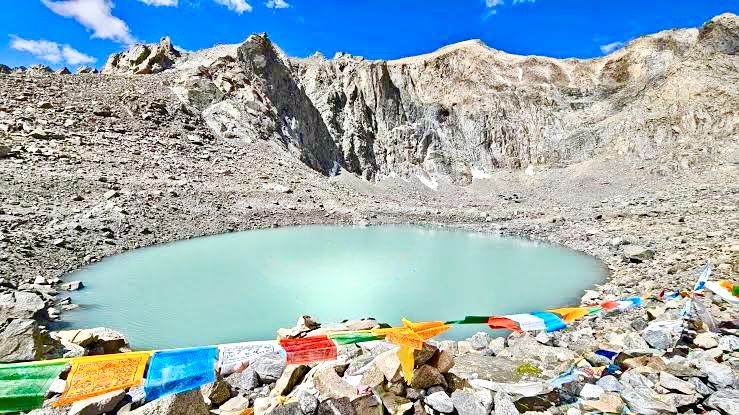
Getting permits is a great part of the Kailash Mansarovar Yatra cost, and there's no way around it. You cannot enter Tibet without the correct paperwork. This is the principal permit that any foreigner needs to enter Tibet. It is obtained through your accredited travel operator and is NOT something you can do on your own. Cost: usually USD 50-80 per person; however, this is generally included in tour packages.
This is the permit you need if you want to visit places outside Lhasa, like the roads to Mount Kailash. Just like before, it is your operator who will arrange it for you. The estimated cost is between USD 20 and USD 40 per person.
This permit imposes restrictions on specific areas in western Tibet near the Kailash region. The estimated cost is between USD 15 and USD 30 per person. This is a particular permit to make the circumambulation of Mount Kailash.
The price varies, but it's usually included in your tour package. Altogether, permit-related expenses may range from USD 100 to USD 200 per person, depending on the number of permits. It is a fact that most well-known tour operators include permits in their total package price.
Visa Cost for Tibet and China Travel
Tibet is part of China; however, its travel permit system differs from that of the rest of China. Foreigners are not allowed to get a regular Chinese visa and enter Tibet on their own. They need to get a group visa arranged through a licensed Tibet travel agency.
China group visa: It's arranged by your tour operator and allows you to enter Tibet as part of a group. The price is around USD 50-100, depending on your nationality. Some nationalities pay more, while others pay less. Indian passport holders have in the past been subject to some restrictions, so it is advisable to check the latest rules before booking.
Chinese tourist visa (if your visit to Tibet is combined with other areas of China): If your itinerary includes staying in Chengdu, Beijing, or other mainland Chinese cities before going to Lhasa, a regular Chinese tourist visa will be necessary. The price will be from USD 80 to USD 140, depending on your country and whether it is a single or double entry.
Holders of Nepalese passports and citizens of certain other countries can benefit from special agreements that China has with their countries. Check with your travel agent regarding your visa requirements at least three months before your travel date.
Holy Kailash Tours assists every traveller by helping them understand the precise visa requirements for their nationality and also handling the group visa application process as a part of the service.
Transportation Cost for Kailash Yatra
The cost of the journey to Mount Kailash adds up to your overall budget.
Flight to Kathmandu: International from India costs between INR 20,000 and INR 30,000 one way - prices shift based on airline and when you book. International travelers face different rates depending on their origin. Once in Kathmandu, Holy Kailash Tours handles transport to the Kerung border crossing. Most packages include a shared Land Cruiser or jeep ride for this leg.
Kathmandu to the Tibet border: It's typically around USD 150-250 if you pay separately. From Kerung to Darchen,
Tibet border to Mount Kailash (overland) the overland route spans about 1,100 kilometers through Tibet. That stretch is covered by Land Cruisers and included in most tours. If booked apart,
Helicopter transport costs USD 500-800 per person. Helicopter travel from Simikot or Nepalgunj to Hilsa, and into Tibet, costs between USD 1,400 and USD 2,500 - that's just the flight, other expenses. Some operators include this as a bundled option.
Lhasa flights: Some itineraries include a flight from Kathmandu to Lhasa, which adds around USD 500-650 per person, one-way. This reduces road travel time but increases costs.
Accommodation Cost During Kailash Yatra
Accommodation during the Kailash Yatra will be a very different experience from a regular holiday. You can go for very simple or somewhat comfortable ones, and prices will be accordingly.
- Kathmandu: Good mid-range hotels in Thamel or the tourist district can be found for USD 30-80 per night. Luxury hotels in Kathmandu cost between USD 120 and USD 300 per night.
- In Lhasa (if included): Hotel prices generally range from USD 60 to USD 120 per night for decent options. A few luxury accommodation options are available. USD220-350 per Room
- Along the Tibet route: Guesthouses between Lhasa and Kailash are quite basic. Shared rooms with limited heating are usual. Budget stays cost USD 30-50 per person per night. Better options, where available, can be USD 60 to USD 120.
- At Lake Mansarovar, accommodation is very basic. Shared dormitory-style rooms or basic guesthouses. Cost is usually around USD 50-85 per person per night.
- Darchen and the Kora period: Accommodation during the three-day Kora is minimal. Simple guesthouses with shared facilities are standard. Prices are low, but comfort is at a minimum.
Most tour packages include accommodation. When comparing packages, check whether accommodation is in shared or private rooms, and which hotel standard is used in Lhasa and Kathmandu.
Budget Yatra Section
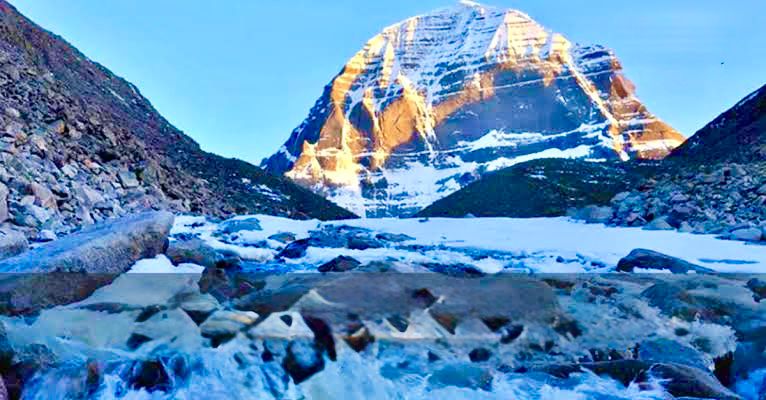
Budget Kailash Mansarovar Yatra Cost Breakdown:
A budget Kailash Yatra from Nepal is for those pilgrims who want to perform the holy journey but do not want to spend a
Here's a typical breakdown for a budget group tour:
- Tibet permits and government fees: USD 150 to USD 200
- Overland transport (Kathmandu to Kailash and back): USD 400 to USD 600
- Accommodation Nepal(shared rooms throughout): USD 200 to USD 350
- Accommodation Tibet (shared rooms throughout): USD 1200 to USD 1600
- Meals (basic local food): USD 150 to USD 250
- Nepali guide and Tibetan guide fees: USD 300 to USD 500 (shared across group)
- Miscellaneous and entry fees: USD 200 to USD 400
Total: approximately USD 2,600 to USD 3,000 per person
What Is Included in Budget Kailash Packages
Most budget packages from Nepal-based operators include the following:
- All Tibet travel permits (Tibet Travel Permit, ATP, Military Permit)
- Shared Land Cruiser transport from the Nepal border through Tibet and back
- Shared room accommodation in guesthouses throughout
- An experienced Nepali tour leader and a Tibetan guide
- Group meals at some stops (breakfast and dinner in many cases)
- Basic first aid support and emergency oxygen
What Is Not Included in Budget Packages
Budget packages usually leave out several things. These are common exclusions:
- International flights to and from Kathmandu
- Nepal visa (for non-Nepali travellers)
- Travel insurance
- Personal trekking gear (sleeping bag, warm clothing, boots)
- Lunch during most travel days
- Tips for guides and support staff
- Personal porter for the Kora
- Any extra sightseeing or detours
Hidden Costs in Budget Kailash Yatra
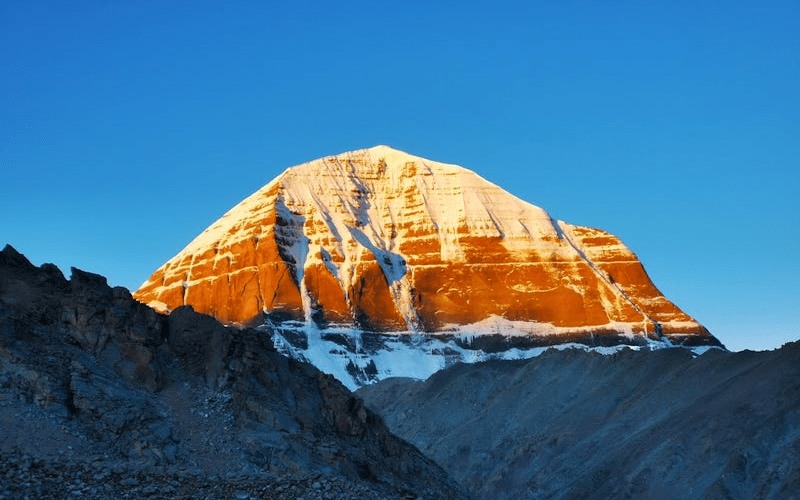
Even with a budget package, there are costs that catch people off guard.
Personal gear can be expensive if you don't already have proper high-altitude clothing and equipment. A sleeping bag rated to minus 10 or minus 15 degrees Celsius, trekking boots, thermal layers, and a down jacket are all necessary. Renting in Kathmandu is possible and can save money.
Medical costs are another surprise. Altitude sickness medication like Diamox may not be included. Supplemental oxygen at some guesthouses along the route is charged separately.
Communication costs, such as a local SIM card or satellite phone rental for safety, add up to a small but real amount.
Pros and Cons of Budget Kailash Yatra
Pros:
- The most affordable way to complete the sacred journey
- Still includes all essential permits and guided support
- Creates a genuine shared experience with fellow pilgrims
- Leaves room to donate or spend at temples along the way
Cons:
- Basic accommodation, especially during the Kora
- Long road journeys with fewer comfort stops
- Larger group sizes mean less personalised attention
- Shared rooms may not suit everyone
Luxury Yatra Section
A luxury Kailash Yatra involves undertaking the same holy pilgrimage with enhanced food, comfortable vehicles, and extra attentive service. The spiritual aspect of the pilgrimage remains unaffected; however, the physical exertion involved in the trip will feel significantly less. Here is an approximate guide:
Here's a rough breakdown:
- Tibet permits and government fees: USD 150 to USD 200
- Private Land Cruiser or upgraded 4WD transport: USD 1,200 to USD 2,000
- Better hotels in Lhasa and Kathmandu (private rooms): USD 1200 to USD 1,200
- Upgraded meals with more variety: USD 400 to USD 600
- Private Nepali guide and dedicated Tibetan guide: USD 400 to USD 600
- Medical support and supplemental oxygen: USD 200 to USD 400
- Miscellaneous and personal expenses: USD 600 to USD 800
Total: approximately USD 5,000 to USD 8,000 per person
What Is Included in Luxury Packages
Luxury packages offered by operators like Holy Kailash Tours typically include:
- All permits and government fees
- Private or small-group Land Cruiser transport (usually 4 to 6 passengers per vehicle)
- Private room accommodation at the best available hotels in Lhasa, Shigatse, and Kathmandu
- Meals at reputable restaurants with more variety and quality
- A dedicated Nepali tour escort and an experienced Tibetan guide
- Supplemental oxygen is available throughout the journey
- Emergency medical support protocols
- Porter for the Kailash Kora (at least one porter per pilgrim)
- Detailed pre-departure briefing and itinerary support
Hotel and Comfort Upgrades in Luxury Yatra
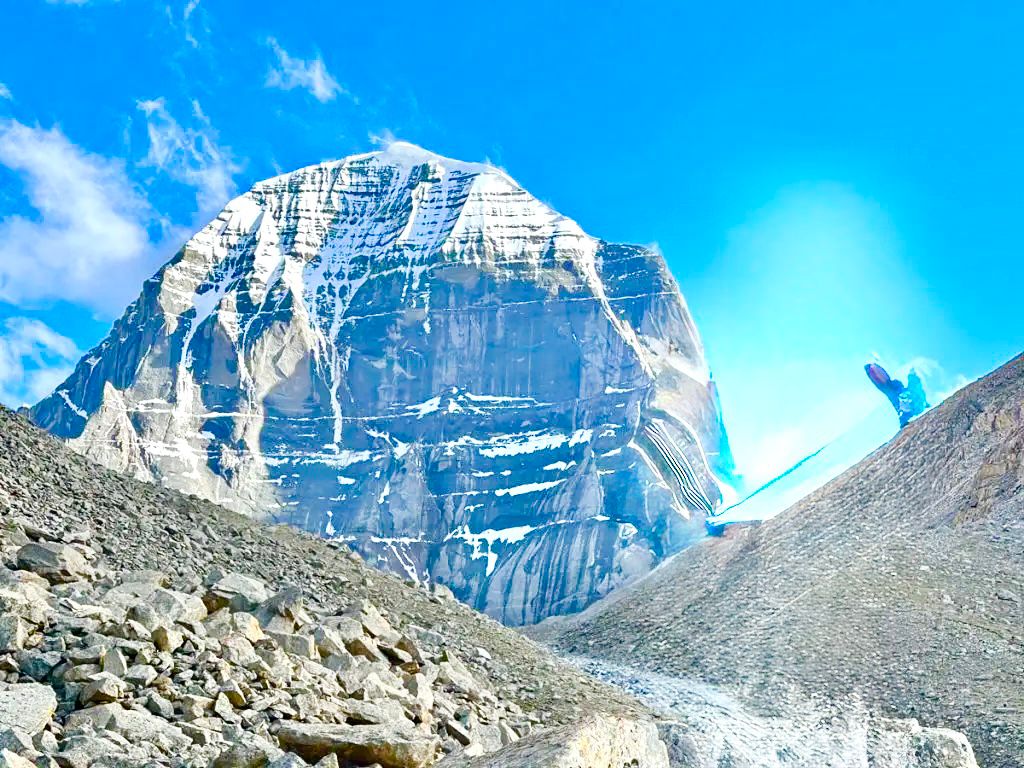
Hotel and comfort Upgrades in luxury Yatra. The shift in lodging quality stands out in Lhasa and Kathmandu, where real hotels are available. In Lhasa, upgraded stays offer private bathrooms, steady heating, and good beds. Also, in Kathmandu, luxury trips usually book three- to five-star hotels.
On the remote Tibet route, even high-end packages end up in guesthouses - no hotels exist there. Private rooms instead of shared dorms make a big difference after long, high-altitude treks. Also, private Transport and service costs.
Most luxury itineraries use private 4WD vehicles or rugged off-road trucks. Instead of eight to ten people in one vehicle, you get four to six passengers. The roads across Tibet are rough; suspension and seating really matter.
With a private car, you can stop whenever you want: for photos, prayers, or just resting. You're not stuck on a tight group schedule all the time (which helps when the terrain gets tricky).
The thing is, luxury doesn't cost more at Kailash. The Kora's still a tough three-day trek no matter what. But if you've been saving for years and want to feel strong when you go, resting along the way helps. Older folks or those with physical limits might find that extra comfort matters.
Budget trips still offer deep spiritual value. Mount Kailash doesn't charge extra for luxury access. You can feel the peace just as clearly on a tight budget. Physical shape changes how you handle the trek.
Helicopter Yatra Section
Kailash Mansarovar Yatra by Helicopter Cost
The helicopter option for the Kailash Mansarovar Yatra has grown more common recently. Holy Kailash is for those with tight schedules or mobility issues who find it most attractive. These packages usually run between USD 3,500 and USD 5,500 per person. Basic versions can start at USD 3,000. Premium ones with better lodging and extra stops exceed USD 6,000.
- Helicopter Route via Nepal Explained
- The most common helicopter Yatra route from Nepal works like this:
- flight from Kathmandu to Nepalgunj, a 1-hour flight.
- fly to Simikot on a small plane - around 45 minutes. From
- Simikot, board a helicopter to Hilsa at the Nepal-Tibet border.
- Enter Tibet and drive to Darchen, where the kora begins.
- Walk the three-day Kailash Kora loop.
- Return to the same route by helicopter, Nepalgunj Simikot via Purang.
Travelling by air reduces the time spent on long road trips. It offers a direct path across difficult terrain. Pilgrims skip days of driving through mountain passes. This cuts physical strain and travel stress. Plus, the journey can be completed in under 5 days.
This route cuts out the long overland drive through Tibet, which saves seven to ten days of vehicle travel. The total trip duration for a helicopter Yatra is usually 8 to 10 days compared to 11 to 16 days for the overland route.
What Is Included in Helicopter Packages
A typical helicopter Kailash Yatra package from Holy Kailash Tours includes:
- Flights from Kathmandu to Nepalgunj and Simikot
- Helicopter flights for the border crossing segments
- All Tibet permits and government fees
- Accommodation in Simikot, Hilsa, Darchen, and Mansarovar
- A Nepali guide and a Tibetan guide
- Meals are included at the stops
- Vehicle transport within Tibet
- Emergency support protocols
- Flights back to Kathmandu and international travel are typically not included
Time vs Cost Comparison of Helicopter Yatra
The helicopter alternative will cost about USD 2,600 to USD 3,500 more than a similar overland itinerary. However, it compensates by giving you 7 to 10 extra days of travel. If there are really few days available because of work or visa reasons, this swapping makes total sense.
In fact, getting a helicopter is not a luxury at all for seniors and handicapped pilgrims. Quite a few times, it is the only feasible way to make the Yatra without risking one's life. The longest part of the trip to Kailash is the road from the Nepal border.
At the same time, it is also the route to the highest altitudes, and there is certainly a shortage of medical facilities. In fact, the less one is up there, the fewer the chances of getting sick because of the altitude. One of the great benefits of a helicopter is saving a lot of time and reducing altitude exposure time for the very vulnerable travellers.
Risks and Weather Impact on Helicopter Cost
In addition to the points above, helicopter travel in the Himalayas also has some risks. This entails a risk that the travel of a helicopter is dependent on the weather for operations. Maybe one thing that can happen is that flights get delayed or even cancelled due to factors like cloud cover, rain, or wind, especially during the monsoon months of July and August.
This can increase your overall trip time by 1 to 3 days. This will mean additional costs for accommodation and food, which are not included in the package.
Helicopter mechanics and safety standards also vary - some are older, others use modern systems. Good tour operators like Holy Kailash Tours build buffer days into helicopter itineraries for exactly this reason.
Always ask about the policy for weather delays before booking. Some absorb these costs; others charge extra for additional nights. Book only with certified, well-maintained helicopters and experienced mountain pilots.
Extra Cost Considerations
Food and Personal Expenses During Yatra
The thing is, food along the Kailash Yatra route stays solidly low when you compare it to global norms, but choices shrink fast in remote Tibet. You'll get basic fare - noodles, rice, veggies, eggs, tsampa. Meat shows up but doesn't always meet expectations.
In Kathmandu and Lhasa, options are far better. Budget $20-$40 per day for meals not included in your package. Where meals are covered in remote areas, your out-of-pocket costs drop sharply. Snacks, bottled water, meds, and toiletries push your daily spend another $10 to $20. Carry cash, rupees, or yuan - since ATMs don't work well along the route.
Travel Insurance Cost for Kailash Yatra
But travel insurance is not optional for this trip. You're going above 4,500 metres into a region with little medical help. Getting out of western Tibet or near Kailash by helicopter could cost tens of thousands without coverage.
A solid policy that includes high-altitude trekking up to 5,700 metres at Dolma La Pass and emergency evacuation costs $80 to $250. The price depends on your country, age, and plan length. Always check the details. Most regular policies skip trips over 4,000 or 5,000 metres. You need one that explicitly covers Himalayan treks at high elevation.
Guide and Porter Cost
The thing is, most packages slap you with guide fees. But if you're going for a personal porter on the three-day Kailash Kora, that cost often shows up extra in budget tours. A porter charges USD 30-50 per day, so between USD 200 and USD 450 for the whole trip.
Hard to ignore how tough the kora gets at altitudes from 4,600 to 5,640 meters. For many pilgrims over fifty, paying for a porter is worth it. Your Tibetan guide fee is usually included in tour packages. The Nepali tour leader or escort is included as well. If you go custom and private, expect guide costs of USD 100-200 per day.
Tips and Donations During Yatra
Tipping your guides, drivers, and support staff is customary and appreciated. Thing is, most travelers don't realize how much money goes into daily support - USD 10 to 20 per day for a guide, USD 5 to 10 for drivers, and USD 5 to 10 for porters. Over a 20-day trip, that adds up to about USD 150-300.
Donations to monasteries and temples are a matter of personal choice. Pilgrims often give at key sites like Tirthapuri Hot Springs or the monasteries near Lake Mansarovar. During the kora, guests might also offer something at the Dirapuk or Zuthulpuk guesthouses. No set amount - give what feels right.
How to Save Money on Kailash Mansarovar Yatra
Some practical ways to lower your overall Kailash Yatra expenses without compromising safety or the main experience are:
- Book in a group. A group of 21 to 120 people halves transport costs per person.
- Travel in shoulder season, May or early September, brings cheaper rates and fewer travelers
- Carry your own gear. Renting in Kathmandu before departure is $220 less than buying gear in Lhasa
- Book early. Permits cap at 200 spots; securing one takes advance registration
- Choose a Nepal-based operator. Routes through Nepal cost 30% less than mainland China options
- Be realistic about needs. If you're fit and have trekked before, a basic package covers everything you'll actually use. Don't pay for upgrades that go unused
- Carry local currency. Exchange all money in Kathmandu before crossing into Tibet - rates there are 6% worse.
Group tours cut costs without lowering quality. May offers better pricing than peak months, though it still has some crowds. Bringing your own tent, sleeping bag, and food saves over $150 compared to buying on-site.
Booking six months in advance locks in space and often offers discounts of up to 15%. Nepal-based operators avoid high fees from Indian government programs. You don't need luxury meals or special guides if your experience stays grounded in the trek itself.
Final Thoughts
The Kailash Mansarovar Yatra is one of the most profound journeys a person can take. Plus, it isn't just a trip - it demands serious planning and real awareness of what is involved. If you choose a budget overland group tour from Nepal, go for a private package, or opt for a helicopter Yatra that cuts travel time and reduces physical strain, there's something for every traveler.
The total cost, permits, transport, lodging, meals, insurance, and personal spending usually falls between $2,000 and $7,000 per person. But this range varies depending on your package type and how you plan to travel.
At Holy Kailash Tours, we stand by honest pricing and clear inclusions. We offer real on-ground support. Our team in Kathmandu has handled the logistics for years - permits, high-altitude safety measures, route coordination. Whether you're starting out with little money or seeking comfort and ease, we help build a journey that's safe, organized, and rooted in spiritual purpose.
Planning begins now. Quotas for May, June, and August close fast, spots vanish in days Reach out to us. Compare routes. Take the first step toward Mount Kailash.
Kailash Mansarovar Yatra FAQs
1. What is the cheapest way to do the Kailash Mansarovar Yatra?
The thing is, the cheapest way to do the Kailash Mansarovar Yatra is to join a budget group overland tour from Nepal via the Kerung border crossing. A group of 21 to 150 people sharply reduces transport and guide costs. Packages from Nepal start at about USD 2,600 per person. But you still need to factor in international flights, travel insurance, personal gear, and tips.
2. How much does a helicopter Yatra to Kailash cost?
The helicopter option runs between USD 3,600 and USD 5,500 per person. That covers the flight from Simikot to Hilsa across the Nepal-Tibet border, all Tibet permits, local ground transport, guides, and lodging. It takes seven to ten days off your schedule compared to the overland route.
3. Is the Kailash Mansarovar Yatra expensive?
The Yatra isn't cheap by any stretch. But it's not out of reach either when you see what's included. You need multiple permits, complex cross-border logistics, specialized guides, and high-altitude transport through one of Asia's most remote areas. Budget packages from Nepal begin around USD 1,500 to USD 2,500 per person for a 15- to 22-day guided trip in Tibet.
4. What is included in a standard Kailash Yatra package?
Most standard Kailash Yatra packages cover the Tibet Travel Permit, ATP, and military Area Permit. Overland transport is provided by Land Cruiser vehicles. Shared or private lodging is included. An experienced Nepali tour escort and a licensed Tibetan guide lead the trip. Some versions add meals and supplemental oxygen. International flights, travel insurance, personal gear, and tips are typically not part of the package.
5. Can I do the Kailash Yatra on a budget?
You can do the Kailash Yatra on a budget. Budget tours from Nepal include permits, transport, accommodation, and the kora route. Guesthouses are basic, rooms are shared, and group size is large. The spiritual experience doesn't change with cost.
6. How long does the Kailash Mansarovar Yatra take?
The full overland journey from Nepal takes 14 to 18 days. A helicopter version cuts that down to 10-14 days. Both trips include the three-day Kora and a visit to Lake Mansarovar. Extra days may be added in Lhasa or Kathmandu for cultural visits or acclimatization.
7. What permits are required for the Kailash Yatra?
There are mainly three types of Tibet permits that you will need: the Tibet Travel Permit, the Alien's Travel Permit (for the areas outside Lhasa), and the Military Area Permit (for the western Tibet region near Kailash). In addition, a Chinese group visa is required. You do not have to worry about getting all these by yourself as a licensed tour operator will take care of the arrangements. The combined price ranges from USD 100 to USD 200 per person and is often a component of the tour package price.
8. When is the best time to do the Kailash Mansarovar Yatra?
The Yatra season is from May to September. May and the first half of June are expected to have good weather with bright sun, but temperatures may drop significantly, especially at night. July and August are warmer months, but the rains can be heavy, causing helicopter flight cancellations and worsening road conditions. September is >very comfortable with good weather, and there are not many people around. A good number of pilgrims choose May, June, or September as the best months overall.
9. Is travel insurance mandatory for the Kailash Yatra?
Most well-known travel operators, like Holy Kailash Tours, strongly recommend travel insurance. It might not always be verified at the border, though technically speaking, the decision of whether to get insurance is yours. That said, it is very risky to be without one. Besides, the cost of an emergency medical evacuation from the extremely isolated western Tibet can exceed USD 20,000 to USD 50,000. Proper high-altitude trekking insurance, priced between USD 80 and USD 250, is one of the smartest decisions you can make for this trip.
10. What is the Kailash Kora, and how hard is it physically?
The Kailash Kora is a 52-kilometre pilgrimage walk around Mount Kailash that takes three days to complete. The highest altitude reached is Dolma La Pass at 5,640 meters above sea level. It means walking for long hours over rocky, uneven terrain at very high altitudes. Day two, when one crosses the Dolma La Pass, is the most physically hard. Those who are physically active may find it tough, but still doable. Elderly or less fit pilgrims are strongly encouraged to hire a personal porter and to take appropriate altitude medication.
11. Is it possible for Indian citizens to visit Kailash through Nepal?
Indian citizens doing the Kailash Mansarovar Yatra can certainly go via Nepal. It is a popular choice among Indian devotees because the route is straightforward from a logistics perspective, offers flexibility in dates, and, quite often, costs less than the official government-run Indian Yatra. You will need to obtain a Nepal visa (or a visa upon arrival at Tribhuvan Airport), a China group visa, which your Nepal-based tour operator will arrange, and standard Tibet permits. Holy Kailash Tours regularly helps Indian pilgrims with the entire visa and permit process for the Nepal route. In Kathmandu,
Holy Kailash Tours is a pilgrimage tour operator that has been offering Kailash Mansarovar Yatra packages from Nepal for years. Contact us directly for pricing, departure dates, and itinerary planning tailored to your needs.