The Kailash Mansarovar Yatrais one of the most physically demanding pilgrimages in the world. It's also one of the most spiritually meaningful. But between those two truths sits a real health risk that no traveler should ignore: altitude sickness.
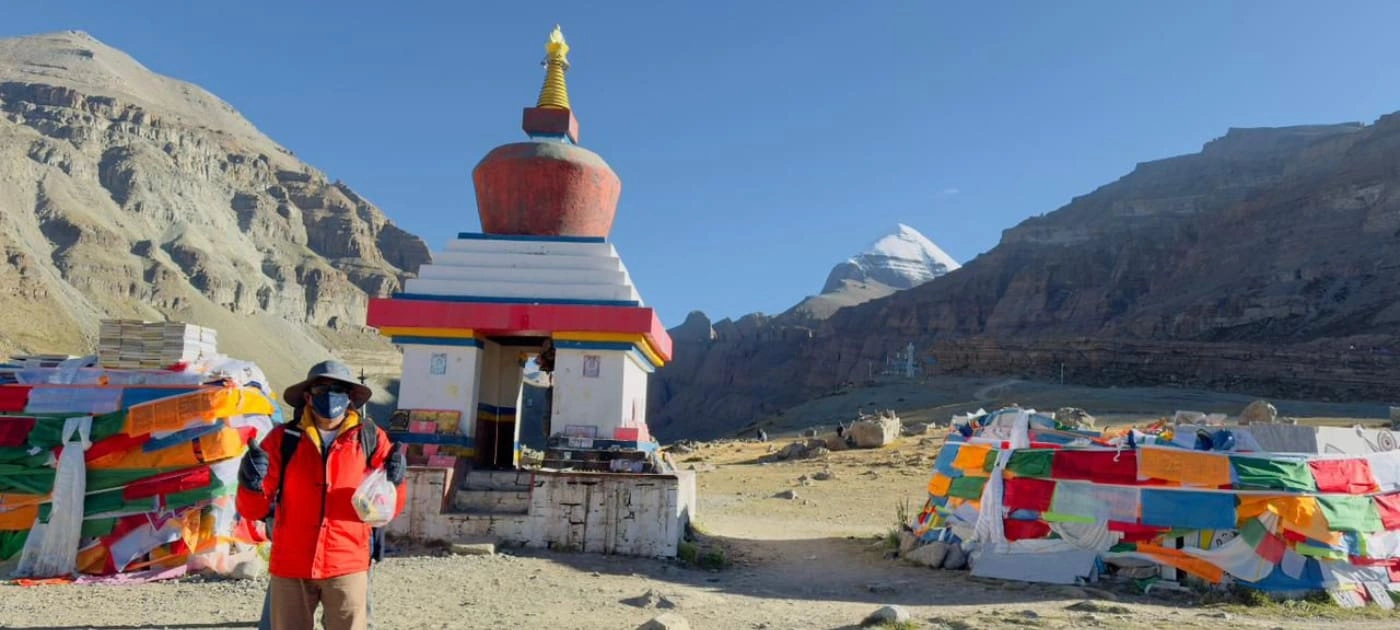
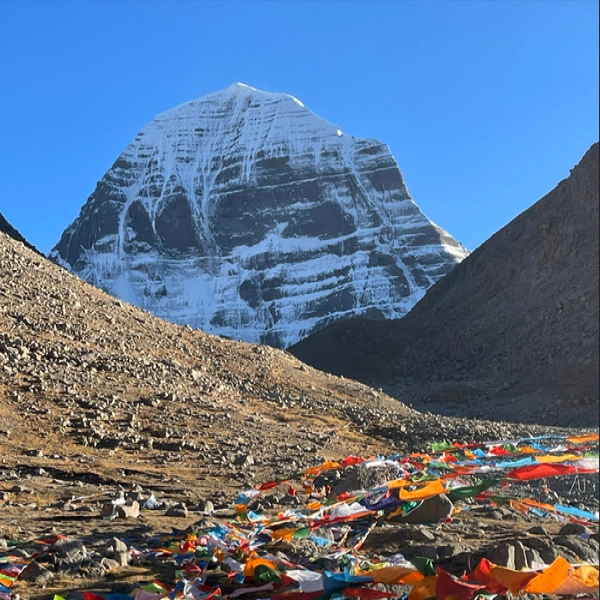
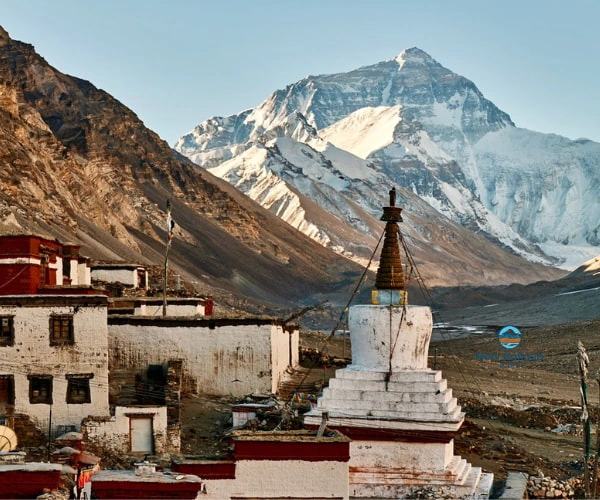
Mount Kailash and Lake Mansarovar sit in the Tibetan Autonomous Region, mostly above 4,000 meters. The highest point on the route is Dolma La Pass at 5,630 meters. At that elevation, your body works harder just to breathe normally.
Every year, thousands of pilgrims make the Kailash Mansarova Yatra. Most spend months preparing the spiritual side of the trip. The altitude? It tends to be an afterthought. That gap in preparation is exactly why altitude sickness catches so many people off guard.
It's common on the Kailash route. It's also manageable if you take it seriously. Altitude sickness during Kailash Mansarovar Yatra covers what causes it, how to spot it early, and what actually helps, so the Yatra stays what it's meant to be.
Understanding Altitude Sickness During Kailash Mansarovar Yatra
Mount Kailash
Altitude sickness happens when your body doesn't get enough oxygen because the air is thin at high elevations. At sea level, every breath delivers a full dose of oxygen. At 4,500 meters (roughly where Lake Mansarovar sits), each breath carries about half that amount.
Your body needs time to adjust. When it doesn't get that time, things start to go wrong.
The medical term is Acute Mountain Sickness (AMS). It's not rare on this route. In fact, almost every pilgrim feels some symptoms. The difference between a manageable case and a dangerous one usually comes down to preparation.
Why Altitude Sickness Happens at Kailash Mansarovar
The Kailash Mansarovar region sits in western Tibet, far above most places where humans live. The route from Nepal crosses into Tibet at elevations that would leave most people breathless on a good day.
Here's what's actually happening in your body:
At high altitude, oxygen pressure drops. Your lungs pull in less O2 with each breath.
Your blood can't carry as much oxygen to your brain, muscles, and organs.
Your body tries to compensate by breathing faster and producing more red blood cells, but that takes days.
If you ascend too quickly, your brain and lungs may swell. That's when it becomes an emergency.
The speed of ascent matters more than the altitude itself. Someone who spends a week in Lhasa before heading to Mansarovar will almost always do better than someone who flies in and tries to trek the Kora the next day.
Common Symptoms of Altitude Sickness During the Yatra
Altitude sickness doesn't always announce itself loudly. The early signs are easy to brush off as tiredness or dehydration. Pay attention.
Mild to moderate symptoms:
Headache (usually the first sign)
Fatigue and weakness
Dizziness or lightheadedness
Nausea or loss of appetite
Difficulty sleeping
Shortness of breath during light activity
Severe symptoms (seek help immediately):
Persistent vomiting
Confusion or disorientation
Loss of coordination (stumbling, difficulty walking)
Severe breathlessness even at rest
Bluish lips or fingernails
Chest tightness or a bubbling sound when breathing
Extreme fatigue with no improvement after rest
A good rule of thumb: a mild headache is common. A headache that won't go away, gets worse with movement, or is accompanied by vomiting is a warning sign.
Types of Altitude Sickness (AMS, HAPE, and HACE)
Prayer in Mount Kailash
There are three forms of altitude sickness, and they're not equally dangerous.
AMS (Acute Mountain Sickness) is the most common type. Headache is the defining symptom, usually showing up within 6 to 12 hours of arriving at altitude. Rest and hydration often help. Most mild AMS cases improve within 24 to 48 hours if you stop ascending.
HAPE (High Altitude Pulmonary Edema). Fluid builds up in the lungs. This is life-threatening. Early signs include dry cough, reduced exercise tolerance, and breathlessness at rest. It can progress fast. Descent and oxygen are the treatment, not rest.
HACE (High Altitude Cerebral Edema). Fluid builds up in the brain. Severe headache, confusion, and loss of balance are the main signs. This is also life-threatening. Descent must happen immediately, even in the middle of the night.
HAPE and HACE are rare but real. Pilgrims who push through severe AMS symptoms instead of resting or descending are the ones most at risk.
Which Areas of Kailash Mansarovar Have the Highest Altitude?
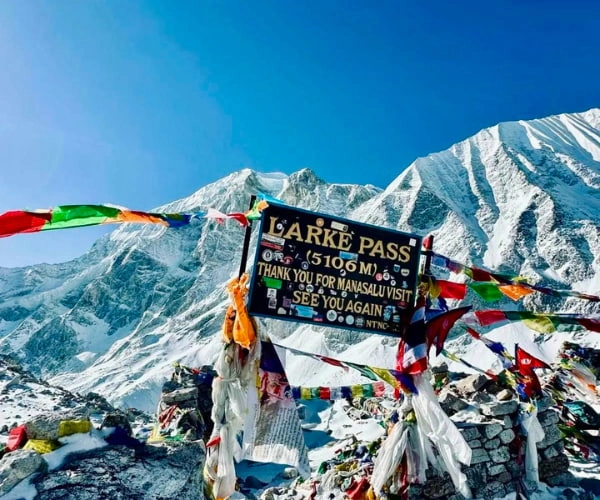
Dolma La Pass deserves its own section. At 5,636 meters, it's the spiritual heart of the Kora and the physical crux of the entire Yatra.
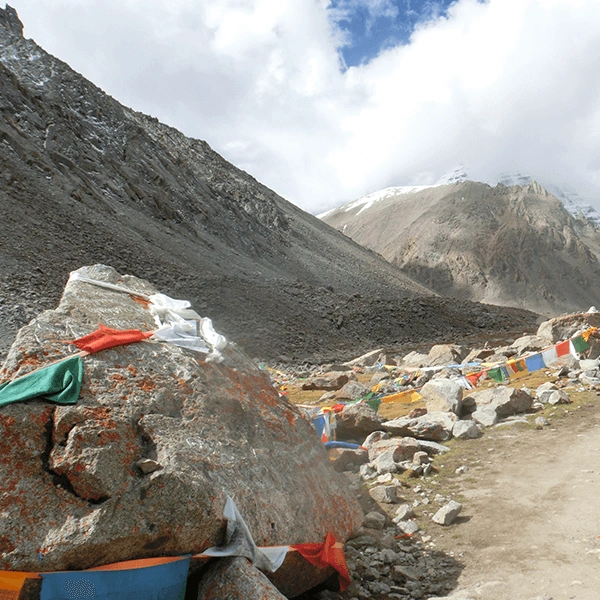
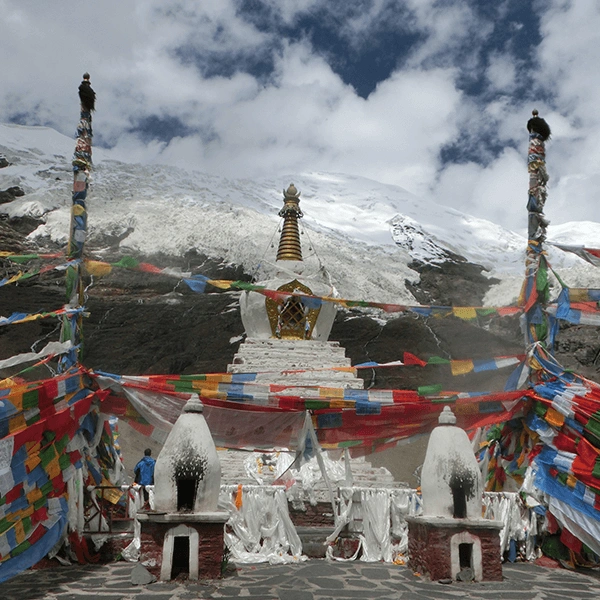
On a clear day, it's extraordinary. The prayer flags, the sacred Gauri Kund lake far below, the sky so blue it looks fake. On a bad day (or for someone struggling with altitude), it can be frightening.
What makes Dolma La particularly challenging:
You reach it after already trekking several hours uphill from Dirapuk
Temperature can drop below freezing even in summer
Wind can be brutal and unpredictable
There's no shelter and no quick descent if you need help
Oxygen levels here are roughly 50% of sea level
Pilgrims who push too hard on the approach and reach the pass exhausted are at real risk. The descent toward Zuthulphuk is steep and requires care. This is not a place to be disoriented.
Who Is More Likely to Get Altitude Sickness?
Mount Kailash
There's no perfect predictor. Fit young people get altitude sickness. Older pilgrims sometimes sail through. Previous experience at altitude helps but guarantees nothing.
Dehydration and poor nutrition before or during the trek
Alcohol consumption at altitude
One factor that does NOT increase risk: age alone. A healthy 65-year-old who acclimatizes properly often does better than an unfit 30-year-old who rushes.
How to Prepare for High Altitude Before Kailash Mansarovar Yatra
Preparation starts weeks before you fly to Kathmandu. Most pilgrims underestimate this part.
3 to 6 months before departure:
Start a regular cardio routine. Walking, hiking, swimming, or cycling all help. The goal is cardiovascular fitness, not speed records.
If you hike, start adding elevation. A weekend trip to 3,000+ meters is useful preparation.
Get a medical check-up. Tell your doctor where you're going and ask about Diamox if you have a history of altitude sensitivity.
Stop smoking if you smoke. Your lung capacity is too important to compromise.
2 to 4 weeks before:
Increase your daily walks, especially uphill sections
Stay well hydrated
Reduce alcohol
Start taking any prescribed altitude medication as advised
In Kathmandu:
Don't rush. If you have a day or two, use them.
Stay hydrated and eat light.
Sleep well
Holy Kailash Tours builds acclimatization days into their itineraries for exactly this reason. That buffer time isn't padding; it's what keeps you healthy on the Kora.
Acclimatization Tips for Kailash Mansarovar Pilgrims
Mount Kailash
"Climb high, sleep low" is the standard advice in mountaineering. It works on the Yatra too, though the logistics are partly fixed by the route.
Practical acclimatization tips:
Don't skip Lhasa or Saga. These overnight stops exist partly for acclimatization. Use them properly.
Spend time at Mansarovar before the Kora. One or two days here helps your body adjust before the harder climbing begins.
Walk slowly. There's a Tibetan pace called "yak pace." Adopt it. Breathing hard means you're going too fast.
Rest when you feel off. A 30-minute break early on is worth three hours of struggle later.
Don't overeat. Heavy meals are harder to digest at altitude and can worsen nausea.
Avoid sleeping pills. They suppress your breathing reflex, which your body needs to work harder at altitude.
Drink 3 to 4 liters of water per day (more if you're sweating)
Avoid alcohol for the first few days at altitude
Sleep enough, but avoid sedatives
Eat light, carbohydrate-rich meals
Listen to your body. If something feels wrong, say so.
Carry a pulse oximeter. A reading below 80% at rest is a warning sign.
Know where the nearest medical support is before you need it
Importance of Drinking Water and Staying Hydrated
Mount Kailash
Dehydration and altitude sickness overlap in symptoms and worsen each other. At high altitude, you lose more water through breathing (the air is dry and cold) and through urination as your kidneys adjust. You may not feel thirsty.
Drink before you're thirsty. Aim for clear or pale yellow urine as a guide.
Avoid:
Alcohol (dehydrating and it worsens AMS symptoms)
Caffeine in large amounts, especially in the first few days
Carbonated drinks as your primary source of hydration
Good options:
Plain water
Electrolyte drinks or oral rehydration salts
Warm soups and broths
Herbal teas (ginger tea can also help with nausea)
Your digestive system works differently at altitude. Blood gets redirected away from digestion and toward your lungs and brain. Heavy, fatty meals sit badly.
Eat:
Simple carbohydrates (rice, bread, pasta, tsampa)
Soups and warm broths
Fruits if available
Small, frequent meals rather than large ones
Garlic (some people swear by it for altitude adaptation)
Avoid:
Heavy meats and fatty foods
Alcohol
Very spicy food if your stomach is already unsettled
Processed snacks as your main fuel
Don't skip eating entirely even if you have no appetite. Your body needs energy to acclimatize.
How Physical Fitness Helps During the Kailash Mansarovar Yatra?
Kailash Yatra in Kora
Fitness doesn't prevent altitude sickness, but it gives you more reserves to handle it. Someone fit arrives at Dolma La less exhausted, breathes more efficiently, and recovers from exertion faster.
The Kailash Korais roughly 52 kilometers over three days. Day 2 alone involves about 800 meters of ascent to Dolma La, in thin air, often in cold weather. That's a serious physical undertaking.
Useful fitness goals before the trip:
Walk 8 to 10 km per day consistently
Include uphill sections in your walks
Hike with a loaded daypack to simulate trail conditions
Build up to 5 to 6 hours of walking in a single day
You don't need to be an athlete. But you do need to be honest with yourself about your current fitness.
Medication for Altitude Sickness (Diamox and Other Options)
Acetazolamide (Diamox) is the most commonly used medication for preventing altitude sickness. It works by stimulating faster breathing, which helps your blood carry more oxygen.
Key facts about Diamox:
Standard dose: 125 to 250 mg twice daily, starting one to two days before ascent
It's a prescription medication. Talk to your doctor before the trip.
Common side effects include increased urination, tingling in the hands and feet, and mild nausea
It's a sulfonamide, so people with sulfa allergies should avoid it
It is not a substitute for acclimatization. It helps, but doesn't make you immune.
Other options:
Dexamethasone: A steroid used for severe AMS, HAPE, and HACE. Not for routine prevention. Only used in emergencies.
Nifedipine: Used specifically for HAPE in people with a known history of it.
Ibuprofen: Some studies suggest it helps with altitude headaches. It's not a prevention drug, but it can manage symptoms.
Don't take Diamox for the first time on the trail. Try it at home first to see how your body responds.
Oxygen Support During Kailash Mansarovar Yatra
Way To Kailash Yatra
Supplemental oxygen is available at some lodges and guesthouses along the Yatra route, though supply can be limited and inconsistent.
Holy Kailash Tours carries portable oxygen cylinders on their group tours. This is one of the practical reasons an organized tour matters on this route. If something goes wrong at Dirapuk at night, having oxygen on hand while you make descent decisions can be the difference between a managed crisis and a very bad outcome.
Oxygen doesn't fix altitude sickness. It buys time and provides relief. Descent remains the only real cure for severe cases.
If you're bringing personal oxygen, small canisters are available in Kathmandu. They're useful for immediate symptom relief but won't last long. A proper medical cylinder with a regulator is better for extended use.
Take Diamox if you have it and haven't been taking it
Use supplemental oxygen if available
Inform your guide immediately
Be prepared to descend at first light or immediately if things worsen
Severe symptoms (confusion, loss of coordination, inability to walk straight, severe breathlessness at rest):
Descend now. Do not wait for morning. Do not wait to see if it improves.
Administer oxygen while descending.
Get to medical support as fast as possible
This is an emergency
The golden rule: if in doubt, go down.
Emergency Medical Support During Kailash Yatra
kailash Kora starting
Medical infrastructure in western Tibet is minimal. There's no hospital near Darchen or Mansarovar. The nearest meaningful medical care is many hours away.
What exists on the route:
Basic first aid at some guesthouses
Chinese army medical posts at certain points (access varies)
Medical kits carried by organized tour groups
Talking to the guide can cancel all group visas and permits much faster
This reality underscores the critical importance of prevention and early intervention. Waiting until symptoms are severe before acting removes most of your options.
Holy Kailash Tours provides trained staff familiar with altitude illness protocols and carries emergency supplies, including oxygen and a basic medical kit. But no operator can substitute for a hospital. Know this before you go.
Tips for Senior Citizens Traveling to Kailash Mansarovar
Older pilgrims complete this Yatra every year. Many do so successfully and safely. But the planning has to be thorough.
Specific advice for senior travelers:
Get a comprehensive medical check-up 6 to 8 weeks before departure. Ask specifically about your heart, lungs, and blood pressure.
People on blood thinners, diuretics, or blood pressure medication should discuss altitude travel with their physician. Some medications interact poorly with altitude.
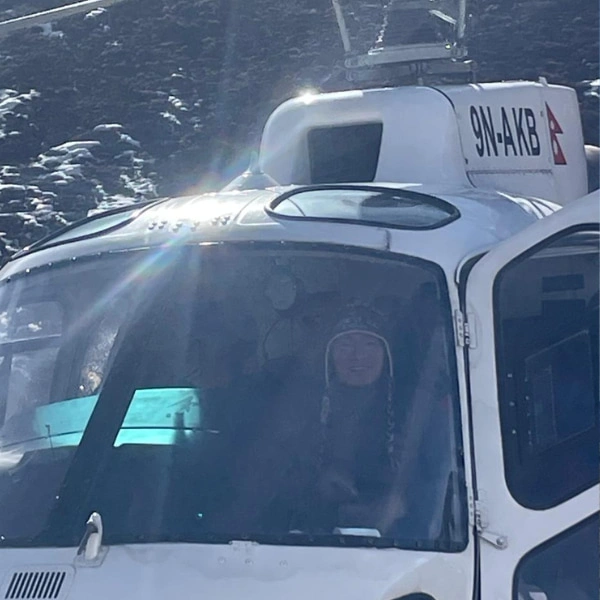
Consider the helicopter option for portions of the Kora if walking the full route is beyond your current capacity. There are helicopter services for the Mansarovar circuit.
Don't feel pressure to keep up with younger group members. Your pace is your pace.
Plan more rest days than you think you need.
Consider a private or small-group tour with a more flexible itinerary.
Carry copies of all medications and a summary of your medical history.
Age doesn't disqualify anyone from this pilgrimage. Honesty about physical capacity and proper preparation make it possible.
Best Time to Visit Kailash Mansarovar for Better Acclimatisation
Kailash Parikrma
The Kailash Mansarova Yatra season runs from May to October, with the core window being June to September. From a health and acclimatization standpoint, timing matters.
May to mid-June: The route is opening after winter. Temperatures are cold, especially at night. Dolma La may still have snow—fewer crowds, which can mean more rest time and flexibility.
Mid-June to August: Peak season. The weather is more stable. Some rain, but the days are often clear. Most organized groups travel in this window.
September to October: Crowds thin out. Temperatures drop. The landscape is beautiful. The weather can turn quickly.
From a pure altitude acclimatization standpoint, the month doesn't change the physiology. What matters is how your itinerary is structured, not the calendar month. A well-paced June trip is safer than a rushed September trip.
Signs You Should Stop Trekking or Descend Immediately
There's a tendency on spiritual pilgrimages to push through pain and discomfort. Pilgrims sometimes feel guilty about stopping. That mindset can get people killed on this route.
Stop and descend if you or anyone in your group shows:
Confusion, disorientation, or strange behavior
Loss of balance or inability to walk in a straight line (ataxia)
Severe breathlessness at rest
Persistent vomiting with inability to keep water down
A cough that produces pink or frothy fluid
Bluish tint to lips or fingernails
Extreme headache that doesn't improve with medication
Symptoms that are worsening over hours, not improving
There's nothing spiritually admirable about descending when your body is failing. Getting safely to a lower altitude and returning another year is a far better outcome than a medical emergency at 5,000 meters.
Facts About Altitude Sickness
Mount Kailash
Fit and athletic people don't get altitude sickness. Fact: Fitness improves overall endurance but has little to do with altitude tolerance. The mechanism is physiological, not fitness-based. Highly trained athletes get AMS.
If you've been to altitude before without problems, you'll be fine again. Fact: Each trip is different. Previous tolerance doesn't guarantee future tolerance.
Drinking alcohol in moderation is fine at altitude. Fact: Alcohol worsens dehydration and impairs the breathing reflex. Even small amounts can worsen symptoms.
Resting for a day at altitude always fixes altitude sickness. Fact: Rest helps mild AMS. It does not fix HAPE or HACE. Descent is the treatment for serious cases.
You'll know right away if you have altitude sickness. Fact: Symptoms can be subtle and slow to appear. Some pilgrims feel fine for 12 to 24 hours before symptoms hit.
Oxygen canisters from a shop are a reliable backup plan. Fact: Small tourist oxygen canisters provide very brief relief. They're not a substitute for proper medical oxygen or descent.
Travel Insurance and Medical Preparedness for Kailash Yatra
Standard travel insurance doesn't always cover high-altitude trekking. Read your policy carefully.
What you need in your policy:
Coverage for high-altitude trekking (specifically above 5,000 meters)
Emergency medical evacuation, including helicopter rescue
Medical treatment coverage in Tibet and China
Adequate coverage limits (evacuation alone can cost tens of thousands of dollars)
Additional medical preparedness:
Carry a written list of all medications, dosages, and allergies
Bring a pulse oximeter (small, cheap, and genuinely useful)
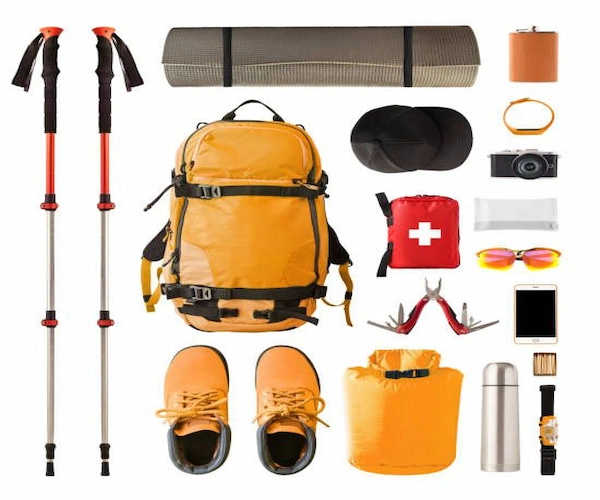
Pack a basic first-aid kit, including blister care supplies, rehydration salts, and fever medication.
Know the emergency contacts for your tour operator before departure
Share your itinerary with someone at home
How do Holy Kailash Tours help manage altitude risks?
Tibeten buy in Market
Holy Kailash Tours has organized Kailash Mansarovar pilgrimages for years. Altitude risk management isn't an add-on; it's built into the tours' structure.
Specifically:
Acclimatization-focused itineraries. The schedule includes rest days at Lhasa, Saga, and Mansarovar. These aren't optional extras.
Oxygen support. Tour staff carry portable oxygen cylinders on all group departures.
Trained guides. Guides recognize altitude sickness symptoms and know when to push and when to pull back.
Flexible pacing. Small-group formats mean the itinerary can adjust to the group's health, not just a fixed schedule.
Emergency protocols. Staff know the evacuation options and contacts at each stage of the route.
Pre-trip briefings. Pilgrims get detailed health and preparation guidance before they leave home.
Traveling with Holy Kailash Tours on a route this demanding means having people around you who've managed altitude emergencies before and know what to do.
Final Travel Tips for a Safe Kailash Mansarovar Journey
See a doctor before you go. Tell them exactly where you're going and how high you're going.
Build fitness over months, not weeks.
Don't try to rush the acclimatization process. The mountain has no deadline.
Drink water constantly, even when you're not thirsty.
Carry Diamox and know how to use it (after discussing it with your doctor).
Know the difference between "feeling rough" and "this is a medical problem."
Trust your guide and your tour operator. They've seen this before.
Get real travel insurance, not the cheap policy that excludes high altitude.
Tell someone in your group if you're feeling off. Don't suffer in silence.
Going down is not failure. It's sense.
FAQs About Altitude Sickness During Kailash Mansarovar Yatra
Kailash yatra from yama dwar
What is the highest altitude on the Kailash Mansarovar Yatra?
Dolma La Pass at 5,636 meters (18,491 feet) is the highest point. You cross it on Day 2 of the Kora.
How long does it take to acclimatize before the Kora?
Most itineraries include 2 to 4 days at intermediate altitudes (Lhasa, Saga, Mansarovar) before the Kora starts. This is the minimum. More is better.
Is altitude sickness guaranteed on this route?
Almost everyone experiences some mild symptoms. Severe illness is not inevitable, but it's a real risk that requires respect.
Can I take Diamox without a prescription?
Diamox is a prescription medication in most countries. You should consult a doctor before taking it. It also has side effects and drug interactions to consider.
What's the difference between AMS and just being tired?
Tiredness improves with rest. AMS headaches typically worsen when you lie down, and they're often accompanied by nausea, dizziness, or appetite loss.
Is the helicopter option safe?
Helicopter services are not available. If we can find them, they're also expensive. They're a good option for those with significant health limitations, but shouldn't be treated as a guaranteed backup plan.
Can I do the Kora if I've never trekked before?
It's physically possible but not advisable without preparation. The Kora at altitude is significantly harder than at sea level over a comparable distance. Build fitness and hiking experience before attempting it.
What pulse oximeter reading should concern me?
At the altitudes on this route, SpO2 readings of 80 to 85% are common and not immediately alarming if you feel reasonably well. Below 75% at rest, or any reading that's dropping rapidly over hours, is a concern worth acting on.
Does Holy Kailash Tours provide medical support on the route?
Holy Kailash Tours carries oxygen and first-aid supplies on its tours, and guides are trained to recognize altitude-related illnesses. They're not doctors, but they know the route and the risks.
What should I do if I feel sick but don't want to ruin the pilgrimage for my group?
Tell your guide. Quietly suffering doesn't serve anyone. A guide who knows you're struggling can manage the group's pace and get you support early, before things get serious.
The Kailash Mansarovar Yatratakes a lot out of you physically. The altitude is unforgiving, and no amount of devotion changes how your body responds to thin air.
But that's also what makes it worth preparing for properly. Pilgrims who arrive fit, hydrated, and informed about altitude sickness don't just survive the journey. They actually experience it.
Holy Kailash Tours has guided countless pilgrims through this route. The team knows where people struggle, what helps, and when to act. That experience matters more than any checklist.