Tibet is at an average of 4,500 metres above sea level, and that fact alone shapes everything about a visit there. The landscapes are extreme. The culture is deeply Buddhist. The permit rules are unlike anywhere else in the world. People have been drawn here for generations, and it is not hard to see why.
But Tibet rewards the traveller who shows up prepared. Getting in requires paperwork that takes weeks to sort. Travelling independently is not allowed. The altitude will affect you whether you expect it to or not.
Tibet has been on countless travellers' wish lists for decades. And it makes sense. There are a few places on earth where spirituality, geography, and culture collide so completely. You have monasteries centuries old, lakes at altitudes that make you gasp, mountains that feel like they belong in another world, and a Buddhist culture that shapes every aspect of daily life.
But visiting Tibet is not like booking a flight to Bangkok or Rome. The rules are different. The terrain is extreme. The altitude is serious. And the preparation required is unlike any other trip you will plan.
Why Tibet Is a Unique Travel Destination?
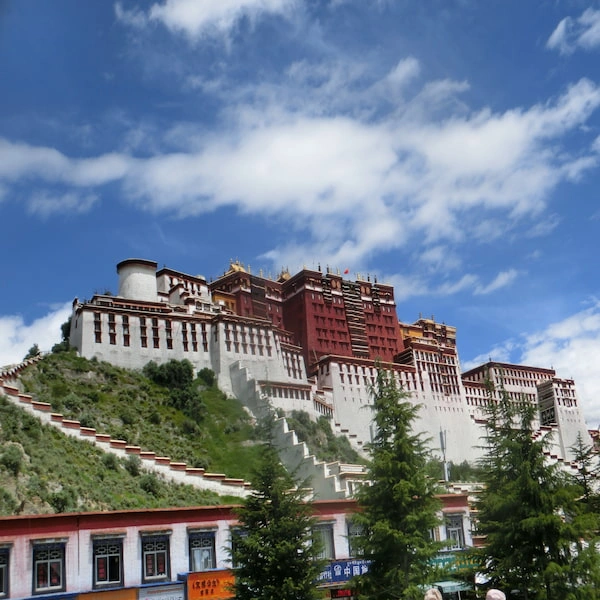
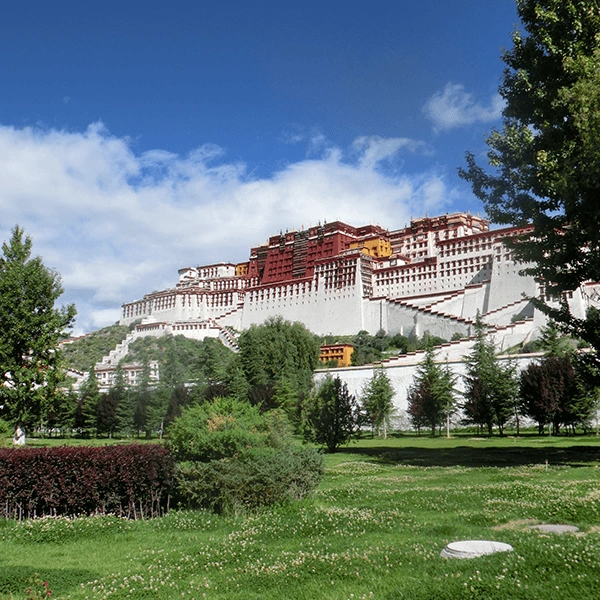
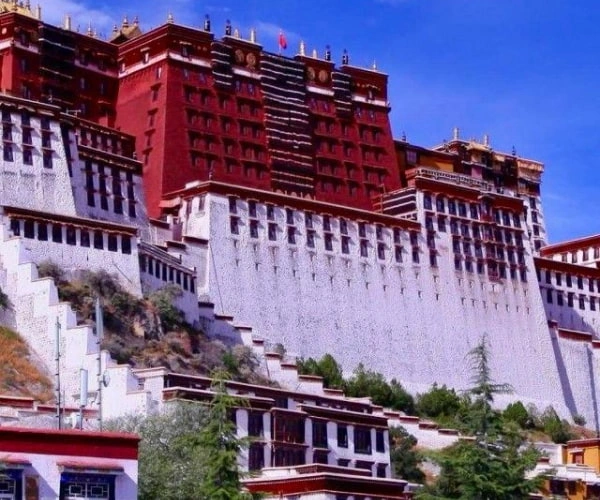
Potala Palace Lhasa
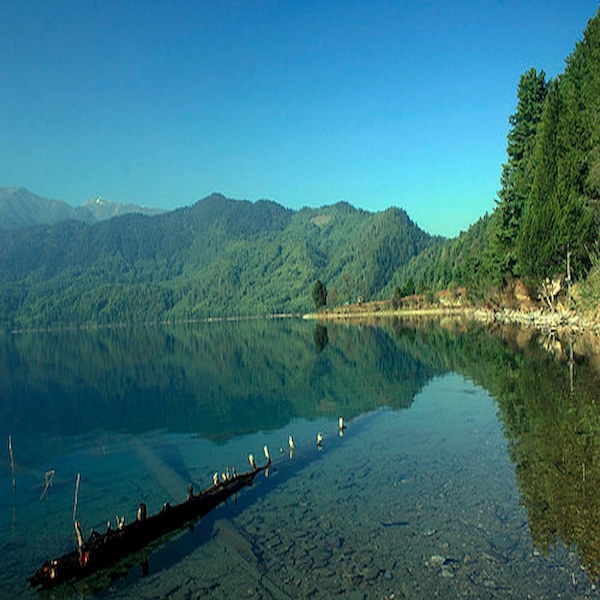
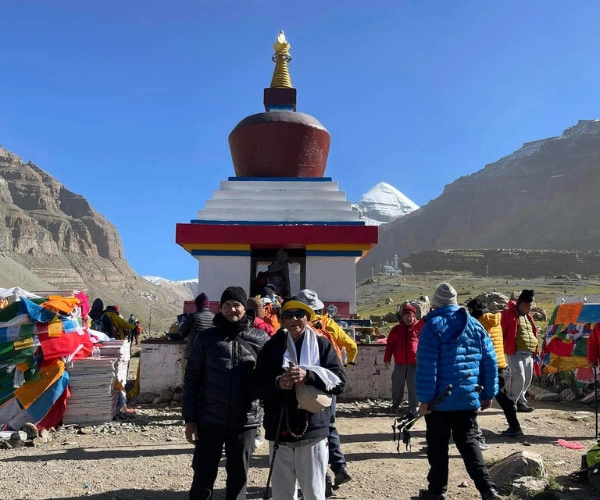
Tibet is not just a place. For millions of Buddhists and Hindus, it is the centre of the spiritual world. Mount Kailash, believed to be the home of Lord Shiva and sacred to four religions (Hinduism, Buddhism, Jainism, and Bon), draws pilgrims from across Asia every year. Lake Mansarovar, one of the highest freshwater lakes on the planet, sits nearby and is considered one of the holiest bodies of water in the world.
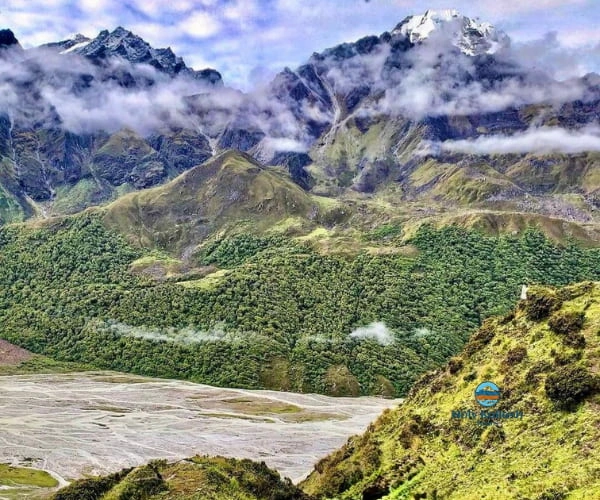
Beyond the spiritual significance, Tibet's landscapes are unlike anything you will find elsewhere:
The Tibetan Plateau averages over 4,500 metres above sea level
Snow-capped peaks surround you in almost every direction
Ancient monasteries like Tashilhunpo and Drepung still function as living religious communities
Vast open plains, turquoise lakes, and high-altitude deserts stretch for hundreds of kilometres
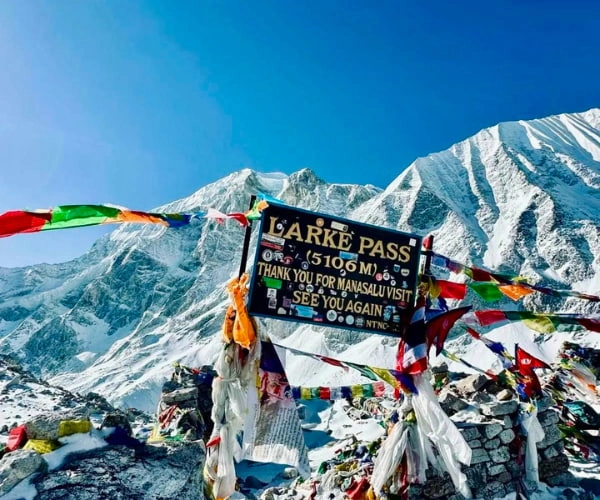
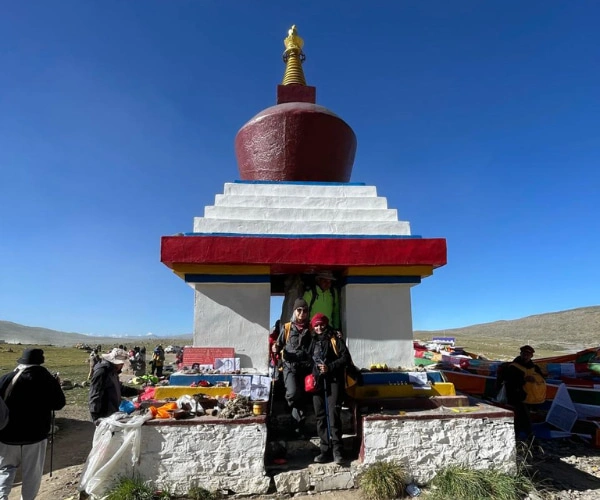
The culture is deeply Buddhist. Prayer flags hang from mountain passes. Monks in saffron robes walk through towns. Pilgrims complete prostrations along dusty roads. Visiting Tibet means stepping into a way of life that has changed very little over centuries, at least in the places away from modern infrastructure.
If you want a trip that actually changes how you see the world, Tibet does that.
Yes. And this is the single most important thing to sort out before you plan anything else.
Foreign travellers cannot visit Tibet independently. You need a Tibet Travel Permit (also called the Tibet Visa or Tibet Entry Permit), which is separate from a standard Chinese visa. You also cannot apply for this permit on your own. It must be arranged through a registered travel agency, and you must travel with a guide at all times.
Here is what most travellers coming from Nepal need:
Chinese Visa: If you are flying directly to Lhasa, you need a Chinese visa. If you are crossing overland from Nepal, the process works differently and is handled through group travel permits.
Tibet Travel Permit (TTP): The core permit required for all foreign tourists entering Tibet.
Alien's Travel Permit: Required for restricted areas outside Lhasa, including Shigatse and Gyantse.
Military Area Permit: Required for sensitive border zones, including the Mount Kailash region and the Nepal-Tibet border at Purang.
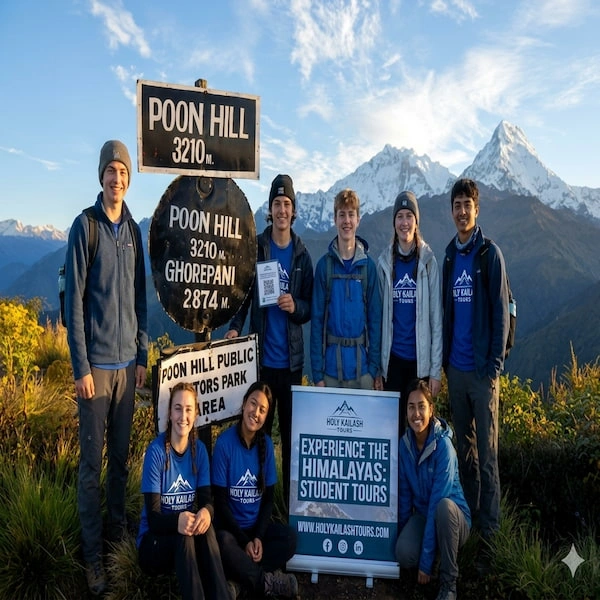
The permit process takes time, usually at least two weeks, sometimes longer, depending on the season. Holy Kailash Tours handles this entire process for travellers booking Tibet tours from Nepal. They know which permits are required for each destination and submit everything through official channels, so nothing gets missed.
One practical note: Tibet often closes to foreign tourists during politically sensitive periods, particularly around the Tibetan New Year (February or March) and March 10 (Tibetan Uprising Day). Plan around these dates and check with your tour operator before booking flights.
Best Time to Visit Tibet for Travel and Pilgrimage
Everest Tibet
Tibet is a year-round destination in theory, but in practice, the season matters a lot depending on what you want to do.
April and May (Spring) This is one of the best times to visit. The weather is warming up, the skies are generally clear, and the landscape starts to turn green. It is a good time for both sightseeing in Lhasa and hiking. The Mount Kailash Yatra season typically begins around May.
June to August (Summer) This is the peak pilgrimage season for the Kailash Mansarovar Yatra.The roads are mostly open, temperatures are warmer, and the scenery is at its most dramatic. Monsoon rains can affect some routes from late July onward, but the western Tibet region (where Kailash is located) receives far less rain than southern Nepal.
September and October (Autumn),possibly the clearest skies of the year. Great visibility for mountain views and photography. Temperatures start to drop, but are still manageable. Kailash season winds down in October.
November to March (Winter) is cold. Very cold. Some roads become impassable, and parts of Tibet are difficult to reach. This is not ideal for most travellers, though Lhasa itself remains accessible.
For the Kailash Mansarovar pilgrimage specifically, the window runs roughly May through October, with June to September being the most popular months.
How High Is Tibet? Understanding Altitude and Acclimatisation
This deserves its own serious section because altitude is the one thing that catches travellers completely off guard, even experienced ones.
The Tibetan Plateau is the world's highest plateau. Here are some reference points:
Lhasa: approximately 3,650 metres above sea level
Shigatse: approximately 3,840 metres
Everest Base Camp (Tibet side): approximately 5,200 metres
Mount Kailash base camp (Darchen): approximately 4,560 metres
Dolma La Pass (during Kailash Kora): approximately 5,630 metres
For comparison, the highest point in the Alps (Mont Blanc) is 4,808 metres. Most travellers in Tibet will spend their entire trip at altitudes higher than most alpine peaks in Europe.
Your body needs time to adjust. Even physically fit people feel the effects. The air contains roughly 40 to 50 percent less oxygen than at sea level, which means your body has to work harder to do basic things like walk upstairs or carry a bag.
Acclimatisation is not optional. Rushing it causes problems. Most good Tibet tour itineraries build in rest days in Lhasa before heading to higher elevations.
How to Avoid Altitude Sickness in Tibet?
Lhasa City
Altitude sickness (also called Acute Mountain Sickness, or AMS) is real, and it is common. It is not a sign of weakness. It happens to experienced climbers, young and fit travellers, and seasoned pilgrims alike.
Common symptoms include:
Headache (usually the first sign)
Fatigue and weakness
Nausea or vomiting
Dizziness
Difficulty sleeping
Shortness of breath even at rest
Practical prevention tips:
Arrive in Lhasa first. Do not go straight to high-altitude destinations.
Rest for at least two full days in Lhasa before travelling higher.
Drink plenty of water. Three to four litres a day is a reasonable target.
Avoid alcohol for the first few days. It dehydrates you and makes acclimatisation harder.
Eat light, easily digestible food.
Avoid heavy exercise in the first 48 hours.
Talk to a doctor before your trip about Diamox (acetazolamide), a medication that helps prevent AMS. Start it before arriving at altitude.
Carry supplemental oxygen. Many tour operators, including Holy Kailash Tours, provide oxygen support as part of their packages.
If symptoms are mild, rest and hydration usually help. If symptoms are severe, particularly chest tightness, confusion, or inability to walk straight, descend immediately. This is not something to push through.
Most travellers enter Tibet one of two ways: overland from Nepal or by air from mainland China.
From Nepal (Kathmandu to Lhasa)
The overland route from Kathmandu is one of the most scenic journeys in Asia. The main crossing point is Rasuwagadhi Kerung (also called Gyirong), which reopened to tourists after earthquake-related closures. The drive from the border to Lhasa takes roughly two days and passes through some extraordinary terrain.
There is also a route through Purang (Taklakot), primarily used by Kailash-bound pilgrims and requiring specific permits.
Flying is another option. Direct flights from Kathmandu to Lhasa operated by Tibetan Airlines significantly reduce travel time.
Travelling from Nepal has one major advantage: you enter Tibet at a moderate altitude at the border, then gradually ascend to Lhasa. This helps with acclimatisation compared to flying directly into Lhasa from low-altitude cities.
From Mainland China
Many travellers enter via Chengdu, Beijing, or Shanghai by air, or by train on the famous Qinghai-Tibet Railway from Xining or Chengdu. The train is a remarkable journey in itself, passing through remote plateau landscapes at an altitude. However, you jump to a high altitude fairly quickly, so AMS is more common on this route.
For travellers undertaking the Kailash Mansarovar Yatra specifically, entering from Nepal is often more practical.
Important Cultural Etiquette and Local Customs in Tibet
Mount Everest Tibet
Tibet has a deep and specific culture, and visitors are expected to be respectful. Most Tibetans are warm and welcoming, but cultural missteps can offend.
At monasteries and temples:
Remove your hat and shoes before entering sacred spaces
Walk clockwise around stupas, chortens, mani walls, and monastery circuits. This is the direction of Buddhist practice.
Keep your voice low
Do not touch religious statues or offerings
Do not step over offering bowls, butter lamps, or religious items on the floor
Photography:
Always ask before photographing monks, pilgrims, or local people
Many monasteries charge a photography fee or prohibit it entirely inside
Never photograph military installations or checkpoints
General behaviour:
Do not point your feet toward religious images or altars when sitting
Accept food or gifts with both hands or your right hand
Dress modestly, particularly in religious settings. Cover your shoulders and knees.
The thumbs-up gesture is generally positive in Tibet, but avoid pointing fingers at people or sacred objects.
These are small things, but they matter. Travellers who make the effort to understand local customs tend to have much richer experiences.
Tibet's weather can shift dramatically in a single day. You might start a morning walk in sunshine and end it in a hailstorm. Layering is everything.
Clothing:
Thermal base layers (top and bottom)
Fleece mid-layer
Waterproof and windproof outer jacket
Warm hat and gloves, even in summer
Sun hat for daytime
Sturdy, broken-in trekking boots
Light trail shoes or sandals for rest days
Health and sun protection:
High SPF sunscreen (SPF 50 or higher). The UV intensity at altitude is extreme.
Lip balm with SPF
Sunglasses with UV protection, polarised if possible
Basic first aid kit
Personal medications plus extras
Diamox if prescribed
Rehydration sachets
Other practical items:
Power bank. Electricity access is unreliable outside cities.
Universal travel adapter (China uses Type A and Type I plugs)
Cash in Chinese Yuan. Do not rely on cards.
Copies of all travel documents, permits, and passports are stored separately from originals
Dry bags for electronics during river crossings or rain
Pack lighter than you think you need. You will carry your bag more than you expect.
Internet, WiFi, and Mobile Network in Tibet
Saga Tibet
Be prepared for limited connectivity. Tibet is one of the most restricted internet environments in the world.
Most Western social media platforms and services are blocked in China, including:
Google, Gmail, Google Maps
Facebook, Instagram, WhatsApp
YouTube
Most Western news sites
VPNs are technically illegal in China, though many travellers use them. They can be unreliable and slow, especially in Tibet. Download any content you need before you arrive.
In Lhasa and major towns, WiFi is available in hotels, though speeds vary widely. Mobile data works with a Chinese SIM card in cities, but disappears quickly once you head into remote areas. In places like the Kailash region, there may be no signal at all for days at a time.
Tell your family and friends before you go that communication will be patchy. It is part of the experience, honestly.
Traditional Tibetan food is simple, hearty, and built for high altitude. Some things you will encounter regularly:
Tsampa: Roasted barley flour, mixed with butter tea or water. It is the staple food of Tibet.
Butter tea (Po Cha): Tea churned with yak butter and salt. Salty and filling. An acquired taste for most travellers.
Thukpa: A noodle soup, usually with vegetables or meat. Very good after a cold day of trekking.
Momos: Dumplings filled with meat or vegetables, very similar to Nepali or Tibetan-Chinese versions.
Yak meat: Dried or cooked, it is frequently featured on menus at non-vegetarian restaurants.
Vegetarian options exist, especially in tourist-friendly restaurants in Lhasa, but they become more limited the further you go from cities.
Drinking water: Do not drink tap water anywhere in Tibet. Carry a water bottle with a filter, or buy sealed bottled water. Staying well hydrated is critical at altitude, so do not let this slide.
Currency, Payments, and ATM Availability in Tibet
Rongbuk Monastery
China uses the Chinese Yuan (RMB). Cards from foreign banks work inconsistently in Tibet, and in remote areas, they will not work at all.
Bring enough cash before you enter Tibet. Exchange money in Kathmandu or in Chengdu before heading to the plateau.
ATMs exist in Lhasa and Shigatse, but they may reject foreign cards depending on your bank.
WeChat Pay and Alipay are widely used in China, but linking these apps to a foreign bank account is complicated and not reliable for short-term visitors.
In the Kailash region, cash is the only option. There are no ATMs.
A practical approach: carry enough Yuan for your entire trip plus a buffer. Keep some in a separate location in case you lose your wallet.
Getting around Tibet requires patience. The roads are long, the terrain is rough, and the distances between places are deceptive on a map.
Key transport options:
4WD overland vehicles: The standard way to travel in Tibet outside of Lhasa. Most tour packages include a Land Cruiser or similar vehicle with a driver.
Domestic flights: Flights connect Lhasa to Shigatse and other cities within Tibet, though routes are limited.
The Qinghai-Tibet Railway: If entering from mainland China, this is a spectacular option.
Trekking: The Kailash Kora and some other routes are done entirely on foot.
Road conditions vary from reasonable asphalt highways near Lhasa to rough gravel tracks in remote western Tibet. Landslides and road closures can occur, especially after heavy summer rain. Build flexibility into your itinerary. Things move at a different pace here than they do at home.
Must-Visit Places in Tibet for First-Time Travellers
Everest north Side
Tibet has more than enough to fill several trips. But if this is your first time, these are the places worth prioritising.
Lhasa is the capital and the starting point for almost every Tibet tour. Spend at least two to three days here before heading elsewhere.
Potala Palace: The iconic red-and-white palace, the former home of the Dalai Lama, sits atop Marpo Ri Hill and dominates the city skyline. Book entry tickets in advance as visitor numbers are controlled.
Jokhang Temple: The holiest temple in Tibet. Pilgrims prostrate outside its entrance day and night. The atmosphere is unlike anywhere else.
Barkhor Street: A circular market street around Jokhang where pilgrims complete their kora. A great place to experience daily Tibetan life.
Yamdrok Lake is a turquoise glacial lake visible from the road between Lhasa and Shigatse—one of the most photographed spots in Tibet.
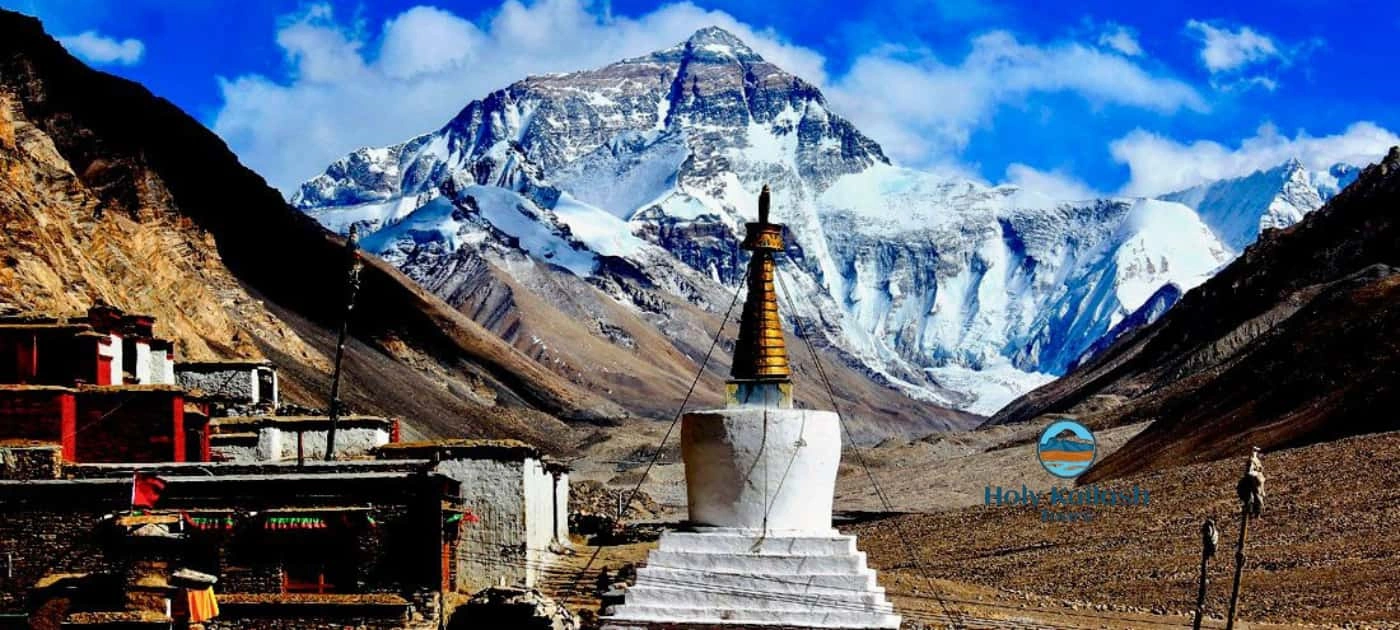
Everest Base Camp (Tibet side) The Tibet-side Everest base camp offers clearer, closer views of Everest than the Nepal-side base camp for most of the year. The drive to base camp is long but worth it. You can see the north face of the mountain from approximately 5,200 metres.
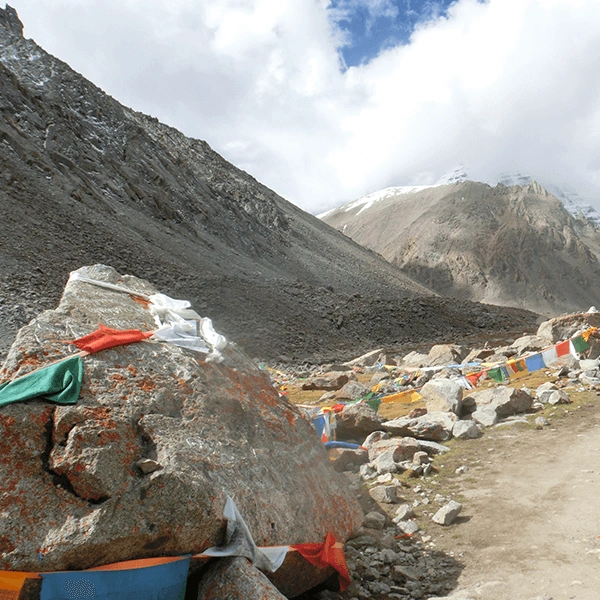
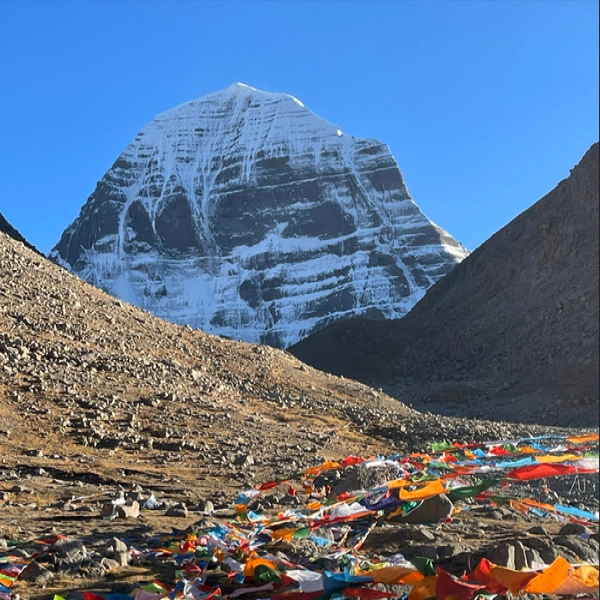
Mount Kailash and Lake Mansarovar. For many travellers, this is the whole reason for coming. The Kailash Kora is a three-day circumambulation (about 52 kilometres) of one of the most sacred mountains on earth. The trail crosses Dolma La Pass at over 5,600 metres. It is physically demanding but spiritually unlike any other walk you will do. Holy Kailash Tours specialises in organising this pilgrimage, handling all permits, transport, guides, and acclimatisation planning for travellers coming from Nepal.
Health, Safety, and Travel Insurance for Tibet Trips
Health preparation:
Visit a travel health clinic or your doctor at least four to six weeks before departure
Check your vaccinations (Hepatitis A, Typhoid, and Tetanus are commonly recommended)
Get a full physical if you have any existing heart or respiratory conditions. High altitude puts extra strain on these systems.
Carry a comprehensive first aid kit.
Know the symptoms of altitude sickness, frostbite, and hypothermia
Travel insurance: This is non-negotiable for Tibet. Standard travel insurance often does not cover high-altitude trekking or emergency helicopter evacuation. Make sure your policy specifically covers:
High-altitude trekking (above 4,000 metres)
Medical evacuation
Trip cancellation due to permit issues or weather
Check the fine print. Some policies exclude Tibet entirely due to its political status. Find one that explicitly covers it.
Safety for solo travellers: Independent travel in Tibet is not permitted. All travellers must go through a registered agency and travel with a licensed guide. This is enforced. That said, group tours with experienced operators provide a much higher margin of safety at altitude than anything you could arrange on your own.
Why Travel with a Local Expert Like Holy Kailash Tours
Lake Mansarovar
Visiting Tibet without a knowledgeable local operator is not just difficult; it is not allowed. But beyond the legal requirement, the practical case for working with an experienced agency is strong.
Holy Kailash Tours is based in Kathmandu and has guided travellers on Tibet and Kailash Mansarovar Yatras for years. The team knows the permit process, road conditions, optimal acclimatisation schedules, and the cultural context that makes these places meaningful rather than just scenic.
Here is what a good local operator handles for you:
Tibet Travel Permit and all additional permits (Alien's Travel Permit, Military Area Permit) coordinated through official channels
Visa support documents for travellers entering from Nepal
Accommodation bookings along the route, from Lhasa guesthouses to basic but functional lodges near Kailash
Experienced English-speaking guides who understand both the religious significance of the sites and the practical realities of high-altitude travel
4WD vehicles with experienced drivers familiar with mountain roads
Oxygen support and basic medical supplies as part of the package
Flexible itineraries built around proper acclimatisation
For the Kailash Mansarovar Yatraspecifically, Holy Kailash Tours offers overland routes from Kathmandu via the Kerung border, as well as the traditional Purang route. They also handle Everest Base Camp Tibet packages and combined tours for travellers who want to see more of the plateau.
Travelling with an experienced team means you spend less energy worrying about logistics and more time actually being present in one of the most remarkable places on earth. That is the whole point.
Visiting Tibet is not something you do on a whim. It takes planning, permits, the right gear, physical preparation, and a real respect for the culture you are entering. But get those things right, and Tibet will be one of the most meaningful trips you ever take.
A few things to remember before you go:
Sort your permits early, at least four to six weeks before travel
Take altitude seriously. Do not rush it.
Carry cash, stay hydrated, and pack for weather that can change in an hour
Respect the culture. Walk clockwise, photograph thoughtfully, dress modestly.
Travel with people who know what they are doing.
If you are planning a Tibet tour from Nepal, Holy Kailash Toursis a good place to start. They handle the permits, the logistics, and the guidance that make a trip like this possible. You can reach them through their website or contact them directly in Kathmandu to discuss itineraries for the Kailash Mansarovar Yatra, Lhasa sightseeing tours, or Everest Base Camp Tibet packages.
Foreign travellers need both a valid Chinese visa and a Tibet Travel Permit. Citizens of some countries cannot obtain a Chinese visa. Check your country's eligibility before making any plans.
Can I visit Tibet independently without a tour group?
No. Chinese authorities require all foreign tourists to travel with a registered guide and licensed tour operator. Independent travel in Tibet is not permitted for foreigners.
How do I get a Tibet Travel Permit?
You cannot apply for it yourself. A licensed travel agency in Tibet or Nepal must apply on your behalf. The process typically takes two to three weeks. Holy Kailash Tours handles this for travellers coming from Nepal.
What is the best time of year to visit Tibet?
April to October is the most accessible period. May to September is best for the Kailash Mansarovar Yatra. September and October offer the clearest skies for photography and mountain views.
Is altitude sickness a serious concern in Tibet?
Yes. Most travellers experience at least mild symptoms. Proper acclimatisation, hydration, and medication (Diamox, if prescribed) significantly reduce the risk. Your tour operator should build rest days into the itinerary.
How long does the Kailash Kora take?
The standard circumambulation of Mount Kailash takes three days and covers approximately 52 kilometres. It crosses Dolma La Pass at around 5,630 metres. A one-day inner Kora is possible for some pilgrims, but the three-day circuit is the norm.
What currency do I need in Tibet?
Chinese Yuan (RMB). Cards from foreign banks may work in Lhasa ATMs, but are unreliable. In remote areas like the Kailash region, cash is the only option. Bring enough for your entire trip.
Is it safe to travel to Tibet?
Tibet is generally safe for travellers who go with a licensed operator. The main risks are altitude-related health issues and unpredictable weather. Good planning and a reputable tour company effectively manage most of these risks.
Can vegetarians eat well in Tibet?
In Lhasa and tourist areas, yes. Vegetarian food is available, and Tibetan cuisine has options like vegetable momos and thukpa. In very remote areas, options narrow. Let your operator know your dietary requirements in advance.
You can fly directly from Kathmandu to Lhasa or travel overland via the Kerung (Gyirong) border crossing. The overland route takes two to three days and offers spectacular scenery. It also helps with gradual altitude acclimatisation.
Is internet access available in Tibet?
Limited. Lhasa has hotel WiFi, but speeds are slow. Most Western apps and websites are blocked. Mobile data works in cities but disappears in remote regions. A VPN may help, but it is not guaranteed to work.
What physical fitness level do I need for the Kailash Kora?
You do not need to be an elite athlete, but reasonable fitness helps. The main challenge is altitude, not terrain gradient. Regular cardio exercise in the months before your trip makes a difference. People of all ages complete the Kora every year.
When does Tibet close to foreign tourists?
Tibet periodically restricts or closes access to foreign tourists, particularly around the Tibetan New Year (January or February) and March 10. Closures can occur with little advance notice. Always check the current status with your tour operator before booking travel.