Why Mount Kailash Is Sacred to Four Major Religions
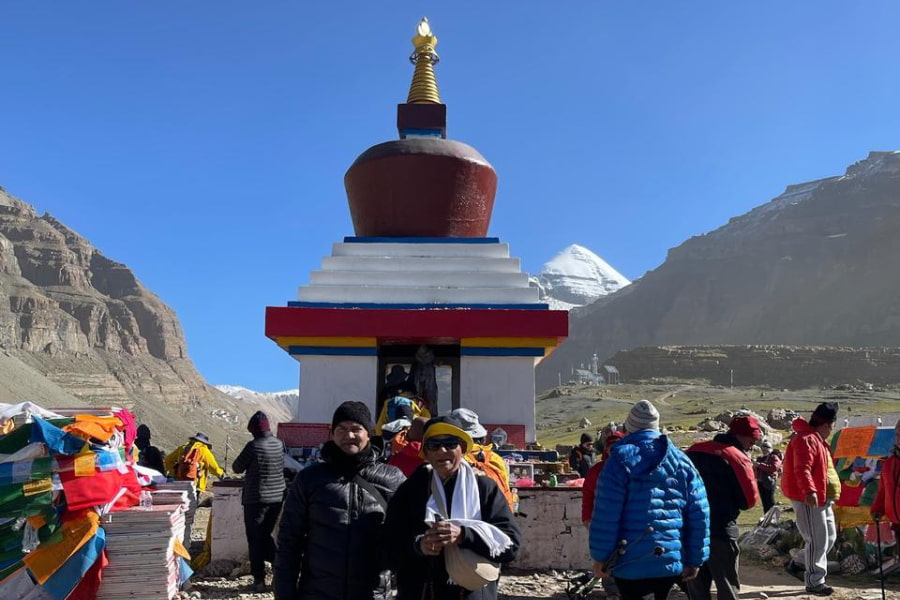
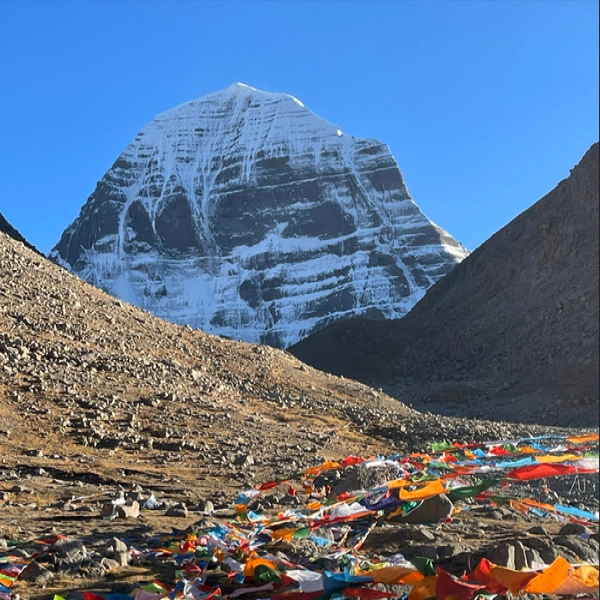
Four different faiths look at the same mountain and see four different gods. Hindus see Shiva's home. Buddhists see the palace of the deity Chakrasamvara. Jains see the spot where their first Tirthankara found liberation. Bon followers, the oldest tradition in the region, see the literal center of the universe.
No single religion owns Mount Kailash. That is rare. Most sacred mountains belong to one tradition and simply tolerate visitors from others. Kailash was shared ground long before anyone wrote any of this down, and it still is today.
Religious Significance in Hinduism
In Hindu belief, Mount Kailash is where Lord Shiva stands in eternal meditation with his consort Parvati. The mountain is treated as the earthly form of Mount Meru, the axis around which the universe turns. Walking around it once is said to wash away a lifetime of sins. Walking around it 108 times is said to end the cycle of rebirth for good.
The Mahabharata even sends the Pandava brothers through this region on their final journey. Local guides still point out the ridge where, according to that story, only Yudhishthira reached the top, because he refused to abandon a stray dog on the way up.
The Buddhist Connection to Mount Kailash
Tibetan Buddhists call the mountain Kang Rinpoche, the Precious Snow Mountain. They believe it houses Demchok, also known as Chakrasamvara, a deity representing supreme bliss. The whole peak is treated as a living mandala, not just a symbol of one.
The best-known Buddhist story tied to Kailash involves the yogi Milarepa and a Bon master named Naro Bonchung. The two are said to have raced to the summit to settle which faith would hold the mountain. Naro Bonchung flew up on a magic drum. Milarepa sat still until dawn, then rode the first beam of sunlight straight to the top. Guides on our Holy Kailash Tours treks still tell this story at the spot where it supposedly happened.
Mount Kailash in the Jain Tradition
Jains call the mountain Ashtapada. It is the place where Rishabhanatha, the first Tirthankara, is believed to have reached moksha, freedom from the cycle of birth and death. Jain pilgrims show up in smaller numbers on the trail today, but the ones who make the trip treat the kora with the same weight Hindus and Buddhists give it.
For a religion built around letting go of attachment, reaching the exact site of a founder's liberation carries obvious weight.
The Bon Religion and the Sacred Mountain
Bon predates Buddhism in Tibet by centuries. Its followers call Kailash Yungdrung Gutseg, the nine-story swastika mountain, and consider it the spiritual heart of the old kingdom of Zhang Zhung. Four rivers are said to spring from its base, one for each direction.
Bon pilgrims walk the kora counterclockwise, the opposite direction from Hindus, Buddhists, and Jains. It is a small detail, but it tells you how old and how distinct this tradition really is.
The Spiritual Importance of Lake Mansarovar
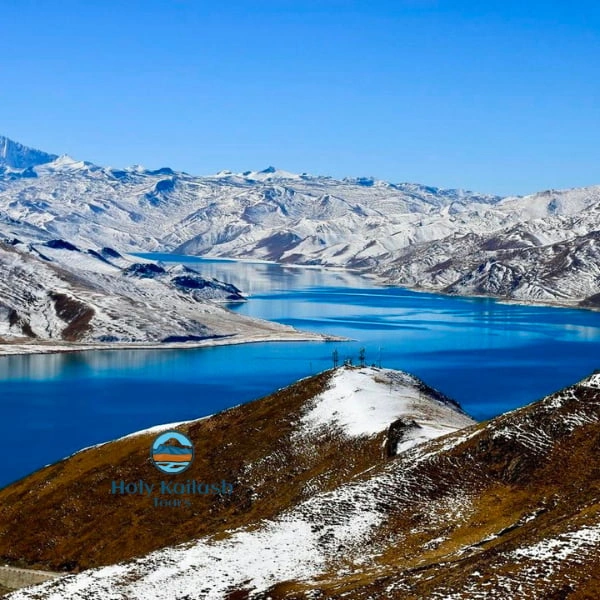
Lake Mansarovar is about 4,590 meters above sea level, roughly 30 kilometers from the mountain itself. It ranks among the highest freshwater lakes on Earth, and Hindu tradition holds that it first formed in the mind of the god Brahma before it ever touched the ground. That is where the name comes from. Manas means mind, sarovar means lake.
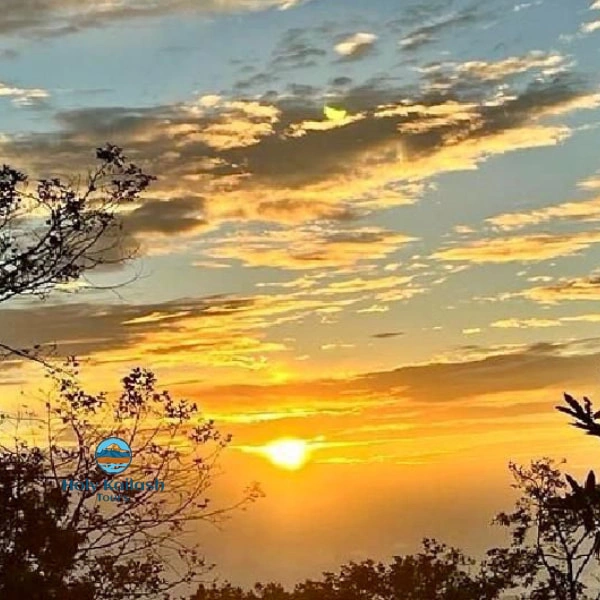
Right next to it stands Rakshastal, a saltwater lake with a much darker reputation. Legend says the demon king Ravana performed austerities there for ten thousand years. Pilgrims describe Mansarovar as calm and full of light, while Rakshastal is described as jagged and cold. Whether or not the shapes actually mean anything, standing between the two lakes at sunrise is something our guests never forget.
The Ancient Legends Behind Mount Kailash
Every religion tied to Kailash has its own founding story, and most involve some kind of contest or trial. Shiva stopped Ravana with his toe when the demon king tried to uproot the mountain. Milarepa outraces Naro Bonchung to the summit. Rishabhanatha reaches liberation at Ashtapada. Tonpa Shenrab descending from the sky to bless Yungdrung Gutseg.
What strikes us most, after years of leading groups here, is how these stories do not compete so much as stack on top of each other. Pilgrims from different faiths trade each other's legends at the same tea houses along the route. Nobody argues about whose story is more true. The mountain seems to have room for all of them.
A Pilgrimage That Inspires Millions Every Year
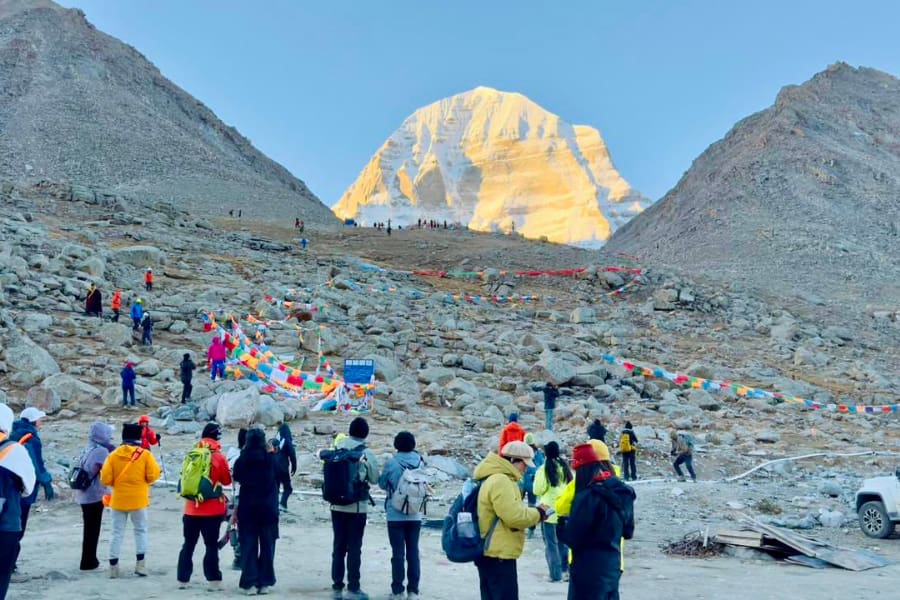
Thousands of pilgrims make this trip each season, and millions more grow up hearing about it long before they ever see the mountain in person. For many Hindu and Buddhist families, a Kailash Mansarovar Yatra is talked about the way other families talk about a first home or a wedding. It is something you plan for years and remember for the rest of your life.
The travel window is short. Most groups go between May and September, before the high passes close for winter. Booking early matters, and that is a big part of why people come to Holy Kailash Tours instead of piecing the trip together on their own. Permits, altitude planning, and route timing all have to line up correctly.
The Spiritual Meaning of the Kailash Kora
The kora, or parikrama, is a 52-kilometer walk around the base of the mountain, usually spread over three days. Pilgrims start and end in Darchen, pass through the Lha Chu valley, spend a night at Dirapuk Monastery, then cross the Dolma La pass at 5,645 meters before descending toward Zutulpuk Monastery on the final stretch.
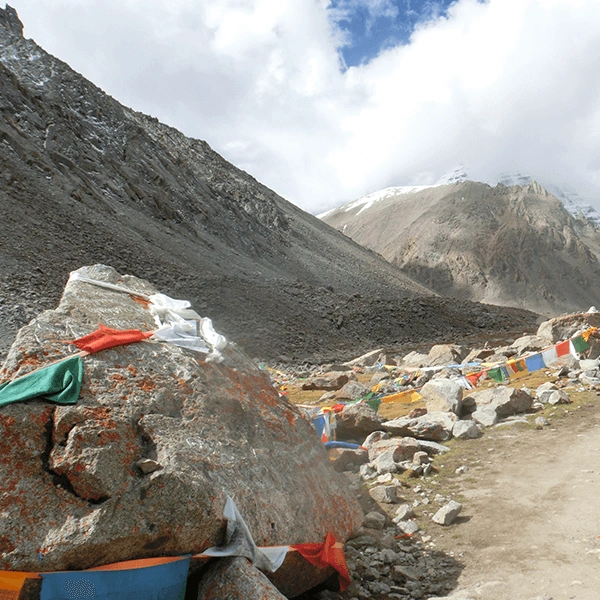
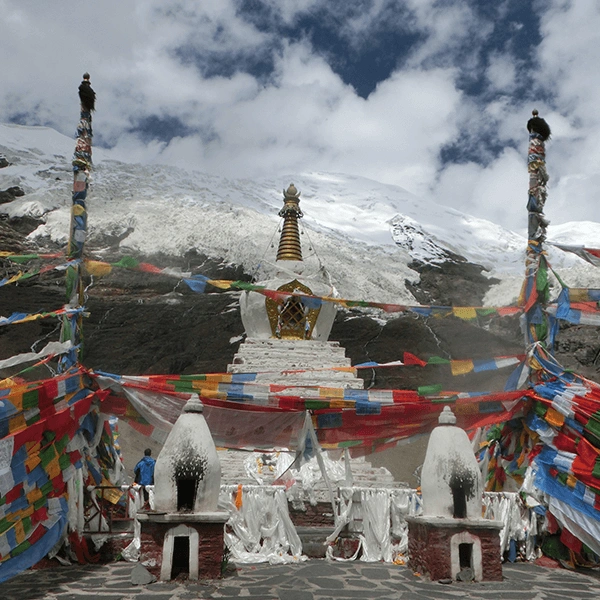
Dolma La is the emotional center of the whole walk. Many pilgrims leave behind a piece of clothing or a personal item at the pass, a small gesture meant to represent letting go of a past life before moving forward. People arrive at the top exhausted and thin on oxygen, and that combination tends to strip away whatever they walked in carrying.
Holy Rituals Performed at Lake Mansarovar
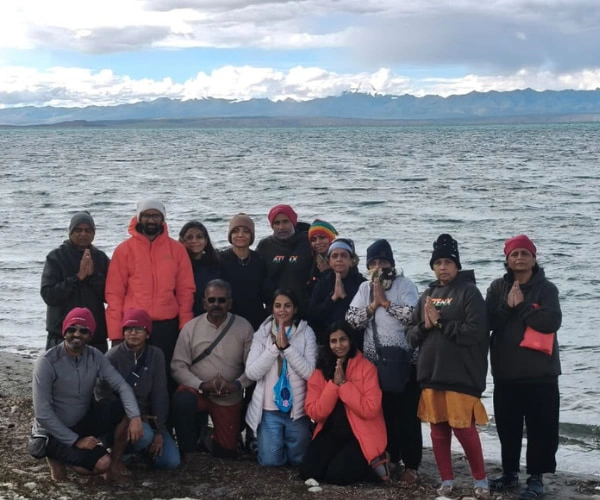
Pilgrims rise before sunrise to take a ritual dip in Mansarovar's glacial water. The belief is that the bath cleanses sins built up over many lifetimes, not just this one. Some pilgrims fill small containers with the water to carry home and share with family who could not make the trip.
Offerings are common, too. Butter lamps, flowers, and prayer scarves get set on the surface of the lake, especially at dawn when the water is calm, and the light hits it in a way that makes the whole ritual feel less like tradition and more like something happening right in front of you.
Why Pilgrims Believe the Journey Brings Inner Peace?
Ask ten pilgrims why they came, and most will not lead with religion. They will talk about needing to quiet down, about a death in the family, and about feeling stuck. The mountain does not fix any of that directly. What it does is remove every distraction that normally lets people avoid sitting with a problem.
There is no signal up there. No errands. Just thin air, a long walk, and a lot of time to think. People come back different, not because Kailash performed a miracle, but because they finally had the space to work something out.
The Unique Spiritual Energy of Mount Kailash
Visitors describe a specific stillness around Kailash that they say they have not felt at other mountains, even taller ones. Some of that is real geography. The peak's four-sided pyramid shape, standing alone above the Tibetan plateau rather than crowded by neighboring giants, gives it a presence that Everest or Annapurna, buried among other peaks, simply lacks.
Four of Asia's major rivers, the Indus, the Sutlej, the Brahmaputra, and the Karnali, all trace their source back to this same patch of plateau. Part of the mountain's pull is also expectation. People arrive already primed by centuries of stories about this exact spot. That does not make the feeling less real. It just means the mountain has had a very long head start.
Sacred Monasteries Around Mount Kailash
Dirapuk and Zutulpuk monasteries sit directly on the kora route and house pilgrims overnight during the trek. Both are small, plain, and built for function rather than grandeur, which somehow suits the setting better than anything ornate would.
Chiu Monastery, perched on a small hill above Lake Mansarovar, is associated with the meditation cave of Padmasambhava, the teacher credited with helping to establish Buddhism in Tibet. Watching the sun set behind Kailash from Chiu's rooftop is one of those moments our returning guests bring up years later, completely unprompted.
Meditation and Prayer in the Himalayas
The Himalayas have drawn meditators and hermits for centuries, and the Kailash region in particular is dotted with retreat caves used by figures like Milarepa. Altitude forces a kind of stillness on anyone who spends time here. The body slows down whether it wants to or not.
Many pilgrims build quiet time into their schedule around the mountain rather than treating the kora as the only spiritual part of the trip. A morning spent in silence near Mansarovar, just watching the light change on the water, often ends up meaning as much to people as the walk around the peak itself.
Cultural Heritage of the Kailash Mansarovar Region
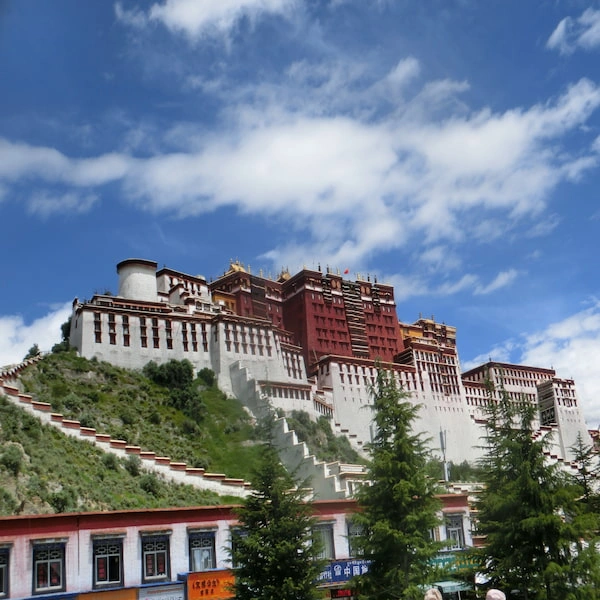
Western Tibet's Ngari Prefecture, where Kailash sits, carries the history of the old Zhang Zhung kingdom, the birthplace of the Bon tradition long before Buddhism arrived. Ruins, cave monasteries, and old trade routes are scattered across the plateau, and the region still shows traces of the exchange between Tibet, India, and Nepal that has moved through here for a very long time.
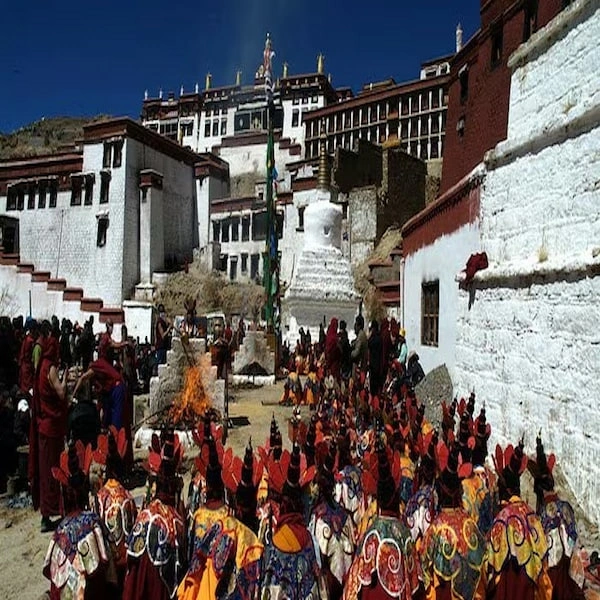
Local Tibetan communities maintain the monasteries, run the tea houses along the trail, and keep the rituals going year after year. None of this survives as a museum piece. It is still lived and practiced daily by the people who call this plateau home.
Why the Journey Is More Than a Physical Trek
It is easy to reduce the Kailash Mansarovar Yatra to numbers: 52 kilometers, three days, a pass over 5,600 meters. Those numbers matter for planning, and Holy Kailash Tours builds every itinerary around them carefully. But nobody who finishes the kora talks about it in those terms afterward.
They talk about the moment at Dolma La when their legs gave out, and they kept walking anyway. They talk about what they thought about during the hardest hour on the trail. The trek is the container. What happens inside a person during it is the actual point of going.
The Importance of Faith, Devotion, and Perseverance
This is not an easy trip. The altitude alone rules out a lot of travelers, and the terrain does not get gentler as the trek goes on. What gets pilgrims through it is not fitness. It is devotion, plain and simple, backed by a stubbornness that shows up in people who have already decided this matters more than their comfort.
We have watched pilgrims in their sixties and seventies complete the full kora on foot, turning down the horses offered to them, because finishing on their own legs was part of the point for them. That kind of resolve is not something a guide can teach. It is something the mountain seems to pull out of people who already carry it inside them.
Experiencing Spiritual Transformation During the Yatra
Pilgrims consistently describe a shift that occurs sometime on day two of the kora, usually around Dolma La. The exhaustion strips away small talk. People stop performing and start being honest, sometimes with strangers they met three days earlier on the same trail.
We cannot promise anyone a specific transformation. What we can say, after guiding this route for years, is that almost nobody leaves Kailash exactly the way they arrived. Something shifts, even if it takes weeks after they get home to notice it.
Respecting Local Traditions and Sacred Stands
This is Tibetan land, and Tibetan customs come first. That means dressing modestly, asking before photographing monks or pilgrims at prayer, and not treating monasteries like photo backdrops. It also means walking the kora clockwise unless you are traveling with Bon pilgrims, since moving against a line of devotees mid ritual is disrespectful, not just confusing.
Holy Kailash Tours briefs every group on local etiquette before the trek starts. It is not a formality. Getting this wrong disrespects the same communities that have protected this region for generations.
Final Thought
Kailash Mansarovar Yatra does not perform for cameras, and it does not need visitors to validate it. It has stood exactly where it is for longer than any of the four religions that now claim it, and it will keep standing there long after we are gone.
What changes is the person who walks around it. That is the whole point of the trip, and it is why Holy Kailash Tours keeps bringing people back to this mountain year after year. Not because we are selling a view, but because we have seen what the walk does to people willing to make the effort.
Written by the Holy Kailash Tours travel desk, explore the Kailash Mansarovar yatra. What Is a Truly Sacred Destination?
Email: [email protected]
Author: Ram Sharan Adhikari
WhatsApp: +977-9851254672 — Feel free to reach out anytime for fast, friendly, and personalized assistance.