A Kailash Mansarovar Yatra is a planned affair and involves more than simply selecting the dates of your trip. Since Kailash Mansarovar Yatra is high, altitude Himalayan yatra crossing Tibet border China making the right choice of the route and obtaining the necessary permits is critical.
Altitude variation along the iconic overland route will be substantial, from Kathmandu (1, 400m) to Kerung and Saga to Lake Mansarovar (4, 690m) and Darchen (4, 676m). The final test of all pilgrims is the 52-kilometre Kailash Kora (parikrama), which climbs to an arduous Dolma La Pass at 5,628 m. This trek must be carefully planned to include good acclimatization.
Where Is Mount Kailash Located?
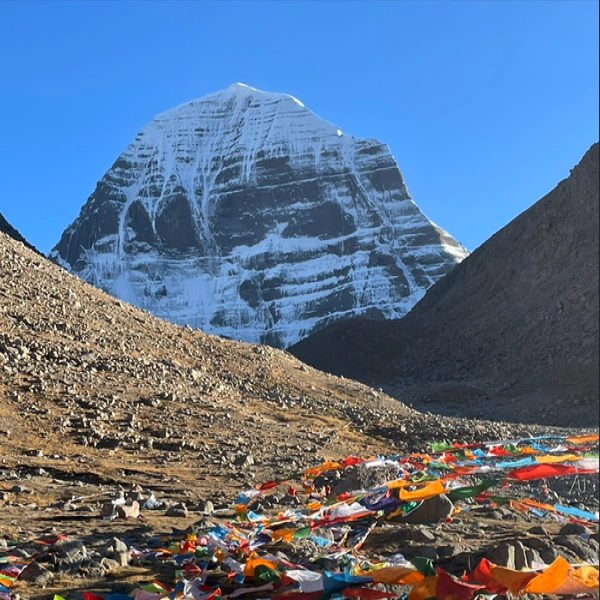
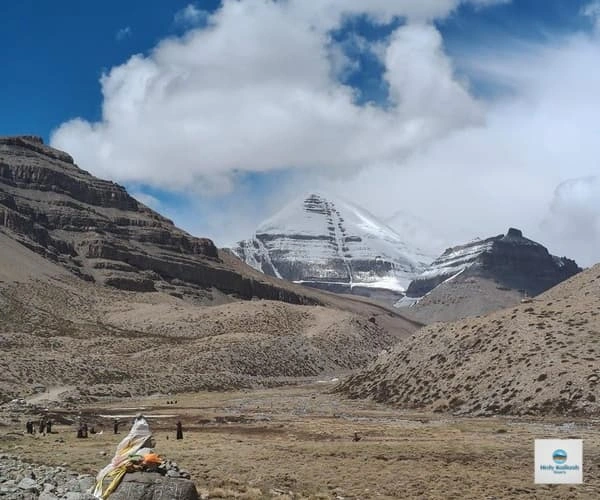
Pilgrims trekking the Mount Kailash Parikrama outer kora circuit
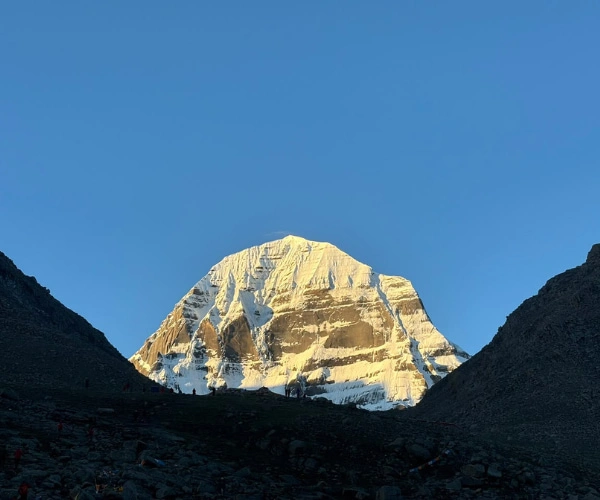
Mount Kailash lies in the Tibetan Autonomous Region, 'Ngari Prefecture', on the western edge of the vast Tibetan Plateau. The sacred mountain peaks are set in the mythical range of mountains called Gangdise. Isolated geographically by vast barrenness on the border of India and Nepal, it takes map planning and organized transport to visit.
Yet, if you prefer to seek the real Mount Kailash location, traditional Nepalese Kailash Yatra tour packages are available in these three categories: a rocky land border crossing, Kailash Yatra helicopter package, or flight and visits along the scenic route to Lhasa. Mount Kailash summit stands 6, 638 meters high, but the ascent is prohibited to pay tribute to the holy mountain.
Why Is Mount Kailash Sacred to Four Religious Traditions?
Mount Kailash reportedly is the holiest pilgrimage destination in Asia for adherents of the religions of Hinduism, Buddhism, Jainism, and the indigenous Bon tradition.
Kailash Parvat and Lord Shiva
Hindu pilgrims know that the sacred mountain is Lord Shiva & Goddess Parvati's everlasting spiritual residence. The Kailash Mansarovar Yatra tour package sees the mountain peak as a spiritual quest that focuses on prayers, meditation, and self-discovery. The entire physical parikrama of the mountain is a spiritual pursuit and is part of the Kailash Yatra holy rituals performed at the shores of Lake Mansarovar,
Gang Rinpoche in Tibetan Buddhism
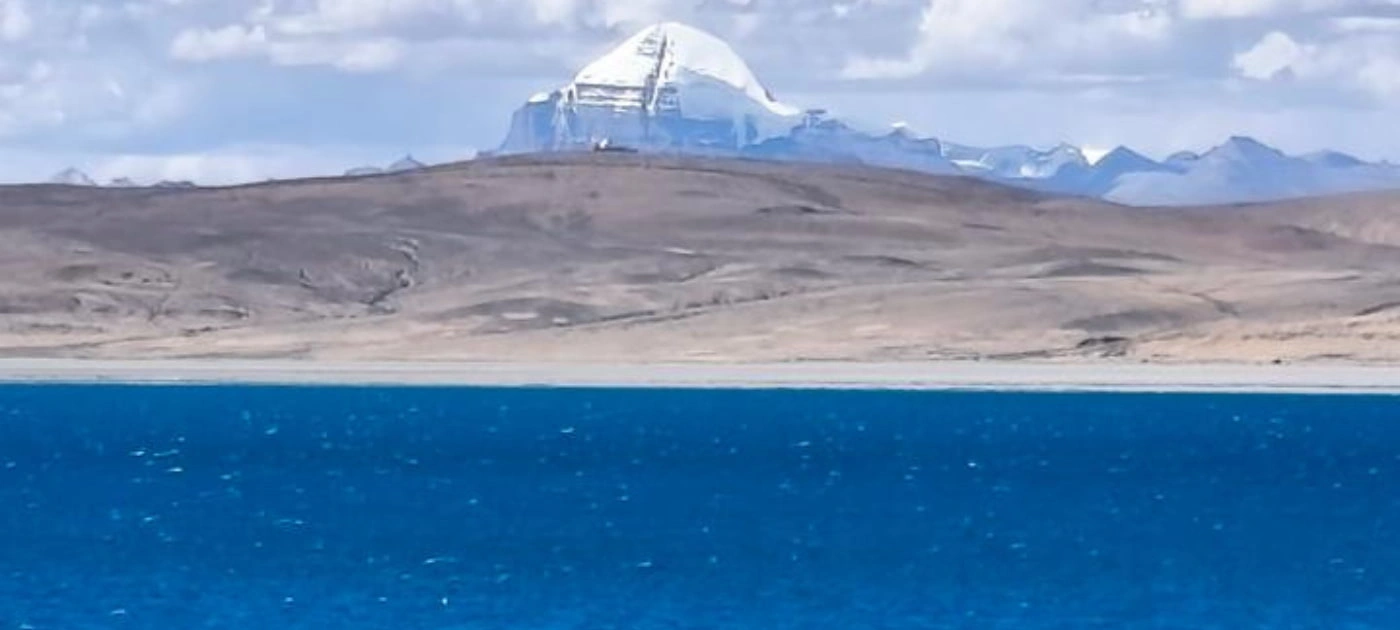
Sacred Lake Mansarovar water shores at high altitude with Mount Kailash summit in background
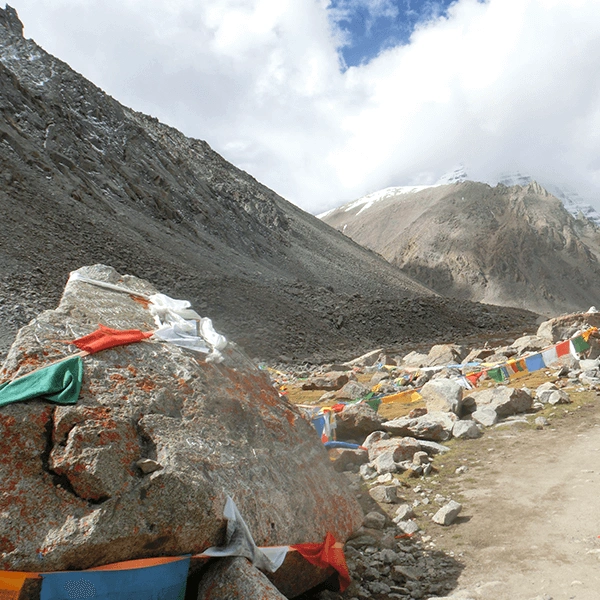
Tibetans refer to the mountain as Gang Rinpoche, which translates to 'Precious Snow Mountain'. Tibetan Buddhists associate the peak with Demchok (Chakrasamvara), who represents supreme bliss. For Buddhist devotees, trekking the rocky paths of the outer kora circuit marked by colorful prayer flags is a profound act of circumambulation, which is traditionally performed in a clockwise direction.
The Jain and Bon Connections
In the Jain faith, the mountain is known as Ashtapada, the historic site where Rishabhadeva (Adinath), the first Tirthankara, attained spiritual liberation. For followers of the ancient Bon tradition but the region is considered the mystical seat of all spiritual power, and they complete their holy circumambulation in a counter, clockwise direction.
Where Is Lake Manasarovar, and Why Do Pilgrims Visit It?
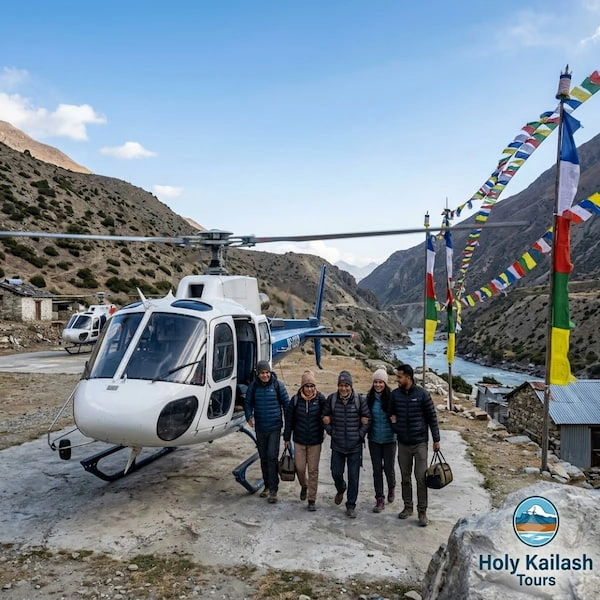
Mount Kailash Yatra tour by helicopter route view from Simikot and Hilsa border
It's spelt a few ways too, like Manas Sarovar; it's the same. It's in western Tibet, right near Mount Kailash, and a lot of Kailash Mansarovar Yatra itineraries make it a main stop. The lake carries real religious weight, especially for Hindus and Buddhists.
There are many spellings of the name online, but they all refer to this holy lake. Those looking for information on Manas Sarovar location, Manasarovar Tibet or Lake Manasarovar Tibet are usually looking for the lake known from the Kailash pilgrimage.
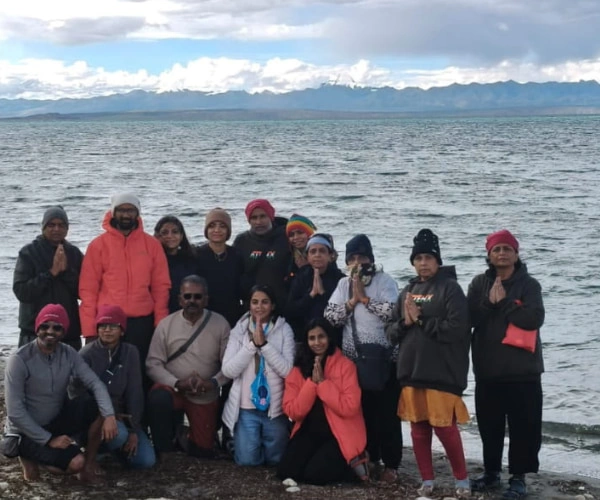
There's a desire for cleansing and spiritual awakening among Hindu pilgrims. The pilgrims make their way to Manasarovar to pray, meditate, and soak in the water. According to the circumstances and the opportunities at hand, some pilgrims also take a dip.
A stunning location, the lake is situated high in the mountains and has expansive views of the plateau below. Beware of the weather: it can change in an instant, and don't take the cold lightly, even if the sun appears to be shining.
Lake Manasarovar is in the vicinity of Rakshastal, another significant lake that has its own spiritual importance in the nearby region. The two lakes are separate and don't get mixed up by the tourists.
Swimming or bathing in Lake Manasarovar may not always be permitted due to local environmental rules and weather conditions. You have to follow rules and follow your tour guide's instructions based on conditions; without your guide's instructions, never enter cold water unless you know what you're up against.
What Is the Kailash Parikrama, and How Difficult Is It?
The Kailash Parikrama, or Kailash kora, is a clockwise circumambulation around Mount Kailash. It's called the outer kora. Pilgrims circumambulate the mountain along the existing track instead of scaling the summit.
What's the overall route? The entire circuit is generally stated as being around 52 kilometres and takes 3 days. The Kailash Kora journey crosses Dolma La, around 5, 630 metres, and this is typically the hardest part of many of the standard itineraries.
The walk is hard because of altitude, walking distance, weather, and the lack of amenities. Even someone who walks regularly at sea level can find the altitude hard. Physical fitness helps, but it doesn't mean the body will adapt well to the low levels of oxygen in the air at altitude.
On the first day, trekkers head in the direction of Dirapuk, giving you a glimpse of the north face of the mountain. The second day is marked by crossing Dolma La, then dropping into the next camp. The last part takes you back to Darchen, the main start point of the circuit.
Can You Climb Mount Kailash?
Sacred Lake Mansarovar water shores at high altitude with Mount Kailash summit in background
Can you climb up Mount Kailash? No. You aren't allowed to climb up the holy mountain of Kailash. The pilgrimage is to complete the travelling/parikrama around the mountain and not to reach the summit. No record of a successful ascent of Mt. Kailash is available.
This difference is important because many online searches for climbing Kailash imply that summiting Kailash is included in the journey. It isn't.
If you're going to Kailash, be ready for a pilgrimage at altitude and stay on the permitted walking route. Don't attempt to summit.
Which Kailash Mansarovar Yatra Route Should You Choose?
When booking a package with a tour operator in Nepal, there are three main corridors to choose from based on your budget, timeframe, and fitness levels:
Overland Kailash Yatra Through Kerung
This is a classic 14-day driving itinerary starting with the Kailash Mansarovar Yatra overland road journey from Kathmandu to the Rasuwagadhi, Gyirong border. Pass through the border and then drive westwards along the harsher Tibetan plateau as far as Saga, where you'll be able to take the more moderate elevation profile to Darchen and slowly acclimatize to the decreasing levels of oxygen.
Helicopter Kailash Yatra via Hilsa
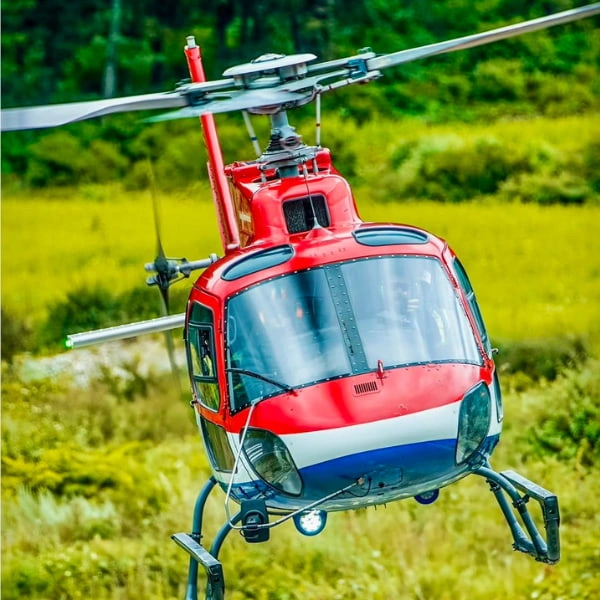
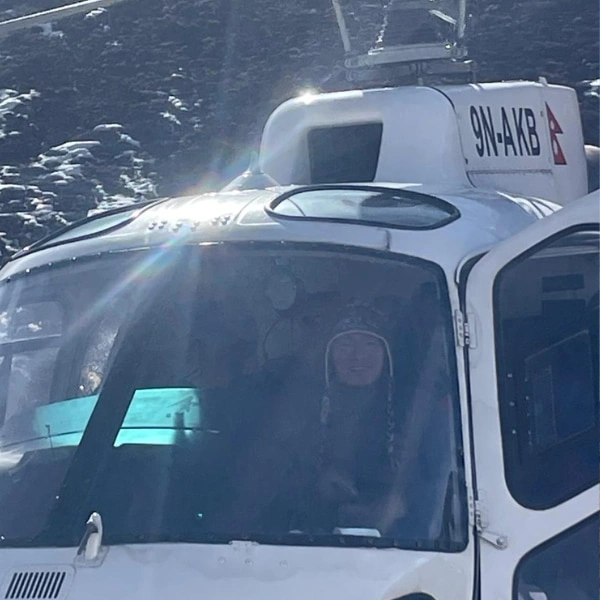
Kailash Yatra by helicopter: Running over just 10 to 11 days, it's a good option for time-strapped travellers using a connecting domestic flight from Kathmandu to Nepalgunj or Simikot and then an exciting scenic helicopter link over northern mountains bringing you directly to the isolated border outpost of Hilsa, where vehicles are already waiting to drive into Tibet. Note that this little, drive parikrama doesn't eliminate the rigors of the actual 3, day high, altitude trek.
Kailash Yatra Through Lhasa
Kailash Yatra via Lhasa: start a 15- to 16-day cultural experience by flying to Lhasa from Kathmandu. Tour guides take visitors on an interesting historical journey through the capital, Lhasa, and Shigatse, before venturing westward over the vast plateau to the famed Lake Mansarovar. This journey is mostly popular with pilgrims who want to explore the classics of Tibetan history to the fullest extent.
What Documents and Permits Do You Need?
Mount Kailash Yatra tour by helicopter route view from Simikot and Hilsa border
The Mount Kailash journey is beyond a restricted area of Tibet. Foreign travelers require travel documents and permits. Even a Chinese visa may not help much without obtaining a Tibet Travel Permit and additional permits to travel to the Kailash Mansarovar Yatra Travel Guide before confirming your Kailash Mansarovar Yatra.
Tibet travel permits are:
Valid Passport & Chinese Visa
Tibet Travel Permit
Alien's Travel Permit
Military Permit
Foreign Affairs Permit
Inner Line Permit
Ask your operator if the permit processing and transport are included. Confirm your border access and Nepal's part requirements. The change in travel conditions makes it even more important to verify essentials before leaving for irreversible reservations.
Estimated Costs (2027 Planning References)
Overland Route: Starting from USD 2,499
Helicopter Route (Kathmandu Departure): Starting from USD 3,499
Helicopter Route (Lucknow Departure): Starting from USD 3,399
Kailash Yatra pilgrimage is recommended for those who respect its spiritual nature, are willing to endure the hardships of life in the wilderness and are prepared for several days at high altitudes.
It's not a trip to take just because a package claims to get you there in fewer days. The parikrama is tough on the body whether you get there by road or foot.
They shouldn't assume their age is a barrier, nor that using a helicopter route guarantees a safe journey without talking to your GP. A simple medical should be undertaken, and an honest conversation as to their walking ability before booking is wise.
If time is a constraint compare the real time duration travelling, altitude profile and contingency planning for each option. If you see a longer cultural experience as a priority, then the Lhasa option should be your choice. If you prefer road travel, then research the overland option. If you need to take a little of the road part out of the journey, ask if a helicopter-assisted itinerary is right for you.
Travelers can use Holy Kailash Tours for a comparison of the pilgrimage options, though it's the information on the fixed itinerary and your preparation that determines the choice.
Plan your Kailash Mansarovar Yatra with straightforward details.
Detailed map profile showing the 52 kilometer Mount Kailash Parikrama tracking circuit via Lhasa
Disappointing Kailash Yatra: it's worth preparing yourself. By the time you book your Kailash Yatra, you should have an understanding of where exactly Mount Kailash is, understand all the different ways people view the mountain and be prepared for the parikrama.
Think about the logistics. Confirm the map, the permit number and name, departure dates accommodations, health problems, insurance, and delay protocol. Those questions will help you more than selecting a package because it was the cheapest or shortest.
If travelling to Kailash and Lake Manasarovar was your childhood dream, then the first thing is to know all about the options and then to discuss with your travel tour expert guide about the plan of your tour according to your conditions. Please feel free to contact Holy Kailash Tours through the official website to know about the schedule, rules, and departure plans.
Avoid underestimating the sacred pilgrimage; make sure that you're straight on the facts before deciding to undertake this journey, and keep those travel plans flexible, in case you need to change your plans because of the demands of crossing the Tibetan Plateau.
Book your upcoming pilgrimage today and secure a 5% early-bird discount on your tour package. Have questions about routes or departures? Call us, message us on WhatsApp at +977 9851254672, or visit our official website to speak directly with a travel expert today
Start your Kailash pilgrimage with correct information and proper preparation. Get in touch with Holy Kailash Tours now to learn about the 5% discount and set the plan for your trip to Holy Mount Kailash and Lake Manasarovar
Frequently Asked Questions
Which Kailash Mansarovar Yatra Route Should You Choose?
All routes include a fair amount of road travel and spend many days at altitude. But typically the most taxing section of each route is the Kora itself, mainly the ascent to Dolma La Pass (around 5,630 m). The helicopter route reduces some road travel but doesn't remove the difficulty of the Kora.
What's the cost of a trip to Kailash Mansarovar from Nepal in 2027?
The cost of the Kailash Mansarovar Yatra from Nepal depends on factors like route, nationality, group size, permits, accommodation, and transport. As a reference, Holy Kailash Tours has previously listed starting prices of approximately USD 2, 599 for the overland route, USD 3, 299 for the helicopter-assisted route, and USD 3, 799 for the Lhasa route. These are planning references and not confirmed final quotations. For updated 2027 package prices and inclusions, please contact your tour operator.
What's the oxygen level at Kailash Mansarovar?
Lake Mansarovar is at about 4, 590 meters above sea level and has a lower oxygen pressure than at sea level, so the body receives less oxygen with each breath. This effect is even greater at Dolma La Pass, which is around 5, 630 meters high. Travellers should allow time for acclimatization and understand the symptoms of altitude sickness during the Kailash Yatra.
How risky is the Kailash Mansarovar Yatra?
It's a great adventure, but it poses risks due to altitude, cold weather, extended road travel, and sometimes difficult walking conditions. Even healthy travellers can suffer from altitude sickness. Ascending gradually, health preparations and appropriate medical insurance, and experienced local guides help to reduce risks. Serious symptoms like disorientation, stumbling, or shortness of breath at rest need to be urgently treated and the victim evacuated.
What's the best time to visit Kailash Mansarovar?
What's the Kailash Mansarovar Yatra season? The typical Kailash Mansarovar Yatra season begins in May and ends in September. June, July, and August are the peak months for the Mount Kailash pilgrimage. May and September are the cooler months, mainly at the higher altitude. Due to weather, border, and permit situation, departure dates vary, please check departure dates before booking.
How many days are required for Kailash Mansarovar Yatra from Nepal?
The duration of the Kailash Overland Tour through the Kerung route is 14 days. The Kailash Yatra through Lhasa is of 15/16 days. The Kailash Helicopter Yatra through Hilsa is of 10/11 days. The actual program can vary as per weather conditions permits transportation availability, etc.
How difficult is the Kailash Parikrama for first-time pilgrims?
Kora is 52 km and is typically completed over three days. The difficult part of Kailash Kora is crossing at Dolma La Pass as the elevation is quite high, and the trail is steep. While walking and climbing training regularly can prepare you, good fitness won't prevent you from getting altitude sickness.
Can senior citizens and first-time travellers join Kailash Mansarovar Yatra?
Elderly people and first-timers can seek availability in the Kailash Tour Package, though it entirely depends on individual health and fitness. We advise to consult a doctor before booking. Choose a travel plan with the proper acclimatization schedule and inform the service provider for walking implements, emergency facilities and alternatives when an individual is unable to complete the Parikrama.
What permits and documents are required for Kailash Mansarovar Yatra 2027?
Travellers need a valid passport, a Chinese visa, and Tibet travel permits. Requirements depend on nationality and may differ for Indian passport holders and other foreign passport holders. NRIs should confirm their eligibility before booking. Your Kailash Mansarovar tour operator in Nepal should explain the required documents and the current application process before finalizing travel arrangements.