The Langtang Valley Trek is directly north of Kathmandu, close enough that you can reach the trailhead at Syabrubesi (1,503m) within a single day's drive. That proximity is one of its biggest practical advantages over longer routes.
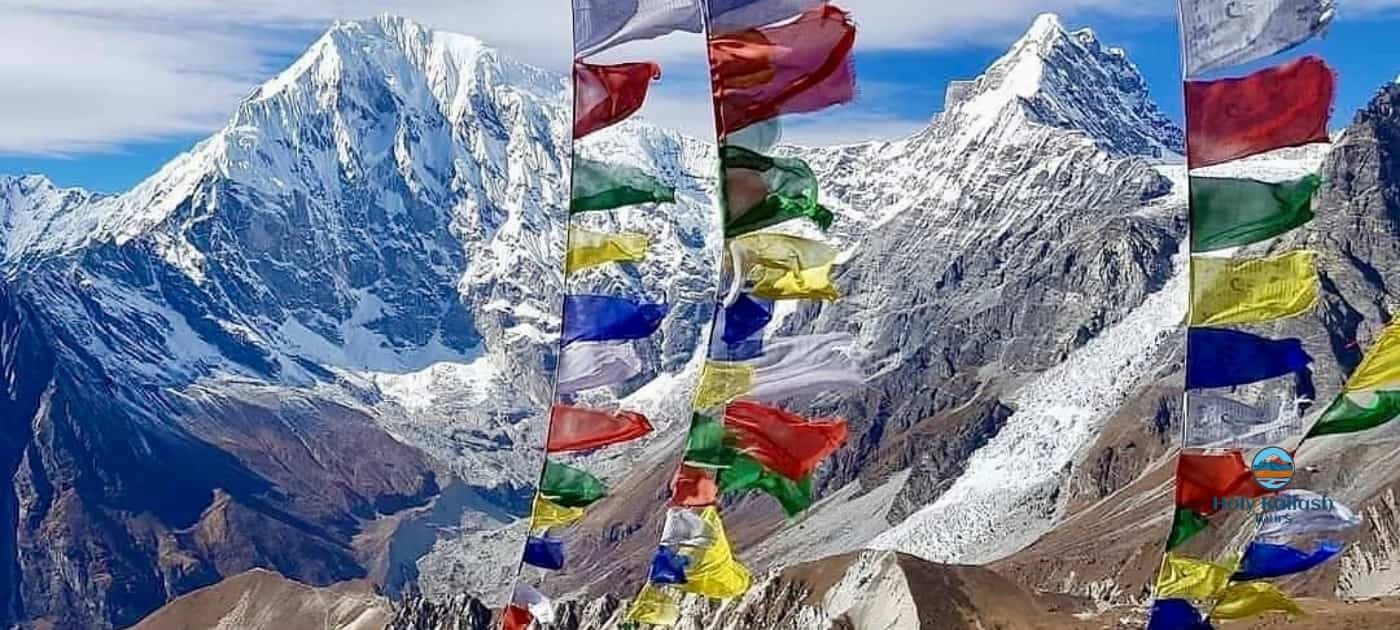
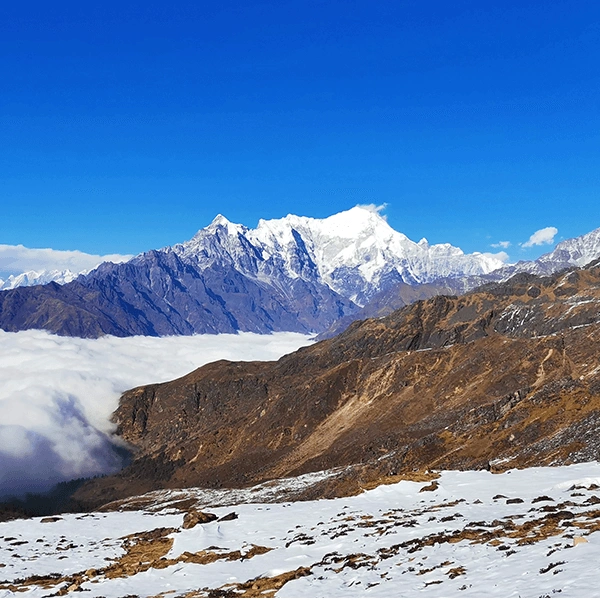
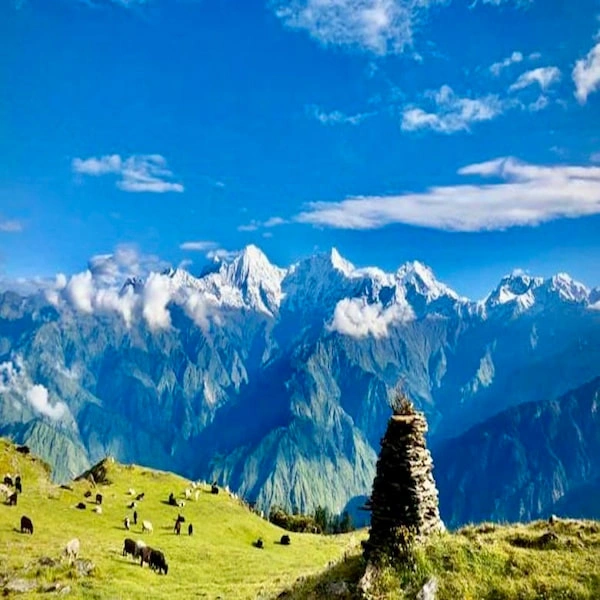
The trail runs through Langtang National Park, moving from rhododendron and bamboo forest at lower elevations into open alpine meadows as you gain height. Langtang Lirung (7,227m) dominates the upper valley, with Dorje Lakpa (6,966m), Gangchenpo (6,387m), and Langshisa Ri (6,427m) filling in the rest of the skyline. From Kyanjin Ri (4,773m) or Tserko Ri (4,984m), you get the full panorama. The kind of view people plan entire trips around.
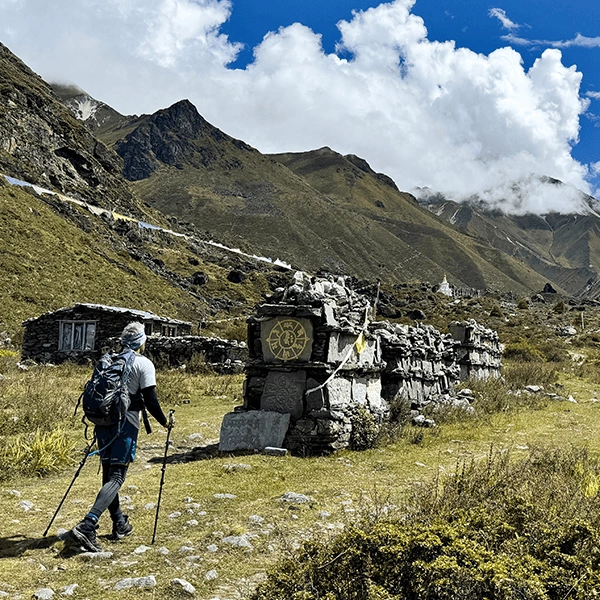
The villages belong to the Tamang and Sherpa communities. Lama Hotel (2,480m), Langtang Village (3,430m), and Kyanjin Gompa (3,870m) are built from stone, ringed by prayer flags, and still carrying the weight of the 2015 earthquake that leveled much of the valley. People here will talk about it if you ask, and many will bring it up before you do. The Kyanjin Monastery and the yak cheese factory have been running long enough that they feel like they've always been part of the mountain.
This isn't a demanding trek by Himalayan standards. You don't need the time or altitude exposure of Everest Base Camp or Annapurna. But it's genuinely impressive, and it earns that without exaggeration.
Langtang Valley Trek Overview
langtang trek
The Langtang Valley Trekruns through Langtang National Park in northern Nepal, close to the Tibetan border. The trail follows the Langtang River from the dusty bus-stop town of Syabrubesi up through dense forests, past yak pastures, and into a high-altitude valley surrounded by peaks like Langtang Lirung (7,227 m) and Gangchenpo (6,387 m).
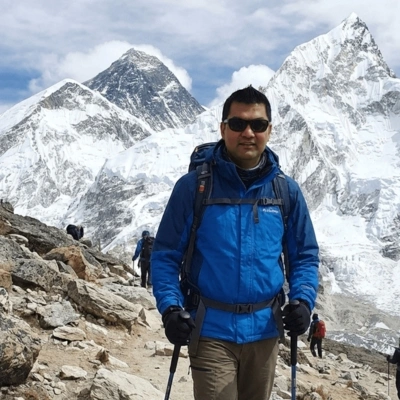
The turnaround point is Kyanjin Gompa, a monastery village sitting at 3,870 m. From there, you can push higher to Kyanjin Ri (4,773 m) or the more demanding Tserko Ri (4,984 m). The views from either summit are difficult to put into words.
The Langtang Valley trek is one of the most accessible serious treks in Nepal. Syabrubesi is about 7 to 8 hours by road from Kathmandu, meaning you can start trekking on day three without any internal flights or additional travel.
Quick facts:
Maximum elevation: 4,984 m (Tserko Ri)
Total trekking distance: approximately 65 to 75 km round trip
Duration: 9 to 10 days, including Kathmandu travel days
Most trekkers who've done both the Annapurna Base Camp and the Langtang trek say the same thing: Langtang feels less like a tourist route. The trails are quieter. The tea houses are simpler. The local Tamang and Tibetan communities along the Langtang Trail still live in ways that feel genuinely connected to the land and the mountains.
For trekkers who want strong mountain views, genuine cultural contact, and a shorter timeframe, Langtang consistently wins.
There's also a historical dimension here. In April 2015, an earthquake triggered an avalanche that destroyed Langtang Village and killed hundreds of residents. The community has rebuilt slowly and with genuine determination. Trekking here now directly supports local families and the ongoing recovery. That's worth knowing before you go.
Langtang Valley Trek Route Map and Highlights
langtang valley trek
The Langtang Valley trek route goes like this: drive from Kathmandu to Syabrubesi, then walk up the Langtang River valley through Lama Hotel, Langtang Village, and on to Kyanjin Gompa. The return follows the same path.
Main highlights along the Langtang trail:
Riverside forest zones (Day 3): Dense rhododendron and oak forest, waterfalls, and the constant sound of the Langtang River below.
Langtang Village (Day 4): A rebuilt mountain village with Langtang Lirung rising almost directly overhead.
Kyanjin Gompa (Day 5): The monastery, a yak cheese factory that's been running for decades, and sweeping 360-degree mountain views.
Kyanjin Ri and Tserko Ri (Day 6): The best viewpoints on the trek. Tserko Ri takes serious effort but delivers serious rewards.
Langtang Base Camp area: Visible from the upper valley on clear mornings, along with the Langtang Glacier.
Tibetan monasteries and mani walls: Scattered throughout the valley, with prayer flags snapping in the wind.
The Langtang Valley trek route is well-marked and manageable for fit, prepared trekkers. A guide still adds real value, especially on the upper sections.
This is the standard 9-day Langtang Valley trek itinerary from Kathmandu. Holy Kailash Tours uses this as a base and adjusts it based on the group's fitness and conditions.
Day 1: Arrival in Kathmandu (1,400 m)
Arrive in Kathmandu, meet your guide, complete any permit paperwork, and rest. If you land early, Boudhanath and Thamel are both worth a few hours. Sleep early. Tomorrow is a long drive.
Day 2: Drive from Kathmandu to Syabrubesi (1,460 m)
Drive time: 7 to 8 hours | Distance: ~117 km
The road winds through hills and river valleys. Scenic but rough in places, especially in the weeks following the monsoon. Arrive by late afternoon, explore the village, eat a hot meal, and sort your pack for the trail.
Day 3: Syabrubesi to Lama Hotel (2,380 m)
Walking time: 5 to 6 hours | Elevation gain: ~920 m | Distance: ~11 km
The trail climbs steadily through forest alongside the Langtang River. A solid first trekking day. You'll pass through landslide zones from 2015, which put the landscape in sharp context. The forest is dense and beautiful, and the river is a loud companion most of the way.
Accommodation: Tea houses at Lama Hotel
Day 4: Lama Hotel to Langtang Village (3,430 m)
Walking time: 5 to 6 hours | Elevation gain: ~1,050 m | Distance: ~12 km
The landscape opens up on this day. Trees thin, and the Langtang Range comes into view. You pass through Ghoda Tabela, a horse pasture and army checkpoint, before climbing into Langtang Village.
Highlights: Yak pastures, views of Langtang Lirung, the transition from forest to high-altitude terrain
Accommodation: Tea houses in Langtang Village
Day 5: Langtang Village to Kyanjin Gompa (3,870 m)
Walking time: 3 to 4 hours | Elevation gain: ~440 m | Distance: ~7 km
A shorter day by design. Gradual elevation gain gives your body time to adjust. Arrive at Kyanjin Gompa with time to visit the monastery, buy some yak cheese, and watch the late-afternoon light move across the peaks.
Highlights: Kyanjin Gompa monastery, the cheese factory, evening views of Tserko Ri and Kyanjin Ri
Accommodation: Tea houses in Kyanjin Gompa
Day 6: Hike to Kyanjin Ri (4,773 m) or Tserko Ri (4,984 m)
The Kyanjin Ri trek is the easier option. About 2 to 3 hours up from Kyanjin Gompa, with wide views of the valley and the surrounding peaks. The tserko ri trek is harder and takes 4 to 5 hours to the top, but the panorama includes Langtang Lirung, Shishapangma across the Tibetan border, and the entire upper Langtang Valley spread below you.
Go for Tserko Ri if your acclimatization is good and your fitness allows it. Start before sunrise.
Accommodation: Return to Kyanjin Gompa
Day 7: Kyanjin Gompa to Lama Hotel (2,380 m)
Walking time: 5 to 6 hours | Elevation loss: ~1,490 m
Descending is faster but harder on the knees. Use trekking poles. The forest sections feel completely different on the way down. You'll notice things you walked past on the ascent.
Accommodation: Lama Hotel tea houses
Day 8: Lama Hotel to Syabrubesi (1,460 m)
Walking time: 4 to 5 hours | Distance: ~11 km
Mostly downhill through the forest. A relaxed final day of trekking. Arrive in Syabrubesi by early afternoon with time to clean up and rest.
Accommodation: Syabrubesi guesthouses
Day 9: Drive Back to Kathmandu
Drive time: 7 to 8 hours
The road back feels familiar. You'll probably spend most of it replaying the views. Arrive in Kathmandu by evening.
Langtang Valley Trek Cost Breakdown
angtang Valley Trek
Here's a realistic look at the Langtang trek price across three budget categories.
What Is Included in the Langtang Valley Trek Package?
When you book a guided Langtang Valley trek package through Holy Kailash Tours, the standard inclusion list covers:
Airport pickup and drop-off in Kathmandu
Kathmandu hotel (1 to 2 nights, breakfast included)
Private jeep transport from Kathmandu to Syabrubesi and back
All tea house accommodation during the trek
Three meals per day on the trail
Licensed English-speaking trekking guide
Porter service (typically one porter per two trekkers)
TIMS card and Langtang National Park permit
First aid kit and emergency support
Government taxes
What Is Excluded from the Trek Package?
Langtang Valley Trek
Always check what's not covered before you book. Standard exclusions include:
International flights to and from Nepal
Nepal visa fees ($30 to $50, depending on duration)
Travel insurance (mandatory, must specifically cover high-altitude trekking)
Personal trekking equipment and gear
Extra meals or beverages beyond the included package
Tips for guides and porters
Personal extras like phone charging, hot showers, and Wi-Fi at tea houses
Langtang Valley Trek Permit Cost
Two permits are required for the Langtang trek:
1. TIMS Card (Trekkers' Information Management System)
Individual trekkers: $20
Trekkers through a registered agency: $10
2. Langtang National Park Entry Permit
SAARC nationals: NPR 1,500 (approximately $11)
All other nationalities: NPR 3,000 (approximately $23)
You can get both at the Nepal Tourism Board office in Thamel, Kathmandu. Holy Kailash Tours handles this for all guided clients, and it's included in the package price.
Getting to the trailhead is straightforward. Two options:
Local Bus
Cost: $10 to $115 per person (one way)
Travel time: 7 to 9 hours
Comfort: Basic. It works, but it's not pleasant.
Private Jeep
Cost: $150 to $200 round trip (shared among 4 to 6 passengers)
Travel time: 6 to 7 hours
Much faster, far more comfortable, and the standard choice for most guided groups
Holy Kailash Tours includes private jeep transport in its standard packages, keeping the group together and removing a logistical headache.
Accommodation and Food Cost During the Trek
Langtang Trek
The Langtang Valley trek runs entirely on the tea house system. You sleep in simple guesthouses run by local families. Rooms are basic but consistently clean.
Accommodation per night:
Budget room (shared bathroom): $5 to $10 per person
Standard room (private, where available): $10 to $20 per person
Food per meal (approximate):
Breakfast: $3 to $6 (porridge, eggs, Tibetan bread, pancakes)
Lunch: $4 to $7 (noodle soup, sandwiches, fried rice)
Dinner: $5 to $9 (dal bhat, pasta, momos, vegetable curry)
Hot drinks: $1 to $3
Prices increase with altitude. Expect to pay noticeably more at Kyanjin Gompa than at Lama Hotel. Everything has to be carried up.
A good guide isn't just someone who knows the trail. They monitor for altitude sickness, manage logistics with tea house owners, and handle emergency situations calmly. That's worth a lot at 3,800 m.
Guide daily rate: $25 to $35 per day
Full trek (7 days): $175 to $245
Porter's daily rate: $20 to $25 per day
Full trek (7 days): $140 to $175
Standard carry load: 20 to 25 kg
Tipping is expected and deserved. The standard: $10 to $15 per day for the guide, $7 to $10 for the porter, split among the group.
Best Time for the Langtang Valley Trek
Langtang Valley Trek
Spring (March to May) The most popular season. Rhododendrons bloom on the lower trail, skies are mostly clear, and daytime temperatures are comfortable. March and April are the best months.
Autumn (September to November) Post-monsoon brings arguably the clearest skies of the year. October is the single best month for mountain visibility. Cool days, sharp views, and excellent trail conditions.
Winter (December to February) Cold and very quiet. Snow can accumulate above Kyanjin Gompa, especially in January and February. Possible with the right gear, but not for first-timers.
Monsoon (June to August): Leeches, slippery trails, and limited visibility above the clouds. Skip it unless you have a specific reason to go.
The Langtang Valley trek difficulty is rated moderate. Here's what that actually means:
Daily walking time: 4 to 7 hours
Elevation gain per day: up to 1,050 m on the hardest days
Highest sleeping elevation: 3,870 m (Kyanjin Gompa)
Tserko Ri summit day: strenuous (4,984 m)
You don't need technical climbing skills or previous Himalayan experience. But you do need to be in reasonable shape. If you can comfortably walk 10 to 15 km in a day with a daypack, you're ready for this.
Altitude is the main risk. Go slow on ascent days, drink water constantly, and don't try to push through symptoms.
How Long Is the Langtang Valley Trek?
The standard route is 9 days round-trip from Kathmandu. But it's flexible:
6-day Langtang Valley trek: Possible for fit, fast trekkers. Skips the rest day and summit push. Not ideal for acclimatization.
9-day version: The standard pace. Right for most people.
12 to 14-day extension: Add Gosaikunda Lake or the challenging Ganja La Pass for a bigger adventure.
Holy Kailash Tours builds custom itineraries that fit your available time.
Holy Kailash Tours, based in Kathmandu, has organized treks and pilgrimages across the Himalayas for years. The Langtang Valley trek guideteam knows this trail in detail, including the post-2015 changes to the route and villages.
What sets the service apart:
Licensed, English-speaking local guides with real experience on the Langtang Trail
Flexible itineraries built around your fitness, schedule, and goals
Full permit and logistics handling from day one
Emergency protocols and first aid preparation
Honest, upfront pricing with no hidden costs
Direct connection to local communities along the route
When you book with a Kathmandu-based operator like Holy Kailash Tours, your money goes directly to guides, porters, and tea house families. That matters in a valley that's still rebuilding.
Langtang Valley Trek FAQs
Langtang Valley Trek
1. Do I need a permit for the Langtang Valley Trek?
Yes. You need a TIMS card and a Langtang National Park entry permit. The combined cost runs around $30 to $33 for most nationalities.
2. How fit do I need to be for the Langtang trek?
Moderately fit. If you can hike 10 to 15 km in a day comfortably, you're ready. A few weeks of cardio training before departure helps.
3. Is the Langtang Valley Trek safe?
Yes, for well-prepared trekkers with a licensed guide. Take altitude seriously, carry travel insurance that covers emergency helicopter evacuation, and go with someone who knows the trail.
4. What's the best month for the Langtang Valley Trek?
October. Clear skies, excellent mountain visibility, and comfortable temperatures. March and April are strong runners-up.
5. Can I do the Langtang trek without a guide?
Technically yes. But a guide adds safety, handles logistics, and understands the local language and culture. It's strongly recommended.
6. What is the total Langtang Valley trek cost?
Expect $600 to $1,100 per person, depending on travel style. This covers transport, accommodation, food, permits, and guide fees from Kathmandu.
7. Is there Wi-Fi on the Langtang trek?
Yes, at most tea houses, though it's slow. Expect to pay per session. Above Langtang Village, connectivity is limited.
8. Can I charge my devices on the trail?
Yes, at most tea houses for a small fee ($1 to $2 per charge). Bring a power bank for the upper sections.
9. Is Tserko Ri harder than Kyanjin Ri?
Significantly harder. Tserko Ri gains about 1,100 m from Kyanjin Gompa and takes 4 to 5 hours to the top. The views are proportionally better. Start at dawn.
10. What's the maximum altitude on the standard Langtang itinerary?
Tserko Ri at 4,984 m. The highest you can sleep is Kyanjin Gompa at 3,870 m.
11. Are there ATMs near the Langtang trail?
Syabrubesi has one ATM, but it's unreliable. Bring enough Nepali rupees from Kathmandu to cover the full trek.
12. Can I extend the trek to Gosaikunda?
Yes. The Gosaikunda extension adds 3 to 4 days and crosses the Laurebina La pass at 4,610 m. Holy Kailash Tours can incorporate this into a custom itinerary.
13. Is Langtang good for first-time Himalayan trekkers?
Yes, with proper preparation and a guide. It's one of the more accessible multi-day Himalayan treks for beginners.
14. What food is available on the trail?
Dal bhat, noodle soup, pasta, momos, porridge, eggs, Tibetan bread, and soups. Tea houses have surprisingly varied menus. Vegetarians are well catered for.
15. Has Langtang Village fully recovered from the 2015 earthquake?
The village has been substantially rebuilt. The community is welcoming and resilient. Trekking through here now is one small way to support that recovery.
Final Thoughts on Langtang Valley Trek Itinerary and Cost
The Langtang Valley Trek delivers a lot for what it asks. Nine days. A manageable budget. Mountain scenery that genuinely earns the word dramatic. And a trail that still feels personal rather than packaged.
You won't find the density of tea houses and large tour groups you see on the Everest or Annapurna routes. What you will find is the Langtang Range up close, the quiet of the upper valley, a monastery with yak cheese on the menu, and communities that came back from something terrible and kept going.
If you want a Himalayan trek that combines mountain views, cultural depth, and real value without requiring three weeks of leave, the Langtang Valley trek is worth serious consideration.
Holy Kailash Tours handles everything from Kathmandu: permits, guide, transport, tea house booking, and a flexible itinerary built around your schedule. The team has experience on this trail and a genuine stake in getting it right.
The mountain isn't going anywhere. But the best trekking weather comes twice a year. Plan accordingly.