What Is the Langtang Valley Trek, Really?
The Langtang Valley Trek is a moderately challenging trail that passes through Langtang National Park in the Rasuwa District, north of Kathmandu. From Syabrubesi (820 m) to Kyanjin Gompa (3,870 m) and back, it goes up the Langtang Khola river. You can choose to climb to Kyanjin Ri (4,773 m) and Tserko Ri (4,984 m) at a high altitude.
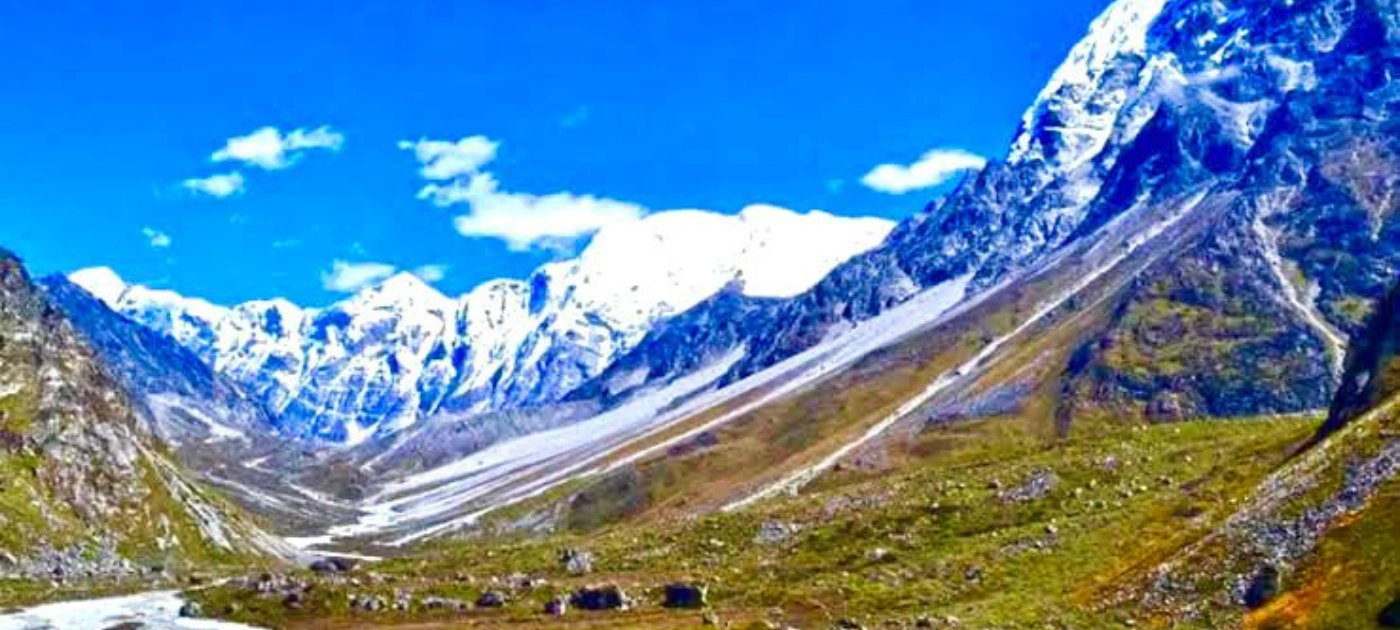
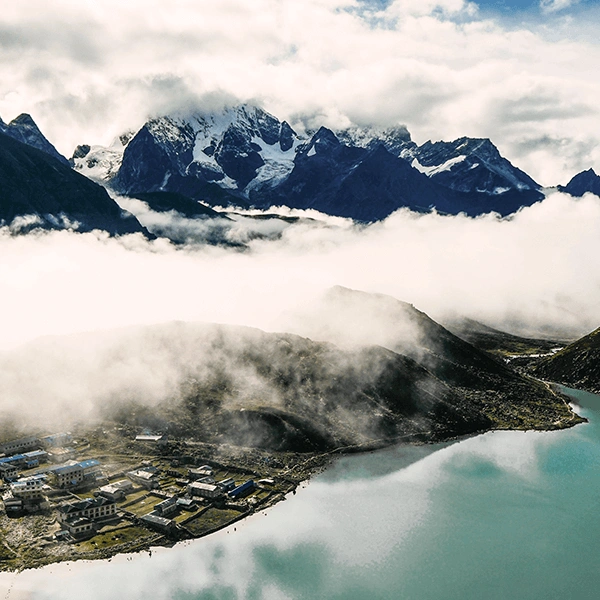
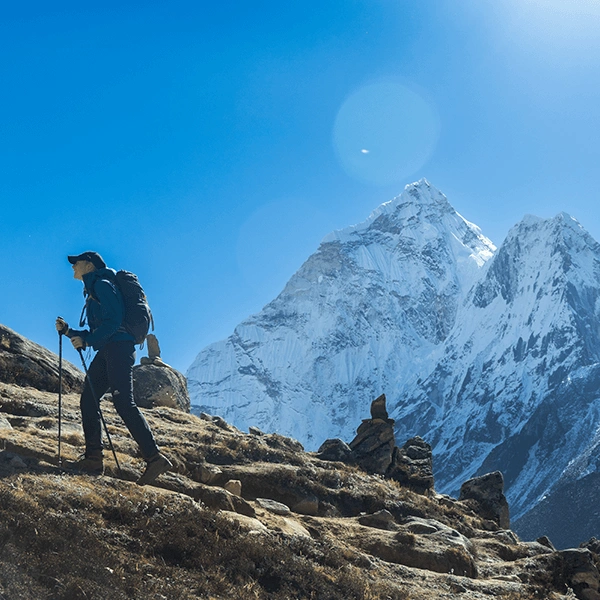
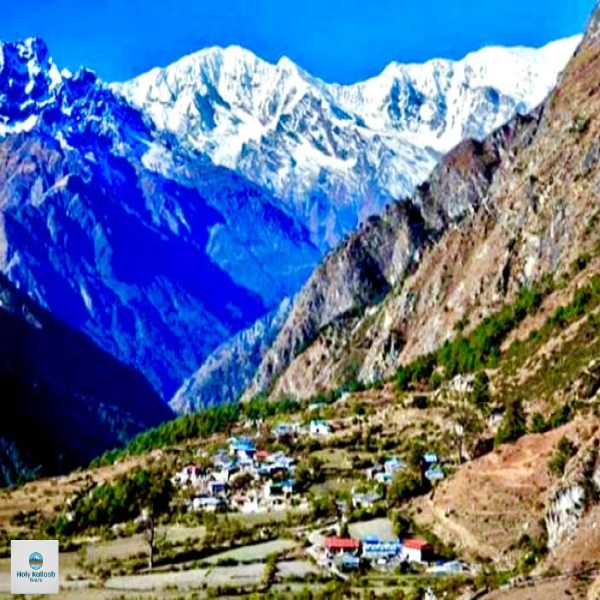
That's how it is described in technical terms. You really do have to walk for about five days to get to a valley that is surrounded by some of the most beautiful mountains in the central Himalayas. You'll go through villages where yaks are more common than tourists, and the smell of juniper incense from monasteries that have been there for hundreds of years fills the air.
Quick overview of what you're looking at:
- Distance: roughly 65 to 75 km total, depending on side trips
- Duration: 7 to 10 days, including travel from Kathmandu
- Highest teahouse: Kyanjin Gompa at 3,870 m
- Highest optional point: Tserko Ri at 4,984 m
- Trek format: out-and-back, starting and ending at Syabrubesi
- Drive from Kathmandu: 7 to 8 hours by road
One thing I want to say upfront: Langtang is not a consolation prize for people who couldn't get to Everest Base Camp, Annapurna Base Camp, or the Manaslu Circuit trek. It's a destination in its own right. The trekkers who understand that tend to have the best time.
Langtang Valley Trek Route
The classic Langtang Valley trek route is straightforward and well-marked, beginning in Syabrubesi (1,550m), accessible by bus or jeep from Kathmandu (7 to 8 hours of travel time).
Attractions along this trek include Syabrubesi village, where it begins; along the route, main stops include Bhote Koshi River for swimming/fishing or walking around (3 hours), with beautiful mountainous landscapes as its backdrop (around 13km long and 1400m above sea level).
- Lama Hotel (2,470m): First major stop through forested terrain to Lama Hotel; rebuilt after 2015; strong Tamang culture
- Langtang Village (3,430m); rebuilt post 2015 with strong Tamang heritage
- Kyanjin Gompa (3,870m): At the core of this trek lies Kyanjin Gompa with its monastery and cheese factory
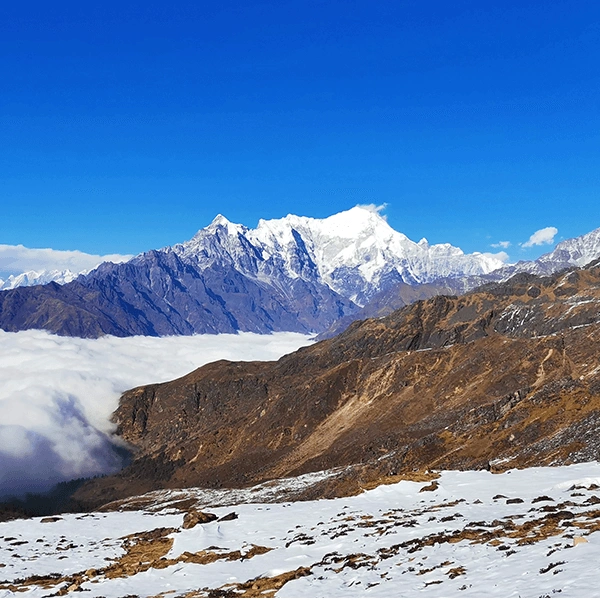
- Kyanjin Ri (4,773m) or Tserko Ri (4,984m): These optional day hikes offer panoramic views of Langtang Lirung and surrounding peaks.
Total distance: 65 to 70 km round trip, and duration can range between seven and 10 days, depending on acclimatisation and side trips, though it is suitable for experienced hikers looking for an extended circuit. Most trekkers usually return via the same path, while connecting with Gosainkunda or Helambu may offer longer hikes
Langtang Valley Trip Highlights
- A drive through scenic vistas of rivers, hills, and small towns in Kathmandu.
- Forest Trekking within the boundaries of Langtang National Park, which contains thick foliage of rhododendron, pine, and bamboo.
- High opportunities to view diverse wildlife, including red pandas, langurs, and many bird species, in the Himalayas.
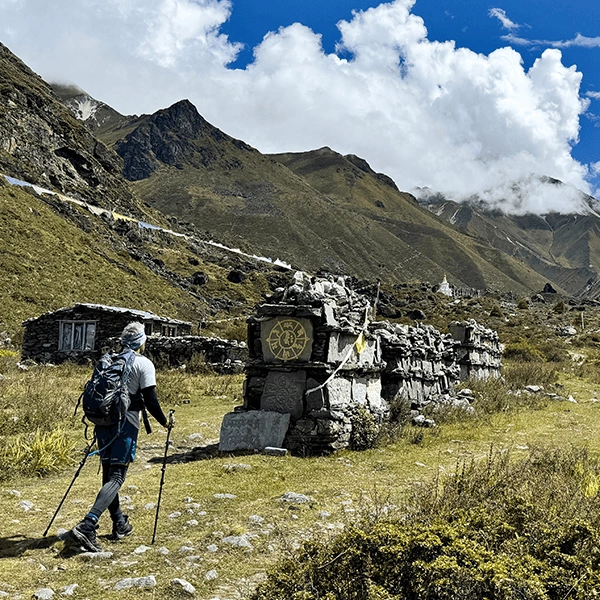
- The typical Tamang rural lifestyle is reflected in stone homes and unique traditions that are part of local culture.
- Broad and open valleys that are predominantly filled with gentle rolling alpine meadows, in addition to thousands of yaks grazing peacefully throughout.
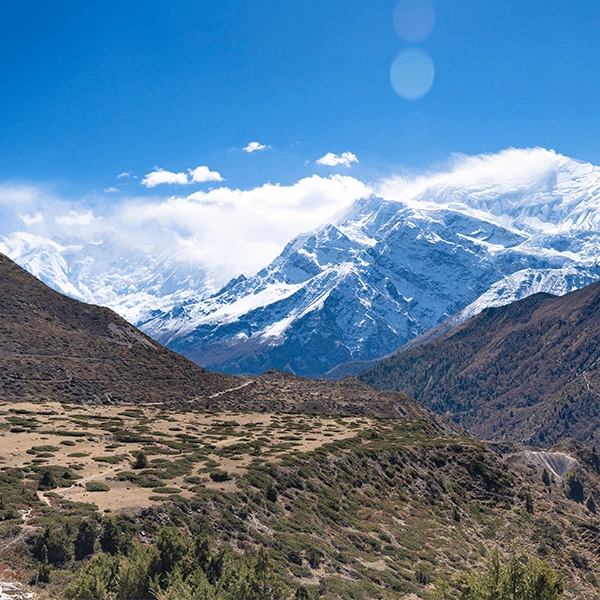
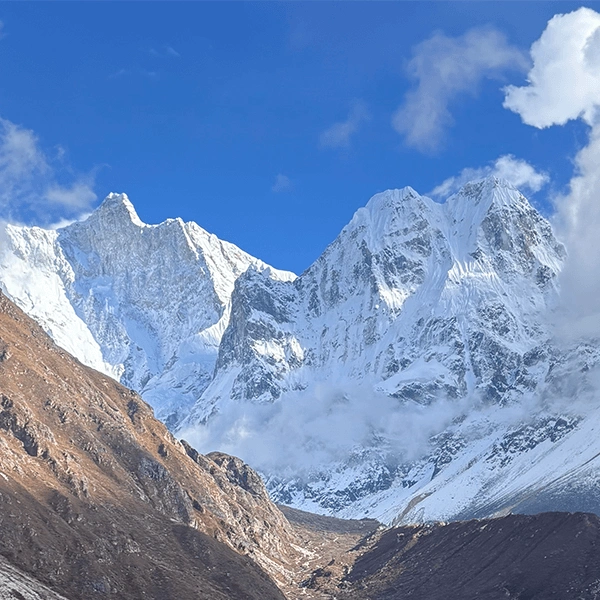
- Views of the majestic Langtang Lirung and its surrounding snowcapped mountains are available to all trekkers from elevations throughout their trek.
- Kyanjin Gompa is considered spiritually and culturally central to the Langtang Valley.
- Short excursions to Tserko Ri and Kyanjin Ri provide excellent panoramic views of the Himalayas.
- Natural waterfalls, streams, and glacial moraines are found along the trail as hikers move along.
- This trekking path is significantly less travelled than those found in the Everest and Annapurna regions.
- At the same time, local teahouses continue to provide an extremely warm hospitality to all hikers.
- Trekking in a peaceful manner with equal amounts of nature and culture.
Short Day-to-day Itinerary
Day 1: Arrival in Kathmandu – 1,400 m
Day 2: Kathmandu to Syabrubesi – 1,550 m | 7–8 hrs drive
Day 3: Syabrubesi to Lama Hotel – 2,380 m | 6–7 hrs trek
Day 4: Lama Hotel to Langtang Village – 3,430 m | 5–6 hrs trek
Day 5: Langtang Village to Kyanjin Gompa – 3,870 m | 3–4 hrs trek
Day 6: Acclimatisation / Hike to Tserko Ri – 4,984 m | 6–7 hrs round trip
Day 7: Kyanjin Gompa to Lama Hotel – 2,380 m | 6–7 hrs trek
Day 8: Lama Hotel to Syabrubesi – 1,550 m | 5–6 hrs trek
Day 9: Syabrubesi to Kathmandu – 1,400 m | 7–8 hrs drive
Day 10: Departure from Kathmandu
Langtang Valley Trek Cost
Langtang is one of the most affordable proper high-altitude treks in Nepal, and I think more people should know that. Here's a realistic breakdown — not the optimistic version, the actual one.
Expense Cost Notes
Langtang National Park Permit NPR 3,000 (~USD $23) Get it in Kathmandu before you leave
TIMS Card USD $20 (independent) Required for all trekkers
USD $10 (through agency)
Guide (per day) USD $25 to $35 Not legally required but worth it
Porter (per day) USD $20 to $25. Optional — trail is manageable without one
Teahouse accommodation USD $5 to $15 per night. Higher up = slightly pricier
Food per day on the trail: USD $15 to $25. Dal bhat is the cheapest and best.
Kathmandu–Syabrubesi transport USD $15 (bus) to $40 (jeep). The jeep is worth the extra cost
Total budget (independent) USD $400 to $600: Permits, transport, food, lodging
Total (fully guided package) USD $700 to $1,200 All-inclusive, varies by agency
A few things worth knowing about money on this trek: there are no ATMs in Syabrubesi or anywhere on the trail. Bring all your Nepali Rupees from Kathmandu. Teahouse prices increase as you go higher. A meal that costs NPR 400 in Syabrubesi will cost NPR 700 or 800 at Kyanjin. That's normal and fair given the cost of getting supplies up there; don't haggle over it.
What is the Altitude of the Langtang Trek?
Altitude is what confuses people the most on this hike, so I want to talk about it in the right way. Kyanjin Gompa is 3,870 meters tall. That's so high that your body gets about 40% less oxygen than it does at sea level. A lot of people feel this way: they have trouble sleeping, get a dull headache at night, and don't feel as hungry as usual. That's normal and possible. But you can't just ignore it and move on.
Most of the time, trekkers who have problems on the Langtang Valley trek are those who are fine in Langtang Village but don't want to do the acclimatisation day at Ky{njin. In the morning, they go straight to Tserko Ri. Things are really hard for them by the afternoon. You don't get much of a warning about altitude sickness. After an hour, you start to feel bad, and after two hours, you can barely stand.
Key elevations to be aware of:
- Syabrubesi: 820 m — no altitude concern
- Lama Hotel: 2,470 m — some people feel mild effects here
- Langtang Village: 3,430 m — take the evening slowly, drink water
- Kyanjin Gompa: 3,870 m — this is where acclimatization matters most
- Kyanjin Ri: 4,773 m — only attempt after a proper rest day
- Tserko Ri: 4,984 m — highest point, early morning start essential
The symptoms of AMS to watch for: persistent headache that doesn't improve with paracetamol, nausea, dizziness when standing, and a dry cough. If any of these worsen rather than improve after a day of rest, descend. Even dropping 300 to 500 metres makes a significant difference. Never go up if you're not feeling right.
Carry a pulse oximeter. Check your blood oxygen level each morning at Kyanjin and keep it above 95%. A reading consistently below 85% is a sign your body is struggling, and you should take it seriously.
The 2015 Earthquake in the Langtang Region
On April 25, 2015, an earthquake hit Nepal at 7:8 a.m. The shaking in the Langtang Valley triggered a massive avalanche from Langtang Lirung, which quickly buried most of Langtang Village.
More than 200 people who lived in the area and more than 100 trekkers from other countries died. It was one of the worst parts of the whole earthquake and our trekking sectors. This is something I think about every time I send trekkers to Langtang. Not to scare them, but the valley's history is one of the things that makes it fun to walk through.
What happened after the tragedy is amazing. The Tamang people decided to start over. They stayed in the valley. The new Langtang Village is a little different from the old one because the layout was changed to account for potential avalanche areas. The new teahouses are nicer and more comfortable than the old ones. People still live there and run their farms and lodges. In the summer, they bring their yaks to the high pastures to eat.
They are all in the valley now. There are stone memorials in Langtang Village with names carved into them. Please wait a minute or two. Look at the names. Some of them are from Nepal, and they come from all over the world.
Tourism is a real part of Langtang's recovery. People who go trekking and stay the night in a local teahouse, buy yak cheese from a factory, or hire a local guide are directly helping a community that chose to stay strong rather than give up. It's good to know that.
Langtang Valley Trek Best Time
Finding the ideal time and date for the Langtang Valley Trek is of utmost importance, even though it is technically open year-round. Seasons offer distinct experiences on this trail, making each visit truly unique.
Autumn -- September to November (Best Overall)
This period provides ideal trekking conditions. Once the monsoon ebbs in late September, the air becomes clear and crisp almost instantly - ideal conditions for mountain trekking! In October, temperatures remain comfortably warm during the day, while night temperatures typically fall to below 3000m; reliably clear skies allow spectacular mountain views, including Langtang Lirung seen from Kyanjin Gompa on a clear morning in October, which are hard to describe! November remains enjoyable, but temperatures often dip well below -5 degrees at Kyanjin Gompa!
Spring: March to May (Second Best)
The Langtang trail shines in all its beauty during spring. Rhododendron forests between Syabrubesi and Lama Hotel burst into red, pink, and white blooms from March onward, creating one of the most scenic sections of the lower Himalayas in Nepal. Temperatures remain pleasant, with April being the peak of the spring season, while May brings clouds and occasional light rainfall, rarely interrupting an otherwise full trekking day.
Winter Treks (December to February)
For experienced trekkers, winter trekking in Nepal can still be achievable and enjoyable. The Langtang Valley Trek stands out as an exceptional winter option because you do not need to cross any major high passes (Kyanjin Gompa is reachable even in December and January), which makes for easier going than other Nepal treks in this regard.
Expect snowfall above 2,500 metres as temperatures drop well below freezing at night, leading to exceptionally peaceful travel along its paths in wintertime. Beginners should avoid it for the best results, while experienced cold-weather trekkers may find it truly enjoyable!
Monsoon Season -- June to August (Not Recommended)
Monsoons bring heavy, persistent rain to the lower elevations of the valley. As a result, trails become muddy and slipperier, leeches become abundant below 2,500 metres, cloud cover can obscure views of mountains for days at a time, and there is the danger of landslides near rivers - unless you specifically enjoy lush green landscapes with wet conditions, the monsoon season should be avoided for this trek.
Langtang Valley Trek Difficulty
The Langtang Valley Trek is generally considered a moderate trek - more challenging than an introductory hike, yet accessible to people without prior high altitude experience. This trek offers trekkers seeking authentic mountain experiences without undertaking Everest- or Manaslu-scale endeavours the opportunity to have genuine mountain adventures without incurring serious commitment costs.
Daily walking hours are manageable - typically four to seven hours depending on the day. As most of the trail follows a river valley, climbs are gradual rather than steep; Kyanjin Gompa is located at 3,870 metres on this standard route - enough elevation for some discomfort while remaining safe with appropriate acclimatization strategies in place.
At 4,984 metres, Tserko Ri is where this trek becomes truly demanding.
A steep ascent from Kyanjin Gompa of over 1,100 meters takes four to six hours round-trip; altitude effects make the top challenging. If fit and acclimated enough, Tserko Ri should certainly be attempted; otherwise, it shouldn't push your body too hard if its time hasn't yet come.
What Makes It Challenging?
- Altitude — consistent days above 3,000 m leading to Kyanjin Gompa
- Cold nights above 3,500 m, particularly in spring and autumn
- Tserko Ri summit requires good fitness and solid acclimatization
- Long driving days to and from Syabrubesi on rough mountain roads
- Limited medical facilities on the trail
What Makes It Manageable?
- No high passes to cross on the standard route
- Well-marked, well-travelled trail — easy to follow
- Teahouses are available at regular intervals throughout
- Manageable daily walking stages
- Relatively close to Kathmandu in case of emergency
Langtang Valley Trek Altitude and Fitness
Altitude can be a serious factor on the Langtang Valley Trek, even though its route does not cross any major mountain passes. By the time trekkers reach Kyanjin Gompa at 3,870 metres, some may begin experiencing its effects, such as reduced appetite, disturbed sleep patterns, or mild headaches -- normal responses that typically resolve after rest days.
Key elevation points along the trail include
- Syabrubesi at 1,460m -- trailhead
- Lama Hotel 2,380 m; Ghoda Tabela 3,030m
- Langtang Village 3,430m
- Kyanjin Gompa 3,870m -- main destination
- Kyanjin Ri: 4,773m -- optional viewpoint hike
- Tserko Ri: 4,984 m — highest point, optional summit
An acclimatization day at Kyanjin Gompa should be used wisely - hike to Kyanjin Ri and return lower for sleep at night to maximize its effectiveness; use that principle of climbing high and sleeping low! Just as with longer treks.
Langtang Valley Trek Food and Accommodation
The Langtang Valley Trek is a fully serviced teahouse trek. No camping gear or food is necessary - accommodation and meals will be available at every major stop along the route.
Accommodation
At night on the Langtang Trail, you will sleep in teahouses ranging from simple wooden lodges near the trailhead to more established guesthouses like Kyanjin Gompa. Most rooms feature twin beds and basic bedding; attached bathrooms are rare above Lama Hotel -- instead, expect shared facilities at higher elevations, if available at all stops; hot showers can often be found for an additional fee at most stops.
Kyanjin Gompa offers some of the finest teahouses along the trail, and many have been rebuilt since 2015. You'll find comfortable rooms equipped with solar-powered charging points and warm dining rooms where trekkers gather. Bring along a sleeping bag rated to at least -10 degrees Celsius, as the nights can become particularly cold here.
Food in the Langtang trek
Dal bhat is the cornerstone of trekker nutrition along this trail and in Nepal as a whole, rightfully so. It provides filling nutrition and unrestricted refills at most teahouses, and it provides much-needed energy during long walking days. In addition, you may encounter other delicious offerings like noodles, soups, fried rice dishes, Tibetan bread with eggs and porridge for breakfast, pasta dishes, and momos at most stops along your trek.
Weather in Langtang Valley Trek
Weather in Nepal's mountain regions varies considerably, yet Langtang Valley's orientation -- roughly east-west, with the Tibetan Plateau in its rear -- gives it distinctive features worth knowing about.
Autumn (September to November)
It is the optimal period for trekking in Langtang National Park. October offers the clearest skies of the year from Kyanjin Gompa; an October morning with clear views of Langtang Lirung is truly memorable. November temperatures often remain well below -5 degrees at Kyanjin Gompa overnight, beginning October 1st, providing fantastic trekking conditions!
Spring (March to May)
Warmer than autumn at lower elevations. Rhododendrons adorn lower trail sections throughout March and April, providing beautiful views through clear morning skies to afternoon clouds gathering over high peaks; light rainfall showers begin occurring more frequently at lower elevations by May.
Winter and Monsoon
Winter (December to February) is cold with snowfall above 2,500 metres, but the trail remains open, and the solitude is remarkable. The monsoon (June to August) brings persistent rain, leeches on lower sections, and poor visibility. Most experienced trekkers avoid the monsoon window entirely.
Langtang Valley Trek: Need a Guide?
Unlike some restricted-area treks, such as the Manaslu Trek, a guide is not legally required for the Langtang Valley Trek. The trail is well-marked and regularly traversed; every season, independent trekkers complete it successfully without issue.
Though hiring a guide is optional in Nepal, hiring one is strongly encouraged for first-time trekkers. An experienced guide not only navigates but also communicates with teahouse owners, identifies tricky sections after rain or snowfall, detects early symptoms of altitude sickness, and provides vital local knowledge about Nepal's valley history, culture, and communities.
After the 2015 earthquake, hiring local guides and porters from Langtang communities also has direct economic importance. Many families lost everything in that disaster; tourism employment has been instrumental in helping rebuild Langtang Valley. While this might not seem important when planning a trek, its significance shouldn't be discounted.
A few things to keep in mind before choosing this option.
- Independent trekkers must be comfortable with basic navigation skills, altitude awareness and self-sufficiency.
- An experienced guide would be especially beneficial on the Tserko Ri summit day when conditions can become unclear due to cloud or snow cover.
- Trekkers new to Nepal often benefit greatly from having a guide who can handle logistics, communication, and safety concerns on the trail.
- Solo female trekkers may wish to travel with an accompanying guide for added confidence and security on the journey.
How Dangerous Is the Langtang Valley Trek?
The Langtang Valley Trek is one of Nepal's safer trekking routes. The trail is well-marked, altitude adjustments on the standard route are manageable, and Kathmandu offers easy access if something goes awry during your trek.
No trek in the Himalayas can be undertaken without some level of risk, with altitude sickness being of primary concern. Kyanjin Gompa sits just below the major altitude sickness risk zone at 3,870 metres, but still high enough to pose difficulties should you rush ascent; keep in mind that the standard itinerary includes an acclimatisation day - take this seriously rather than pushing ahead too fast.
The road from Kathmandu to Syabrubesi is an undulating mountain pass with steep drops in some sections, making the drive long and nerve-wracking in places where there are no guardrails. A private jeep with an experienced driver offers considerably greater comfort and safety on this roadway compared to local buses or other forms of public transportation.
Be wary of earthquake history when trekking the Langtang region. This area lies within a seismically active zone, and smaller tremors do occur occasionally - there's nothing you can specifically prepare for in this regard, it's simply part of trekking in this part of Nepal.
Staying Safe on the Langtang Valley Trek
- Ascend gradually, don't rush from Lama Hotel to Kyanjin Gompa in a single day
- Take the acclimatisation day at Kyanjin Gompa seriously
- Buy travel insurance that covers emergency helicopter evacuation before leaving home
- Carry a pulse oximeter above 3,500 m and check oxygen levels each morning
- Know the AMS symptoms: persistent headache, nausea, dizziness, loss of appetite, poor sleep
- If symptoms worsen after rest, descend immediately
Langtang Valley Trek Permits
The Langtang Valley Trek permit process is refreshingly straightforward when compared with restricted-area treks, requiring just two permits:
- Langtang National Park Entry Permit: NPR 3,000 (approximately USD $23). Available from the Nepal Tourism Board office in Kathmandu or the Dhunche park entrance.
- TIMS Card (Trekkers' Information Management System): USD $20 per person. Available from Nepal Tourism Board offices or registered trekking agencies in Kathmandu.
As permits will be checked at several points along the trail, make sure both permits are secured before setting out. Bring along your original passport, as it will be necessary for both permit processing and checkpoint verifications along the route.
Unlike the Manaslu Circuit, independent trekkers do not need a licensed guide or a group size requirement to obtain these permits; instead, arranging both directly with an agency is perfectly feasible.
Is the Langtang Valley Trek Suitable for Beginners?
Absolutely Yes with proper preparation. The Langtang Valley Trek is unquestionably one of the finest options in Nepal for novice trekkers who desire something beyond an easy trail experience.
Trail conditions on this standard route are excellent: well-marked trails, manageable daily stages, no high passes to cross, teahouse accommodation along the way, and an altitude (up to 3,870 m at Kyanjin Gompa) that provides a real high-mountain experience without entering more serious risk zones.
Beginners on this trek need reasonable fitness and an open mindset towards acclimatization. Don't try to rush it; altitude has an unexpected way of sneaking up on you even at 3,500 metres; slower is actually better!
Hire a guide, follow an itinerary including an acclimatization day and prepare physically for 5 to 7 hours of walking per day - and you will enjoy your first Nepal trekking experience to the fullest extent!
Langtang Valley Trek Distance from Kathmandu
One of the greatest advantages of the Langtang Valley Trek is its proximity to Kathmandu; Syabrubesi lies approximately 117km from Kathmandu - meaning you could be ready for adventure just hours after landing in Nepal's capital city!
By Road (Standard Option): A private jeep takes 7 to 8 hours from Kathmandu to Syabrubesi. Most of the route is paved, but it becomes rougher near Syabrubesi; along this stretch lie spectacular mountain terrain, including the Trishuli River Gorge, which follows this journey's course. More striking scenery can be found than from shared jeeps or local buses, which tend to be less comfortable due to narrower lanes.
By Local BusTourist buses and local buses run from Kathmandu's Machhapokhari bus park to Syabrubesi for less money but with longer travel times, making this option viable for trekkers on tight budgets; just be prepared for a full day on winding mountain roads!
Packing for Langtang Valley Trek Packing List
When packing for Langtang, packing lighter is still recommended to make the experience as rewarding and comfortable as possible, while staying true to core principles such as being prepared for cold at elevation and rain, and not carrying more than you need.
Clothing
- Moisture-wicking base layers, top and bottom — two sets minimum
- Insulating mid-layer — fleece jacket or light down jacket
- Waterproof and windproof outer shell, jacket and trousers
- Warm down jacket for evenings at Kyanjin Gompa and the Tserko Ri summit
- Trekking trousers, 2 pairs
- Thermal underwear for above 3,500 m
- Warm hat covering ears, sun hat for lower forest sections
- Neck gaiter or buff
- Gloves — light pair for lower elevations, warmer insulated pair for summit days
- Trekking socks, wool or synthetic — 4 pairs
- Waterproof trekking boots, properly broken in before the trek
- Sandals or camp shoes for teahouse evenings
Gear
- Trekking backpack — 40 to 50L without a porter, 25 to 30L daypack with one
- Sleeping bag rated to -10 degrees Celsius minimum
- Trekking poles — helpful on steep descents
- Headlamp with spare batteries
- Sunglasses with UV protection
- Sunscreen SPF 50+ and lip balm
- Water bottles or hydration bladder, at least 1.5 to 2 litres
- Water purification tablets or a portable filter
Health and Safety
- Basic first aid kit — plasters, antiseptic, ibuprofen, paracetamol
- Altitude medication — consult a doctor about Diamox before the trek
- Pulse oximeter for monitoring blood oxygen above 3,500 m
- Rehydration sachets
Documents and Essentials
- Original passport — required at checkpoints
- Trekking permits — TIMS card and national park permit
- Travel insurance documents with helicopter rescue coverage
- Cash in Nepali Rupees — no ATMs beyond Syabrubesi
- Offline maps downloaded — Maps.me or OsmAnd
Final Thoughts
The Langtang Valley Trek may not draw as much attention as Everest Base Camp or Annapurna Circuit, yet that makes it all the more worthwhile. It offers stunning mountain scenery, genuine cultural encounters with Tamang communities and an experience-rich pace that lets you fully absorb where you are without feeling like part of an artificial tourist conveyor belt.
An encounter like no other. Walking through Langtang Village and past its Memorial to those lost in 2015 offers an experience no amount of reading can prepare you for. That moment stays with you long after your trek has concluded.
No matter your experience level or journeying goals, the Langtang Valley Trek offers something truly authentic that is worth coming back for.
Each season, we work with trekkers heading to Langtang. If you need assistance with permits, a local guide, transportation from Kathmandu or devising the ideal itinerary based on your time and fitness levels, please reach out - we would be more than happy to assist in planning it correctly.
Langtang Valley Trek FAQs
1: How long does the Langtang Valley Trek take?
A standard Langtang Valley Trek usually lasts 7 to 10 days, including transport to and from Kathmandu. Most trekkers spend five to seven days on the trail itself. Extending to Gosaikunda Lake or Helambu can extend this duration up to 12-15 days altogether.
2: Does the Langtang Valley Trek Cost Much?
An independent trekker should budget between USD $400 and $700 for an 8-day trek, including permits, transport, accommodation, and meals. A fully guided package through a Kathmandu agency typically ranges from USD $700 to $ 1,200 per person for this experience and covers guide and porter fees, permits, accommodation, meals, and transport back to Kathmandu.
3: Will I Need a Guide for the Langtang Valley Trek?
No guide is legally necessary for trekking the Langtang Valley; however, hiring one is strongly advised - especially for first-time trekkers to Nepal. A local guide not only increases safety but can enrich the cultural experience and support local Langtang communities still recovering after the 2015 earthquake.
4: What is the best time to do the Langtang Valley Trek?
October and November offer clear skies, stable weather, and stunning mountain views; spring, from March to May, is equally lovely, with beautiful blooming rhododendron forests along the lower trail; while winter trekking for experienced trekkers is possible, though cold. The monsoon season from June through August should be avoided altogether.
5: Is the Langtang Valley Trek good for beginners?
Doing the Langtang Valley Trek for beginners is definitely recommended, with the trail well marked, daily stages manageable, and no high passes on its standard route requiring trekking permits, and teahouses offering food and accommodation throughout. Good fitness levels and sensible acclimatisation should also be met before undertaking this trek.
6:Are permits necessary for my Langtang Valley Trek?
Yes. Two permits will be needed: the Langtang National Park Entry Permit (NPR 3,000 or approximately USD $23) and the TIMS Card (USD $20). Both may be obtained at the Nepal Tourism Board office in Kathmandu or through an accredited trekking agency.
7: How can I reach Syabrubesi from Kathmandu?
Syabrubesi is approximately 117 km from Kathmandu and takes 7 to 8 hours by private jeep or 8 to 10 hours by local bus. Most trekking packages include this transportation option for added comfort on this route. A private jeep is highly recommended.
8:Is altitude sickness a risk on the Langtang Valley Trek?
Mild altitude effects are common when trekking above 3,000 metres - headaches, reduced appetite, and disrupted sleep are typical reactions and usually resolve themselves after rest. Serious altitude sickness occurs less often on this trek than on higher treks, but it is still possible if attempting an aggressive ascent. To ensure an easy trek experience and minimise the risk of altitude sickness, follow a sensible itinerary, take a rest day at Kyanjin Gompa, carry a pulse oximeter, and have travel insurance that includes helicopter evacuation coverage as part of any trek itinerary.
Trekking and Tours Packages