What Makes Kailash Mansarovar So Special?
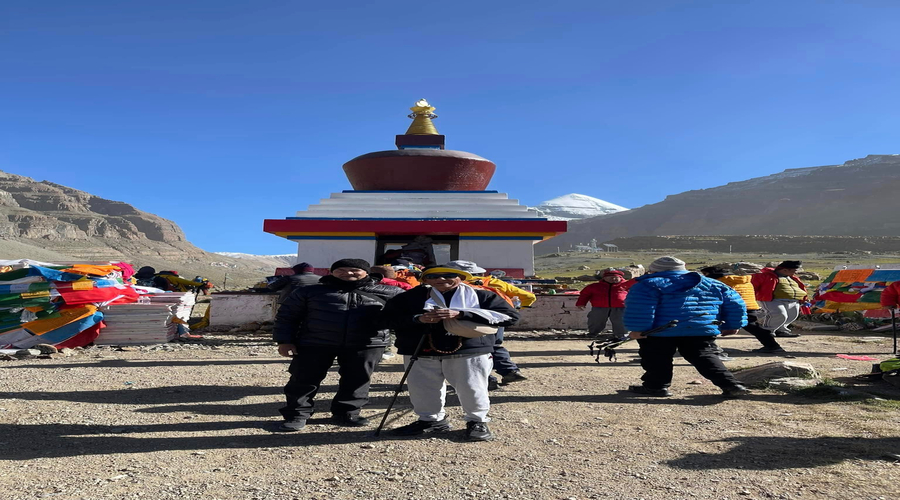
Mount Kailash sits at 6,638 meters in western Tibet. No one has ever climbed it. Not because they can't, technically, but because it's off-limits. Hindus, Buddhists, Jains, and followers of the Bon religion all consider it sacred, each for their own reasons. For Hindus, it's the home of Lord Shiva. For Tibetan Buddhists, it's the navel of the universe. For Jains, it's where the first Tirthankara attained liberation.
The mountain itself is striking in a way photos don't capture well. It's a near-perfect pyramid, dark rock against the sky, and it rises so cleanly above the plateau that it looks almost as if it were intentionally placed there.
Lake Mansarovar, sitting about 30 kilometers away at 4,590 meters, is one of the highest freshwater lakes in the world. The water is clear and blue-green in good light. Many pilgrims bathe in it regardless of temperature, which, depending on when you go, can be just above freezing.
Together, these two places have drawn pilgrims for centuries. That history is part of what makes the yatra feel so different from ordinary travel.
Why People Travel Thousands of Miles for This One Journey
It's not one thing. It never is with places like this.
People who've done the Yatra describe a quality that's hard to put into words without sounding like a travel brochure. It's not just the scenery, though western Tibet is unlike anything most people have seen. It's the combination of effort, altitude, remoteness, and purpose arriving at the same time. You're walking a path that millions of people have walked before you, often in far worse conditions, because they believed it mattered.
That sense of connection to something much older than yourself is genuinely rare. Beautiful lakes and dramatic mountains exist in plenty of places. This specific context doesn't.
What You Actually See and Feel on the Yatra?
Western Tibet is nothing like the Nepal side of the Himalayas. There are no lush forests, no terraced farms, no crowded trail teahouses. The Tibetan Plateau is stark and wide. Brown and grey rock, dusty roads, yaks, and sky. A lot of sky.
The distances between towns are long. The roads are rough in places. Some sections feel genuinely isolated in a way that's become rare in modern travel. Your phone may not work for stretches of the journey, which some people find unsettling, and others find like a gift.
Then Kailash comes into view. The first sight of it stops people. It's hard to explain, but something about the scale and shape of the mountain against the plateau feels significant in a way that's almost physical. People who describe themselves as not particularly religious say the same thing.
Around Mansarovar, the silence is deep in the early morning. Migratory birds, the wind, the sound of water. Sunrises over the lake are something you want to just sit with rather than photograph.
The 3-Day Kora: Walking Around the World's Most Sacred Mountain
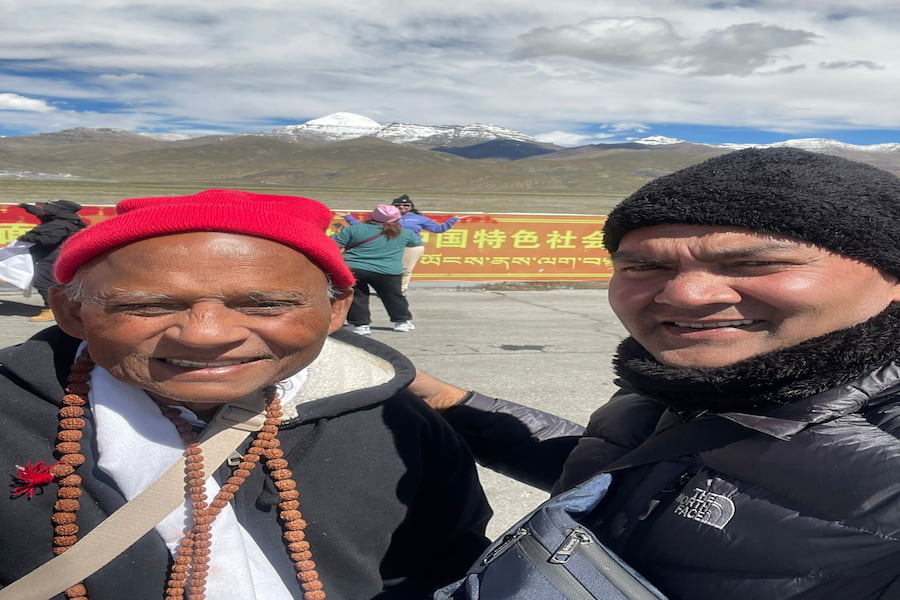
The Kora, or circumambulation, is the central act of the pilgrimage. The full outer Kora is roughly 52 kilometers, completed over three days. Most pilgrims walk it in a clockwise direction (Buddhists and Hindus), starting and ending at Yam Dwar.
Day 1 takes you from Darchen to Dirapuk Monastery, about 20 kilometers. The terrain is not brutal, but the altitude is. You're trekking between 4,600 and 5,000 meters for most of this day. Many people feel the thin air by the afternoon.
Day 2 is the hardest. You cross Dolma La Pass at 5,636 meters. This is the highest point of the Kora and the most physically demanding section. The ascent is steep in places, and the descent on the other side is rocky. In the shoulder season, there can be snow and ice. Most pilgrims reach the pass and feel an overwhelming mix of exhaustion and something harder to name.
Day 3 brings you from Zutul Phuk Monastery back to Darchen. It's the longest day in distance but the easiest in terms of terrain. By this point, most people are moving on adrenaline and emotion.
Tibetan pilgrims sometimes complete the Kora in a single day. Others do full prostrations around the entire circuit, which can take several weeks. The outer Kora in three days is considered moderate by trekking standards, comparable in altitude to Everest Base Camp but shorter in total distance.
Lake Mansarovar: More Than Just a Beautiful Lake
Mansarovar is one of those places where the spiritual reputation and the actual experience line up. The lake is 88 kilometers in circumference and sits at 4,590 meters. The clarity of the water is unusual, and the reflections of the surrounding peaks on a still morning are genuinely something.
For many pilgrims, bathing in the lake is the most significant act of the entire journey. The water is cold enough to take your breath away. People cry. People sit in silence for a long time afterward. Whatever you believe or don't believe, the experience tends to land somewhere deep.
Some itineraries include a brief parikrama (circumambulation) of the lake itself, though this is a full 120-kilometer walk and requires additional days.
The Landscapes of Western Tibet
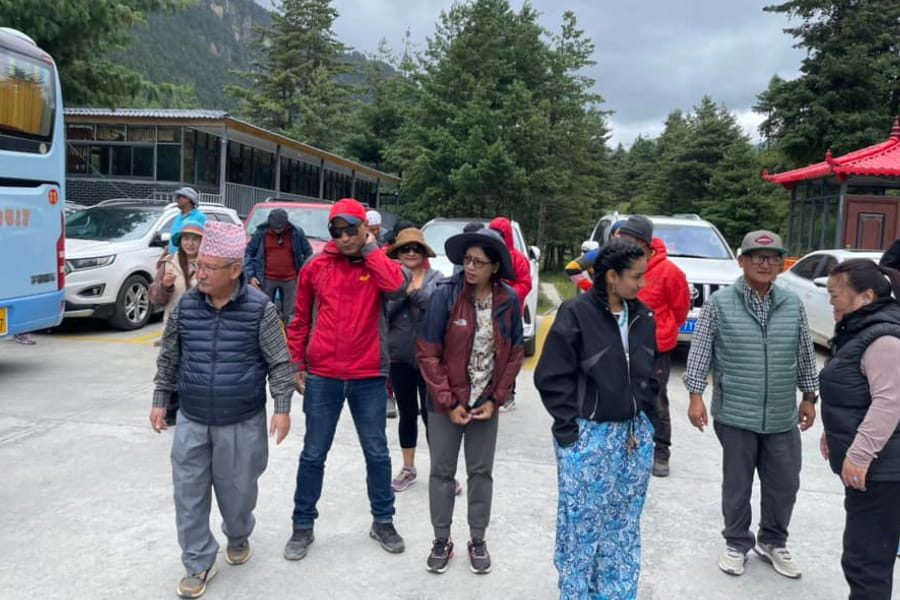
The overland route from Nepal to Kailash via Kerung takes you through some of the most dramatic, empty terrain in Asia. You gain altitude steadily, crossing high passes, driving through river valleys, and eventually out onto the plateau.
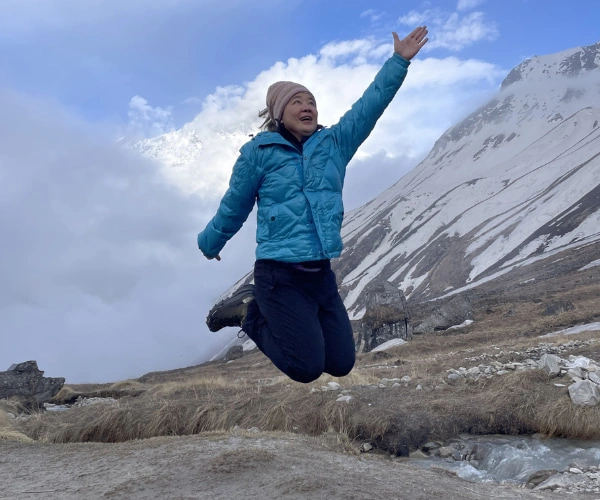
The sky at 4,500 meters looks different. The light is sharper. Colors are more saturated in the morning, then washed out by midday. The plateau stretches in every direction with almost nothing man-made in sight.
For photographers, it's extraordinary. For people who've spent their lives in cities, it can feel disorienting in the best possible way. You genuinely understand how remote the world still is in places.
How Physically Demanding Is the Kailash Mansarovar Yatra?
Honest answer: moderately demanding to difficult, depending on how your body handles altitude.
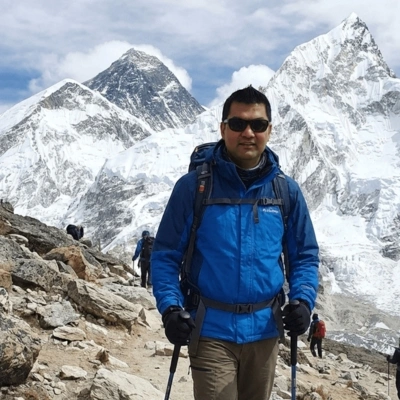
The Kora itself is not technically hard. There's no climbing, no scrambling (except on some sections of the Dolma La approach), and no experience required. But you're walking 6 to 7 hours per day at altitudes where your heart rate climbs just from standing up. The Dolma La crossing at 5,636 meters is genuinely taxing, especially if you hit a bad weather day.
Experts recommend training for 3 to 4 months before the yatra, including daily walking of 60 to 90 minutes with elevation changes, cardio 3 to 4 times weekly, stair climbing with a weighted backpack, and light leg strength training.
If you can comfortably walk for 5 to 6 hours with a day pack, climb stairs without stopping, and aren't carrying significant health conditions, you can do this yatra. Age is less of a barrier than overall fitness level.
Altitude Sickness: What You Need to Know Before You Go?
This is the part most trip planning glosses over, so pay attention.
During high-altitude journeys like the Kailash Mansarovar Yatra, altitude sickness becomes a major health concern. Generally, when you cross 3,500 meters, the air starts to thin and oxygen levels start decreasing.
The problem is that acclimatization isn't predictable. Fit, experienced trekkers get hit. Older pilgrims sail through. It doesn't follow a logic you can prepare for entirely.
Common symptoms at the altitudes you'll reach: headache, nausea, fatigue, dizziness, and trouble sleeping. These are manageable. Severe altitude sickness, including High Altitude Pulmonary Edema (HAPE) or High Altitude Cerebral Edema (HACE), is rare but dangerous and requires immediate descent.
What actually helps:
- Ascend slowly. Don't rush the acclimatization days in your itinerary, even if you feel fine.
- Drink 3 to 4 liters of water a day.
- Avoid alcohol for the first few days at altitude.
- Talk to your doctor about Acetazolamide (Diamox) before you go. Many pilgrims take it prophylactically.
- Know the symptoms. If someone in your group is confused, has trouble walking, or shows signs of HACE, that's a medical emergency.
Reputable operators like Holy Kailash Tours include acclimatization days in their itineraries specifically for this reason. Don't book with anyone who skips them to save costs.
Weather, Road Conditions, and Other Real Risks
The yatra season runs from May to October, with June through September being the main window. July and August bring the monsoon to Nepal, which doesn't directly affect western Tibet much but can make the roads from Kathmandu to the border unpredictable.
Snow on Dolma La Pass can appear at any time of year. September and October often give the clearest skies but colder nights. May and early June have longer daylight hours, but the risk of late-season snow.
Road conditions on the Tibetan plateau are generally decent on the main routes now, but landslides and flooding can close sections, especially in July and August. This is not the trip for people with rigid schedules or low tolerance for uncertainty.
Emergency evacuation from the Kailash region is difficult and expensive. This makes travel insurance with helicopter evacuation coverage non-negotiable, not optional.
How Much Does Kailash Mansarovar Yatra Cost in 2025?
Costs vary significantly based on route, group size, duration, and level of service.
From Nepal (overland via Kerung border): The Nepal route costs range from USD 1,180 for a 9-day yatra to around USD 2,770 for a 15-day yatra. These figures are based on standard group packages from Kathmandu, including permits, basic meals, hotels, transport, and guide services.
From Nepal (helicopter):Helicopter packages from Kathmandu run from roughly USD 3,500 to USD 4,500 per person for full packages. They're faster and easier on the body but sacrifice the overland experience.
Kailash Yatra from Lhasa: Via Lhasa Kathmandu to Lhasa direct flight from roughly USD 4,900 to USD 8,500 per person for full packages. Lhasa sightseeing experience.
Budget for extra personal expenses: travel insurance, gear, vaccinations, personal medication, and tips for guides and porters. Add INR 20,000 to 40,000 (or USD 300 to 500) on top of your package cost for these.
Which Route Should You Take via Nepal
Both routes have genuine advantages. The right one depends on your nationality, budget, and priorities.
Nepal Route (via Kerung border):
- More flexible and generally more affordable for international pilgrims
- More departure dates and smaller group sizes are available through private operators
- The overland journey through Nepal and the Tibetan plateau is scenic and gradual
Holy Kailash Tours, based in Kathmandu, specializes specifically in this route and has guided hundreds of pilgrims through the Kerung crossing
For non-Indian pilgrims, Nepal is the only practical option. For Indians, the Nepal route via Kathmandu is often faster, more flexible, and gives you more choice in itinerary and operator.
Permits, Paperwork, and Planning (What Takes the Most Time)
This is where many first-time pilgrims underestimate the complexity.
You cannot travel independently to Mount Kailash. The region requires a Tibet Travel Permit issued through an authorized operator. On top of that, you need an Alien's Travel Permit and a Military Permit for the border region. Indians traveling via Nepal also need a Chinese Group Visa.
No independent travel is allowed. Processing takes 45 to 60 days. Start applications 3 to 4 months in advance.
Applications now require submission at least 30 to 45 days before the intended travel date to allow for thorough processing by Chinese authorities.
The permit process is fully managed by your tour operator, which is one reason choosing a reputable one matters so much. Holy Kailash Tours handles all Tibet permits, group visas, and border documentation for pilgrims traveling via the Nepal route, which removes the single biggest logistical headache from the process.
Documents you'll need to hand over to your operator:
- Valid passport (6 months minimum validity, with enough blank pages)
- Passport-sized photographs with a white background
- Medical fitness certificate ( recommended for the Nepal route)
- Travel insurance documents
- Undertaking forms as required by the operator
How Long Does the Entire Yatra Take?
Nepal overland route: 9 to 15 days total, depending on the package. 9-day options are available, but leave very little buffer for acclimatization or weather delays. 12 to 15 days is more realistic and less stressful.
Nepal helicopter route: 10-14 days.
Add 2 to 3 days in Kathmandu at the start of the Nepal route for permit processing, acclimatization, and gear shopping. Most operators, including Holy Kailash Tours, build this into their itineraries.
Is It Right for You?
Who Should Do This Yatra (and Who Should Wait)
Do it if:
- You're reasonably fit and can train for 3 months beforehand
- You're comfortable with uncertainty (weather delays, road diversions, basic accommodation)
- You have a genuine motivation, spiritual, cultural, or adventure-based
- You can afford the real cost, including insurance and gear
- You have 12 to 15 days minimum to give it
Wait if:
- You have uncontrolled heart, lung, or blood pressure conditions
- You're recovering from a recent surgery or serious illness
- You've never trekked at altitude and have no idea how your body responds
- You're booking for next month with no preparation time
- You have a very rigid schedule and a low tolerance for unexpected changes
What Age and Fitness Level Do You Actually Need?
Most tour operators and government authorities set an age limit between 18 and 70 years. However, people above 60 years old are usually advised to undergo detailed medical examinations before joining the pilgrimage. Many elderly pilgrims successfully complete the journey each year, but proper preparation and good health are essential.
Many Kailash tour organizers recommend a BMI below 27 for safety reasons, as a higher BMI can increase the risk of health problems at high altitude, including breathing difficulties and fatigue.
In terms of fitness, the benchmark most guides use: if you can hike for 5 to 6 hours continuously on hilly terrain with a 6 to 8 kilogram pack, you're in the right ballpark. If you can't currently do that but have 3 months to prepare, that's often enough.
First-Time Pilgrim? Here's What to Expect
The first thing that surprises people is how much driving there is on the Nepal route. It's not all trekking. You spend significant time in jeeps on Tibetan plateau roads, which are mostly passable but occasionally rough.
The guesthouses and camps at Dirapuk and Zutul Phuk (the two overnight stops on the Kora) are basic. Beds, blankets, simple hot meals. No hot showers, limited charging points, intermittent connectivity. This is not a place to discover you need comfort to function.
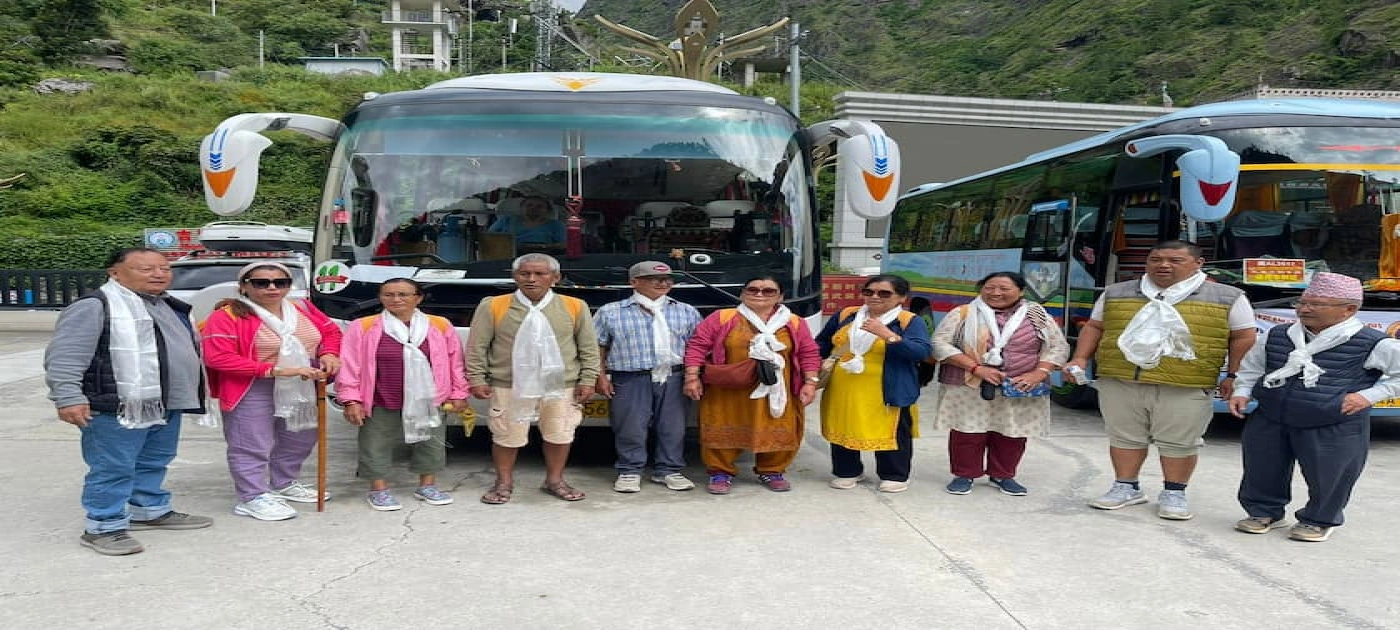
The group dynamic matters more than most people expect. You'll be spending 10 to 15 days with the same people in sometimes demanding conditions. Good operators curate group sizes (usually 8 to 16 people) so you're not overwhelmed but also have support around you.
First-timers with Holy Kailash Tours consistently note that having experienced local guides who understand both the terrain and the cultural context makes a significant difference. Knowing why a particular monastery matters, or what the prayer flags along the Kora represent, changes how you move through the landscape.
So, Is Kailash Mansarovar Yatra Worth It?
Yes. For the right person, with real preparation, it is.
That's not a sales line. Pilgrims who got altitude sickness say it. People who had delayed crossings and rough weather say it. People who went as skeptics and came back confused by how much the whole thing got to them say it.
The Yatra is also clearly not for everyone right now. The altitude is real. The remoteness means that if something goes wrong, help is far. The cost is significant, and the bureaucratic process requires patience most people don't factor into their planning. If any of that is a genuine deal-breaker for you at this point in life, that's worth knowing before you're on Dolma La Pass at 5,636 meters, wondering why you didn't listen to yourself.
But if you can meet the physical requirements, handle the logistics thoughtfully, and approach the journey with some patience for the unexpected, the Kailash Mansarovar Yatra delivers something that's hard to find in modern travel: a place where the effort is entirely proportional to what you get back.
Final Thoughts: What You Bring Back Is More Than Memories
People come back from this yatra changed in ways they don't always predict. Some expected a religious experience and got primarily a physical one. Some expected a physical challenge and found something quieter and more internal. Some just wanted to see western Tibet and Lake Mansarovar, and they got that, plus more.
The act of walking around a mountain for three days at altitude, far from everything familiar, with a clear intention behind each step, does something to your sense of what actually matters. Most pilgrims report that the clarity they find on the Kora doesn't fully fade when they get home.
That's worth planning for.
FAQs
1. Can anyone do the Kailash Mansarovar Yatra, or is it only for Hindus?
People of all faiths and none make this journey. Hindus, Buddhists, Jains, and secular travelers all do the Kora. The mountain is considered sacred across multiple traditions.
2. What is the best time to visit Kailash Mansarovar?
May to October is the yatra season. May to June and September to October offer better weather and clearer skies. July and August are the most popular months but can bring more variable conditions on approach roads.
3. How many kilometers is the Kailash Kora?
The outer Kora is approximately 52 kilometers, completed over three days.
4. What is the highest elevation during the Kailash Mansarovar Yatra?
Dolma La Pass at 5,636 meters is the highest point on the Kora. You'll also spend several days at 4,500 to 5,000 meters throughout the trip.
5. Is the Nepal route better than the India route?
For most international pilgrims and for Indians wanting more flexibility, the Nepal route through Kathmandu is generally more practical and offers more departure options. The India MEA route is longer and open only to Indian nationals.
6. Do I need mountaineering experience?
No. The outer Kora requires no technical climbing skills. Good physical fitness and altitude preparation are what matter.
7. What permits do I need for Kailash Mansarovar Yatra?
Tibet Travel Permit, Alien's Travel Permit, and Military Permit at a minimum. A Chinese Group Visa is also required. Your operator handles all of this.
8. Can I do the Kailash Yatra independently without a tour operator?
No. Independent travel to the Kailash region is not permitted. You must travel with an authorized group and operator.
9. Is it safe for senior citizens?
Many pilgrims in their 60s complete the journey successfully. Medical screening is essential for anyone over 60, and a doctor's clearance is strongly recommended.
10. What does a standard Kailash Mansarovar Yatra package include?
Typically: airport transfers, accommodation throughout, meals during the Tibet portion, Tibet permits and group visa, Tibetan and Nepali guides, jeep transport, and basic medical support.
11. How do I book a Kailash Mansarovar Yatra?
Contact a registered operator at least 3 to 4 months before your intended travel date. Holy Kailash Tours, based in Kathmandu, offers Nepal-based packages with full permit handling and customizable itineraries.
12. What should I pack for the Kailash Yatra?
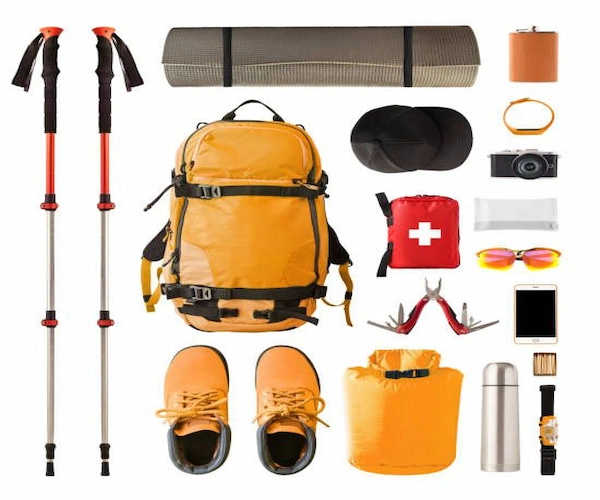
Warm layered clothing, including a good down jacket, waterproofs, trekking boots with ankle support, a sleeping bag rated for -10°C, sunscreen SPF 50+, a wide-brim hat, altitude medication (Diamox, ibuprofen), water purification tablets, and a basic first aid kit.
13. Is there internet connectivity on the Kailash route?
Very limited. Expect to be largely offline for the Tibet section of the trip. Download offline maps, music, and reading material before you cross the border.
14. Can I hire a horse or porter for the Kailash Kora? Yes. Horses and yaks are available for hire at Darchen for the Kora. Porters can carry your main bag. This is a good option for people who are fit enough to complete the trek but want to lighten their load on the Dolma La crossing.
15. What is Mansarovar Lake famous for?
It's one of the highest freshwater lakes in the world at 4,590 meters, sacred to multiple religions, and considered holy for bathing. The water clarity and the morning light on the surrounding peaks make it visually extraordinary.
16. What medical conditions rule out the Kailash Yatra?
Severe heart or lung disease, uncontrolled hypertension, recent major surgery, severe anemia, and severe obesity are common contraindications. Consult your doctor with specifics.
17. How far is Lake Mansarovar from Mount Kailash?
About 30 kilometers by road. Most itineraries include time at both before the Kora begins.
18. Can I combine the Kailash Yatra with other Nepal trekking?
Yes. Many pilgrims extend their trip to include Everest Base Camp, the Annapurna circuit, or a Kathmandu cultural tour before or after the yatra. Holy Kailash Tours offers combined packages for this.
19. What currency should I carry?
Chinese Yuan (Renminbi) is used in Tibet. Indian Rupees (100 and 200 denominations) are accepted in some Nepal border areas. Exchange currency in Kathmandu before crossing into Tibet.
20. What happens if I get altitude sickness during the Kora?
Most operators have guides trained in altitude sickness management and carry basic medications. In serious cases, descent is the primary treatment. Travel insurance with helicopter evacuation coverage is essential for this reason.
Holy Kailash Toursis a Kathmandu-based pilgrimage operator specializing in Kailash Mansarovar Yatra packages via the Nepal route. For itinerary details, permit assistance, and current pricing, contact the team directly.
Email: [email protected]
WhatsApp: +977-9851254672 — Feel free to reach out anytime for fast, friendly, and personalized assistance