Annapurna Base Camp Trek Packing List Overview
A few numbers to frame your packing decisions:
- Trek distance: roughly 110 km round trip from Nayapul (varies by route)
- Maximum elevation: 4,130 m (Annapurna Base Camp)
- Duration: 7 to 14 days
- Best seasons: March to May (spring), September to November (autumn)
- Daily temperature range: 15°C to 25°C at lower altitudes; -5°C to 10°C near ABC
Your total pack weight, including your daypack, should stay under 10-12 kg. Above that, the trek stops being enjoyable.
Travel Documents
Get these sorted well before departure. Losing any of them mid-trip is a serious problem with no quick fix.
- Valid passport (at least 6 months validity beyond your departure date)
- Airline tickets and trip itinerary (printed copies, not just your phone)
- Nepal visa (available on arrival at Tribhuvan International Airport or online via the Nepal e-visa portal)
- 4 passport-size photos (needed for the visa and permits)
- ACAP permit (Annapurna Conservation Area Project permit, required for the trek)
- TIMS card (Trekkers' Information Management System card)
- Travel insurance documents (must cover high-altitude trekking and emergency evacuation)
- Yellow Fever certificate (required if arriving from a country with risk of yellow fever transmission)
- Cash (Nepalese rupees; ATMs are limited once you leave Pokhara)
- Credit cards (for Pokhara and Kathmandu expenses only)
Keep one physical copy of each document separate from the originals. A waterproof document pouch is worth carrying.
Backpack for the Annapurna Base Camp Trek
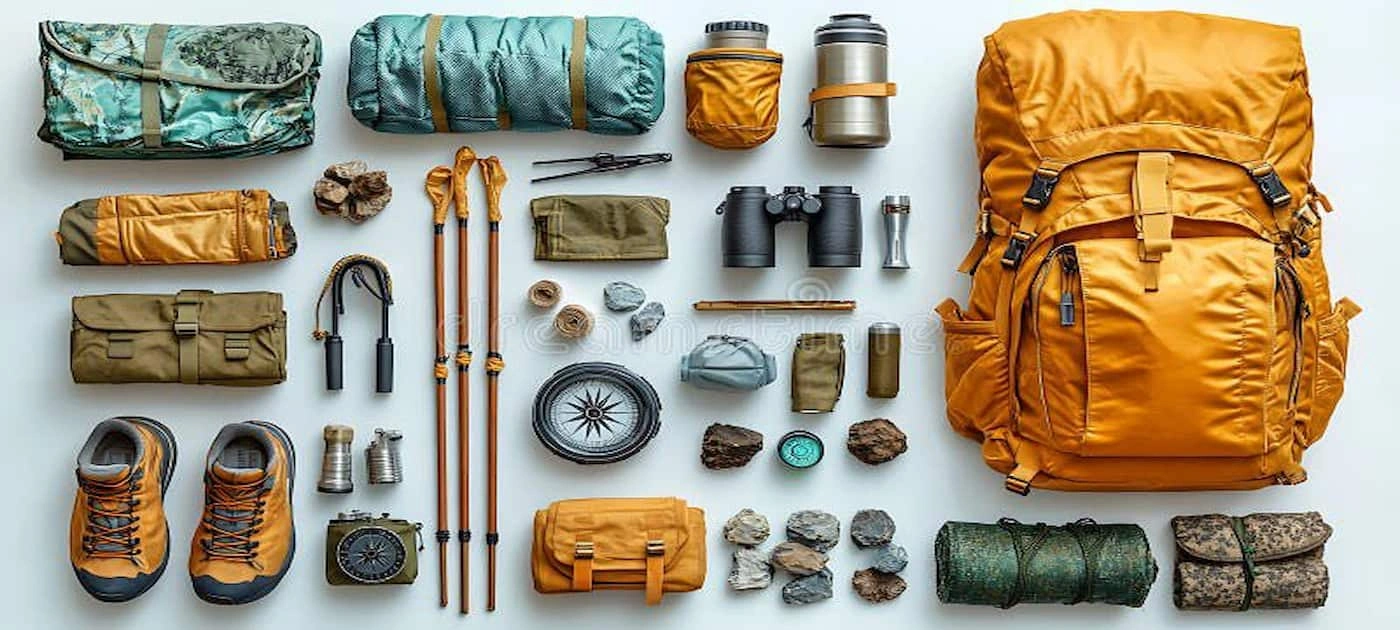
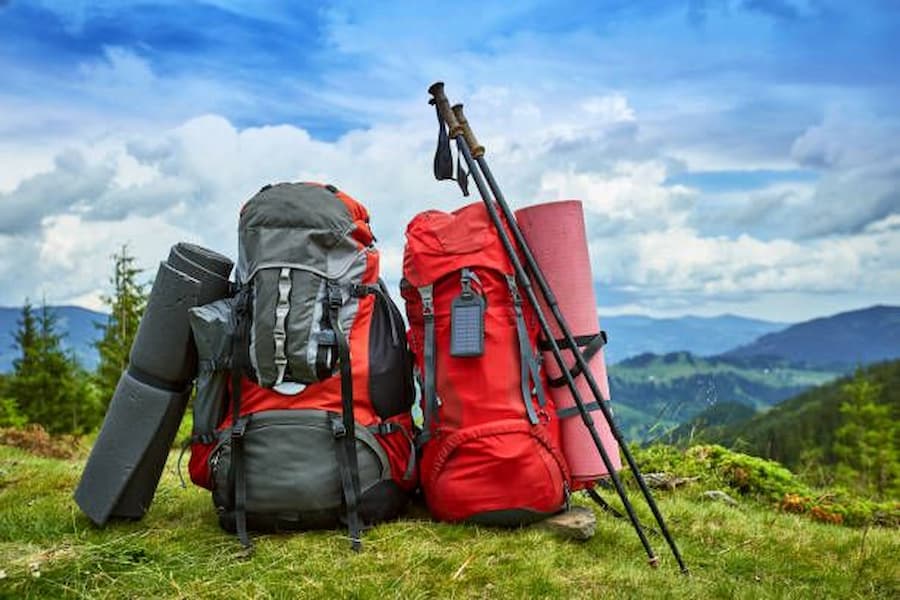
You need two bags for the Annapurna Base Camp trek: a main duffel or backpack (45 to 60 liters) that a porter can carry, and a daypack (20 to 30 liters) that you carry yourself every day.
Main bag:
45 to 60 liter capacity
Waterproof cover or built-in waterproofing
Comfortable for porter handling (no external frames that snag)
Daypack:
- 20 to 30 liters
- Hip belt and padded shoulder straps
- Rain cover included
- Fits your daily essentials, water, snacks, and a warm layer
Don't pack a rigid hiking backpack as your only bag, thinking you'll carry everything yourself. Porters are standard on the ABC trek and make the experience significantly better. Tipping them fairly is part of responsible trekking.
Clothing for the Annapurna Base Camp Trek
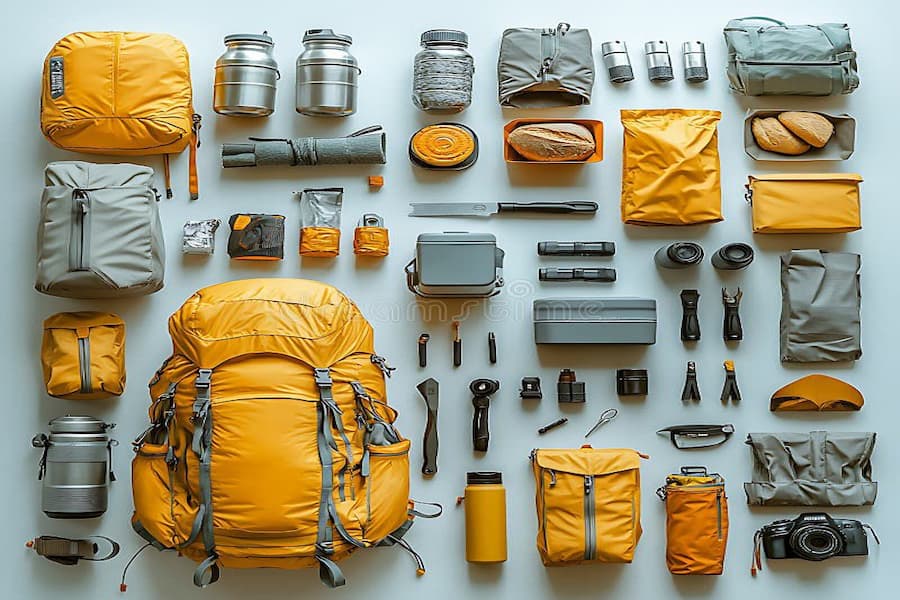
Base Layers and Thermal Wear
The ABC trek involves cold mornings, warm afternoons, and freezing nights near base camp. Base layers do the critical work of managing moisture and body temperature.
- 2 to 3 moisture-wicking base layer tops (merino wool or synthetic)
- 1 thermal base layer bottom (for cold evenings and ABC nights)
- 3 to 4 pairs of trekking underwear (quick-dry)
Avoid cotton entirely. It holds moisture, dries slowly, and cools quickly at altitude.
Trekking Jackets and Outerwear
- 1 lightweight fleece or midlayer (for the lower rhododendron sections)
- 1 insulated down or synthetic jacket (essential at ABC; temperatures drop hard after sunset)
- 1 waterproof shell jacket (rain comes fast in the mountains with no warning)
The down jacket and shell can be layered together. You'll use both near the base camp.
Trekking Pants and Hiking Clothes
- 2 pairs of trekking pants (lightweight, quick-dry)
- 1 pair of thermal leggings or fleece pants (for cold evenings)
- 2 to 3 moisture-wicking trekking shirts
- 1 lightweight long-sleeve shirt (sun and insect protection at lower elevations)
Footwear for the Annapurna Base Camp Trek
Your boots carry you 110 km. Don't cut corners here.
- Trekking boots: mid-cut or high-cut, waterproof (Gore-Tex), broken in before the trek (critical)
- Camp sandals or lightweight shoes: for evenings at teahouses, your feet need a break
- Avoid trail runners unless you have significant experience on similar terrain
Break in your boots for 4 to 6 weeks before the trek. Blisters on day two, when you're four days from the nearest town, are genuinely miserable.
Socks, Gloves, and Warm Accessories
- 4 to 5 pairs of trekking socks (wool-blend, cushioned)
- 1 pair of liner socks (reduces blister friction)
- 1 pair of lightweight gloves (lower altitudes)
- 1 pair of insulated waterproof gloves (upper sections and ABC)
- 1 warm hat or beanie (wool or fleece)
- 1 buff or neck gaiter (wind protection, face covering in cold)
- 1 sun hat or baseball cap (mandatory in the lower sections)
Sleeping Bag for Cold Nights
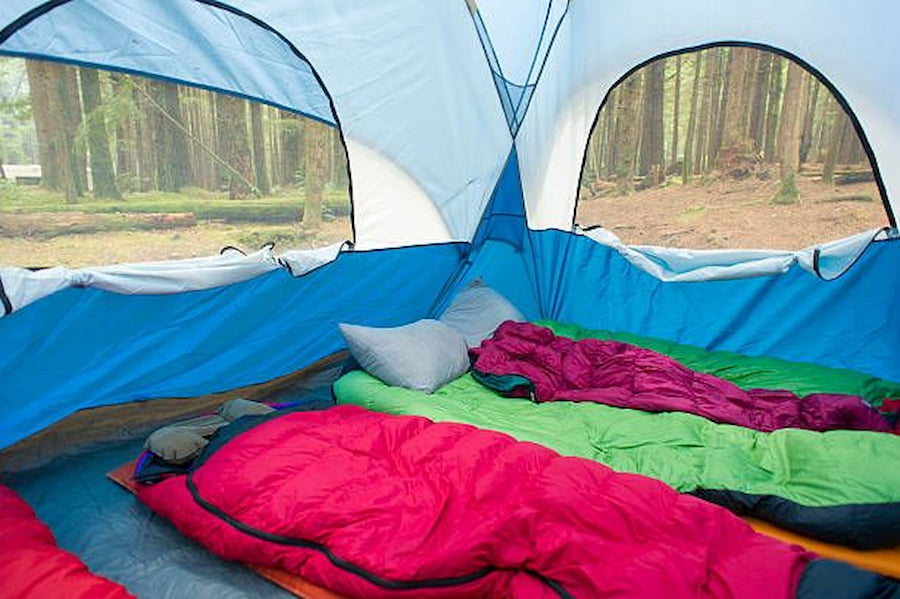
Teahouses on the ABC trek provide blankets, but the quality varies. Near base camp, nights drop below freezing.
- Recommended rating: -10°C to -15°C comfort rating
- Down fills packs smaller and lighter; synthetic is cheaper and works when damp.
- A sleeping bag liner adds warmth and keeps your bag cleaner
Don't rely on teahouse blankets alone above Deurali or Machhapuchhre Base Camp.
Trekking Equipment and Essentials
- Trekking poles: adjustable, collapsible (seriously reduces knee strain on descents)
- Headlamp: plus spare batteries or a rechargeable option
- Water bottles: 2 x 1-liter, wide-mouth (for water purification tablets or filters)
- Water filter or purification tablets: tap and stream water on the trail is not safe to drink untreated
- Dry bags: for electronics and documents inside your pack
Daypack Essentials for Daily Hiking
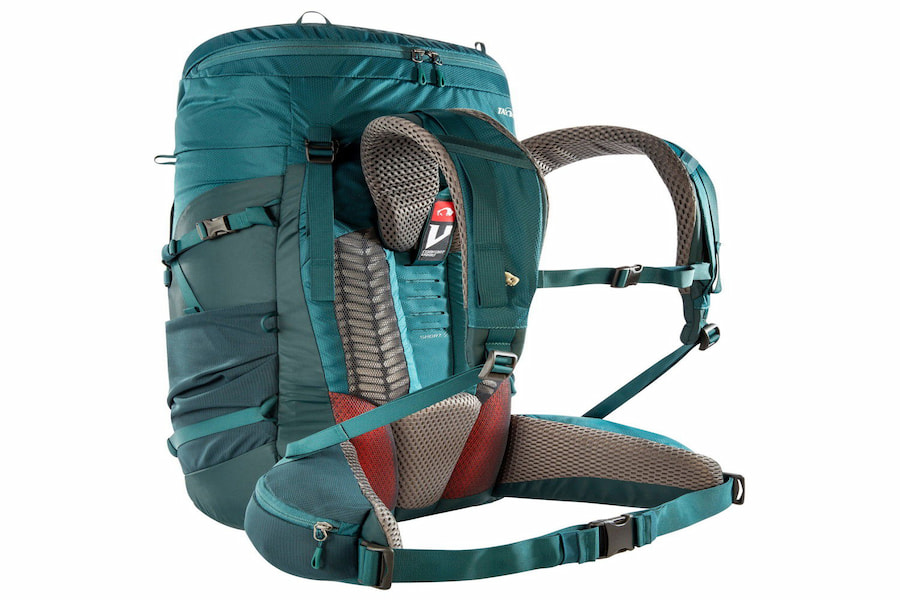
Every morning, before leaving the teahouse, your daypack should have:
- Water (1.5 to 2 liters minimum)
- Snacks for the day
- Warm layer (down jacket)
- Rain cover for the pack
- Headlamp
- First aid basics
- Sunscreen and lip balm
- Phone and portable charger
- Camera, if you carry one
Personal Hygiene and Toiletries
Showers on the ABC trek are cold to lukewarm and cost extra. Pack light here.
- Biodegradable soap and shampoo (important for protected watershed areas)
- Travel toothbrush and toothpaste
- Quick-dry microfiber towel (small)
- Wet wipes (for no-shower days, which happen)
- Hand sanitizer
- Toilet paper (some teahouses run out; carry a small supply)
- Feminine hygiene products (not available on the trail)
- Small trowel (if camping sections are on your itinerary)
First Aid Kit and Personal Medications
Carry a personal kit even if your guide carries a group kit. The two don't overlap completely.
- Altitude sickness tablets (Diamox / acetazolamide; consult your doctor before the trek)
- Ibuprofen and paracetamol
- Blister treatment (moleskin, hydrocolloid patches)
- Antiseptic wipes and small bandages
- Rehydration salts (ORS packets)
- Anti-diarrheal medication
- Antihistamines
- Any prescription medications (carry more than you think you'll need)
- Pulse oximeter (small, cheap, and useful for monitoring oxygen saturation at altitude)
Diamox is worth discussing with a doctor before your trek. It helps with acclimatization but has side effects that vary from person to person.
Electronics and Charging Essentials
- Portable power bank (20,000 mAh minimum; charging at teahouses costs extra and isn't always available)
- Universal travel adapter (for Kathmandu and Pokhara)
- Camera (optional, but the Annapurna Sanctuary views justify it)
- Extra memory cards and batteries
- Waterproof phone case
- Earphones (long teahouse evenings)
- Downloaded offline maps (Maps.me or AllTrails, downloaded before you leave Pokhara)
Snacks and Water Purification Items
Teahouse meals are filling but not always timed to when you're hungry on the trail. Carry snacks.
- Energy bars (Snickers, Clif bars, local Nepali snacks from Pokhara)
- Nuts and dried fruit
- Instant oats or porridge packets (some teahouses let you use hot water)
- Electrolyte powder or tablets
- Water purification tablets (iodine or chlorine) as a backup to your filter
Drink at least 3 to 4 liters of water per day above 3,000 meters. Dehydration speeds up altitude sickness.
Sun Protection and Skincare Items
At altitude, UV radiation is much stronger than at sea level. The Annapurna Sanctuary amplifies this with reflections of snow.
- Sunscreen SPF 50+ (apply more often than you think)
- UV-protective lip balm (SPF 30 minimum)
- Sunglasses with UV400 protection (wrap-around style preferred)
- Glacier glasses or goggles (for high snow sections near ABC in spring)
Bring more sunscreen than you think you'll need. The high-altitude sun at 4,000 meters burns exposed skin in under 20 minutes.
Trekking Poles and Optional Gear
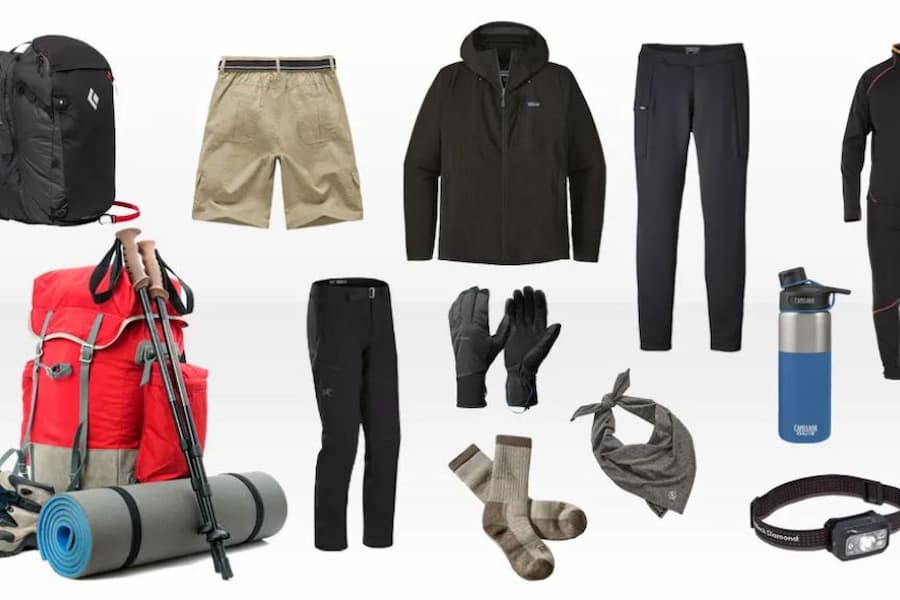
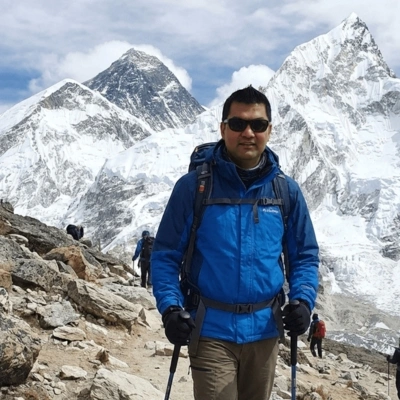
Trekking poles are not optional in practice, even if they're listed that way on most packing lists. The descent from ABC involves steep rocky terrain on tired legs. Poles cut knee strain significantly.
Optional items worth considering:
- Gaiters (useful in wet season or snow)
- Crampons or microspikes (for winter treks or icy sections)
- Small packable umbrella (surprisingly useful in monsoon shoulder season)
- Journal or notebook (teahouse evenings are long and mostly offline)
Monsoon Season Packing List for ABC Trek
The monsoon runs from June through August. The trail stays open, but conditions change significantly.
Extra items for monsoon:
- Waterproof gaiters (leeches are active on the lower trail sections)
- Leech socks (available cheaply in Pokhara)
- Extra dry bags for everything
- Waterproof covers for both bags
- Packable rain poncho (faster to put on than a shell in sudden downpours)
- Anti-fungal powder (feet stay wet; this matters)
Expect limited mountain views during the monsoon. The rhododendron and subtropical sections are stunning, but ABC itself is often cloud-covered.
Winter Packing List for Annapurna Base Camp Trek
December through February is cold and far less busy. The trek is doable, but it requires proper gear.
- Balaclava
- Hand warmers (chemical or reusable)
- Microspikes or crampons (sections above MBC can be icy)
- Higher-rated sleeping bag (-20°C comfort for ABC)
Some sections above Deurali may be closed in deep winter due to snow. Check current conditions with Holy Kailash Tours before finalizing your dates.
What Not to Pack for the Annapurna Base Camp Trek
This section saves you more weight than any gear tip.
- Jeans or cotton pants (they soak up moisture, dry slowly, and get heavy)
- Heavy books (download to your Kindle or phone)
- Full-size toiletries (transfer everything to 100 ml travel bottles)
- Valuables you don't need (jewelry, expensive watches)
- More than 2 to 3 sets of clothing (teahouses have basic washing facilities)
- A full medical kit beyond personal essentials (your guide and agency carry group supplies)
- Hair dryers or electric styling tools (power is limited and not reliable)
- More than 2 towels (one quick-dry microfiber is enough)
- New gear you haven't tested (break in boots, test your rain jacket before departure)
Packing Tips for a Comfortable Trek
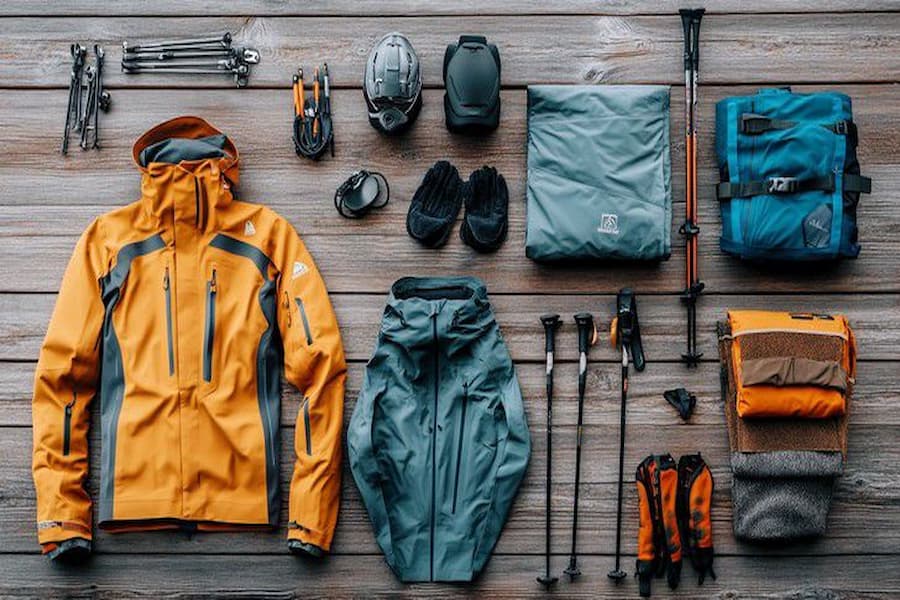
A few things that actually matter on the trail:
- Pack your bag the night before each day. Don't do it at 6 AM when you're cold, and the teahouse breakfast is calling.
- Use color-coded dry bags—one for clothing, one for electronics, one for food. You'll find things without unpacking everything.
- Carry your daypack yourself every day, no exceptions. Your porter handles the main bag. Your daypack has everything you need access to during the day.
- Test your layers at home before you leave. Put on the base layer, midlayer, and shell together. Check that you can move your arms. Check that zippers work with gloves on.
- Leave non-essentials at your hotel in Pokhara. Most teahouses have storage. Pack light for the trek, pick up the rest on the way back.
Holy Kailash Tours, we recommend clients do a full gear check 2 to 3 days before departure. Small issues, such as a broken zipper, the wrong boot size, and missing permit photos, are easy to fix in Pokhara but nearly impossible on the trail.
Annapurna Base Camp Trek Packing Checklist
Use this before you leave your hotel in Pokhara.
Documents
- Passport (original + copy)
- Nepal visa
- ACAP permit
- TIMS card
- Travel insurance documents
- 4 passport photos
- Cash (Nepalese rupees)
- Trip itinerary (printed)
Clothing
- 3 base layer tops
- 1 thermal bottom
- 2 trekking pants
- 1 fleece midlayer
- 1 down jacket
- 1 waterproof shell
- 4 trekking socks + 1 pair liner socks
- 3 to 4 trekking underwear
- 1 sun hat
- 1 warm hat
- 1 buff
- Gloves (lightweight + insulated)
Footwear
- Broken-in trekking boots
- Camp sandals or shoes
Gear
- Trekking poles
- Headlamp + spare batteries
- Water bottles (x2)
- Water filter or purification tablets
- Sleeping bag
- Daypack with rain cover
- Dry bags
Health and Safety
- First aid kit
- Diamox (if prescribed)
- Pulse oximeter
- Personal medications
Electronics
- Power bank (charged)
- Phone with offline maps downloaded
- Camera + memory cards
- Travel adapter
Toiletries
- Sunscreen SPF 50+
- UV lip balm
- Sunglasses
- Microfiber towel
- Biodegradable soap
- Wet wipes
- Hand sanitizer
- Toilet paper
Snacks
- Energy bars
- Nuts and dried fruit
- Electrolyte tablets
FAQs: Annapurna Base Camp Trek Packing List
1. How heavy should my pack be?
Your daypack should stay under 7 to 8 kg. Your main bag (porter-carried) can be up to 15 kg, but lighter is better for porter welfare and easier logistics.
2. Can I rent gear in Pokhara?
Yes. Sleeping bags, trekking poles, down jackets, and gaiters are all available for rent in Lakeside, Pokhara. Quality varies. Buy sunscreen, medications, and socks rather than renting.
3. Do I need a sleeping bag if teahouses provide blankets?
At lower altitudes, you can get by with teahouse blankets and your own sleeping bag liner. At Machhapuchhre Base Camp and Annapurna Base Camp, you need your own sleeping bag rated for sub-zero temperatures.
4. What's the best backpack size for the ABC trek?
A 25 to 30 liter daypack for what you carry daily. A 45 to 55 liter duffel or pack for porter-carried items. Don't bring a 70-liter backpack expecting to carry it all yourself.
5. Is trekking insurance mandatory?
It's not enforced at permit checkpoints, but it should be non-negotiable for you. Emergency helicopter evacuation from ABC costs USD 3,000 to 5,000. The insurance costs a fraction of that.
6. Can I do the ABC trek without a guide?
Technically, yes, but it's not recommended for first-time Himalayan trekkers. The route has multiple junctions, the altitude risk is real, and the weather can change fast. Holy Kailash Tours offers guided ABC packages with experienced local guides who know the terrain, the teahouses, and how to read conditions above 3,500 meters.
7. What should I wear on the trek day?
For most days below 3,000 m: trekking pants, base layer top, sun hat, and trekking boots. Pack your down jacket and shell in your daypack for the afternoon and higher altitudes. At MBC and ABC, wear your thermal layer, fleece, and down jacket from the start.
8. When is the best time for the Annapurna Base Camp trek?
October and November for clear skies and stable weather. March and April for rhododendron bloom. Avoid peak monsoon (July to August) unless you're specifically seeking a quieter, greener experience and don't mind limited summit views.
9. What's the hardest section of the Annapurna Base Camp trek?
Most trekkers say the stretch from Deurali to Machhapuchhre Base Camp is where it gets genuinely tough. The altitude jumps fast, the trail narrows, and if there's any weather coming in, you feel it here first. It's not technical, but your legs and lungs are working harder than the distance on paper suggests. Slow down earlier than you think you need to.
10. Do I need to carry all my gear myself?
No, and you probably shouldn't. Porters are standard on the ABC trek and carry your main bag for a daily rate. You carry your daypack with water, snacks, and a warm layer. Trying to carry a 15 kg pack up to 4,130 meters on your first Himalayan trek is how people end up turning back at MBC with blown knees.
11. How much cash should I bring on the trail?
Budget around USD 30-50 per day once you're on the trail, covering accommodation, three meals, hot drinks, and the occasional hot shower. Prices increase with altitude. A dal bhat that costs 400 rupees in Nayapul costs 700 to 900 rupees near the base camp. There are no ATMs past Pokhara. Bring more than you think you'll spend.
12. Are trekking poles worth the extra weight?
Yes, without question on the descent. The trail from ABC back down to Jhinu Danda involves steep, rocky sections on legs that have already done a lot of work. Poles significantly reduce the impact on your knees. If you've had any knee issues before, treat them as mandatory, not optional.
13. Will my phone work on the trail?
Ncell and NTC have decent coverage in the lower sections and at some teahouse hubs, such as Chhomrong and Bamboo. Above Deurali, it gets patchy. Don't count on GPS data loading in real time above 3,000 meters. Download your offline maps in Pokhara before you leave, and download them twice if you're using a phone with limited storage.
14. Can I charge my electronics at teahouses?
Yes, but it costs extra, typically 200 to 500 rupees per charge, depending on altitude, and the power cuts out regularly. A 20,000 mAh power bank handles most trekkers for the full route without needing a single teahouse charge. It's lighter than the frustration of waiting for a socket to free up at 7 PM when everyone else has the same idea.
15. What do I do if I show signs of altitude sickness?
Descend immediately. Don't sleep on it, hoping it improves. A headache alone at altitude is normal and manageable with rest, water, and ibuprofen. But if you have nausea, loss of coordination, confusion, or can't keep water down, those are serious signs. The rule on the ABC trail is simple: if in doubt, go down. Altitude sickness above 3,500 meters moves fast, and helicopter evacuation is expensive and weather-dependent.
16. Is the ABC trek suitable for someone who doesn't exercise regularly?
It's doable, but it requires preparation. The trek itself isn't a technical climb, but you're walking 8 to 10 hours a day for multiple consecutive days at increasing altitude. If you're starting from zero fitness, spend 8 to 12 weeks building up with regular walking, stair climbing, and some loaded-pack practice before you arrive in Nepal. Showing up unfit doesn't ruin the trek, but it does make every day harder than it needs to be.
17. What's the food like on the trail?
Better than you'd expect given the location. Dal bhat is the standard, and it comes with unlimited refills at most teahouses, which matters when you're burning through calories at altitude. You'll also find pasta, noodle soup, eggs, porridge, and surprisingly decent apple pie in a few spots. Stick to cooked, hot food above Chhomrong. Raw vegetables and salads at altitude carry a higher risk of stomach issues that you really don't want two days from base camp.
18. What happens if I need to cancel or cut the trek short?
This is exactly why travel insurance with evacuation cover is non-negotiable. If you develop altitude sickness, a knee injury, or a family emergency mid-trek, your options without insurance are very limited and very expensive. Holy Kailash Tours always advises clients to book insurance before any other part of the trip, not as an afterthought. Read the policy before you buy it, specifically the altitude ceiling and the evacuation clause.
Note: Visit us for more packages, EBC Trek, Ghorepani Poon Hill, Mardi Himal, Annapurna Circuit, Kathmandu valley tours, Mountain flights, Day Hiking, and related Travel guide blog contact Holy Kailash Tours Team, we handle everything from Kathmandu: permits, guide, transport, tea house booking, and a flexible itinerary built around your schedule. The team has experience on this trail and a genuine stake in getting it right.
Email: [email protected]
WhatsApp: +977-9851254672 — Feel free to reach out anytime for fast, friendly, and personalized assistance