Planning a trek to Amazing Nepal trek is one of those things that sounds simple until you actually start doing it. 14-day Everest Base Camp Trek Itinerary Dozens of route decisions. Altitude, permits, gear, flights. Most people spend weeks piecing this together from scattered forum posts and outdated blogs.
Everest Base Camp Trek itinerary helps you cut through all that. At Holy Kailash Tours, we've helped hundreds of trekkers walk this route. What follows is the full EBC trek itinerary, honest notes on difficulty, and practical details you'll actually need.
Everest Base Camp Trek Overview
Everest base camp
The classic EBC trekking itinerary runs for 14 days from Kathmandu, covering roughly 130 km round-trip through the Khumbu region of northeastern Nepal. You start with a short mountain flight to Lukla, then walk through Sherpa villages, rhododendron forests, and high alpine terrain before reaching Base Camp at 5,364 m.
The trek to Everest Base Campis not a technical climb. No ropes, no crampons. But it is a serious high-altitude undertaking. The main challenge is acclimatization, not fitness. Understanding that distinction is what separates people who finish from people who have to turn back.
The mountain itself. Standing at the foot of the world's highest peak, even without summiting, carries genuine weight. The scale is hard to describe until you're there.
The Sherpa culture. Namche Bazaar, Tengboche Monastery, and the villages along the route. This isn't a walk through empty wilderness. It's through living communities with centuries of mountain history.
It's achievable. Most fit adults with proper acclimatization can complete this trek. That's less true for routes like Island Peak or the Kanchenjunga circuit.
The infrastructure works. Tea houses, guides, and medical facilities. The Khumbu route is well supported.
The standard mount Everest trekking route follows the Dudh Koshi River valley from Lukla northward. Here's the spine of it:
Lukla (2,860 m) → Phakding (2,610 m) → Namche Bazaar (3,440 m) → Tengboche (3,860 m) → Dingboche (4,410 m) → Lobuche (4,940 m) → Gorakshep (5,164 m) → Everest Base Camp (5,364 m) → Kala Patthar (5,545 m)
Then you return to Lukla for your flight back to Kathmandu.
Detailed Everest Base Camp Trek Itinerary (Day by Day)
Mount Everest
Day 1: Arrival in Kathmandu (1,400 m)
You land at Tribhuvan International Airport and transfer to your hotel. This day is mostly admin: meeting your guide, finalizing permits, checking gear. If you arrive early enough, a walk around Thamel or a visit to Boudhanath Stupa is worth doing.
Kathmandu sits at 1,400 m, so altitude isn't a concern here. Use this day to rest after travel, especially if you've traveled far.
Day 2: Flight to Lukla (2,860 m) and Trek to Phakding (2,610 m)
The 35-minute mountain flight to Lukla is genuinely exciting. The runway at Tenzing-Hillary Airport is short, steep, and carved into the side of a hill. It's the kind of thing you watch videos of before going, then experience anyway, with a mix of awe and mild alarm.
From Lukla, the trail drops gently to Phakding. About 3 hours of walking through a pine forest and small villages. A calm start. Take it easy.
Day 3: Trek from Phakding to Namche Bazaar (3,440 m)
This is the first day that feels like real trekking. You cross several suspension bridges over the Dudh Koshi River, pass through Sagarmatha National Park (where you'll show your permits), and climb steadily up to Namche. Total walking: 5 to 6 hours.
The last section to Namche is steep. Your legs will know about it. But arriving at this horseshoe-shaped town, with its lodges and bakeries and views of Thamserku, makes it worth the climb.
Day 4: Acclimatization Day at Namche Bazaar (3,440 m)
Don't skip this day. Spending an extra night at Namche is one of the most important decisions on the entire EBC trek itinerary.
The rule is: hike high, sleep low. On your acclimatization day, walk up to the Everest View Hotel or the Syangboche airstrip above town. You get your first clear view of Everest from here. Then come back down to sleep at Namche.
This approach lets your body produce more red blood cells without putting you in serious altitude territory overnight.
Day 5: Trek from Namche Bazaar to Tengboche (3,860 m)
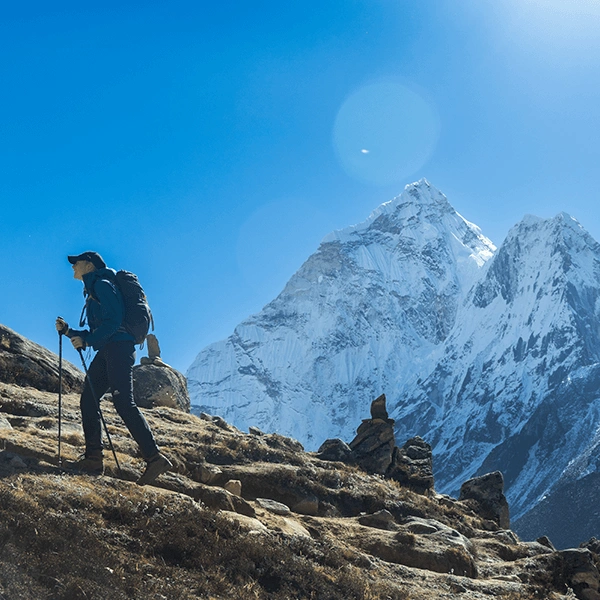
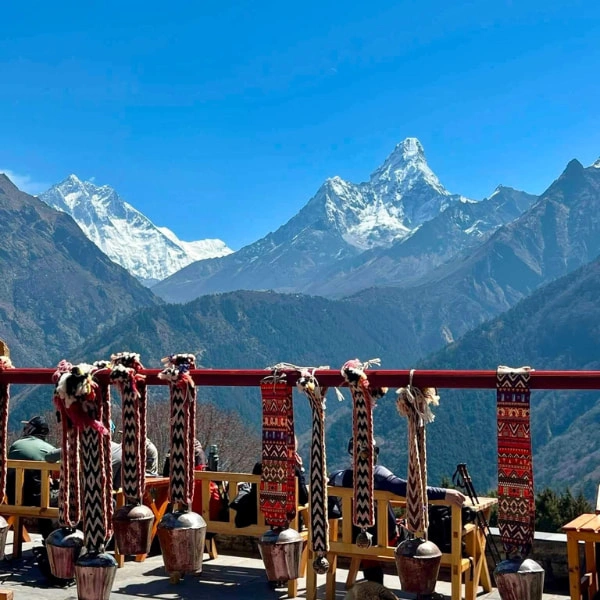
A beautiful day. The trail contours above the valley before dropping to the Dudh Koshi and climbing to Tengboche. You'll get close views of Ama Dablam, one of the most recognized peaks in the Himalayas. About 5 hours of walking.
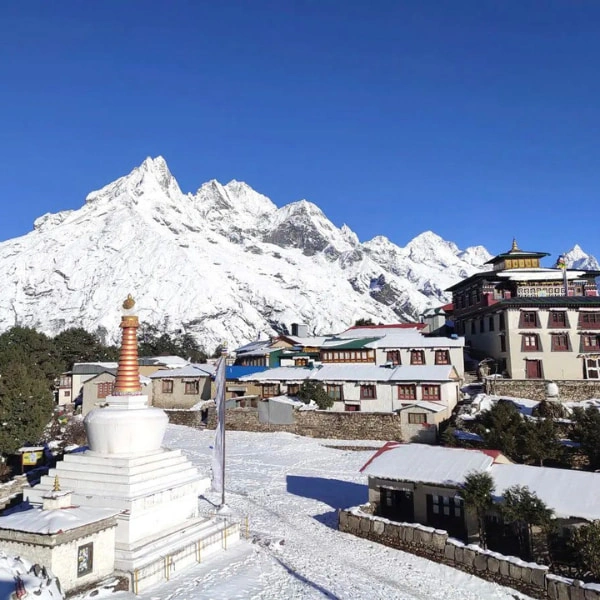
Tengboche Monastery is worth your time. The main gompa dates to 1916 (rebuilt after a 1989 fire), and if timing works, you may catch evening prayers.
Day 6: Trek from Tengboche to Dingboche (4,410 m)
The landscape starts to open up and thin out above Tengboche. Trees give way to shrubs, then alpine grass. You pass through Pangboche (home to the oldest monastery in the Khumbu) and climb steadily to Dingboche. 5 to 6 hours.
At this elevation, slower is smarter. Watch how you feel. Mild headache in the evenings is normal. Persistent headache, nausea, or disorientation means you need to talk to your guide immediately.
Day 7: Acclimatization Day in Dingboche (4,410 m)
Second acclimatization day, and it's earned. Hike up toward Nagarjun Hill or partway toward Island Peak base camp for views across the upper Khumbu. The Lhotse Face and Makalu are visible from up here.
Come back down to Dingboche to sleep. Eat well, drink water, rest early.
Day 8: Trek from Dingboche to Lobuche (4,940 m)
You're above 4,900 m by the end of this day. The walk passes the Thukla memorial, a collection of stone cairns erected in memory of Everest climbers who died on the mountain. It's a quiet, sobering stretch of trail.
Lobuche is a small cluster of tea houses. Accommodation and food are basic here. Cold nights. Sleep early.
Day 9: Trek to Everest Base Camp via Gorakshep (5,164 m)
The day most people have been building toward.
You leave Lobuche early and reach Gorakshep in about 3 hours. Drop your main pack, eat something, and drink water. Then continue to Everest Base Camp, another 2 hours across the rocky glacier moraine.
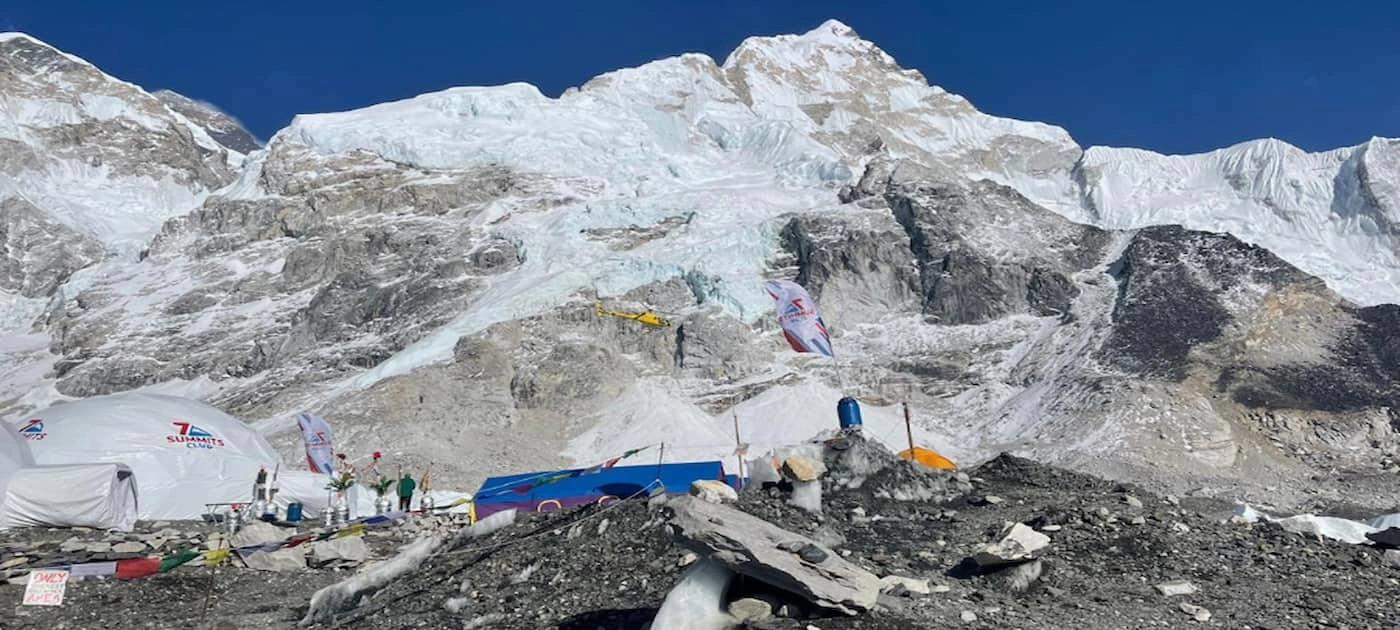
Base Camp itself is a wide, flat expanse of rubble and ice at the foot of the Khumbu Icefall. During climbing season (April to May), it's a city of colored tents. The rest of the year, it's quiet. The feeling of being there, whatever the season, is real and hard to explain. You're standing where every Everest summit attempt begins.
Return to Gorakshep for the night.
Day 10: Hike to Kala Patthar (5,545 m) and Trek to Pheriche (4,371 m)
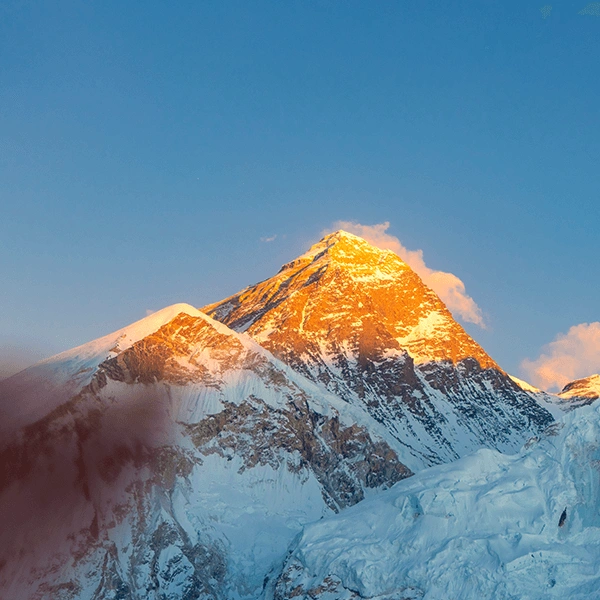
Wake before dawn. The pre-sunrise hike to Kala Patthar is one of the best decisions you can make on this trek. The views of Everest from here are cleaner and more direct than from Base Camp. Many people say it's the highlight of the entire journey.
Plan 2 to 3 hours up and back. Then descend to Pheriche for the night. The long downhill after days at altitude feels like a relief, though your knees may disagree.
Day 11: Trek from Pheriche to Namche Bazaar (3,440 m)
A longer day, but mostly downhill. You lose nearly 1,000 m of elevation over about 6 hours of walking. The descent can be hard on joints, so trekking poles help. The air feels noticeably thicker as you drop through the valley.
Namche feels like a city after the upper Khumbu. Hot showers. Good coffee. Decent pizza.
Day 12: Trek from Namche Bazaar to Lukla (2,860 m)
Final day of walking. The trail back to Lukla follows the same route you came up, which means you'll recognize it but see it completely differently. You've been at altitude for over a week. Everything at a lower elevation feels easier, warmer, and more comfortable.
Reach Lukla in the afternoon. Dinner with your crew, a toast to the trek, and early to bed.
Day 13: Flight Back to Kathmandu
Morning flights back to Kathmandu. Mountain weather can delay these, so keep your Kathmandu hotel or onward flights flexible. Most trekkers build in at least a half-day buffer here.
Back in the city, most people spend the afternoon eating things they've been missing (real coffee, fresh vegetables, not lentil soup) and debriefing on the whole experience.
Day 14: Final Departure
Depart for home or continue exploring Nepal. If you have extra days, Bhaktapur, Pokhara, or Chitwan National Park are all worth considering.
Everest Base Camp Trek Distance and Elevation Chart
Day
Route
Distance
Max Elevation
2
Lukla to Phakding
9 km
2,860 m
3
Phakding to Namche
11 km
3,440 m
4
Acclimatization hike
~5 km
~3,880 m
5
Namche to Tengboche
10 km
3,860 m
6
Tengboche to Dingboche
12 km
4,410 m
7
Acclimatization hike
~5 km
~4,900 m
8
Dingboche to Lobuche
10 km
4,940 m
9
Lobuche to EBC via Gorakshep
14 km
5,364 m
10
Kala Patthar + descent
18 km
5,545 m
11
Pheriche to Namche
20 km
4,371 m
12
Namche to Lukla
18 km
2,860 m
Best Time for the Everest Base Camp Trek
Everest Base Camp
Two windows work well:
Spring (March to May) is the most popular. The weather is stable, the skies are usually clear, and the rhododendrons are flowering. It's also Everest climbing season, so Base Camp is active, and the trail is busy.
Autumn (September to November) is equally good, sometimes better. Post-monsoon skies are sharp, the trails aren't quite as crowded, and temperatures are still manageable.
Winter (December to February) is cold but doable. Summer (June to August) means monsoon rains and poor visibility.
Moderate to strenuous. The trek itself requires no technical climbing skills, but you need a solid base of fitness and good altitude awareness.
Most people who struggle on this route aren't unfit. They move too fast, don't drink enough water, or skip acclimatization days. The EBC trek itinerary in this guide is deliberately paced. Don't try to shorten it significantly.
Tea houses run the length of the route. You get a private room (basic), meals, and usually wifi (slow, expensive, but there). Dal bhat is the trail staple. It's rice, lentil soup, vegetables, and sometimes meat. Most tea houses refill it for free, which matters when you're burning thousands of calories a day.
Costs increase as elevation rises. A $5 meal in Lukla costs $12 in Gorakshep. Budget accordingly.
Permits Required for Everest Base Camp Trek
Mount Everest
You need two permits:
Sagarmatha National Park Entry Permit: NPR 3,000 (around $23 USD)
Layered clothing system (base layer, mid-layer fleece, hardshell)
Down jacket (essential for above 4,000 m)
Broken-in waterproof hiking boots
Trekking poles
Sleeping bag rated to at least -10°C
Sun protection (sunglasses, SPF 50+, lip balm)
Headlamp with spare batteries
Water purification (tablets or filter)
First aid basics, including altitude sickness medication (discuss Diamox with your doctor before going)
Keep your pack under 12 kg if you're carrying it yourself. A porter can carry the rest.
Health, Safety, and Altitude Sickness Tips
Everest base camp
Acute Mountain Sickness (AMS) is the real risk on this trek. Symptoms include headache, nausea, fatigue, and dizziness. The fix for mild AMS is simple: stop climbing and rest. If symptoms don't improve, go down.
A few practical rules:
Don't ascend more than 500 m per day above 3,000 m
Drink 3 to 4 liters of water daily
Avoid alcohol at altitude
Tell your guide if you feel off. Early.
There are Himalayan Rescue Association clinics in Namche and Pheriche, staffed by trained personnel. Helicopter evacuation is available but expensive. Travel insurance that covers high-altitude trekking and helicopter rescue is not optional.
Budget trekkers can find packages in the $1,300 range. Well-organized packages with comprehensive guides, insurance coverage, and proper logistics cost between $1,500 and $2,000.Everest luxury loge trek and helicopter return $2500 t0 3500
Everest Base Camp Trek with Helicopter Return Option
Photo Shot At Everest region
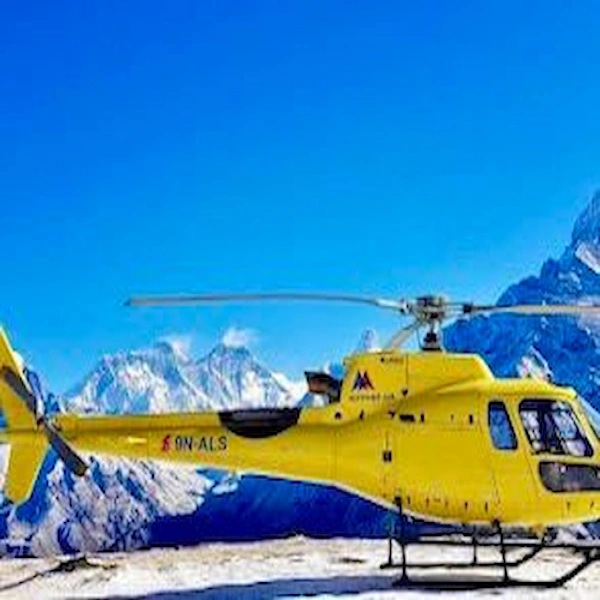
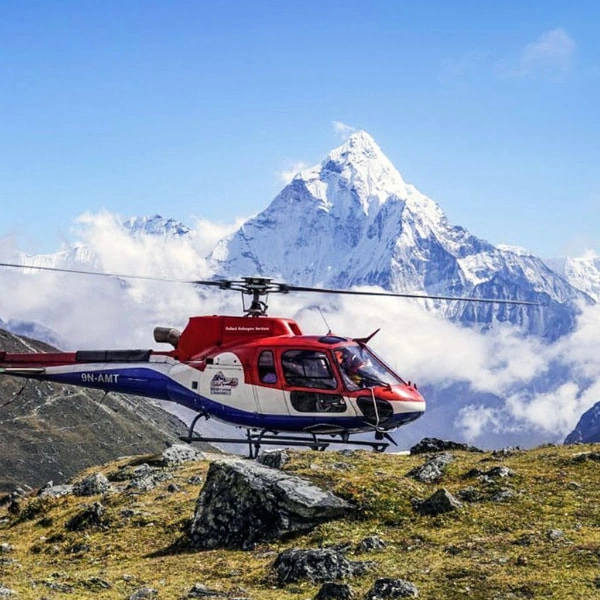
If you want to skip the long walk out, a helicopter return from Gorakshep or Namche Bazaar is available. This is popular with trekkers on tight schedules or those dealing with fatigue or minor health issues after reaching Base Camp.
Holy Kailash Tours can arrange the EBC trek with helicopter options as part of your package or as an add-on. It doesn't make the trek easier, but it does give you more flexibility on the back end.
Why Book Your Everest Base Camp Trek with Holy Kailash Tours
Holy Kailash Tours, based in Kathmandu, has been organizing Himalayan treks and pilgrimages for years. The team knows the Khumbu route well, which means better guide selection, proper pacing built into the itinerary, and logistics that actually work when something goes sideways.
What you get when you book through us:
A licensed, experienced mountain guide who speaks English and knows the route
All permit arrangements are handled in advance
Accommodation and meal coordination throughout
An acclimatization schedule is built into the itinerary from day one
24/7 support contact during the trek
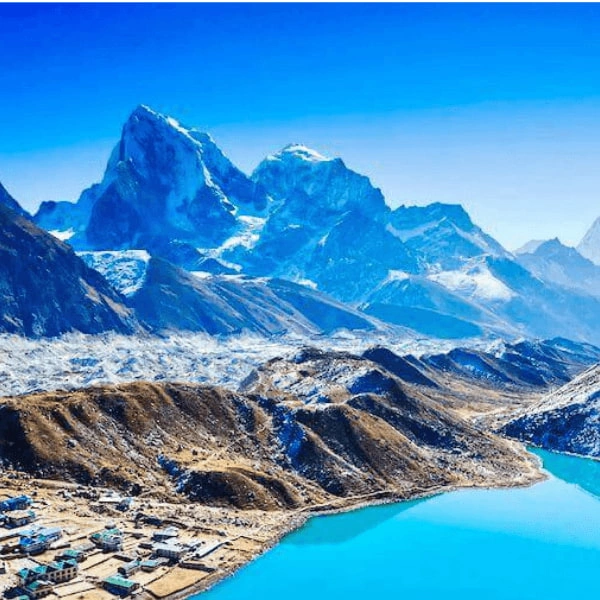
Flexible options including helicopter return, Gokyo Lakes extensions, and Chola Pass crossings
We also offer alternatives worth considering. The Gokyo Lakes andEverest Base Camp itinerary combines both routes via the Chola Pass, adding 3 to 4 days but offering one of the best high-altitude lake views in the Himalayas. If the Island Peak Trek itinerary interests you, we can also build a combined EBC and climbing package.
The Everest Base Camp trek doesn't ask you to be extraordinary. It asks you to show up, move at a sensible pace, and pay attention to how your body feels at altitude.
Most people who don't finish make one of two mistakes: they rush or ignore early warning signs. Both are avoidable.
If you go in with a realistic itinerary, a good guide, and the patience to take acclimatization days seriously, the odds are strongly in your favor. The mountain isn't going anywhere. There's no prize for getting there faster.
Holy Kailash Tours has led trekkers of all ages and fitness levels along this route. What makes the difference almost every time isn't gear or experience. It's preparation and the right team by your side.
Everest Base Camp Trek FAQs
EBC Trek
1. How fit do I need to be for EBC?
You don't need to be an athlete. You do need to be comfortable walking 5 to 7 hours a day, often on uneven terrain. Training for 2 to 3 months before the trek, focusing on cardio and leg strength, makes a real difference.
2. Can I do the EBC trek solo?
Technically, yes, but it's not recommended and increasingly restricted. Nepal now requires most trekkers in Khumbu to be accompanied by a registered guide.
3. What's the EBC trek itinerary: 12 days vs 14 days?
The 12-day version compresses some walking days and cuts one acclimatization stop. It's possible but riskier, especially if you're new to high altitude. The 14-day EBC itinerary is safer for most people.
4. When should I book?
For the spring season (March to May), book 3 to 4 months in advance. Popular departure windows fill up. Autumn can be booked with less lead time, but October slots go quickly.
5. Does Holy Kailash Tours offer the Gokyo Lake itinerary too?
Yes. The Gokyo route is a quieter, scenically different path to the Everest region. We can arrange standalone Gokyo treks or a combined itinerary with EBC via the Chola Pass.
TheEverest Base Camp trek is one of those trips that actually delivers. Not because the trail is always comfortable or the altitude is easy, but because it takes you somewhere genuinely remote, through a culture worth understanding, with a payoff you'll think about for years. The 14-day EBC trekking itinerary in this guide gives you the best chance of finishing it strong and remembering it well.
Get in touch with Holy Kailash Tours to book your trek or ask any questions you have about the route.