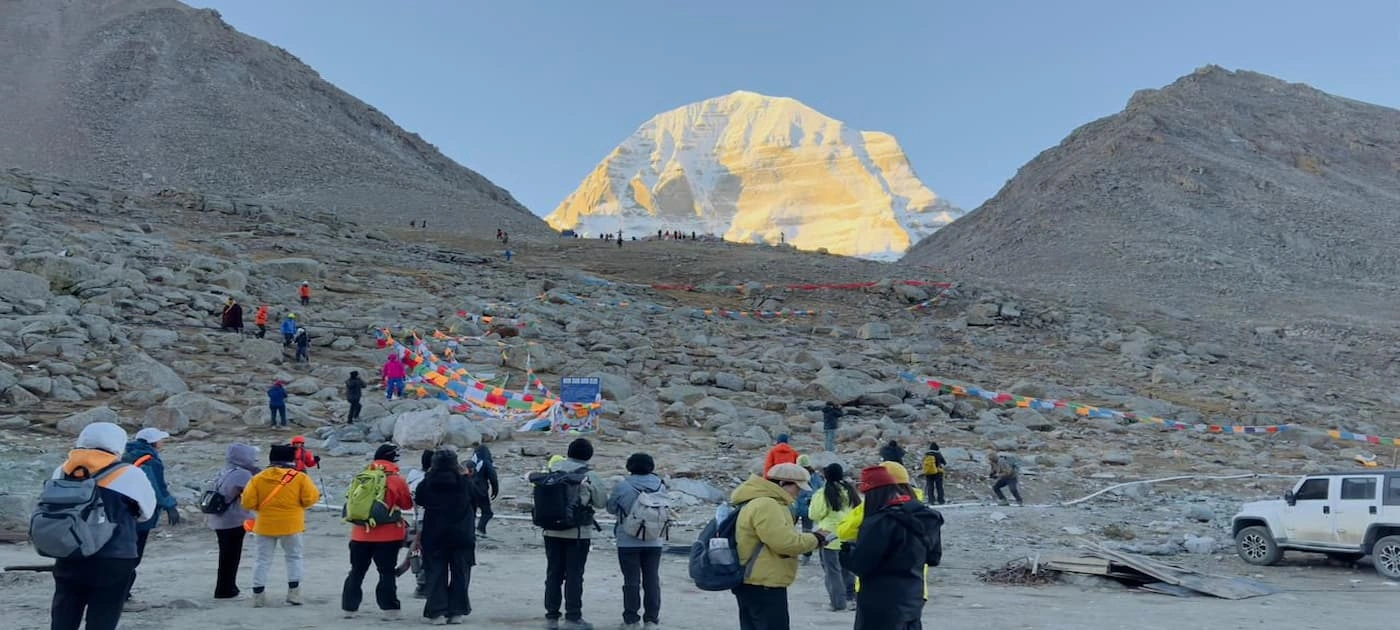
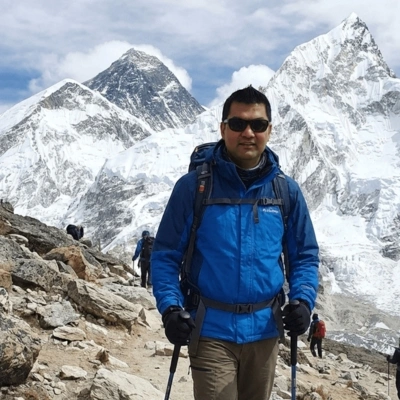
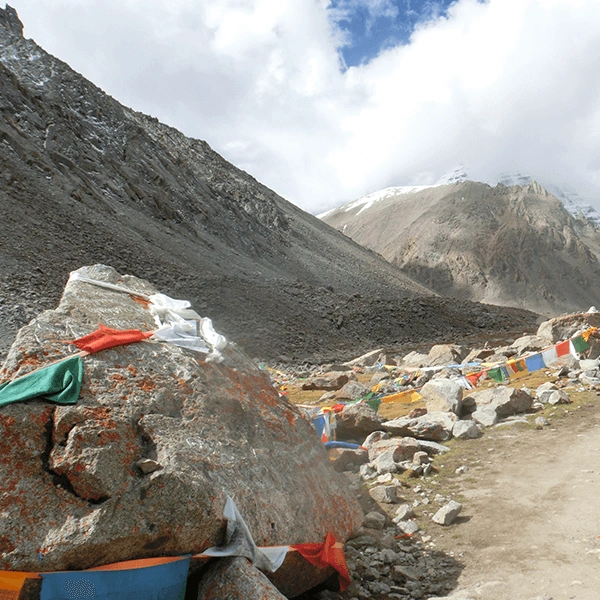
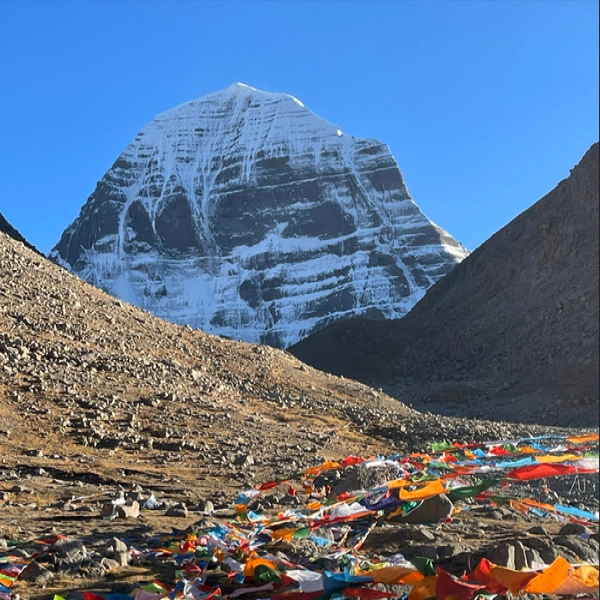
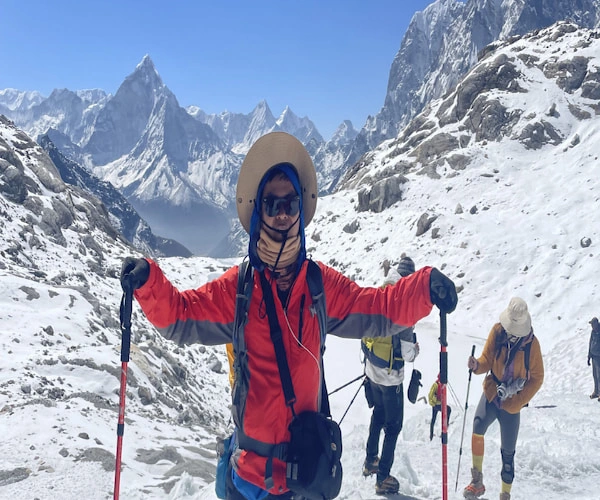
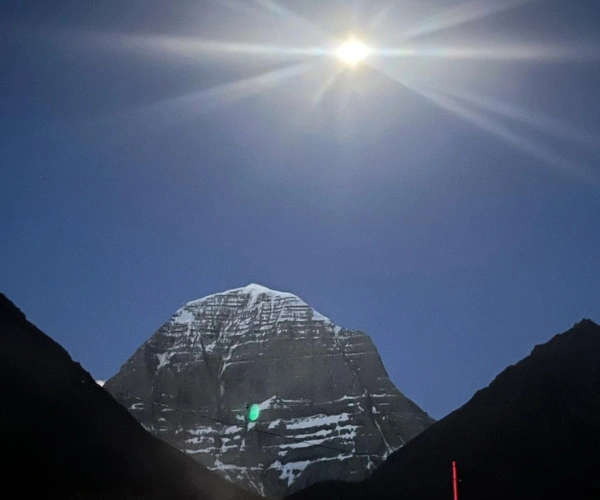
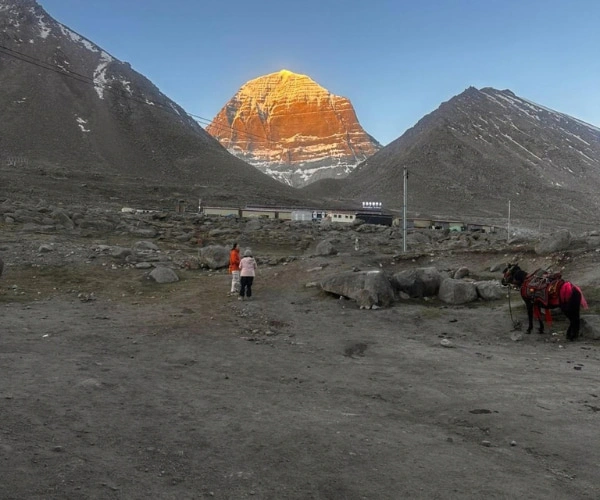
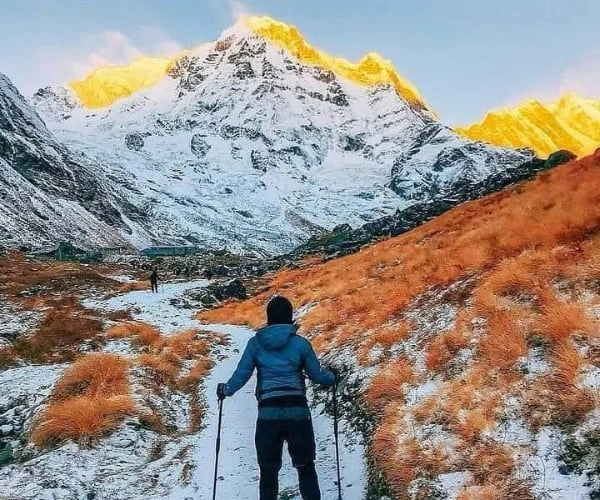
The Kailash Mansarovar Yatra from Kathmandu takes you to elevations that push your body in ways most people have never experienced. The Kailash Kora reaches 5,630 meters at Dolma La Pass. That's higher than most mountains in the Alps. And you walk it over three days, not three weeks.
Kailash Mansarovar Tour from Kathmandu is a demanding journey. It asks more of your body than a typical trek. But it's not technical climbing. No ropes, no crampons. What it does require is honest preparation, good acclimatization, and the right team on the ground.
Holy Kailash Tours has been guiding pilgrims on this route for years. We've seen people in their 60s complete the Kora. We've also seen fit trekkers in their 30s struggle because they rushed the altitude elevation gain. It helps you know what you actually need to know before you go, from permits and costs to the day-by-day itinerary.
Kailash Overland Yatra by Bus from Kathmandu
Mount Kailash
The overland route from Kathmandu to Mount Kailash is the most popular way to travel. It's also the most affordable. Most groups cross into Tibet through the Kerung border crossing (also called Gyirong), which sits at 1,754 meters, making it a gentler entry point than some of the higher altitude alternatives.
The full overland journey from Kathmandu to the base area near Darchen takes roughly 5 to 7 days, depending on the itinerary and road conditions. You pass through some remarkable terrain: the Tibetan Plateau, small towns like Saga and Paryang, and eventually the wide-open expanse of western Tibet, where Kailash first comes into view.
Here's what the overland route typically involves:
Day 1 to 2: Drive from Kathmandu to the Kerung border crossing. Cross into Tibet. Overnight in Kerung town.
Day 3 to 4: Continue driving through the Tibetan plateau. Stop in Saga for acclimatization. Altitude climbs gradually.
Day 5: Drive to Manasarovar Lake (4,556 meters). This is where most pilgrims feel the altitude seriously for the first time.
Day 6: Rest and acclimatization at Lake Mansarovar. A short parikrama or holy bath.
Day 7 onwards: Drive to Darchen and begin the Kailash Kora (circumambulation).
Road conditions vary. Landslides and weather can cause delays, especially between June and August. A good operator accounts for this in the schedule. Holy Kailash Tours builds buffer days into our overland packages so that one bad road day doesn't collapse the entire itinerary.
One thing worth knowing: the overland route gives you the best chance to acclimatize properly. Altitude sickness is the most common reason pilgrimages get cut short. The gradual elevation gain along the bus route helps your body adjust before the Kora.
Cost and Group Details For Kailash Mansarovar Yatra from Kathmandu Tour Package
Pricing depends on several factors: group size, the route you choose, the standard of accommodation, and whether you include any helicopter segments.
Package Type
Duration
Approx. Cost Per Person (USD)
Standard Overland Group Tour
14 to 18 days
$2,600 to $3,000
Semi-Private Overland Tour
14to 18 days
$4,800 to $5,500
Helicopter to Hilsa / Simikot Route
12 to 14 days
$3,500 to $5,000+
Full Private Tour (overland)
15 to 18 days
$8,300 to $10,000+
Note: These are estimates. Final pricing depends on group size, the season, and what's included. Contact Holy Kailash Tours for a confirmed quote.
What's typically included:
Tibet Tourism Bureau (TTB) group permit
Tibet Travel Permit and Alien Travel Permit
Kailash area entry permit
Transport (private vehicle in Tibet)
Accommodation (guesthouses in Tibet, hotels in Kathmandu)
Tibetan guide licensed by TAR (Tibet Autonomous Region)
Meals as per itinerary
Yak or porter support during the Kora
Oxygen cylinders for emergencies
What's not included in most packages:
Nepal visa
International flights
Personal travel insurance (strongly recommended)
Tips for guides and drivers
Personal spending
Group tours typically have a minimum of 4 to 6 people and a maximum of around 15. Smaller groups move faster and often get more personalized support. If you're traveling solo, Holy Kailash Tours can place you in an existing group departure.
Kailash Mansarovar Yatra from Kathmandu Tour with Tibet Permit
Kailash Yatra
This is the part that confuses most first-time travelers: Tibet is not open to independent tourists. You cannot simply book a flight to Lhasa and make your way to Kailash. Every foreign visitor to Tibet needs a Tibet Travel Permit (TTP), and for the Kailash region specifically, you also need:
Tibet Tourism Bureau (TTB) Permit (the main entry permit for all of Tibet)
Alien Travel Permit (ATP) (for restricted areas outside Lhasa)
Military Permit (required for western Tibet, including Kailash and Mansarovar)
Kailash Area Permit (specific to the Kailash region)
All of these must be arranged through a licensed Tibetan travel agency in coordination with your Nepal-based operator. You cannot apply for them yourself. Holy Kailash Tours handles the full permit process, which takes 2 to 4 weeks to complete, so booking at least 6 to 8 weeks before your departure date is essential.
Permit timelines for 2026/2027:
The Tibet Autonomous Region (TAR) controls permit issuance and sometimes suspends them for political or administrative reasons. This has happened in past years, particularly around sensitive dates. No one can guarantee permit approval in advance, but a reputable operator will know the current status and advise accordingly.
Notice about Charan Sparsh
Charan Sparsh(also called Charan Sparsh Darshan) refers to touching or coming as close as permitted to the base of Mount Kailash, specifically near the south face. For devout Hindu pilgrims, this is one of the most spiritually significant moments of the entire yatra.
A few important things to understand about Charan Sparsh in 2026/ 2027
Access to the south face path is not always permitted. The Chinese authorities in Tibet control access to this area, and it's been restricted in recent years.
When it is allowed, the trek to the south face base is physically demanding and adds extra distance beyond the standard Kora.
As of our last confirmed update, pilgrims should not count on guaranteed access to Charan Sparsh. Plan for it, but don't build the entire trip around it.
Holy Kailash Tours will provide the most current status when you book, since this changes from season to season.
If Charan Sparsh access is important to your pilgrimage, discuss this explicitly before finalizing your booking. We will tell you what's realistic for the season you're traveling in.
Best Time For Kailash Yatra from Kathmandu in 2026/2027
The Kailash region has a short window each year when travel is genuinely safe and manageable. Western Tibet sits on the Tibetan plateau and sees extreme cold in winter, heavy rains during the monsoon, and unpredictable road conditions in the shoulder months.
The main season runs from May to September.
Here's a month-by-month breakdown:
May (early to mid): Roads are clearing after winter. The weather is cold but stable. Good for those who want smaller crowds. Some guesthouses on the Kora route may still be opening for the season. Temperatures at Dolma La Pass can drop well below freezing at night.
May (late) and June: These are among the best windows. Days are longer, roads are reliably open, and the plateau landscape is still dry and clear. Highly recommended.
July and August: Monsoon season in Nepal brings heavy rain and potential landslides on the Kerung road. In Tibet, the plateau receives less rainfall than Nepal does, but the Kerung crossing can become unreliable. Some groups complete the Yatra without issues in July, others face delays. Plan for flexibility.
September: The monsoon eases. September is arguably the most reliable month. Clear skies, better views of Kailash, and roads that have been in use all season are highly recommended.
October: Getting cold. The season winds down by mid-October. Possible but requires a well-prepared group and an operator experienced with late-season conditions.
For 2026, our recommended departure windows are:
Late May to mid-June (May 20 to August)
Early September to early October (September 1 to October 5)
For 2027, dates will follow the same seasonal pattern. Departures typically open for booking in January for the following season. Check with Holy Kailash Tours for confirmed 2027 departure slots.
Saga Dawa: This is the most sacred month in the Tibetan Buddhist calendar, tied to the full moon in May or June. Thousands of Tibetan pilgrims do the Kora during Saga Dawa. If you time your trip around this, the atmosphere at Kailash is extraordinary. It's also the most crowded period. Book well in advance.
Itinerary of Kailash Yatra From Kathmandu
Mount Kailash Yatra
This is a sample 16-day itinerary for the standard overland group tour. Actual day counts may vary depending on group needs and conditions.
Day 1: Arrive in Kathmandu (1,400 m)
Arrive at Tribhuvan International Airport. Transfer to the hotel. Welcome briefing with the Holy Kailash Tours team: permits, health checks, gear review, and an overview of the journey ahead. Rest day. The briefing usually includes important information about altitude sickness symptoms and what to do if you experience them.
Day 2: Kathmandu Sightseeing and Preparation
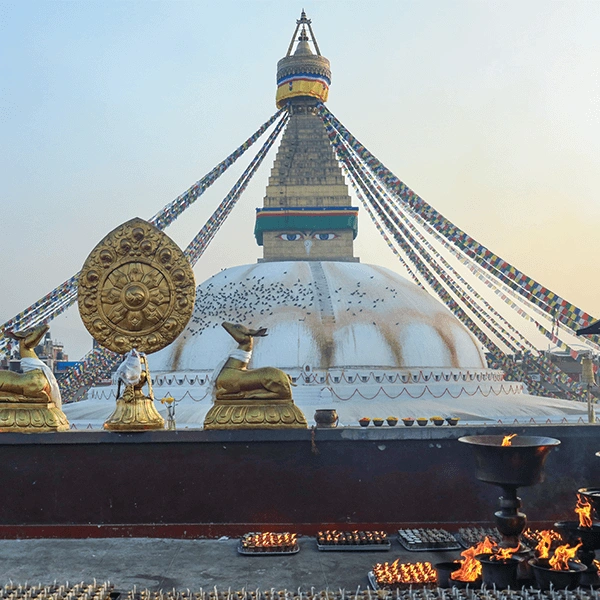
Visit Pashupatinath Temple, Boudhanath Stupa, or other sites of significance. Last chance to buy any gear you need. Confirm all documents are in order. Many pilgrims begin with a puja (prayer ceremony) here before departure.
Day 3: Drive Kathmandu to Kerung (1,754 m) — approx. 5 to 6 hours
Cross the Nepal-Tibet border at Rasuwagadhi. Complete immigration formalities on both sides. Meet the Tibetan guide and local support team. Overnight in Kerung.
Day 4: Kerung to Saga (4,640 m) — approx. 5 to 7 hours
This day is when most people start to feel the altitude. Saga sits above 4,600 meters. Drink plenty of water, avoid overexertion, and don't be alarmed by mild headaches. These usually ease overnight. No alcohol on this night.
Day 5: saga to Manasarovar Lake (4,556 m) — approx. 5 to 6 hours
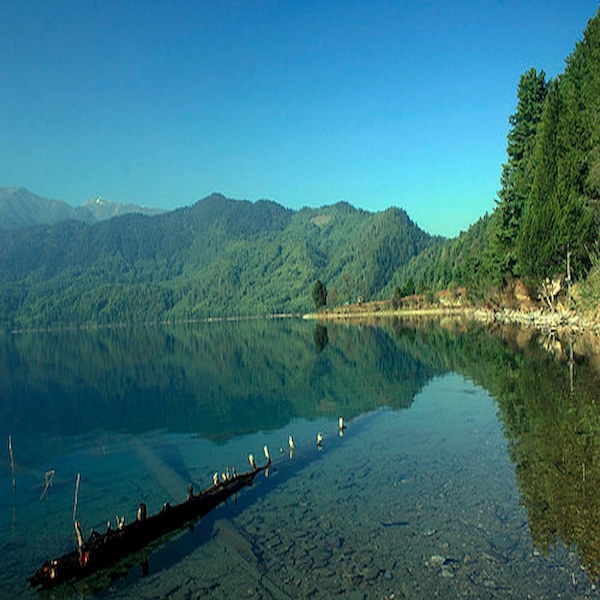
First sight of Lake Mansarovar. This is a moment many pilgrims describe as one of the most emotional of the entire trip. The lake stretches across the horizon, deep blue against the brown plateau. Hindus believe bathing in Mansarovar washes away sins. Buddhist pilgrims circumambulate it. Many people simply sit in silence for a long time.
Day 6: Mansarovar Puja to Darchen (4,575 m) — approx. 1 to 2 hours
Early morning holy bath or parikrama. Afternoon free for prayer and meditation. Short drive to Darchen, the gateway town for the Kailash Kora. First full view of Mount Kailash if the weather is clear. Prepare gear for three days of trekking. Yaks or porters are organized for luggage.
Day 7: Kora Day 1 — Darchen to Dirapuk Monastery (4,910 m)
Trek distance: approximately 12 km. Elevation gain: around 335 m.
The Kora begins. The path follows the valley north toward Dirapuk. Kailash's north face comes into view in the afternoon, one of the most photographed views in Tibet. Overnight at Dirapuk guesthouse (basic facilities).
Day 8: Kora Day 2 — Dirapuk to Zuthulpuk via Dolma La Pass (5,630 m)
Trek distance: approximately 22 km. This is the hardest day.
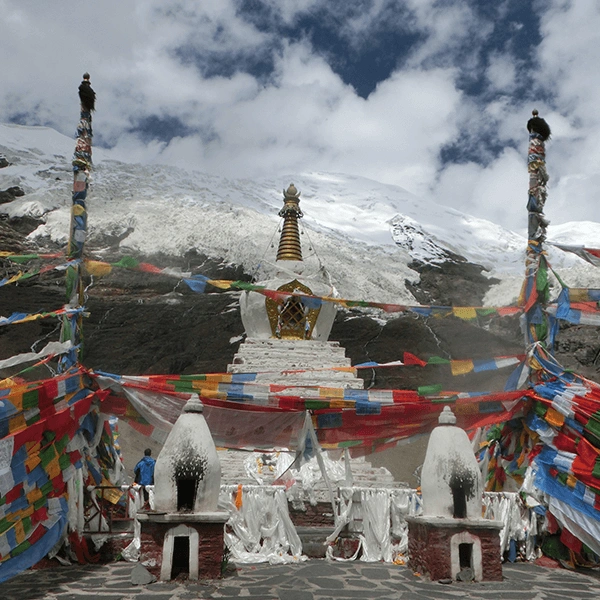
The climb to Dolma La Pass is steep and sustained. Many pilgrims rest frequently. The pass is decorated with prayer flags and is deeply sacred. Descend the other side to Zuthulpuk. Total walking time: 8 to 10 hours. Overnight at Zuthulpuk guesthouse.
Day 9: Kora Day 3 — Zuthulpuk to Darchen (4,575 m)
Day 10: Darchen to Saga — drive
Day 11: Saga to Kerung — drive
Day 12: Kerung to Kathmandu — drive
Cross the border and return to Kathmandu. Transfer to the hotel. Farewell dinner.
Kailash Yatra Difficulty: What You Should Know Before You Go
The Kailash Kora is not a technical climb. But it's not a gentle walk either. Altitude is the main challenge. The highest point, Dolma La Pass at 5,630 meters, has significantly lower oxygen levels than at sea level. Around 40 to 50% less, depending on the day and weather.
How hard is the Kailash trek, really?
Most fit, healthy adults can complete it with proper acclimatization. "Fit" here doesn't mean you need to be an athlete. It means you walk regularly, don't have major cardiac or respiratory conditions, and can manage 6 to 10 hours of walking on uneven terrain.
Fitness tips for the Kailash Mansarovar Yatra:
Start training at least 3 months before departure. Walk 5 to 8 km daily, with some elevation if possible.
Talk to your doctor. Diamox (acetazolamide) is commonly recommended for altitude prevention. Discuss this with a physician beforehand.
Drink 3 to 4 liters of water per day throughout the trip.
Avoid alcohol at altitude. It speeds up dehydration and worsens AMS symptoms.
Move slowly on the Kora. There's no prize for finishing first. Slow and steady is the actual strategy, not just a saying.
Kailash Mansarovar tour fitness level summary:
Fitness Level
Kora Completion Likelihood
Active (walks daily, treks occasionally)
High
Moderately active (exercises 2 to 3x/week)
Moderate to high with good acclimatization
Sedentary (minimal regular exercise)
Difficult; significant training required beforehand
Medical conditions (cardiac, respiratory)
Consult a doctor; individual assessment needed
Why Travel with Holy Kailash Tours? Many operators are offeringKailash packages. The difference comes down to experience with the specific route, relationships with Tibetan ground staff, and how well the team handles problems when they come up.
Holy Kailash Tours has spent years working the overland route from Kathmandu. Our team knows the border officials at Kerung, the guesthouse managers at Dirapuk, and which roads wash out first in monsoon season. That kind of local knowledge doesn't show up in a brochure, but it matters enormously when something doesn't go to plan.
We also keep our groups small. Smaller groups move at a pace that supports proper acclimatization. They also tend to feel more like a pilgrimage than a package tour.
If you're ready to plan yourKailash Mansarovar Yatra from Kathmandu, get in touch. We'll talk through your dates, your fitness level, your budget, and the right package for your situation. No pressure, no sales pitch. Just honest answers.
Tips for Your Kailash Mansarovar Yatra from Kathmandu
Kailash Yatra, Gaurokundda
Respect Local Culture and Language
You're passing through three countries on this trip. Each has its own customs, rules, and way of doing things. Learning even a handful of words in Nepali or Tibetan goes a long way. Locals notice when you make the effort, and it opens doors that a phrase book can't.
Follow local rules around sacred sites without needing to be told twice. That's the simplest form of respect there is.
Always Carry Your Documents
Keep your visa, permits, and ID with you every time you leave your accommodation. Don't leave them at the guesthouse or buried in a duffel bag. Checkpoints in Tibet are real, and being caught without papers causes delays that affect the whole group. A small document wallet worn close to your body works well.
Prepare Your Body Before You Go
Start training at least two to three months before your departure. Walk daily, do some hiking if you can, and build your leg strength. The Kora itself covers around 52 km over three days, and the second day climbs to 5,630 meters.
Mental preparation matters too. If you arrive anxious and second-guessing yourself, altitude will make that worse. Go in knowing you've done the work.
Carry a Water Bottle and Purification Tablets
Bring a bottle that holds at least 1.5 liters. Drink constantly, even when you don't feel thirsty. At altitude, dehydration sneaks up on you. Headaches and fatigue are sometimes just your body asking for water.
Don't drink from streams or unknown sources along the route. Clean water isn't always available in the remote sections of western Tibet. Purification tablets are small, light, and worth carrying every day.
Stay Positive in the Group
Group travel at altitude gets tense sometimes. People are tired, cold, and out of their comfort zone. Small irritations become bigger ones when everyone's running low on oxygen and sleep.
The best thing you can do is stay patient with yourself and the people around you. A short rest, a hot drink, and five minutes of quiet usually fix more than an argument does.
Make a list before you pack and be honest about what you'll actually use. Overpacking is a real problem on this trip. Every extra kilogram you carry is another kilogram your body has to move over Dolma La Pass.
Underpacking creates a different problem. In western Tibet, you can't pop into a shop for a forgotten rain jacket or extra gloves. Get the list right before you leave Kathmandu.
See a Doctor Before You Go
Book a check-up at least four to six weeks before departure. This is especially important if you're over 50, have a heart or lung condition, or haven't been to altitude before. A doctor can tell you whether Diamox is right for you and at what dose.
Knowing your health status going in is not about finding reasons not to go. It's about going prepared.
Not everyone gets altitude sickness, but everyone should know what it feels like. Common early symptoms include headache, nausea, dizziness, and poor sleep. These can be normal at altitude. They can also be the start of something more serious.
The rule is simple: if symptoms get worse instead of better after resting, descend. Holy Kailash Tours carries emergency oxygen on all group trips, but the best treatment for serious altitude sickness is always going lower.
Rest When You Need To
Resting is part of the itinerary, not a deviation from it. Your body needs time to adjust to lower oxygen levels. Pushing through exhaustion at altitude doesn't make you tougher. It makes you slower or sick.
Acclimatization days are built into the Holy Kailash Tours schedule for a reason. Use them to sleep, hydrate, and move gently. The Kora will still be there when you wake up.
Dress in Layers, Not in Bulk
The right layering system for this trip: a thermal base layer (top and bottom), a fleece mid-layer, and a down jacket. On top of that, a windproof and waterproof shell. For your legs, thermal leggings under trekking trousers.
Don't over-bundle. You'll heat up fast on the climbs and need to strip layers quickly. Wearing fewer, smarter layers beats wearing everything you own.
Mount Kailash is a living sacred site. Treat it that way. Pack out your own waste, don't leave food wrappers on the trail, and keep noise low around monasteries and prayer sites.
The rules at different landmarks along the Kora are in place for good reason. Read them, follow them, and don't try to negotiate exceptions.
Get Travel Insurance
Get it before you leave home. Make sure your policy covers high-altitude trekking (many standard policies don't, so read the fine print) and emergency evacuation. If something goes wrong at 5,000 meters, the cost of helicopter evacuation without insurance is high.
This is not optional. Holy Kailash Tours will ask for proof of insurance before departure.
Photography and Religious Books
You can bring a camera. But check before you shoot, especially inside monasteries, near sacred stones, and at border crossings into Tibet. Some areas prohibit photography entirely. Others require permission. When in doubt, ask your guide.
Religious books, particularly Hindu scriptures, are not permitted in certain areas of the Kailash region under Chinese regulations. Buy what you need before you leave Kathmandu. Don't bring them into Tibet.
No Food Inside Religious Premises
Monasteries and sacred sites along the route do not allow food inside. Leave snacks in your pack outside. The rules are strict, particularly in Tibet. Getting caught with food in a bag inside a monastery is an embarrassing situation that's easy to avoid.
Pilgrims on this route follow many different traditions. Hindu, Buddhist, Jain, and Bon. You may also be walking alongside trekkers with no religious affiliation. Everyone is there for their own reason.
Avoid commenting on other people's practices or debating religious views on the trail. It adds nothing and can cause real friction in a group that still has days of walking ahead.
You cannot climb Mount Kailash.
No one has ever officially climbed Mount Kailash, and the mountain is closed to climbers. This is not a rule that gets bent for anyone. The Kora takes you around the mountain, not up it.
The views from the Kora, especially from the north face at the end of Day 1, are extraordinary. You won't feel like you've missed something.
The Tibetan authorities require all foreign visitors to travel with a licensed guide and in a registered group. Independent travel in the Kailash region is not allowed. This applies to everyone without exception.
Traveling with Holy Kailash Tours means your group is small, well-organized, and properly permitted. It's a different experience from solo backpacking, but most people find it works well for a journey like this one.
Don't Bring Young Children
The altitude, the physical demands of the Kora, and the remoteness of western Tibet make this an adult trip. Children generally don't have the physical capacity to manage the second day of the Kora, and there's no realistic option to evacuate quickly if a child becomes seriously ill at 5,000 meters.
The same applies to elderly travelers with significant health issues. If there's genuine doubt about someone's ability to handle extreme altitude, it's better to have that conversation before booking than on Day 10 in Tibet.
Chinese Visa Processing Takes Three Days
Holy Kailash Tours handles the paperwork, but the Chinese visa takes three working days to process in Kathmandu. Plan for this in your schedule.
Those three days aren't wasted. Kathmandu has enough to fill a week: Pashupatinath Temple, Boudhanath, Swayambhunath, and Patan Durbar Square. Your guide can put together a sightseeing plan for the time your visa is being processed.
If you want to spend more time in Nepal after the Yatra, Holy Kailash Tours can extend your itinerary. You don't need to decide this before you book. Popular additions include Pokhara, Annapurna Base Camp, Chitwan National Park, and Bardia.
Activities available on an extension include paragliding, whitewater rafting, jungle safaris, and helicopter tours. Bhutan is also possible for those who want to make the most of their time in the region. Any extension costs will be quoted clearly before you commit.
How to Book Your Kailash Mansarovar Yatra from Kathmandu
Reach out to Holy Kailash Tours by email or phone with your preferred travel dates and group size. If you have specific questions about fitness requirements, permit timelines, or routing, send those along too. We'll get back to you with a clear answer and a package that fits your situation.
A Final Word
Mount kailash Yatra
The Kailash Mansarovar Yatra from Kathmandu asks more of you than most trips. The altitude is real. The distance is real. So is the reward.
Thousands of pilgrims and trekkers complete this journey every season, including people in their 60s and first-time high-altitude travelers. What they share is preparation and the right team on the ground.
If the tips in this guide made the trip feel more manageable, that was the point. When you're ready to book, Holy Kailash Tours is here to take it from there.