Journey to the Sacred Himalayas
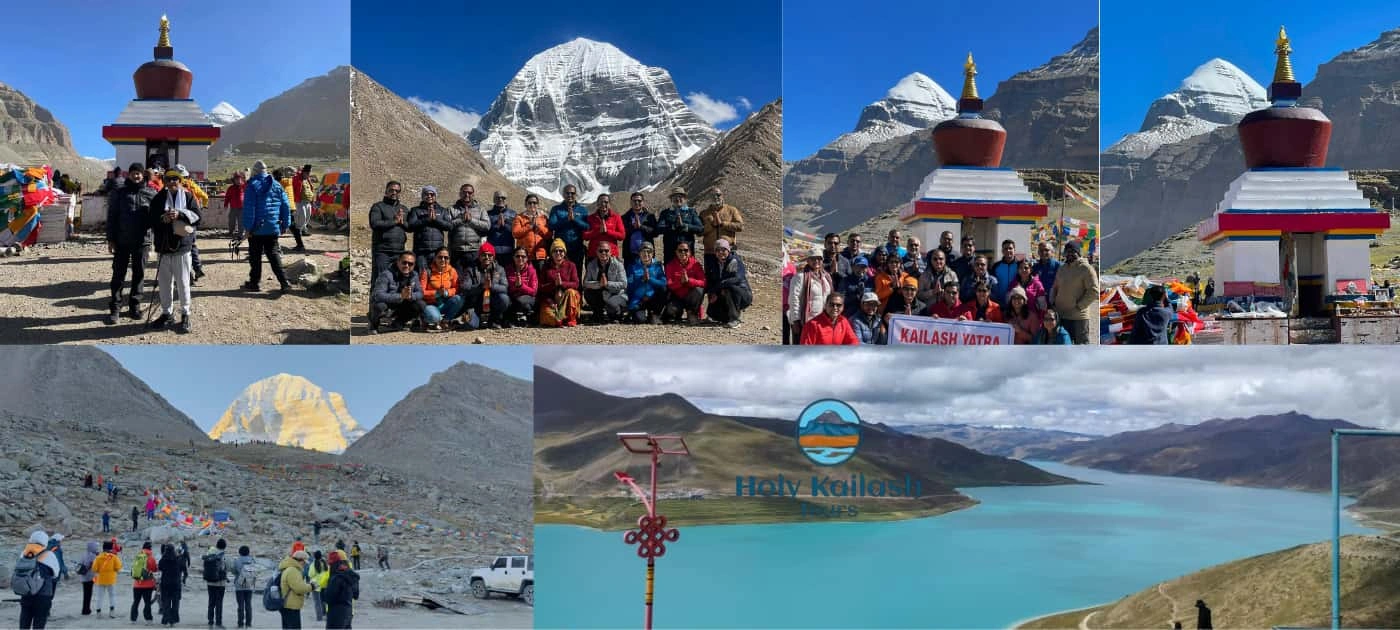
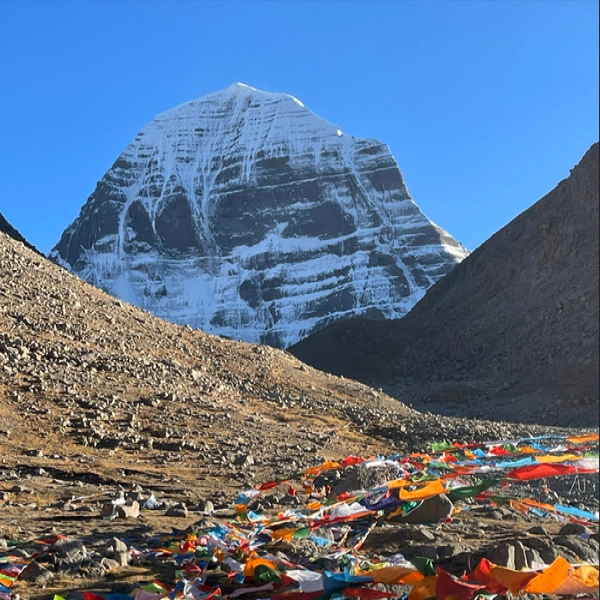
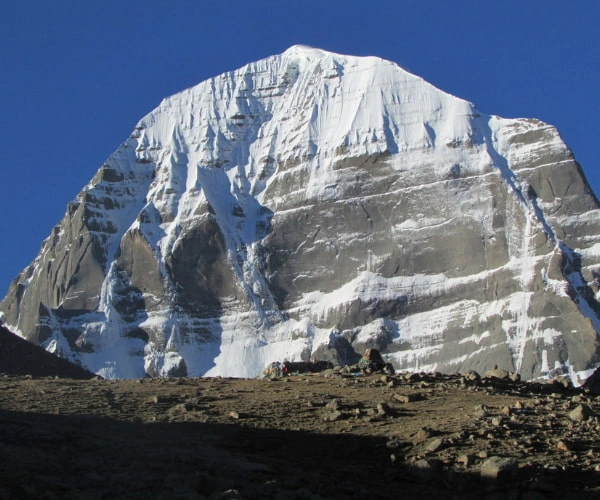
Mount Kailash stands alone in western Tibet, far from any city, and that distance is part of why it matters so much. Hindus see it as the seat of Lord Shiva. Buddhists see it as the axis of the universe. Jains and followers of Bon walk the same slopes for their own reasons. Four faiths, one mountain.
At Holy Kailash Tours, we've watched grown adults go quiet the first time they see that peak rise out of the plateau. No photo prepares you for it. This guide walks you through what the overland journey actually looks like, from the roads you'll drive to the altitude you'll need to respect, so you can decide if this is the trip you're ready for.
Why Choose the Overland Route
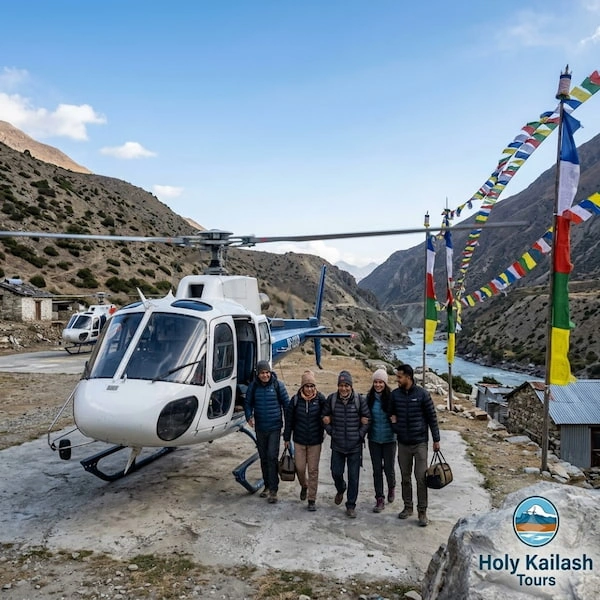
You can fly straight to Kailash Yatra via Lhasa or hop a helicopter from Simikot to Hilsa and cut days off the trip. Plenty of pilgrims do exactly that. But the road route earns its reputation for a reason. Gaining altitude gradually over several driving days is easier on your body than jumping from sea level to 4,500 meters in an afternoon.
You also see the country change under your wheels, from Kathmandu's chaos to the terraced hills near the border, then the stark, open plateau where the sky seems to take up more room than the ground. It costs less than the helicopter option, too. If you have the time and reasonable fitness, the road is the more honest way to arrive.
Starting Point: Kathmandu to Kailash
Every overland journey starts in Kathmandu, usually with a day or two built in for rest and a visit to the Pashupatinath Temple before the real driving begins. From Kathmandu, vehicles head north toward Syabrubesi and the Rasuwagadhi border crossing, a drive of roughly 160 kilometers that takes seven to eight hours depending on road conditions in the Bhote Koshi valley.
This is where the trip stops feeling like sightseeing and starts feeling like an expedition. The roads narrow, the valleys get steeper, and by the time you reach the border town, you're already a long way from anything resembling a city.
Crossing the Nepal-Tibet Border
The Rasuwagadhi to Kerung crossing is the main overland gateway into Tibet for this route, though some operators still run pilgrims through Hilsa in Nepal's far west. Whichever crossing you use, this is where your group visa and Tibet Travel Permit get checked line by line. Bring patience.
Border processing can take a few hours, and Chinese immigration officials are strict about paperwork matching exactly. Once you're through, you'll usually spend a night in Kerung at about 2,850 meters, which gives your body its first real dose of altitude and a chance to adjust before the plateau gets serious.
Scenic Landscapes Along the Route
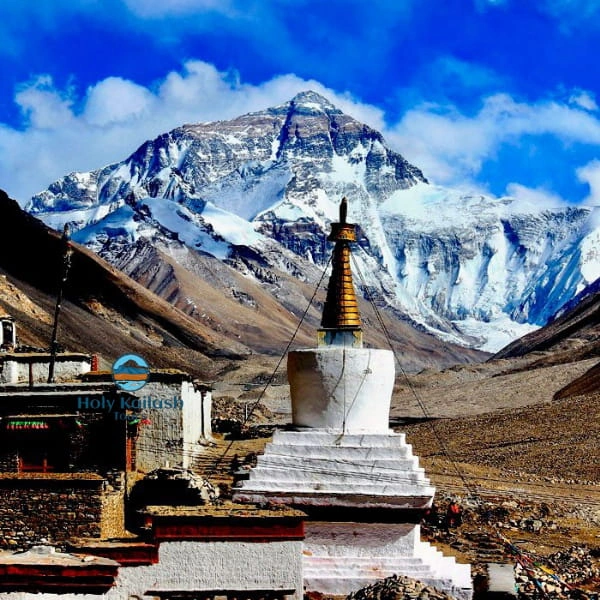
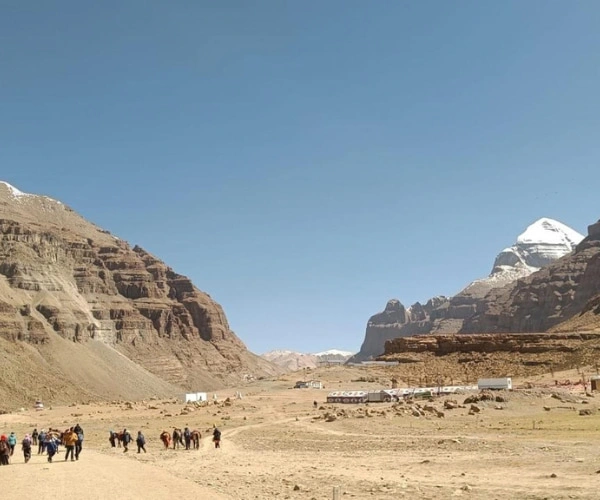
Nothing quite prepares you for the Tibetan plateau. Once you're past Kerung and climbing toward Saga, the landscape opens into something closer to a moonscape, brown and gold hills rolling out under a sky that feels twice as large as it does at home. You'll pass herds of yaks and, if you're lucky, wild kiang running along the roadside.
Snow peaks appear on the horizon for hours before you get anywhere near them. It's stark country, not lush or green, and that's exactly what makes it stay with people. Bring a good camera and warm gloves, because you'll want to step outside the vehicle more than you expect.
Key Stops During the Road Journey
The drive breaks into a handful of key towns that double as rest points. Kerung is your first overnight after the border. Saga, sitting at 4,500 meters, is where many groups take a proper acclimatization day.
Paryang follows, a small, windswept outpost that exists mostly to serve travelers on this exact route. From there, the road runs toward Lake Mansarovar, passing Chiu Gompa, a small monastery perched above the water, and Rakshas Tal, the darker, saltier lake beside Mansarovar that Tibetan legend treats as its opposite in every way.
Each stop matters less for its scenery and more for giving your lungs and legs time to catch up with the elevation.
Reaching the Holy Mansarovar Lake
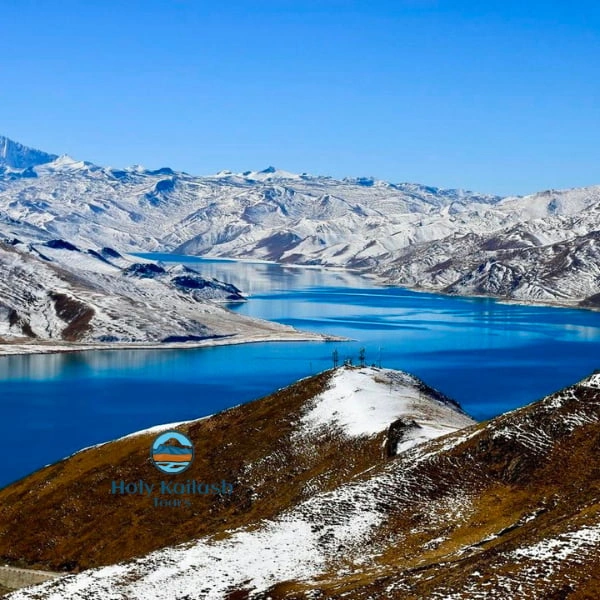
Lake Mansarovar sits at roughly 4,590 meters, and for most pilgrims, arriving here is the emotional turning point of the whole trip. The water is startlingly clear and cold enough to sting. Hindu tradition holds that a dip in Mansarovar washes away a lifetime of sin, and even travelers who aren't religious tend to go quiet at the shoreline.
Right beside it sits Rakshas Tal, associated in local myth with darker forces, and the contrast between the two lakes, one calm and sacred, one restless and avoided, is one of those details that makes this landscape feel alive rather than just scenic.
The Sacred Kailash Parikrama Experience
The Parikrama is a 52-kilometer walk around the base of Mount Kailash, usually completed over three days on foot, though older or less fit pilgrims can arrange yaks or ponies for parts of the route. Day one runs from Yamadwar to Dirapuk, with the mountain's north face looming close the entire way.
Day two is the hard one, crossing Dolma La Pass at over 5,600 meters before dropping down to Zutulpuk. Day three is a shorter walk back to Darchen. Pilgrims believe one full circuit erases the sins of this life, and whether or not you hold that belief, finishing the walk feels like an accomplishment few other trips can match.
Darchen: Gateway to Mount Kailash
Darchen is a small, functional town sitting at around 4,560 meters, and it exists almost entirely to serve people preparing for the kora. This is your last stop with real guesthouses, hot meals, and a market to buy last-minute supplies before three days on foot.
Permits get checked again here, and most tour groups spend a night resting and organizing gear before the walk begins. It's not a place you'll want to linger for its own sake, but it's where nerves and excitement usually peak. Everyone in your group will be doing the same mental math about the pass ahead.
High Altitude Travel Preparation
Altitude doesn't care how fit you are at sea level. What matters is how your body handles thin air, and that's something you can only partly train for. Start with cardio a few months out, walking, hiking, or running to build a base. Talk to a doctor about Diamox before you leave, since many pilgrims take it starting a day or two before reaching altitude.
On the road itself, drink more water than feels necessary, eat even when you're not hungry, and resist the urge to rush the acclimatization stops at Kerung and Saga. Those slow days aren't wasted time. They're the reason most people make it to Dolma La without serious trouble.
Life on the Road: Food, Stays, and Comforts
Comfort on this route is relative, and it helps to know that going in. Kathmandu and Nepalgunj offer real hotels with hot showers and decent beds. Once you cross into Tibet, guesthouses in Kerung, Saga, Paryang, and Darchen are simple, often with shared bathrooms and unpredictable hot water.
Meals lean heavily on noodle soups, momos, rice, and thermoses of butter tea or plain black tea. It's not fine dining, but it's warm and filling, which is what your body actually needs at altitude. Pack some familiar snacks from home. A bar of chocolate or a bag of nuts matters more than you'd think on day nine of a long drive.
Best Season for the Road Trip
May, June, September, and October are the strongest months for this trip. The weather is stable, roads are generally clear, and Kailash itself is visible more often than not.
July and August bring the monsoon to Nepal's lower stretches, which can mean landslides and delays on the Kathmandu to border section, even though the Tibetan plateau itself stays relatively dry.
Winter, from November through April, effectively closes the route. Snow blocks the passes, guesthouses shut down, and most operators, including us, won't run trips during those months. If your dates are flexible, aim for early June or mid-September for the best odds of clear mountain views.
Accommodation and Food on the Route
Set your expectations before you book, not after you arrive. Kathmandu gives you real comfort, good coffee, hot water, wifi that mostly works. Once you're on the plateau, accommodation drops to basic guesthouses with thin walls and shared facilities, and that's true no matter which operator you travel with, because the towns themselves only have so much infrastructure.
Food follows the same pattern, simple and repetitive, but enough to keep you going. Vegetarian pilgrims will find plenty of options, since noodle and rice dishes dominate the menus anyway. Bring rehydration salts and a few high-calorie snacks, because appetite tends to drop at altitude right when your body needs the fuel most.
Essential Packing Tips for Kailash Yatra
Pack for cold, dry, high-altitude conditions, and you won't go far wrong. A good down jacket, thermal base layers, a warm hat, and gloves matter more than almost anything else in your bag.
Sunglasses with real UV protection are non-negotiable, since the plateau's sun and snow glare can damage your eyes fast. Bring sunscreen, lip balm, a headlamp, water purification tablets or a filter bottle, and any personal medication you take regularly, since pharmacies thin out fast once you leave Kathmandu.
Most helicopter and overland routes cap luggage at around 10 to 15 kilograms, so pack light and pack smart rather than packing everything you own.
Health and Safety at High Altitude
Altitude sickness doesn't discriminate between marathon runners and casual walkers, and pretending otherwise is how people get into trouble. Watch for headaches, nausea, dizziness, or unusual shortness of breath, and tell your guide immediately if you notice any of them rather than pushing through quietly.
Diamox helps many people, but it's not a substitute for proper acclimatization days. Skip alcohol on the plateau. Drink water constantly, even when you don't feel thirsty. Travel insurance that covers high-altitude emergency evacuation isn't optional here; it's the one thing you hope you never need but absolutely must have before you go.
Permits and Travel Requirements
Nobody travels to Kailash independently, and that's not a suggestion; it's Chinese law. You'll need a Chinese Group Visa, a Tibet Travel Permit issued through the Tibet Tourism Bureau, and in some cases an Alien Travel Permit or Military Permit for areas near the border.
These can only be arranged through a registered tour operator, never applied for individually, and the process typically takes 45 to 60 days once your operator submits your documents.
Your passport needs at least six months of validity from your travel date. Start this paperwork early. Permit delays are the single most common reason pilgrims miss their planned departure window.
Cultural Experiences Along the Way
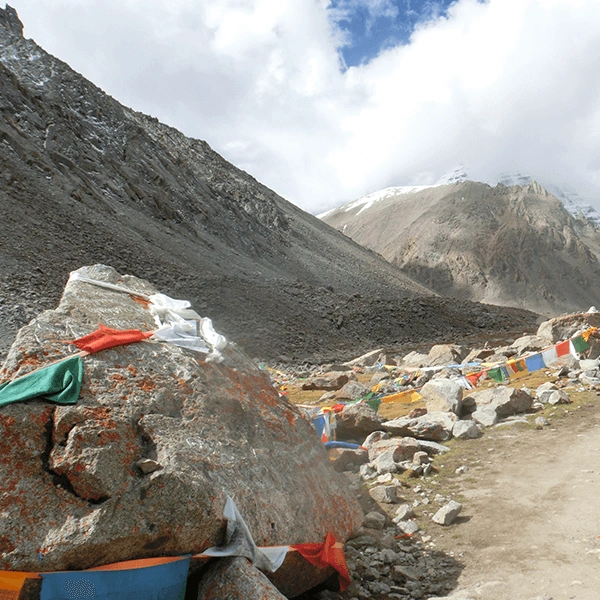
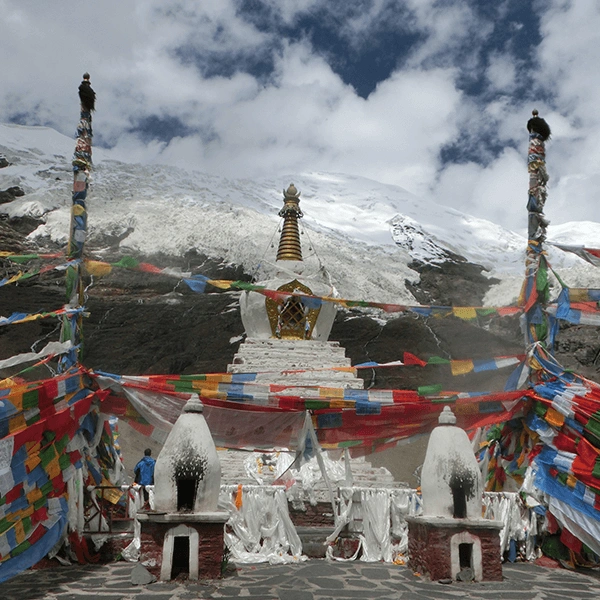
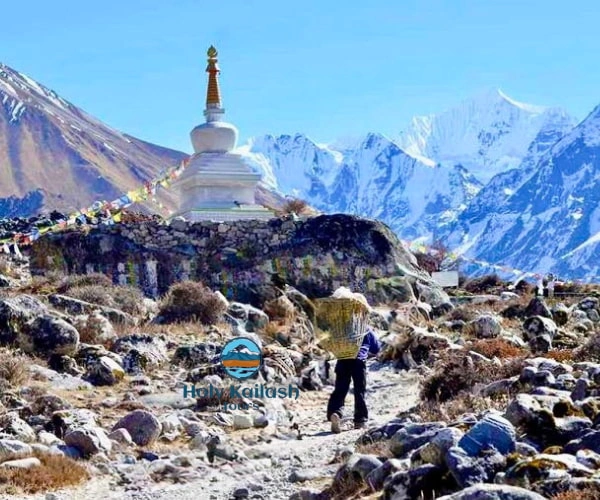
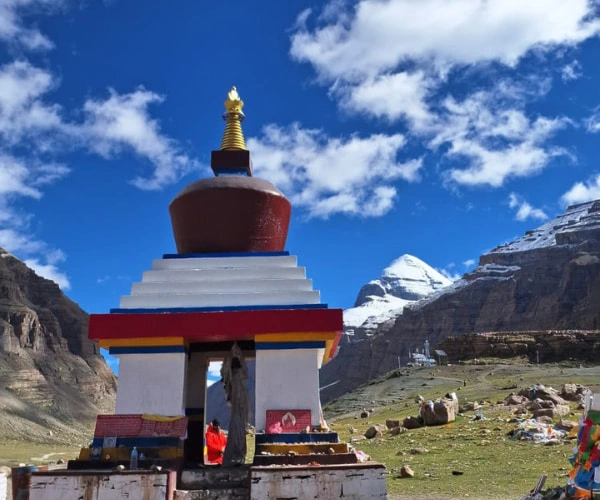
This route runs through living Tibetan Buddhist culture, not a museum version of it. Prayer flags stretch across mountain passes in every color, snapping in the wind that never really stops on the plateau.
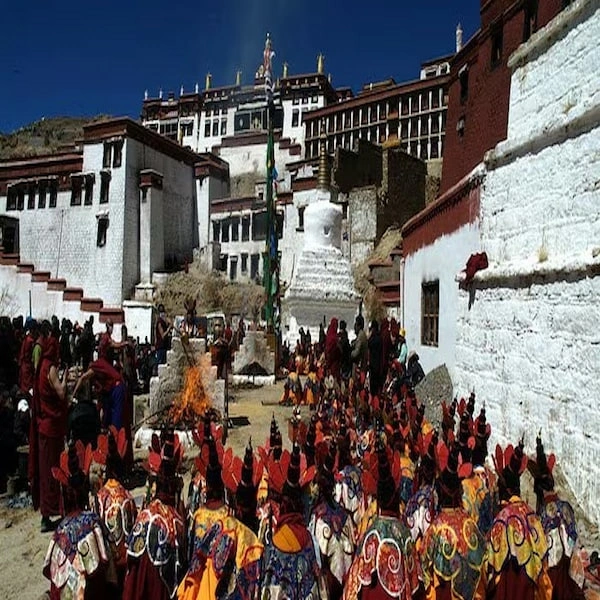
Mani stones, carved with prayers, line the paths near Darchen and along the kora itself. Monasteries at Dirapuk and Zutulpuk still function as working religious sites, not tourist stops, so move through them with the same respect you'd want shown in your own place of worship.
Local villages along the road, both in Nepal's Rasuwa district and on the Tibetan side, offer small, honest glimpses into lives shaped entirely by this landscape and its altitude.
Video & Photography Opportunities on the Journey
Bring more memory cards than you think you'll need. The plateau's light is unlike anywhere else, harsh and clear at midday, then gold and long shadowed in the evening. Wildlife sightings, wild kiang, yaks, and the occasional bird of prey add another layer if you're patient with your lens.
Night skies here are genuinely dark, so a tripod is worth the extra weight if astrophotography interests you. Be thoughtful about photographing monasteries, religious ceremonies, and local people. Ask first. Drone use is restricted across the Tibet Autonomous Region, so check current rules with your operator well before you pack one.
Why Choose Us for Kailash Tours
We've spent years building this exact itinerary, and we know where it goes wrong when operators cut corners. Our team handles every permit personally, so you're not the one chasing paperwork three weeks before departure.
We keep groups small enough that guides can actually watch for altitude symptoms instead of just counting heads. Our drivers know these roads in every season, and our guesthouse partnerships mean you get the best rooms available in towns where options are genuinely limited.
This trip is hard enough without adding logistics stress on top of it. That's the part we take off your plate.
Completing a Life-Changing Himalayan Journey
People come back from this trip different, and it's rarely the mountain alone that does it. It's the long drives with nothing but silence and scenery, the thin air that forces you to slow down and notice your own breathing, the strangers in your group who become close friends by day six.
Standing at Dolma La Pass, lungs burning, prayer flags snapping overhead, tends to put a lot of smaller worries into perspective. Most pilgrims say the trip changed how they think about difficulty itself, not because it was easy, but because they found out they could finish something this hard.
Final Thought
The road to Kailash Mansarovar Yatra asks a lot of you: time, money, patience, and a body willing to handle altitude it's never faced before. It gives back more than most trips ever could. If you're weighing whether you're ready, the honest answer is that reasonable fitness and a serious approach to acclimatization matter more than being an athlete.
Holy Kailash Tours has walked pilgrims through this exact route for years, and we'd rather tell you the hard parts upfront than sell you a version that isn't real. When you're ready to plan your dates, we're ready to talk permits, packing, and everything in between.
FAQs
How long does the Kailash Mansarovar road trip take?
Most overland itineraries run 11 to 14 days from Kathmandu and back, including acclimatization stops in Kerung and Saga and the three-day Parikrama around the mountain itself.
Is the overland route better than flying or taking a helicopter?
It depends on your time and budget. The road route costs less and lets your body adjust to altitude gradually, which many pilgrims find easier on their system than a fast flight to Lhasa or a helicopter hop to Hilsa.
Do I need a visa to visit Kailash Mansarovar?
Yes. You'll need a Chinese Group Visa arranged through a registered tour operator, since individual visas aren't accepted for this route into the Tibet Autonomous Region.
What other permits are required besides the visa?
A Tibet Travel Permit is mandatory, and depending on your route, you may also need an Alien Travel Permit or Military Permit for areas close to the border. Your operator arranges all of these together.
When is the best time to do this trip?
May, June, September, and October offer the most stable weather and the clearest mountain views. July and August bring monsoon disruptions on the Nepal side, and winter closes the route entirely.
How hard is the Kailash Parikrama?
It's a genuine physical challenge, 52 kilometers over three days with a pass above 5,600 meters, but pilgrims of average fitness complete it every season with proper acclimatization and a sensible pace.
Can older travelers or senior citizens do this trip?
Many operators accept pilgrims up to 70, sometimes older, with a strong medical clearance, though yaks or ponies are often arranged for parts of the kora for those who need them.
Will I have a mobile network or wifi along the route?
Kathmandu has reliable wifi and mobile coverage. Once you're on the Tibetan plateau, expect a patchy or nonexistent signal for days at a stretch, so tell family in advance not to expect regular updates.
What should I pack for the high-altitude sections?
Focus on warm layers, a proper down jacket, UV-rated sunglasses, sunscreen, water purification, and any personal medication, all packed light since luggage limits on this route typically sit around 10 to 15 kilograms.