What should you do before the Langtang Valley trek?
The Langtang Valley trek starts with your body, not your gear list. Book a few weeks of cardio and stair or hill training before you fly out, since the trek involves 5 to 7 hours of walking a day with steady elevation gain.
Get a travel insurance policy that covers high-altitude trekking and helicopter evacuation up to at least 6,000 meters, because standard travel insurance often excludes this and Nepal's permit offices now expect proof of it.
Sort your Nepal tourist visa in advance or plan to get it on arrival at Tribhuvan International Airport, and bring US dollars or another major currency in cash for the visa fee.
Book your guide and permits through a registered agency like Holy Kailash Tours well before you land, since foreign trekkers can no longer legally enter Langtang National Park without one. Last, get a basic health check if you have any heart or lung condition, since the altitude will test you more than the distance will.
Where exactly is the Langtang Valley located?
Langtang stands in north-central Nepal, close enough to the Tibetan border that some of the peaks you'll photograph are shared between the two countries. As the crow flies, it's roughly 50 kilometers north of Kathmandu Valley, but the road isn't straight; it winds through the hills via Trishuli Bazaar and Dhunche, so the actual driving distance to the trailhead at Syabrubesi comes out closer to 122 kilometers.
The whole valley falls inside Langtang National Park, Nepal's first Himalayan national park, established in 1976 to protect the region's forests and wildlife. Because it's this close to the capital, Langtang has become the trek people choose when they want a full Himalayan experience without burning a week just getting to and from the mountains.
How difficult is the trek for beginners?
Langtang Valley Trek is moderate and genuinely doable for a beginner who trains properly. You're walking long days, 5 to 7 hours on average, with real elevation gain, but there are no technical sections, no ropes, and no glacier crossings on the standard route.
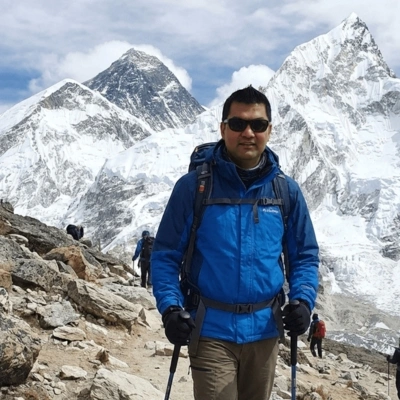
What makes it manageable compared to the Everest Trek or the Annapurna Trek is that your highest overnight stop, Kyanjin Gompa, stands at around 3,830 meters, and the higher viewpoints like Kyanjin Ri and Tserko Ri are day hikes you do and return from, not places you sleep.
That gives your body a break from altitude every night. We still tell first timers to spend two to three months beforehand building stamina with hiking, stair climbing, or a stairmaster, because tired legs on day four make everything, including altitude, feel worse than it is.
What is the best time of year to visit Langtang?
Langtang Valley Trek had two windows work well.
Spring, from March through May, brings warmer days, and the rhododendron forests explode into red and pink, which is honestly one of the best reasons to pick this season over any other Nepal trek.
Autumn, from late September through November, gives you the clearest mountain views of the year, since the monsoon has washed the dust out of the air and the skies stay blue for days at a stretch.
Winter, December through February, is cold enough at Kyanjin Gompa that some teahouses close and snow can block the higher trails, so we only recommend it to trekkers who are specifically chasing solitude and don't mind the cold.
Monsoon season, June through August, means leeches, landslide risk on the access road, and clouds that hide the exact mountains you came to see, so we steer most clients away from it.
Do I need a special permit to enter the national park?
Yes. Every foreign trekker needs a Langtang National Park Entry Permit, which runs about NPR 3,000 (roughly USD 25 to 30) for most nationalities, half that for SAARC country citizens, and free for children under ten.
You can get it at the Nepal Tourism Board office in Kathmandu or at the checkpoint in Dhunche on your way in, though most trekkers let their agency handle this. On top of the park permit, Nepal has required all foreign trekkers to hire a licensed guide through a registered agency since April 2023, and that rule is fully enforced through the 2026 season.
The old system, where independent trekkers could pick up a TIMS card on their own, has been in flux since that rule change, so ask your agency to confirm the current TIMS requirement and price closer to your departure date rather than trusting anything you read that's more than a few months old.
How many days should I allocate for the entire trip?
Plan for 7 to 10 days once you count the drive in and out from Kathmandu. Most of our clients do an 8-day version, which gives you two nights at Kyanjin Gompa so you can rest, hike up to Kyanjin Ri or Tserko Ri, and still have a comfortable pace on the way down.
If you've got the time and want to add the sacred lake of Gosainkunda or dip into the Tamang Heritage Trail, budget 12 to 14 days instead. Trying to squeeze this trek into 5 or 6 days is possible for very fit hikers, but it removes your buffer for bad weather, a slow day, or simply wanting to sit somewhere with a view for an extra hour.
What is the maximum altitude I will reach?
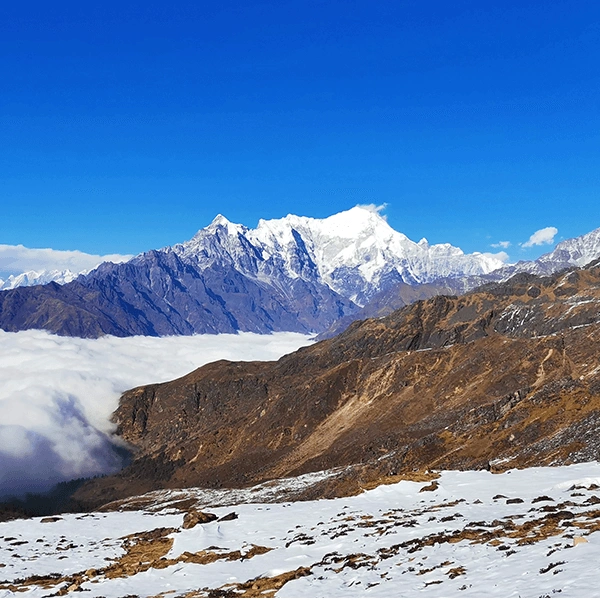
If you stick to the standard route, your highest overnight stop is Kyanjin Gompa at around 3,830 to 3,870 meters. Most trekkers then do an early morning day hike up to Kyanjin Ri, which tops out around 4,773 meters, or push further to Tserko Ri at roughly 5,000 to 5,033 meters for a wider view of the Langtang range and, on a clear day, a glimpse of Shishapangma across the border in Tibet.
Both of those are out-and-back day hikes from Kyanjin Gompa, so you don't sleep at that altitude, which matters a lot for how your body handles it.
Is altitude sickness a major risk on this route?
It's a real risk, but a manageable one if you respect it. The jump from Langtang Village at 3,430 meters up to Kyanjin Gompa isn't huge, but the day hikes to Kyanjin Ri and Tserko Ri put you near 5,000 meters fast, and that's exactly where people start to feel headaches, nausea, or shortness of breath if they've rushed.
Build in a rest day at Kyanjin Gompa before attempting either viewpoint, drink more water than feels necessary, and walk at your own pace rather than matching a stronger hiker in your group. If you or anyone in your group develops a bad headache, vomiting, or confusion, the only real fix is descending, not pushing through it.
Talk to a travel doctor about altitude medication like Diamox before you go, and make sure your travel insurance actually covers a helicopter evacuation if it comes to that.
What kind of accommodation can I expect in the teahouses?
Basic but genuinely comfortable, and better than a lot of trekkers expect. You'll get a twin-share room with a bed, mattress, and blanket, usually with shared bathrooms down the hall in the lower villages.
Since the valley was rebuilt after the 2015 earthquake, many of the newer lodges, especially in Langtang Village and Kyanjin Gompa, have gone up bigger and sturdier, some with attached bathrooms and hot showers you pay a small fee for. Don't expect central heating.
The dining room, usually warmed by a wood or yak dung stove, is where everyone gathers in the evening, and it's honestly one of the better parts of the trek. Bring your own sleeping bag rated for below freezing, since Kyanjin Gompa nights get cold even with the blanket provided.
Are there vegetarian and vegan meal options available?
Easily, and this is one of the more relaxing parts of trekking in Nepal if you have dietary restrictions. Dal bhat, the lentil soup, rice, and vegetable curry combo that's the backbone of every teahouse menu, is naturally vegetarian and usually vegan as long as you skip the ghee on top, and most places will happily leave it off if you ask.
Vegetable momos, fried noodles, and potato dishes are on nearly every menu too. Where it gets trickier is anything relying on dairy, since yak cheese and butter tea are local specialties you'll see pushed at Kyanjin Gompa, so vegans should just double-check with the lodge owner before ordering.
Is it mandatory to hire a guide or porter?
A guide, yes. Since April 2023, Nepal has required every foreign trekker entering a national park or conservation area, Langtang included, to trek with a licensed guide booked through a government-registered agency.
Solo, unguided trekking on this route isn't legal anymore, and checkpoints at Dhunche and along the trail do check for it. A porter is optional, though most trekkers hire one anyway since it's a genuinely fair way to lighten your load and support the local economy.
The standard setup is one porter for every two trekkers, carrying a combined 20 to 25 kilograms between them.
How do I get from Kathmandu to the trailhead?
You'll drive from Kathmandu to Syabrubesi, the small town where the actual trekking starts. It's about 122 kilometers, but the road climbs and winds through the hills past Trishuli Bazaar and Dhunche, so plan on 6 to 9 hours depending on road conditions, which can slow down after heavy rain or a landslide.
A public bus is the cheapest option, a shared jeep is faster and a bit more comfortable, and a private jeep costs more but lets you stop for photos and lunch on your own schedule. Holy Kailash Tours arranges private transport for this leg by default, since the extra comfort matters after a long flight into Kathmandu.
What is the current condition of the trail after the 2015 earthquake?
Rebuilt, rerouted where it needed to be, and safe to trek today. The 2015 earthquake triggered a massive avalanche off Langtang Lirung that buried the original Langtang Village and killed close to 300 people in the valley, including dozens of foreign trekkers and local guides.
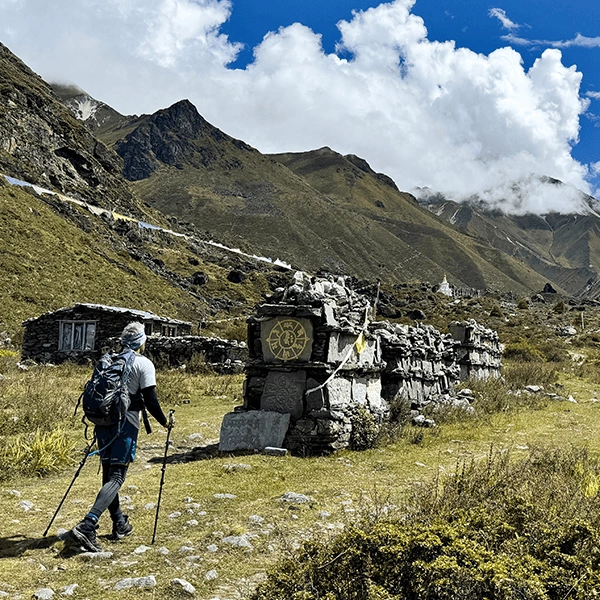
The trail was closed for repairs and reopened in 2017. The new Langtang Village now stands on higher, safer ground above the old site, and you'll pass a memorial mani wall near the original village where locals still leave offerings.
Bridges have been rebuilt, sections of trail have stone steps and railings that weren't there before, and Kyanjin Gompa in particular has grown into a much bigger, better-equipped village than it was pre-earthquake. Walking through gives you a real sense of what the Langtangpa community has rebuilt, and it's part of why we think the trek is worth doing now more than ever.
What gear is essential for this specific trek?
Pack for a wide temperature swing, since you'll start in a subtropical forest and end up near 5,000 meters. Broken-in, ankle-supporting trekking boots matter more than any other single item; don't bring boots you haven't already walked several miles in. Layer your clothing: a moisture-wicking base layer, a fleece or light down mid layer, and a waterproof windproof shell on top.
A sleeping bag rated to at least minus 10 degrees Celsius covers you for Kyanjin Gompa nights. Add trekking poles for the descents, a headlamp for early morning summit pushes, sunglasses and high SPF sunscreen since UV at altitude is brutal, and a water filter or purification tablets so you're not buying bottled water the whole way. A basic first aid kit and a power bank round out the list.
Is there electricity and Wi-Fi available at the lodges?
Yes, though it costs extra and gets pricier and patchier the higher you climb. Most teahouses run on solar power lower down and charge a small fee, usually a dollar or two, to charge your phone or camera battery.
Wi-Fi is available in most villages now, including satellite Wi-Fi in Kyanjin Gompa, typically for two to five dollars a day, but don't count on it for video calls, since the connection drops in bad weather. Bringing a power bank or a small solar charger takes the pressure off and saves you a few dollars a day if you're trekking on a tighter budget.
What is the "must-see" highlight of the valley?
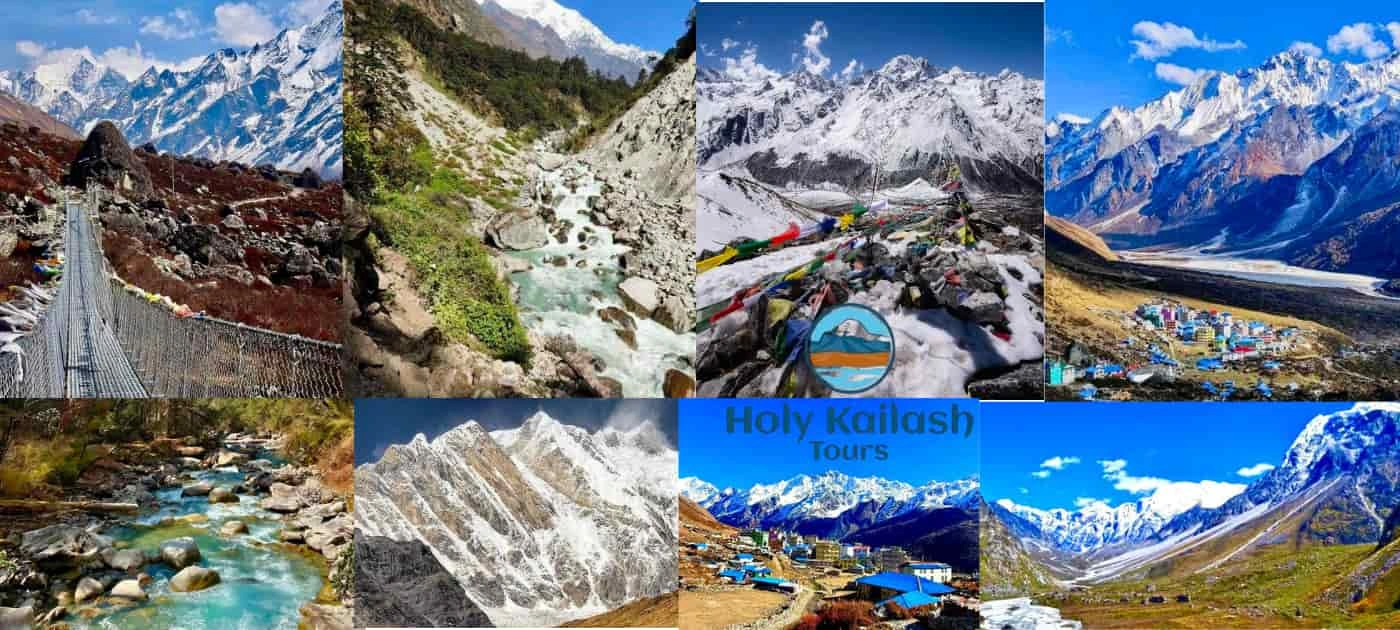
Kyanjin Gompa, without question. It's a working Buddhist monastery village at close to 3,850 meters, with a yak cheese factory that's been running for decades, and it sits directly under Langtang Lirung, a 7,227-meter peak with a glacier hanging visibly off its face.
Spend the afternoon walking up toward the moraine for a closer look at the ice, visit the monastery itself, and if your legs are willing, hike up to Kyanjin Ri or Tserko Ri the next morning for a sunrise view that takes in more than twenty peaks across the Langtang and Ganesh Himal ranges. Most trekkers we've sent here say this stretch, not any single viewpoint, is what they remember most.
Are there ATM facilities along the trekking route?
No, and this catches people out more than almost anything else on this list. Once you leave Kathmandu, or at the very latest once you leave Dhunche, there are no working ATMs, and cards aren't accepted at teahouses or shops along the trail.
Everything from your room to your dal bhat to your hot shower runs on Nepali rupees cash. Carry more than you think you'll need, since running short halfway up the valley means turning back or borrowing from your guide, neither of which is a good plan.
How much should I budget for a typical trek?
For a standard 8- to 10-day guided teahouse trek with Holy Kailash Tours, most trekkers land somewhere between 500 and 900 US dollars per person, covering permits, guide fees, teahouse rooms, and meals.
That's before international flights and your Nepal visa. On top of that package cost, budget an extra 15 to 25 dollars a day in cash for things like hot showers, phone charging, Wi-Fi, snacks, and tips for your guide and porter at the end of the trek.
Langtang runs 30 to 40 percent cheaper than Annapurna or Everest Base Camp, mainly because there's no domestic flight involved and the whole route sits closer to Kathmandu.
Can I combine this trek with the Gosainkunda Lakes?
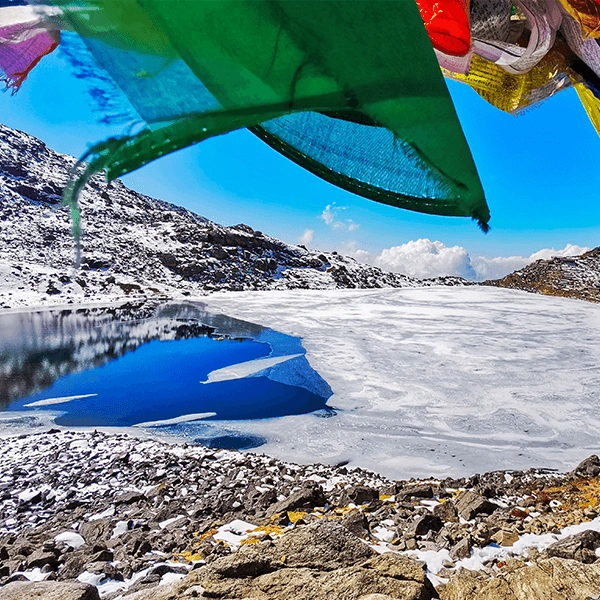
Yes, You Can do Langtang Valley with Gosaikunda Trek, And Adding it turns your trip into a 12- to 14-day itinerary and usually lets you loop back to Kathmandu via the Helambu region instead of retracing your steps, which means you see twice the scenery for the extra days.
It's a harder add-on than the standard Langtang route, with a proper high-altitude pass crossing, so we only recommend it to trekkers who are already comfortable with the fitness and altitude demands of the main trek.
What wildlife or flora am I likely to see?
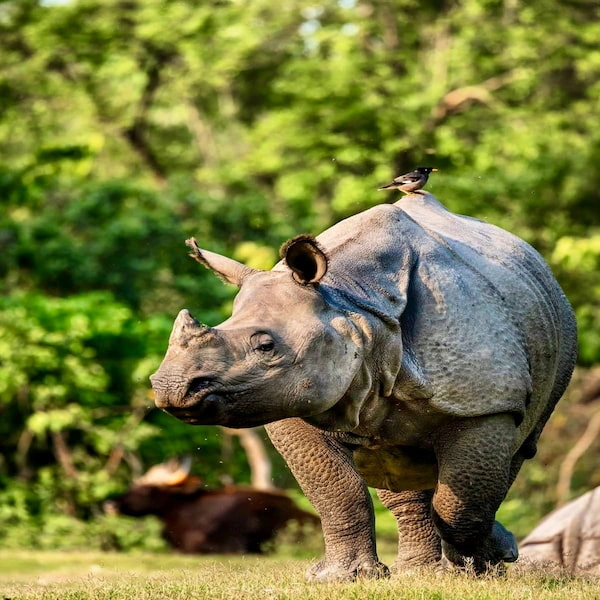
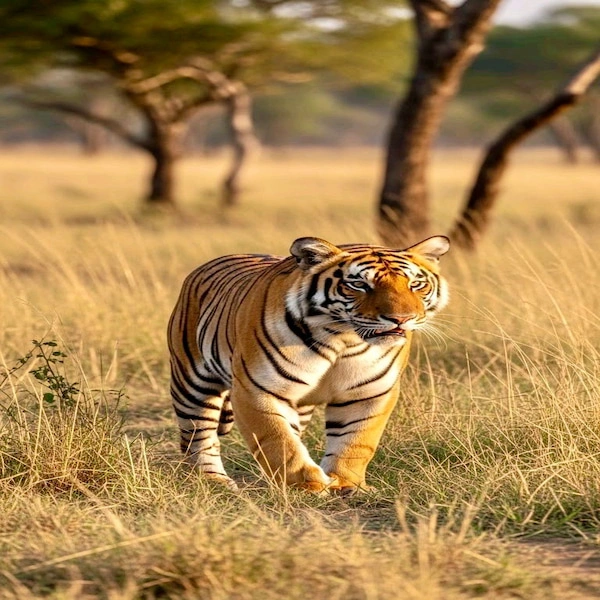
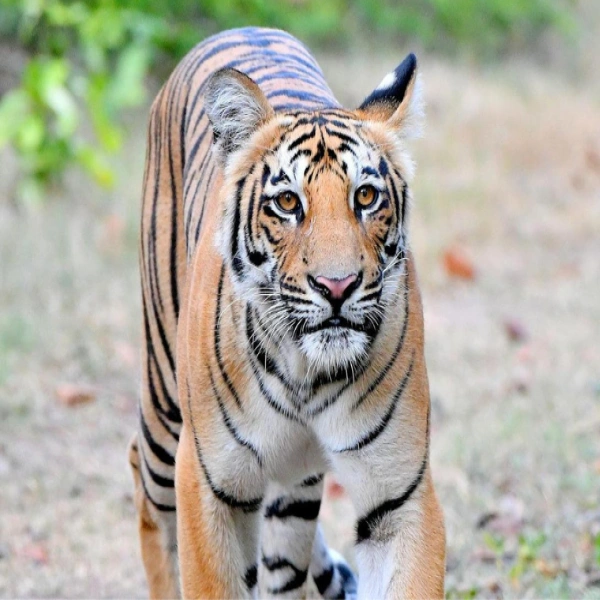
Langtang Valley Trek is more than most people expect for a week-long trek. Lower down, you're walking through rhododendron, oak, and bamboo forest where langur monkeys are common and, if you're lucky and quiet, you might spot a red panda, though sightings are rare and mostly reported by locals rather than trekkers.
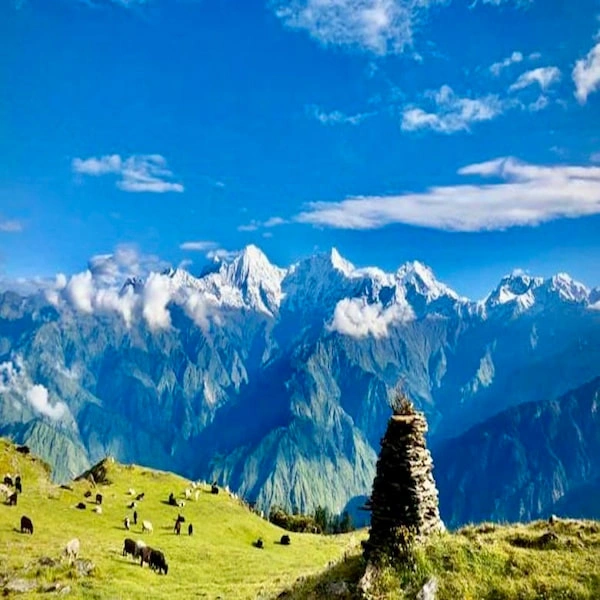
Higher up, the forest gives way to alpine meadows and yak pasture, home to Himalayan tahr, musk deer, and several pheasant species, and the national park is also snow leopard territory, though almost nobody sees one on a standard trek since they stick to remote, high, rocky terrain.
Spring brings the rhododendron bloom that turns entire hillsides red and pink, which is reason enough on its own to time your trip for March through May.
Is the tap water safe to drink with a filter?
Not straight from the tap or stream, no, but yes, once it's been properly treated. Raw water in the villages can carry bacteria and parasites that will ruin a Langtang Valley trek fast, so never drink it untreated, regardless of how clear it looks.
A good water filter or purification tablets handle this fine, and boiling water at your teahouse works too if you'd rather skip the gear. We push our clients toward a filter over buying bottled water on the trail, both because bottled water gets expensive the higher you climb and because plastic waste is a real problem inside the national park that the local community is still cleaning up.
Why is Langtang often called the "Valley of Glaciers"?
Because it genuinely earns the name. The Langtang valley stands beneath a cluster of glaciated peaks, Langtang Lirung at 7,227 meters, chief among them, and its glacier, along with several others feeding down from the surrounding ridgelines, is visible up close once you reach Kyanjin Gompa.
Stand on the moraine above the village, and you're looking directly at ice that's been carving this landscape for longer than anyone's kept records. It's a fitting nickname for a valley where glaciers aren't a distant backdrop; they're close enough to walk toward.
Final Thought
Langtang Valley rewards people who want the Himalayas without needing three weeks or a second mortgage to get there. It's close to Kathmandu, it's kinder to your budget than Everest or Annapurna, and it still hands you glacier views, a living Buddhist culture, and a genuinely moving story of a community that rebuilt itself after 2015.
If you've been putting off a Nepal trek because the big-name routes feel like too much time or too much money, this is the one we'd point you toward first. At Holy Kailash Tours, we've watched first-time trekkers finish this route and immediately start asking what's next in the Himalayas, and that's usually the best sign a trek did its job.
FAQs
Can I still trek Langtang solo, without a guide?
No. Since April 2023, Nepal has required every foreign trekker in a national park or conservation area to hire a licensed guide through a registered agency, and this is fully enforced for the 2026 season.
Do I need travel insurance for this trek?
Yes, and it needs to specifically cover high-altitude trekking and helicopter evacuation up to at least 6,000 meters, since standard travel policies often exclude this.
What visa do I need to enter Nepal?
A tourist visa is available on arrival at Tribhuvan International Airport or through the e-visa portal, with 15-, 30-, and 90-day options priced roughly at 30, 50, and 125 US dollars.
Is Langtang suitable for families or kids?
Yes, for reasonably fit families. The lower stages to Lama Hotel and Langtang Village are gentle enough for older kids, and you can skip the Kyanjin Ri or Tserko Ri side hikes if altitude is a concern.
What's the nearest airport?
Tribhuvan International Airport in Kathmandu, since Langtang doesn't require any domestic flight to reach the trailhead.
Is there a mobile phone signal on the trail?
Patchy, and it improves the lower you are. A local Ncell or NTC SIM card works in most lower villages, but don't count on a reliable signal once you're above Langtang Village.
Can I extend this trek into the Tamang Heritage Trail?
Yes, this is a common combination. It adds several days focused on Tamang village life and culture, and your existing Langtang National Park permit generally covers it.
What's the coldest, least advisable month to go?
January, followed closely by December and February. Some teahouses at higher elevation close for the season, and snow can block the trail toward Kyanjin Gompa.
How fit do I actually need to be?
Moderately fit is enough if you train for it. Two to three months of cardio, hill walking, or stair climbing before you fly out will make the 5- to 7-hour trekking days feel manageable rather than brutal.