Why is the Kailash Kora so important?
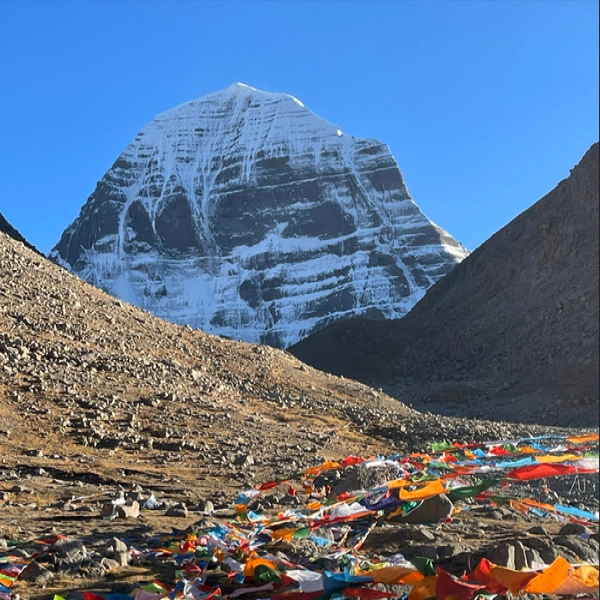
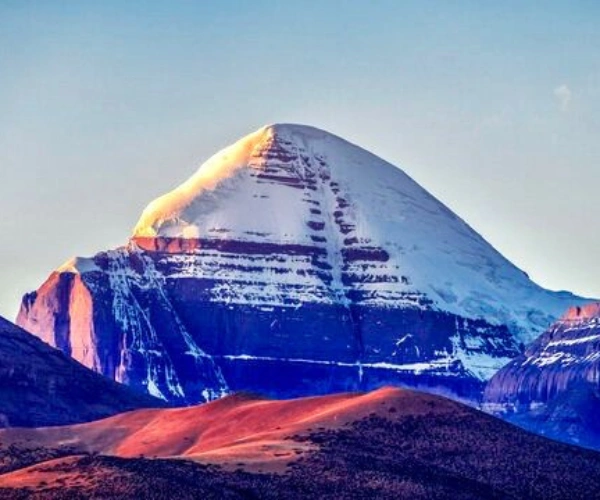
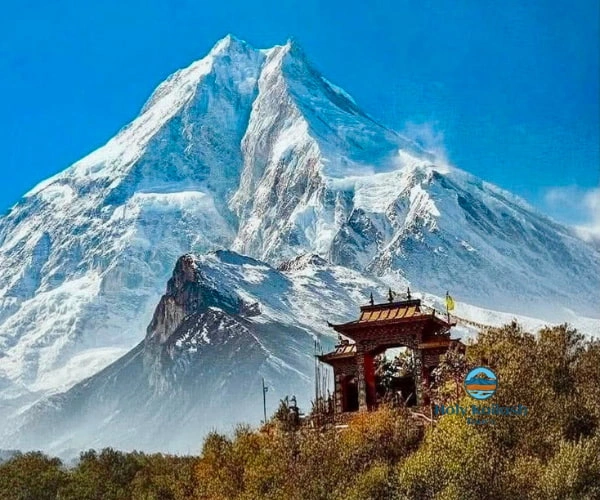
Located in extreme western Tibet, Mount Kailash towers at an elevation of 6,638 meters. It remains unclimbed. No mountain climber has reached its summit, and very intentionally so. The mountain itself, for the followers of Hinduism, Buddhism, Jainism, and Bon, is divine.
The proper way to pay respect to it is by walking around it rather than climbing over it. Such a circumambulation is called the Kora (or Parikrama). In fact, it is considered to be one of the most important spiritual paths on this planet that a person with or without a religious faith can undertake.
We at Holy Kailash Tours have led the pilgrims through both Inner and Outer Kora, and the most frequent question that we hear is: What are the differences, and which one should I do?
Kailash Outer Kora: The Classic Three-Day Pilgrimage
What is the Outer Kora?
The Outer Kora is a 52-kilometre trail around the foot of Mount Kailash, which is usually finished in three days. It is the path which the majority of the pilgrims choose when they undertake the Kailash Mansarovar Yatra. There is no need to have mountaineering skills or a special permit for walking in the Inner Valley; of course, you will have to prepare yourself for the high-altitude walking.
Ancient texts describe the Outer Kora in clear terms:
- 1 Kora = getting rid of sins committed throughout a lifetime
- 13 Koras = nearing Nirvana
- 108 Koras = achieving full Moksha (freedom from rebirth)
The majority of pilgrims do one Kora at a time, coming back over the years if they are planning to do more.
Ancient texts describe the Outer Kora in clear terms:
Outer Kora Route and Itinerary
Day 1: Darchen to Dirapuk (17 km, 7-8 hours)
Day 1: Darchen to Dirapuk (17 km, 7-8 hours). At Yam Dwar, which is 6 km from Darchen and can be reached by vehicle, the walk begins. It is said that "Yam" is the god of death in Hinduism. Going through this gate is considered as one leaving their sins of the worldly life behind. From here northwards to Dirapuk Monastery through the Lha Chu Valley is the hiking route.
Besides getting a close view of the north face of Mount Kailash, Nandi Parvat and Mt. Arawat will also be seen. During this section, the altitude goes up to 5,210 meters, so it is advisable to have warm clothes and keep the pace slow and even.
Day 2: Dirapuk to Zuthulpuk via Dolma La Pass (22 km, 7-8 hours).
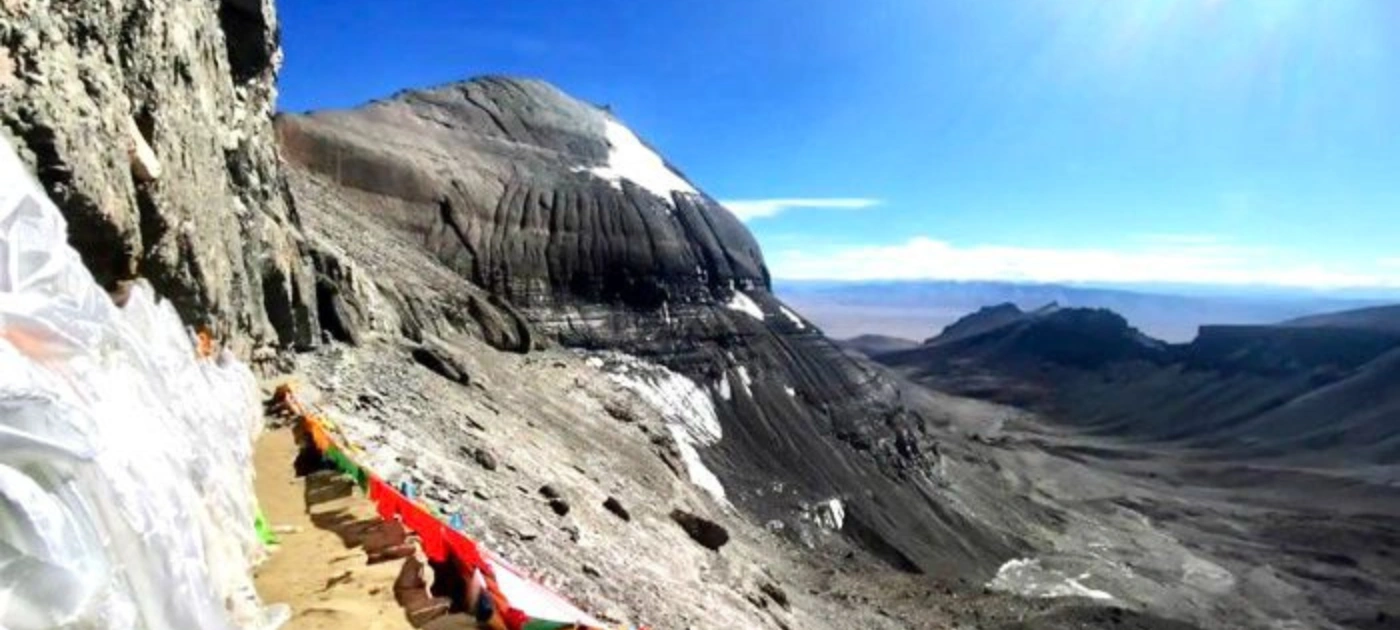
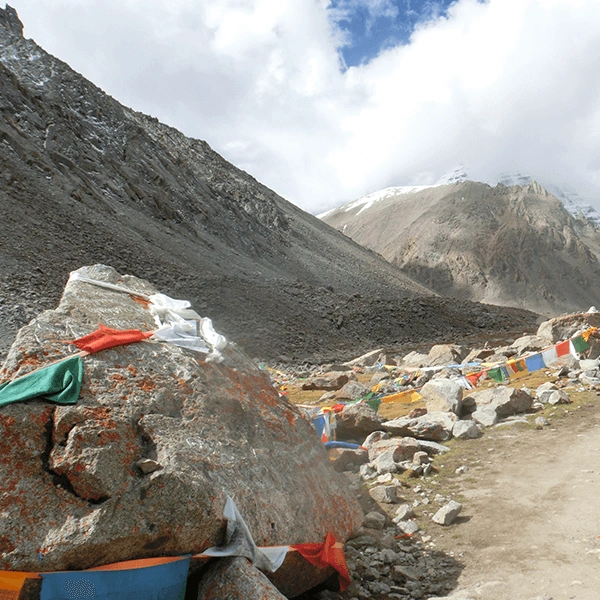
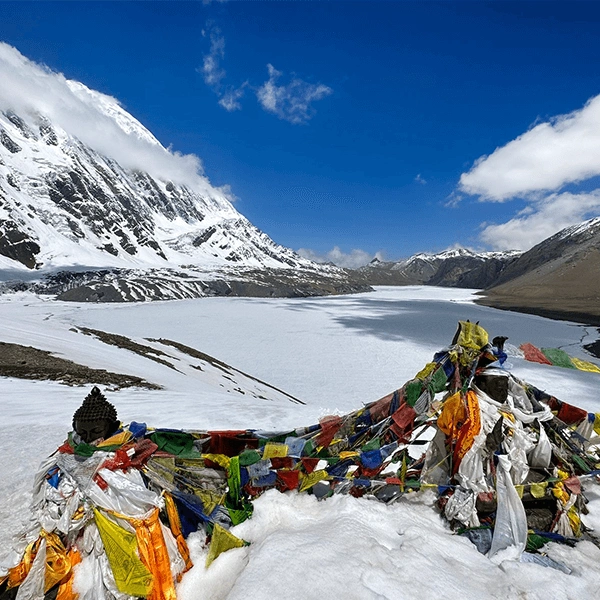
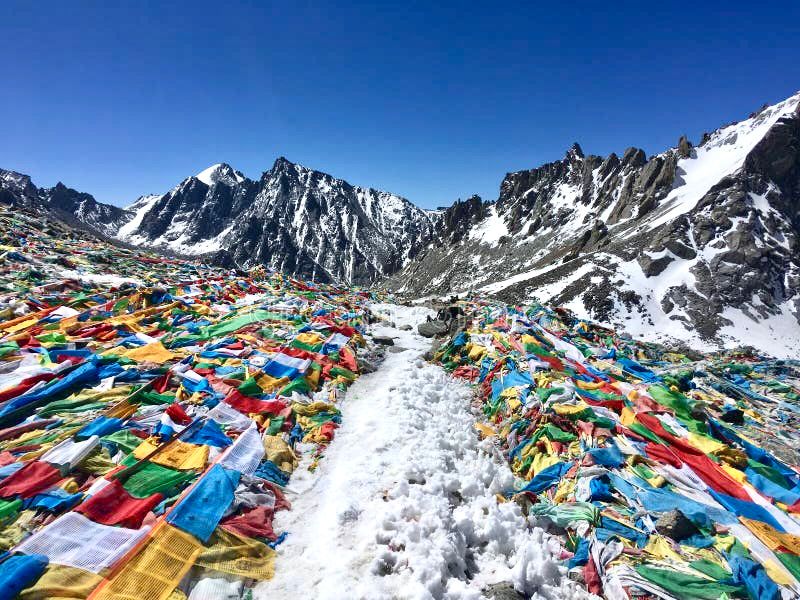
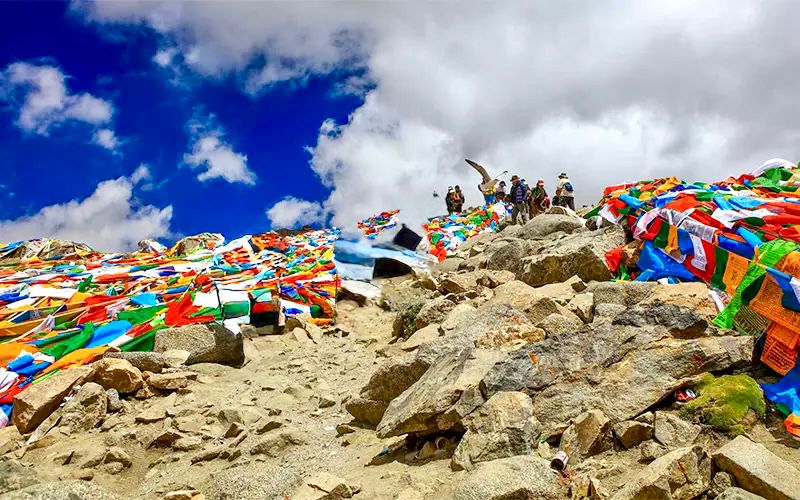
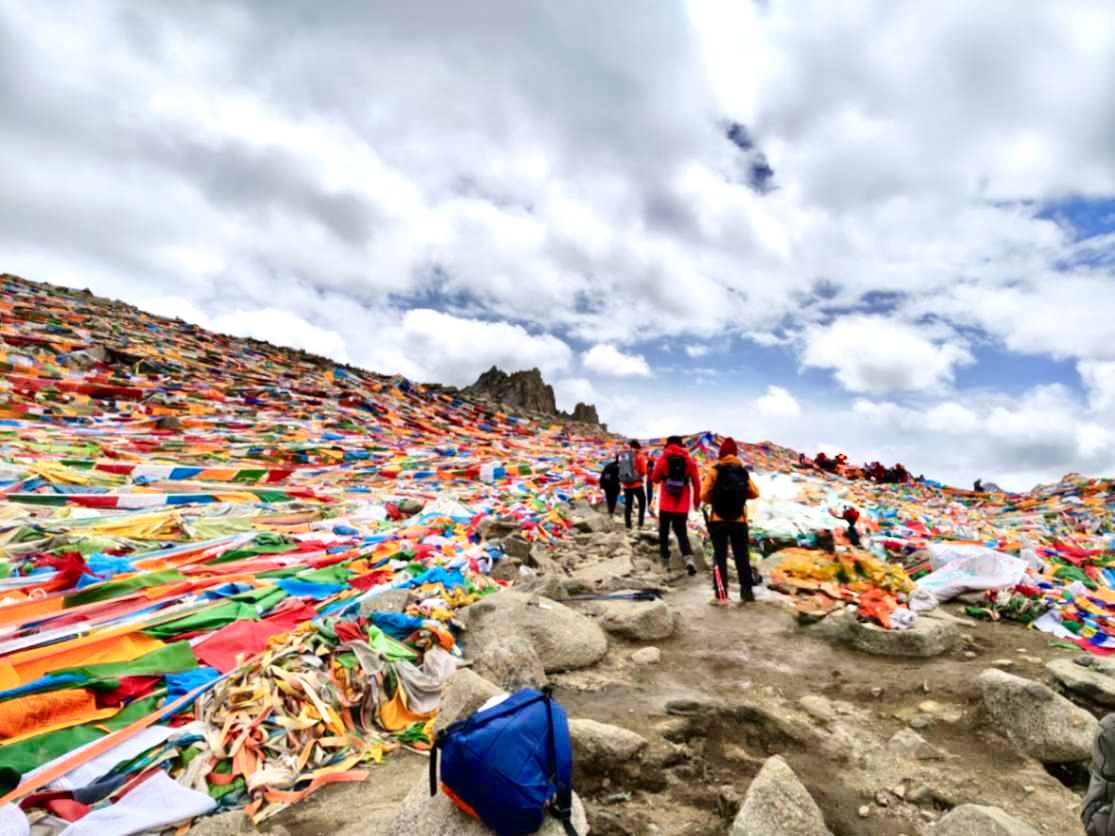
This is the most challenging day. You ascend from Dirapuk via Shivasthal to Dolma La Pass at 5,630 meters, which is not only the highest point of the entire Kora but also the spiritual peak of the trip. The pass is decorated with hundreds of prayer flags.
Locals and some pilgrims who still practice the Bon tradition go around the pass in a counterclockwise direction, which is quite unusual. Just below the pass is Gauri Kund, a holy lake linked to goddess Parvati. After this, you continue your way down to Zuthulpuk or the Miracle Cave, where you will find a monastery that is connected to the yogi Milarepa.
Day 3: Zuthulpuk to Zongdui (12 km, 5 hours).
The last day is quite a piece of cake. You trek along a river valley down to Zongdui, where you will find vehicles that are ready to take you to Saga or to the next destination on your itinerary.
Key Places on the Outer Kora
- Yam Dwar: the symbolic gateway, which signifies the start of the Kora
- Dirapuk Monastery: Erected around the cave of Gotsangpa, who was the yogi that is said to have discovered the Kora route
- Dolma La Pass (5,630 m): The physical and spiritual summit of the journey
- Gauri Kund: A sacred lake located just below Dolma La, and it is associated with the goddess Parvati
- Zuthulpuk Monastery: The 13th-century monastery that was constructed around the cave where Milarepa meditated
Kailash Inner Kora: For the Most Experienced Pilgrims
What is the Inner Kora?
The Inner Kora is a truly profound journey, not just pain-wise but also soul-wise. It is the route that will lead the spiritual travellers into the secret inner valleys that very few people have the chance to visit. The path passes by the majestic Atma Linga (embodiment of the soul of Lord Shiva), the Saptarishi Cave and the Nandi La Pass (the highest point of the Inner Kora, standing at 5,805 meters).
If the Outer Kora was a relaxed trip of 88 km in three days, the Inner Kora is a tough one-day trek of 34 km. Some parts of the trail are almost vertical. Not only the climbing gear, but an authorised Tibetan guide and the special inner-valley permit are also musts.
Tibetan masters equate the Inner Kora to the attainment of Moksha in one journey. That's a very lofty say, and the physical requirements fully match it.
The Inner Kora Route.
The typical Inner Kora starts and finishes at Serlung Gompa, near Darchen. The entire loop is:
Serlung Gompa → Asthapath → Atma Linga → Saptarishi Cave → Nandi La Pass → Serlung Gompa
The trek demands 9 to 10 hours, and the highest point that you'll be reaching is at 5,805 meters. There are no teashops along the trekking path. Hence, carry all your food, water, and other emergency supplies.
If you want, you can do the trek via the Kuberkunda Pass (5,600 m), which will give you the experience of the Inner Kora spread over three days instead of one. The route is the same for the first day as that of the Outer Kora to Dirapuk, and from there, it changes at Shivasthal towards Kuberkunda instead of Dolma La.
Key Places on the Inner Kora
- Serlung Gompa: The place from where the kora is started and where the kora is also ended, it is a monastery at the foot of Kailash
- Asthapath (4,900 m): The place which is holy for Jain pilgrims and where Lord Rishabhdev is believed to have attained Nirvana
- Atma Linga: It is a naturally shaped rock on the south side of Kailash, symbolising the soul of Lord Shiva
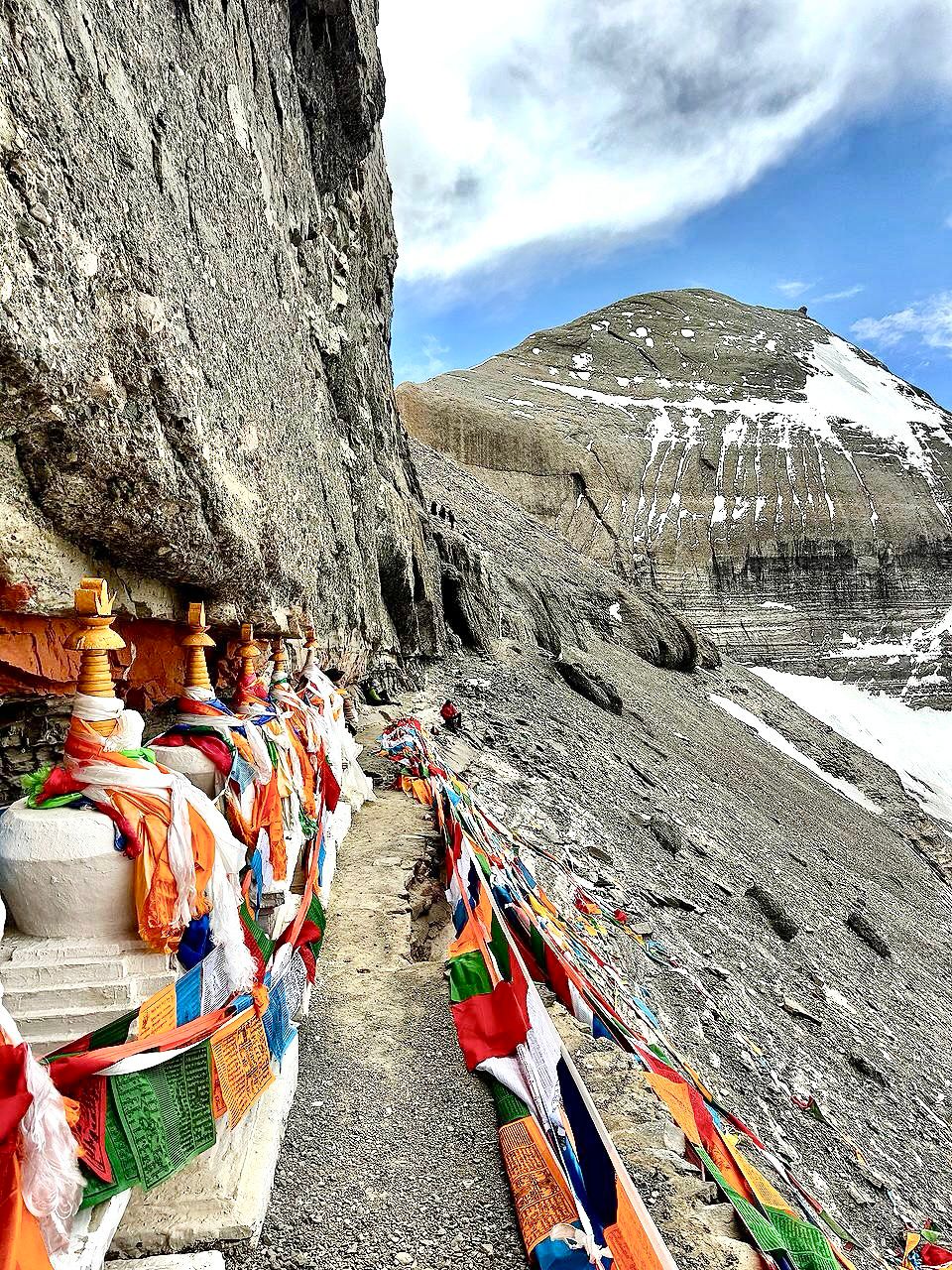
- Saptarishi Cave: This place is considered to be the meditation place of the seven great Hindu sages (Saptarishis). The cave can be reached through a steep wall, which is almost vertical. There are 13 chortens present at the cave
- Nandi La Pass (5,805 m): The highest point on the Inner Kora; you may need crampons in some conditions.
Inner Kora vs Outer Kora: Side-by-Side Comparison
| Feature |
Outer Kora |
Inner Kora |
| Duration |
3 days |
1 day (3 days with Kuberkunda) |
| Distance |
52 km |
34 km |
| Highest point |
5,630 m (Dolma La) |
5,805 m (Nandi La) |
| Physical requirement |
Good general fitness |
Excellent fitness, high stamina |
| Technical climbing |
No |
Yes (crampons, steep walls) |
| Special permit |
No |
Yes |
| Guide type |
Standard Tibetan guide |
Authorised Tibetan guide only |
| Suitable for the elderly |
Yes |
No |
| Tea shops on the route |
Yes |
No |
| Who it's for |
Most pilgrims |
Highly fit, experienced trekkers |
How many koras should you do?
The short answer is: The Kailash Kora is a physically challenging activity at high altitude, and even one completion is a life-changing achievement. Ancient texts mention:
1 Kora: Cleansing of a person's sins accumulated over a lifetime
13 Koras: Liberation of the soul (Nirvana)
108 Koras: Total Moksha
It is not necessary to do all these in one visit. Many sincere pilgrims come back year after year. At Holy Kailash Tours, we normally plan a single Kora itinerary, but if you want, we can develop a multi-Kora program for you.
Who Should Attempt Each Route?
The Outer Kora is right for you if:
- This is your first Kailash pilgrimage
- You have good general fitness and can walk 6-8 hours per day at altitude
- You're travelling as a family group or with elderly pilgrims
- You want the complete spiritual experience without technical risk
The Inner Kora is right for you if:
- You've already completed the Outer Kora at least once
- You have experience with high-altitude trekking and technical terrain
- You're in excellent physical condition with no heart or lung conditions
- You feel a strong spiritual pull toward the restricted inner valleys of Kailash
We do not recommend or advise beginners to do the Inner Kora, no matter what their physical condition is. The mix of high altitude, limited entry, no support on the path, and climbing skills requirements makes it actually dangerous without any training.
You have already done the Outer Kora at least once before. You have experience of trekking at high altitudes and in technical terrain. You are in the best physical condition and free from heart or lung diseases. You are deeply spiritually attracted to the restricted inner valleys of Kailash
We always advise against the Inner Kora for first-time pilgrims, no matter how fit they are. The combination of high altitude, restricted access, lack of support on the trail, and technical climbing requirements can make it very dangerous without proper prepa
Practical Notes Before You Go
A few things every pilgrim should know:
A few things every pilgrim should know:
- Both the Koras start from Darchen, the settlement near Mount Kailash.
- Altitude sickness is not something to be taken lightly. Spending some days acclimatising in Lhasa and at Lake Mansarovar shouldn't be considered optional things.
- One must have a special permit and an authorised guide to do the Inner Kora. These things cannot be bought at the last minute.
- The weather can abruptly change above 5,000 meters. Even in summer, cold wind and snow are possible.
- Horses and horsemen are provided on the Outer Kora for pilgrims who, at the high altitude sections, may need physical assistance.
Holy Kailash Tours is responsible for all permit applications, guide arrangements, and logistics starting from Kathmandu. We have done this route hundreds of times and are well aware of the points where things go wrong and the ways to prevent these things.
Final Thoughts
Even before you land at Kailash, Kora demands that you do some preliminaries. Like physically planning, making the move and being honest about your capacity with your body. The mountain is ancient and stands there.
It isn't moving. Go when you are prepared and go the right path for your level. For a better understanding of different Kora in different situations, please get in touch with Holy Kailash Tours. They will ask you a few honest questions and give you a straight answer, not just the one that sells the bigger package.
Holy Kailash Tours is a pilgrimage operator based in Kathmandu and specialises in Kailash Mansarovar Yatra. Since our inception, our team has taken hundreds of pilgrims through the Inner and Outer Kora.
FAQs: Mount Kailash Inner Kora vs Outer Kora
1. What is the main difference between Inner Kora and Outer Kora around Mount Kailash?
The main distinction lies in the degree of challenge, the manner of reaching, and the immersion level in the experience. The Outer Kora is a three-day 52 km trek representing a complete circle around the mountain, and with a good level of fitness, is suitable for most pilgrims.
On the contrary, Inner Kora is a 34 km route in one day, taking the traveller closer to the inner face of Mount Kailash. It is physically demanding, involves steep and technical sections, and necessitates special permits. Generally, Outer Kora is the main choice of most travellers, and only highly fit, experienced trekkers opt for Inner Kora.
2. Is the Kailash Inner Kora worth doing compared to the Outer Kora?
Yes, but only if you're in good shape and have a strong mindset. The Inner Kora is thought to be more spiritually intense as it exposes you to the proximity of very sacred places such as Atma Linga and Saptarishi Cave. On the other hand, it's not that everyone needs it.
Even doing the Outer Kora alone is regarded as a powerful spiritual blessing. Holly Kailash tours usually hint at the Outer Kora as a safe and meaningful choice.
3. Is Outer Kora too difficult for first-time pilgrims?
Outer Kora is a tough but doable one. You spend the whole day walking and keep going at a high altitude. You will cross Dolma La Pass, which is the highest point at 5600 meters. There are no technical climbing sections, but altitude, weather, and endurance are the main challenges. With basic fitness, slow pace, and proper acclimatization, first-time pilgrims can complete it successfully.
4. Do I need a special permit for Inner Kora and Outer Kora?
Yes, but the requirements for each are different. The Outer Kora is part of the standard Tibet travel permit, so no extra permission is needed. The Inner Kora requires the use of special permits as it passes through restricted inner valleys. Also, you can only be accompanied by an authorised guide.
5. How long does it take to complete Inner Kora vs Outer Kora?
Outer Kora normally takes a 3-day trip and is most of the time divided into trekking stages that are manageable. Inner Kora is doable in 1 very long day and can take between 9 and 10 hours depending on the pace and conditions. Some travellers extend Inner Kora routes with alternate passes, which means that the whole thing can take even longer.
6. Which Kora is more suitable for seniors or those new to the pilgrimage?
The Outer Kora would be the best option. It features slower-paced walking over three days, and there are no challenging parts of the route. Many elderly pilgrims achieve their Outer Kora goals each year. The Inner Kora would be ill-suited to the elderly or a beginner since it calls for a lot of physical exertion and involves difficult and treacherous parts of the route.
7. What fitness levels do Inner Kora and Outer Kora demand?
Basic background fitness should be good enough for the Outer Kora. You must be physically capable of walking for 6 to 8 hours a day, and it would be great if you could prepare yourself in advance. Strong all-round fitness, excellent stamina, and previous experience trekking at high altitude will be necessary for the Inner Kora. Also, you must be happy with walking on steep, rough, and exposed terrain.
8. Would it be feasible to do Inner and Outer Kora on a single Kailash Yatra?
Yes, it can be done; however, it is very rare. The majority of tour programs feature only the Outer Kora. Should you choose to undertake the Inner Kora, you will require additional days, special permits, and a strong body. Holly Kailash Tours are able to prepare the route for tourists willing to do both; however, proper planning and acclimatization are of paramount importance.
Related Blogs of Kailash Yatra
Holy Trekking Packages