Flora and Fauna on Annapurna Base Camp Trek
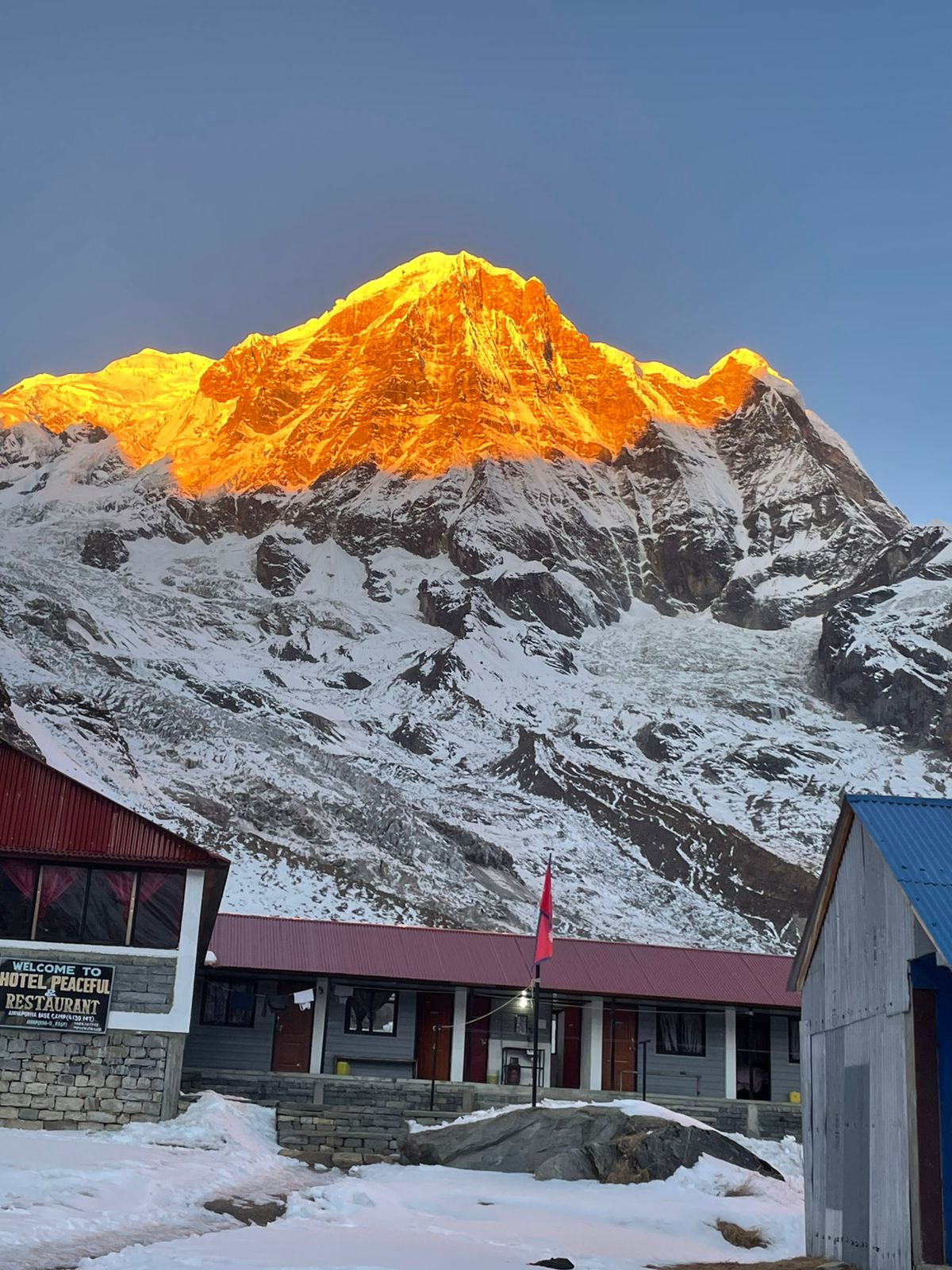
The natural surroundings during the Annapurna Base Camp trek make it highly unique, and, among other things, the trekking flora and fauna are part of the reason. Many hikers undertake this trek solely to enjoy the mountain view at the base camp; however, the forests will charm them with their colours and sounds.
Rhododendron's dazzling flowers cover the hillsides in Spring. Bamboo, ferns, and dense forest make the trail very green during the summer and Monsoon. The air is fresh, and one can take in the sharp and open scenes during Autumn.
Even though it might be chilly in the upper parts of the trek and quite during winter, the forests at the lower level still exhibit life in the form of evergreen trees, birds, and small mammals.
One of the reasons the trek is so special is that the changes in nature with changing altitudes are so pronounced. You don't have to get to base camp to start noticing the different types of species around you. The lower parts of the route will already allow you to admire terraced fields, village gardens, oak forests, and birds such as sunbirds and bulbuls.
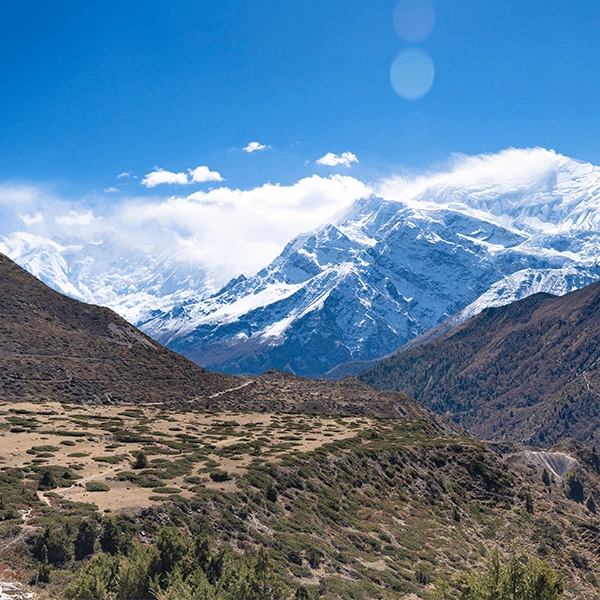
Higher up, as the forest changes, chances are you will see langur monkeys, Himalayan squirrels, or find evidence of deer. At the alpine zone, the vegetation consists of short and stiff plants that are capable of withstanding the strong wind, snow, and lack of oxygen.
This variation in different life zones really gives the Annapurna Base Camp trek an additional dimension of not only climbing in altitude but also exploring different ecosystems.
Inside the ACA, researchers have documented:
- More than 1,226 plant species
- Over 105 mammal species
- Around 518 bird species
- Roughly 40 species of reptiles and amphibians
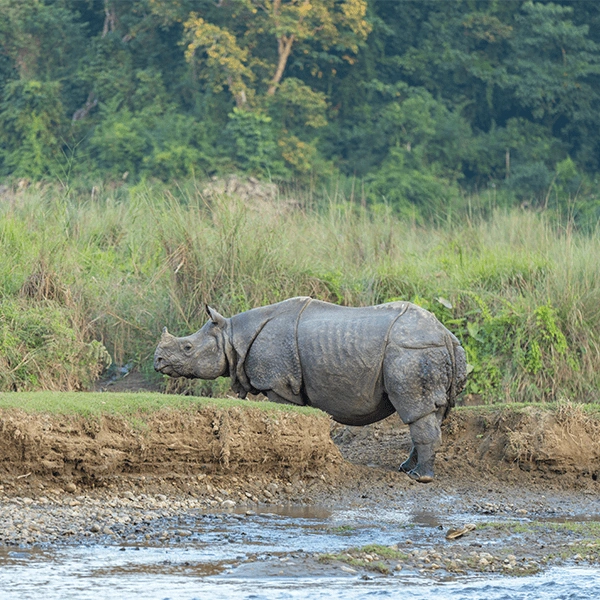
- More than 22 species of threatened or endangered wildlife
Annapurna Base Camp Trip Highlights
- Explore the numerous natural landmarks of the Pokhara valley
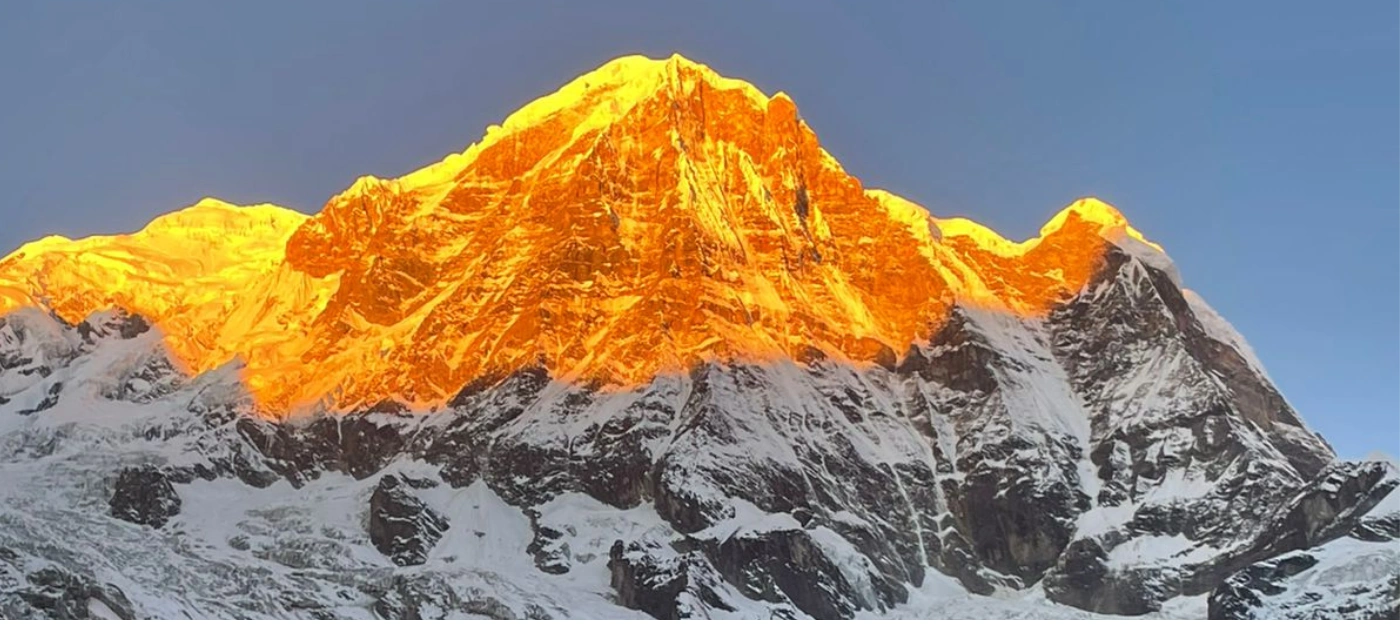
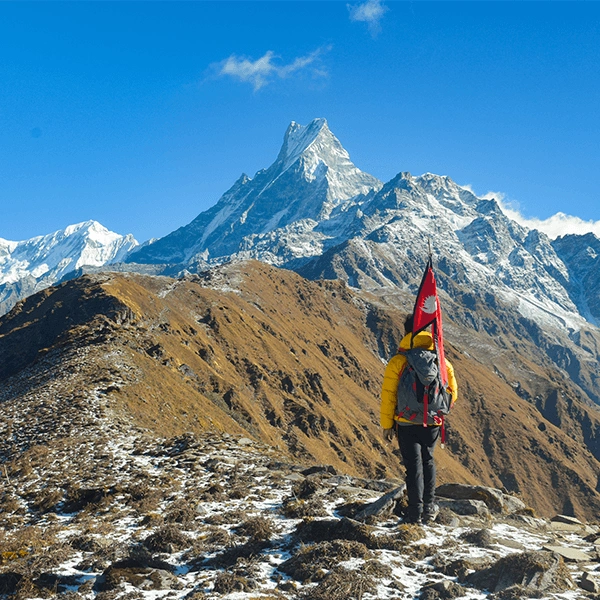
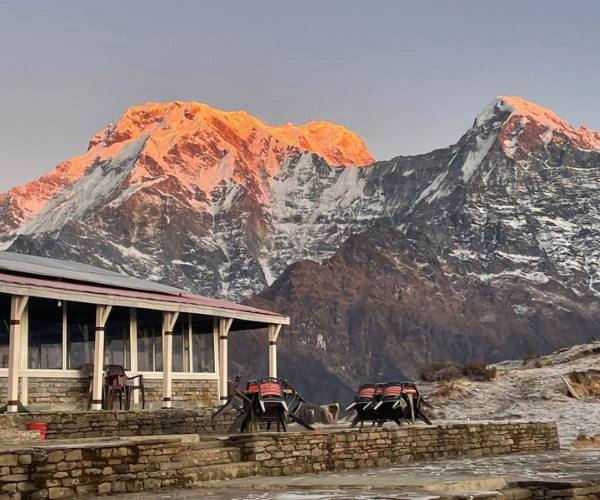
- Observe the panoramic views of the Dhaulagiri and Annapurna ranges along with Mt. Machhapuchhre (6997m)
- Enjoy Gurung culture and hospitality on the trek
- Trek through the enchanting Annapurna Conservation Area
Short Day-to-day Itinerary
Day 1 Arrival
Day 2 Fly to Pokhara; Drive to Ulleri
Day 3 Trek to Ghorepani
Day 4 Poon Hill Hike (3210 m); Trek to Tadapani (2630 m)
Day 5 Trek to Chhomrong (2170 m)
Day 6 Trek to Dovan or Himalaya (2500 m – 2900 m)
Day 7 Trek to Machhapuchhre Base Camp (3700 m)
Day 8 Trek to Annapurna Base Camp (4130 m); Trek back to Deurali or Dovan
Day 9 Trek to Jhinu Danda (1780 m) & Drive to Pokhara
Day 10 Flight to Kathmandu
Day 11 Departure
Trip Fact
Duration: 11 Days
Trip Grade: Moderate
Country: Nepal
Max Altitude: 4,130 meters
Starts: Kathmandu
Ends: Kathmandu
Group Size: Flexible (Private Tours or Group Departures)
Best Time: Spring (March – May) and Autumn (September – November)
Overview of Annapurna Conservation Area Flora and Fauna
The Annapurna Conservation Area is a prime example of Nepal's protected mountain ecology. It is a vast area that encompasses farmland, villages, forests, river valleys, and high Himalayan landscapes. Due to the area covering several climate zones, it harbours diverse species of plants and animals.
This is among the factors that make the Annapurna Base Camp trek extremely appealing to nature enthusiasts, researchers, and photographers. The conservation area conserves not only the mountains but also the ecosystems that sustain them.
The biodiversity here is very high because the region encompasses many different elevations and habitats in one continuous area. The lower parts of the region are characterised by subtropical vegetation, whereas the middle ones are covered with temperate forests.
At even higher levels, one can find alpine grasslands and rocky areas. Such diverse ecosystems mainly have a mixture of species. For instance, the species composition of oak, maple, bamboo, rhododendron, and pine will differ at various parts of the route, together with the fauna of birds, butterflies, and mammals that depend on these plants for survival.
Also, people living in nearby communities are taking part in conservation directly, as many villages located inside the area live alongside the forest and are dependent on it through the use of resources. This balance between people and nature is part of what makes the Annapurna region such a strong model for sustainable trekking.
Forest Types Along the Annapurna Base Camp Route
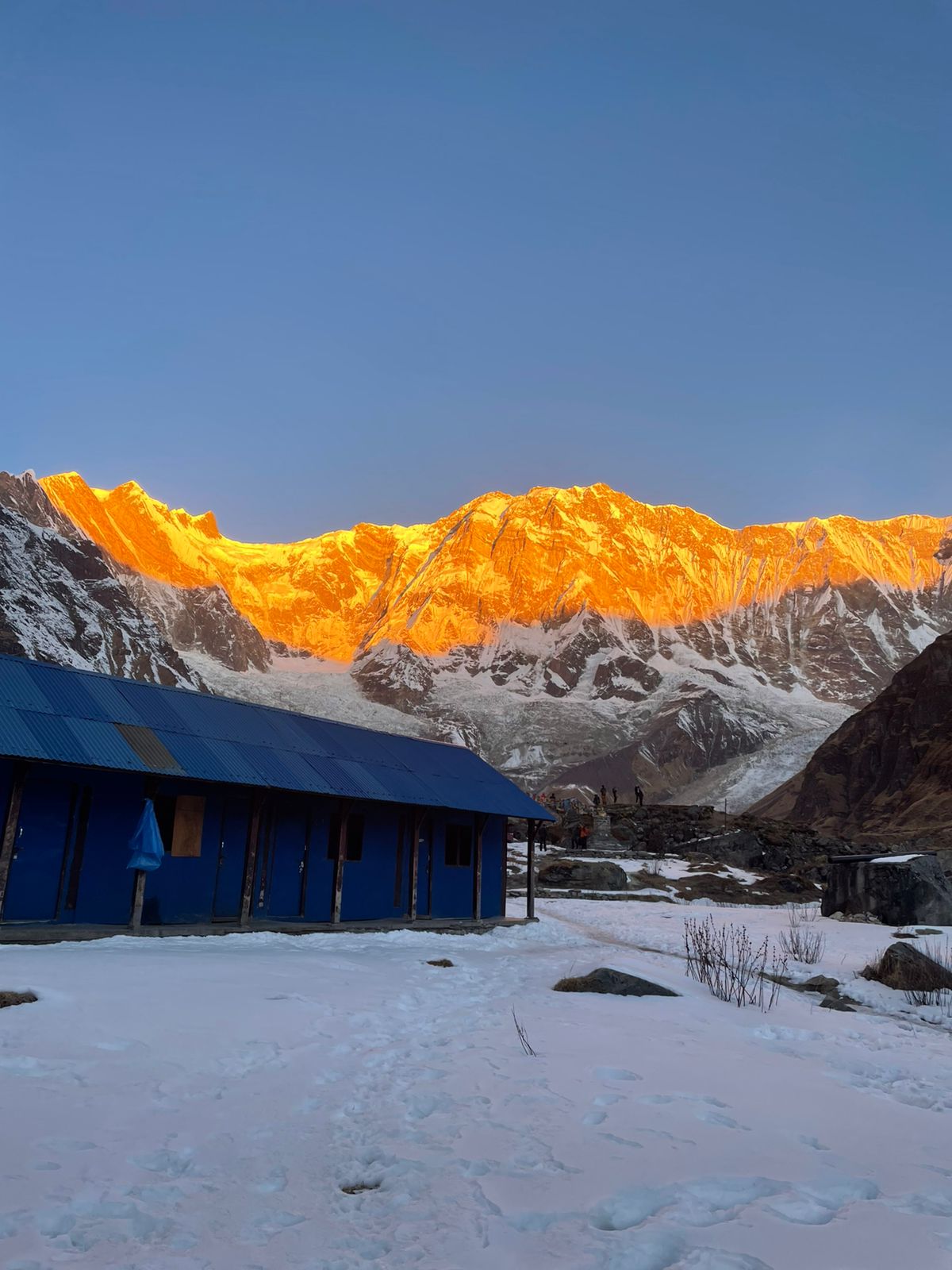
The Annapurna Base Camp trek is a lovely one, but a big part of the beauty of this trek is the equally famous forest that the trail passes through. The Annapurna Base Camp trek route changes to the next forest type, and with the natural diversity of the forest, even the feeling of the trail changes.
Mainly in the lower parts, you can expect to accompany a subtropical forest habitat with dense green cover, bamboo, and broad-leaf trees. These areas will feel warm, humid, and plentiful in the end; you will notice the forest changing to a cooler and more temperate one.
Oak and rhododendron trees are the main ones found in most parts of the trail, especially in between the villages such as Ghandruk, Chhomrong and Deurali. These woods look their best in spring when new leaves and flowers make the hills look brightly colored and soft. In some parts, the path goes through a mixed forest with maple, magnolia and pine.
As you go up, trees will become fewer, and finally, you will find only scattered shrubs, grass, and open alpine land near the base camp area. This sequence is what gives the Annapurna Base Camp trek a sensation of passing through several natural worlds during one trip.
Walking in teahouses on the route, the forest will often become part of your everyday view from your room or dining area. A simple morning drink can be a great moment when you see mist moving through the trees outside.
Holy Kailash Tours continually informs the tourists that this forest view is not only a scenic element; it is a part of the whole trekking experience and one of the reasons why the trail feels so tranquil.
Rhododendron Forests and Seasonal Bloom
Rhododendron forests are amongst the iconic natural wonders that one can come across while trekking to Annapurna Base Camp. Nepal is famous for its rhododendrons, and the Annapurna region, in particular, offers a perfect setting for lovers of these flowers.
The forest and the surrounding hills are covered in red, pink, and white blossoms during the right season, usually from March to April. The combination of those colourful flowers, dark green forests, and distant snow-capped mountains is really stunning.
Furthermore, these forests have many other functions apart from being pleasant to the eye. They provide habitat to various animals. For example, birds consume the nectar, flowers are host to various insects, and trees form the shelter for smaller species.
So, when you're strolling through a rhododendron forest on the Annapurna Base Camp trek, you're basically traversing a living, breathing ecosystem that varies with the seasons. The vibrant blooms in early spring, the dense new foliage, and the cool, shady trails later in the season are some of the natural highlights of the route for many trekkers.
If you're looking to go on a budget-friendly trek, spring is still a viable option as most teahouses continue to be open along the way, and the views of both flowers and mountains are spectacular. Using a reliable operator, such as Holy Kailash Tours, will also enable you to select the proper time for both weather and nature.
Alpine Vegetation and High Altitude Plant Life
Along the way to the Annapurna Base Camp trek, the flora changes dramatically. Thick jungles are replaced by alpine vegetation consisting of low, tough plants capable of withstanding intense sun, wind, and cold. For those interested in nature, this is one of the most fascinating aspects of the journey.
You will see various grasses, diminutive shrubs, resilient herbs, and low flowering plants inhabiting rocky or sheltered areas. Despite their small size, they are incredibly well adapted to the high Himalaya.
Growth is less brisk, and the climatic conditions are harsher at this altitude. Plants have to endure freezing nights, thinner air, and shorter periods suitable for growth. For this reason, alpine plants typically grow close to the ground and spread out.
In some places where snow has melted, and the earth is warm, you will find colourful seasonal flowers. These plants, besides being a beautiful sight, form the base of the mountain food chain by sustaining insects and animals that graze.
When people walk in the mountains, they tend to feel that the air is fresher and the scenery more silent once in the alpine zone. The solitude that surrounds you, interrupted only by the breeze or the sound of a stream far away, is such a unique element of the trek. It is at this point that a lot of people realize how mighty the mountain environment actually is. What manages to live here is neither big nor showy, but it is robust, well-suited and in its own way, beautiful.
Common plants in the subalpine and alpine zones along the ABC trail include:
- Juniper (Juniperus recurva): These are the low, spreading shrubs that stay close to the ground to protect themselves from the wind.
- Potentilla species: Small flowering plants with yellow flowers. Usually found on rocky slopes
- Saxifrage species: They grow in the cracks of rocks, and they are often the highest flowering plants along the route.
- Edelweiss (Leontopodium jacotianum): Although it is rare, you can still find it in some rocky alpine areas.
- Himalayan poppy (Meconopsis species): Located on the higher slopes, these are brightly coloured blue and yellow flowers which flourish in hilly tundra zones above 3,000 m.
- Primula species: These are low plants in a rosette shape. The flowers can be purple or pink, and these plants are mostly found near snowmelt areas.
Wildlife Found on the Annapurna Base Camp Trek
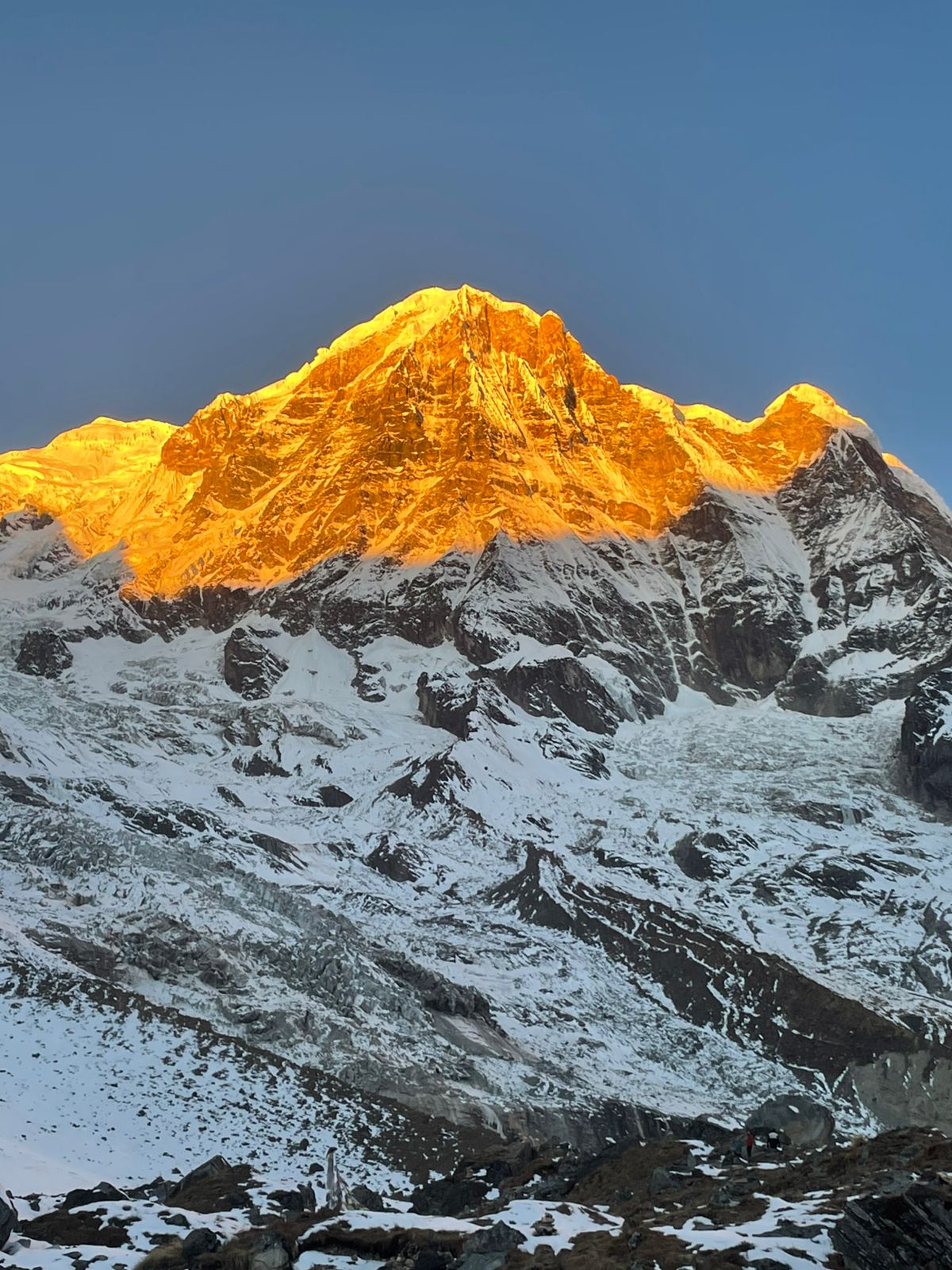
Wildlife in the Annapurna Base Camp trek is generally quiet and shy, so you might not always get to see big animals up close. However, the place is home to many kinds of animals, especially in the wooded areas. Langur monkeys are among the more common animals you may see on the trek; they are usually running quickly through the trees.
Himalayan squirrels, foxes, and small deer live there too, but they are not so easy to spot. If you are out when the sun is just rising or going down, you may see more movements in the forest.
Birds are much more visible than mammals and make the trail more lively. You will probably hear their singing before you see them. Butterflies, beetles, and other insects are around during the warmer times of the year, and they add color and motion to the edges of the trail.
Next to streams and in moist forest areas, you might find traces of amphibians and other small beings. Even though the trek is mainly known for the mountain views, it is actually these smaller living beings that make the whole ecosystem look complete.
For many hikers, the joy of the trek is not necessarily in actively searching for wildlife but in seeing it unfold naturally. A brief sighting of a bird, a monkey hanging on a tree, or recently made tracks in the mud might be all that is needed for the day to become truly memorable.
Holy Kailash Tours advises hikers to keep their voices down and to be respectful to give wildlife the opportunity to live undisturbed.
A few and Surprisingly Difficult-to-Find Species in the Area
Echoing the importance of the Annapurna region, it is home to some rare and endangered species, even though the majority of trekkers do not spot them. A number of these animals can only be found in areas quite distant from the most popular trekking route, or they remain well-hidden in the protected forest reserves.
The region is distinguished by the species that need pure habitats, continuous forest cover, and low levels of human disturbance. Thus, conservation efforts here are indeed crucial.
It is through the preservation of such areas that these rare species survive, even though you may not see them on a typical trek to Annapurna Base Camp. The forests, hillsides and high-altitude areas all work together in supporting a larger interconnected natural system.
A few mammals and birds are under protection either because their populations are small or their habitats have been threatened by climate change and human activities. Even the plants found in the alpine zone may be vulnerable to over-harvesting and changes in the weather.
Trekkers should realise that rarity does not necessarily mean visible beauty. The most critical species are the ones that are metaphorically and quietly keeping the ecosystems going.
When visitors carefully watch their steps, avoid producing trash, and responsibly follow the route, they are actively helping to protect these vulnerable forms of life. For that reason, choosing responsible operators such as Holy Kailash Tours is, among other things, a step in the right direction. Good trekking practice supports not only travel but also nature.
Birdwatching Opportunities in the Annapurna Region
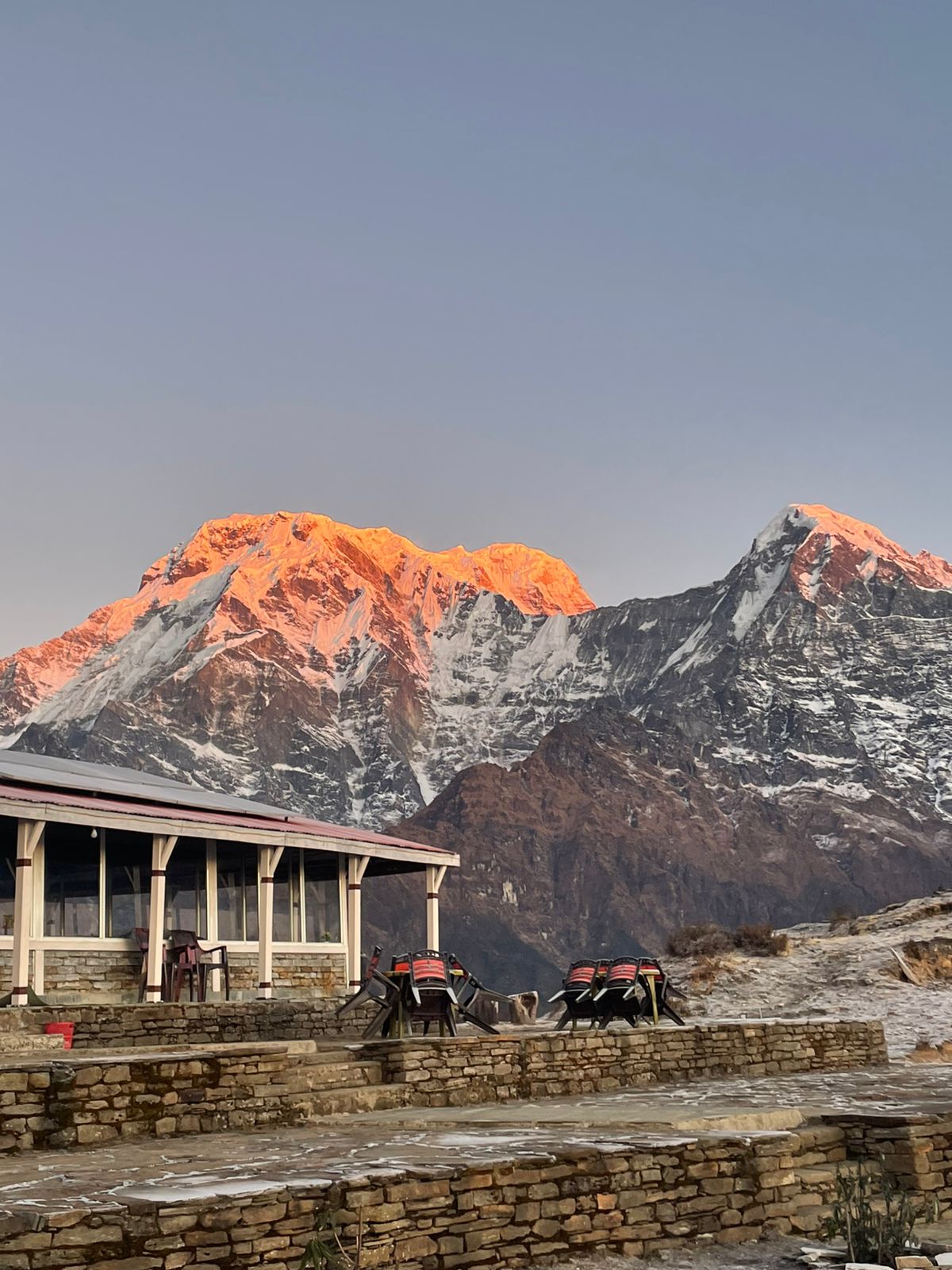
Birdwatching is one of the less well-known activities of the Annapurna Base Camp trek. Even if you are not a highly dedicated birdwatcher, it is pretty much inevitable that you will come across many bird species along the way.
Both the lower and upper parts of the trail have a lot of bird action since the forest is denser, there are more fruits, and more birds have shelter. Sunbirds, bulbuls, flycatchers, magpies, and some abundant types of finches are the species of birds that the trekkers can expect to see most of the time in the Annapurna region.
Typically, the optimal time of day for birdwatching is early morning when birds are at their peak without the forest being full of riffraff. You do not need specialised high-end equipment to enjoy the experience. Pausing for a moment on the trail, looking up into the trees, and a bit of patience can expose you to a lot. Carrying binoculars will almost certainly take the level of your birding experience to a whole new level.
Spring and autumn are highly recommended seasons, partly because the weather conditions are better and the birds remain mostly in the open and are therefore easier to observe.
Birdwatching is a calm and reflective activity that can be a great addition to your Annapurna Base Camp trek. You don't just visit the picturesque villages, but through the hearing and movement, you can get to know the forest better. This slow pace of travel goes so well with the mountains, where often the one who waits will be the one who gets something more than the one who runs.
Some of the most rewarding birds to watch for:
- Danphe (Lophophorus impejanus) or Himalayan Monal: It is the national bird of Nepal. The male is very distinct with its dazzlingly coloured feathers. It is mainly found in the areas lying at an altitude of over 3,000 metres.
- Blood pheasant (Ithaginis cruentus): this beautiful reddish and green bird is one of the species of pheasants and is found in the dense conifer forest starting at an altitude of 3,500 metres.
- Lammergeier or bearded vulture (Gypaetus barbatus): very large bird with a wingspan of more than 2. 5 metres. Keeps flying on the thermals over the high alpine areas. A sighting is more likely near MBC and ABC.
- Himalayan griffon vulture (Gyps himalayensis): a large vulture frequently seen soaring thermals.
- Red-billed chough (Pyrrhocorax pyrrhocorax): black, crow-like birds with red beaks, mostly stay in noisy groups near the us and base camps
- Fire-tailed sunbird (Aethopyga ignicauda): It is small and very colourful, which is why it is often found in the rhododendron forests. A treasure of the Himalayan birdlife.
- Spotted nutcracker (Nucifraga caryocatactes): a jay-like bird of the conifer forests, which plays a major role in the dispersal of seeds.
When Is The Best Time To See Flora And Fauna?
If you want to see flora and fauna, when you trek to Annapurna Base Camp, it will mostly depend on what type of nature you are interested in. Spring, for example, is the season when the whole landscape is the most colourful because of the blooming rhododendrons and even the forests seem to have woken up. Besides being the time when nature is at its best, the temperatures are mild, and the sky is clear. Any time during spring is a favourite for many adventurers who want mountains and nature in perfect balance.
Another ideal season is autumn. The monsoon is over, the sky stays clear, and everything seems to be washed and renewed. Though the flowers may not be as showy as in spring, there is still a lot of life in the woods, and mountain pictures can top those taken at any other time.
If you like photography or birdwatching, this is the period to be there. In winter, the world outside goes into hibernation; there are fewer blossoms, the animals are less on the move, and one cannot expect to see as much during the trek; however, the lower forests will remain inviting and serene. The monsoon season envelops nature in the most vivid green, but the incessant rains could cause discomfort as well as slippery pathways.
Most travellers consider spring and autumn as the safest and most rewarding seasons to travel. Generally, accommodation is available along the trekking route in teahouses, and food options are simple but dependable. From a budget perspective, these seasons can be effectively managed if you make smart bookings and select the appropriate package.
Holy Kailash Tours can assist travellers in aligning their trekking season with their interests, whether they desire flowers, birds, or just the desire to immerse themselves in nature at its best.
Conservation Efforts in Annapurna Conservation Area
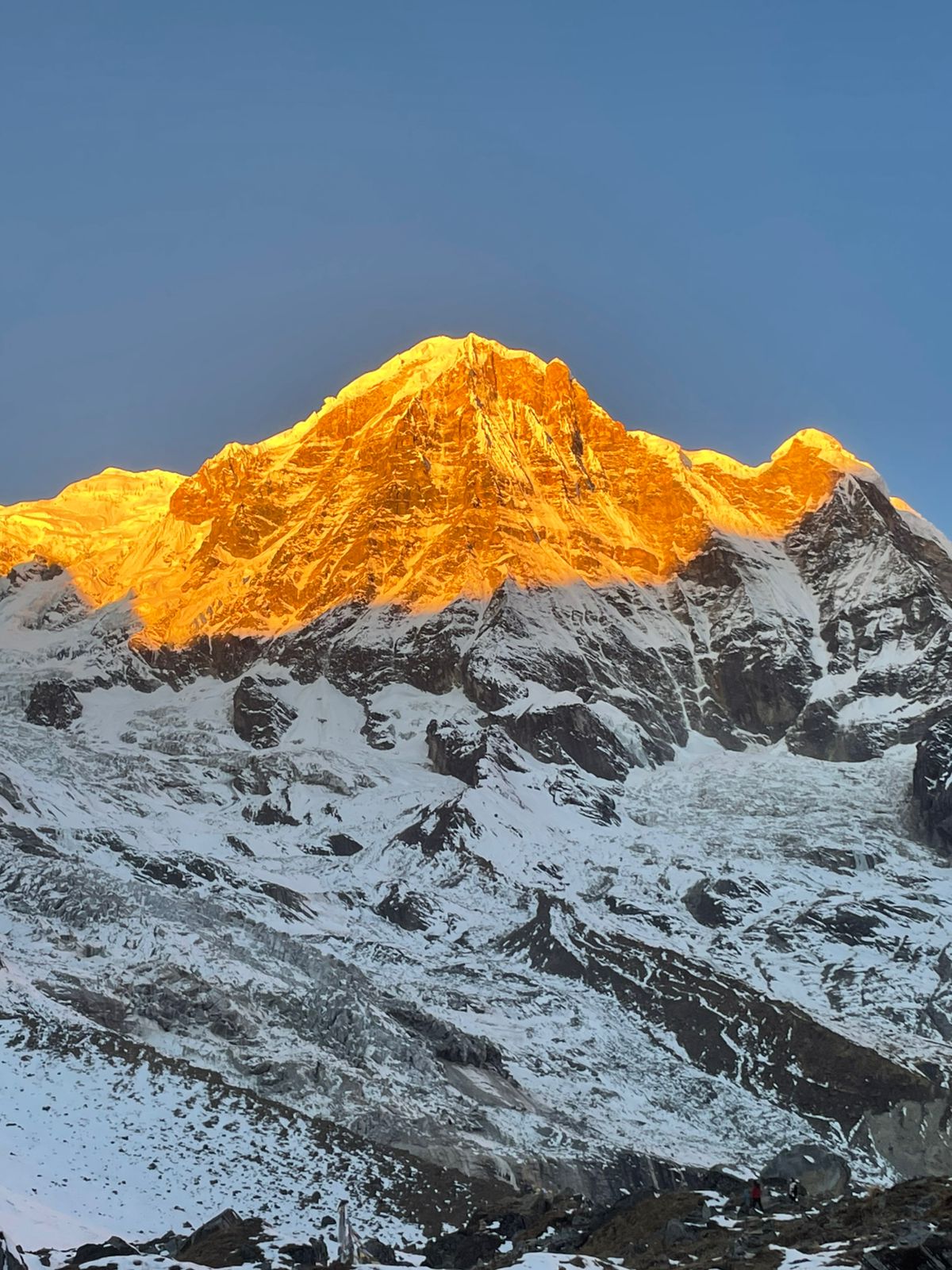
Instead of protecting the Annapurna Conservation Area with walls or fences, it hinges on a collaborative relationship between the local people, trekkers, and conservation groups. The involvement of the community is one of the top strengths of the area. Forest trail waste and natural resource management is sometimes supported by the villagers. Therefore, conservation is not something separate from life but rather a means of survival for the region.
Among other things, projects implemented in the area focus on forest protection, responsible tourism, and awareness-raising regarding waste and resource usage. Teahouse owners guide porters, and local communities share responsibilities with local communities. Trekkers contribute as well by sticking to the trail, taking out waste, and following local rules.
These tiny deeds count because mountain ecosystems are very sensitive to human impact. It may take a very long time for a high altitude environment to recover from even a minor injury. By visiting the area with care, people indirectly support the continuation of the Annapurna Base Camp trek in the long run. This way, the forest stays in better shape, wildlife is more protected, and local people enjoy the benefits of tourism without losing the natural environment that attracts visitors in the first place.
Among the main conservation efforts are: Buffer zone management: controlled land use around the primary protected area, Anti-poaching patrols: collaborating with local rangers to diminish hunting of snow leopard, musk deer, and other species, Community forests: community groups take charge of forest management and protection, with benefits shared among them
Key conservation initiatives include:
- Buffer zone management: regulating land use in the area surrounding the core protected region
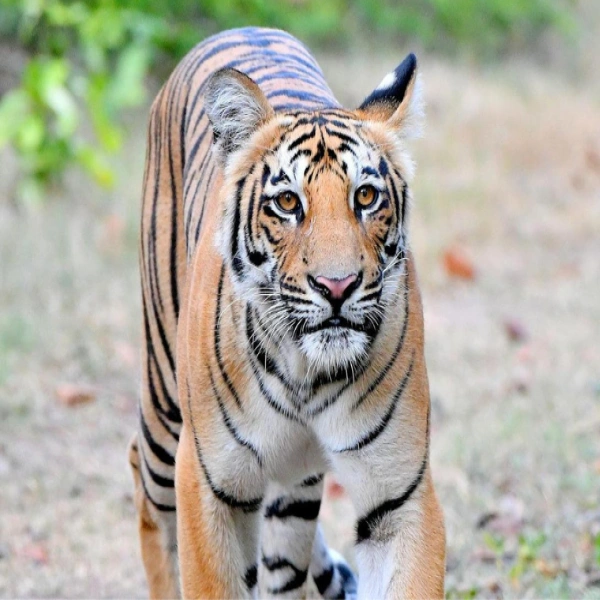
- Anti-poaching patrols: collaborating with local rangers to decrease the incidence of hunting snow leopard, musk deer and other animals
- Community forests: local community groups help manage and protect forest areas, ensure sharing of the benefits
- Kerosene subsidy programs: the provision of alternative cooking fuel to lodges, thereby decreasing the dependence on forests
- Waste management systems: managing and controlling solid waste and plastic pollution along the popular trekking routes
- Wildlife monitoring: camera trap surveys of snow leopard, bird counts and assessments of mammal populations
Tips for Responsible Wildlife and Nature Viewing
Respectful nature watching does not require complex actions, but it counts a lot. The golden rule is to maintain a respectful distance from an animal. Do not attempt to feed animals or get close to them for a picture. Annapurna Base Camp Trek. Besides the fact that food made for humans can hurt animals, it also has the potential to change their natural behaviour. The same goes for birds and other small creatures. Being a quiet observer is always the best option, rather than causing disturbances.
Another wise measure is to always walk on marked paths. Vandals can harm plants and disturb nests or other small habitats hidden in the vegetation. Do not pick flowers, break branches, or take stones and plants from the forest. Minor changes may also accumulate, especially when a lot of hikers tend to do the same thing. Keep your sounds to a minimum, particularly early in the morning or near the serene sections of the forest. This will help you to see the wildlife in its natural state.
A memorable and satisfying hike is one where the natural environment stays in a good state of health after your departure. This concept is the core of responsible trekking, and it goes very well with the ethos of Holy Kailash Tours. Nature is not a theatrical set for guests. It is a living world that merits our attention and care.
- Keeping your distance: If you notice a tahr, langur, or any other type of mammal, observing them at a distance of at least 30 to 50 meters is highly recommended. Trying to approach, corner, or feed the animals should be avoided under any circumstances.
- Staying on the trail: When hiking, if you cut straight across switchbacks or walk off-trail, you are not only compacting soil but also killing ground vegetation and disturbing small mammals and birds.
- No feeding: Giving animals human food not only disturbs their natural behaviour but also leads to them becoming dependent on it. Langur monkeys residing near lodges are known to become aggressive most of the time after people feed them. Don't initiate the cycle.
- Handle your waste: carry out all your plastic and other non-biodegradable waste with you. Lodge bins are available for disposal. Organic waste should be put in the right place, far from the water source.
- Keep silent: raising voices and playing music will disturb wildlife as well as lessen your own chances of seeing them. Noise, especially in the early morning hours, travels a long way.
- Reporting poaching: If you notice any signs of trapping, snaring, or hunting, inform the lodge owners or ACA staff.
- Obey ACAP rules: ACAP has laid down certain regulations regarding open fires, camping zones, and resource collection. Get to know them before you go.
The team at Holy Kailash Tours ensures that all our trekkers are well informed about responsible wildlife viewing when they are ready to start their journey. Our guides come equipped with zero-waste kits and practice leave-no-trace principles rigorously during the trek.
Medicinal Plants and Traditional Uses in the Annapurna Region
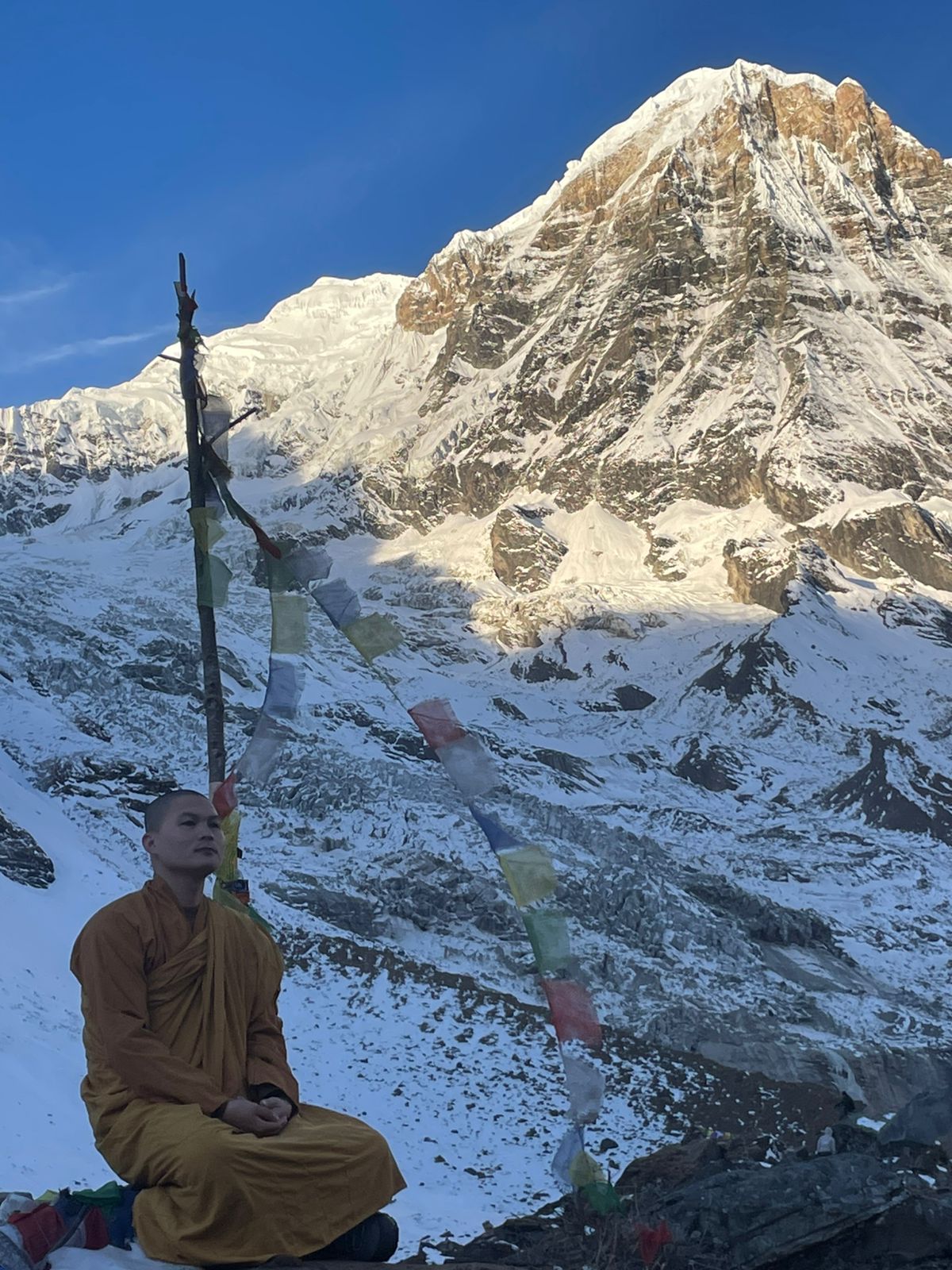
The Annapurna region abounds in medicinal plants, and the local people have a long tradition of utilising forest herbs and alpine plants to heal ailments. This age-old knowledge was transferred from one generation to another and still plays a major role in the village lifestyle.
While some plants are used merely for home remedies, others form the basis of entire health traditions of the locals. In fact, the use of plants differs widely between different communities, but the bond of people with plants remains strong.
In the course of the Annapurna Base Camp trek, you might realise that the plants which appear inconspicuous to a stranger are indeed very significant to the locals. The leaves, roots, bark, and flowers of a plant may each have some kind of practical use.
Therefore, this is also one of the reasons why the protection of the environment should be done with great care. Inappropriate ways or excessive collection of plant material may lead to the depletion of the plants used by the locals and, at the same time, to the gradual loss of a traditional knowledge system that has helped mountain life go on for years.
Visitors should not, even at a glance, think that picking a plant is safe or legal. It would be best to just look at it, take a photo, and get to know it while showing due respect. This means that the local culture continues to exist while, at the same time, the natural environment remains unspoiled. The nature of the Himalaya is, at once, a source of utility, a work of art, and a very delicate environment.
Transformation of the terrain from Lowland to High Himalaya
One of the most unforgettable and enjoyable features of the Annapurna Base Camp trek is observing the transformation of the land with each day. The lower section is often characterised by starting from warm and hospitable villages, terraced fields, and mixed forests. There, the air is denser, the vegetation is luxuriant, and human life is mainly focused on farming.
While you are ascending, the trail gets more inclined, and the forest starts to take over. Waterfalls, moss and tree roots contribute to the formation of the trail, whereas distant peaks get unveiled through the trees gradually.
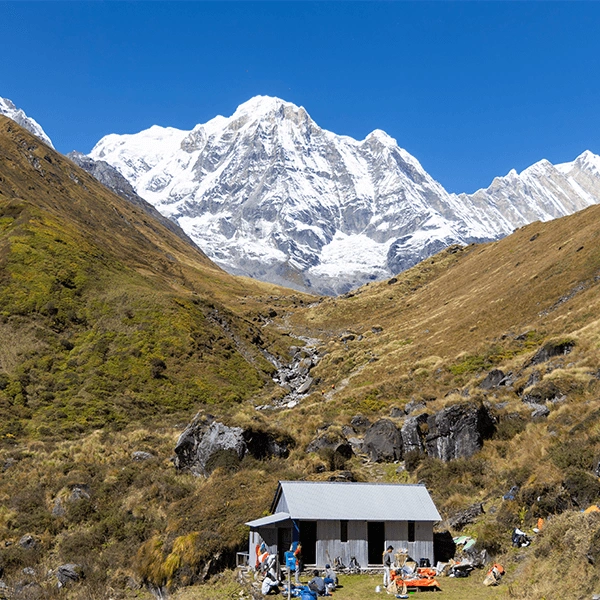
Going even higher, the world makes an altogether different appearance. The hamlets are getting smaller, the forests are less dense, and the range of mountains is more and more visible. At the proximity of base camp, the terrain is opening up into a large glacial valley, and very few plants are present, whereas rocks and snow dominate.
This changeover from low tribes to the high Himalaya is one of the main reasons why people get attracted to the trek. It is not just about the walk to the destination. The entire journey opens up a chain of habitats, with each of them imparting a different story.
This transformation of land also works as a helpful means for the trekkers to comprehend Nepal's natural diversity in a very straightforward manner. Hardly any trail can exhibit these dramatic variations of nature within a very limited distance. This is definitely what makes the Annapurna Base Camp trek very attractive and enjoyable.
Role of Climate and Altitude in Biodiversity
Climate and altitude are the major factors that determine the nature of the Annapurna Base Camp trek. With every step you take upward, the temperature decreases, the air is thinner, and the length of the growing season is reduced. If plants and animals want to survive, they have no choice but to change themselves according to these factors.
This is why lower altitudes have dense forests, whereas higher altitudes only have smaller and more resilient vegetation. It is very common to observe plant and animal species at certain altitudinal ranges. The availability of food and the type of habitat that the area provides play a decisive role in this. This is true for the Himalayan ranges as well.
In addition, the kinds of animals and birds you can see and the timing of these sightings also change with altitude. The different seasons are important too. The warming of spring is the trigger for flowers and leaves to come out.
The vegetation grows rapidly during the monsoon because of the plentiful rain, while the forest also gets its share of water. On the other hand, monsoon is associated with cloud cover and slippery paths. After the rains, the drier weather of autumn leads to better visibility and more pleasant trek conditions.
The cold of winter severely slows down the growth of plants, and some animals move down to lower frost-free zones. Such changes occurring over time are at the heart of the area's natural life.
As a trekker, what this implies is that the very same path, depending on the time of the year or the height you have reached, can give you completely different feelings. Besides adding to the fun and deepening the realism of the trip, knowledge of this also changes your perception of nature's variety. It starts to dawn on you that living things around us are not left to chance. They are a natural consequence of climate, altitude, and adaptation.
Human Interaction with Flora and Fauna on the Trek
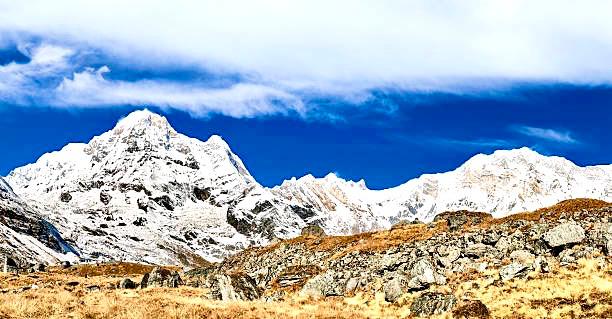
People and nature have been living together in the Annapurna region for a very long time. The villages located along the trail rely on farming, forest products, and tourism as their main sources of income.
The terraced fields, grazing areas, and community forests are all testimonies of how humans have modified the land and, at the same time, been dependent on it. This connection between humans and nature is not always harmonious, but it is deeply significant. The future of conservation in the region hinges upon the local community recognising the real benefits of forest and wildlife protection.
Moreover, trekkers are also drawn into this interplay. Each time they stay in a lodge, have their meals, and use the services of a guide, they are taking part in supporting the local people's ways of making a living. But, at the same time, every visitor should be aware of their duties to minimise their impact.
This, for example, can be done by using water cautiously, not getting or leaving litter, and respecting the local traditions. Besides, it is also a matter of recognising that the trail is not only a tourist path but also a home to the people, animals, and plants that inhabit the area.
At Holy Kailash Tours, we think that recognising this human element of the trek is just as important as seeing the natural environment. The ideal travel experience is the one that honours both the people and the place.
Annapurna Region Blog
Photography Tips for Capturing Himalayan Wildlife and Plants
The changing scenery along the Annapurna Base Camp trek makes photography very rewarding. In the case of plants and flowers, the light in the early morning and late afternoon is usually the softest and most natural-looking. All these - rhododendrons, ferns, moss, and alpine flowers - are well-photographed when the light is not too harsh. Instead of completely isolating the plants from the forest or mountain context, try to show them in their natural environment.
When it comes to wildlife photos, the main ingredient is patience, not speed. Each animal is either moving very fast or staying very well hidden. Have the camera at hand; however, don't try for really close contacts.
A zoom lens gives you the possibility to take photos of the birds or distant mammals without disturbing them. Besides this, it is always a good idea to have your camera in a weather-resistant bag, as in the mountains, the weather changes rapidly.
Besides all these technicalities, composition is very important too. A flower with a mountain peak behind it, a bird perched in a tree with the mist-covered background, or a forest path leading to the hills may be able to convey a stronger story than a mere close-up. The aim is not just to create aesthetically pleasing photos but also to convey the atmosphere of the trek and the surrounding life.
Practical tips:
- Long telephoto lenses for wildlife: A 200mm to 400mm equivalent will provide enough zoom to photograph tahr, birds, and other mammals without disturbing them. A 70-300mm zoom lens is a sensible compromise for trekking loads.
- Capture the light of golden hour: the hour after sunrise and before sunset offers the most amazing light in the mountains. Besides that, these moments correspond to the greatest activity of wildlife.
- Support your camera: hands at altitude will tremble more, and breathing will get faster. So use a light monopod, a hiking pole, or lean on a rock for a handheld shot.
- Manual focus for birds: autofocus may fail in a dense forest environment. Get manual focus before the trip.
- Macro photography for plants:: ACA is famous for its flower varieties. A smartphone clip-on macro lens is easy to use and weighs negligibly.
- Weather protection: carry waterproof bags or dry sacks to keep your camera equipment safe. Morning mist and afternoon rains are quite usual, especially in the forests.
- Patience wins over chase: find a spot close to a flowering bush or fruiting tree and let the birds come to you. Chasing wildlife is sure to get you neither a good photo nor a happy animal.
In summary: An encounter with nature on the Annapurna Base Camp Trek
The Annapurna Base Camp trek is much more than a hike through mountains; it takes one through different landscapes, such as forests, wild flowers, birds, and high-altitude areas, where each step of the trail brings the discovery of something different.
The local plants and animals here very well complement the trek by giving it an added dimension of colour and life. For instance, the rhododendron woods in the springtime give way to the alpine flora around the base camp. Such changes make you realise that the Himalayas are not devoid of life but are quite vibrant even in seemingly hostile conditions.
Those who want a deeper aspect of their travel will find that this trek is not just about seeing the stunning view but also about gaining knowledge. Slowly you start to realise how nature climate elevation, preservation of the environment and human society are intertwined.
This is the reason why the Annapurna Base Camp trek does not get erased from the mind even very long after the journey has been accomplished. By taking into account all the necessary factors, travelling with respect, getting the right help from Holy Kailash Tours, your trek can be not only a remarkable experience but also give you a glimpse of one of Nepal's abundant natural tracts.
FAQs: Flora and Fauna on Annapurna Base Camp Trek
1. What type of flora will I encounter on the Annapurna Base Camp trek?
At lower elevations, you will find rhododendron forests and oak trees, while there are bamboo, pine ferns, moss and alpine grasses at higher levels. Seasonal wild flowers add to the vegetation diversity. As the altitude varies drastically along the route, the change in flora happens accordingly, and you get different experiences in different sections of the trek.
2. Which kind of animals do I have a high chance of seeing on the Annapurna Base Camp trek?
You can see langur monkeys, Himalayan squirrels, and even deer in some parts. Birds are very abundant, and you are likely to come across sunbirds, bulbuls and flycatchers, especially. Besides, small animals and insects are very lively in forest regions.
3. When do rhododendrons bloom on the trek, and when is the best time to admire them?
If you want to see rhododendrons in full flower, plan your trip for spring, i.e., March or April. At this time of the year, the hills are covered with colourful blossoms, and the forest atmosphere is vibrant.
4. Can the Annapurna Base Camp trek be combined with birdwatching?
Absolutely! Birdwatchers will find the Annapurna area very rewarding as it hosts a multitude of species. You might want to start supplementing your hiking with birdwatching very early in the morning, when the birds are most active in the forests and near the village edges.
5. Are there endangered animals living in the Annapurna area?
Indeed, Annapurna Conservation Area is a habitat of some very rare and environmentally sensitive species of animals. Many of these species are quite elusive, and it is unlikely that you will be able to see them during a typical trek. Their existence is one of the reasons making conservation efforts so vital.
6. How does altitude affect the plants and animals on the trek?
When you ascend higher and higher, the temperature is falling, and the amount of time the plant can grow is shortening. Animals and plants must adapt to the changing environment, which means that with changing altitude, the forest slowly transforms into alpine vegetation, and animals are limited to those which can survive in each altitudinal level.
7. Can I see wildlife easily on the trek?
It is possible on the trek to spot some birds and monkeys as you go along. However, a lot of animals are afraid of humans, so they keep themselves hidden. A silent walk, starting early and spending a good amount of time are factors that will increase your chances.
8. When is the best period to enjoy flora and fauna on the Annapurna Base Camp trek?
Spring suits best for flowers, whereas autumn is good for a clear view and birdwatching. The two seasons also offer a combination of nature experiences and comfortable trekking conditions.
9. How can I act in an ecologically responsible way during a trek?
Understand your impact on the environment and be respectful of the flora, fauna and communities you encounter. For example, do not stray from the main paths, refrain from feeding wild animals, don't pluck the flowers or other parts of the plants, keep noise to a minimum and carry your waste back with you. These practices will help in preserving the ecosystem.
10. What makes the Annapurna Base Camp trek a favourite among nature lovers?
For nature lovers, this is one of the few hikes in which one can witness forest flowers, birds, wildlife, alpine scenery and so on, all on one route. The changing landscapes and immense biodiversity have transformed it into a mountain adventure that is much more than just a trek.
11. How does Holy Kailash Tours integrate nature education in the ABC trek?
Holy Kailash Tours offer guides who have deep knowledge of local ecology, medicinal plants, and birdlife. We have field guides and binoculars with us, we observe the animals in their natural habitat responsibly, and we plan our routes along the sections of the trail that are most ecologically rich for the greatest times of observation, etc. Our method is to regard the natural setting as an indispensable component of trekking rather than only the background.