Why Mount Kailash Is Considered the Center of the Universe
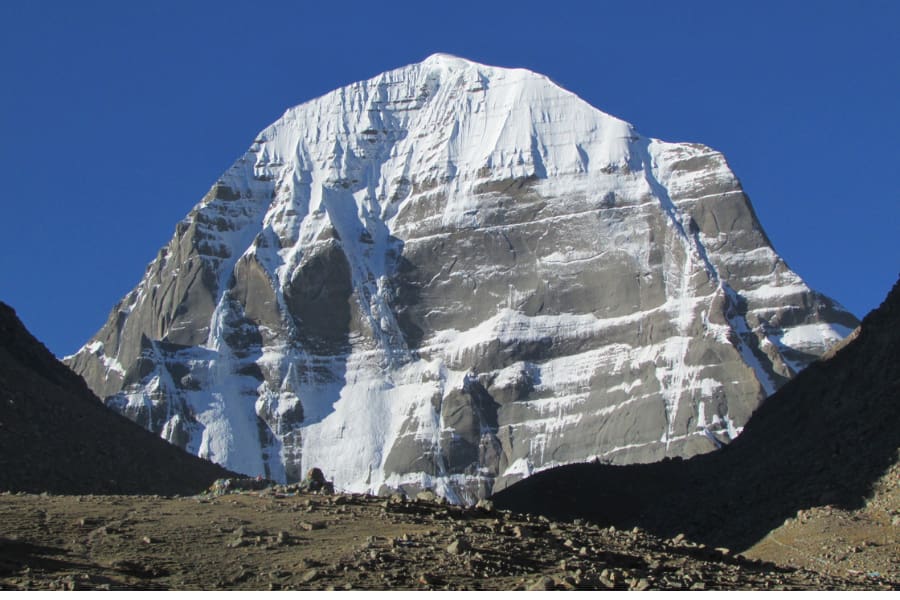
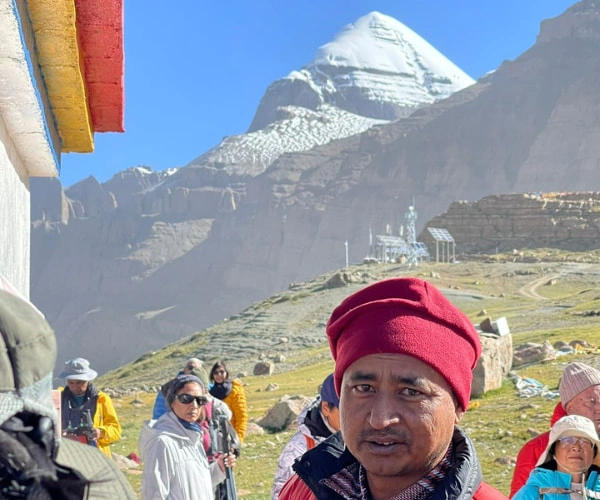
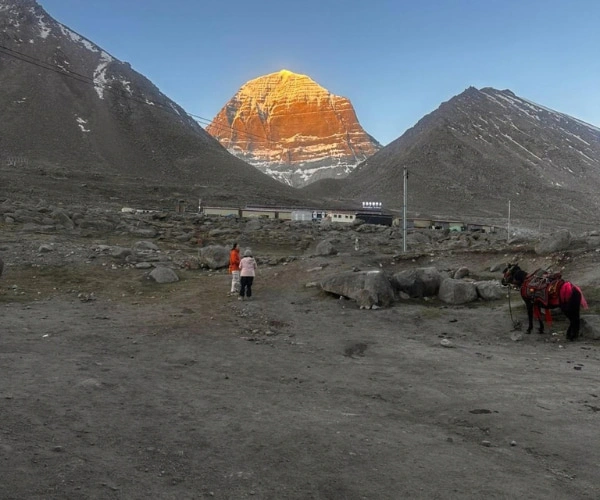
Across traditions, Kailash carries one consistent idea: it is the axis at the center of everything. In Sanskrit, it's called the axis mundi. In practice, it means Kailash is believed to be the point where heaven and earth meet.
Four of Asia's greatest rivers begin near this mountain: the Indus, the Brahmaputra, the Sutlej, and the Karnali. Geographically, that's unusual. Spiritually, it confirms for believers that Kailash is a source of life energy that spreads across the continent.
The mountain's spiritual energy, according to many pilgrims, is something you feel before you can explain it. People describe an unusual quiet, a sense of presence, or simply a feeling that doesn't fit into ordinary language.
Religious Importance: Hinduism, Buddhism, Jainism, and Bon
Few places on earth hold meaning across four living religions. Kailash is one of them.
Hinduism, the mountain is the eternal home of Lord Shiva. He sits in meditation here, with the Ganges flowing from his matted hair. For Hindu pilgrims, completing the Kora is one of the most sacred acts of a lifetime.
In Tibetan Buddhism, Kailash is called Kangri Rinpoche (Precious Snow Mountain) and is associated with Demchok, a tantric deity. Buddhist pilgrims believe one full circuit wipes out the sins of a lifetime.
Jainism, the mountain is identified as Ashtapada, where Rishabhadeva, the first Tirthankara, attained moksha (liberation).
Bon, Tibet's oldest spiritual tradition, Kailash is the soul of the universe and the home of the sky goddess Sipaimen.
Myths, Legends, and Unexplained Phenomena
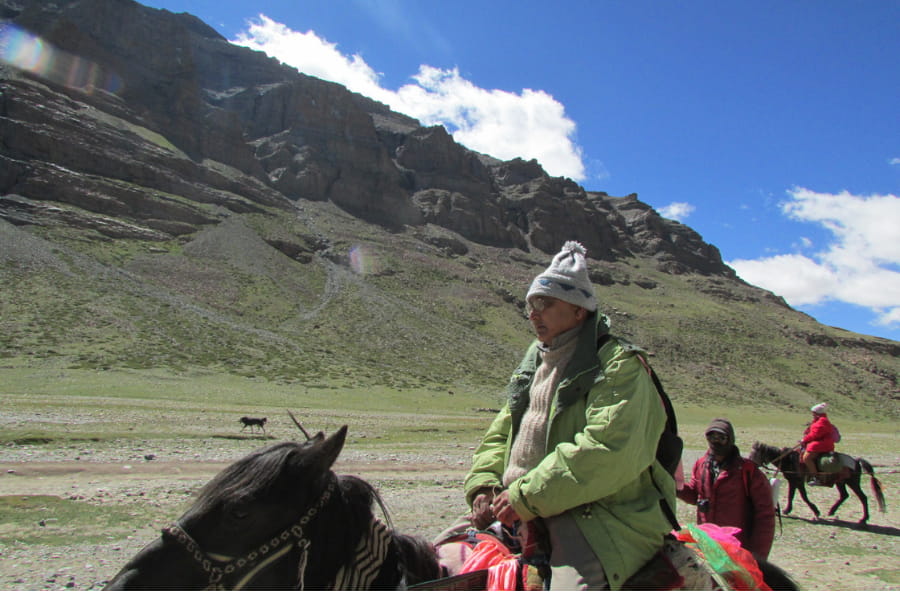
One of the most repeated stories about Kailash concerns time. Several visitors and researchers have reported that their hair and nails grew at an unusual rate near the mountain, suggesting that they aged faster there. There's no confirmed scientific explanation.
Other accounts describe the mountain's shape shifting in different light conditions, the inability to photograph certain areas clearly, and compasses behaving inconsistently. Whether these are real anomalies or the product of high-altitude disorientation is hard to say.
What's clear is that no one has ever summited Kailash. Reinhold Messner, possibly the greatest mountaineer alive, was offered permission by China in the 1980s but declined it out of respect. That decision is widely respected in both climbing and pilgrimage communities.
The Sacred Kailash Kora (Parikrama) Experience
The Mount Kailash Kora is a 52-kilometer circumambulation of the mountain. Most pilgrims complete it in three days. Tibetan Buddhists sometimes complete it in one day. Devout Bon followers walk it counterclockwise.
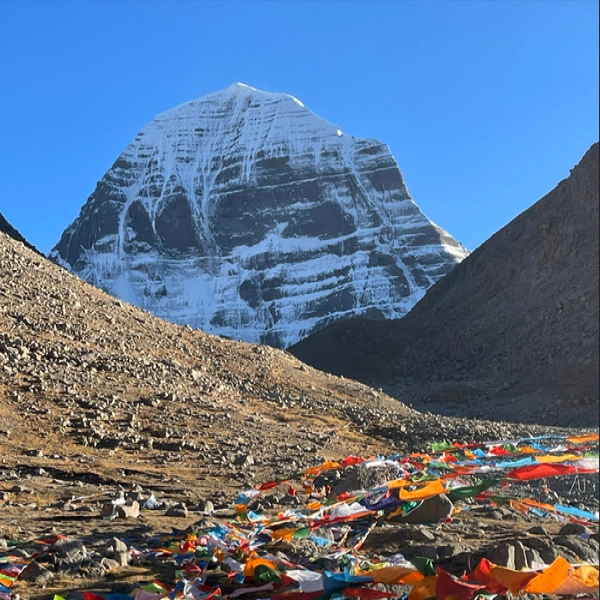
- Day 1 takes you from Darchen to Dirapuk, passing the stunning north face of Kailash.
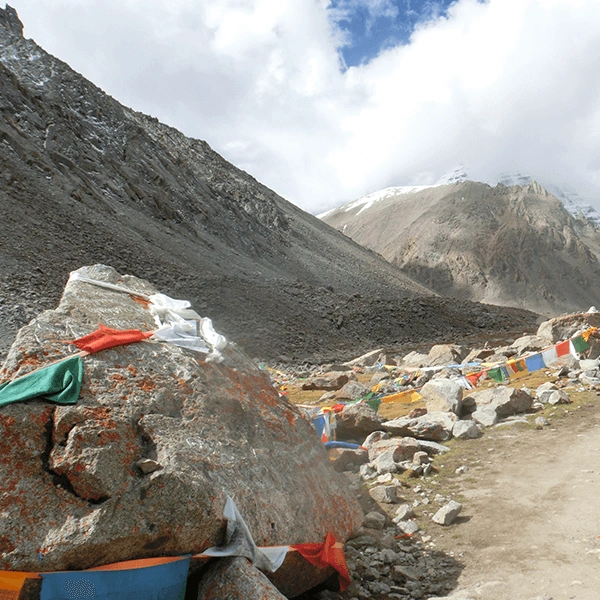
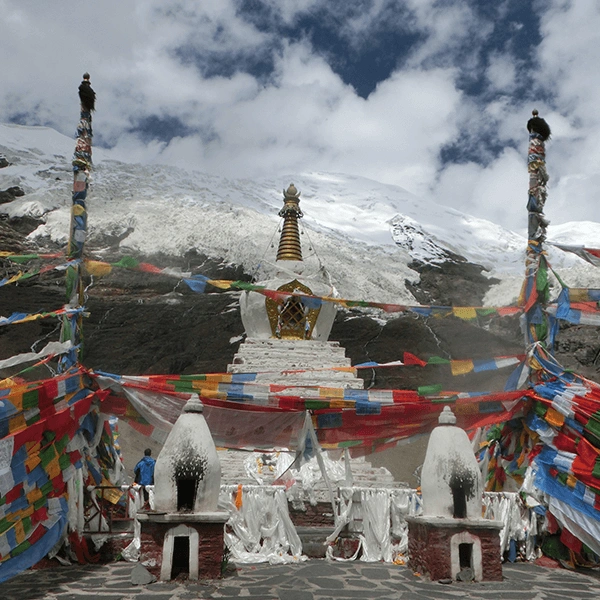
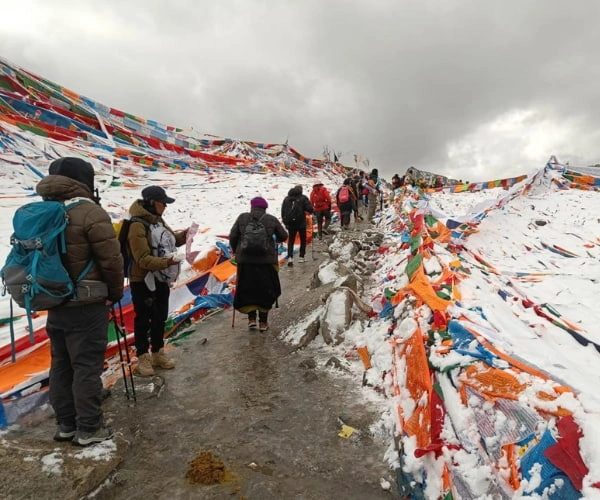
- Day 2 is the hardest: the climb over Dolma La Pass at 5,636 meters. This is physically demanding and spiritually significant. Pilgrims leave offerings here.
- Day 3 descends through valleys back to Darchen.
The Kora is not a casual hike. At this altitude, even fit travelers move slowly. But the difficulty is part of what makes completing it so weighty.
Spiritual Connection with Lake Mansarovar

Lake Mansarovar, at 4,590 meters, sits nearby and is one of the highest freshwater lakes in the world. Its name means "lake of consciousness" in Sanskrit.
Pilgrims bathe in its waters at sunrise, believing it purifies the soul. Many sit quietly beside it for hours—some complete a full circumambulation of the lake, a separate journey of about 88 kilometers.
The lake appears an almost impossible shade of blue under clear skies. Standing beside it with Kailash visible in the distance is, by most accounts, one of those moments that stays with a person permanently.
Best Time to Visit Mount Kailash
The pilgrimage season runs roughly from May to October. June, July, and August are the most popular months. The weather is the most manageable then, the roads are passable, and the majority of tour groups operate during this window.
May is early season: cold mornings, fewer crowds, some snowfall possible. June to August is peak season: the best weather and highest footfall. The Saga Dawa festival usually falls in May or June (a particularly auspicious time for Buddhist pilgrims). September to October is late season: quieter, colder at night, but still doable.
Avoid November through April. The roads through Tibet close or become dangerous, and the cold at altitude is severe.
Altitude Sickness and Physical Challenges
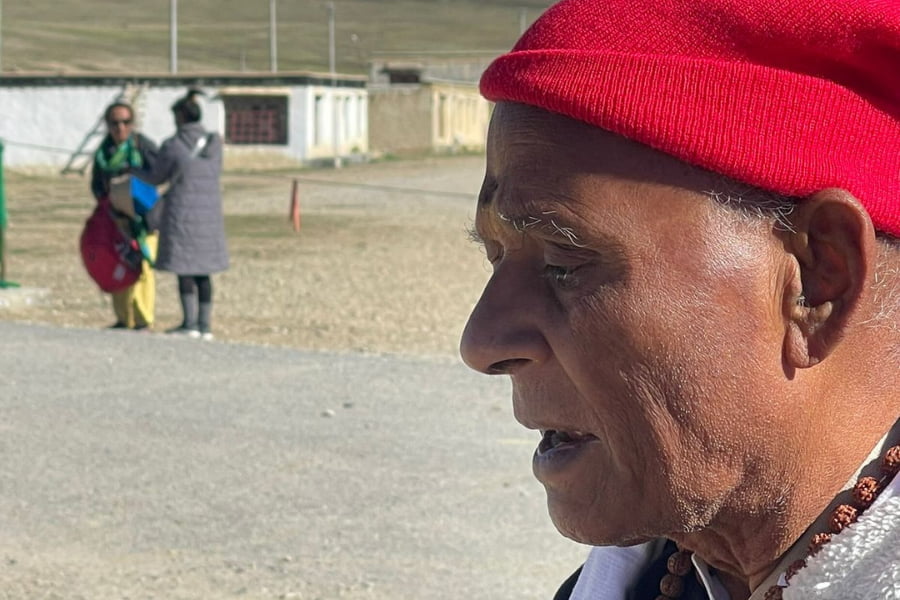
Kailash sits above 6,600 meters. The Kora crosses Dolma La Pass at over 5,600 meters. This is serious altitude.
At these altitudes, even healthy, fit people can experience altitude sickness: headaches, nausea, fatigue, and shortness of breath. It's not a sign of weakness. It's biology.
A few things that help:
- Spend at least two nights in Lhasa or another high-altitude location before reaching Kailash
- Stay hydrated, and avoid alcohol in the days before the trek
- Walk slowly. There's no benefit to pushing pace at altitude
- Know the symptoms of severe altitude sickness and have a plan if they appear
The terrain itself is a mix of rocky trails, loose scree, river crossings, and high passes. Trekking poles are genuinely useful here, not just optional.
Permits and Travel Requirements for Tibet
Tibet is not open for independent travel by most foreign nationals. You need specific permits to enter, and the rules change periodically in line with Chinese government policy.
Typically, you'll need:
- A Chinese Tourist Visa
- A Tibet Travel Permit (issued by the Tibet Tourism Bureau)
- An Alien's Travel Permit for restricted areas, including Kailash
- A Military Area Permit for certain zones near the border
- Indian nationals traveling through the official Kailash Mansarovar Yatra program organized by the Ministry of External Affairs follow a separate process and don't need a standard Chinese visa.
The Holy Kailash tour permits are handled by a licensed Nepalese or Chinese tour operator. They know the current requirements and handle the paperwork on your behalf. Applying independently is difficult and often leads to rejected applications.
How to Prepare for the Kailash Mansarovar Yatra
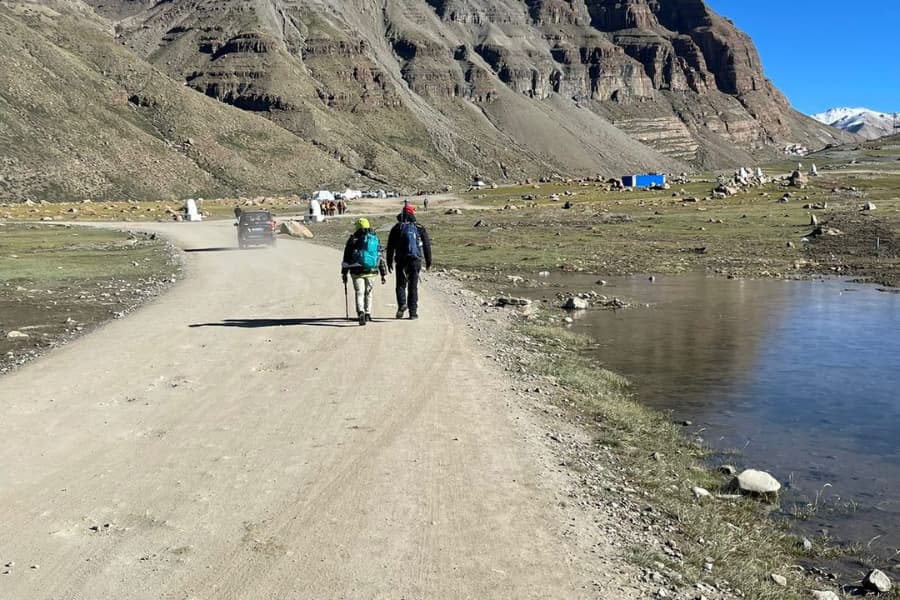
Focus on your daily preparation at least three months before departure.
Fitness: You don't need to be an athlete, but regular cardio can make a significant difference. Walking uphill with a daypack for 60 to 90 minutes, three or four times a week, is a practical baseline.
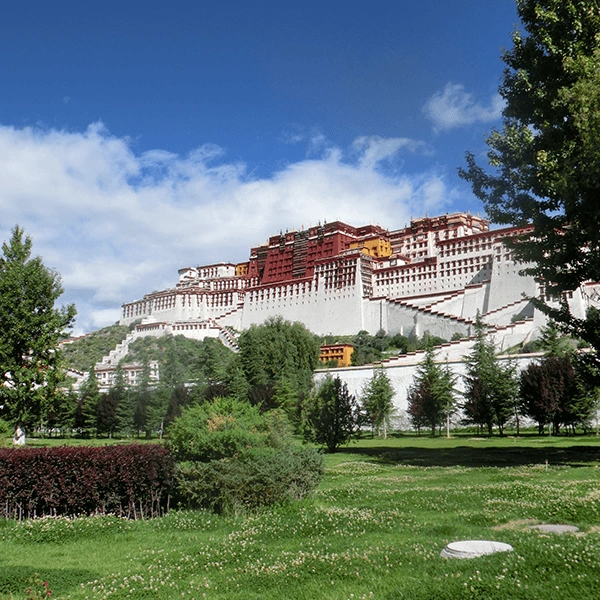
Acclimatization: Don't rush your arrival. Build in extra days at intermediate altitudes. Lhasa, Shigatse, and Saga are natural acclimatization stops on the overland route.
Packing essentials:
- Warm layers, including a down jacket (nights at altitude are very cold even in summer)
- Waterproof outer shell
- Trekking boots that are already broken in
- Trekking poles
- High-SPF sunscreen (UV is intense at altitude)
- Prescribe altitude sickness medication if recommended by your doctor
- Water purification tablets or a filter
- A personal first aid kit
Travel light. Every kilo matters when you're crossing a 5,600-meter pass.
Cultural Etiquette and Respectful Travel Practices
Tibet has a distinct culture with deep roots. A few basics:
- Walk clockwise around Kailash and all religious monuments unless you follow the Bon tradition
- Don't touch religious statues, prayer flags, or sacred objects
- Ask before photographing monks, nuns, or locals
- Remove shoes before entering monasteries
- Keep voices low at sacred sites
- Don't hand out candy or money to children (it encourages a culture of begging)
Tibetan people are generally warm and hospitable. Showing basic respect goes a long way.
Spiritual Benefits of Completing the Kailash Journey
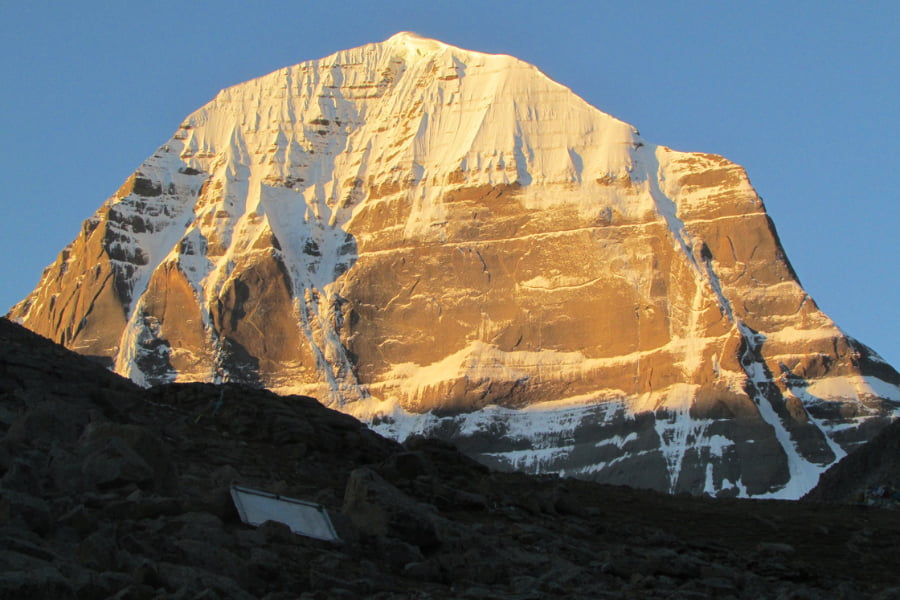
The Kailash Mansarovar Yatra is described differently across traditions, but the themes overlap. One full Kora is said to erase the sins of one lifetime. 108 Koras are said to bring liberation from the cycle of rebirth.
Beyond the religious framing, most pilgrims describe something harder to categorize: a shift in how they see their own life, a sense of things settling into perspective, or simply the knowledge that they did something that mattered.
People carry this journey with them long after they return.
Why Choose a Guided Tour for the Kailash Yatra
Planning this trip independently is difficult and, in most cases, not even permitted. The permit process alone requires going through a licensed operator.
But beyond the paperwork, guided tours handle the logistics that genuinely affect your safety and experience:
- Experienced guides who know the terrain and altitude risks
- Emergency oxygen at high passes
- Properly acclimatized itineraries that don't rush the ascent
- Reliable transportation on roads that can deteriorate quickly
- Accommodation arrangements in remote areas where options are very limited
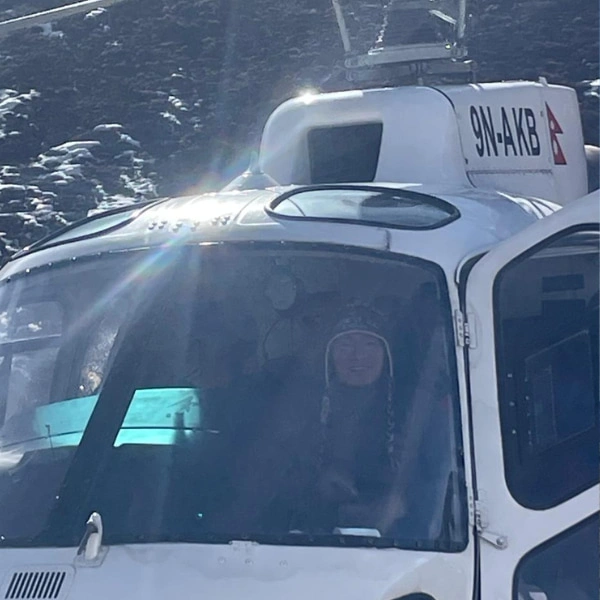
Holy Kailash Tours, based in Kathmandu, specializes in exactly this kind of journey. They've organized Kailash Mansarovar Yatra packages for pilgrims and travelers from across the world, covering routes through Nepal via Kerung by road, via Lhasa or Kailash yatra by helicopter, Purang, overland exploration of Tibet, and all necessary permit arrangements.
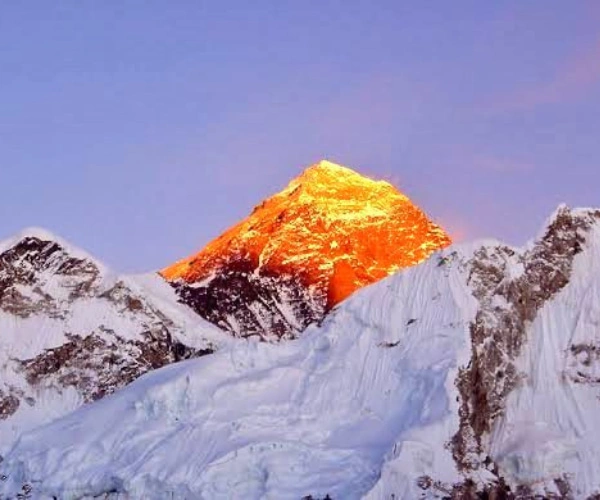
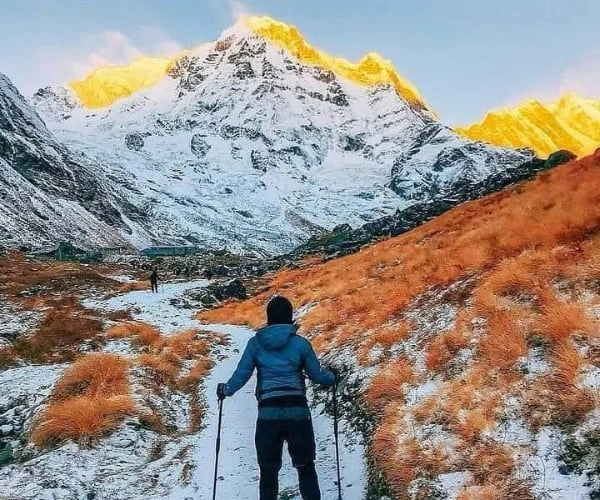
What stands out about Holy Kailash Tours is their focus on the journey itself rather than just the logistics. The team understands the religious weight of this trip for most travelers, and the planning reflects that. They also offer trekking combinations withEverest Base Camp and Annapurna Base Campif you want to extend your time in the Himalayas.
If you're serious about doing this trip, working with an experienced operator like Holy Kailash Tours removes the most stressful parts of the planning and lets you arrive ready for the experience itself.
Mount Kailash rewards preparation and patience. It's not a comfortable journey by any measure. But for the people who make it, that tends to be precisely the point.