Best Kailash Mansarovar Yatra Packages from Nepal
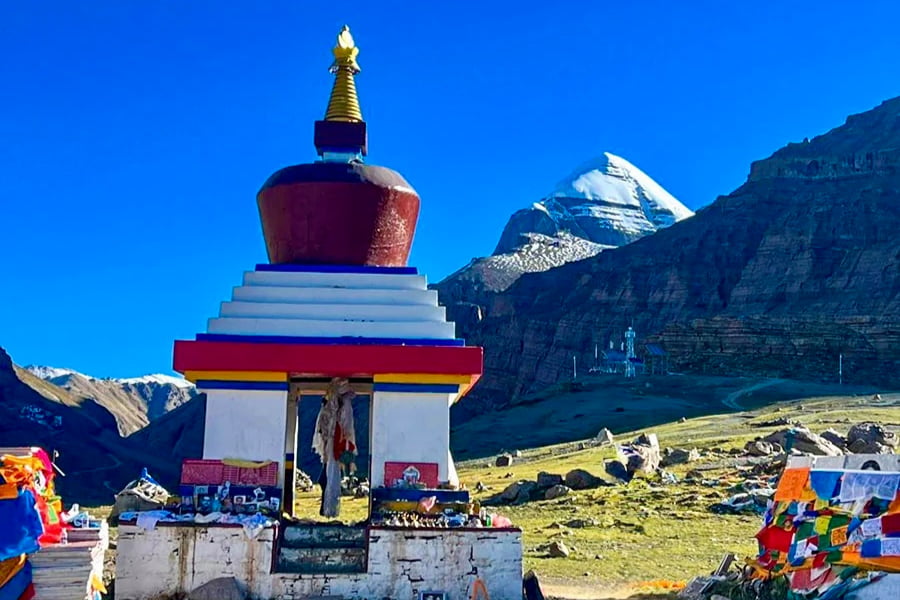
Nepal is the most popular gateway for the Kailash Mansarovar Yatra. Kathmandu is well connected to major international airports and sits close to the Tibet border crossings used for most Kailash tours.
Holy Kailash Tours offers Kailash tour Nepal packages through two main border routes:
- Kerung (Gyirong) border for overland groups
- Simikot to Hilsa for helicopter and short overland combinations
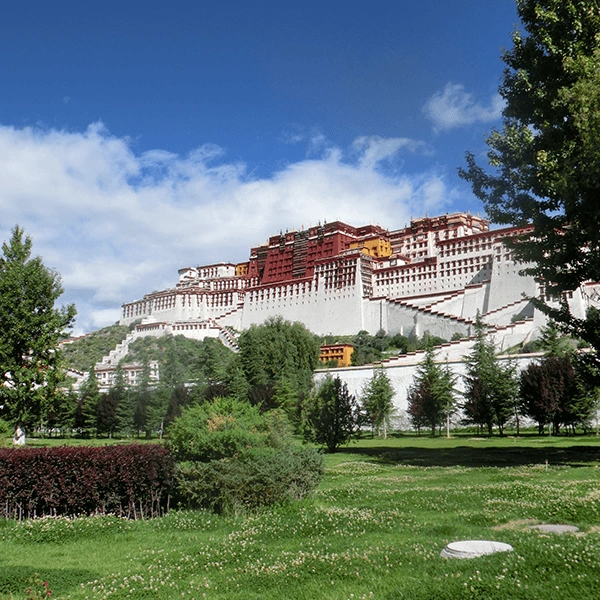
- Via Lhasa: flight from Kathmandu to Lhasa, with Lhasa sightseeing
Most packages run between 14 and 21 days, depending on the route and travel style. Both group and private tour options are available. Groups tend to be more affordable. Private tours give you more flexibility on timing and pace.
Whether you are a first-time pilgrim or a returning traveler, the Kailash Mansarovar Yatra from Nepal is the most practical and well-supported option available today.
Kailash Mansarovar Yatra Package Cost and Details
One of the first questions travelers ask is: What does this trip actually cost?
Kailash Mansarovar package costs vary depending on the route, travel style, group size, and inclusions. Here is a general breakdown:
- Budget overland packages: USD 2,400 to 2,700 per person
- Standard packages: USD 2,500 to 3,500 per person
- Luxury or helicopter packages: USD 4,500 to 8,200 per person
What is typically included:
- Tibet Travel Permit and Chinese Group Visa processing
- All transportation from Kathmandu to Kailash and back
- Accommodation along the route (hotels and guesthouses)
- Meals during the Tibet portion
- Licensed Tibetan and Nepali guides
- Oxygen cylinders and basic medical support
- Kailash Kora trekking support
What may not be included:
- International flights to Kathmandu
- Nepal visa fees
- Personal travel insurance
- Tips for guides and drivers
- Extra nights in Kathmandu
Kailash Yatra price also depends on the season. Peak months (May, June, September) tend to cost more. Booking early usually helps secure a better rate.
Kailash Mansarovar Yatra by Helicopter
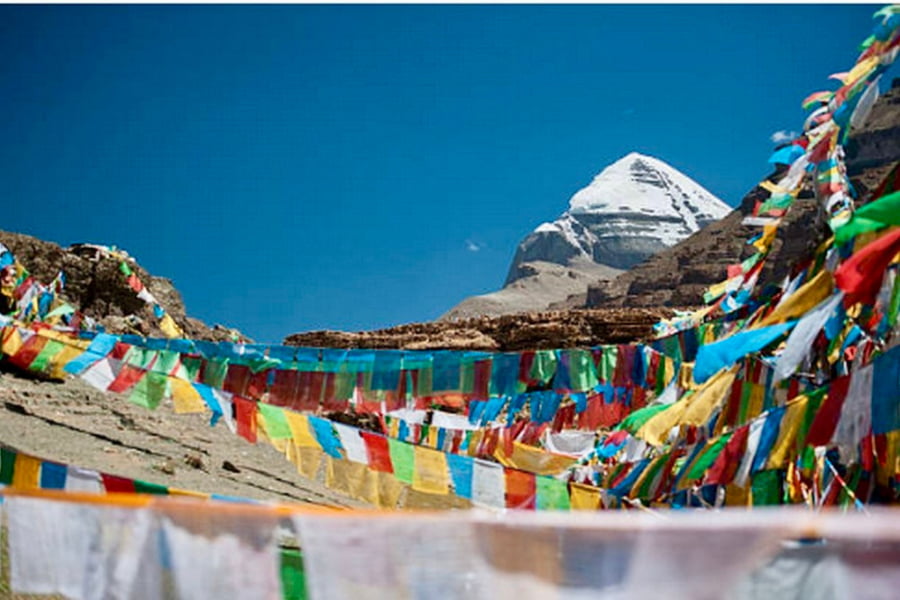
The helicopter option has become popular over the last decade, especially for older pilgrims, those with limited time, or anyone who wants to avoid the long overland road journey through Tibet.
The typical Kailash helicopter tour route goes:
Kathmandu > Nepalgunj > Simikot > Hilsa > Taklakot (Purang) > Lake Mansarovar > Darchen > Kailash Kora > Return
This route cuts travel time significantly. Instead of 10 to 14 days on the road, pilgrims can reach Kailash Mansarovar in about 3 to 4 days from Kathmandu.
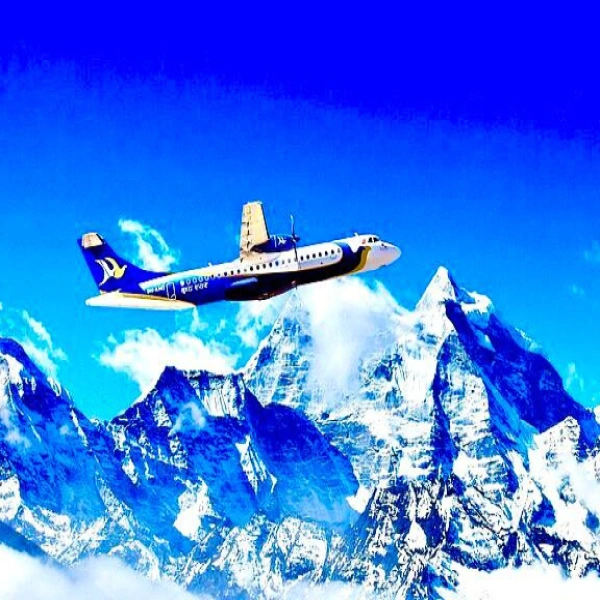
The helicopter flies at high altitude over the Himalayas. Views of Dhaulagiri, Api, and the Nepal-Tibet border ranges are extraordinary.
Who is this best suited for?
- Older pilgrims (60+) who cannot manage long drives
- Travelers with limited leave (15 to 18 days total)
- Those who have physical conditions but still want to complete the Yatra
- Anyone willing to pay more for comfort and speed
The Kora itself (walking around Mount Kailash) still needs to be completed on foot. The helicopter only replaces the overland road journey to the base.
Kailash Mansarovar Overland Tour Package
The overland route is the traditional way to reach Kailash. It takes longer, but many pilgrims feel the road journey through Tibet is part of the experience itself.
A typical Kailash overland tour from Nepal crosses into Tibet at Kerung (Gyirong), then travels east before turning west toward Kailash. The drive passes through high-altitude grasslands, nomadic settlements, and some of the most remote terrain in Asia.
Key highlights of the overland journey:
- Crossing the Kerung border into Tibet
- Driving through Saga, Paryang, and Darchen
- Views of Shishapangma, the Brahmaputra River valley, and the Tibetan plateau landscapes
- Stopping at small Tibetan towns for meals and rest
- A genuine sense of pilgrimage through the journey itself
Road conditions vary. Some sections are well paved. Others are rough, especially after rain. The drives are long, often 6 to 9 hours per day. Good tour operators (like Holy Kailash Tours) schedule the journey carefully to allow acclimatization stops.
Group travel is common on this route, adding a sense of community to the pilgrimage.
Kailash Mansarovar Yatra Itinerary
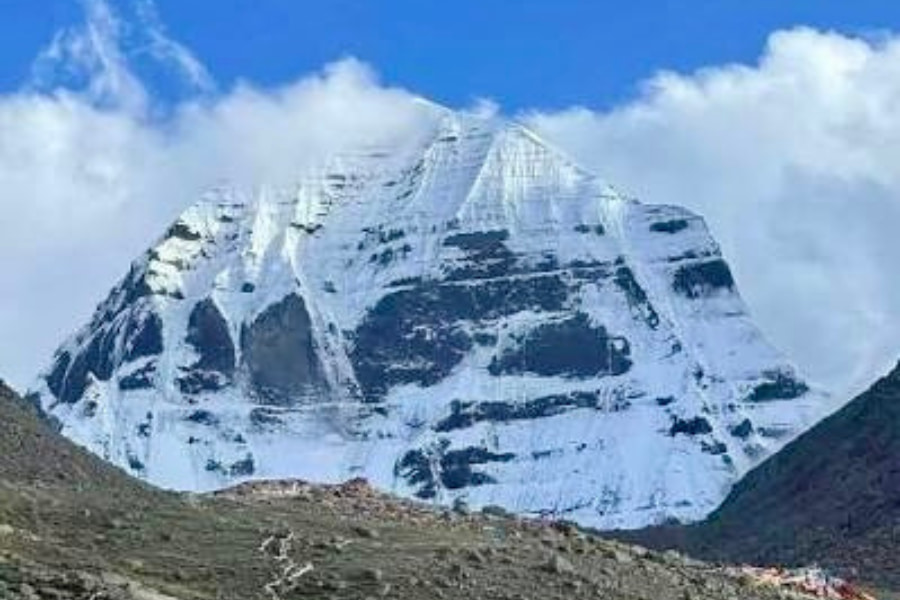
Here is a summarized Kailash itinerary for a standard overland package (roughly 16 to 18 days):
Day 1 to 2: Arrive in Kathmandu. Sightseeing, Permit processing, gear check, group briefing.
Day 4: Fly to Nepalgunj or drive to Kerung border.
Day 5: Cross into Tibet. Drive to Nyalam or Kerung town.
Day 6 to 7: Drive to Saga via Gyatso La Pass (5,248m). Acclimatization day.
Day 8: Drive to Paryang.
Day 9: Arrive Lake Mansarovar (4,590m). First views of Kailash. Ritual bath or puja.
Day 10: Free day at Mansarovar. Circumambulation of the lake or prayers.
Day 11: Drive to Darchen, the starting point for the Kailash Kora.
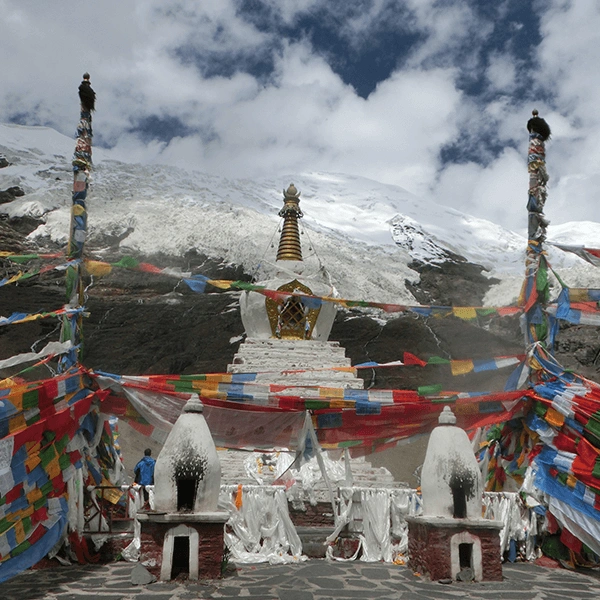
Day 12: Kora Day 1. Trekking from Darchen to Dirapuk (about 14 km).
Day 13: Kora Day 2. Cross Dolma La Pass (5,636m), the highest and hardest point. Descend to Dzultripuk.
Day 14: Kora Day 3. Complete the circuit, return to Darchen.
Days 15-16: Drive back to Kerung and cross into Nepal.
Day 17: Return to Kathmandu.
Day 18: Departure or rest day.
This is a general outline. Holy Kailash Tours adjusts the Mount Kailash travel plan based on group fitness, weather, and permit availability.
Best Time to Visit Kailash Mansarovar
May and June are the most popular months. Days are clear, temperatures are manageable, and the route is fully open. Expect crowds.
Late June and July bring monsoon rain to the Nepal side. Tibet itself stays drier, but river crossings and road conditions can be difficult. Some years the border is affected.
August is mid-monsoon. Not the most comfortable, but trips do run.
September and early October are excellent. The weather clears after the monsoon, the skies are blue, and the mountain views are sharp. This is the second most popular window.
November onward is off-season. The Tibet Autonomous Region typically closes its borders to foreign travelers from November through March.
For best results, book the May to June or September window. Kailash weather at 4,500 to 5,600 meters can turn at any time, so layers and waterproofing matter regardless of the month.
Kailash Mansarovar Permit and Visa Information
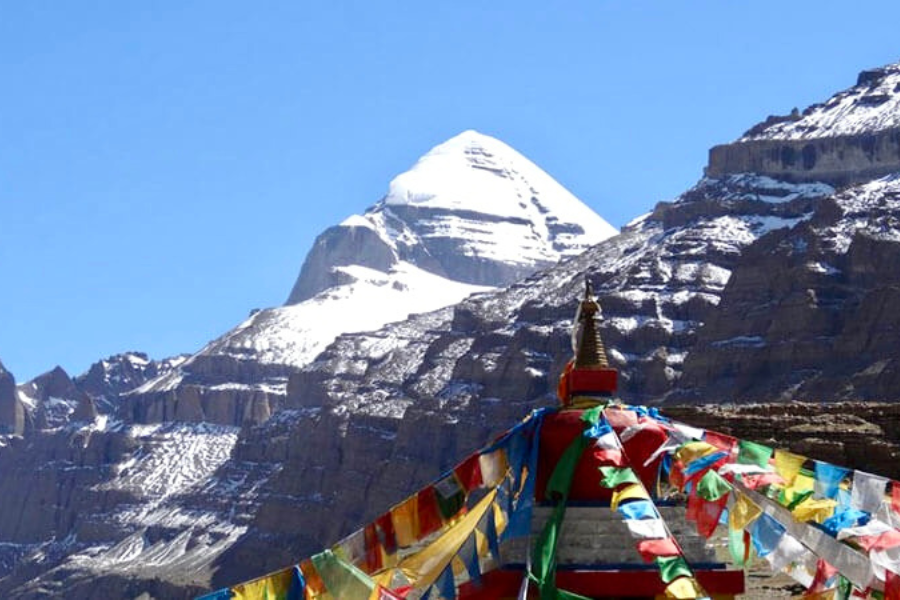
This part trips up a lot of travelers. Permits for Kailash are not the same as a standard Chinese visa, and the process takes longer than most people expect.
Tibet Travel Permit (TTP) Required for all foreign nationals entering Tibet. This is not the same as a Chinese tourist visa. It is a separate document issued by the Tibet Tourism Bureau and processed through a registered Chinese travel agency.
Chinese Group Visa: Foreign nationals (non-Indian) traveling to Kailash via Nepal receive a Chinese Group Visa, not an individual visa. This is arranged by Holy Kailash Tours in coordination with a licensed Chinese partner agency.
Indian nationals have a separate process through the Indian Foreign Office in Delhi for the Kailash Mansarovar Yatra.
Passport requirements:
- Valid for at least 6 months beyond your travel date
- At least 2 blank pages
- No damage to the photo or data page
Processing time: Permits typically take 3 to 4 weeks. Do not book flights or make plans without confirming permit availability first.
Rules for travelers:
- Independent travel to Kailash is not permitted for foreign nationals
- All travelers must be part of a registered group tour
- No photography of military installations along the route
Kailash Mansarovar Yatra Difficulty and Altitude
Kailash Yatra difficulty is often underestimated. This is not a casual trek.
The main challenge is altitude. Darchen sits at 4,560 meters. Dolma La Pass, the highest point of the Kora, is at 5,636 meters. Most travelers feel the effects of altitude between days 5 and 9.
Symptoms of altitude sickness to know:
- Headache, especially at night
- Nausea or loss of appetite
- Shortness of breath with minimal exertion
- Dizziness or trouble sleeping
What helps:
- Proper acclimatization (do not rush the ascent)
- Staying well hydrated
- Avoiding alcohol
- Acetazolamide (Diamox) if prescribed by your doctor
- Supplemental oxygen, which Holy Kailash Tours carries
The Kora itself covers about 52 kilometers over 3 days. Daily walking is 14 to 20 kilometers, with significant elevation gain and loss on Day 2 (Dolma La). Expect 6 to 8 hours of walking per day.
Who is fit? They can do it. Most moderately fit adults under 70 can complete the Kora with proper preparation. You do not need to be an athlete. But if you have heart, lung, or blood pressure conditions, speak with your doctor before booking.
Accommodation and Food During Kailash Yatra
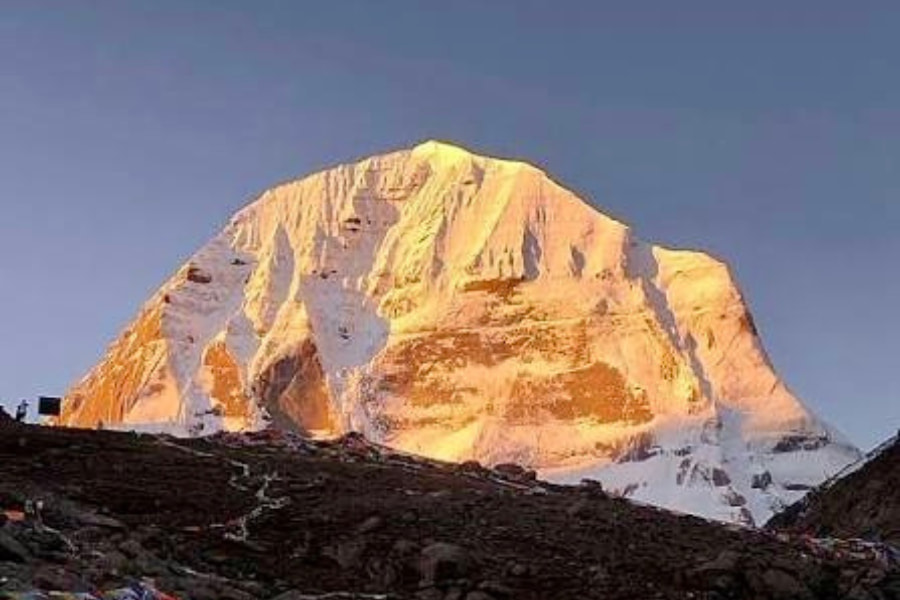
Kathmandu: Hotels range from budget to comfortable 3-star. Most packages include a 2 to 3-night stay. Good food options for all dietary needs.
Tibet route (Kerung to Darchen): Accommodation is basic. Guesthouses in Nyalam, Saga, and Paryang typically have shared rooms, squat toilets, and limited hot water. It improves slightly in Darchen, where a few basic hotels exist.
Mansarovar: Guesthouses near the lake are simple, but the setting is incredible.
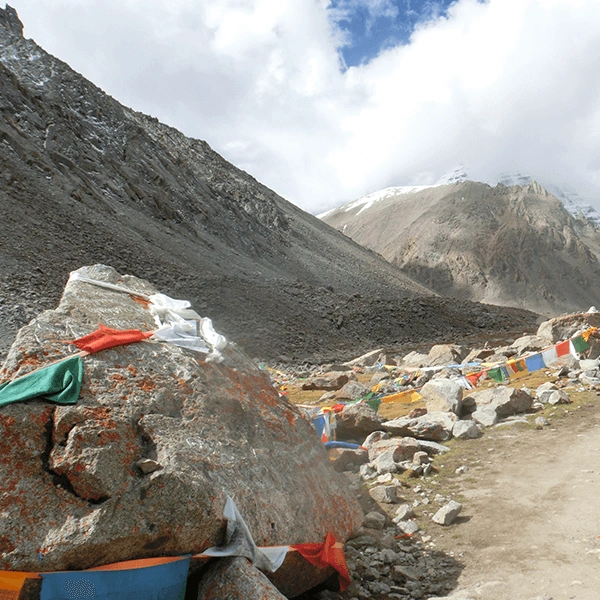
During the Kora: Tea houses at Dirapuk and Dzultripuk. Beds are dormitory-style. Bring a sleeping bag liner.
Food:
Most meals on the Tibet side are Chinese or Tibetan style: noodles, rice, dal, vegetables, thukpa (noodle soup)
- Vegetarian food is available throughout
- Packaged snacks, energy bars, and instant noodles are worth carrying for the Kora
- Drinking water must be boiled or treated. Carry a reusable bottle and water purification tablets
- Do not rely on bottled water availability at every stop. It is not always there.
Why You Should Choose Kailash Mansarovar Tours
The Kailash Mansarovar Yatra is not a trip you can wing. The altitude alone will humble you. Add Tibet permits, border crossings, remote roads, and unpredictable weather, and you quickly realize this journey needs proper planning from people who actually know the route.
That is what a good Kailash tour does. It handles the hard parts so you can focus on the pilgrimage itself.
Here is what you get with a managed tour:
- Permit support. Tibet Travel Permits and Chinese Group Visas take weeks to process. A registered operator like Holy Kailash Tours manages this for you, correctly and on time.
- Acclimatization built in. Rushing to altitude is dangerous. Good tour itineraries include proper rest stops so your body adjusts before the Kora.
- Experienced guides. Local guides know the terrain, the culture, and how to handle emergencies at 5,000+ meters.
- Logistics taken care of. Transport, accommodation, meals along the route, oxygen cylinders, and a backup plan if the weather shuts a road.
Going solo to Kailash is not permitted for most foreign nationals anyway. But even if it were, the route through western Tibet is no place to figure things out as you go.
Holy Kailash Tours has guided hundreds of pilgrims through this journey. The team is based in Kathmandu, speaks the language of both the route and the pilgrimage, and genuinely understands why this trip matters to the people making it.
That combination is hard to find. And on this particular journey, it is worth its weight in gold.
Why Choose Holy Kailash Tours for Kailash Mansarovar Yatra
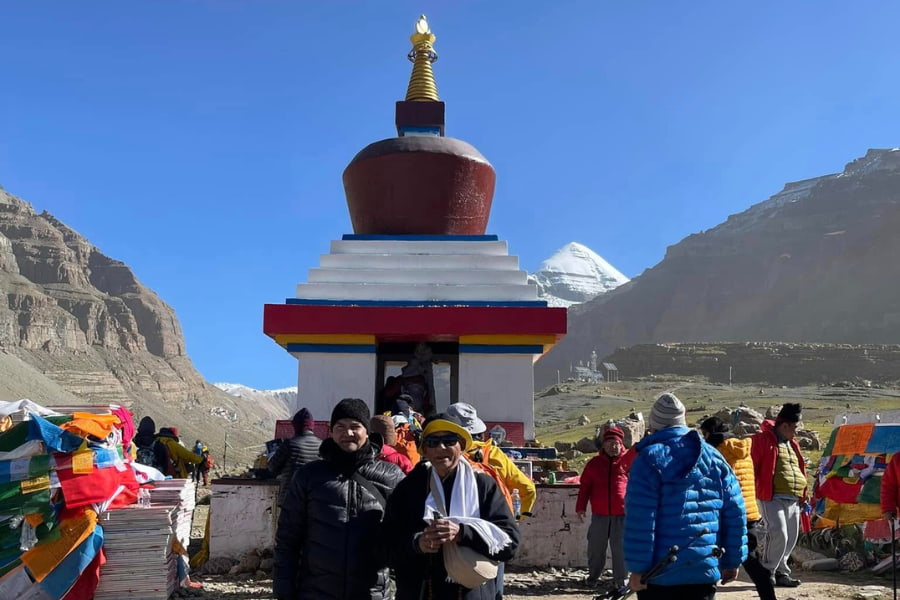
A lot of operators run Kailash tours. The difference usually shows up when something goes wrong on the road or a permit is delayed. Here is what sets Holy Kailash Tours apart:
- Local knowledge. The team is based in Kathmandu with direct experience on the Tibet route.
- Permit handling. Tibet permits and Chinese visas are complicated. The team manages this end-to-end.
- Safety first. Every group travels with oxygen, a first aid kit, and guides trained in altitude response.
- Honest itineraries. Acclimatization stops are built in, not skipped to save days.
- Reliable transport. Well-maintained 4WD vehicles with experienced Tibetan drivers.
- Spiritual understanding. The guides understand the religious meaning of the journey, not just the logistics.
- Flexible options. Whether you want a budget overland group tour or a private helicopter package, Holy Kailash Tours has an option for you.
Booking with a local Nepal-based Kailash tour operator means direct communication, faster permit processing, and real accountability if something goes wrong on the road.
Kailash Mansarovar Yatra Packing List
Pack for cold, dry, and high altitude. Here is what you need:
Clothing:
- Down jacket (at least -10°C rated)
- Waterproof outer shell jacket and pants
- Thermal base layers (top and bottom)
- Fleece mid-layer
- Trekking trousers (2 pairs)
- Warm socks (wool is best, bring 5 to 6 pairs)
- Gloves (inner liner plus outer waterproof)
- Wool hat and neck gaiter
- Sun hat or cap
Footwear:
- Waterproof trekking boots (broken in before the trip)
- Camp shoes or sandals
Gear:
- Trekking poles (strongly recommended for Dolma La)
- Sleeping bag liner
- Daypack (20 to 30 liters)
- Headlamp with spare batteries
- Reusable water bottle and purification tablets
Health and personal:
- Prescription medicines plus extras
- Altitude sickness medication (Diamox, as prescribed)
- Ibuprofen, antihistamine, and antidiarrheal tablets
- Sunscreen (SPF 50 or higher)
- Lip balm with SPF
- Sunglasses with UV400 protection
- Hand sanitizer and wet wipes
Documents:
- Passport (original)
- Passport copies (3 to 4)
- Passport-size photos (6 to 8)
- Travel insurance document
- Emergency contact card
Frequently Asked Questions About Kailash Mansarovar Yatra
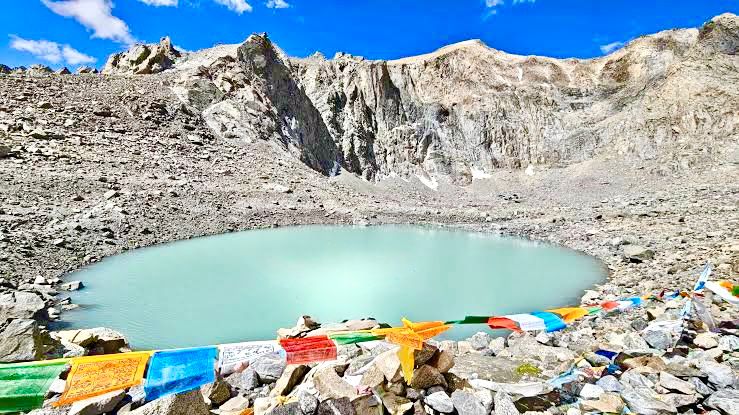
1. How difficult is the Kailash Mansarovar Yatra?
It is challenging mainly due to altitude, not technical terrain. The Kora is a long, high-elevation walk. Dolma La Pass (5,636m) is the hardest section. Good physical condition and acclimatization make it manageable for most adults.
2. What is the altitude of Mount Kailash?
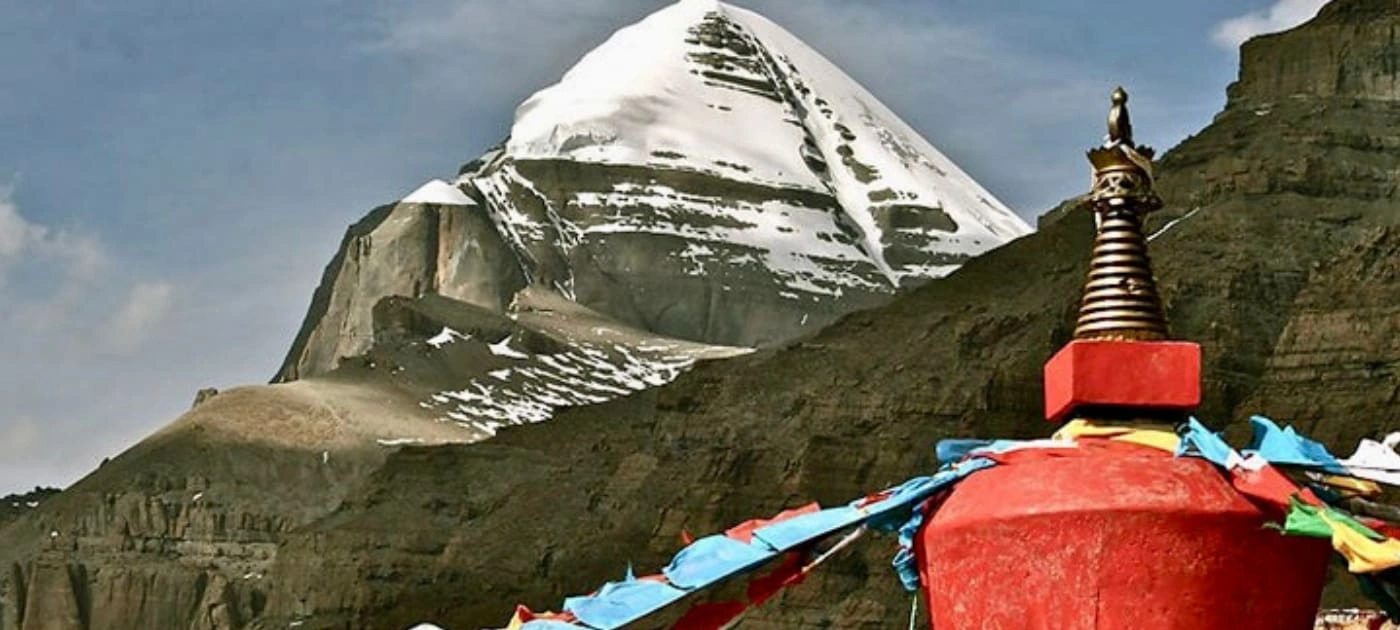
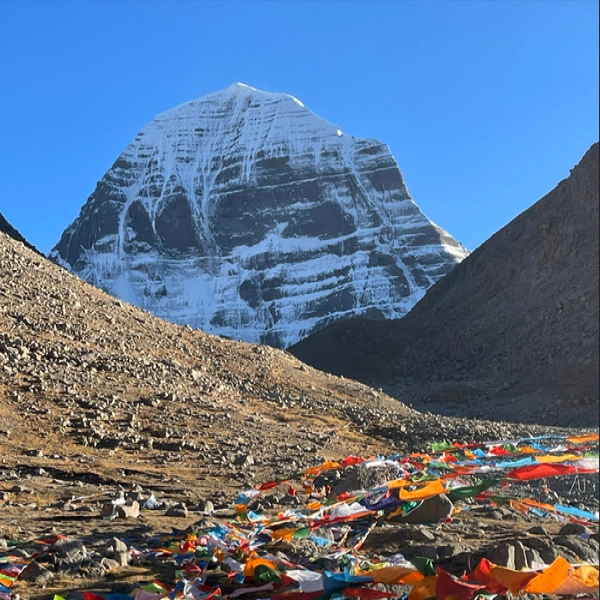
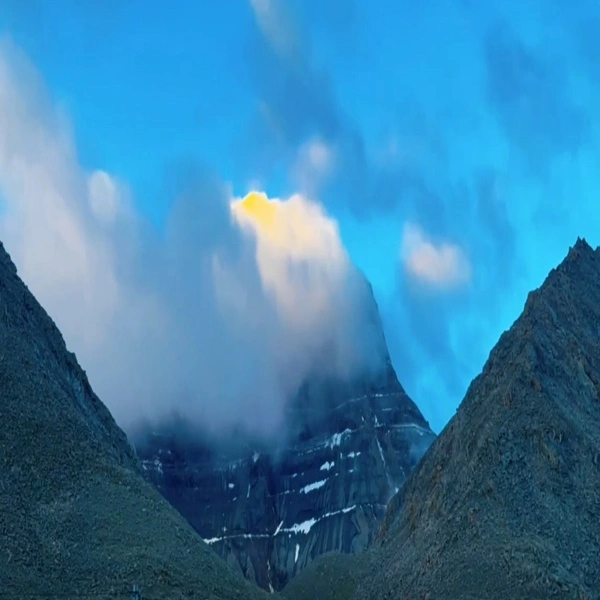
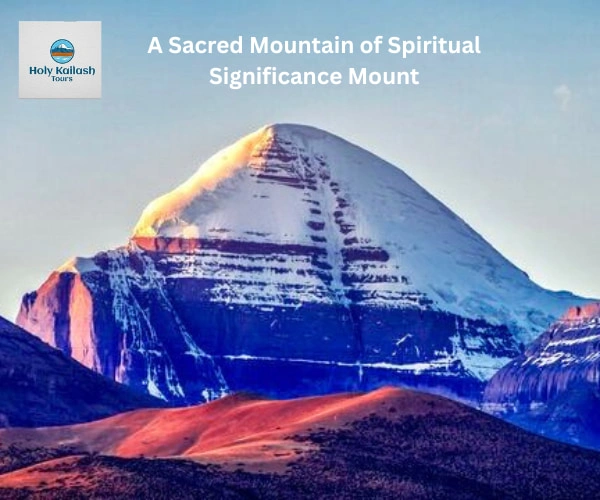
Mount Kailash stands at 6,638 meters. You do not climb it (no climbing is permitted). The Kora circles the base, with the highest walking point at Dolma La Pass (5,636m).
3. Can beginners join the Kailash Yatra?
Yes, if they are reasonably fit and have no serious health conditions. No prior trekking experience is required. The right preparation, acclimatization schedule, and a good operator make all the difference.
4. Is a helicopter tour available?
Yes. Holy Kailash Tours offers helicopter packages via the Simikot-Hilsa route. This is ideal for those with limited time or physical limitations.
5. How much does Kailash Yatra cost?
Depending on the route and package type, expect to pay between USD 2,400 to USD 7,000 per person. The biggest factors are whether you fly or drive, group size, and accommodation standards.
6. What permits are required?
Tibet Travel Permit and a Chinese Group Visa (for most nationalities). Indian nationals apply separately through the Indian government's MEA quota.
7. What is the best time for Kailash Yatra?
May to June and September to early October. These months offer the most stable weather and clearest views.
8. How many days does the trip take?
Most packages run 14 to 21 days from Kathmandu and back. Helicopter packages can be done in 12 to 15 days.
Final Thought
The Kailash Mansarovar Yatra is one of the most demanding and meaningful journeys a person can take. Planning it well makes the difference between a rough experience and a life-changing one.
Holy Kailash Tours has helped hundreds of pilgrims complete this journey safely and comfortably. Whether you want an overland group tour, a private package, a Kailash Yatra by helicopter, or a Kailash Yatra via Lhasa, the team can plan the right trip for your schedule, budget, and physical condition.
Contact UsAt Holy Kailash Tours to check permit availability, current pricing, and which dates work for your schedule. Peak-season spots go fast, and permits take weeks to process, so the earlier you reach out, the better your options.